How California Plant Lovers Turn Banana And Coffee Into Powerful Plant Food
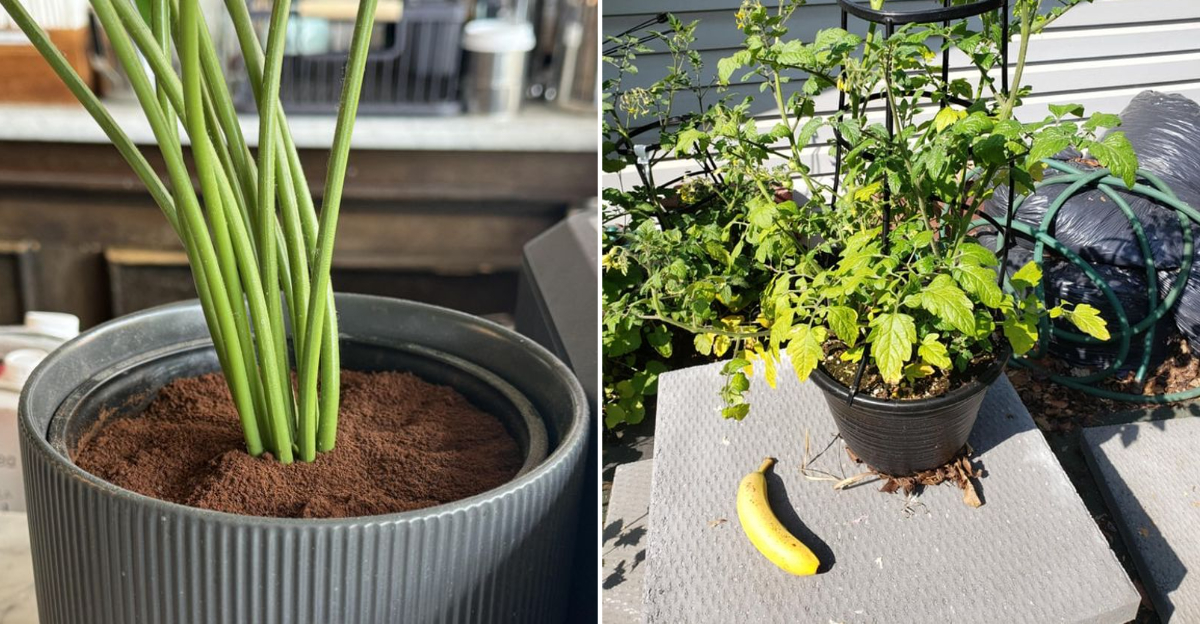
Sunshine, creativity, and a little kitchen magic, that’s the California plant lover way. Across the Golden State, houseplant fans are discovering that some of the best plant boosters aren’t hiding at the garden center… they’re sitting right on the kitchen counter.
Banana peels and used coffee grounds are getting a second life as powerful, natural plant food, and the results are impressive.
Instead of tossing scraps in the trash, savvy growers are transforming everyday leftovers into nutrient-packed goodness that supports stronger roots, richer soil, and happier leaves. It’s sustainable, budget-friendly, and surprisingly simple.
Plus, there’s something deeply satisfying about turning yesterday’s breakfast into tomorrow’s thriving greenery.
Curious how these humble ingredients can fuel your indoor jungle? Many plant lovers swear their leaves look greener, growth feels faster, and soil stays lively after adding these natural boosts.
A simple routine with everyday scraps can bring new energy to tired plants, reduce waste, and make plant care feel even more rewarding.
With just a little curiosity and a pinch of patience, ordinary kitchen leftovers can become a secret weapon for lush, vibrant houseplants that truly shine.
1. Banana Peels Feed Plants
Your morning banana comes with a hidden gift for your garden. The peel contains potassium, phosphorus, and calcium that plants absolutely love.
When you bury these peels in soil, they break down slowly and release nutrients right where roots can grab them. It’s like delivering a time-release vitamin straight to the root zone, helping plants stay nourished over an extended period instead of all at once.
California gardeners have been using this method for years because it works so well. The potassium helps plants grow strong stems and develop bright flowers.
Phosphorus supports healthy root systems, while calcium keeps leaves from turning brown at the edges. Together, these nutrients encourage sturdier growth, better flowering, and improved overall plant resilience, especially during hot, dry stretches.
You can use banana peels fresh or dried. Fresh peels work faster but might attract fruit flies if left on top of soil.
Chopping them into small pieces and burying them a few inches deep helps prevent pests and speeds up decomposition. Dried peels take longer to break down but store easily in a jar until you need them.
Some gardeners even grind dried peels into a powder and sprinkle a small amount into potting mix for an easy nutrient boost.
Many plant lovers in Southern California swear by this method for their roses and tomatoes. The results show up in just a few weeks with darker green leaves and more blooms.
Houseplants like pothos and peace lilies can benefit too, especially during their active growing season. Best of all, you’re keeping organic waste out of landfills while feeding your garden naturally, creating a simple cycle that supports both your plants and the planet.
2. Coffee Grounds Improve Soil
Used coffee grounds do more than wake you up in the morning. They also wake up tired soil by adding nitrogen and improving texture.
Plants need nitrogen to produce chlorophyll, which gives leaves their rich green color and helps them turn sunlight into energy. When soil runs low on nitrogen, plants can look pale and sluggish, so a small boost from used grounds can make a noticeable difference in overall vigor.
Gardeners across California appreciate how coffee grounds make heavy clay soil lighter and help sandy soil retain moisture longer. The fine particles create tiny air pockets that allow roots to breathe, stretch, and absorb nutrients more efficiently.
Better airflow means stronger root systems and healthier growth above the surface. Earthworms are especially attracted to coffee grounds, and their activity naturally loosens soil even further, creating a thriving underground ecosystem that supports your plants.
The mild acidity in coffee grounds benefits certain plants like blueberries, azaleas, and hydrangeas. These acid-loving varieties respond well when soil pH drops slightly, often producing more vibrant foliage and blooms.
For hydrangeas, slight changes in soil acidity can even influence flower color. Still, moderation matters.
Most vegetables and flowering plants prefer grounds blended into compost first, which balances nutrients and prevents compacting the soil surface.
3. How To Use Banana Peels
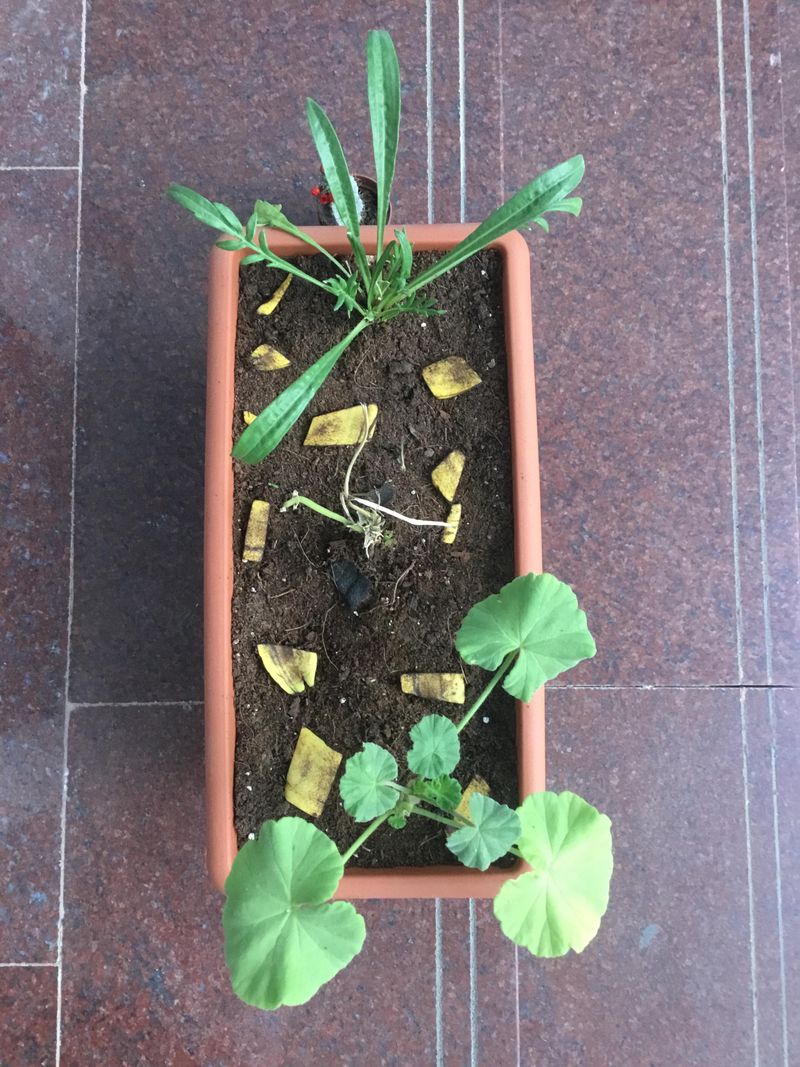
Getting the most from banana peels requires knowing a few simple tricks. Start by cutting peels into small pieces about one inch across.
Smaller pieces break down faster and release nutrients sooner than whole peels buried in soil. If you want to speed things up even more, mix the chopped peels lightly into the soil instead of simply tucking them underneath.
The added contact with moisture and microbes helps decomposition move along quickly.
For potted plants, bury chopped peels two inches deep around the edges of containers. Keep them away from stems to prevent rot and discourage pests.
Water the pot lightly after burying them to help activate the breakdown process. Outdoor garden beds can handle slightly larger pieces mixed into the top layer of soil, especially during planting season when you’re already turning the earth.
This allows nutrients to settle right where new roots will soon grow.
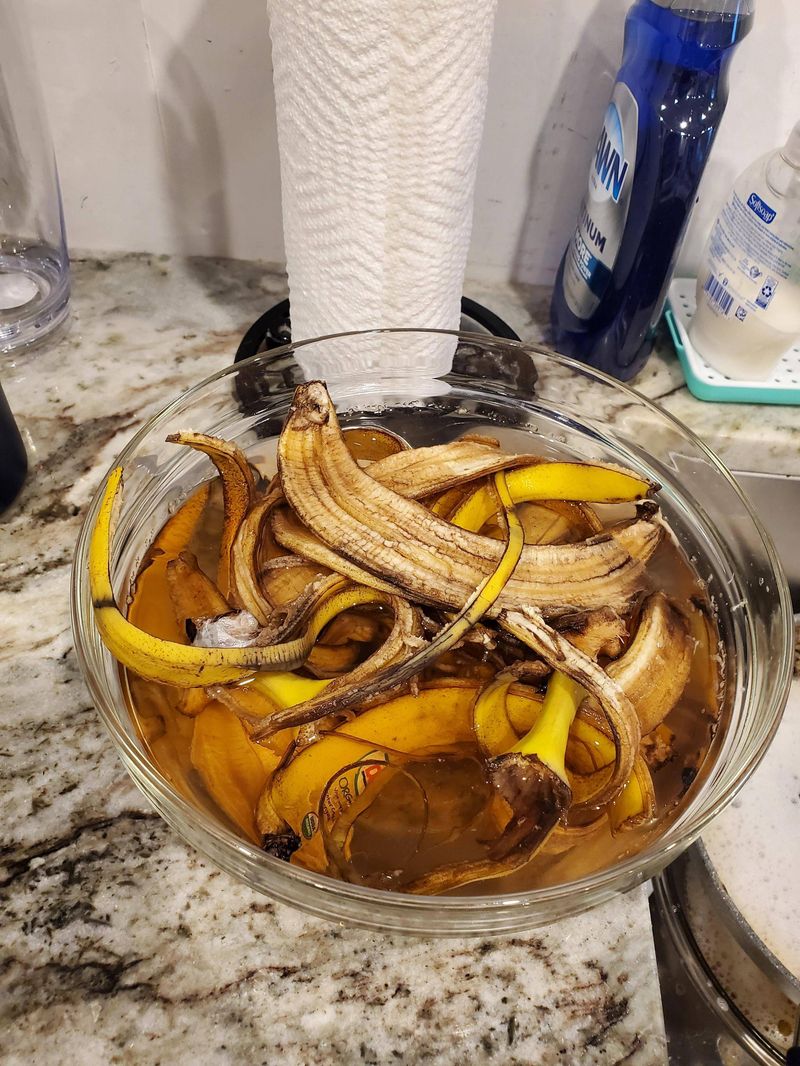
Some California gardeners prefer making banana peel tea instead. Fill a jar with peels and water, then let it sit for three days.
The water turns brown as nutrients seep out. Strain the liquid and pour it directly onto soil around plants once a week.
This gentle feeding method works especially well for flowering plants that appreciate a steady potassium boost.
Drying peels in the sun creates a powder you can sprinkle anytime. Lay peels on a baking sheet in a bright spot for two days until they turn dark and crispy.
Crushing them into a fine powder makes storage easy and application simple. Just mix a tablespoon into potting soil or scratch it into garden beds before watering.
This approach is perfect for apartment dwellers or anyone with limited space who still wants a steady supply of natural plant food.
4. Using Coffee Grounds Right
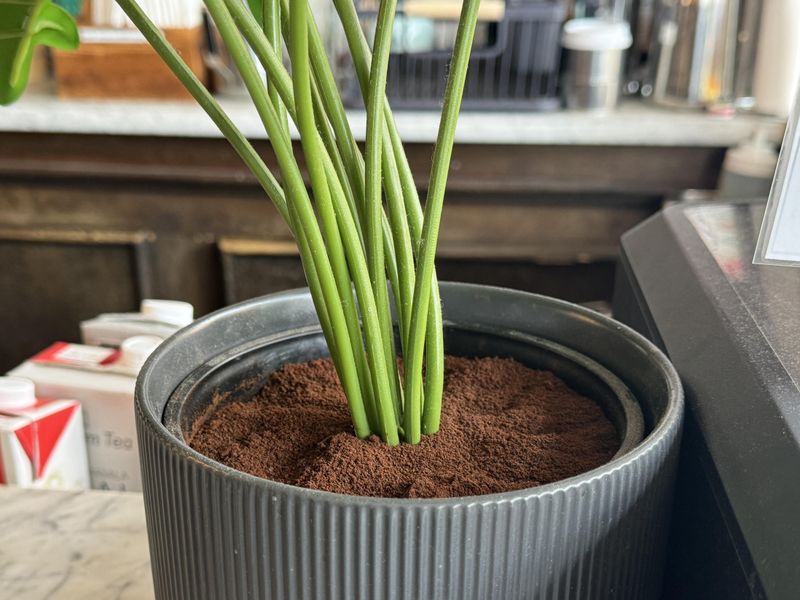
Coffee grounds work best when you understand how much to use. Too many grounds can actually harm plants by creating a waterproof layer that blocks moisture.
Spread grounds no thicker than half an inch at a time, and always mix them into soil rather than leaving them on top.
Fresh grounds contain more nitrogen than used grounds, but they can be too acidic for some plants. Let fresh grounds sit in a bucket for a week before using them.
This aging process reduces acidity and makes them safer for sensitive plants.
Mixing coffee grounds into compost bins speeds up decomposition of other materials. The nitrogen in grounds helps break down leaves, grass clippings, and vegetable scraps faster.
California composters often aim for one part coffee grounds to three parts brown materials like dried leaves.
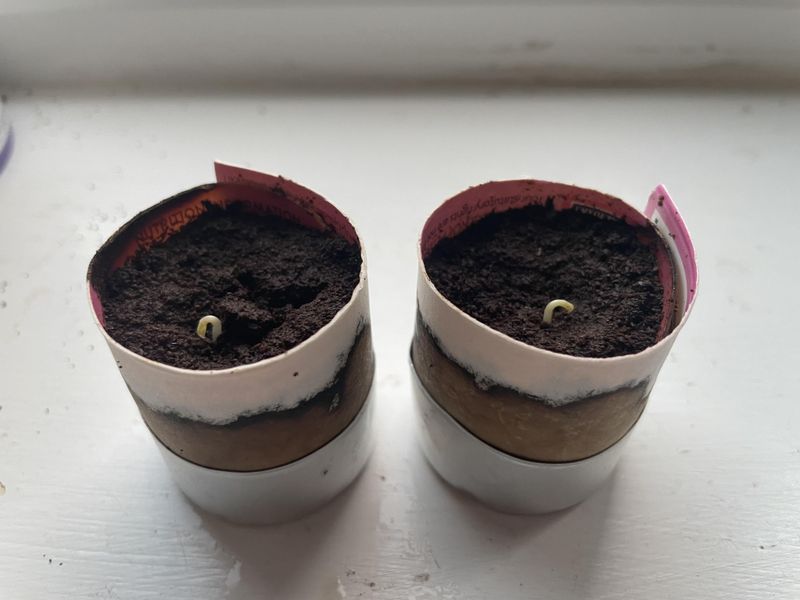
Never use coffee grounds on seedlings or young plants with delicate roots. Wait until plants are established and growing well.
Mature plants in Los Angeles gardens handle coffee grounds much better than tender sprouts just starting out in the spring.
5. Best Plants For This Trick
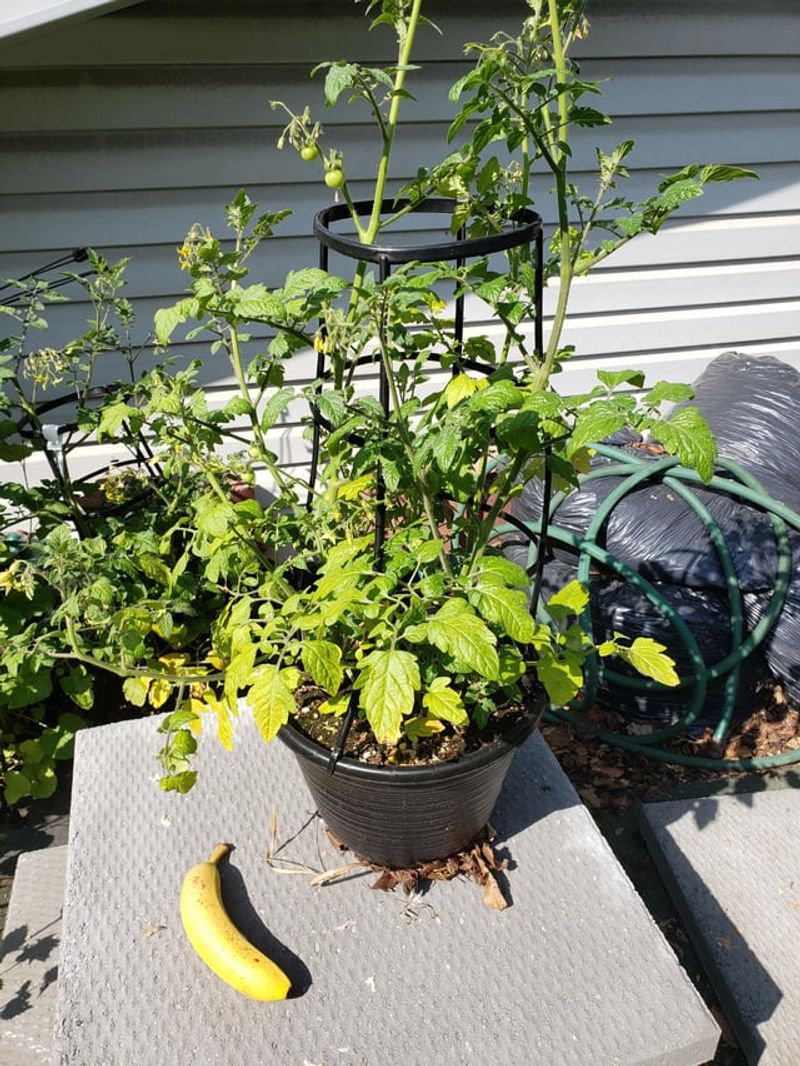
Tomatoes absolutely love the potassium boost from banana peels. California tomato growers report bigger fruits and stronger plants when they add peels monthly during growing season.
The extra potassium helps tomatoes resist diseases and produce sweeter fruit.
Roses respond beautifully to both banana peels and coffee grounds. The combination creates exactly what roses need for spectacular blooms.
Many rose gardens in California use this method exclusively and skip commercial fertilizers completely.
Peppers, squash, and cucumbers also benefit from banana peel nutrients. These heavy feeders need lots of potassium to produce abundant harvests. Bury chopped peels near these plants every two weeks during summer.
Acid-loving plants like blueberries, azaleas, and rhododendrons prefer coffee grounds over banana peels. The slight acidity helps them absorb nutrients better from soil.
Gardeners in foggy coastal California areas find coffee grounds especially helpful for these plants.
Houseplants enjoy banana peel tea but use it sparingly. Indoor plants need less fertilizer than outdoor gardens. Feed houseplants with diluted banana tea once monthly during spring and summer only.
6. Common Mistakes To Avoid
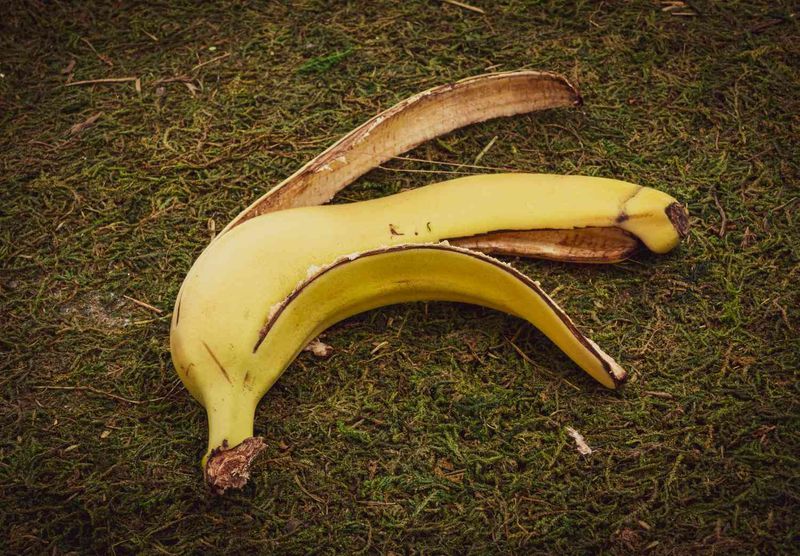
Piling banana peels on top of soil invites pests and creates unpleasant smells. Fruit flies, ants, and even rats might visit your garden looking for easy food.
Always bury peels under at least two inches of soil to prevent problems.
Using moldy coffee grounds seems like it shouldn’t matter, but mold spores can spread to plants and cause fungal issues. Check grounds before using them and throw away any that smell musty or show white fuzz growing on top.
Applying too much of either material at once overwhelms plants instead of helping them. California gardens do best with small amounts added regularly rather than large doses all at once. Think of it like eating meals throughout the day instead of one huge feast.
Forgetting to water after adding banana peels or coffee grounds slows down decomposition.
These materials need moisture to break down and release nutrients. Water thoroughly after each application to start the process.
Expecting instant results leads to disappointment. Natural fertilizers work slower than chemical products but provide longer-lasting benefits. Give your plants at least three weeks to show improvement.