How Central Oregon Gardeners Extend The Short Growing Season

Gardening in Central Oregon comes with a unique challenge. The growing season is much shorter than in other parts of the state, and late spring frosts or chilly fall nights can sneak up quickly.
For many gardeners, it can feel like the window for growing vegetables and flowers opens and closes in the blink of an eye.
But experienced Central Oregon gardeners have learned how to work with the climate instead of fighting it. With a few smart strategies, they’re able to stretch the season and enjoy productive gardens for much longer than you might expect.
Simple tricks like choosing the right crops, protecting young plants, and making the most of sunny days can add valuable weeks to the growing season. Those extra weeks often make the difference between a small harvest and a thriving garden.
Once you know the techniques local gardeners rely on, growing successfully in Central Oregon becomes a lot more achievable and surprisingly rewarding.
1. Start Seeds Indoors Early
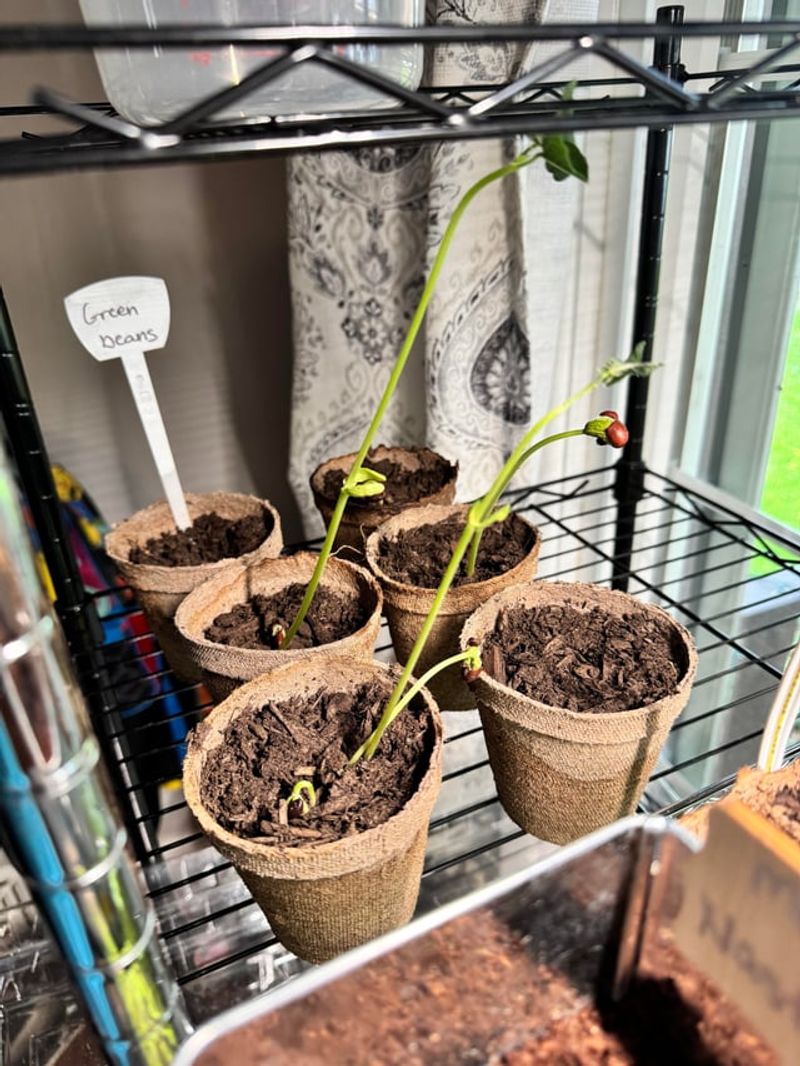
Getting a head start on the season is one of the smartest moves a Central Oregon gardener can make.
The region’s last frost date can stretch into late May or even early June in higher elevations, so waiting to plant outside means losing precious growing time. Starting seeds indoors gives plants a major advantage.
Using a heat mat under your seed trays helps warm-season crops like tomatoes and peppers germinate faster. Pair the mat with a grow light set on a timer for 14 to 16 hours a day, and your seedlings will grow strong and healthy.
A south-facing window can work too, but grow lights are more reliable in Central Oregon’s often cloudy spring weather.
Most warm-season vegetables should be started 6 to 8 weeks before your expected last frost date.
Keep track of that date for your specific area, since elevations vary widely across Central Oregon. Label your trays clearly so you always know what you planted and when.
Once nighttime temperatures stay consistently above 50 degrees Fahrenheit, you can begin hardening off your seedlings by setting them outside for a few hours each day before transplanting them into the garden.
2. Use Cold Frames Or Small Greenhouses

Cold frames and small greenhouses are like a secret weapon for Central Oregon gardeners. These simple structures trap heat from the sun and create a warmer environment for plants, even when outside temperatures are still cold.
A basic cold frame can be built from wood and an old window or clear plastic panel.
Mini hoophouses are another popular choice in the region. They use wire hoops covered with greenhouse-grade plastic to create a protected growing tunnel.
These structures can raise temperatures inside by 10 to 20 degrees compared to the outdoor air, which makes a huge difference during Central Oregon’s unpredictable spring and fall weather.
Tomatoes, peppers, and cucumbers are warm-season crops that struggle in cool temperatures. Placing them inside a cold frame or small greenhouse gives them the warmth they need to thrive.
Many local gardeners in Bend and Redmond use these tools to grow crops that would otherwise be nearly impossible to ripen outdoors.
You can open the lids or vents on warm days to prevent overheating, then close them up again before sunset to hold in heat overnight. With a little attention, these simple structures can add weeks to your growing season.
3. Cover Plants With Frost Cloth
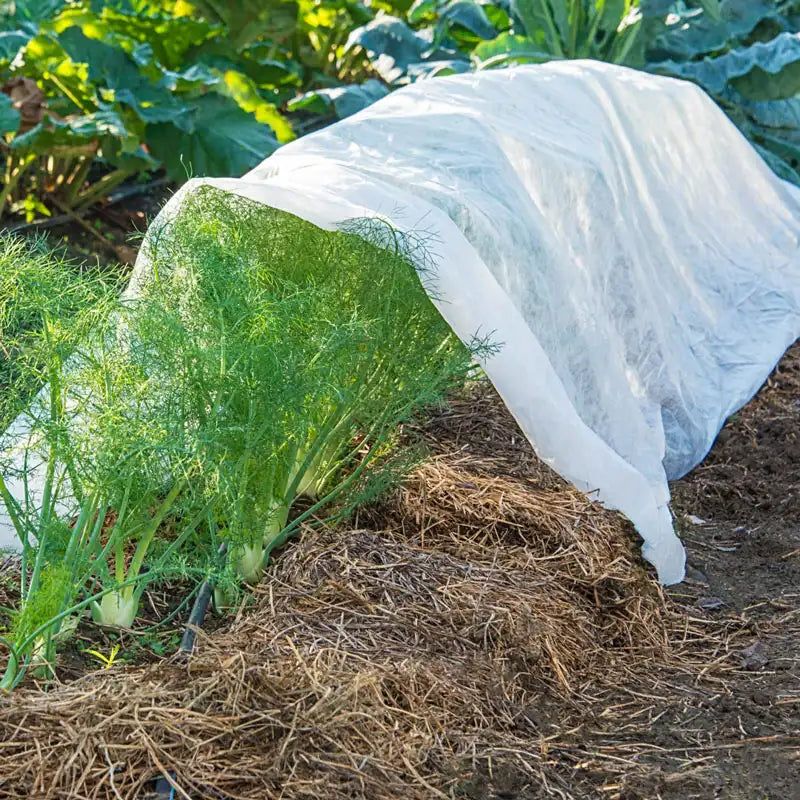
Frost cloth might look like a simple piece of fabric, but it can save an entire garden in Central Oregon. Also called row cover or floating row cover, this lightweight material lets in light and moisture while keeping the cold air away from tender plants.
It can protect plants from temperatures a few degrees below freezing, which is often all you need during a light frost event.
Keeping a roll of frost cloth handy is a must for any serious gardener in the region. Central Oregon weather can change fast, and an unexpected freeze in May or September can wipe out crops that took weeks to grow.
Draping frost cloth over plants before nightfall and removing it in the morning is a simple routine that pays off big.
Frost cloth works especially well over peppers, tomatoes, basil, and other warm-season plants that are sensitive to cold. You can secure the edges with rocks, garden stakes, or clips to keep it from blowing away in the wind, which is common in Central Oregon.
Heavier-weight frost cloths offer more protection but block more light, so choose the right weight for the season. With proper use, frost cloth can extend your harvest by several weeks on both ends of the growing season.
4. Plant Cold-Hardy Crops First

Not every vegetable needs warm weather to thrive. In Central Oregon, smart gardeners take advantage of the cool early season by planting cold-hardy crops as soon as the ground can be worked.
These tough vegetables can handle light frosts and actually grow better in cooler temperatures.
Kale, spinach, lettuce, arugula, peas, carrots, and kohlrabi are all excellent choices for early planting.
Many of these crops can go into the ground in March or April in lower-elevation areas of Central Oregon, giving you a harvest weeks before warm-season crops even get started.
Some root vegetables like carrots and beets actually taste sweeter after a light frost because the cold converts their starches to sugar.
Planting cold-hardy crops first also means you are making the most of every square foot of your garden space. Once spring temperatures warm up, you can pull out the cool-season crops and replace them with tomatoes, squash, or beans.
This back-to-back planting style keeps the garden productive all season long. Many experienced Central Oregon gardeners plan their cool-season beds in advance so they are ready to plant the moment soil conditions allow.
Starting early gives you a longer harvest window and a more productive growing season overall.
5. Choose Fast-Maturing Varieties
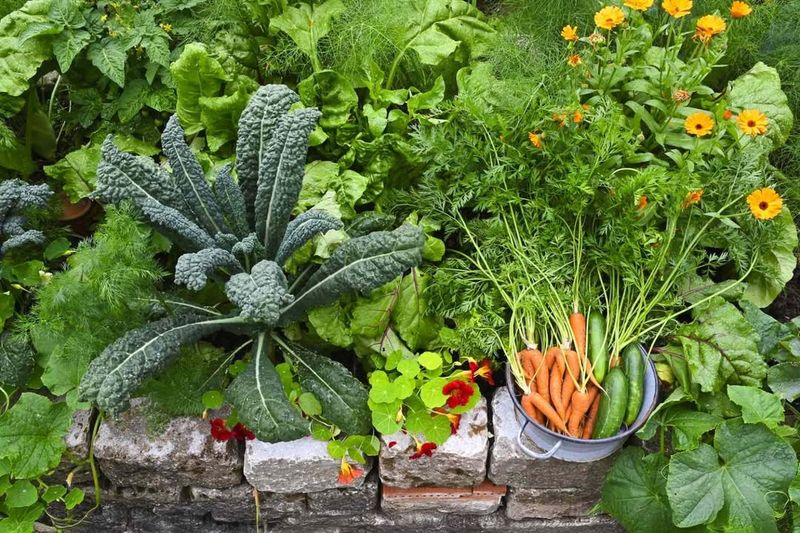
Variety selection can make or break a garden in Central Oregon. When the growing season is short, choosing vegetables that mature quickly is one of the most effective strategies a gardener can use.
Fast-maturing varieties are bred to go from seed to harvest in fewer days, which is exactly what high-elevation and high-desert gardens need.
Look at the days-to-maturity number on seed packets when shopping. For tomatoes, varieties that mature in 60 to 70 days are much more reliable in Central Oregon than those that need 90 or more days.
The same idea applies to corn, squash, melons, and peppers. Shorter maturity times mean you are more likely to get a full harvest before the first fall frost arrives.
Did you know that plant breeders have developed specific short-season varieties for climates just like Central Oregon? Varieties like Stupice tomatoes, Oregon Spring peppers, and Jade bush beans are popular among local gardeners for good reason.
They were designed to perform well in cooler and shorter growing seasons. Visiting a local nursery in Bend or Redmond and asking staff which varieties do best in the area is a great way to find reliable picks.
Choosing the right variety from the start saves time, effort, and disappointment later in the season.
6. Grow In Raised Beds
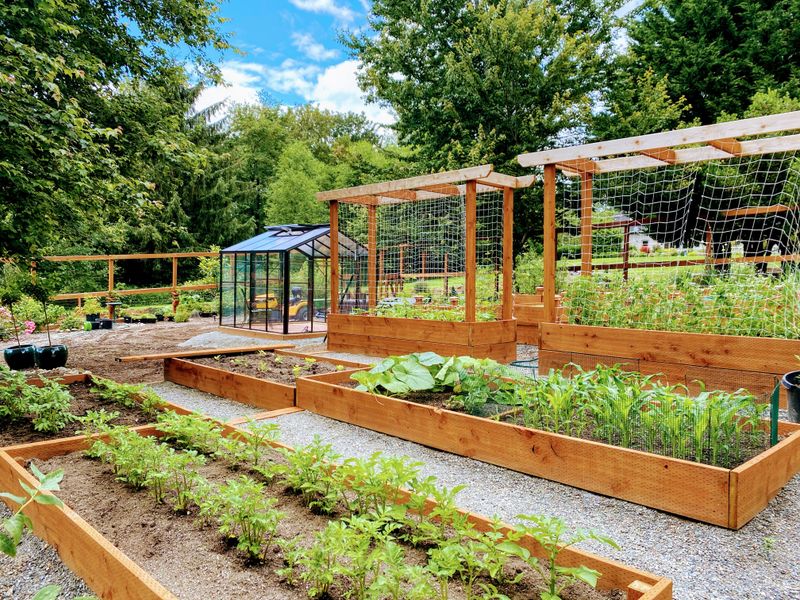
Raised beds are a game-changer for gardeners in Central Oregon. One of the biggest advantages is soil temperature.
Because raised beds sit above the ground, the soil inside them warms up faster in the spring than in-ground garden soil. That warmer soil means you can plant earlier and give your crops more time to grow.
Central Oregon’s native soil can be rocky, sandy, or full of volcanic material that drains too quickly and lacks nutrients. Raised beds let you fill the growing space with high-quality compost-rich soil that plants love.
Better soil structure means roots grow deeper and plants stay healthier throughout the season. Good drainage is also important in areas where soil compaction can be a problem.
Building raised beds is a one-time project that pays off for years. Cedar and redwood are popular choices because they resist rot and last a long time.
A height of 10 to 12 inches gives roots plenty of room to grow. Many Central Oregon gardeners also find that raised beds are easier on the back and knees since you do not have to bend as far to tend your plants.
Raised beds also make it easier to install row covers, frost cloth, or hoops for season extension later in the year.
7. Use Warm Garden Microclimates
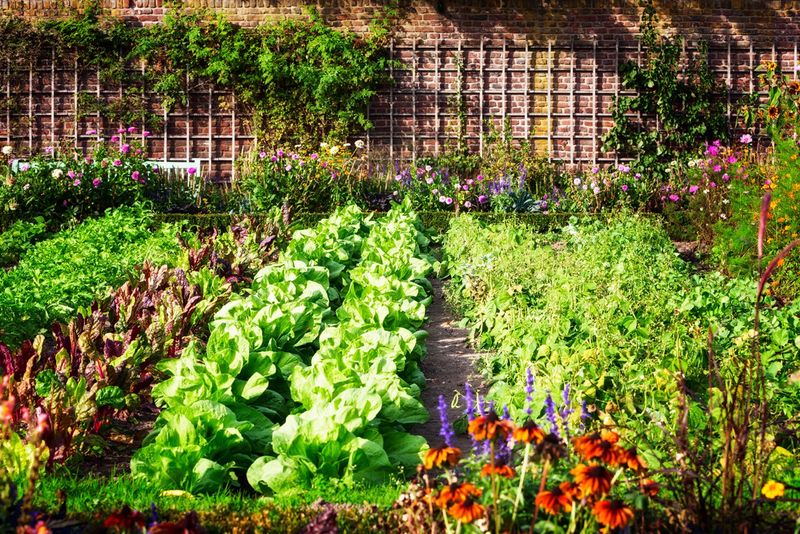
Every yard has spots that are warmer than others, and in Central Oregon, finding those spots can add real growing time to your season. These warm pockets are called microclimates.
They are areas where heat collects, wind is blocked, or sunlight hits more directly, creating conditions slightly warmer than the surrounding landscape.
South-facing walls and fences are some of the best microclimates in a garden. They absorb sunlight all day and radiate heat back toward nearby plants in the evening.
Planting heat-loving vegetables like tomatoes, peppers, or eggplant next to a south-facing wall can give them the extra warmth they need to thrive in Central Oregon’s cool climate. Dark-colored walls and raised beds absorb even more heat.
Windbreaks also play a big role in creating microclimates. Wind pulls heat away from plants and dries out the soil quickly, which is a common problem in Central Oregon’s dry, breezy conditions.
Planting a row of shrubs or placing a fence on the north or west side of your garden blocks cold wind and keeps the growing area warmer.
Even placing large rocks in the garden helps, since rocks absorb daytime heat and slowly release it at night.
Paying attention to where your garden naturally stays warmest is a simple way to grow more successfully.
8. Practice Succession Planting

Succession planting is a strategy where you plant the same crop multiple times throughout the season, a few weeks apart, instead of all at once.
For Central Oregon gardeners, this approach keeps a steady supply of fresh vegetables coming in from early spring all the way through fall.
It also prevents that frustrating situation where everything ripens at the same time and you end up with more than you can use.
Crops like lettuce, radishes, spinach, and green onions are perfect for succession planting. You can plant a small batch every two to three weeks starting in early spring.
When the first planting is ready to harvest, the next one is already growing strong. This rolling harvest system works beautifully in the Central Oregon climate where cool spring and fall weather is ideal for these crops.
Planning succession planting takes a little organization, but it is worth the effort. Keep a simple garden journal or calendar to track when you planted each batch and when to expect the next harvest.
As summer heats up in Central Oregon, shift your succession crops to heat-tolerant varieties, then switch back to cool-season types in late summer for a fall harvest.
With good timing, you can enjoy fresh produce from your garden for five to six months, making the most of every day in the short growing season.