How Charlotte Gardeners Care For Orchids During North Carolina Winters
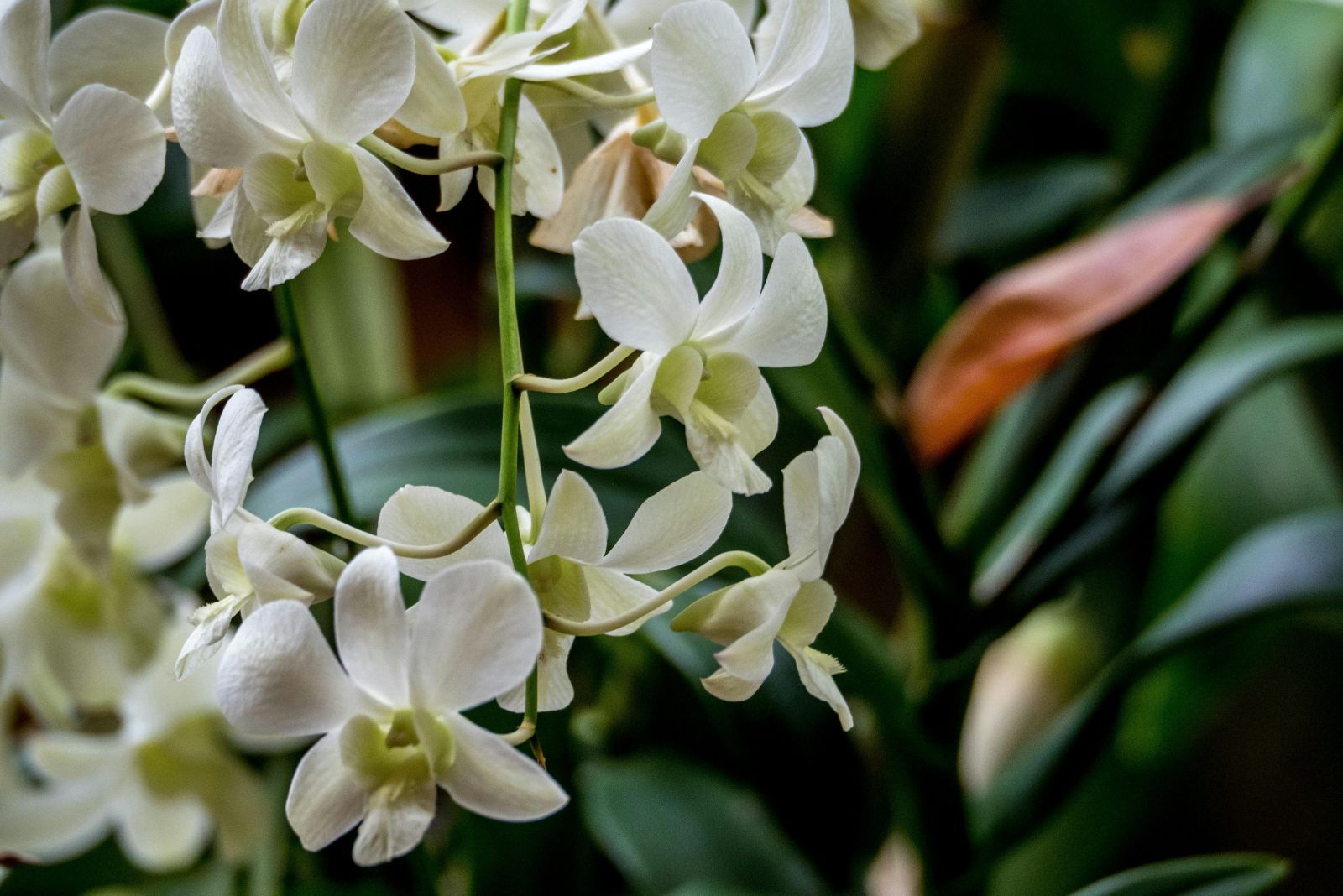
Cold mornings change everything in the garden. One chilly night can undo weeks of careful care. Orchid lovers know this feeling well.
These plants bring color and calm into a home but they also ask for the right kind of winter attention. Many indoor growers in California already adjust light and watering when temperatures shift.
The same habit matters even more in North Carolina where winter air can be dry and unpredictable.
Charlotte gardeners deal with cool nights, shorter days, and indoor heating that pulls moisture from the air. Small changes make a big difference. Better light placement boosts growth.
Smarter watering prevents stress. Simple humidity tricks keep leaves looking fresh. Orchids reward good care with strong roots and healthy blooms.
Want to know how Charlotte gardeners protect orchids through North Carolina winters and keep them thriving until spring? Keep reading because your orchids deserve a strong season ahead.
Move Orchids Indoors Before Frost
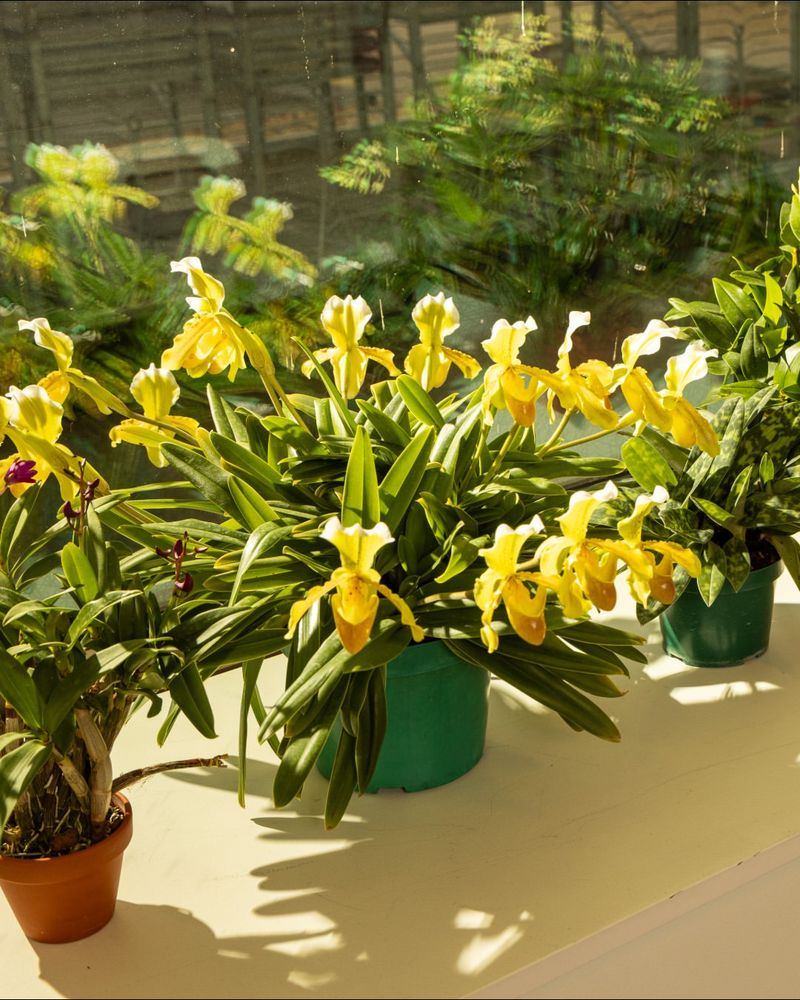
Charlotte’s winter temperatures can surprise you with sudden cold snaps. Frost occasionally appears on winter mornings, and those chilly nights spell trouble for tropical orchids.
Most orchid varieties start showing stress when temperatures drop below 55°F, making indoor relocation essential for their survival.
Timing matters when bringing orchids inside for winter protection. Watch local weather forecasts closely as fall transitions into winter. Many Charlotte gardeners move their orchids indoors by mid-November, well before the first frost typically arrives.
Choose your indoor spots carefully before the big move happens. Rooms with stable temperatures work best for these sensitive plants. Avoid placing orchids near heating vents or drafty windows that create temperature swings.
The transition from outdoor to indoor environments requires gentle adjustment. Bring plants inside gradually if possible, starting with cool nights. This helps orchids acclimate without experiencing shock from sudden environmental changes.
Inspect each plant thoroughly before moving it indoors for the season. Check leaves, roots, and potting media for any signs of pests. Clean foliage gently with a damp cloth to remove dust and debris.
Provide Bright, Indirect Light
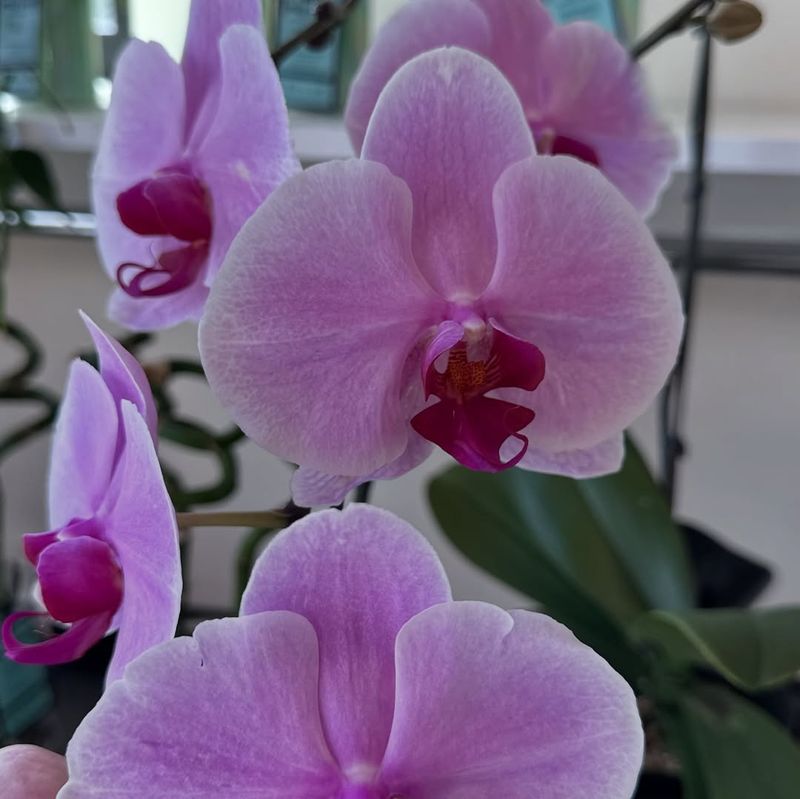
Winter sunlight behaves differently than summer rays in Charlotte homes. The sun sits lower in the sky, changing how light enters through windows. Your orchids need this precious winter light but without harsh direct exposure that scorches delicate leaves.
East-facing windows offer ideal morning light for most orchid varieties. The gentle dawn rays provide energy without overwhelming heat. South-facing windows work wonderfully too, especially when filtered through sheer curtains or blinds.
Distance from windows matters more during winter than other seasons. Place orchids within three feet of your light source for optimal exposure. Too far away, and they won’t receive enough energy for healthy growth.
Rotate your orchids weekly to ensure even light distribution on all sides. This simple habit prevents lopsided growth patterns. Each quarter turn helps the plant develop balanced, symmetrical foliage and flower spikes.
Watch for signs your orchid needs more or less light exposure. Dark green leaves often indicate insufficient light, while yellowing suggests too much. Healthy orchids display medium green foliage with a slight sheen.
Maintain Moderate Indoor Temperatures
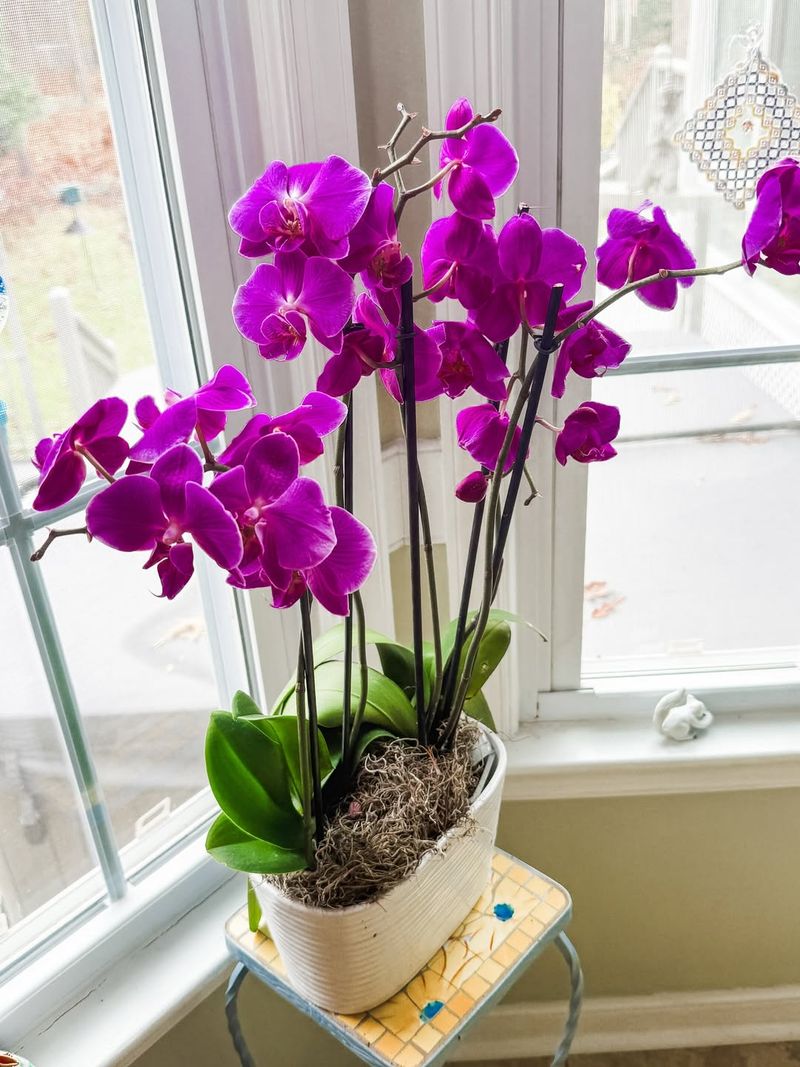
Temperature consistency makes orchids happy throughout Charlotte’s winter months. These tropical plants evolved in environments with predictable warmth patterns.
Mimicking those conditions indoors helps them thrive rather than merely survive the season. Daytime temperatures between 65 and 75 degrees Fahrenheit create the perfect environment.
Most Charlotte homes naturally maintain this range with normal heating systems. Your orchids will appreciate this comfortable zone that matches their tropical origins.
Nighttime cooling plays an important role in orchid health and flowering. Temperatures can safely drop to 55 degrees without causing stress. This natural temperature fluctuation actually encourages many orchid varieties to produce flower spikes.
Avoid placing orchids near heat sources that create temperature spikes. Radiators, heating vents, and fireplaces generate excessive warmth that stresses plants. Similarly, keep them away from exterior doors that let in cold drafts.
Consider using a simple thermometer near your orchid display area. Monitoring helps you catch temperature problems before they affect plant health. Small adjustments to heating settings can make a significant difference.
Reduce Watering Frequency
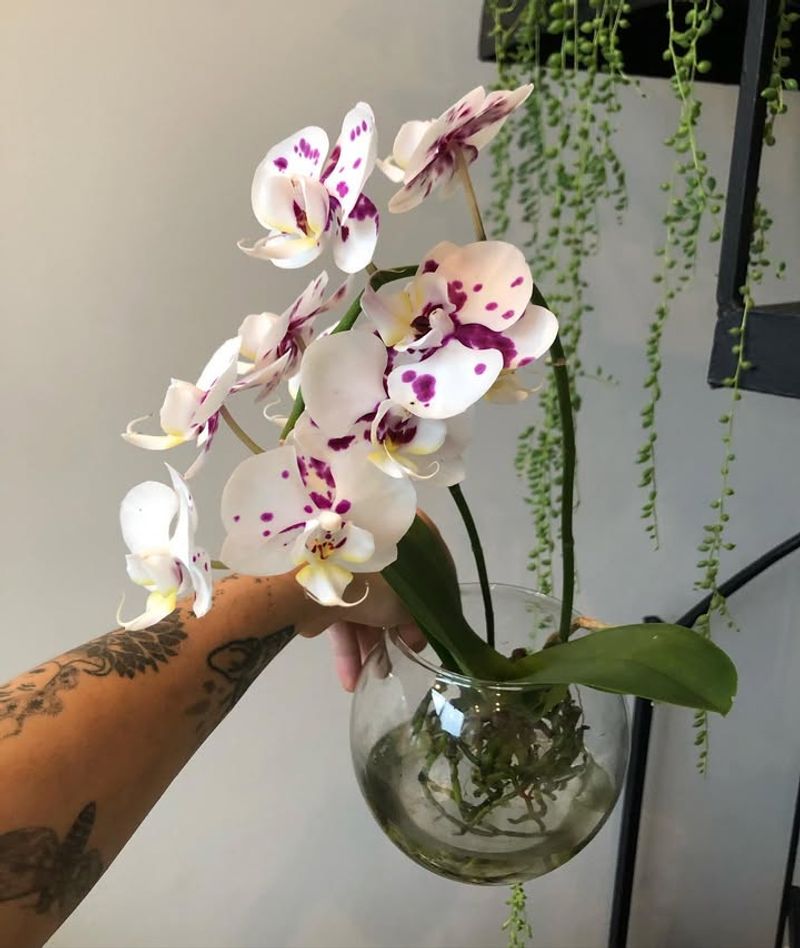
Winter changes how orchids use water in dramatic ways. Growth slows considerably as daylight hours decrease and temperatures cool. Charlotte gardeners adjust their watering schedules accordingly to prevent common problems like root rot.
Check potting media moisture before reaching for the watering can. Stick your finger about an inch deep into the bark or moss. Water only when the media feels nearly dry to the touch, not just on the surface.
Most orchids need watering every seven to ten days during winter. This schedule differs significantly from summer’s more frequent watering routine. Your specific timing depends on home humidity levels and heating system usage.
Morning watering works best for orchids during cooler months. This timing allows excess moisture to evaporate throughout the day. Wet foliage overnight can encourage fungal problems in the stagnant winter air.
Water quality affects orchid health just as much as frequency does. Room temperature water prevents shocking sensitive roots with cold liquid. Let tap water sit overnight to allow chlorine to dissipate naturally.
Increase Humidity Levels
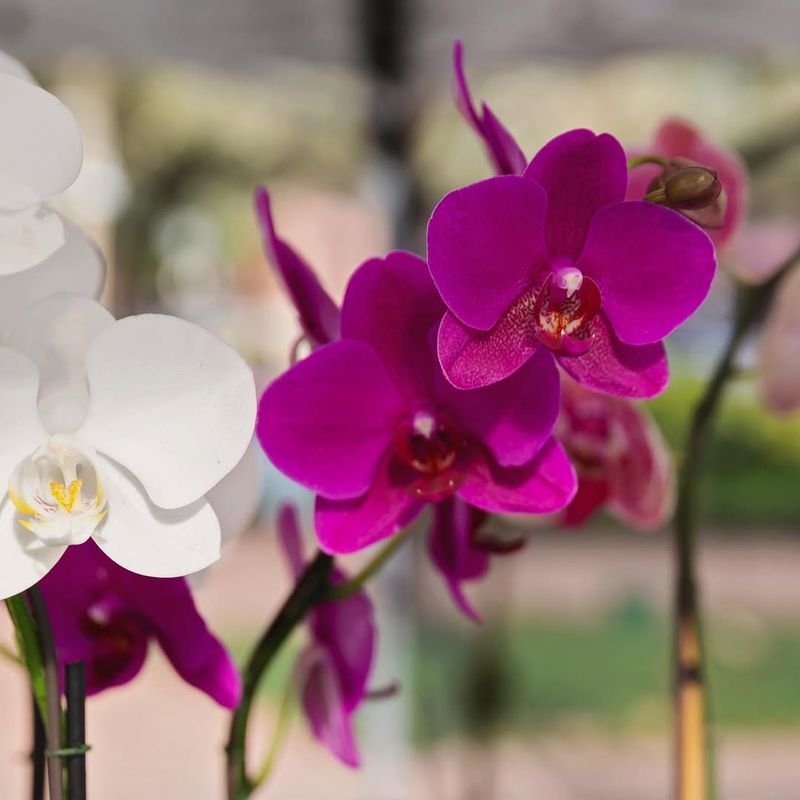
Charlotte’s winter heating systems create desert-like conditions inside our homes. Furnaces and heat pumps remove moisture from indoor air rapidly. Orchids, being tropical plants, struggle in humidity levels below 40 percent.
Humidity trays offer a simple solution for individual orchid plants. Fill shallow trays with pebbles and add water just below the pebble tops. Set your orchid pots on the pebbles, ensuring they don’t sit directly in water.
Room humidifiers provide broader humidity control for larger orchid collections. Small ultrasonic models work efficiently without excessive noise or energy consumption. Position them near your orchid display area for maximum benefit.
Grouping orchids together creates a microclimate with higher humidity levels. Plants naturally release moisture through their leaves in a process called transpiration. This collective moisture benefits all plants in the group.
Aim for humidity levels between 50 and 70 percent for optimal orchid health. Simple hygrometers help you monitor conditions accurately and adjust your humidity strategies.
Consistent moisture in the air promotes healthy root development and prevents leaf tip browning.
Avoid Fertilizing Too Much
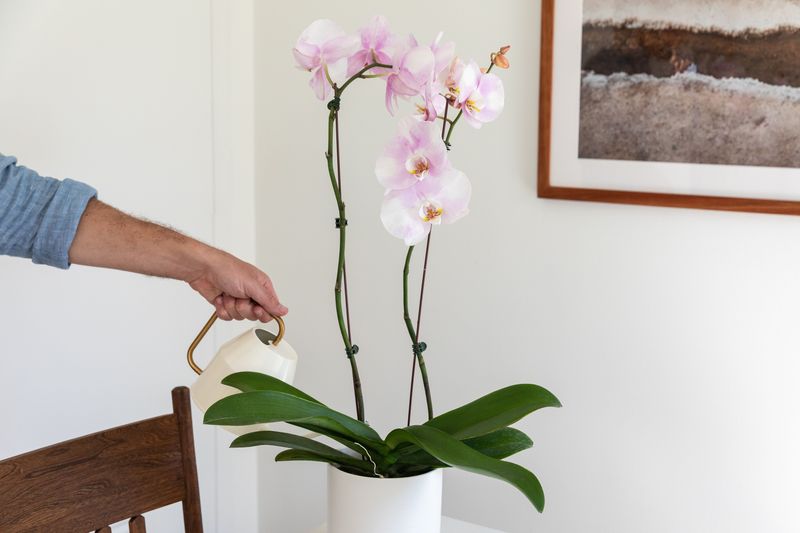
Orchid metabolism shifts into low gear during Charlotte’s winter months. Reduced daylight and cooler temperatures signal these plants to rest and conserve energy. Feeding them heavily during this dormant period does more harm than good.
Dilute your regular orchid fertilizer to one-quarter of the recommended strength. This gentle feeding provides essential nutrients without overwhelming resting plants. Apply this weak solution just once monthly throughout the winter season.
Some Charlotte orchid enthusiasts skip fertilizing entirely from December through February. This approach works particularly well for orchids showing no active growth. Plants focus energy on root health rather than producing new foliage.
Watch your orchids for signs of active growth despite the season. A few varieties continue growing slowly through winter in stable indoor conditions. These actively growing plants can handle slightly more frequent feeding at quarter strength.
Excess fertilizer causes soft, weak growth that attracts pests and diseases. Salt buildup from over-fertilizing also damages sensitive orchid roots over time. Flushing pots with plain water monthly helps prevent harmful accumulation in the growing media.
Ensure Proper Air Circulation
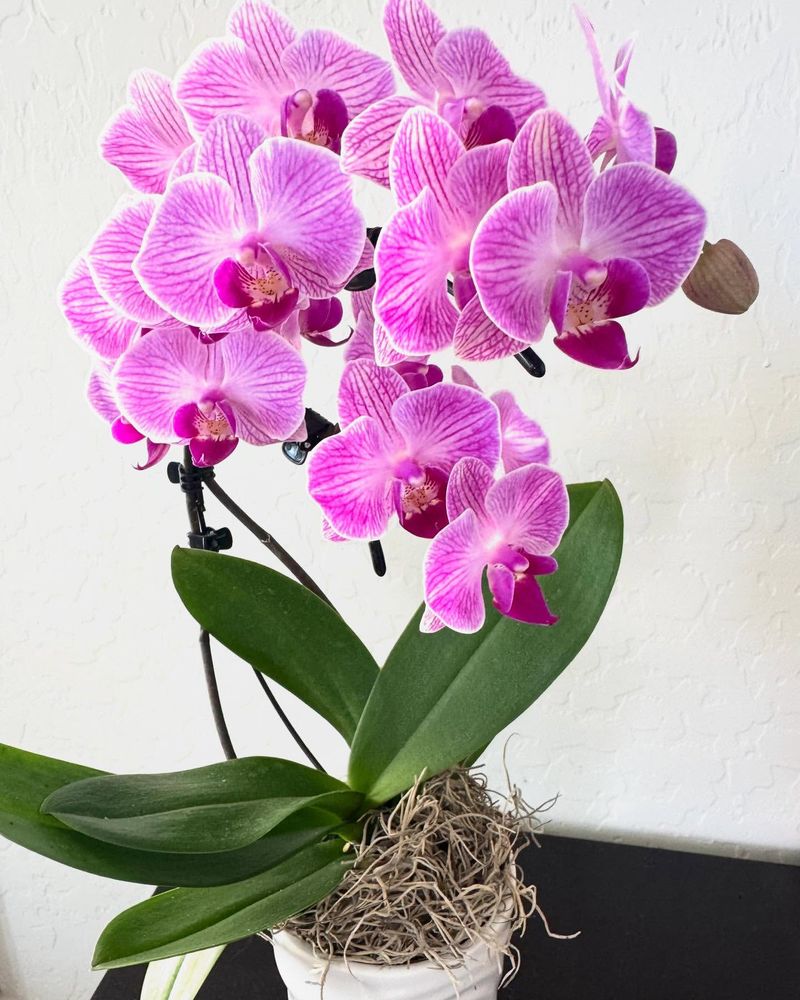
Stagnant air creates perfect conditions for orchid diseases to develop. Winter’s closed windows and doors trap moisture around plant leaves and crowns. Charlotte gardeners combat this problem with strategic air movement throughout their growing spaces.
Small fans provide gentle, constant air circulation around orchid displays. Position them to create a light breeze rather than a strong wind. Leaves should move slightly but not flutter vigorously from the airflow.
Oscillating fans work better than stationary models for orchid collections. The sweeping motion distributes air more evenly across all plants. This prevents some orchids from receiving too much airflow while others get none.
Run your circulation fan continuously during winter months for best results. Constant gentle movement prevents fungal spores from settling on damp surfaces. This simple practice dramatically reduces bacterial and fungal problems in indoor collections.
Keep fans clean and dust-free for optimal performance throughout the season. Dirty fan blades spread dust particles onto orchid leaves, blocking light absorption. A quick monthly cleaning maintains healthy air quality around your precious plants.
Monitor For Pests
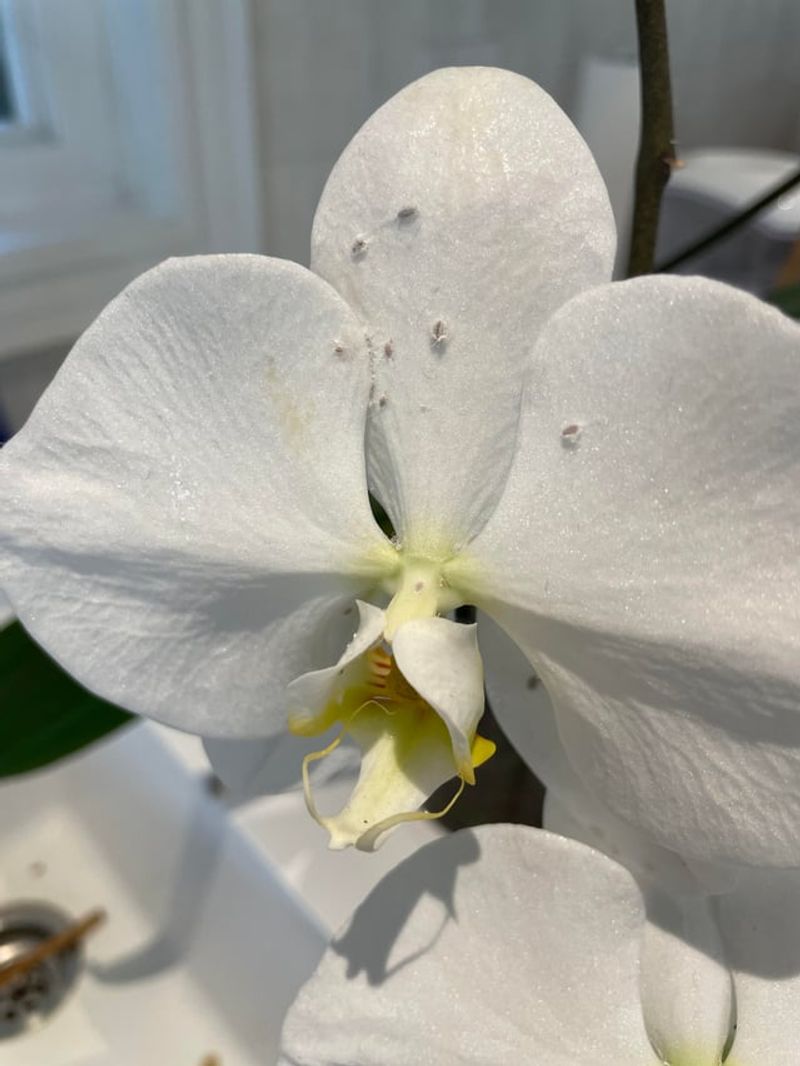
Indoor winter conditions stress orchids, making them vulnerable to pest infestations. Scale insects, mealybugs, and spider mites thrive in the warm, dry air of heated Charlotte homes. Regular inspection catches these troublemakers before they cause serious damage.
Examine your orchids weekly with a critical eye for tiny invaders. Check leaf undersides where pests often hide from casual observation. Look closely at leaf joints and along flower spikes for early signs of infestation.
Scale insects appear as small brown or tan bumps on leaves and stems. They don’t move much, making them easy to mistake for plant features. Mealybugs look like tiny cotton tufts clustered in protected plant areas.
Spider mites create fine webbing between leaves and cause stippled, pale foliage. These microscopic pests multiply rapidly in dry winter conditions. Increasing humidity helps prevent spider mite problems while benefiting orchid health overall.
Treat pest problems immediately with appropriate solutions for orchids. Rubbing alcohol on a cotton swab removes individual scale insects and mealybugs effectively. Insecticidal soap sprays handle larger infestations without harming sensitive orchid tissues.
Use Appropriate Orchid Media

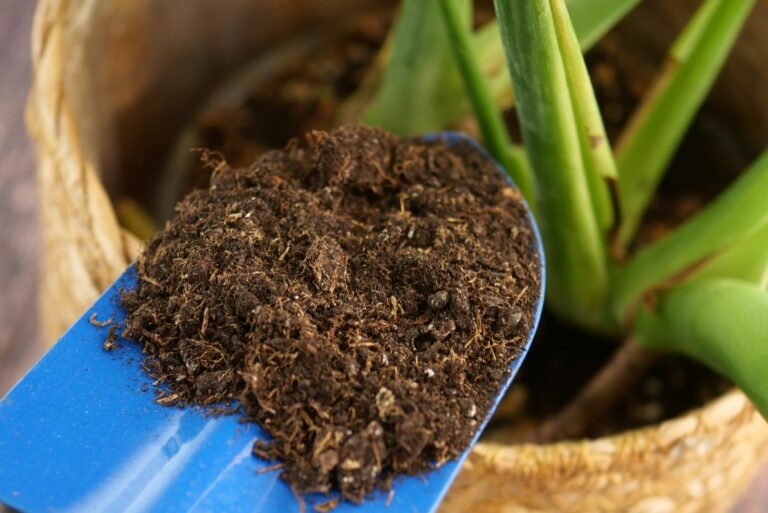
Proper potting media makes the difference between thriving orchids and struggling plants. Regular potting soil suffocates orchid roots by holding too much moisture.
Charlotte gardeners choose specialized mixes that provide the aeration these epiphytic plants need year-round.
Bark-based mixes remain the most popular choice for many orchid varieties. Fir bark chunks allow air to reach roots while retaining some moisture. Medium-grade bark works well for most common orchids grown in Charlotte homes.
Sphagnum moss offers excellent moisture retention for orchids needing consistent dampness.
This natural material works particularly well for smaller orchids or mounted specimens. Quality moss maintains structure for several years before requiring replacement.
Specialized orchid mixes combine bark, perlite, charcoal, and other components strategically. These blends balance moisture retention with the crucial air circulation orchid roots require.
Many Charlotte garden centers stock several formulations for different orchid types. Fresh potting media becomes especially important during winter when root health matters most.
Old, decomposed media compacts and holds excessive moisture that promotes rot. Repotting in early fall gives orchids fresh media before winter’s challenging conditions arrive.