How Climate Change Is Quietly Reshaping California Gardens
California gardens are changing, and not always in obvious ways. A plant that thrived five years ago might suddenly struggle.Bloom times feel off. Pests show up earlier.
Heat waves stretch longer than anyone remembers. It is not your imagination. Climate patterns across the state are shifting, and our backyards are feeling it.
Longer droughts, unpredictable rainfall, and record-breaking temperatures are forcing gardeners to rethink what they plant and how they care for it.
Some traditional favorites are fading out, while tougher, drought-tolerant shrubs and native species are stepping into the spotlight.
Even the rhythm of the seasons feels different, with earlier springs and extended growing periods that can throw off pruning and fertilizing schedules.
The silver lining? California gardeners are incredibly adaptable. With smart plant choices, water-wise strategies, and a little creativity, it is possible to build landscapes that are resilient, beautiful, and ready for whatever the climate brings next.
Longer Droughts, Thirstier Landscapes
California has always dealt with dry spells, but the droughts hitting the state today are longer and more intense than anything most gardeners have seen before. The soil dries out faster, and plants that once thrived with minimal watering are now struggling to survive through summer and fall.
Gardeners across Southern and Central California are noticing that their lawns turn brown earlier in the season. Even plants that were considered drought-tolerant a decade ago are now showing signs of serious stress.
This shift is forcing people to completely rethink how they manage water in their outdoor spaces.
One of the smartest moves California gardeners can make right now is to add a thick layer of mulch around plants. Mulch holds moisture in the soil and keeps roots cooler during hot stretches.
Drip irrigation systems are also a game-changer, delivering water directly to roots instead of losing it to evaporation. Small adjustments like these can make a huge difference when water is scarce and the dry season keeps getting longer every year.
Hotter Summers, Stressed-Out Plants
Summer temperatures in California are not just warmer anymore. They are breaking records.
Cities like Sacramento, Fresno, and even coastal areas like Los Angeles are experiencing heat waves that push well above 100 degrees Fahrenheit. Plants that once handled California summers just fine are now struggling under this intense heat.
When temperatures spike, plants close tiny pores on their leaves to stop losing water. This also stops them from absorbing carbon dioxide, which means they slow down or stop growing entirely.
Tomatoes, for example, stop setting fruit when temperatures stay above 95 degrees for too long. Roses drop their blooms early.
Even established trees can suffer from sunscald on their bark.
Gardeners in California are learning to work with the heat instead of fighting it. Planting during cooler morning hours, using shade cloth over vulnerable vegetables, and choosing heat-tolerant varieties are all becoming common practices.
Raised beds with good drainage help prevent roots from baking in overly hot soil. Paying attention to your local microclimate, like whether your yard gets afternoon shade, can also determine which plants actually thrive through the brutal California summer months.
Wildfire Risk Changes Garden Design
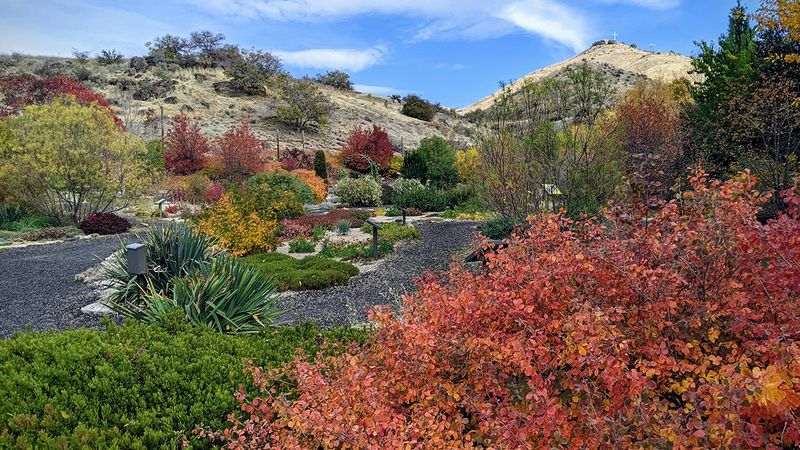
Wildfires have become a very real concern for California gardeners, especially those living near hills, forests, or rural edges of cities. The way a garden is designed can actually make a home more or less vulnerable to fire spreading.
This has led to a whole new approach called fire-wise landscaping, and it is changing how Californians think about their outdoor spaces.
Traditional gardens with dense shrubs, dry wood chips, and plants packed tightly together can act like a pathway for fire to travel toward a home. Fire-wise design focuses on creating space between plants, using gravel or stone pathways, and choosing plants with higher water content in their leaves.
Succulents, for instance, are naturally fire-resistant because of the moisture stored in their thick leaves.
California’s fire season now stretches almost year-round in many regions, which means garden planning has to factor in fire risk every single month. Clearing dry debris regularly, keeping plants well-watered and healthy, and avoiding highly flammable plants near structures are all key steps.
Many California counties now offer free fire-wise landscaping guides to help homeowners protect their properties while still enjoying a beautiful and functional garden space.
Shifting Bloom Times And Growing Seasons
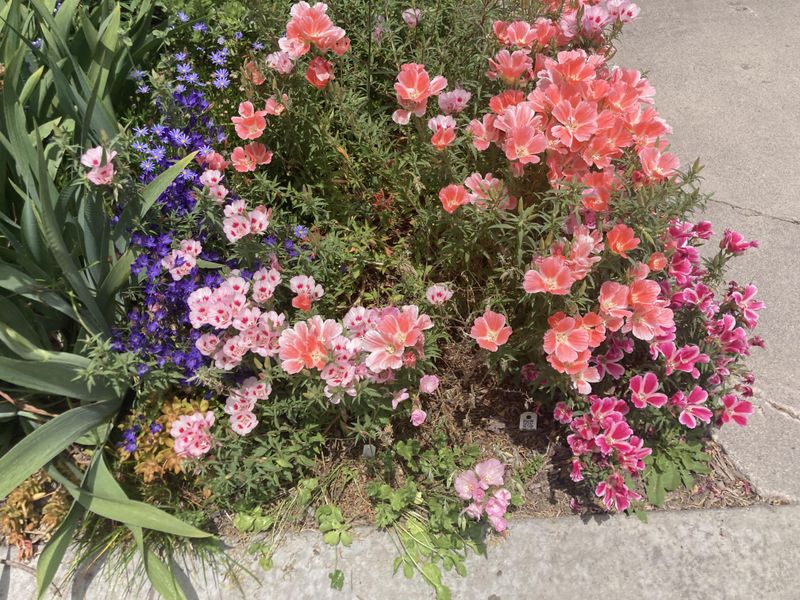
Something quietly surprising is happening in California gardens every spring. Flowers are blooming earlier.
Trees are leafing out weeks ahead of schedule. The California poppy, the state flower, has been observed blooming as much as three weeks earlier than it did just a few decades ago.
These shifts might seem harmless, but they ripple through the entire garden ecosystem.
Growing seasons are stretching longer in many parts of California, which sounds like great news for vegetable gardeners at first. And in some ways it is.
You can get an earlier start on tomatoes or peppers. But warmer winters also mean some fruit trees do not get enough cold hours to produce well.
Apples, cherries, and stone fruits like peaches need a certain number of cold winter hours, called chill hours, to bloom and fruit properly.
Gardeners are adapting by choosing low-chill fruit tree varieties that are bred specifically for warmer winters. Keeping a garden journal to track bloom times year to year is also incredibly helpful.
It lets you spot patterns and plan your planting schedule more accurately. California’s changing seasons reward gardeners who stay observant and flexible with their approach throughout the year.
Water-Wise Gardening Becomes Essential
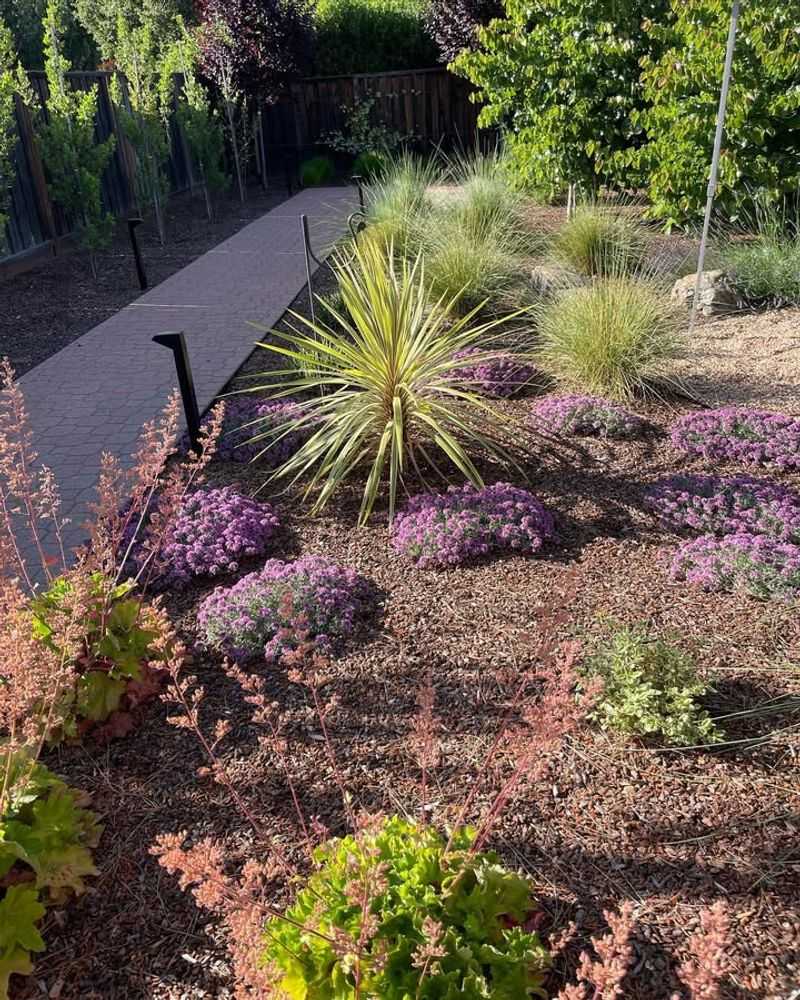
Water has always been precious in California, but the conversation around it has shifted dramatically in recent years. Mandatory water restrictions, rising utility costs, and a genuine desire to protect a limited resource have pushed water-wise gardening from a niche idea to an absolute necessity across the state.
The good news is that gardening with less water does not mean giving up on a lush and beautiful outdoor space. It just means being smarter about how and when you water.
Grouping plants together by their water needs, a practice called hydrozoning, helps avoid overwatering some plants while underwatering others. Watering deeply but less frequently encourages roots to grow deeper into the soil, making plants stronger and more resilient during dry stretches.
Installing a smart irrigation controller is one of the best investments a California gardener can make. These devices use local weather data to automatically adjust watering schedules based on rainfall and temperature.
Collecting rainwater in barrels during California’s wet season is another simple and effective strategy. Even small changes, like replacing a section of lawn with ground cover or gravel, can save thousands of gallons of water every single year and significantly reduce your water bill.
Pollinators Out Of Sync With Flowers
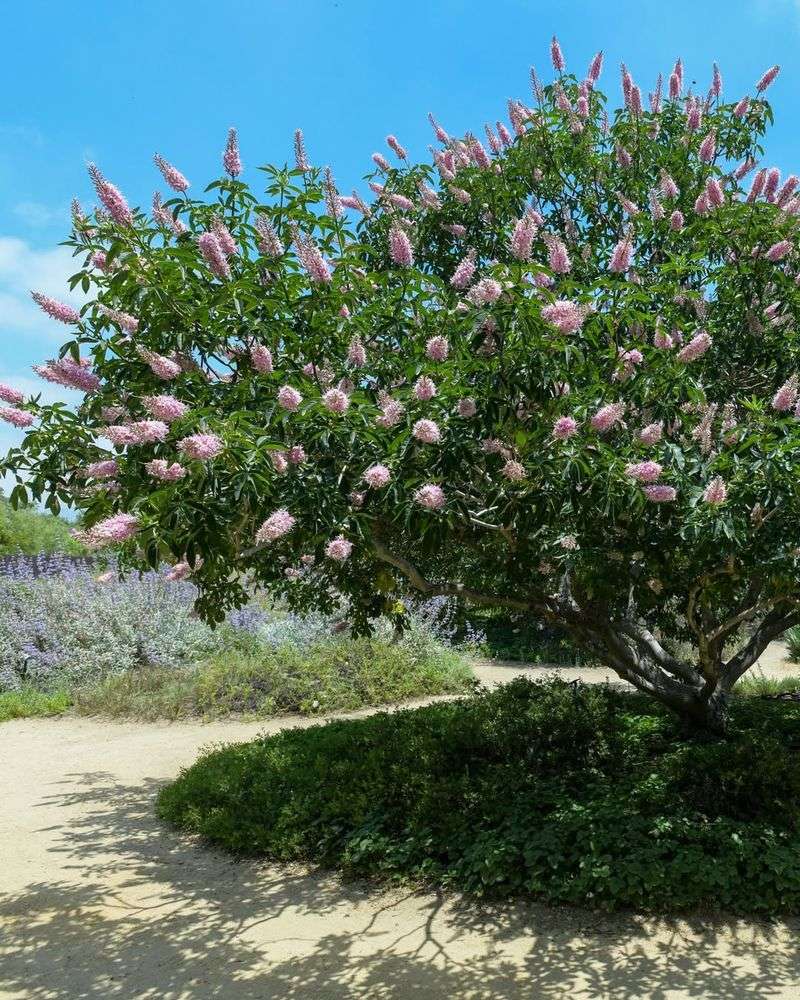
Here is something that does not get talked about enough: climate change is messing with the timing between flowers and the pollinators that depend on them. In California, bees, butterflies, and hummingbirds have evolved over thousands of years to show up right when certain flowers are in bloom.
But as temperatures warm and bloom times shift earlier, that perfect timing is starting to fall apart.
When flowers open weeks before pollinators are active, both sides lose out. Plants do not get pollinated, which means fewer fruits and seeds.
Pollinators miss an important food source at a critical time of year. Scientists call this mismatch “phenological decoupling,” and it is being observed across California’s gardens and wild landscapes alike.
Gardeners can actually help bridge this gap by planting a wide variety of flowering plants that bloom at different times throughout the year. Early bloomers like manzanita and ceanothus support pollinators in late winter.
Mid-season plants like lavender and salvia carry things through summer. Late-season bloomers keep pollinators fed heading into fall.
Creating this kind of continuous bloom calendar in your California garden provides a reliable food chain for local wildlife all year long.
Rising Pest And Disease Pressures
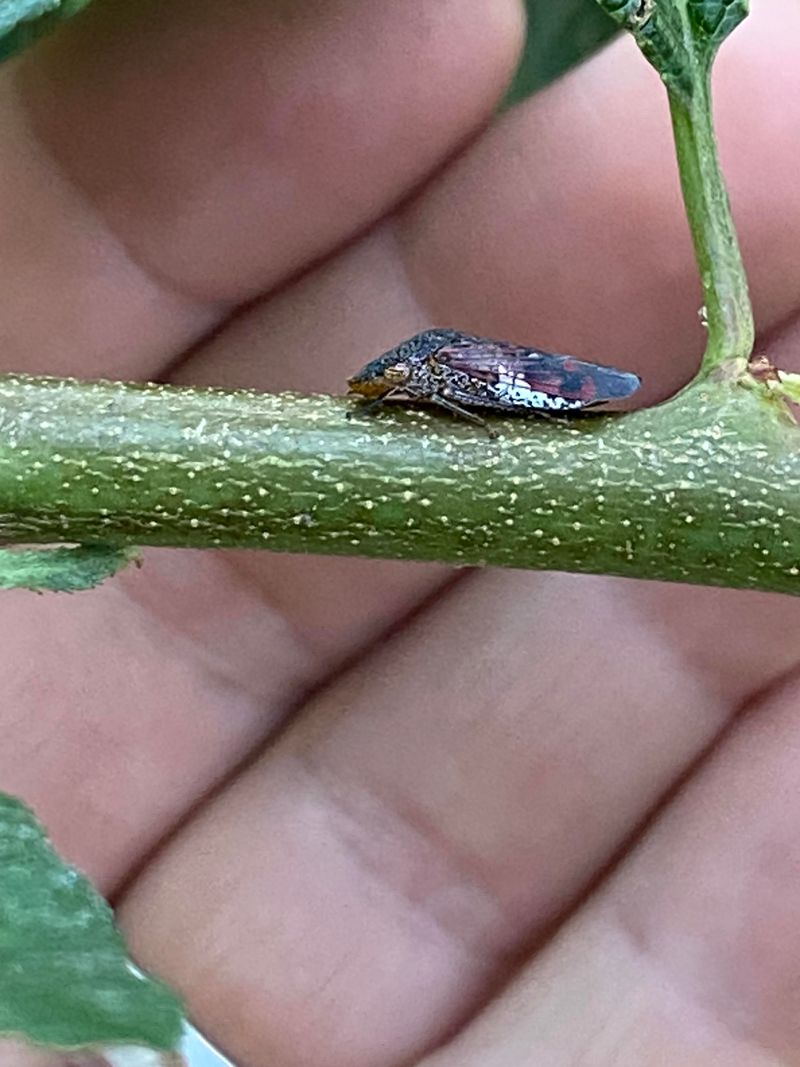
Warmer winters in California are creating a very real problem that gardeners are feeling in their vegetable beds and flower borders: pests are surviving year-round now.
In the past, cold winter temperatures naturally reduced populations of insects like aphids, whiteflies, and spider mites.
Now, with milder winters becoming the norm, these pests never fully disappear between seasons.
Fungal diseases are also spreading more easily. When warm temperatures combine with periods of unusual rainfall or high humidity, conditions become perfect for powdery mildew, root rot, and other plant diseases to take hold.
California gardeners who grow roses, squash, or grapes are especially familiar with this frustrating pattern. Plants that were once relatively easy to grow are now requiring much more attention and care.
Staying on top of pest and disease pressure means inspecting plants regularly and catching problems early. Encouraging beneficial insects like ladybugs and lacewings helps keep pest populations in check naturally.
Choosing disease-resistant plant varieties is smarter than ever, especially for vegetables. Keeping garden beds clean and removing plant debris promptly reduces hiding spots for pests.
California gardeners who stay proactive and observant tend to have much healthier gardens even as conditions continue to shift and change.
The Move Toward Native Plants
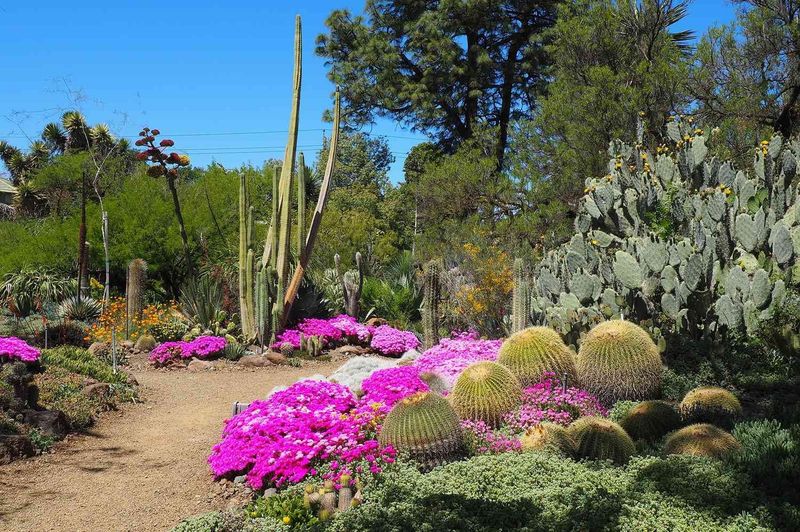
Walk through almost any California nursery today and you will notice a big shift on the shelves. Native plants and climate-adapted species are front and center in a way they never were before.
Gardeners are catching on to something that ecologists have known for years: plants that evolved in California’s climate are simply better equipped to handle what that climate is becoming.
California native plants like toyon, manzanita, buckwheat, and native bunch grasses have deep root systems that help them access water during dry months. They support local wildlife, including the pollinators and birds that depend on native plant communities.
And once established, many of them need very little supplemental water at all, making them a perfect match for the water-conscious California gardener.
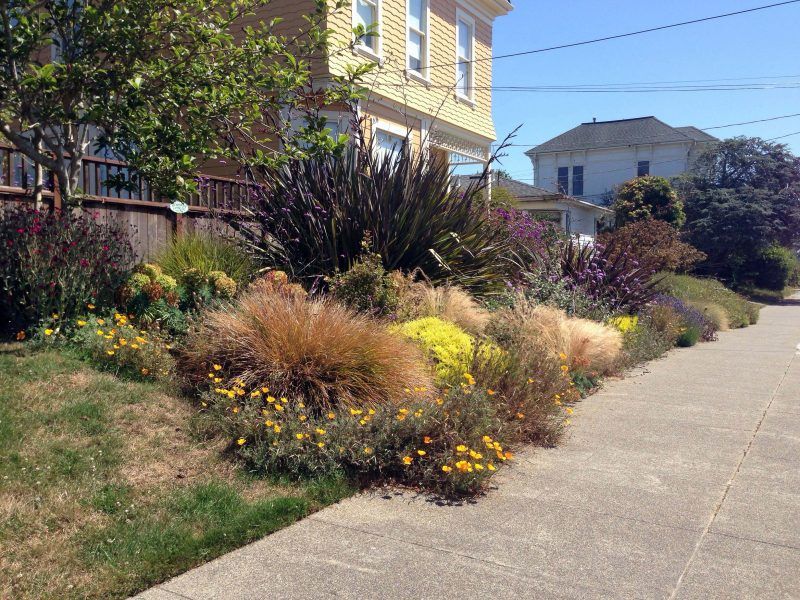
Beyond true natives, climate-adapted plants from Mediterranean regions of the world, like Spain, South Africa, and Australia, also thrive in California’s conditions. Lavender, rosemary, agave, and many ornamental grasses fall into this category.
Replacing even a portion of a traditional garden with these resilient plants creates a landscape that looks great, supports local ecosystems, and holds up beautifully through the heat, drought, and unpredictability that now define gardening life in California.