How Cold Is Too Cold for Lantana Stored in an Ohio Garage?
A single night in the upper 20s can damage a tropical shrub’s roots, even inside a closed garage. The walls and roof help, but they don’t make the cold go away.
I learned the hard way that a garage can feel cozy at noon and drop below freezing by dawn. My thermometer told the story my nose never could. That old concrete floor holds cold like a stubborn grudge.
Here in Ohio, winter lows often sink well into the single digits. Our state sits mostly in USDA zones 6a through 7a, with a few chillier pockets up north. The plant we
love on summer patios comes from places where frost is a rare visitor.
Now, how low can your garage go before your favorite butterfly magnet gives up? The answer is a bit warmer than most folks guess.
That Frosty Garage Thermometer Holds the Real Answer for Lantana
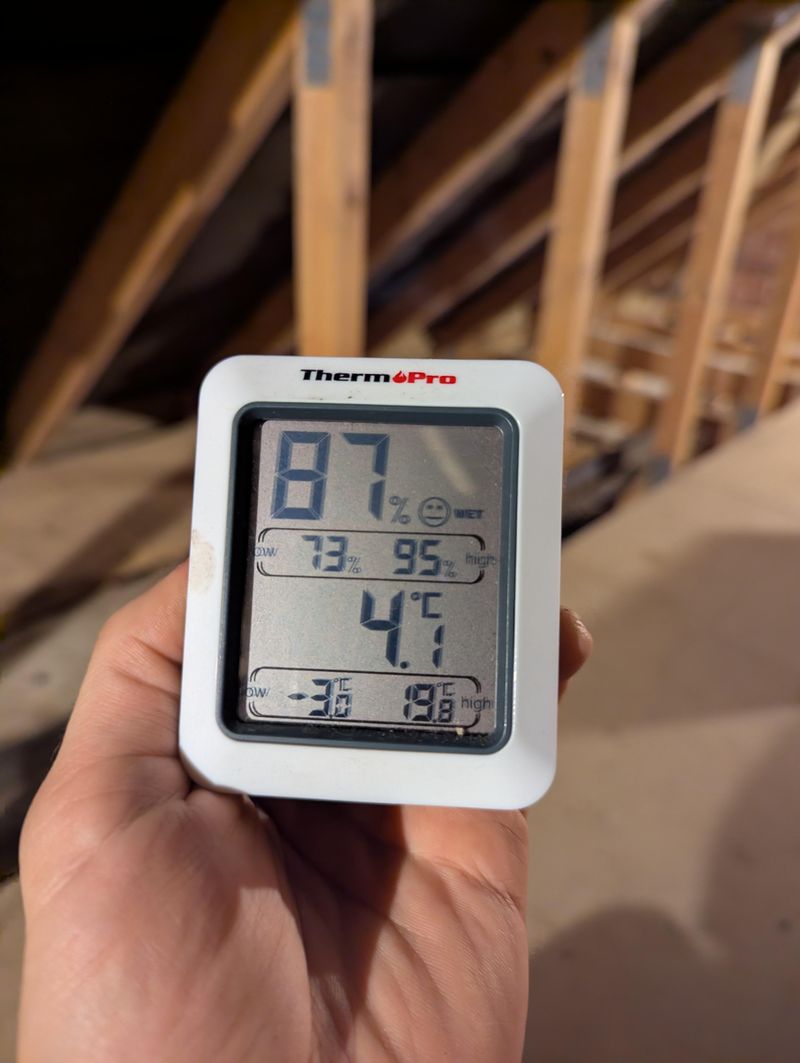
Hang a cheap thermometer in your garage this week, and you might get a surprise. Mine read 41 degrees at lunch and 29 degrees at sunrise on the same January day.
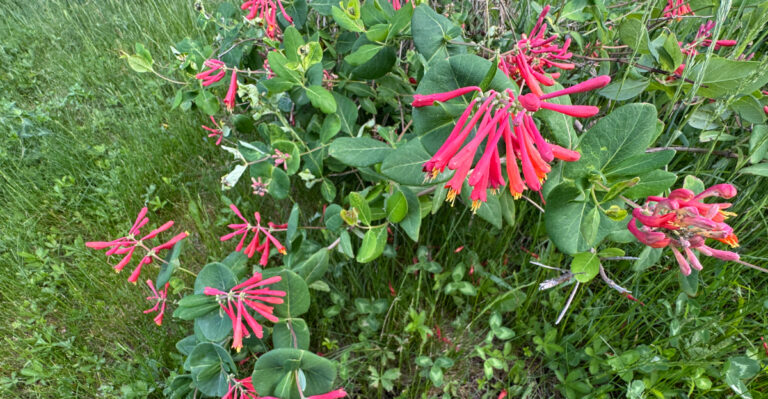
Lantana is a tropical shrub that grows as a perennial in USDA zones 8 through 11. Light frost damages the leaves and stems, and a hard freeze below about 28 degrees can harm the roots. Roots in a pot are far more exposed than roots tucked deep in warm ground.
So the short answer is this. Anything at or below 32 degrees is too cold for lantana stored in a garage. Brief dips near freezing may leave the plant hurt but hanging on, while repeated nights in the 20s often leave little worth saving.
A min-max thermometer is the smartest tool here. It records the lowest temperature overnight, so you see the cold spells you’d otherwise sleep through.
Check it for a week or two before you move your pots inside. That way you’ll know if your garage is a safe winter bedroom or just a slightly warmer version of the driveway. Guessing rarely works out well for tender plants.
Lantana Sleeps Best Between 40 and 50 Degrees
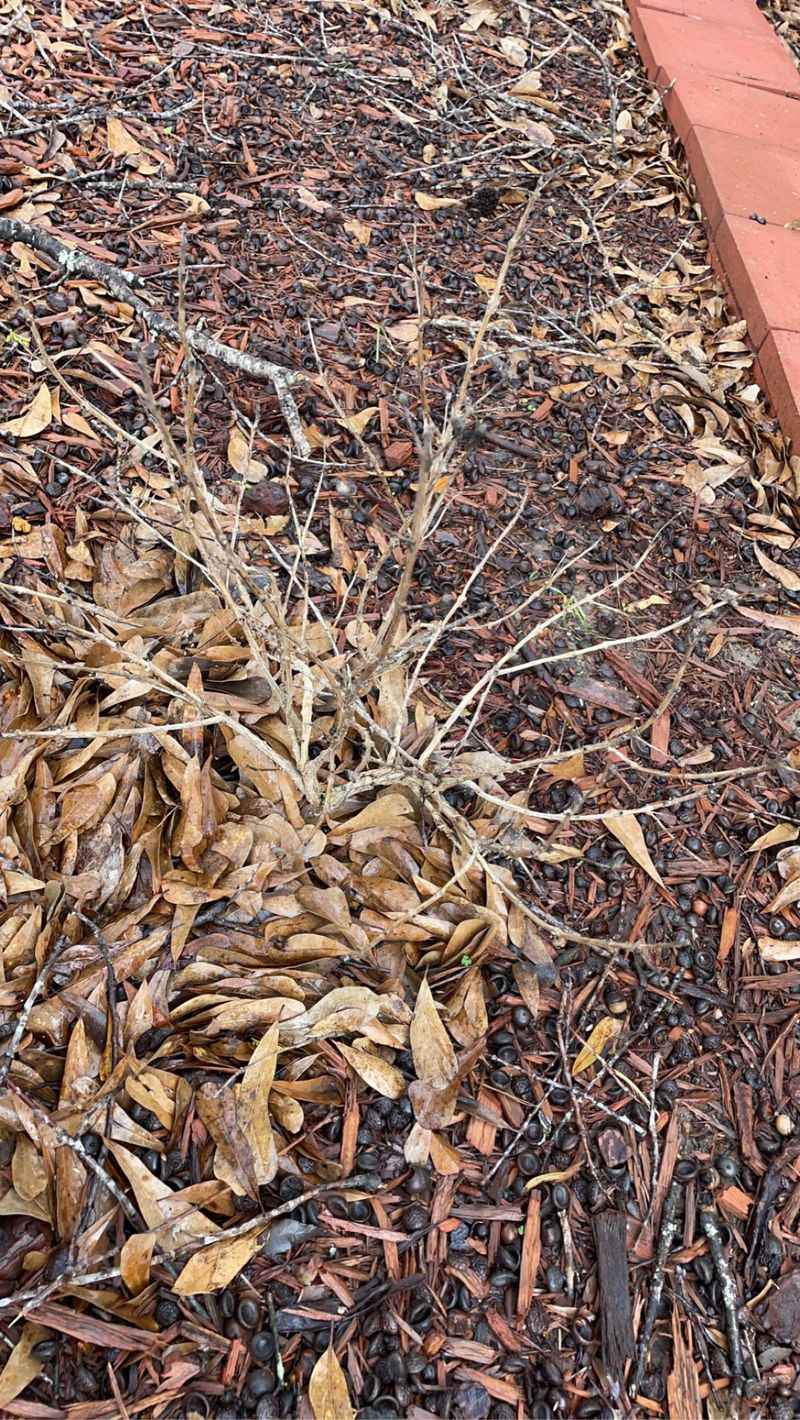
Cool, not cold, is the sweet spot. Most gardening guides agree that dormant lantana does best between roughly 40 and 50 degrees Fahrenheit.
At that range, the plant slows down and rests. It may drop most of its leaves, and that’s normal. I panicked the first winter my lantana went bald, but the stems were still green and bendy underneath.
Why not keep it warmer? A plant kept near 60 or 70 degrees in a dim garage tries to grow. It sends out weak, pale shoots that stretch toward any light they can find.
Those spindly stems also attract pests like whiteflies and spider mites. A cooler rest keeps the plant quiet and saves its energy for spring.
Here’s a quick way to test for life. Scratch a stem lightly with your fingernail. Green tissue under the bark means the plant is resting, while brown and brittle wood means that section is gone.
Aim to keep your storage spot steady too. Wild swings between 30 and 55 degrees stress the plant more than a calm, cool space. Think of it like a good nap, best taken without someone flipping the lights on and off.
Attached Garages and Detached Sheds Can Feel Like Two Different States
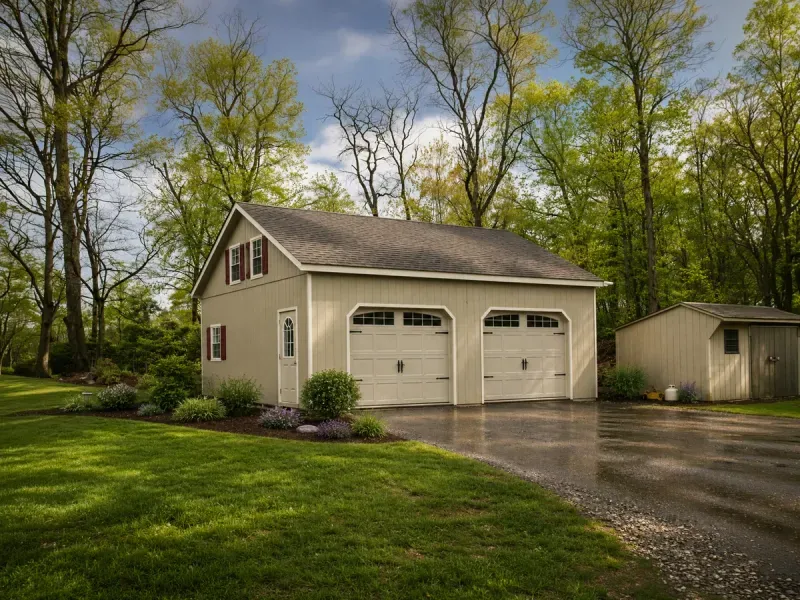
Not every garage plays by the same rules. An attached garage that shares a wall with your heated home often stays several degrees warmer than a detached one.
Insulated walls, a weatherstripped door, and a finished ceiling help even more. A detached, uninsulated garage on a windy lot can track outdoor temperatures closely during a long cold snap.
Location in Ohio matters as well. Gardeners around Cleveland and Toledo face colder, longer winters than folks near Cincinnati along the Ohio River. Lake-effect snow belts in the northeast bring stubborn cold and gray skies.
Inside the garage, spots differ too. The corner beside the house wall is usually warmest. The area near the big overhead door is usually the coldest, since drafts sneak under it every time it opens.
Concrete floors hold chill, so never set pots directly on the slab. Raise them on a wooden shelf, a pallet, or even a few bricks.
I keep my lantana on an upper shelf along the shared house wall. That one move bumped my overnight readings up by about five degrees. Small tweaks like that can make a real difference.
Blackened Lantana Stems Tell You Cold Got In
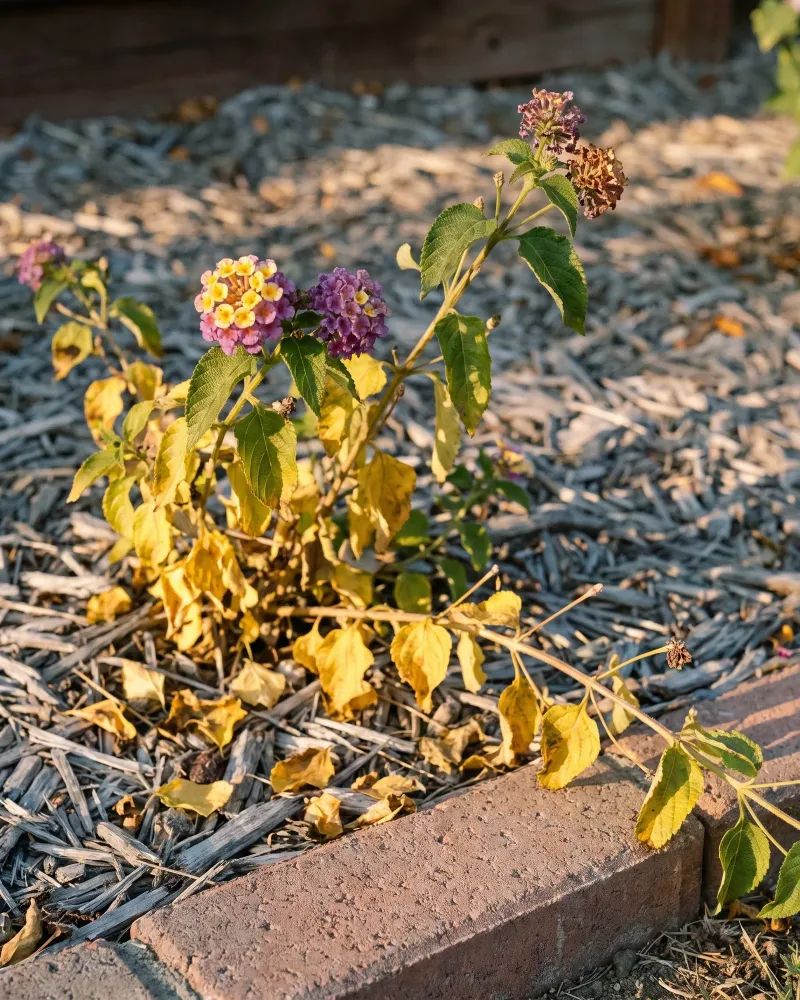
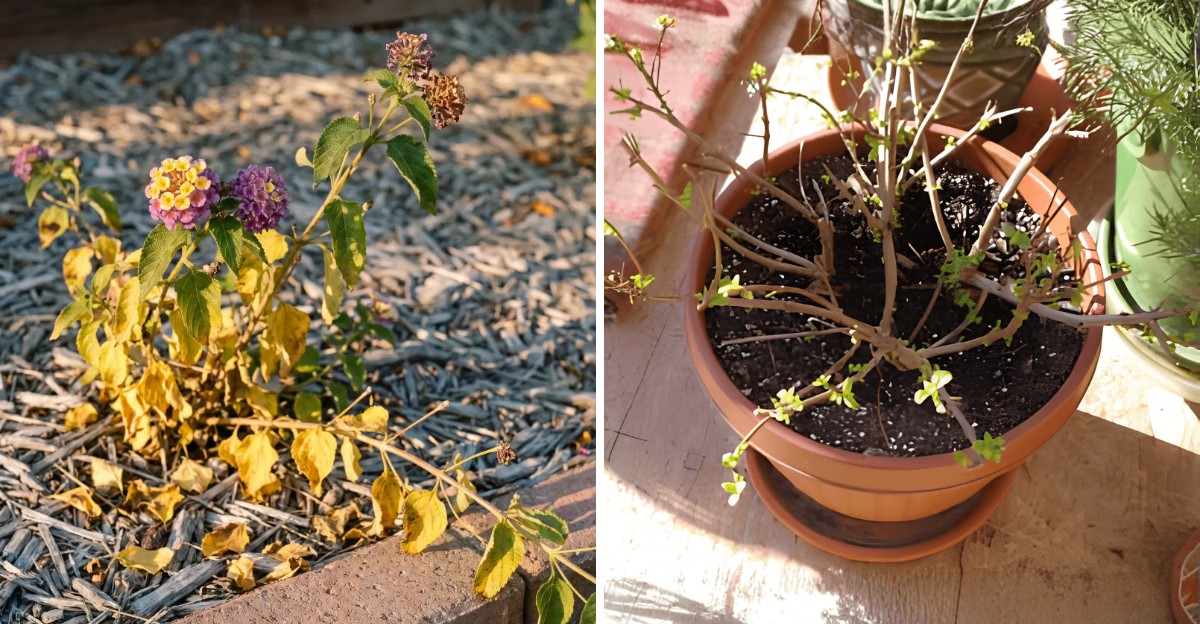
Cold damage leaves clues, and they’re easy to read once you know them. Leaves may lighten first, then turn brown or black and droop.
Leaf drop alone isn’t a problem in winter. Trouble shows up in the stems. Damaged stems look dark, feel mushy or dry and brittle, and snap instead of bend.
Roots are harder to judge. If you gently slide the plant from its pot, healthy roots look firm and light colored. Roots harmed by freezing often turn brown, soft, and slimy.
Don’t rush to toss a plant that looks rough. Lantana can sometimes sprout from the base or lower stems even when the top took a beating. I once gave up on a sad-looking pot, and it pushed out new shoots in April.
Wait until spring warmth arrives before making final decisions. Then trim back any brown, brittle wood to the first healthy green tissue or bud.
If the whole crown is mushy and nothing appears by late May, it’s time to start fresh. Lantana is easy to find at Ohio garden centers each spring, so a loss stings but rarely ruins the summer.
Prune and Pot Up Your Lantana Before the First Hard Frost
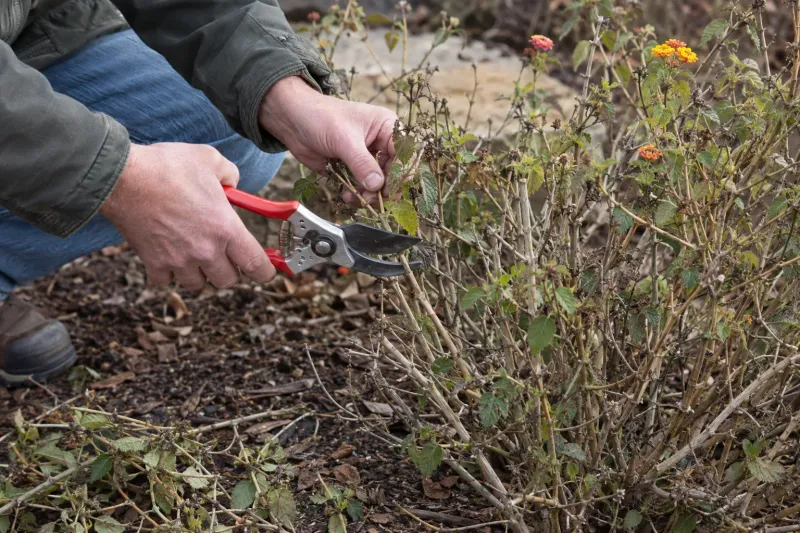
Timing is everything with this chore. Bring potted lantana inside before your area’s first hard freeze, which often arrives from mid-October to early November across much of the state.
A light frost might nip the tips, but a hard freeze can harm the whole plant. Watch the forecast closely once nights start sliding into the 30s.
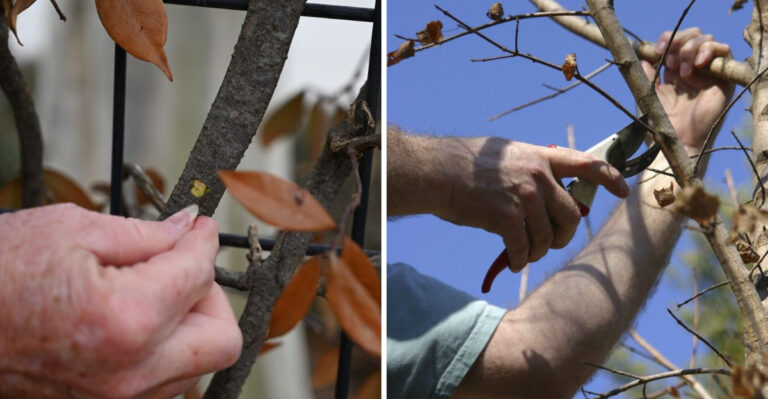
Before moving the pots, cut stems back by about half. A smaller plant takes less space and needs less water through winter. Clean off fallen leaves and old blooms from the soil surface.
Check for hitchhikers too. Look under leaves for whiteflies, aphids, or mites. A strong spray of water outdoors a few days before moving the plant can knock many of them off.
Wear gloves when you prune. Lantana leaves and stems can irritate skin, and the berries are toxic to pets, livestock, and people if eaten.
If your lantana is planted in the ground, you can dig it up and pot it. Choose a container with drainage holes and fresh potting mix. Honestly, I find in-ground plants adjust better when dug a couple of weeks before frost arrives.
A Thirsty Lantana Pot Needs Only a Sip All Winter
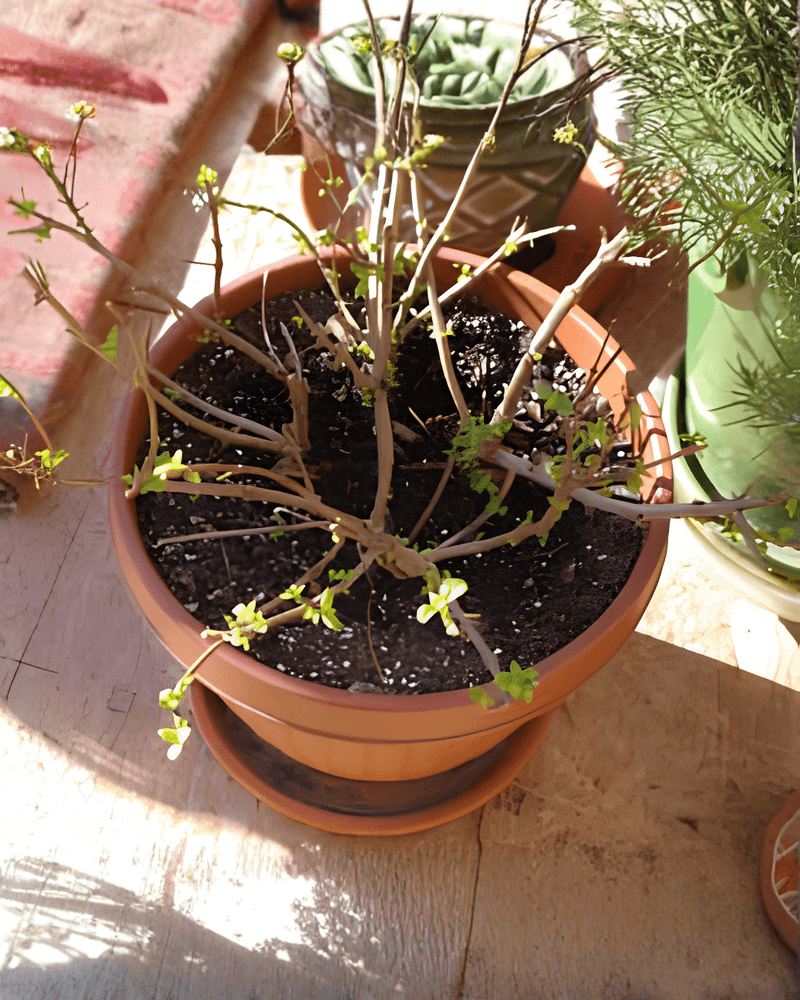
Overwatering causes more winter losses than you’d guess. A cool, resting plant uses very little moisture, so wet soil just sits there.
That soggy, chilly soil invites root rot. Cold and wet together are a rough combination for tropical roots.
Water lightly every three to four weeks, or when the soil feels dry a couple of inches down. The goal is to keep the root ball from drying out fully, not to keep it moist.
Use room-temperature water, not icy water from an outdoor spigot. Water on a milder day if you can, so the soil isn’t freezing cold overnight.
Skip fertilizer until spring. Feeding a sleeping plant pushes weak growth it can’t support.
If cold weather threatens, you have a few backup moves. Wrap pots in old blankets or bubble wrap to buffer the roots. Group containers together so they share warmth.
A small, safety-rated space heater with a thermostat can help in a pinch. Keep it well away from plants, gas cans, and anything flammable, and follow the maker’s safety rules. When a deep freeze is forecast, I simply haul my pots into the house for a few nights.
Basements, Cuttings, and Spring Wake-Up Calls for Lantana
A garage isn’t your only winter option. A cool basement, an enclosed porch, or an unheated spare room can work if it stays above freezing and below about 55 degrees.
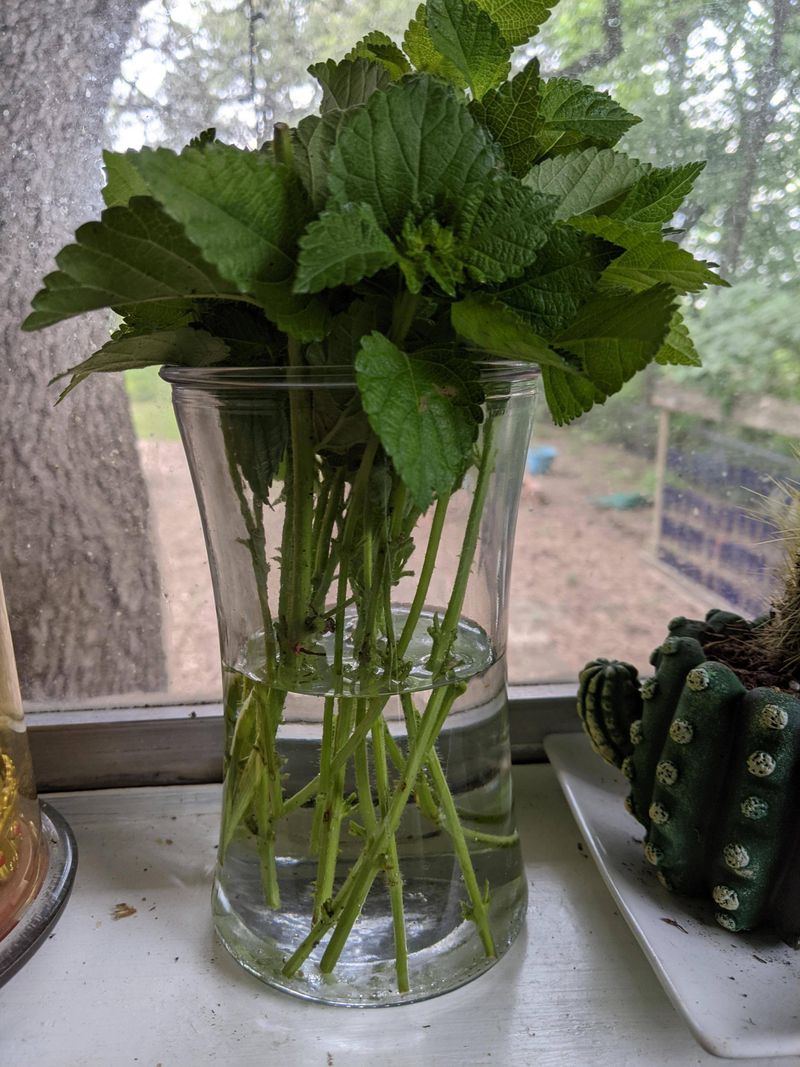
Short on space? Take four to six inch cuttings in late summer, remove the lower leaves, and root them in moist potting mix. Grow them on a bright, sunny windowsill as winter houseplants.
Spring brings the fun part. Around March or April, move stored plants to brighter light and slowly increase water. New green buds should start popping along the stems.
Wait to move lantana outdoors until frost danger is gone and nights stay above 50 to 55 degrees. In much of Ohio, that’s usually mid to late May.
Harden plants off over a week. Start in shade for a few hours, then gradually add more sun and time outside. Once settled, give them full sun and a dose of balanced fertilizer.
Remember the big rule from all of this. Keep your stored lantana above freezing, ideally in the 40s. Do that, check on it monthly, and those colorful flower clusters should be calling butterflies back by early summer.