How Colorado Gardeners Use Hydrogen Peroxide In December To Prevent Root Rot
Colorado gardeners know winter can be harsh—but their indoor and overwintering plants often face an invisible threat long before spring arrives: root rot.
Lower light levels, cooler temperatures, and overwatering create perfect conditions for soil-borne fungi to take hold.
That’s where hydrogen peroxide steps in as a powerful, affordable plant-care ally.
When diluted properly, it oxygenates compacted soil, kills harmful microbes, and helps roots breathe again.
December is the ideal time to use it, since many plants shift into slow-growth mode and are more vulnerable to moisture-related stress.
Whether treating houseplants, container perennials, or cuttings being overwintered indoors, Colorado gardeners rely on hydrogen peroxide to keep roots healthy all season long.
Here’s how this simple household staple is preventing winter plant losses and helping gardens start spring with strong, disease-free roots.
Winter’s Secret Weapon: Why H₂O₂ Stops Root Rot Before It Starts
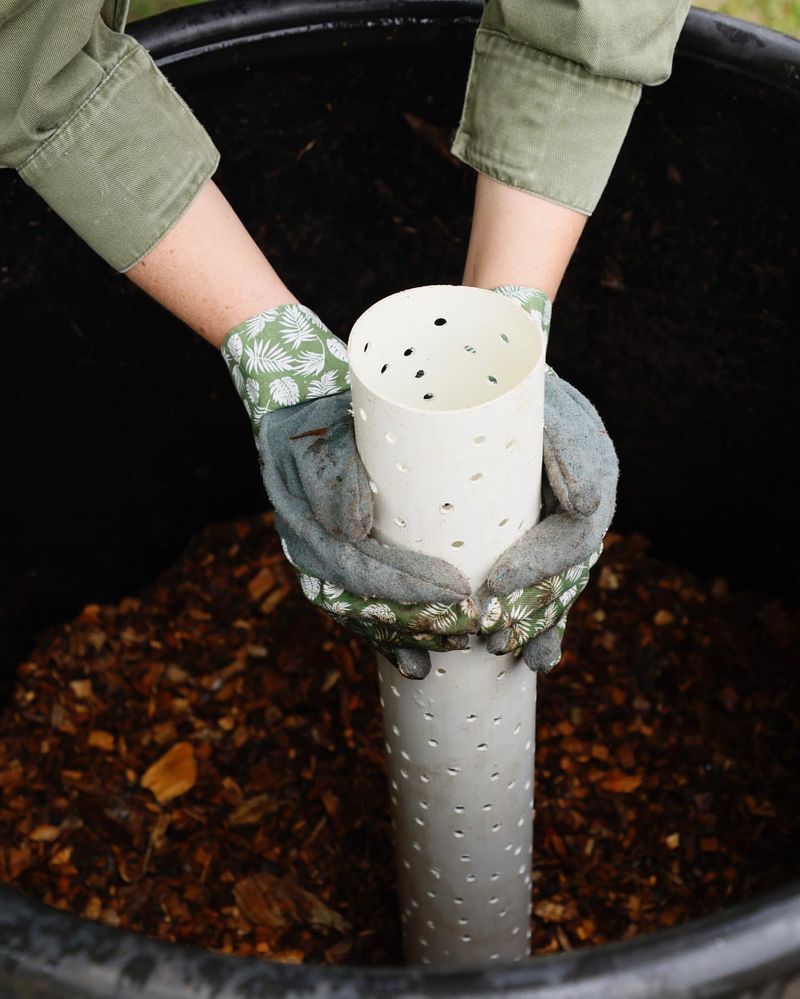
Cold December soil in Colorado often becomes compacted and dense, trapping moisture and pushing out the oxygen that roots desperately need.
When air pockets disappear, anaerobic conditions take over, and that’s exactly where root rot fungi love to settle in.
Hydrogen peroxide changes everything by releasing pure oxygen directly into the soil as it breaks down.
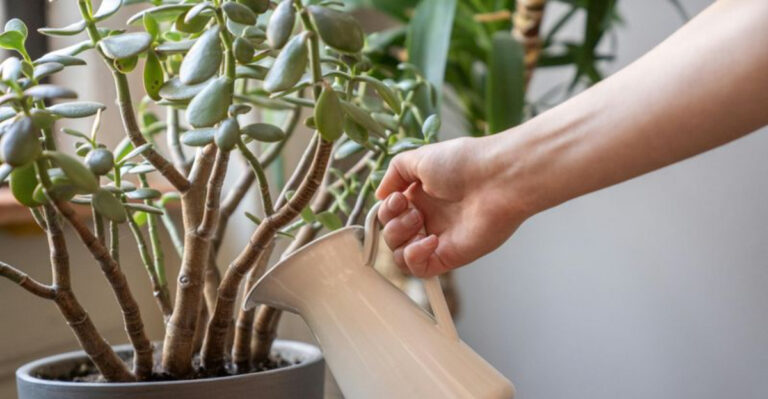
Gardeners mix a diluted solution—usually one part 3% hydrogen peroxide to four parts water—and pour it gently around the base of their plants.
The extra oxygen disrupts the low-oxygen zones where harmful microbes thrive, making it much harder for rot to establish itself.
This treatment works especially well for container plants that sit indoors with limited airflow and slower water evaporation.
Roots respond quickly to the oxygen boost, perking up and resuming healthy growth even in the middle of winter.
The process is gentle enough to use every few weeks without harming beneficial soil organisms.
Colorado’s unpredictable winter weather makes this preventive step a game-changer for gardeners who want to avoid springtime disappointments.
By targeting the root cause—literally—hydrogen peroxide stops rot before visible symptoms ever appear.
It’s a proactive approach that saves plants, time, and money.
Winter gardening just got a whole lot easier.
A Colorado Cure For Overwatered Winter Houseplants
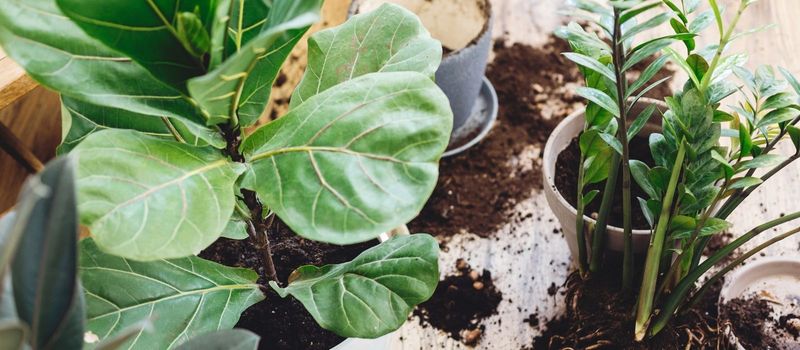
Indoor plants in December face a tricky challenge: shorter days mean less light, which slows down photosynthesis and water uptake.
Gardeners often keep watering on their usual schedule, not realizing the soil stays soggy much longer than it did in summer.
Before long, roots sit in waterlogged conditions that invite fungal infections and root decay.
Hydrogen peroxide offers a fast fix for this common winter mistake.
A light drench with a 1:4 peroxide-to-water mix helps dry out overly wet soil by increasing aeration and speeding up moisture evaporation.
The oxygen released during the reaction also gives stressed roots a chance to recover and start absorbing nutrients again.
Colorado’s low humidity makes indoor air especially dry, which tricks people into thinking their plants need more water than they actually do.
This creates a cycle of overwatering that hydrogen peroxide can break.
After treatment, many gardeners notice their plants perk up within a day or two, with leaves looking brighter and stems standing taller.
The key is catching the problem early, before roots turn mushy and beyond saving.
Regular peroxide treatments during winter months keep soil conditions balanced and roots resilient.
It’s a simple habit that prevents a lot of heartache down the road.
Boosting Oxygen Levels When Roots Need It Most
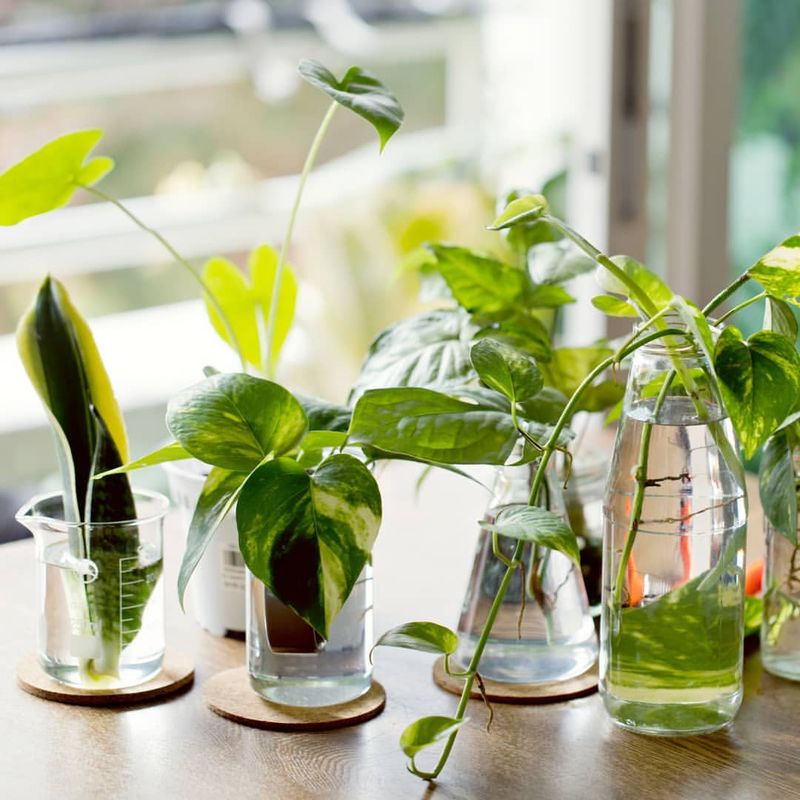
Hydrogen peroxide’s chemical formula—H₂O₂—might sound intimidating, but it’s actually just water with an extra oxygen atom attached.
When it comes into contact with organic matter in the soil, it breaks down into plain water and free oxygen molecules.
That burst of oxygen is exactly what struggling roots crave during Colorado’s cold, dark December days.
Winter stress weakens plants in ways we don’t always see aboveground.
Roots slow down their activity, and without adequate oxygen, they become vulnerable to infection and decay.
A weekly or biweekly hydrogen peroxide treatment keeps oxygen levels high, supporting root respiration even when growth seems to pause.
Gardeners who use this method report healthier root systems when they repot plants in spring.
Instead of finding brown, slimy roots, they discover firm, white growth ready to take off as temperatures warm.
The treatment is especially helpful for plants in heavy clay-based potting mixes that retain moisture longer.
Timing matters too—applying peroxide in the morning gives roots all day to benefit from the oxygen boost.
There’s no need for fancy equipment or complicated measurements.
Just a simple solution, a steady hand, and a little bit of science working behind the scenes to keep your plants thriving all winter long.
Banishing Fungal Invaders Hiding In Winter Soil
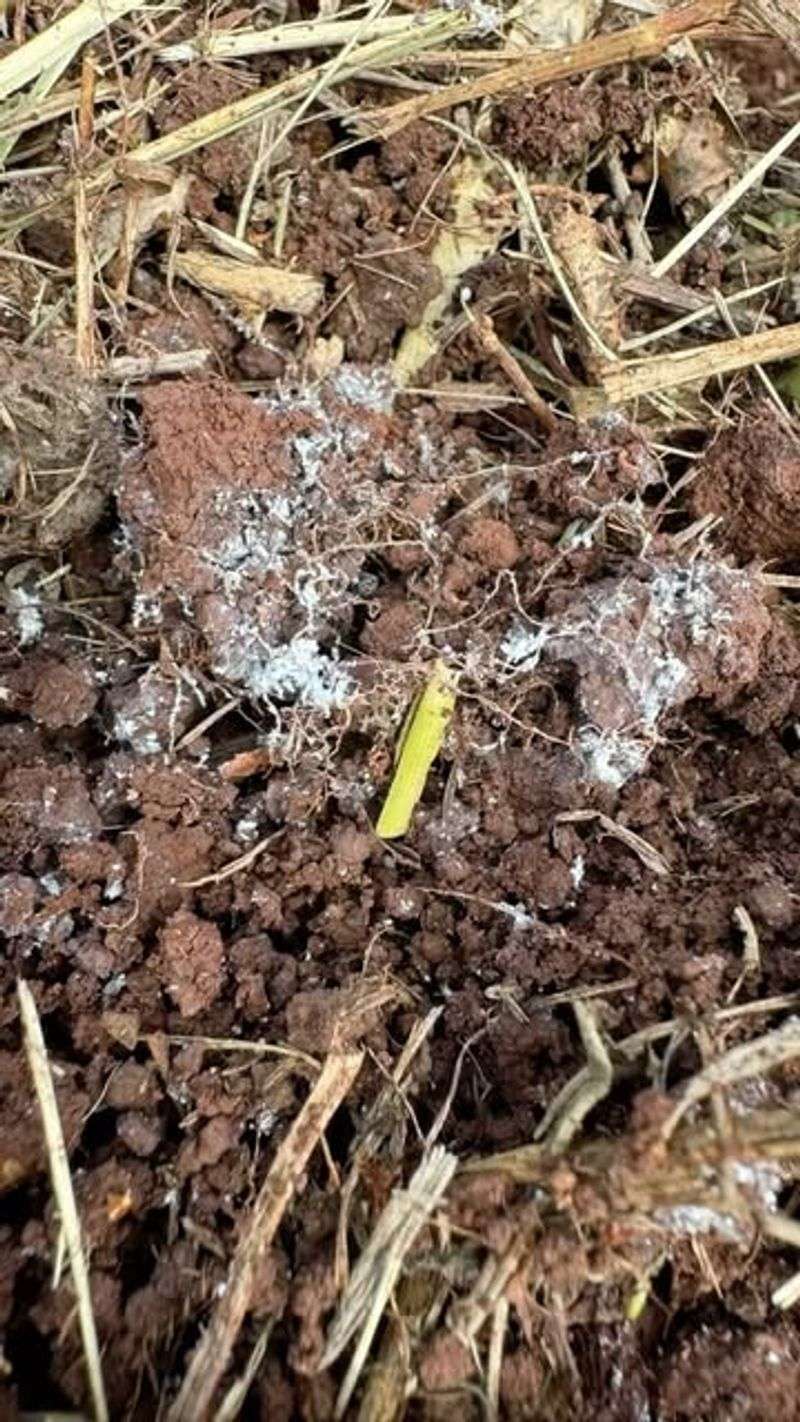
Fungal spores are everywhere, just waiting for the right conditions to spring into action and cause trouble for plant roots.
December’s combination of cool temperatures, reduced sunlight, and inconsistent watering creates the perfect storm for fungi like Pythium and Phytophthora.
These pathogens thrive in oxygen-poor, waterlogged soil, turning healthy roots into mush within days.
Hydrogen peroxide acts as a gentle disinfectant that disrupts fungal cell walls without the harsh chemicals found in commercial fungicides.
When diluted properly, it targets harmful microbes while leaving beneficial bacteria and earthworms mostly unharmed.
Colorado gardeners appreciate this low-toxicity approach, especially for indoor plants where chemical smells can linger.
The treatment works best as part of a regular winter care routine rather than a one-time emergency fix.
Applying a diluted peroxide solution every two to three weeks keeps fungal populations in check before they can establish colonies.
For plants already showing early signs of trouble—like yellowing lower leaves or a sour smell from the soil—a slightly stronger solution can help turn things around.
The key is consistency and observation.
Watch how your plants respond and adjust the frequency as needed.
By staying one step ahead of fungal invaders, you’ll keep your winter garden healthy and ready to flourish when spring arrives.
A Safe Soil Flush After Holiday Overwatering
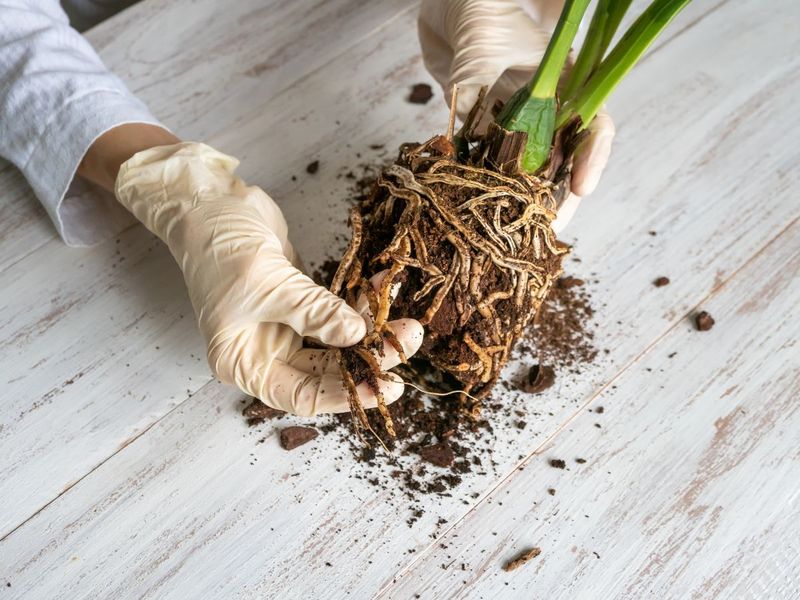
The holiday season brings guests, travel, and well-meaning friends who might water your plants a little too enthusiastically while you’re away.
Before you know it, your favorite fiddle leaf fig is sitting in a saucer of standing water, and the soil smells swampy.
Panic sets in, but hydrogen peroxide can save the day.
A thorough soil flush with a peroxide solution helps clear out excess moisture and reintroduce oxygen to suffocated roots.
Mix one part 3% hydrogen peroxide with three parts water and pour it slowly through the soil until it drains from the bottom.
This process pushes out stagnant water and replaces it with an oxygen-rich solution that helps roots recover quickly.
After the flush, let the soil dry out more than usual before watering again.
Colorado’s dry winter air actually works in your favor here, speeding up evaporation and helping the soil reach a healthier moisture level.
Within a few days, most plants show signs of improvement—firmer stems, brighter leaves, and a general look of relief.
The treatment is safe enough to use on almost any houseplant, from succulents to tropicals.
It’s also a great way to reset soil health after any watering mishap, not just holiday chaos.
Keep a bottle of hydrogen peroxide handy, and you’ll never have to worry about overzealous plant sitters again.
Reviving Containers Exposed To Freezing Nights Indoors Or Outdoors
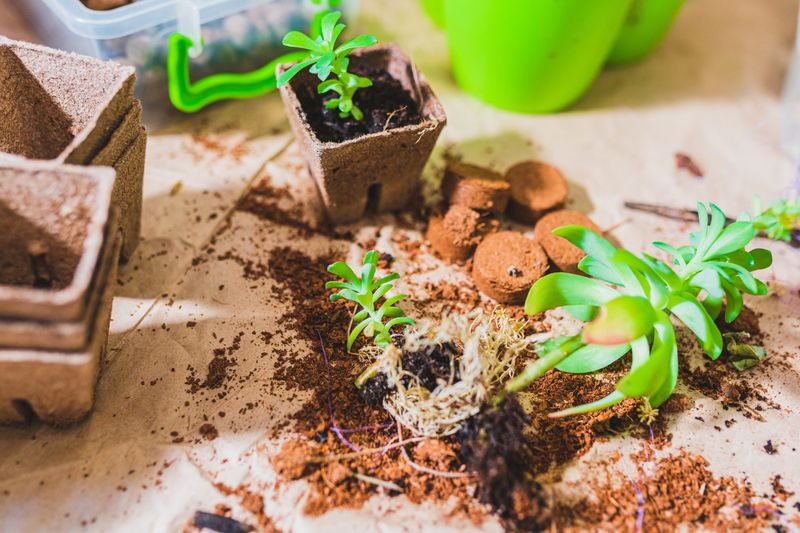
Colorado nights in December can drop below freezing without warning, catching container plants off guard even when they’re tucked close to the house.
Freeze-thaw cycles stress roots in ways that aren’t immediately obvious—cell walls weaken, and tiny tears make roots vulnerable to infection.
By the time you notice wilting or discoloration, root rot may already be setting in.
Hydrogen peroxide helps container plants bounce back from cold damage by delivering extra oxygen to stressed root systems.
A gentle drench with a diluted solution encourages cellular repair and discourages opportunistic fungi from moving into damaged tissue.
This treatment works for both plants that accidentally froze outdoors and those that got too cold near drafty windows.
Timing the application right after a cold snap gives roots the best chance to recover before more damage occurs.
Gardeners often combine this treatment with moving plants to warmer spots and adjusting watering schedules.
The peroxide doesn’t reverse all cold damage, but it significantly improves survival rates.
Container plants are especially vulnerable because their roots have nowhere to escape when temperatures plummet.
A little preventive care with hydrogen peroxide can mean the difference between losing a treasured plant and watching it thrive come spring.
It’s a small effort that pays big dividends during Colorado’s unpredictable winter weather.
Keeping Winter Watering Routines Clean And Disease-Free
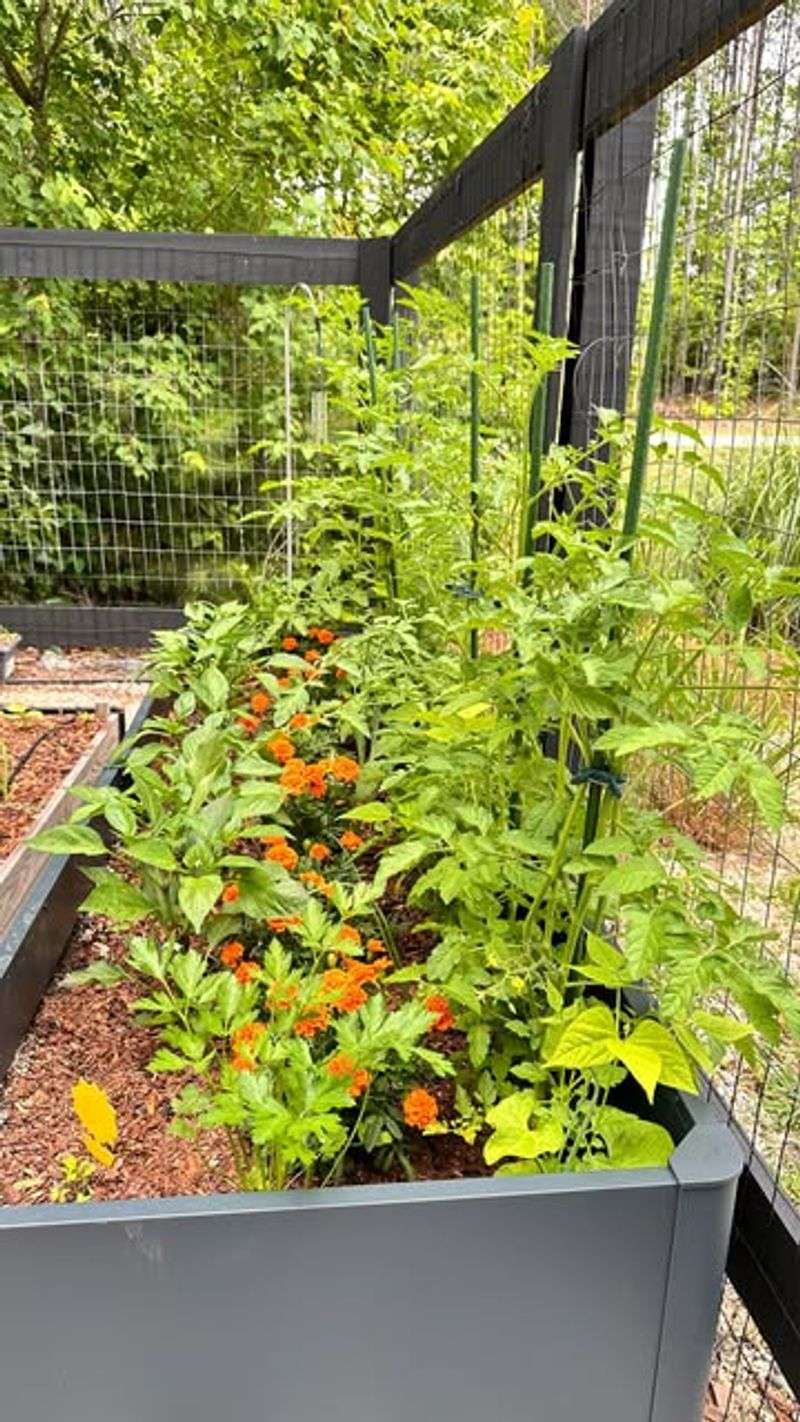
Watering cans, hoses, and spray bottles can harbor bacteria and fungal spores that build up over time, especially when they sit unused between waterings.
December’s slower watering schedule means these tools might go days or weeks without use, giving pathogens plenty of time to multiply.
Every time you water, you risk spreading these microbes directly to your plants’ roots.
Adding a small amount of hydrogen peroxide to your watering routine helps sanitize both the water and the tools you use.
A ratio of one teaspoon per gallon is enough to keep bacteria in check without harming plants.
This practice is especially valuable for gardeners who reuse water from dehumidifiers or collect melted snow, which can contain unexpected contaminants.
Clean watering equipment means healthier plants and fewer disease outbreaks in your indoor garden.
Colorado’s dry air makes it easy to forget about the moisture-loving pathogens that thrive in damp corners of watering cans and hose nozzles.
A quick rinse with diluted peroxide every few weeks keeps everything fresh and safe.
The method is simple, inexpensive, and takes less than five minutes.
It’s one of those small habits that prevents big problems down the line.
By keeping your watering routine clean, you’re protecting your entire plant collection with minimal effort and maximum impact.
Jump-Starting Dormant Roots Without Overstimulating Growth
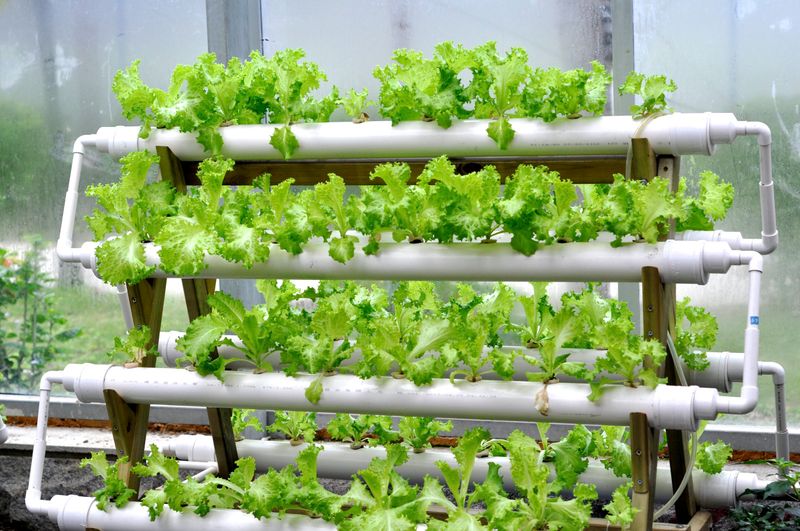
December in Colorado means minimal sunlight and cold temperatures that naturally slow plant growth to a crawl.
Most houseplants enter a semi-dormant state, conserving energy until spring returns.
The challenge is keeping roots healthy during this quiet period without pushing plants to produce new leaves they can’t support.
Hydrogen peroxide offers a unique solution—it supports root respiration and health without acting as a fertilizer or growth stimulant.
The oxygen boost helps roots maintain their structure and fight off infections, but it doesn’t trigger the kind of active growth that would stress plants in low-light conditions.
This makes it perfect for winter maintenance when you want to keep plants stable rather than pushing them forward.
Gardeners notice that plants treated with peroxide during winter transition into spring growth more smoothly and vigorously.
The roots are already strong and disease-free, ready to support new foliage as soon as daylight increases.
It’s like giving your plants a head start without forcing them to run a race they’re not ready for.
The treatment is particularly helpful for plants that struggle with Colorado’s intense seasonal shifts.
By maintaining root health during dormancy, you’re setting up your garden for success in the months ahead.
It’s a patient, thoughtful approach that respects natural growth cycles while still providing essential support.
Reducing Soil Compaction From Dry Indoor Air And Heavy Watering
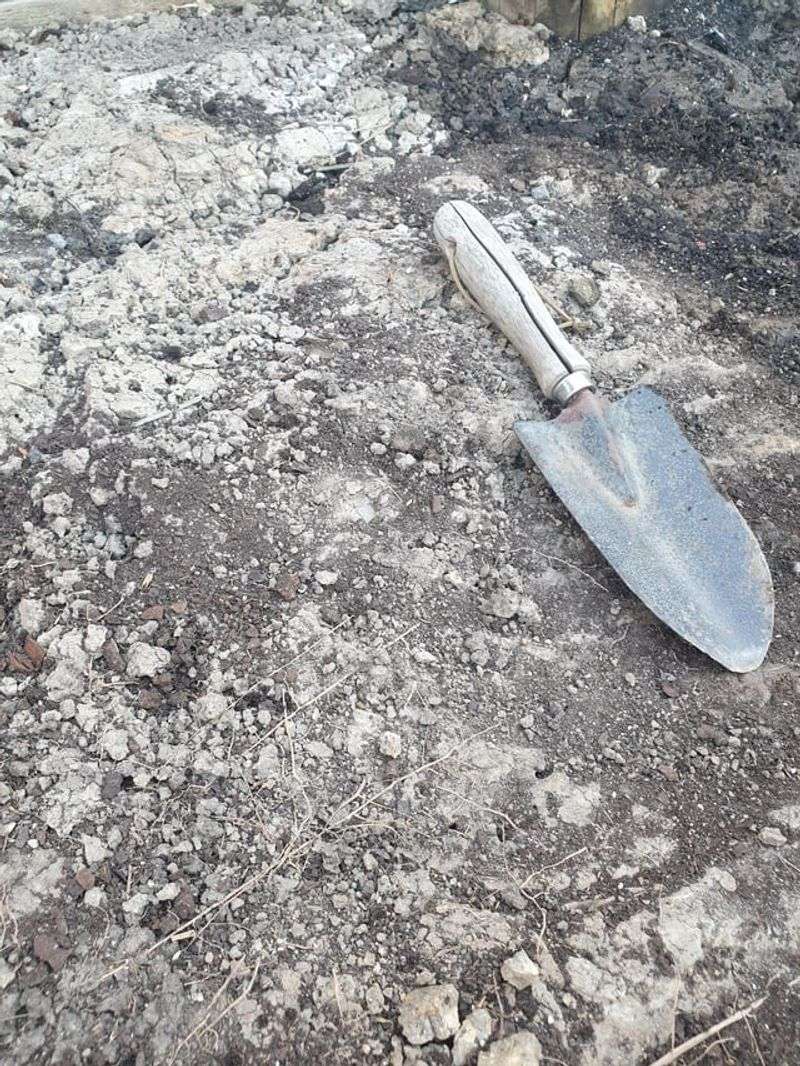
Colorado’s notoriously dry winter air sucks moisture from everything, including potting soil that starts to shrink and pull away from container edges.
When it’s time to water again, the compacted soil resists absorption, causing water to run down the sides instead of soaking in evenly.
This creates pockets of bone-dry soil right next to waterlogged areas—a recipe for stressed roots and rot.
Hydrogen peroxide helps break up this compaction by creating tiny bubbles that physically loosen tight soil particles.
As the solution breaks down, those oxygen bubbles work their way through the mix, opening up air channels and improving water distribution.
The result is soil that drains better and holds oxygen more effectively, even in the challenging conditions of heated indoor spaces.
Gardeners often notice an immediate improvement in how their soil accepts water after a peroxide treatment.
Instead of watching water pool on the surface or rush straight through, it soaks in evenly and reaches all the roots.
This alone can prevent many cases of root rot caused by uneven moisture distribution.
The treatment works especially well for plants in peat-based mixes, which are notorious for becoming hydrophobic when they dry out completely.
A monthly peroxide application keeps soil structure loose and functional throughout the winter.
It’s a simple fix for a frustrating problem that affects nearly every indoor gardener in Colorado.
Preparing Plants For A Healthy Spring Comeback
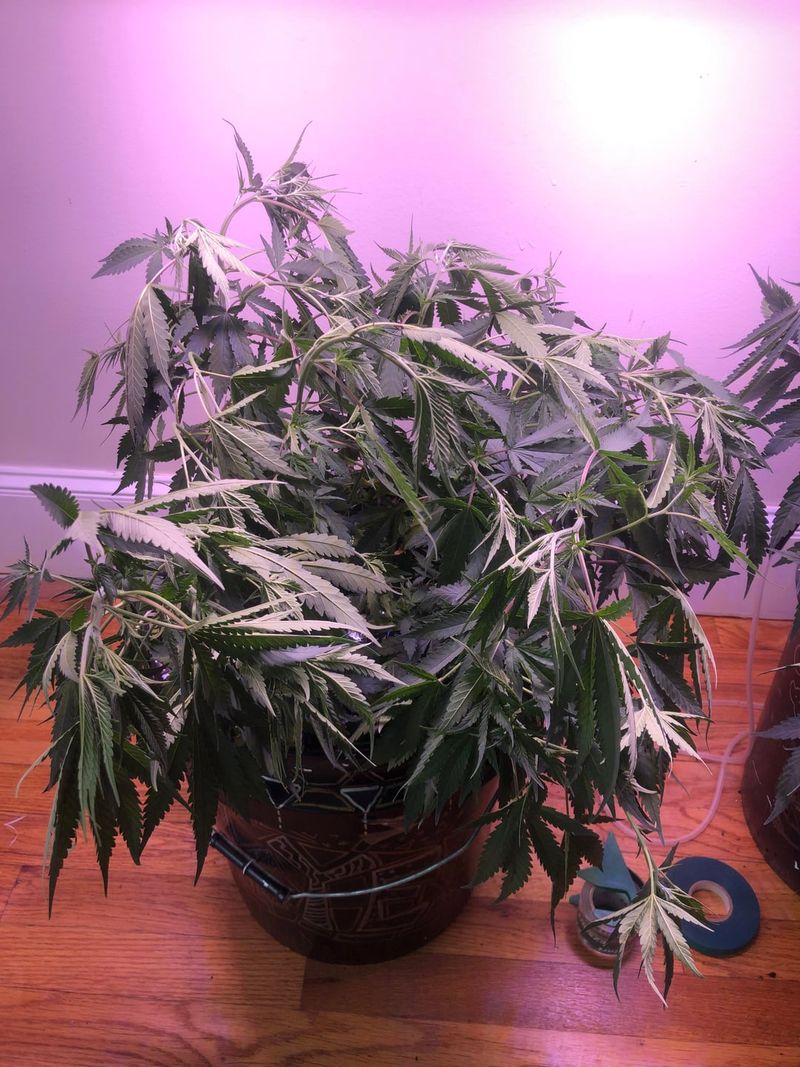
What you do in December sets the stage for how your plants perform when spring finally arrives in Colorado.
Roots that spend winter struggling with rot, compaction, or oxygen deprivation simply can’t bounce back as quickly when growing conditions improve.
Hydrogen peroxide treatments throughout December give your plants the foundation they need for a spectacular spring showing.
Maintaining oxygen-rich soil during the darkest, coldest month ensures roots stay strong and disease-free.
When March rolls around and daylight increases, those healthy roots can immediately support new growth without first having to recover from winter damage.
The difference is remarkable—plants treated with peroxide during winter often leaf out faster, bloom earlier, and show more vigor overall.
This approach works for houseplants, overwintering perennials stored in garages, and even dormant plants kept in cool basements.
Anywhere roots are quietly waiting for spring, a little peroxide support goes a long way.
Colorado gardeners who adopt this practice report fewer plant losses and more successful transitions into the growing season.
The investment of time and money is minimal—a bottle of hydrogen peroxide costs just a few dollars and lasts for months.
The payoff comes in healthier plants, bigger blooms, and the satisfaction of knowing you’ve given your garden the best possible start.
December might be quiet in the garden, but it’s the perfect time to lay the groundwork for spring success.