How Deep Watering Builds Strong Roots For Arizona Plants This Spring
It is easy to look at a plant in spring and assume a little water here and there is enough to keep it happy. In Arizona, that habit can be more harmful than helpful.
Plenty of plants appear fine on the surface while their roots stay weak, shallow, and far less prepared for the hotter months ahead. That is where watering starts to matter in a much bigger way than many gardeners expect.
Spring is when everything begins waking up, stretching out, and getting ready for the long dry season. What happens below the soil during this time can shape how well a plant handles stress later, especially once the heat settles in for good.
A stronger root system does not happen by accident, and it usually has a lot to do with how water is reaching the soil in the first place.
For Arizona gardens that need plants to hold up well through the season, this is one of those simple habits that can change more than it seems.
1. Deep Watering Drives Roots Downward
Roots are lazy by nature. They grow toward water, and if that water never goes past a few inches deep, the roots stop right there.
Push water down 12 to 18 inches, and the roots will follow every single time.
In Arizona, the soil heats up fast. Surface soil in the Phoenix and Tucson areas can reach scorching temperatures by late spring, and shallow roots sitting in that hot zone get stressed quickly.
Deeper soil stays cooler and holds moisture longer, giving roots a much safer place to settle in.
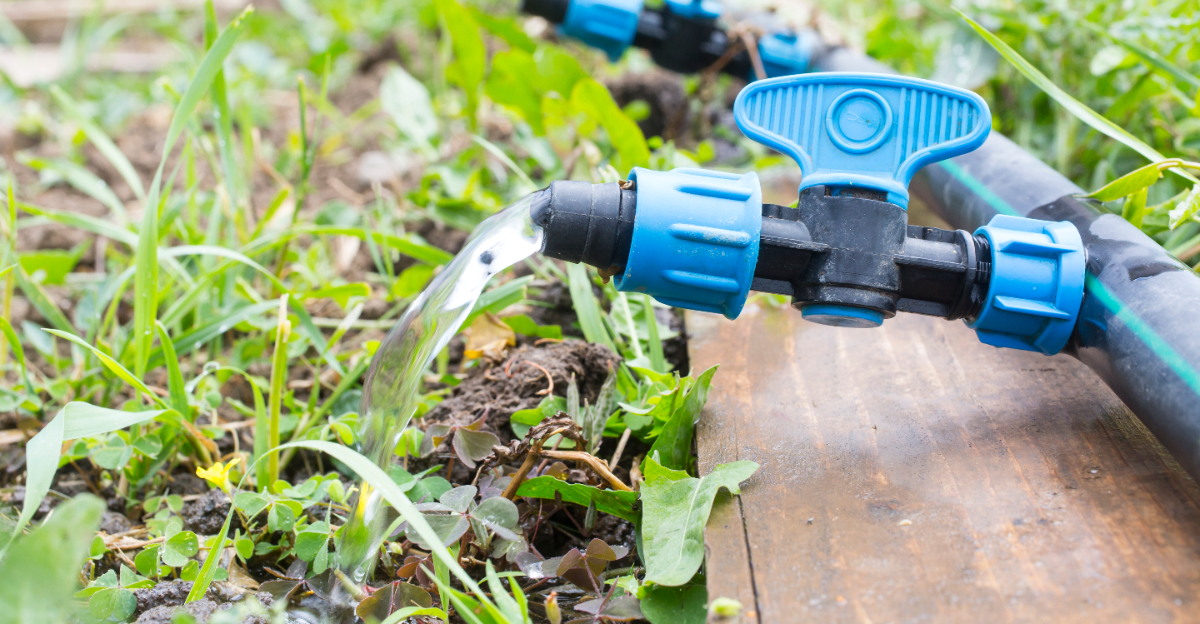
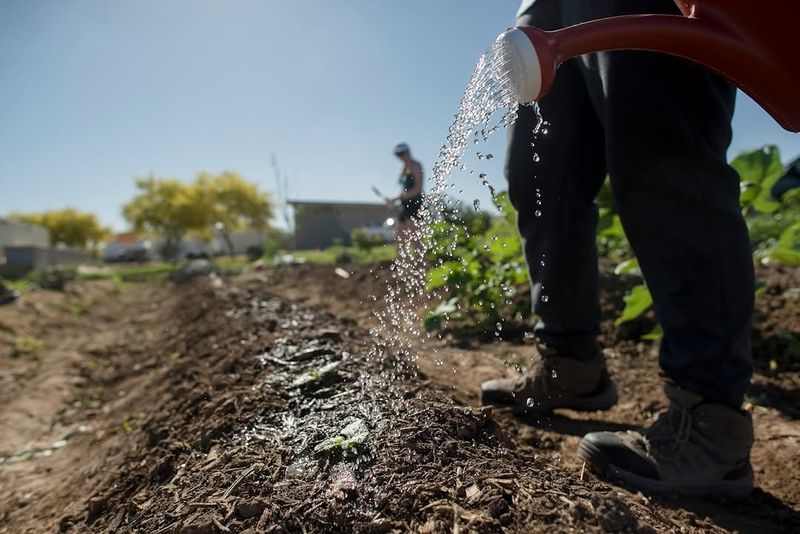
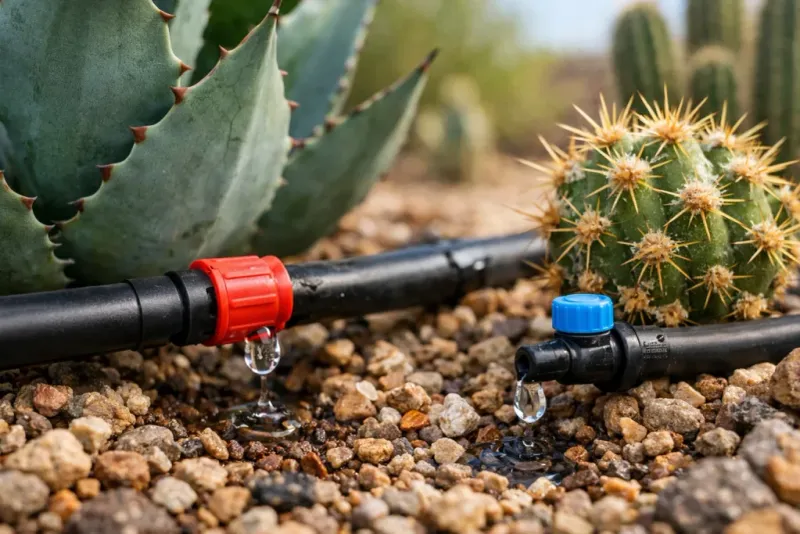
A drip system or soaker hose running slowly for 30 to 60 minutes does a much better job than a quick blast from a garden hose. Slow delivery gives water time to move downward through the soil profile instead of running sideways or pooling on top.
Push a long screwdriver into the soil after watering. If it slides in easily to 12 inches, you’re reaching the right depth.
If it stops at 4 or 5 inches, your watering time needs to increase significantly.
Spring is the perfect time to train roots downward before summer arrives. Plants that develop deep root systems in March and April are far better prepared to handle triple-digit Arizona heat without showing stress.
Starting this habit early makes a real difference in plant performance throughout the year.
2. Slow Soaking Reaches The Entire Root Zone
Blasting water onto the soil fast almost guarantees runoff. Arizona’s hard, compacted caliche soil can’t absorb a heavy rush of water quickly, so most of it just sheets off the surface and never reaches the roots at all.
Slow soaking changes everything. When water drips or trickles into the soil at a pace the ground can actually absorb, it moves downward instead of sideways.
That means more water reaches the full root zone rather than just wetting the top crust and evaporating by noon.
Soaker hoses laid in a circle around a tree’s drip line, or a drip emitter placed 12 to 18 inches from the trunk, deliver water right where feeder roots are actively working. Putting water at the base of the trunk doesn’t help nearly as much as most people assume.
Run your system in the early morning, ideally before 7 a.m. in the Tucson and Phoenix areas. Cooler morning temperatures mean less evaporation, so a higher percentage of the water you use actually makes it into the soil where plants can use it.
Watering duration matters more than frequency with this approach. Running a drip system for 45 minutes twice a week beats running it for 10 minutes every day.
Longer sessions push water deeper, and that depth is exactly what builds the kind of root structure that survives Arizona summers without falling apart.
3. Stronger Roots Improve Heat Tolerance
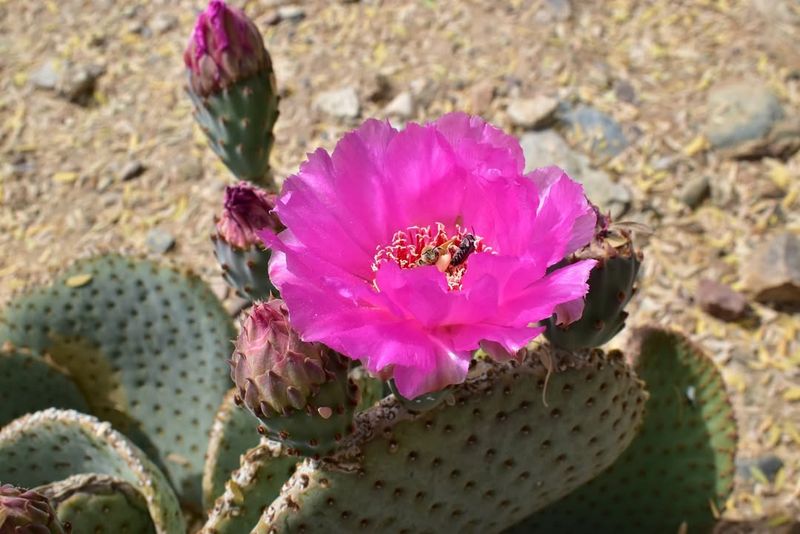
A plant with deep roots and a plant with shallow roots can look identical in March. By July, you’ll know exactly which one was watered properly.
Heat tolerance isn’t magic, it comes directly from how well the root system is developed before temperatures climb.
Deep roots anchor a plant into cooler, more stable soil layers. When the surface temperature in an Arizona yard climbs past 140 degrees Fahrenheit on a summer afternoon, those deep roots are still pulling moisture from soil that stays considerably cooler just 12 to 18 inches down.
Citrus trees, desert willows, mesquites, and even vegetable transplants all respond to deep watering with noticeably stronger growth.
Leaves stay greener longer, new growth doesn’t wilt by midday, and fruit production improves when the root system has room and resources to do its job properly.
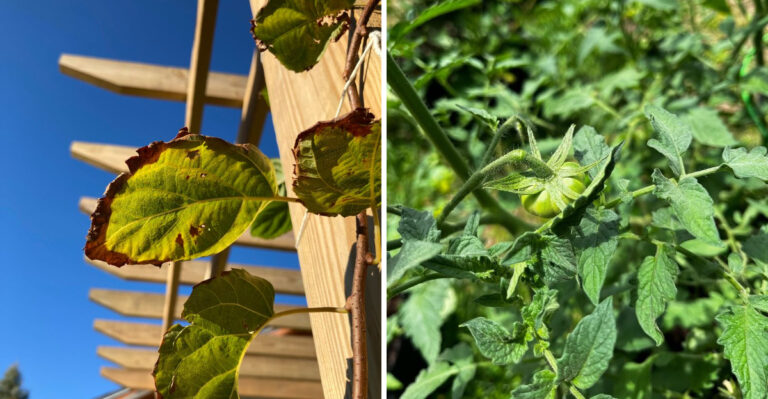
Heat stress shows up as scorched leaf edges, dropped leaves, and wilting that doesn’t recover overnight.
Plants with well-developed root systems rarely show those symptoms because they have a larger moisture reserve to draw from during the hottest parts of the day.
Building heat tolerance takes weeks, not days, which is why spring watering habits matter so much. Every deep watering session in March, April, and May is an investment in how your plants will perform from June through September.
Arizona gardeners who figure this out early see dramatically better results across their entire yard.
4. Deep Roots Access Moisture Longer
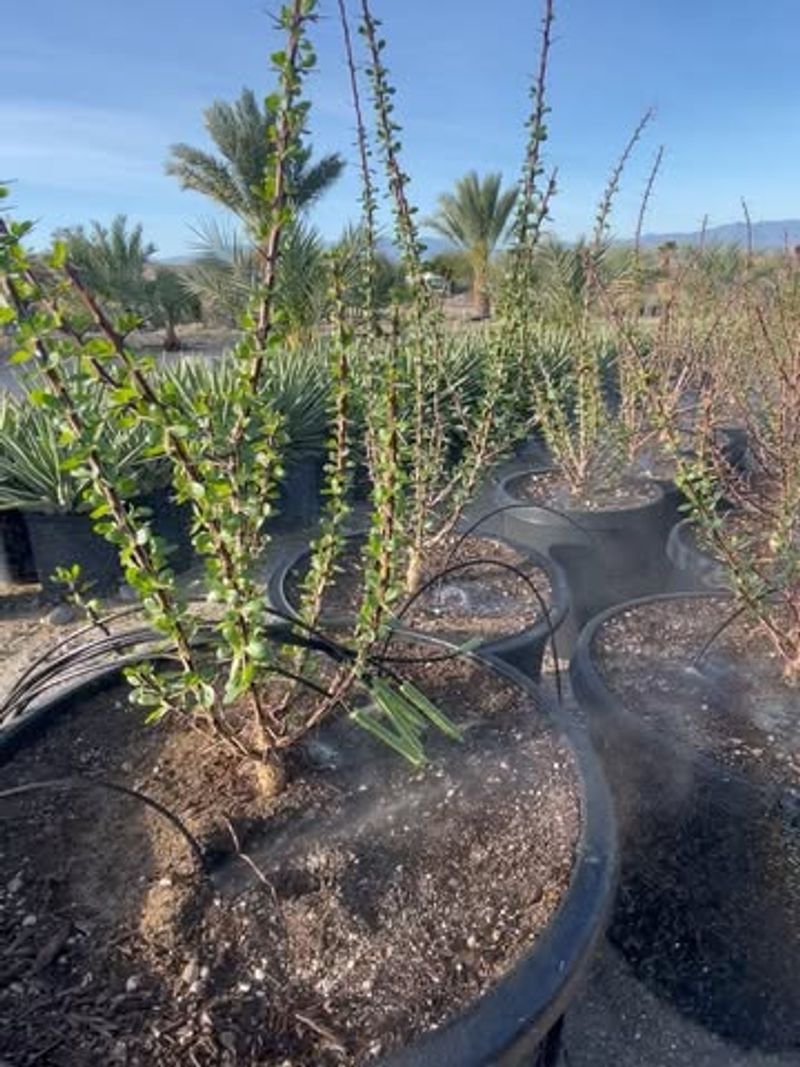
Soil near the surface dries out within hours in Arizona, especially during spring when wind and low humidity pull moisture away fast. Roots sitting in that top layer are constantly running on empty between watering sessions.
Deeper soil is a completely different story. Moisture stored 12 to 24 inches below ground evaporates at a fraction of the rate compared to surface soil.
Roots that reach those depths have access to a reserve that lasts days longer than anything near the surface could provide.
Established desert trees like palo verde and ironwood survive Arizona’s dry spells because their roots go incredibly deep, sometimes many feet down. You can encourage your own trees and shrubs to develop that same kind of reach by watering deeply and infrequently rather than shallowly and often.
Between watering sessions, let the top few inches of soil dry out completely before watering again. That dry surface actually encourages roots to push deeper looking for moisture.
Keeping the surface perpetually damp does the opposite and traps roots right where you don’t want them.
Mulching around your plants with 3 to 4 inches of wood chips or decomposed granite helps slow surface evaporation significantly.
In the Tucson and Phoenix areas, mulch can reduce soil moisture loss by a surprising amount, extending the time between necessary watering sessions and giving deep roots even more time to do their job effectively.
5. Shallow Watering Keeps Roots Weak
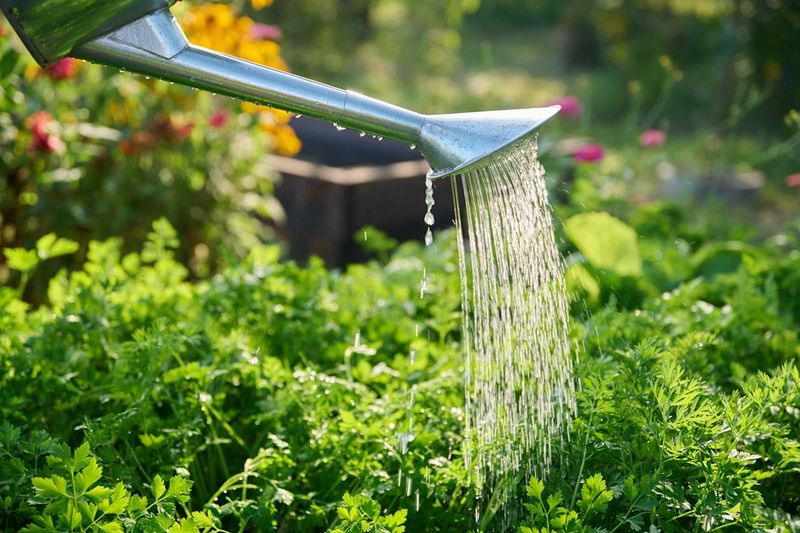
Short, frequent watering sessions feel productive, but they’re actually one of the most common mistakes Arizona gardeners make. Running water for five minutes every day keeps only the top two or three inches of soil damp, and that’s exactly where roots will stay.
Roots clustered near the surface are vulnerable to everything Arizona throws at them. Heat bakes that top layer.
Wind dries it out. A single missed watering day can stress a plant that has no deeper reserves to fall back on.
It’s a fragile setup that doesn’t hold up once summer arrives.
Shallow-rooted plants also tip over more easily. Without deep anchoring roots, trees and large shrubs become unstable in the monsoon winds that roll through the Phoenix and Tucson areas every summer.
A well-rooted tree handles those gusts without a problem, while a shallow-rooted one can lean or uproot entirely.
Switching from daily short sessions to longer, less frequent deep soaks takes some adjustment. Plants might look slightly stressed for the first week or two as roots start searching downward for moisture.
Stay consistent and the improvement in root depth will be obvious within a few weeks.
Breaking a shallow watering habit is one of the highest-impact changes an Arizona gardener can make. It costs nothing extra, uses the same amount of water or less, and produces plants that are noticeably stronger, greener, and more capable of surviving the intense heat that defines every Arizona summer season.
6. Full Soaking Helps Limit Salt Buildup
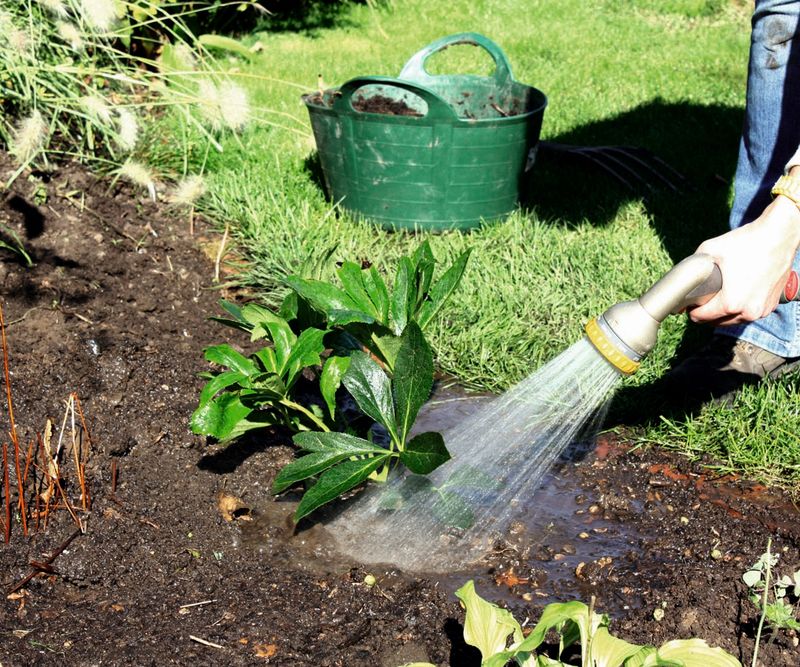
Salt buildup in Arizona soil is a real problem that doesn’t get enough attention. Between the naturally mineral-rich water coming out of most municipal taps and the high evaporation rate, salts concentrate in the root zone fast, and that buildup damages roots over time.
Shallow watering makes it worse. When water only wets the top few inches and then evaporates, it leaves behind whatever minerals it was carrying.
Session after session, those salts accumulate right where the roots are, creating a toxic concentration that interferes with water uptake and nutrient absorption.
Deep watering flushes salts downward past the active root zone. A thorough soaking pushes those minerals deeper into the soil profile where they’re far less likely to cause problems.
Think of it like rinsing a sponge, you need enough water to actually move things through, not just dampen the surface.
If your plants show yellowing leaves, crusty white deposits on the soil surface, or stunted growth despite regular watering, salt buildup is a likely cause. Running a slow, deep soak that goes well beyond your normal watering depth can help flush the problem out significantly.
Across the Phoenix metro and Tucson areas, water quality varies by neighborhood and source, but most Arizona tap water carries enough dissolved minerals to cause salt accumulation over a full growing season.
Deep watering twice a month specifically for flushing purposes, separate from your regular schedule, is a simple habit that keeps roots working at full capacity.
7. Consistent Depth Supports Healthy Growth
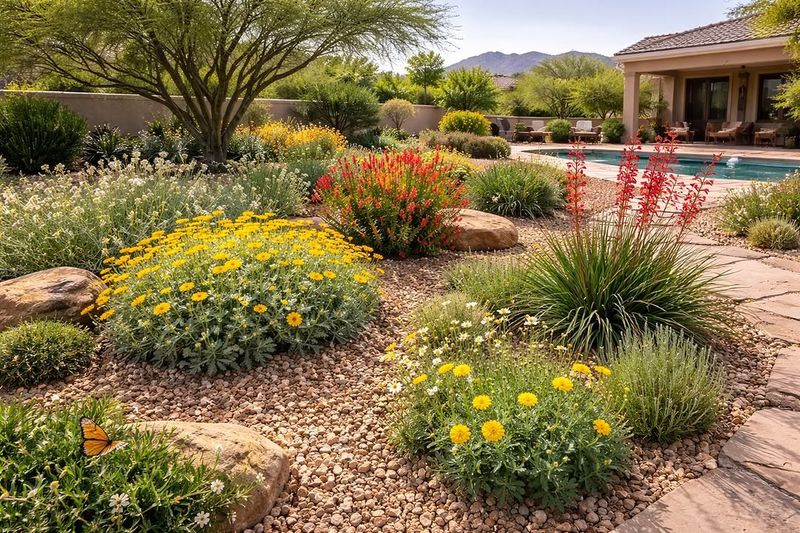
One deep watering followed by two weeks of shallow sprinkles doesn’t build strong roots. Consistency is what trains a root system to grow in a specific direction, and inconsistent depth sends mixed signals that keep roots disorganized and unpredictable.
Setting up a schedule and sticking to it through spring makes a measurable difference. Desert-adapted trees and shrubs do well with a deep soak every 7 to 14 days in spring.
Fruit trees and vegetables need water every 3 to 7 days depending on how warm it gets. Flowering annuals need moisture every 2 to 5 days during warm spells.
Adjust based on what you actually observe. Stick a screwdriver or soil probe into the ground before watering.
If the soil is still moist 8 inches down, wait another day or two. Watering on a rigid calendar without checking soil conditions leads to overwatering just as easily as underwatering.
Spring growth in Arizona happens fast. Plants push out new leaves, flowers, and root growth all at once between February and May.
That burst of activity demands a steady, reliable water supply at the right depth to support everything happening above and below ground simultaneously.
Keeping depth consistent across the whole season is what separates a garden that struggles every summer from one that looks genuinely healthy. Arizona gardeners who commit to deep, regular soaking in spring set their plants up for success long before the first triple-digit day arrives, and that head start shows clearly all season long.