How Desert Modernism Is Changing Garden Design In New Mexico
Desert modernism is reshaping garden design across New Mexico, replacing traditional layouts with landscapes that feel intentional, architectural, and deeply connected to place.
Instead of fighting heat and drought, this design approach leans into them, using clean lines, open space, and climate-aware plant choices.
New Mexico gardeners are moving away from lush, water-heavy looks and toward gardens that feel calm, grounded, and visually strong year-round.
Materials like gravel, stone, and steel are becoming just as important as plants, creating structure even when blooms are minimal.
Plant selection focuses on form, texture, and shadow rather than nonstop color, which changes how gardens are experienced throughout the day.
This shift also reflects a growing awareness of water use and long-term sustainability in New Mexico landscapes. Desert modernism turns harsh conditions into a design advantage instead of a limitation.
The result is a garden style that feels modern, resilient, and perfectly suited to New Mexico’s environment.
1. Clean Lines Are Replacing Traditional Desert Clutter
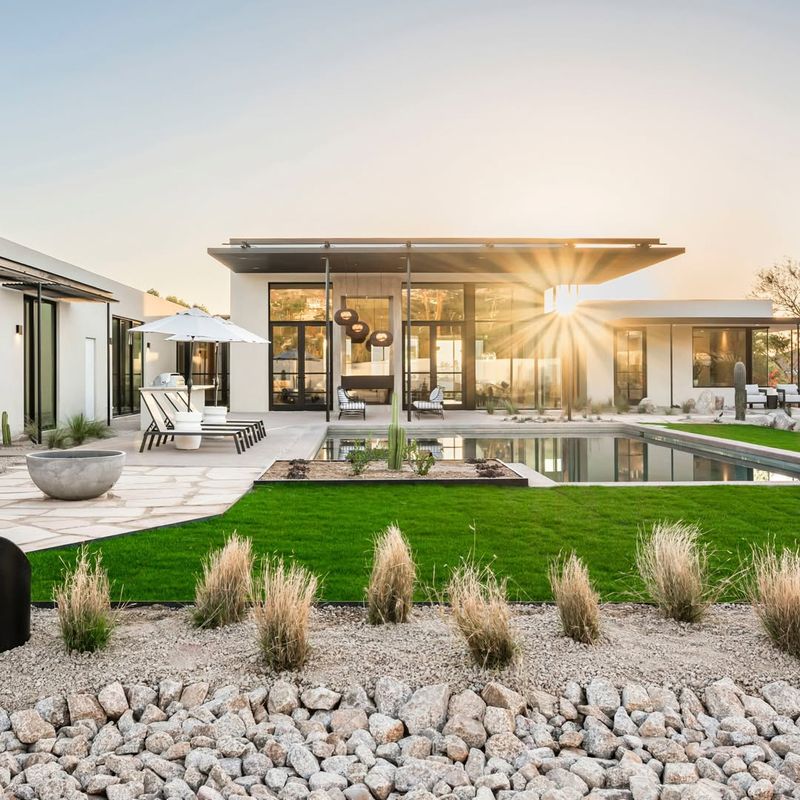
Stepping into a modernist garden feels different from the moment you cross the threshold. Instead of decorative wagon wheels, terra cotta pots piled high, or rustic weathered wood scattered everywhere, you see deliberate geometry and carefully chosen focal points.
New Mexico homeowners are discovering that less really can be more when it comes to outdoor design.
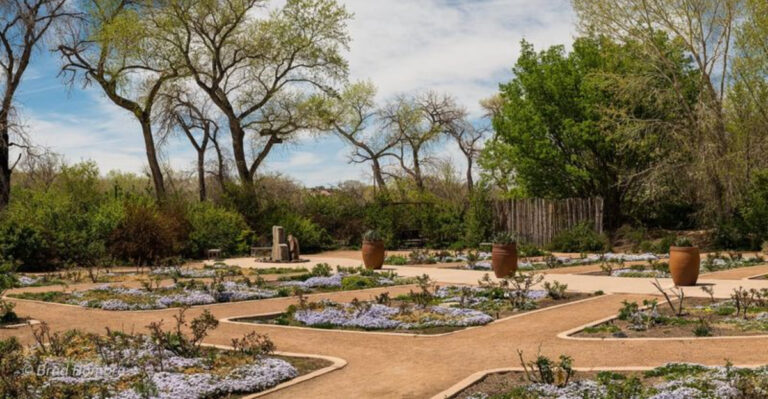
Straight pathways guide visitors through spaces with purpose. Rectangular planters define boundaries without creating visual chaos.
Horizontal planes stretch across properties, making small yards feel surprisingly expansive.
Garden beds now follow architectural principles rather than organic curves. Sharp edges separate gravel from planted areas, creating contrast that highlights both materials.
Metal edging has become popular because it holds crisp boundaries season after season.
Fences and walls embrace minimalism too. Solid panels in neutral tones replace ornate ironwork or split-rail designs.
These barriers provide privacy while maintaining the clean aesthetic that defines desert modernism.
Outdoor furniture follows the same philosophy. Simple benches with straight backs sit alongside low-profile tables.
Cushions come in solid colors rather than busy patterns, letting the landscape take center stage.
Homeowners across New Mexico are removing decorative clutter that once seemed essential. Wind chimes, garden gnomes, and colorful pottery collections are disappearing.
What remains feels intentional and thoughtful.
This shift creates breathing room in outdoor spaces. Eyes can rest on a single sculptural agave instead of scanning dozens of competing elements.
The desert itself becomes the decoration.
Maintenance becomes simpler when designs stay streamlined. Fewer objects mean less dusting, rearranging, and replacing worn items.
Clean lines also photograph beautifully, which matters in our image-conscious culture.
2. Hardscapes Are Becoming The Backbone Of New Mexico Gardens
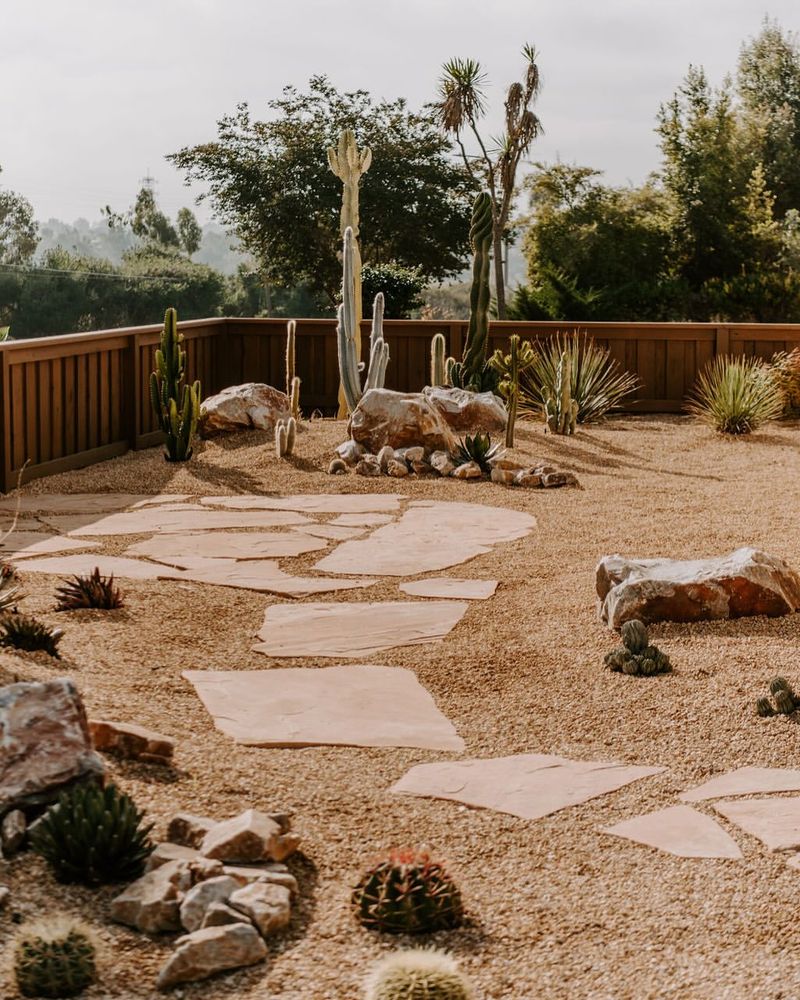
Gravel, concrete, and stone now dominate where grass once struggled to survive. This fundamental shift acknowledges what New Mexico gardeners have always known deep down: fighting the desert climate costs money, time, and precious water.
Hardscaping offers a sustainable alternative that looks stunning year-round.
Decomposed granite creates pathways that crunch satisfyingly underfoot. This material comes in warm tones that complement adobe architecture perfectly.
It drains quickly during monsoon rains yet stays put during windy seasons.
Concrete has shed its boring reputation through creative applications. Polished slabs now serve as outdoor floors, reflecting light and staying cool enough for bare feet.
Stamped patterns add texture without sacrificing the modern aesthetic.
Large flagstones create natural stepping-stone patterns through planted areas. These pieces anchor gardens visually while providing practical walking surfaces.
Their irregular shapes introduce organic elements within structured designs.
Pea gravel fills spaces between pavers and around plant bases. This affordable material prevents weed growth while allowing water to penetrate soil.
Different colors can be mixed to create subtle variations across a property.
Retaining walls built from stacked stone define elevation changes. These structures prevent erosion during heavy rains while creating planting opportunities in raised beds.
Their mass also stores heat, moderating temperature swings.
New Mexico landscape designers now start projects by mapping hardscape elements first. Plants become accents rather than the foundation, reversing traditional garden planning.
This approach ensures durability and reduces ongoing maintenance.
3. Native And Arid Plants Are Taking Center Stage
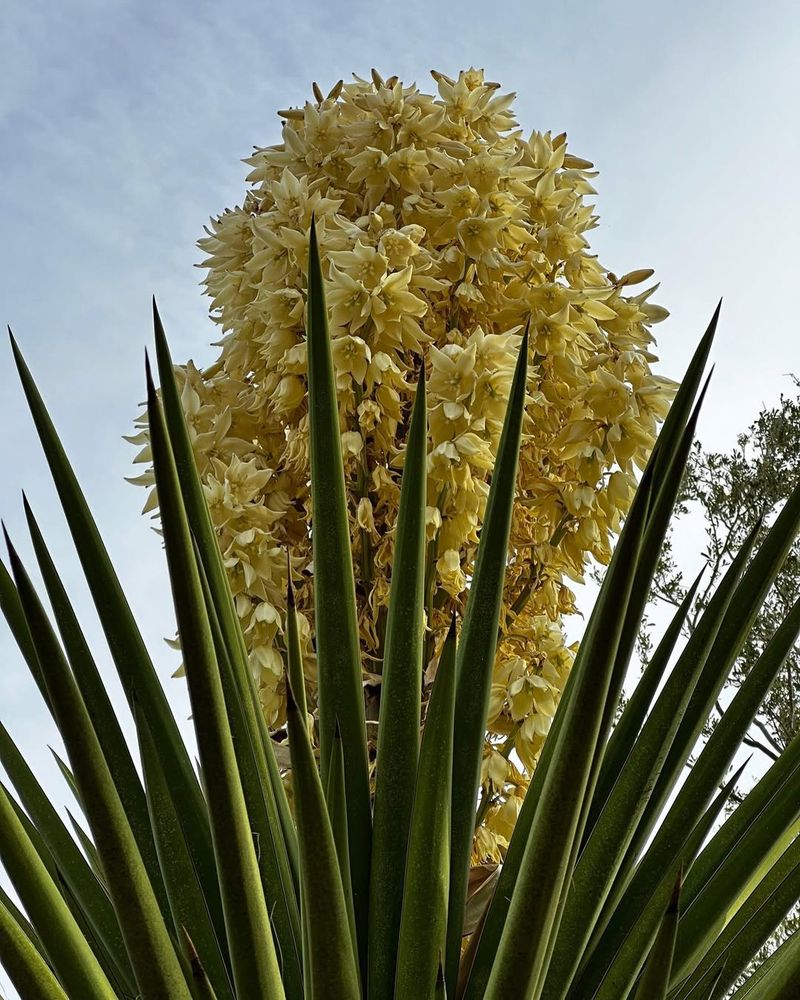
Yucca spikes reach skyward like natural sculptures. Chamisa blooms golden in autumn when most gardens fade.
Apache plume dances in breezes with its feathery seed heads catching afternoon light. These natives are finally getting the respect they deserve in New Mexico landscapes.
For decades, imported species dominated residential gardens despite struggling in alkaline soil and scarce rainfall. Homeowners watered roses and petunias religiously, fighting nature every step of the way.
Desert modernism flips this script entirely.
Blue grama grass creates meadow-like sweeps that stay green with minimal water. This native groundcover moves gracefully in wind, adding motion to static hardscapes.
It requires mowing just once or twice annually.
Penstemon varieties offer tubular flowers in reds, purples, and pinks. Hummingbirds visit these blooms throughout spring and summer.
Unlike thirsty perennials from wetter climates, penstemons thrive on neglect once established.
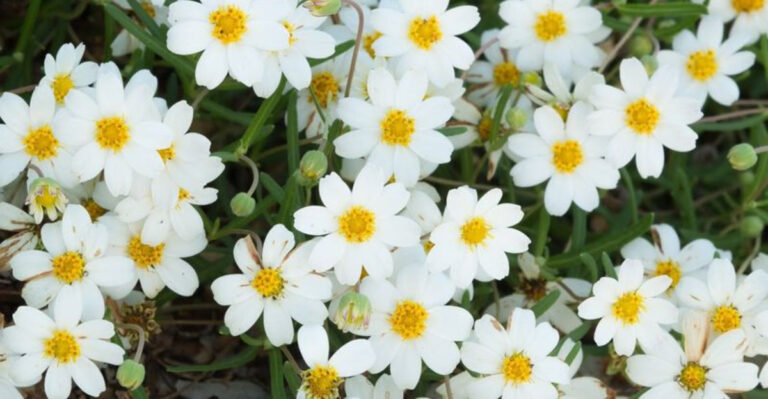
Desert marigold provides cheerful yellow blooms almost year-round. This tough little plant reseeds itself, filling gaps in gravel without becoming invasive.
Its presence softens hard edges without requiring deadheading or fertilizing.
Four-wing saltbush serves as an evergreen anchor in modernist designs. Its silvery foliage contrasts beautifully with darker stone or concrete.
This shrub tolerates road salt, reflected heat, and poor soil without complaint.
Landscape architects across New Mexico now specify native palettes by default. They educate clients about ecological benefits: reduced water consumption, habitat for pollinators, and authentic regional character.
Resistance is fading as more people see successful examples.
Nurseries have responded by expanding native plant sections. Species once considered weeds are now sold in gallon containers with care instructions.
Availability makes choosing natives easier than searching for exotics.
4. Water-Wise Design Is Driving Aesthetic Choices
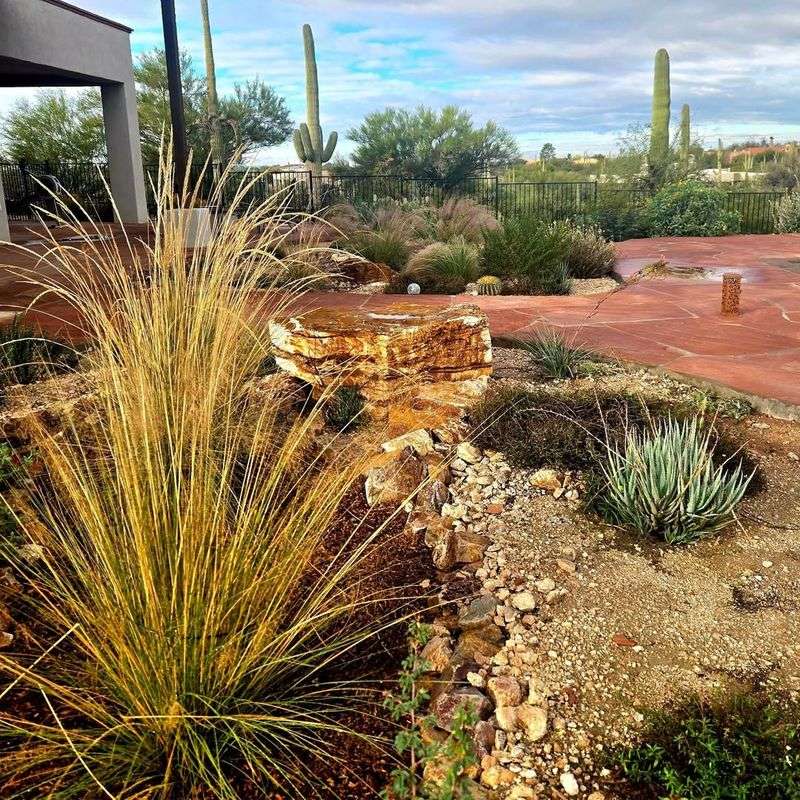
Every design decision now passes through a water-conservation filter. This practical necessity has sparked creative solutions that define the new New Mexico garden aesthetic.
Drought isn’t just a challenge; it’s become a design opportunity.
Drip irrigation systems hide beneath gravel mulch, delivering moisture directly to root zones. These networks eliminate overspray and evaporation losses common with traditional sprinklers.
Plants receive exactly what they need, nothing more.
Rainwater harvesting has moved from fringe practice to mainstream feature. Sleek cisterns collect runoff from roofs, storing hundreds or thousands of gallons.
Some designs incorporate these tanks as sculptural elements rather than hiding them.
Swales curve through properties, channeling monsoon flows to planted areas. These shallow depressions prevent erosion while watering gardens naturally.
During dry periods, they simply blend into the landscape as subtle contours.
Grouping plants by water needs creates hydrozones that maximize efficiency. Thirsty species cluster near downspouts or in low spots where moisture accumulates.
Drought-tolerant varieties occupy drier zones, thriving on rainfall alone.
Mulch layers three inches deep blanket all planted areas. This protective covering reduces evaporation, moderates soil temperature, and suppresses weeds.
Decomposed granite or small river rock suits the modern aesthetic better than shredded bark.
New Mexico homeowners are removing automatic irrigation timers in favor of manual systems. This forces engagement with actual weather conditions rather than watering by rote schedule.
Gardens receive attention only when truly necessary.
Gray water systems route shower and sink drainage to outdoor plantings. Properly designed systems filter and distribute this resource safely.
Regulations vary by municipality, but interest continues growing statewide.
5. Muted Color Palettes Are Defining Modern Desert Spaces
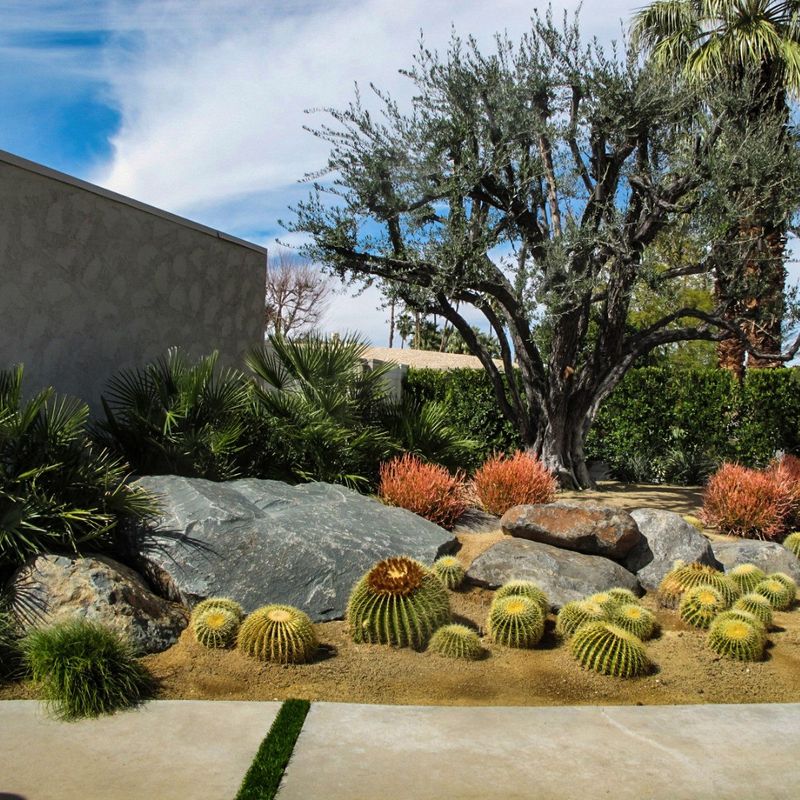
Beige, gray, sage, and rust dominate the new New Mexico garden. These earthy tones mirror the surrounding landscape rather than competing with it.
Bright paint colors and vivid flower masses have given way to subtle sophistication.
Corten steel planters develop rich orange patina over time. This weathering steel embraces rust as a design feature rather than fighting it.
The warm tones complement both plants and architecture beautifully.
Concrete elements come in natural gray or are tinted with earth pigments. Soft taupes and warm grays blend seamlessly with desert surroundings.
These neutral backgrounds let plant textures and forms shine.
Even plant selections favor muted palettes. Silver foliage plants like artemisia and dusty miller provide cooling visual relief.
Blue-toned agaves and grasses add subtle color without shouting for attention.
Flowering plants bloom in softer shades now. Pale yellow desert marigolds replace bright orange marigolds.
Lavender penstemons take precedence over hot pink varieties. The overall effect feels cohesive and calming.
Outdoor furniture in charcoal, taupe, or warm gray coordinates with hardscaping. Cushions might introduce slightly deeper tones like terracotta or sage, but nothing garish.
The restraint feels intentional and sophisticated.
Fencing and screening materials follow the same philosophy. Natural cedar weathers to silvery gray.
Powder-coated metal comes in matte bronze or charcoal. These choices recede visually rather than dominating views.
New Mexico sunsets provide all the color drama anyone could want. Gardens designed in muted tones serve as perfect backdrops for those spectacular evening shows.
The landscape becomes a stage rather than competing performer.
6. Sculptural Plants Are Used As Living Architecture
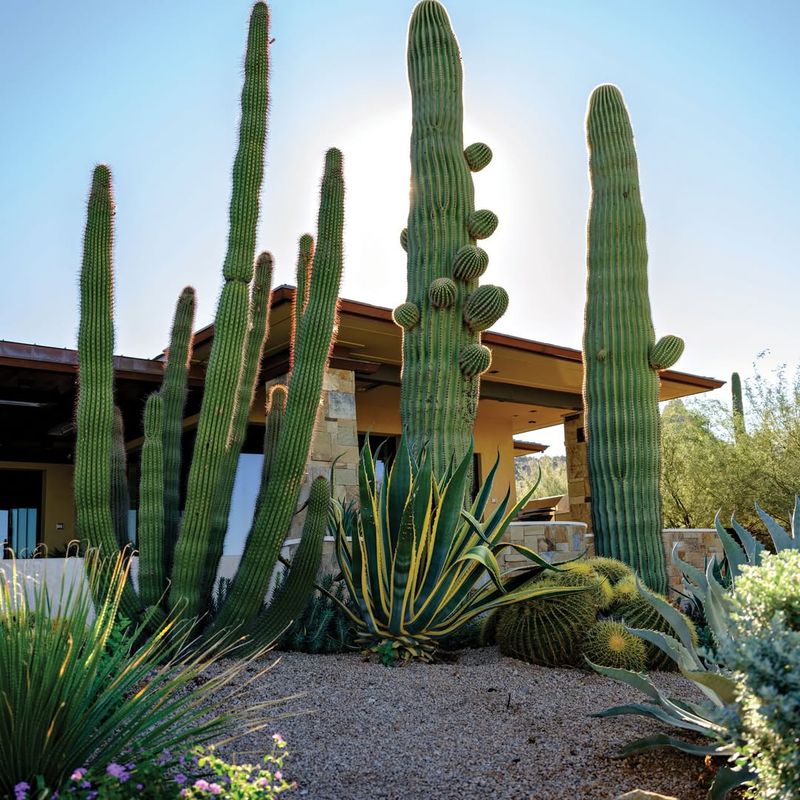
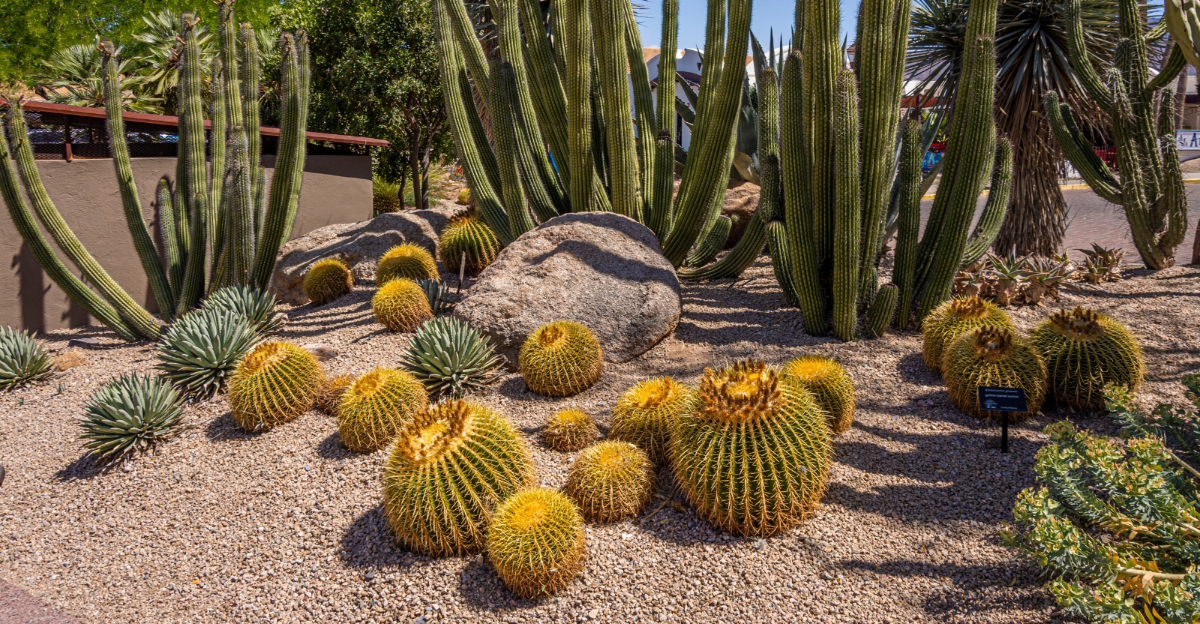
A single ocotillo becomes a living fence, its spiny branches creating vertical drama. Barrel cacti sit like green spheres on gravel pedestals.
Agave parryi forms perfect geometric rosettes that could be mistaken for human-made sculptures. These plants function as architectural elements in New Mexico’s modernist gardens.
Traditional landscaping treated plants as decoration or filler. Desert modernism elevates select specimens to starring roles.
Each plant earns its place through distinctive form, not just flower color or seasonal interest.
Soaptree yucca provides height without bulk. Its narrow trunk supports an explosion of blade-like leaves at the top.
Planted in groups of three or five, these plants create rhythm across a property.
Red yucca (technically a hesperaloe) sends up coral flower stalks that curve gracefully. The grasslike foliage forms tidy clumps year-round.
Its architectural quality works whether planted singly or massed.
Prickly pear cacti offer both sculptural pads and seasonal interest. Their flat, rounded segments stack in organic patterns.
Yellow, orange, or magenta blooms appear in late spring, followed by edible fruits.
Century plants command attention through sheer size and symmetry. Their massive rosettes can span six feet across.
When they finally bloom after decades, the towering flower spike becomes a neighborhood event.
Landscape designers in New Mexico now space plants generously, giving each room to display its form. This contrasts sharply with traditional massed plantings where individual shapes disappeared.
Negative space becomes as important as the plants themselves.
7. Outdoor Spaces Are Designed To Feel Intentional, Not Full
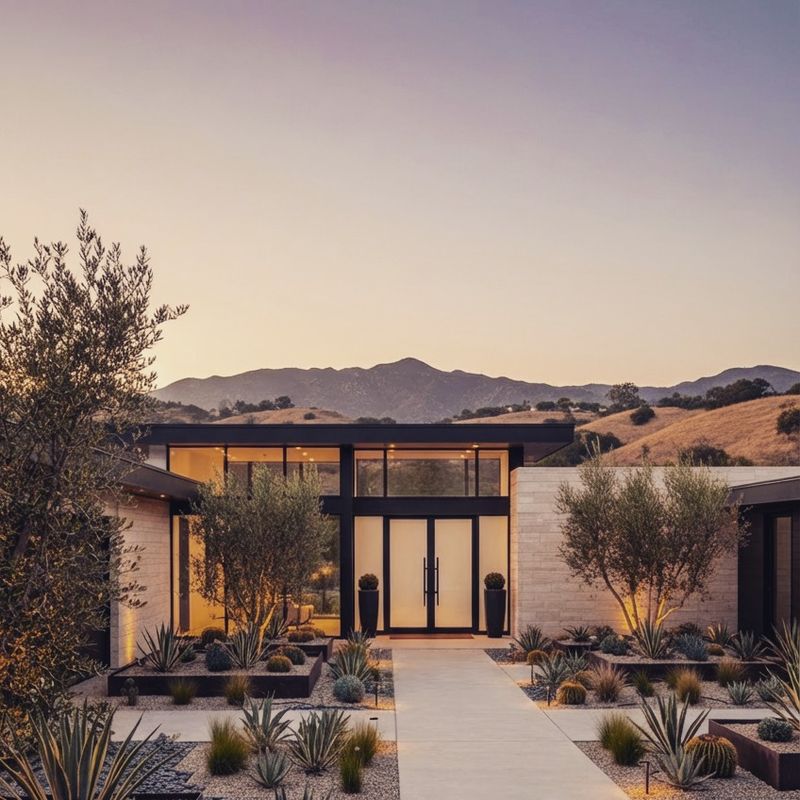
Walking through a modernist New Mexico garden reveals something unexpected: empty space. Not neglected or unfinished, but deliberately open.
This represents a fundamental shift from the “more is more” approach that dominated landscaping for generations.
Traditional gardens packed plants into every available spot. Bare soil signaled failure or laziness.
Desert modernism rejects this horror vacui, instead embracing openness as a design virtue.
Large expanses of single materials create calm. A broad gravel courtyard with just three planted areas feels more intentional than the same space crammed with a dozen garden beds.
The eye rests rather than darting around.
Furniture placement follows the same principle. A single bench positioned for optimal sunset viewing beats five chairs scattered randomly.
Each element serves a clear purpose rather than filling space.
Pathways lead somewhere specific rather than meandering aimlessly. Direct routes respect both the landscape and people’s time.
Curves appear only when topography or existing features demand them.
Planted areas feature generous spacing between specimens. This allows each plant’s natural form to develop fully.
It also reduces competition for water and nutrients, improving plant health.
New Mexico homeowners are learning to resist the urge to fill gaps immediately. Young gardens need time to mature.
What looks sparse in year one develops into perfection by year three.
This restraint extends to decorative objects. One beautiful pottery piece makes more impact than a collection of mediocre items.
Quality trumps quantity consistently in modernist design philosophy.
The psychological effect surprises many people. Instead of feeling empty, intentional spaces feel peaceful.
They provide visual rest in our overstimulated world. Gardens become refuges rather than sources of additional visual noise.
8. Low-Maintenance Layouts Are Influencing Long-Term Planning
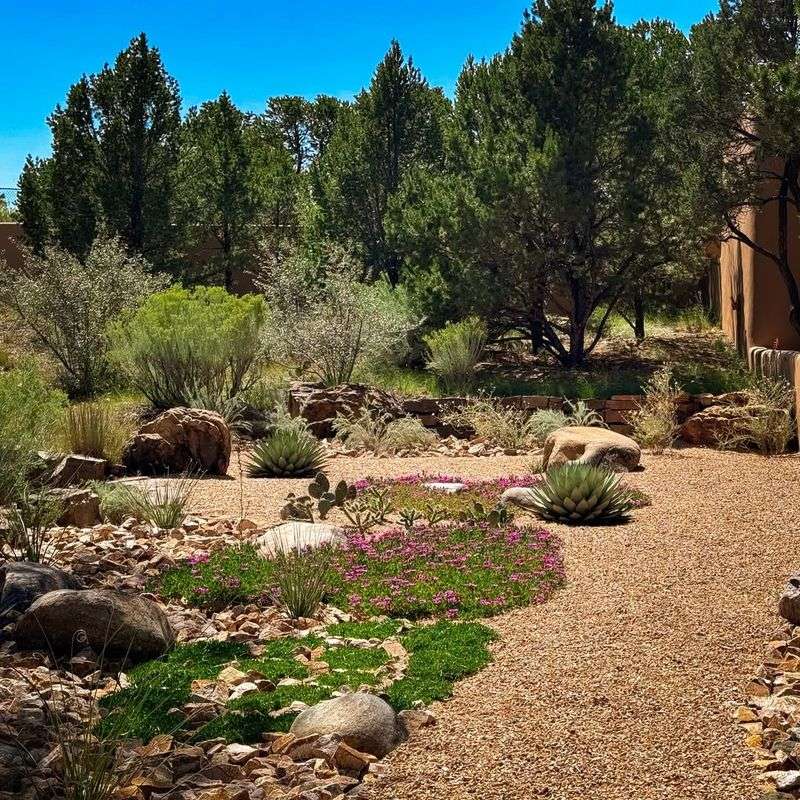
Gardens designed today in New Mexico anticipate the realities of aging homeowners and busy lifestyles. This practical consideration shapes every decision from plant selection to hardscape materials.
Beauty matters, but so does sustainability over decades.
Perennial plants replace annuals that require seasonal replanting. Once established, natives and adapted species return year after year without intervention.
This eliminates spring planting rituals and associated costs.
Automatic lighting systems run on timers or light sensors. Homeowners never fumble with switches or worry about leaving lights on.
Solar options eliminate even the minimal maintenance of changing bulbs.
Gravel mulch never needs replenishing like organic materials. It doesn’t decompose, blow away, or attract pests.
A properly installed gravel layer lasts decades with minimal touch-up.
Artificial turf has found acceptance in small areas where green softness matters. Modern products look surprisingly realistic and require only occasional rinsing.
While not suitable everywhere, strategic use eliminates mowing entirely.
Raised beds bring planting areas to comfortable heights. Gardeners with mobility issues can tend plants without kneeling or bending.
These structures also improve drainage and soil warming.
New Mexico landscape architects now include future accessibility in initial designs. Wider pathways accommodate walkers or wheelchairs.
Smooth surfaces prevent tripping hazards. Gardens grow with their owners rather than becoming obstacles.
Irrigation systems feature simple controls and reliable components. Smart controllers adjust watering based on weather data.
Leak sensors prevent water waste and property damage. Technology serves rather than complicates.
The financial planning makes sense too. Higher upfront costs for quality materials and professional installation pay off through reduced maintenance expenses.
Over a twenty-year span, these gardens cost less than traditional landscapes requiring constant inputs.
9. New Mexico Landscapes Are Blending Art With Environment
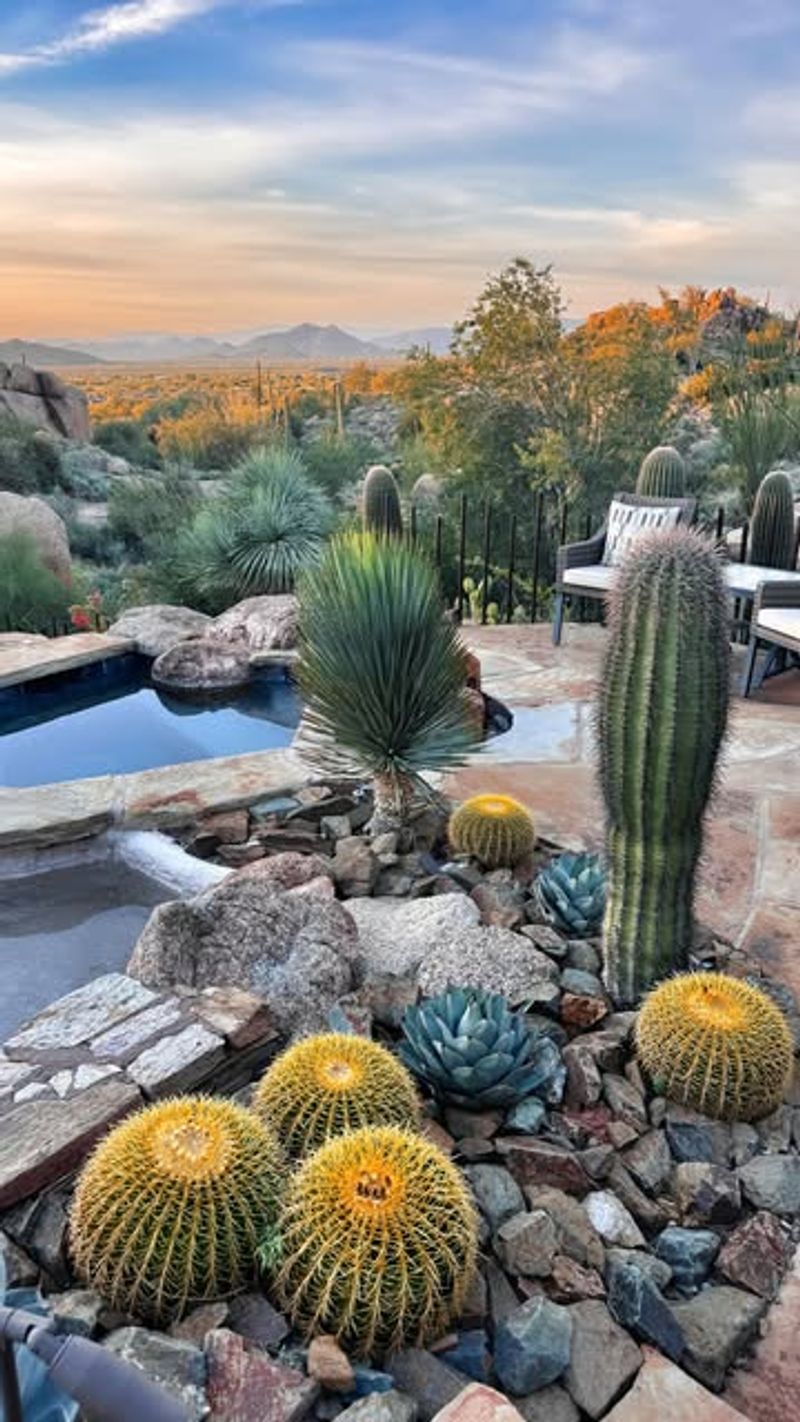
A rusted steel panel stands against a stucco wall, its cutout pattern casting intricate shadows. A smooth boulder sits precisely where two pathways meet.
These aren’t random decorations but carefully integrated art pieces that transform New Mexico gardens into outdoor galleries.
Desert modernism erases boundaries between landscape design and artistic expression. Sculptors, metalworkers, and landscape architects collaborate on projects that honor both disciplines.
The result elevates outdoor spaces beyond mere functionality.
Local artists find new audiences through garden installations. Their work weathers naturally, developing patina and character over time.
Unlike gallery pieces, these sculptures interact with changing light, seasons, and plant growth.
Water features become kinetic sculptures. A simple copper scupper pours collected rainwater into a basin.
The sound and movement add sensory dimensions while serving practical purposes.
Walls function as canvases for shadow play. Strategically placed plants cast changing patterns throughout the day.
The garden becomes a sundial, marking time through natural phenomena rather than mechanical devices.
Found objects from New Mexico’s mining and ranching heritage appear in unexpected contexts. Old wagon wheels become trellis structures.
Weathered timbers frame planted areas. History merges with contemporary design sensibilities.
Color appears through art rather than relying solely on flowers. A single panel painted deep turquoise provides visual punch year-round.
This approach guarantees color even during dormant seasons.
Lighting installations transform gardens after dark. LED strips outline pathways or highlight architectural features.
Some homeowners commission custom light sculptures that blur lines between practical illumination and pure artistry.