How Detroit Gardeners Can Prevent Leggy Seedlings During Cloudy Michigan March Days
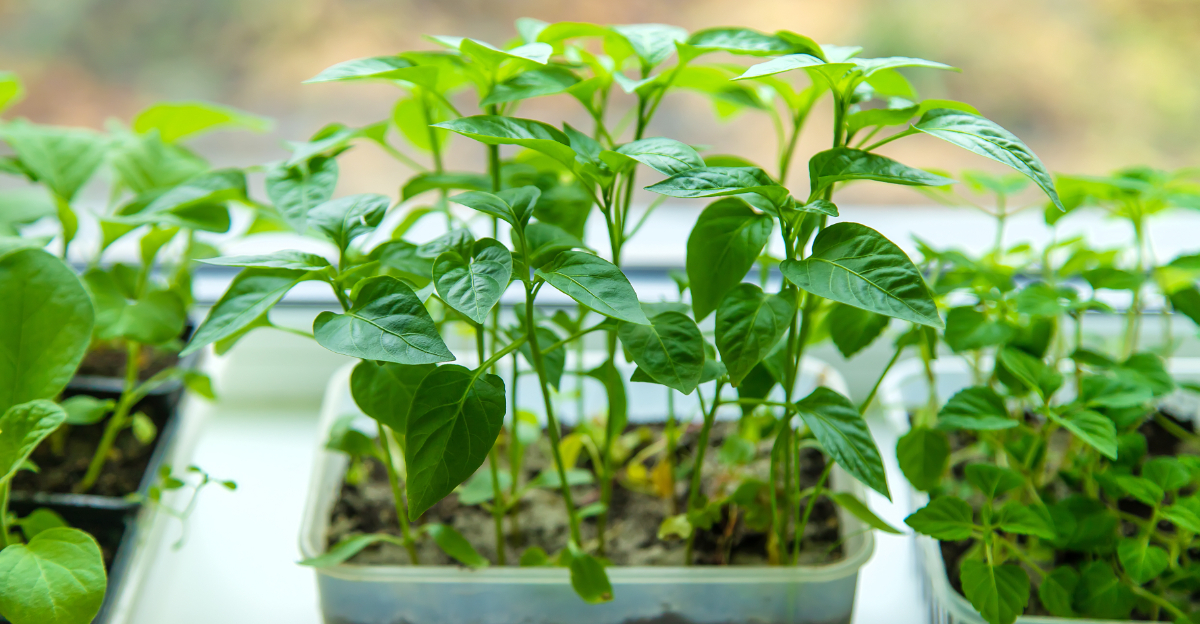
March in Detroit often feels like a slow start to the gardening season. Gray skies, short daylight hours, and limited indoor light can make it difficult to grow strong seedlings at home.
Many Michigan gardeners begin their seeds indoors this time of year, only to notice the young plants stretching upward and becoming thin and weak.
This problem is known as leggy growth, and it happens when seedlings do not receive enough light during their early stages.
Instead of developing sturdy stems and compact leaves, the plants stretch toward any available light source.
It is one of the most common challenges for gardeners across Southeast Michigan when starting seeds in late winter.
The good news is that leggy seedlings can often be prevented with a few simple adjustments.
With the right setup, you can grow strong, healthy plants that are ready for the garden once spring finally settles into Michigan.
1. Use Supplemental Grow Lights
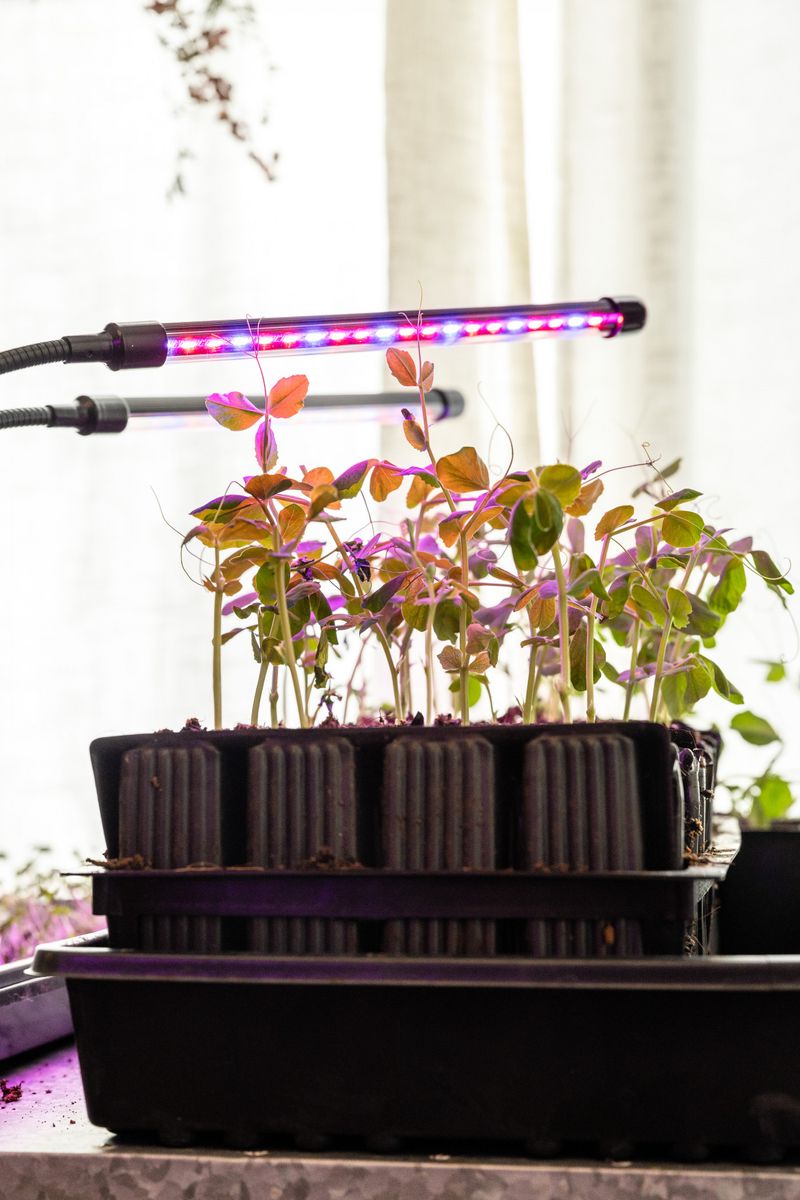
Detroit gets an average of only about 4 hours of usable sunlight in March, making grow lights one of the smartest investments a gardener can make.
Fluorescent or full-spectrum LED grow lights placed 12 to 16 inches above your seedling trays give plants the steady, bright light they crave.
Without this boost, seedlings will stretch thin and weak reaching toward any dim light source they can find.
LED grow lights are especially popular right now because they run cool, use less electricity, and last for years.
Look for lights labeled “full spectrum” since these mimic natural sunlight more closely than basic fluorescent bulbs.
Setting up a simple shelving unit with lights attached to each shelf makes it easy to manage multiple trays at once.
Many Detroit gardeners who start tomatoes, peppers, and herbs indoors swear by this setup as a game changer.
A basic LED grow light strip can cost as little as $20 to $40 online, making it accessible for most budgets.
Consistent, close-range lighting is truly the single most effective way to stop leggy seedlings before they even start.
2. Place Seedlings Near Bright Windows
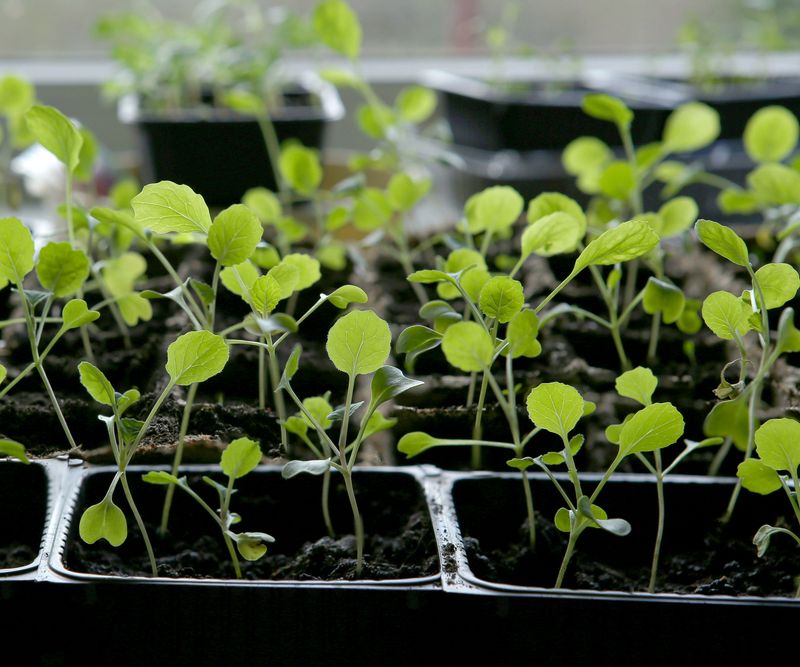
South-facing windows are a Detroit gardener’s best friend during early spring. A window that faces south receives the most direct sunlight throughout the day, giving seedlings a natural light advantage without spending a single dollar on equipment.
Even on partly cloudy Michigan days, south-facing glass captures more usable light than any other direction in the house.
Placing seed trays right up against the glass, rather than a few feet back, makes a noticeable difference in how much light your seedlings actually receive.
Glass can block some UV rays, but the visible light that passes through is still highly beneficial for young plants.
Try to keep the windowsill clear of clutter so nothing shades the trays during peak daylight hours.
One easy trick many Michigan gardeners use is placing a sheet of white foam board or aluminum foil behind the trays to reflect extra light back onto the seedlings. This simple step can significantly increase light exposure without any extra cost.
Even with a great south-facing window, March clouds in Detroit often make supplemental lighting necessary for the best results, so combining both approaches works really well.
3. Keep Lights On For 12-16 Hours Daily
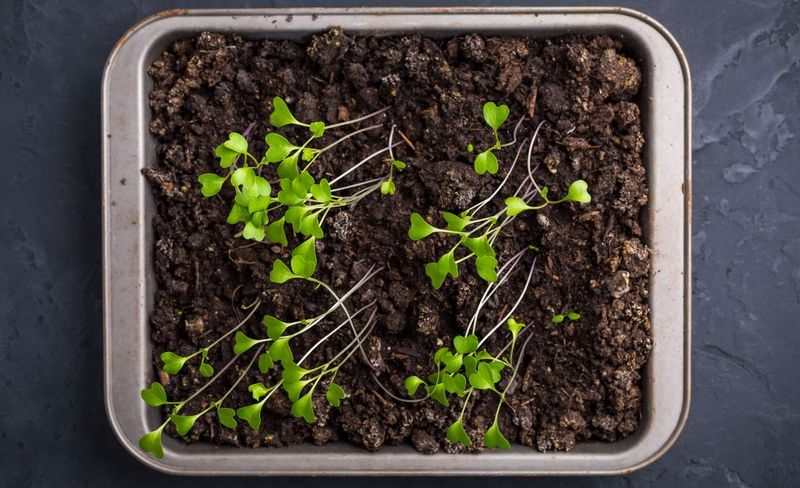
Seedlings need a lot more light each day than most people realize, especially when natural daylight is short and cloudy like it is in Detroit during March.
Running grow lights for 12 to 16 hours every day gives your seedlings the energy they need to build strong stems and healthy leaves.
Anything less than 12 hours and you risk the same stretching and legginess that cloudy windows cause. Using a simple plug-in timer takes all the guesswork out of this routine.
You set it once, and the lights turn on and off automatically at the same time every day without you having to remember.
Consistency matters here because seedlings respond well to a regular light-dark cycle, just like they would experience outdoors.
Most gardening experts recommend keeping lights on for about 14 to 16 hours for warm-season crops like tomatoes and peppers, and closer to 12 to 14 hours for cool-season crops like lettuce and kale.
Timers are inexpensive and widely available at hardware stores across the Detroit area. Getting this daily light schedule right is one of the easiest and most reliable ways to raise compact, stocky seedlings through the long gray stretch of a Michigan March.
4. Raise Light As Seedlings Grow
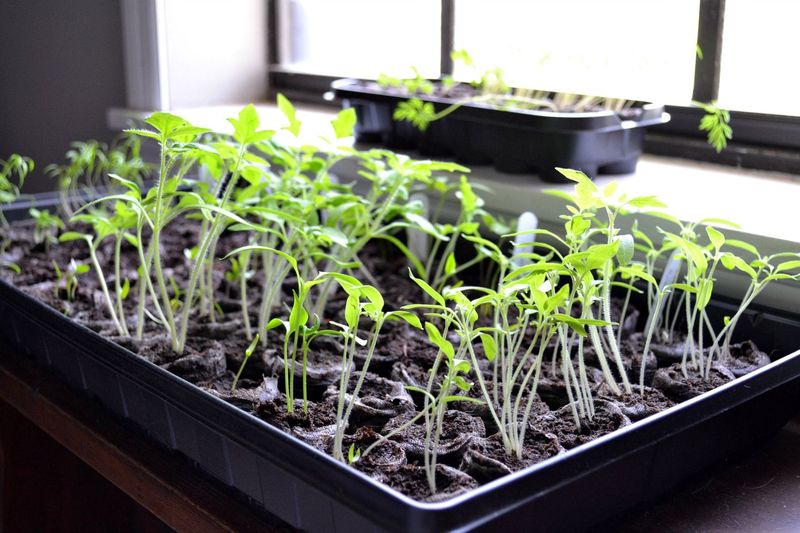
Here is something a lot of first-time seed starters overlook: as seedlings grow taller, the lights above them need to move up too.
Keeping grow lights at the right distance, about 1 to 2 inches above the foliage for fluorescent bulbs and 2 to 4 inches for most LEDs, ensures seedlings get intense enough light without getting scorched.
When lights are too far away, seedlings will stretch upward trying to reach them, which is exactly what causes leggy growth.
Checking the distance between your lights and seedling tops every few days is a simple habit that pays off big.
You can hang lights from adjustable chains or hook systems so raising them takes just a few seconds.
Many Detroit gardeners set a reminder on their phone to check light height twice a week throughout the growing period.
Different plants also grow at different rates, so trays with faster-growing seedlings may need their lights raised sooner than slower ones.
Grouping similar plants together on the same shelf makes height management much easier to track.
Staying on top of this one detail can be the difference between compact, healthy seedlings and a tray full of tall, floppy stems by the time April arrives in Michigan.
5. Avoid Overcrowding Seedlings
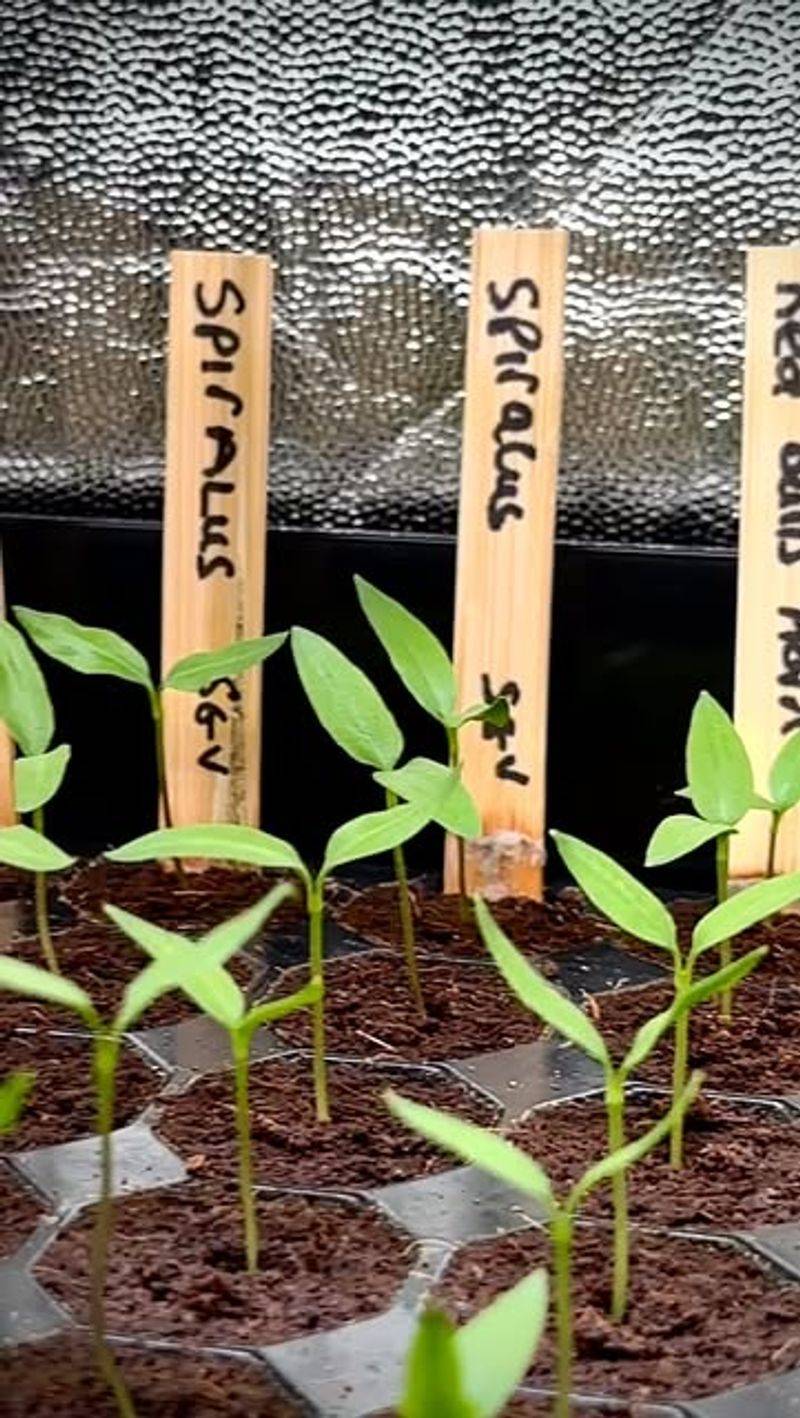
Crowded seedlings are competing for everything at once, light, water, nutrients, and air, and none of them win that battle well.
When plants are packed too tightly together, they shade each other out and race upward for any light they can find, which leads directly to leggy, weak stems.
Thinning your seedlings early is one of the kindest things you can do for the ones you want to keep.
After germination, most experts recommend leaving only the strongest seedling in each cell or small pot.
Use small scissors to snip the extra seedlings at soil level rather than pulling them out, which can disturb the roots of the plant you want to keep.
This quick step makes a real difference in how much light each remaining seedling receives every day.
Spacing trays apart on your growing shelf also helps improve airflow between plants, which reduces the risk of fungal problems that are common in Michigan’s damp early spring conditions.
Giving each seedling its own breathing room means better light penetration and stronger growth overall.
Detroit gardeners who thin early and space wisely consistently end up with stockier, more vigorous transplants ready to handle outdoor conditions once the weather finally warms up.
6. Rotate Seedlings Daily
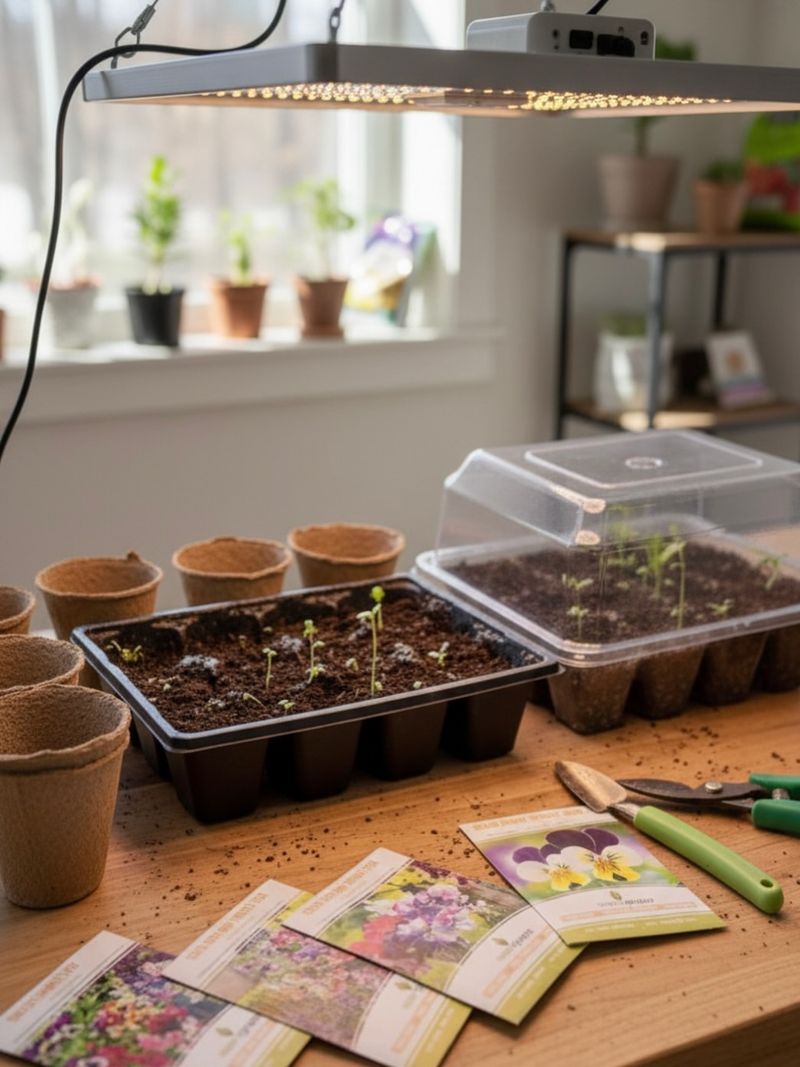
Ever noticed how a plant near a window always seems to lean toward the glass? That is called phototropism, and it happens because plants naturally grow toward their light source.
In Detroit during March, when sunlight comes from one direction and is already limited, seedlings near windows can lean so dramatically that their stems weaken and bend. Rotating trays once a day solves this problem quickly and easily.
A simple 180-degree turn each morning keeps all sides of your seedlings receiving roughly equal light exposure throughout the day.
This balanced approach encourages upright, even growth instead of the lopsided leaning that leads to fragile stems.
It takes about 10 seconds per tray, making it one of the easiest habits to build into your morning routine.
For seedlings under grow lights, rotation is less critical since the light comes from directly above, but it still helps ensure that any slight variation in light intensity across the tray gets evened out over time.
Gardeners in the Detroit area who grow seedlings near windows during March should make daily rotation a non-negotiable part of their care routine.
Strong, straight stems start with consistent attention, and this one small habit builds a noticeably healthier batch of transplants by the time spring planting season arrives.
7. Maintain Cool Temperatures For Seedlings
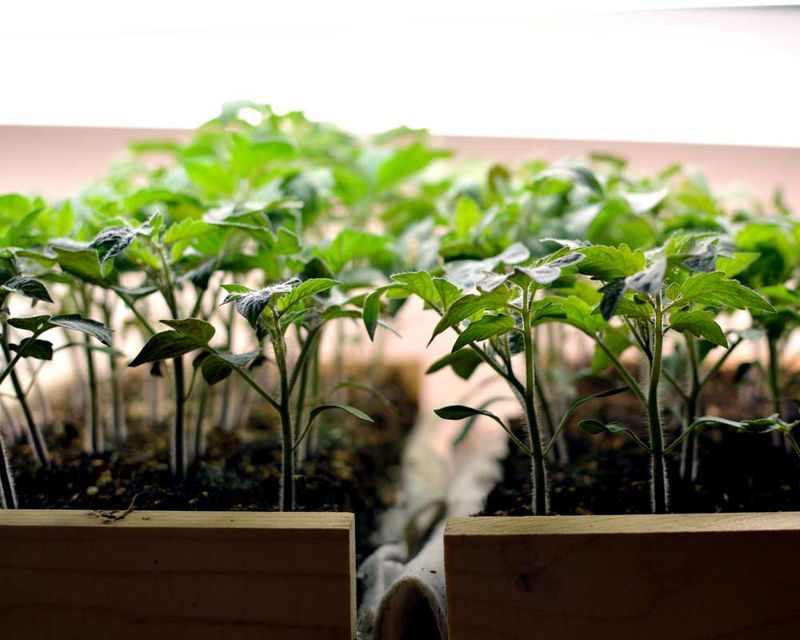
Warm indoor temperatures feel cozy for people, but they can actually speed up seedling growth in a way that causes problems.
When temperatures climb too high, seedlings grow fast but thin, producing the kind of spindly stems that struggle to support themselves.
Keeping your growing area between 65 and 70 degrees Fahrenheit during the day slows that rapid elongation and encourages stronger, more compact growth instead.
Detroit homes in March are often heated to 72 degrees or warmer, which is fine for living spaces but a bit too warm for seedling trays.
Moving trays slightly away from heat vents or radiators can naturally cool the growing area by a few degrees without any extra equipment.
Some gardeners in Michigan also crack a nearby window slightly on milder March days to bring in a little cool fresh air around their seedlings.
At night, slightly cooler temperatures around 60 to 65 degrees are actually beneficial for most seedlings, helping to firm up stems and slow excessive growth.
Many plants grown for spring gardens, including broccoli, cabbage, and lettuce, actually prefer these cooler conditions and grow much more robustly in them.
Managing temperature alongside light is one of the most underrated strategies for raising truly strong, garden-ready seedlings through a cloudy Michigan March.
8. Use A Gentle Fan To Strengthen Stems
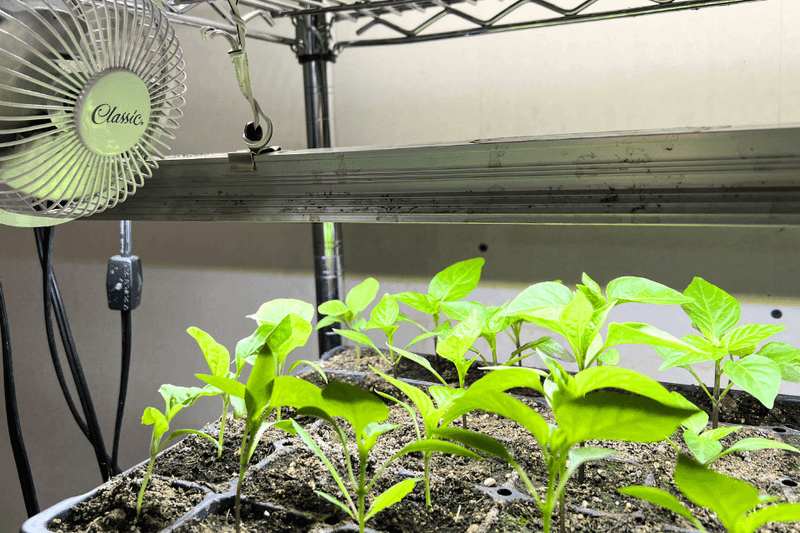
Wind might seem like the enemy of delicate seedlings, but a gentle breeze is actually one of the best things you can give them.
When seedlings experience slight air movement, their stems respond by thickening up to resist the force, which is the same process that happens naturally outdoors.
Indoors in Detroit, where there is no wind at all, a small fan on a low setting replicates this effect beautifully.
Set a small desk or clip fan to its lowest speed and aim it so it creates a gentle movement across the tops of your seedlings for two to four hours each day.
You should see the plants swaying slightly but not bending dramatically. This mild mechanical stress, called thigmomorphogenesis, is a well-documented way to encourage stronger, thicker stems in seedlings before they go outside.
Beyond stem strength, good air circulation also reduces the risk of fungal diseases like damping off, which can spread quickly in humid Michigan growing conditions.
Keeping air moving around your seedlings means the soil surface dries a little faster between waterings, which also helps roots stay healthy.
Detroit gardeners who add a small fan to their seed starting setup often notice a clear difference in stem thickness and overall plant sturdiness compared to previous seasons without one.
9. Hardening Off Before Transplant
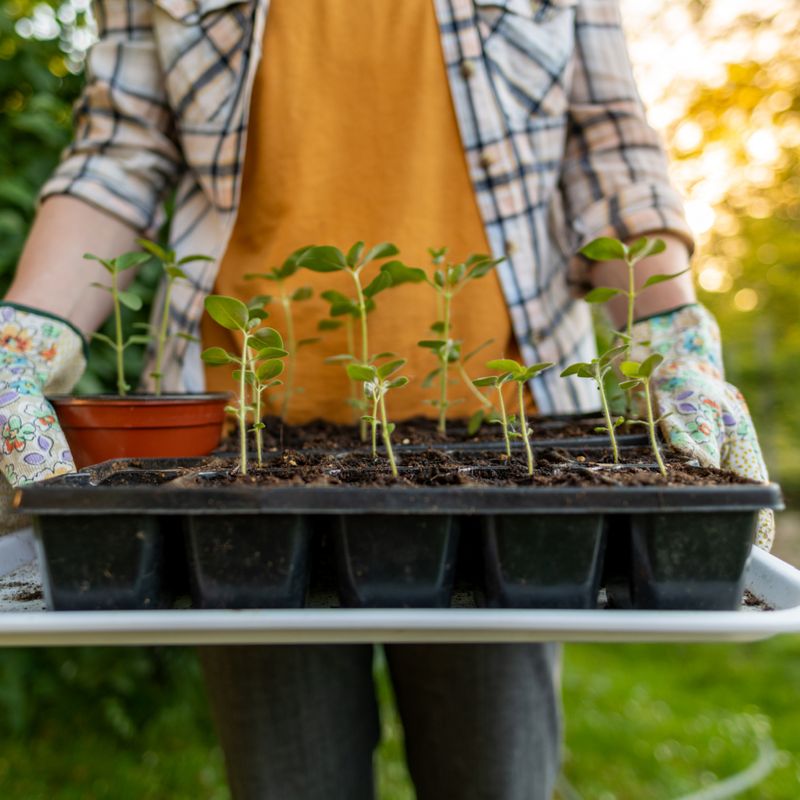
After weeks of careful indoor growing, seedlings are used to the calm, controlled environment inside your home.
Putting them straight into the outdoor garden without preparation is a shock their systems are not ready for, and it often results in wilting, sunscald, or stunted growth.
Hardening off is the process of gradually introducing seedlings to outdoor conditions over 7 to 10 days before transplanting, and it makes a huge difference in how well they settle in.
Start by placing your seedling trays outside in a sheltered, shady spot for just one to two hours on the first day, then bring them back inside.
Each day after that, increase the outdoor time by an hour or two and slowly move them into brighter light.
By the end of the process, they should be spending a full day outside in direct sun without any stress.
Detroit gardeners typically start hardening off in late April or early May, once overnight temperatures stay reliably above 45 degrees Fahrenheit.
Watching the weather forecast is important during this period since a late cold snap can set seedlings back.
The reward for this patient, gradual process is transplants that hit the ground running, with strong stems, healthy roots, and the resilience to handle whatever a Michigan spring throws at them.