How Far Apart North Carolina Gardeners Should Space Kohlrabi Plants
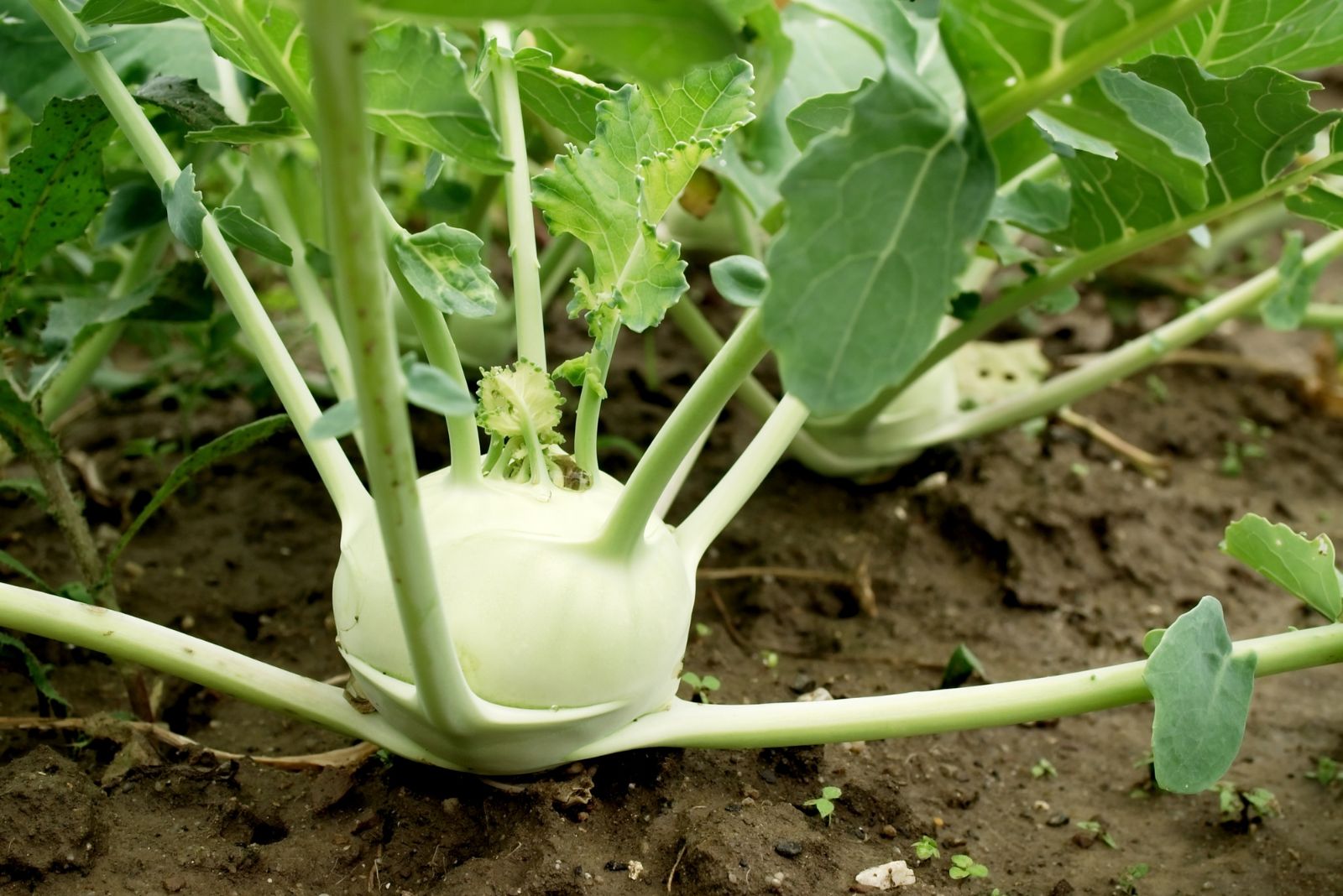
Spacing kohlrabi correctly is the difference between small bulbs and a strong harvest. Many North Carolina gardeners are surprised by how quickly kohlrabi grows once temperatures stay cool and steady.
When plants sit too close together, they compete for sunlight, nutrients, and space, often producing smaller, tougher bulbs instead of the crisp, tender ones gardeners expect.
Proper spacing gives each plant room to form its rounded stem fully and grow without stress.
Most gardeners across the state focus on balance rather than crowding rows. Good airflow helps prevent common garden problems, especially during humid periods, while consistent spacing makes watering and maintenance easier throughout the growing cycle.
With the right setup, plants develop evenly and mature at a steady pace. Getting the spacing right from the start helps kohlrabi grow cleaner, healthier, and more productive, making the harvest far more satisfying when the season reaches its peak.
Standard Plant Spacing Is 4 To 6 Inches Apart
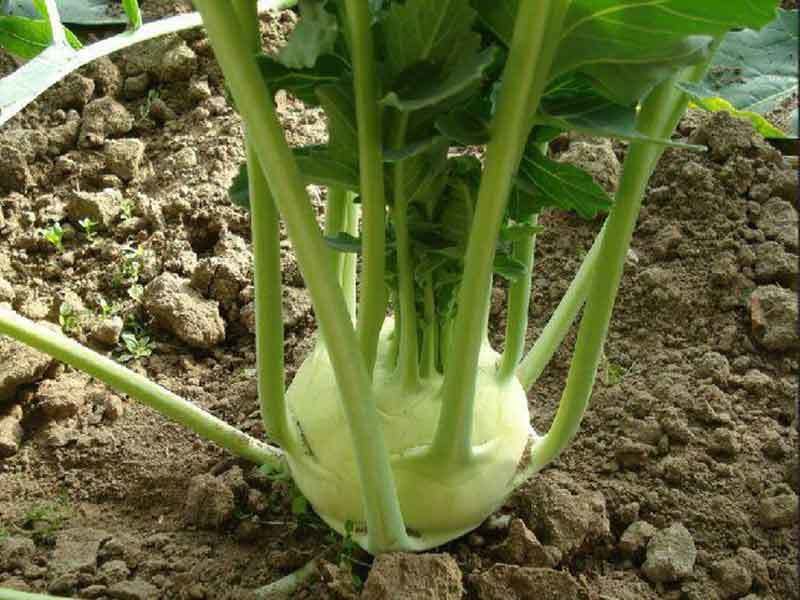
Spacing your kohlrabi plants 4 to 6 inches apart gives each one the personal space it needs to thrive. This distance allows the characteristic bulb to expand freely without bumping into its neighbors.
When plants have adequate room, their roots can spread naturally through the soil. The swollen stem that makes kohlrabi unique forms right above the ground.
Crowding restricts this growth and creates misshapen bulbs that lack the round, uniform appearance you want. Each plant needs its own territory to gather nutrients and moisture from the surrounding soil.
Think of it like giving each plant its own little zone. Within this space, the roots explore freely and the stem swells evenly.
Proper spacing also makes harvesting easier since you can reach each bulb without disturbing others.
North Carolina gardeners find this spacing works perfectly in both spring and fall plantings. The measurement applies whether you start from seeds or transplants.
Measuring with your hand works well since four fingers laid flat equals about 3 inches, so two hand widths gives you the right distance.
Consistent spacing throughout your kohlrabi bed creates uniform growth patterns. Plants mature at similar rates when equally spaced, making harvest planning simpler and more predictable for your gardening schedule.
Row Spacing Should Be 12 To 18 Inches
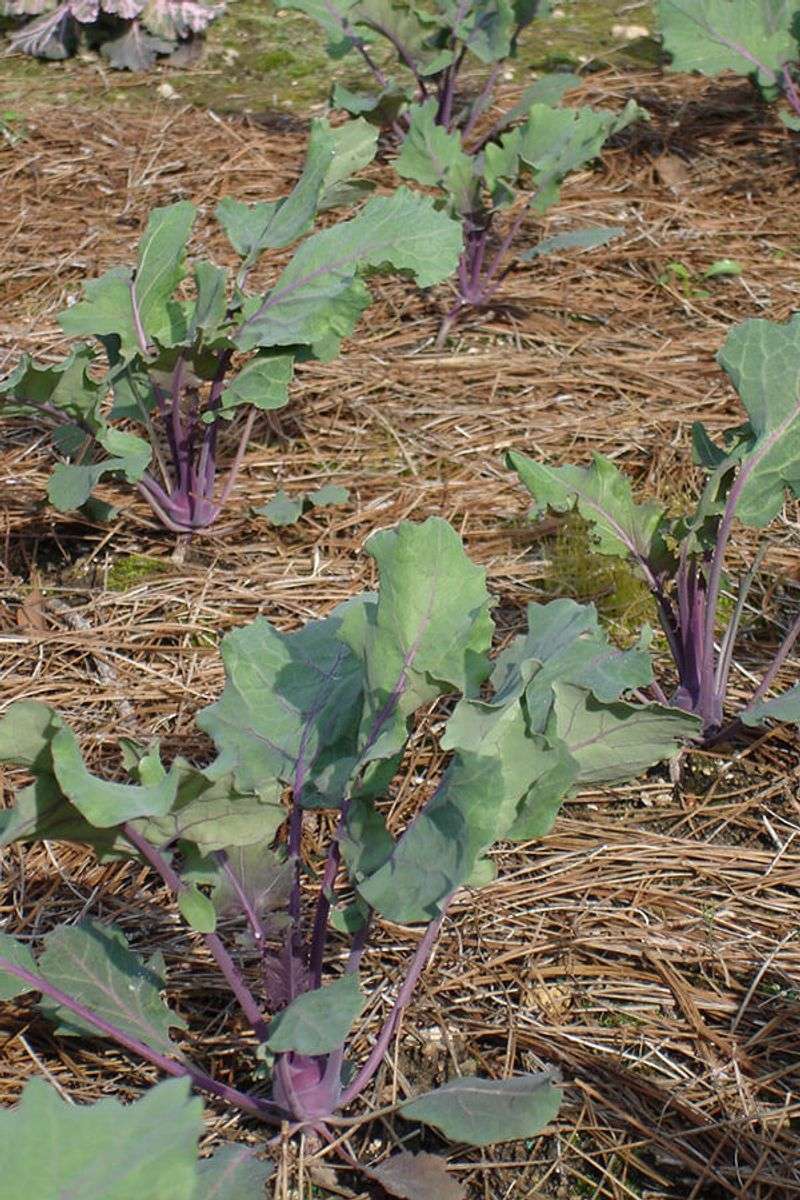
Proper row spacing creates pathways that benefit both you and your plants. Leaving 12 to 18 inches between rows gives you room to walk, weed, and harvest without stepping on precious growing space.
This distance also ensures roots from neighboring rows don’t compete aggressively for resources.
Air circulation improves dramatically when rows are adequately separated. Breezes flow through the garden more effectively, drying morning dew from leaves faster.
This airflow helps prevent moisture from lingering on foliage, which can create challenging conditions for your plants.
Wider rows make garden maintenance much more pleasant and practical. You can kneel between rows to thin seedlings or inspect plants without crushing stems. Watering becomes easier too since you can direct water precisely where it needs to go.
Root systems spread outward as kohlrabi grows, and proper row spacing accommodates this natural expansion. Plants at row edges get sunshine from multiple angles, promoting even growth on all sides.
This balanced light exposure contributes to well-formed bulbs. North Carolina’s spring rains and humid summers make row spacing particularly important. Adequate separation helps gardens dry out between watering or rainfall events.
Your kohlrabi will reward you with healthier growth when given this thoughtful layout in your garden beds.
Proper Spacing Supports Bulb Development
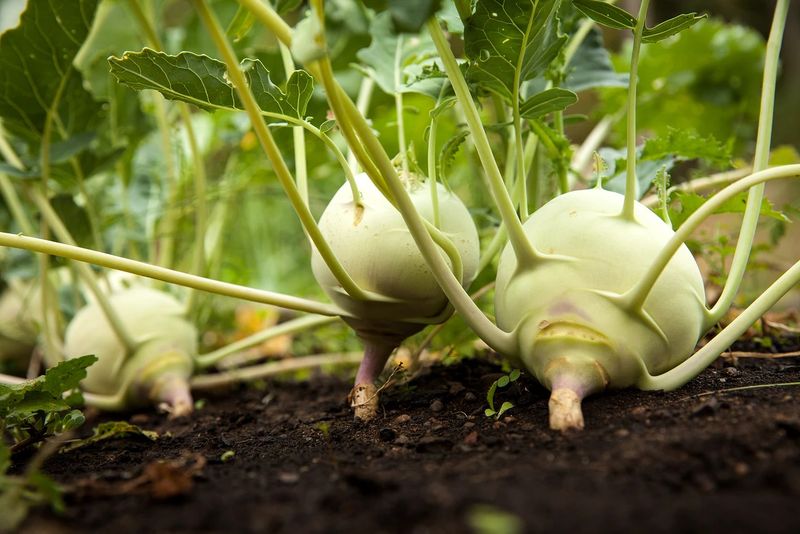
Kohlrabi’s unique structure sets it apart from other vegetables you might grow. The edible portion forms as a swollen stem that grows above ground rather than below like traditional root crops.
This distinctive growth pattern requires careful attention to spacing for optimal results. When plants crowd together, their developing stems literally push against each other. This physical pressure causes irregular shapes and smaller final sizes.
Your harvest suffers when bulbs can’t expand naturally in all directions. Each kohlrabi plant needs open space surrounding its stem to achieve that desirable round or slightly flattened globe shape.
Adequate room allows consistent expansion as the plant channels energy into bulb formation. Competition for space redirects growth energy away from bulb development.
Well-spaced plants produce uniform bulbs that reach harvest size simultaneously. This consistency makes meal planning easier since you can predict when multiple plants will be ready.
Uniformity also matters for cooking since similar-sized bulbs cook evenly. North Carolina gardeners aiming for premium-quality kohlrabi should prioritize spacing from the start. Once plants begin bulbing up, there’s no way to correct crowding issues.
Prevention through proper initial spacing saves disappointment later and ensures you get those beautiful, tennis ball-sized bulbs that make kohlrabi worth growing in your garden.
Good Airflow Helps Reduce Fungal Pressure
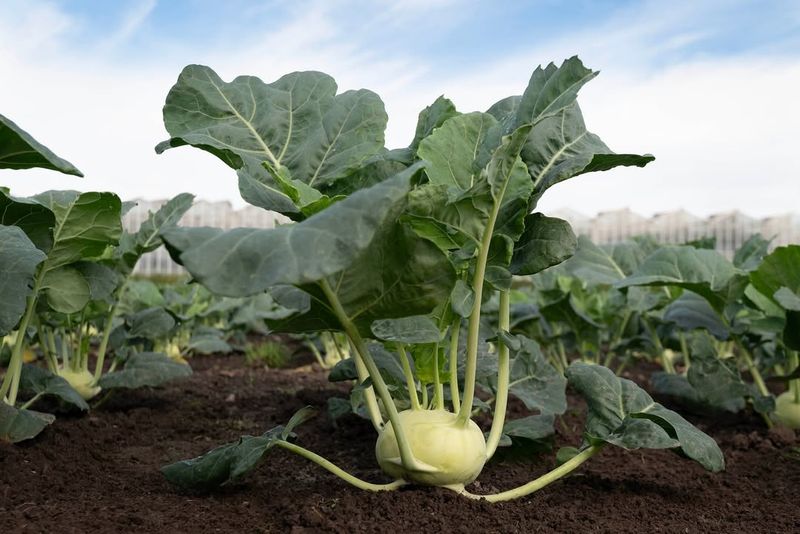
Air movement through your kohlrabi planting acts like a natural defense system. When breezes flow freely between plants, moisture evaporates quickly from leaf surfaces.
Dry foliage creates an environment where fungal issues have difficulty establishing themselves.
Crowded plantings trap humid air between leaves, creating pockets of dampness. These moist microclimates become inviting spaces for unwanted growth on your plants. Proper spacing eliminates these problem zones by allowing air to circulate continuously.
Morning dew settles on all garden plants overnight, but well-spaced kohlrabi dries off quickly after sunrise. The combination of airflow and sunlight reaching all plant surfaces works together beautifully.
Plants stay healthier when their leaves don’t remain wet for extended periods. North Carolina’s climate can be challenging during humid spring months and warm fall periods. Strategic spacing becomes your ally in managing these conditions naturally.
Rather than relying solely on other interventions, you’re working with nature’s own ventilation system.
Brassica family members like kohlrabi benefit especially from good air circulation. These vegetables can face various challenges in humid conditions, making spacing even more critical.
Your garden layout directly influences plant health, and thoughtful spacing pays dividends throughout the growing season with stronger, more resilient kohlrabi plants.
Spacing Helps Manage Nutrient Competition
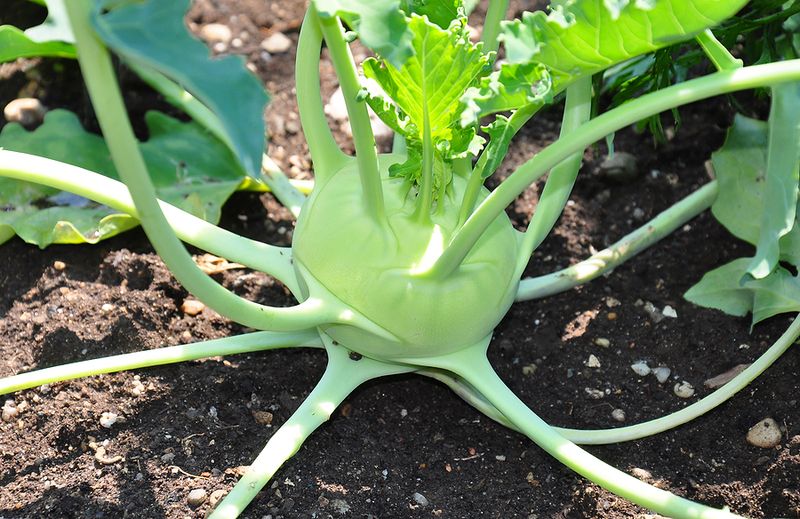
Underground, your kohlrabi plants are constantly working to gather resources. Roots spread through the soil searching for water and nutrients that fuel growth above ground.
When plants sit too close together, their root zones overlap significantly, creating intense competition.
Each plant essentially mines the soil around it for essential elements like nitrogen, phosphorus, and potassium. Proper spacing ensures every kohlrabi has its own resource territory to explore.
This exclusive access supports steady, vigorous growth throughout the season. Overcrowded plants become stunted because they’re literally fighting each other for food. Even in fertile soil, too many roots in one area quickly deplete available nutrients.
The result shows up as slower growth and smaller bulbs at harvest time. Well-spaced kohlrabi develops strong, extensive root systems that efficiently gather what they need. These robust roots support healthy foliage and substantial bulb formation.
Your plants can focus energy on growth rather than struggling for basic resources.
North Carolina soils vary considerably across the state, from clay to sandy loam. Regardless of your soil type, proper spacing maximizes each plant’s ability to access available nutrition.
This becomes especially important if you’re growing organically or minimizing fertilizer use, since you want plants using resources efficiently rather than wastefully competing in crowded conditions.
Spring Crops May Require Slightly Wider Spacing
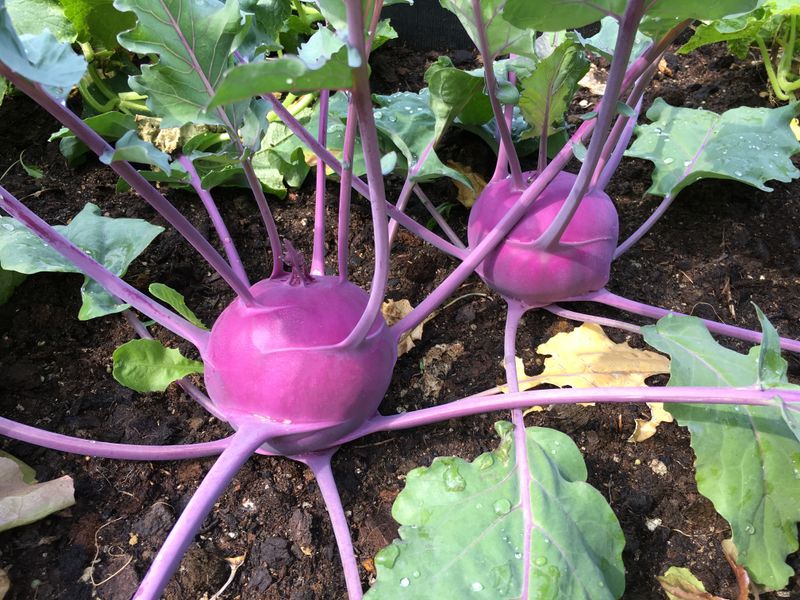
North Carolina springs bring beautiful weather but also considerable moisture. Cool temperatures combine with frequent rainfall and heavy morning dew to create persistently damp conditions.
Your kohlrabi spacing strategy should account for these seasonal characteristics. Slightly wider spacing during spring plantings allows better air movement during humid periods.
That extra inch or two between plants makes a meaningful difference in drying time after rain or dew. Plants benefit from any adjustment that reduces prolonged leaf wetness.
Spring kohlrabi grows during the transition from winter to summer when temperature swings are common. Cool nights followed by warming days create condensation on plant surfaces.
Enhanced spacing helps manage this moisture more effectively through improved ventilation.
The longer day length of spring supports vigorous growth in cool-season crops like kohlrabi. Plants may develop slightly larger leaf canopies during this season compared to fall.
Accommodating this growth with thoughtful spacing prevents overcrowding as plants mature.
Consider leaning toward the wider end of spacing recommendations for your spring kohlrabi. Using 6 inches between plants rather than 4 provides insurance against spring’s humidity challenges.
This small adjustment costs little in terms of garden space but offers significant benefits for plant health throughout the growing season in North Carolina’s variable spring climate.
Fall Crops Benefit From Consistent Spacing
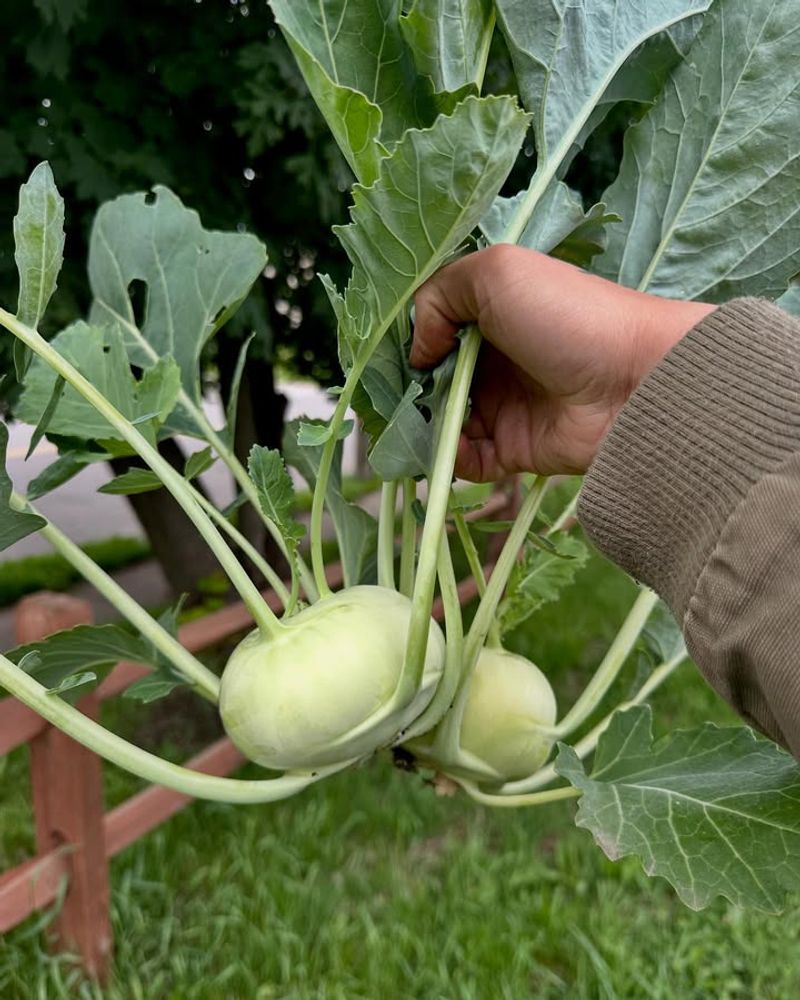
Fall gardening in North Carolina offers wonderful opportunities for growing kohlrabi. Cooler temperatures arrive as summer heat fades, creating ideal conditions for this cool-season vegetable.
Consistent spacing becomes crucial for maximizing your fall harvest before winter arrives. Autumn’s shorter days mean plants have less time to reach maturity compared to spring.
Every plant needs optimal access to sunlight, water, and nutrients to develop fully before frost. Even spacing ensures no plant gets shortchanged during this compressed growing window.
Fall kohlrabi often produces the sweetest, most tender bulbs of the year. Cool nights enhance flavor while moderate days support steady growth. Proper spacing allows each plant to take full advantage of these perfect conditions.
Timing matters more in fall since you’re racing against the calendar. Plants spaced correctly mature uniformly, letting you harvest your entire crop around the same time.
This synchronization helps you gather everything before a hard freeze threatens your garden.
North Carolina’s fall weather can be unpredictable, with warm spells interrupted by sudden cold snaps. Well-spaced plants develop stronger, more resilient bulbs that handle temperature fluctuations better.
Consistency in your spacing translates to consistency in your harvest, giving you reliable results even when weather patterns vary from year to year in your fall garden.
Thinning Seedlings Ensures Correct Final Spacing
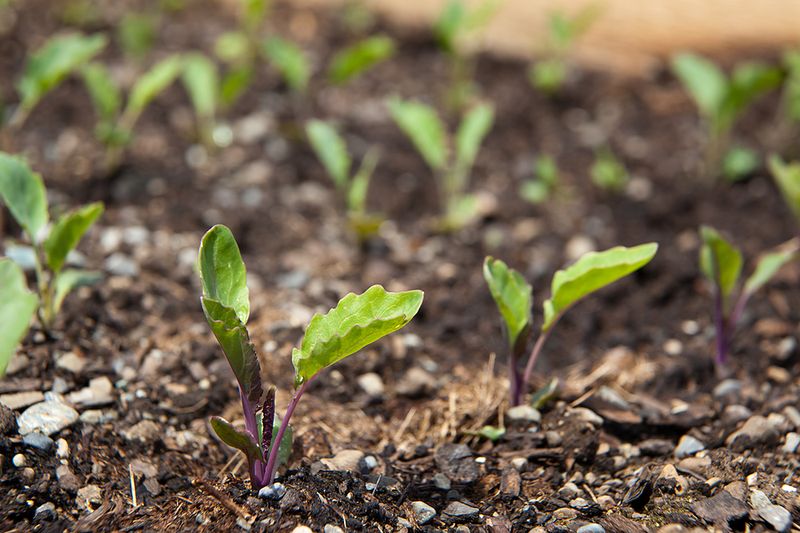
Direct seeding kohlrabi often produces more seedlings than you actually need. Seeds germinate enthusiastically, creating dense clusters of baby plants.
Thinning these crowded seedlings ranks among the most important tasks for ensuring a successful harvest.
Wait until seedlings develop their first true leaves before thinning. These leaves look different from the initial seed leaves and indicate the plant is established.
At this stage, you can confidently select the strongest seedlings to keep. Remove extra seedlings by snipping them at soil level with scissors rather than pulling. Pulling can disturb roots of neighboring plants you want to keep.
This gentle approach protects your chosen plants while eliminating competition. Keep the healthiest, most vigorous seedlings at proper spacing intervals. Look for stocky stems and good leaf color when deciding which plants to save.
Weak or leggy seedlings rarely catch up to their stronger siblings. Thinning feels wasteful, but it’s actually an investment in quality over quantity.
Those remaining plants will produce much larger, better-formed bulbs than an overcrowded planting ever could.
North Carolina gardeners who thin properly consistently harvest superior kohlrabi compared to those who skip this step, making it time well spent for dramatically improved results in your garden beds.
Raised Beds May Use Slightly Tighter Spacing With Good Soil
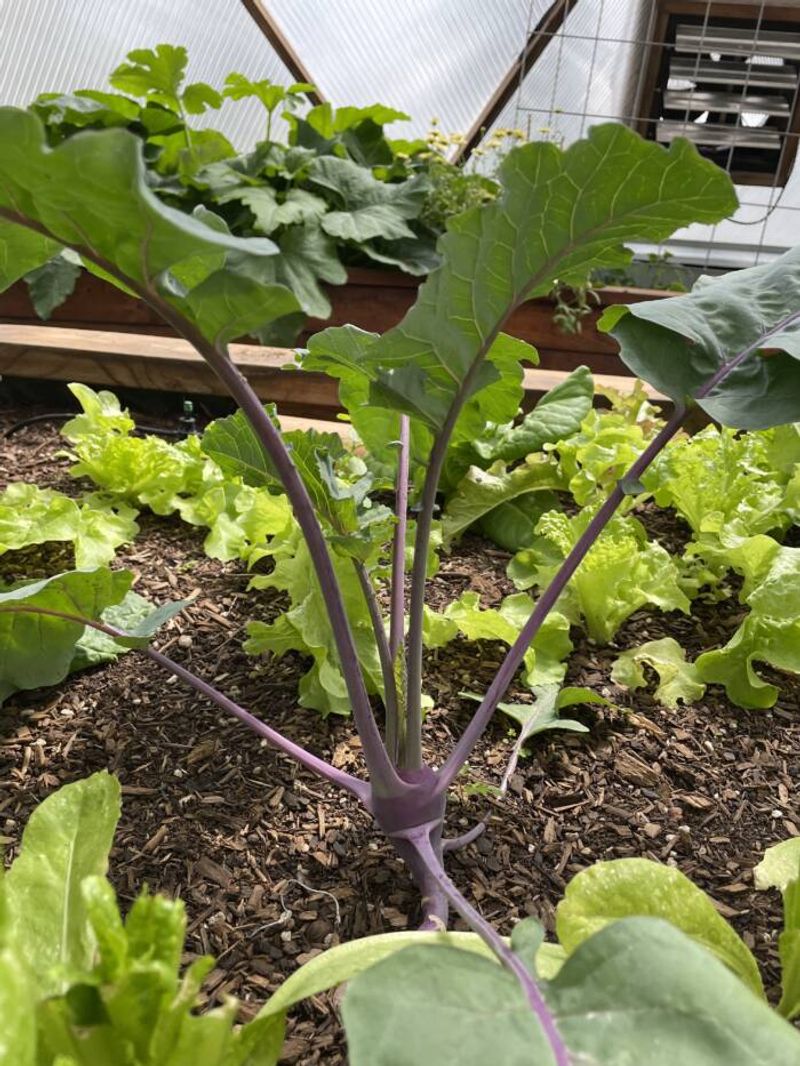
Raised beds offer distinct advantages that can influence your spacing decisions. The improved drainage and enriched soil in well-maintained raised beds support more intensive planting.
Your kohlrabi may thrive with slightly tighter spacing under these premium conditions. Superior soil fertility in raised beds means more nutrients are available in a smaller area.
Plants can be positioned a bit closer because the soil quality compensates for reduced individual territory. This works only when your raised bed contains truly excellent, nutrient-rich growing medium.
Drainage matters tremendously in raised bed spacing considerations. Well-draining soil prevents waterlogging even when plants are closer together.
This reduces concerns about moisture-related issues that plague poorly drained areas. Airflow remains important even in raised beds, so don’t crowd plants excessively. Staying within the recommended range but favoring the closer end works well.
For example, using 4-inch spacing instead of 6 inches can succeed in ideal raised bed conditions.
North Carolina gardeners with raised beds should assess their soil quality honestly before tightening spacing. If your beds contain rich compost, have excellent drainage, and receive regular amendments, closer spacing may work beautifully.
However, standard spacing remains the safer choice if you’re uncertain about soil conditions, ensuring success regardless of your raised bed’s specific characteristics and growing environment.