How Far Apart To Plant Tomatoes For Better Yield In Ohio Gardens
Tomato plants in Ohio can go from small transplants to sprawling giants in what feels like no time. It is easy to underestimate how much space they really need, and that one decision can quietly shape your entire harvest.
Crowd them too close and you end up with tangled vines, poor airflow, and more disease pressure as humidity builds through the summer. Give them the right spacing and everything changes.
Sunlight reaches more leaves, air moves freely, and plants can focus on producing fruit instead of competing for room. Ohio’s mix of warm days, humid stretches, and occasional heavy rain makes spacing even more important than many gardeners expect.
Getting it right from the start sets up stronger growth, fewer problems, and a harvest that actually lives up to the effort you put in early in the season.
1. Why Crowded Tomato Plants Struggle In Ohio Gardens
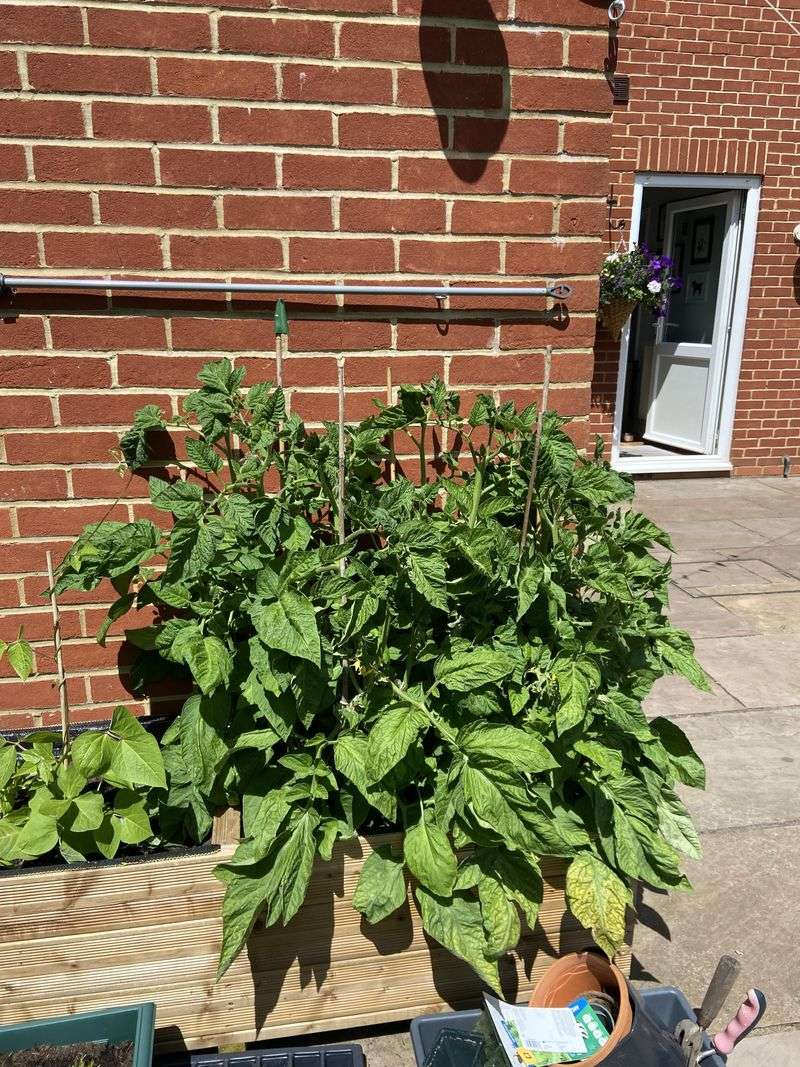
Walk through an Ohio garden in mid-August and you will quickly notice which tomato plants were given enough room and which ones were not. Plants crammed together tend to look tired, pale, and weighed down by dense foliage that traps moisture against the stems and leaves.
That trapped moisture is exactly what fungal diseases need to take hold.
Ohio summers are famously humid, especially in July and August when overnight temperatures stay warm and morning dew lingers well into the day. This climate creates ideal conditions for diseases like early blight and Septoria leaf spot, both of which spread rapidly in crowded plantings.
According to Ohio State University Extension, poor air circulation is one of the leading factors that accelerates disease pressure in home tomato gardens.
When plants are too close, their foliage forms a thick canopy that blocks airflow entirely. Leaves stay wet longer after rain or irrigation, giving fungal spores the damp surface they need to germinate and spread.
Once blight sets in across a tightly packed row, it moves fast and is hard to stop without removing infected material.
Beyond disease, crowded roots compete aggressively for water and nutrients in the soil. Plants that cannot access enough phosphorus or calcium often produce fewer fruits and may show signs of blossom end rot.
Giving each plant its own zone of soil means fewer nutrient conflicts and more consistent fruit development from early summer through the first frost.
2. Proper Spacing Depends On Tomato Type And Growth Habit
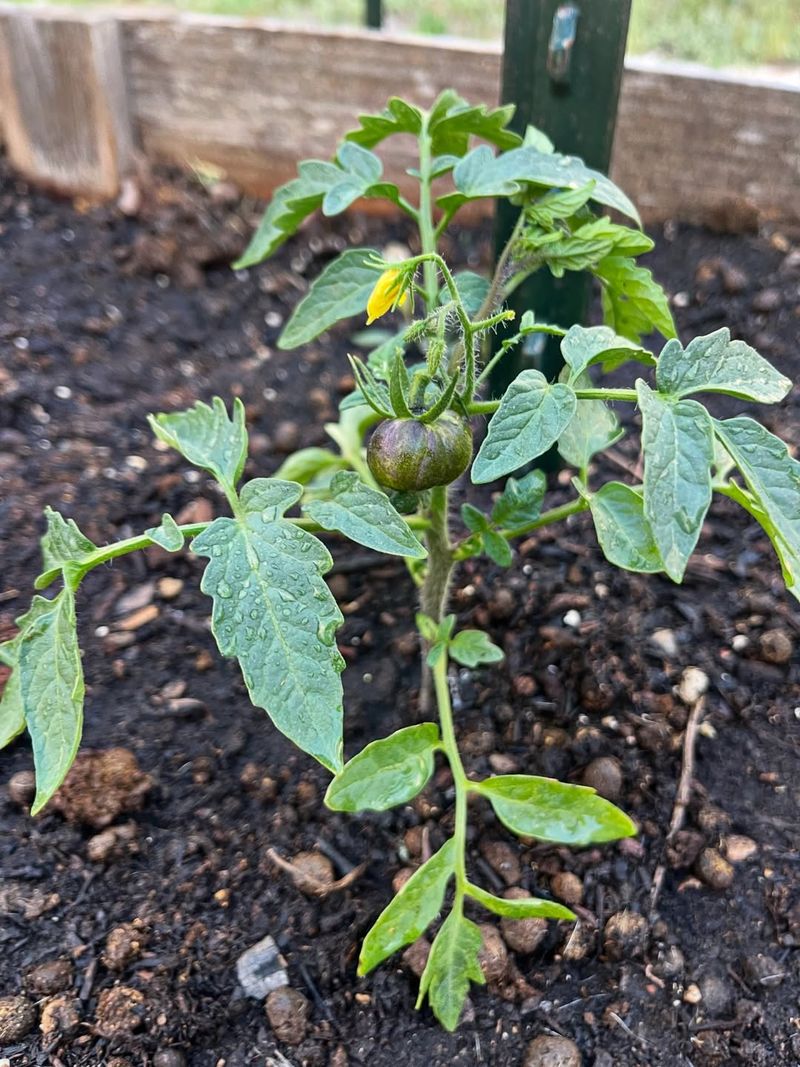
Not all tomato plants grow the same way, and that single fact changes everything about how far apart you should place them.
Before you dig a single hole, it helps to know whether the variety you are planting is determinate or indeterminate, because these two categories have very different space needs.
Determinate tomatoes, sometimes called bush tomatoes, grow to a set height and then stop. They put out most of their fruit in a concentrated window, usually over a few weeks, and then slow down.
Because they stay compact, they do not spread as aggressively and can be planted closer together without major consequences for airflow or yield.
Indeterminate tomatoes keep growing and producing throughout the entire season until cold weather shuts them down. Varieties like Brandywine, Cherokee Purple, and most cherry tomatoes fall into this group.
They can reach six feet tall or more and spread widely, especially if they are not pruned. Giving them extra room is not optional if you want good airflow and consistent fruit production through the fall.
Ohio State University Extension recommends spacing determinate varieties 18 to 24 inches apart within rows, with rows set 3 to 4 feet apart. Indeterminate varieties need 24 to 36 inches between plants and 4 to 5 feet between rows.
Using these ranges as your baseline, adjusted for your specific support method and garden layout, sets you up for a much stronger harvest than guessing or planting by feel alone.
3. Determinate Tomatoes Need Less Room Than You Think
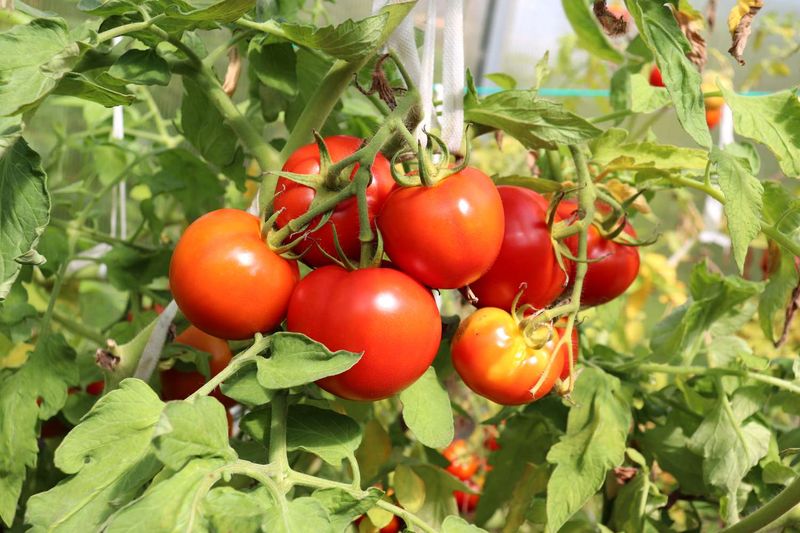
There is a common mistake that even experienced gardeners make when planting bush-type tomatoes: they give them the same wide spacing as their tall vining cousins and end up with wasted bed space.
Determinate varieties are genuinely compact, and understanding their growth pattern helps you use your garden more efficiently without sacrificing yield.
Bush tomatoes like Roma, Celebrity, and Rutgers grow to a predictable height, usually between two and four feet, and stop putting out new stems once they hit that point.
Because their growth is contained, they do not need the generous walkway spacing that indeterminate plants require.
Planting them 18 to 24 inches apart within a row works well for most home gardens, with rows about 3 to 4 feet apart to allow for easy access and airflow.
That said, even compact plants need some breathing room. Ohio’s humid summers mean that even a small amount of overcrowding can create enough moisture buildup to encourage fungal problems.
Sticking to the lower end of the spacing range works fine if you plan to prune suckers regularly and use a cage or stake for support. If you prefer a more hands-off approach and skip pruning, leaning toward 24 inches gives each plant more room to fill out naturally.
Roma tomatoes are a popular choice in Ohio for canning and sauces, and they respond especially well to proper 18-to-24-inch spacing.
Well-spaced Roma plants tend to produce cleaner fruit with fewer disease issues, which matters a lot when you are processing large quantities at harvest time.
4. Indeterminate Varieties Require More Space To Thrive
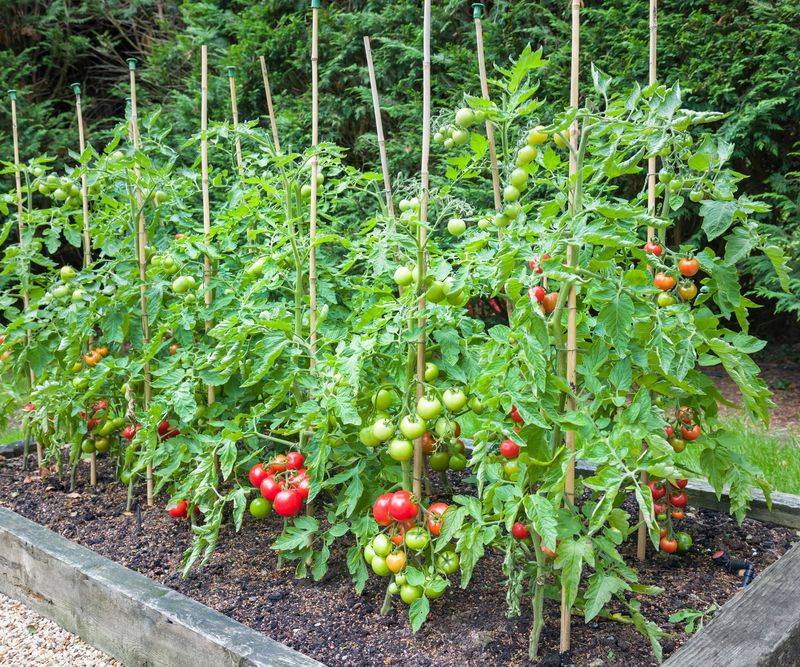
Some tomato plants just refuse to stop growing, and that relentless energy is exactly what makes indeterminate varieties so rewarding when they have enough room. Varieties like Sun Gold cherry tomatoes, Mortgage Lifter, and Big Boy can easily reach six feet or more in a single Ohio growing season, and they keep pushing out new stems, flowers, and fruit right up until frost.
Because indeterminate plants never truly stop growing, they need significantly more space than their bush-type counterparts. Ohio State University Extension guidelines suggest spacing them 24 to 36 inches apart within rows, with at least 4 to 5 feet between rows.
That might sound generous when you are standing in front of a small transplant in May, but by August that same plant will fill every inch of that space and then some.
Crowding indeterminate tomatoes is one of the fastest ways to reduce your overall yield. When vines overlap and leaves press against each other, airflow drops sharply.
Moisture builds up in the canopy, and diseases like early blight can move from plant to plant with very little resistance. Ohio’s warm, wet summers make this kind of spread especially common and hard to reverse once it starts.
Wider spacing also means more sunlight reaches the lower portions of each plant, which helps fruit develop evenly and reduces the chance of uneven ripening.
If you are growing heirloom varieties with large fruit, giving them the full 36-inch spacing within rows is worth the extra planning effort before you plant.
5. Airflow Is The Secret To Fewer Diseases In Humid Summers
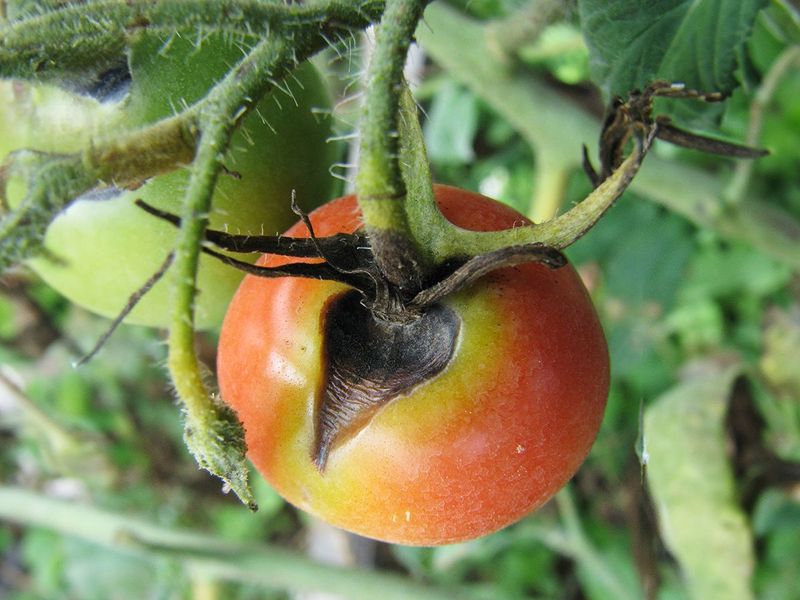
Good airflow in a tomato garden is like good ventilation in a house. You do not always notice it when it is working, but you definitely feel the consequences when it is not.
In Ohio, where summer humidity regularly climbs into the 70 and 80 percent range, airflow is one of the most important factors separating a productive tomato patch from a diseased one.
When plants are spaced correctly, breezes move through the foliage and carry away the moisture that clings to leaves after rain or morning dew.
That drying effect is hugely important because most fungal diseases that attack tomatoes, including early blight, late blight, and Septoria leaf spot, need wet leaf surfaces to germinate and spread.
A garden that dries out quickly after a rain event gives those spores far fewer opportunities to establish.
Spacing your plants according to extension recommendations is the foundation, but a few other habits reinforce the benefit. Removing the lower leaves of each plant so the bottom six to twelve inches of the stem are bare helps air move under the canopy.
Mulching around the base of each plant reduces soil splash, which is a common way that soil-borne fungal spores travel up onto lower leaves during rainstorms.
Ohio gardeners who have dealt with repeated blight problems in past seasons often find that simply widening their spacing by just a few inches makes a measurable difference the following year.
The plants look healthier longer, produce more fruit, and require fewer fungicide applications to stay productive through the late summer stretch.
6. Sunlight Access Directly Impacts Fruit Production

Tomatoes are sun-hungry plants, and they need at least six to eight hours of direct sunlight each day to produce the kind of harvest most gardeners are hoping for.
When plants are crowded together, the outer leaves of each plant shade the interior of neighboring plants, and the lower portions of the garden end up sitting in partial shade for much of the day.
That loss of light has real consequences. Leaves that are shaded cannot photosynthesize efficiently, which means the plant produces less energy overall.
Less energy translates directly into fewer flowers, fewer fruit set events, and smaller tomatoes at harvest. In a compact garden where every square foot counts, losing yield to shading is a frustrating outcome that proper spacing can prevent.
Ohio gardens often face an additional challenge because the growing season has a defined end.
Frost typically arrives in most parts of Ohio between mid-October and early November, which means plants need to make the most of every sunny day from transplant time in mid-May onward.
Any reduction in light access during the peak growing months of June, July, and August cuts into the total harvest potential before the season even ends.
Spacing plants so that sunlight reaches the full height of each vine from multiple angles encourages more even fruit development.
Tomatoes that receive consistent light tend to ripen more uniformly, develop better flavor, and have fewer issues with cracking or uneven coloring.
Proper spacing is one of the easiest ways to make full use of the sunlight your Ohio garden already receives.
7. Staking And Caging Change Your Spacing Strategy
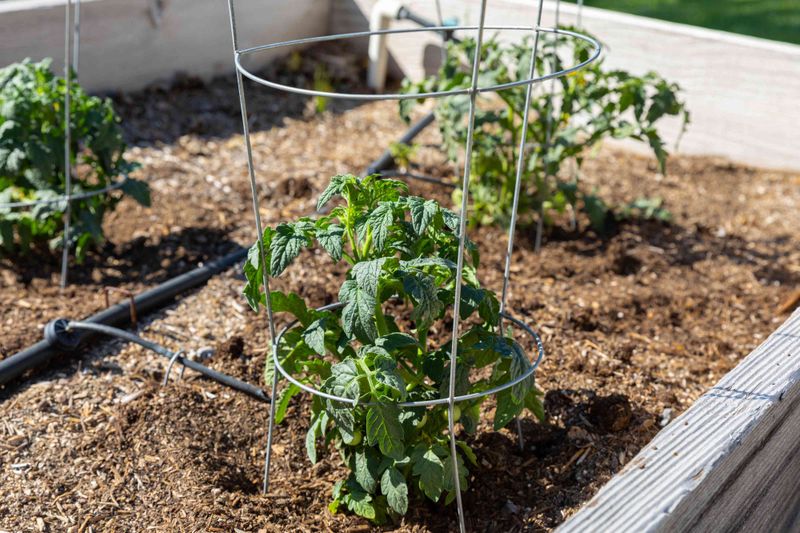
The way you choose to support your tomato plants has a direct effect on how far apart you should plant them, and skipping this consideration is one of the most common spacing mistakes home gardeners make.
A plant growing in a cage behaves differently than one tied to a single stake, and the space each needs reflects that difference.
According to Ohio State University Extension guidance, staked plants can be set 2 feet apart within rows, with rows spaced 3 to 4 feet apart.
Staking keeps plants growing vertically in a tight column, which means you can pack them a bit closer without blocking airflow as severely.
The tradeoff is that staked plants typically require regular pruning of suckers to keep them manageable and to maintain good airflow within that tighter spacing.
Caged plants need a bit more room because the cage itself takes up horizontal space and the plant is allowed to branch more freely inside it. Ohio State recommends spacing caged plants 2.5 to 3 feet apart in the row, with 4 to 5 feet between rows.
That extra room allows the full canopy of the cage to breathe and ensures neighboring plants are not pressing foliage together.
Unsupported plants sprawl across the ground and need the most space of all, typically 3 to 4 feet in every direction. Ground-sprawling plants are also more vulnerable to soil-borne diseases in Ohio’s wet summers because foliage stays in contact with damp soil.
Using any form of support and adjusting spacing accordingly is a straightforward way to improve both airflow and overall plant health.
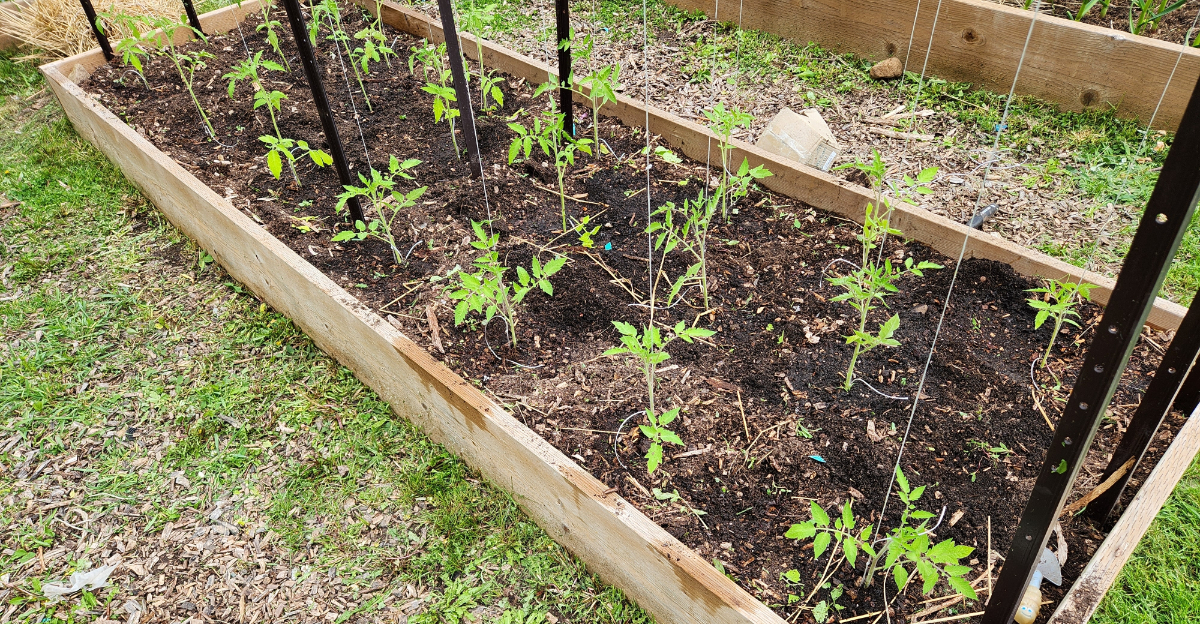
8. Raised Beds And Rows Require Different Spacing Approaches
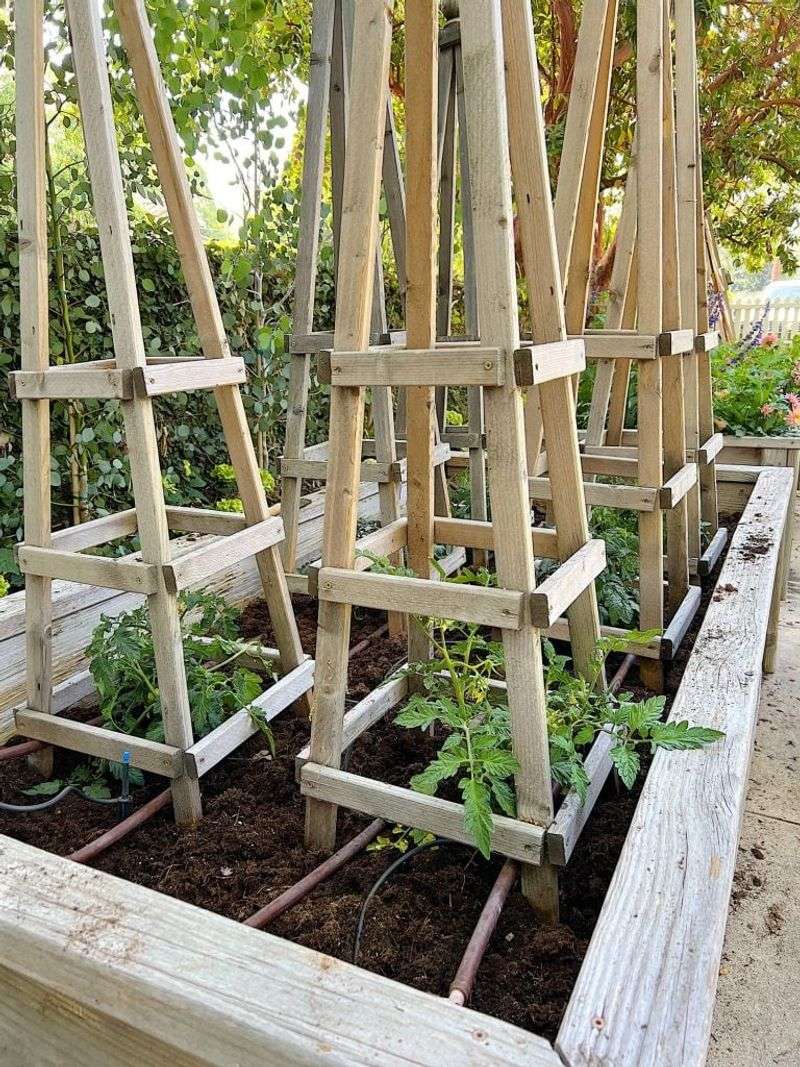
Raised beds have become one of the most popular ways to grow tomatoes in Ohio, and for good reason. They warm up faster in spring, drain better than clay-heavy native soil, and give gardeners more control over soil quality.
But raised beds also tempt people into planting too close together, and that habit can undercut all the other advantages a raised bed offers.
In traditional in-ground row gardens, spacing follows the extension recommendations fairly closely: 18 to 24 inches for determinate types, 24 to 36 inches for indeterminate types, with adequate row spacing between them.
Raised beds change the geometry of the garden because you are working within a defined border, often four feet wide, and the temptation to squeeze in one more plant is strong.
A common approach in raised beds is to use a grid pattern rather than traditional rows. For determinate varieties in a raised bed, a spacing of 18 to 24 inches in all directions works reasonably well.
For indeterminate types, 24 to 30 inches between plants is more realistic given the vining growth habit, even if it means fitting fewer plants per bed.
Ohio gardeners who try to fit indeterminate plants on 12-inch centers in a raised bed almost always regret it by midsummer. The canopy closes in fast, humidity builds under the leaves, and blight spreads quickly.
Planting fewer, well-spaced tomatoes in a raised bed consistently outperforms a crowded bed in total usable fruit by the end of the season. Quality of spacing beats quantity of plants every single time.