How Fire-Safety Concerns May Influence Nevada Landscaping Choices In 2026
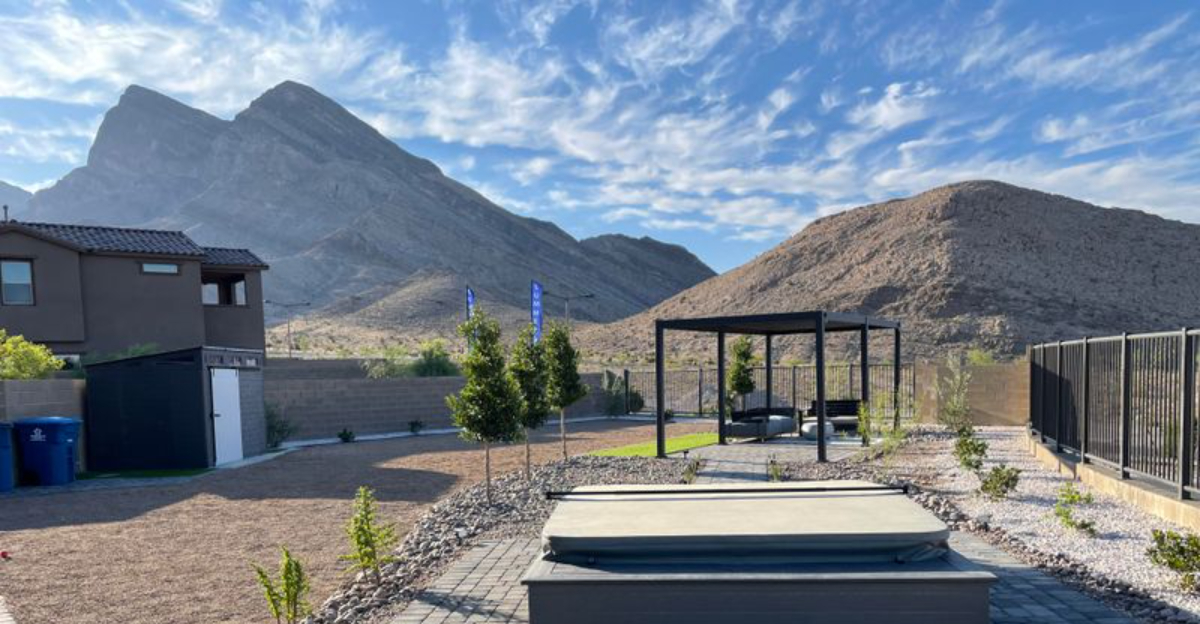
I keep hearing Nevada homeowners talk about how fire-safety ideas are starting to shape the way they picture their yards next year.
It feels like every conversation brings a new twist on what plants, materials, and layouts might actually make people feel safer in a warming, drier climate.
I love seeing how these shifting priorities are already inspiring fresh landscaping choices for 2026.
1. Drought-Resistant Plants Reduce Fire Fuel
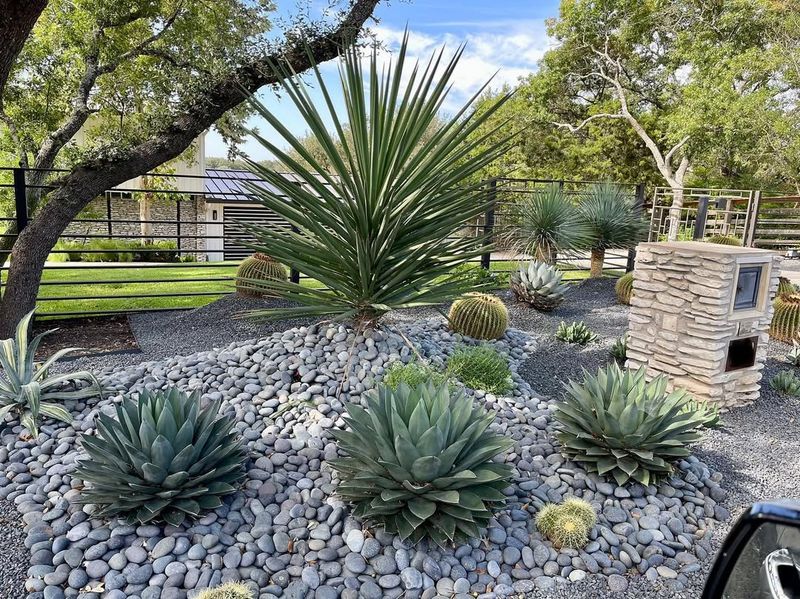
Native plants that need less water naturally contain more moisture in their leaves, making them less likely to ignite during wildfire season.
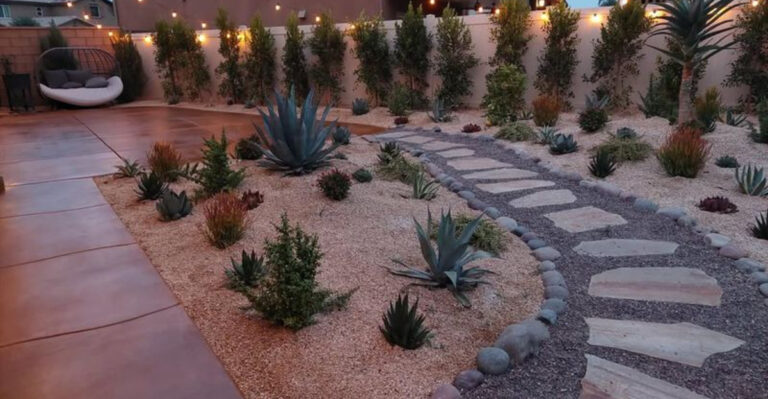
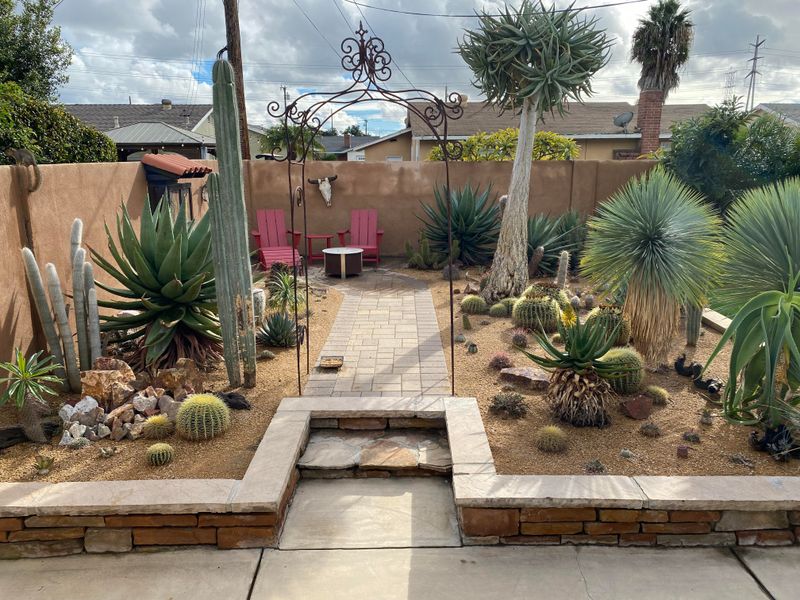
Succulents, agaves, and other desert-adapted species store water in thick tissues, creating natural firebreaks around Nevada homes.
Homeowners across the state are replacing thirsty grass lawns with rock gardens featuring these hardy plants that thrive in dry conditions.
Local nurseries report increased demand for fire-wise plant varieties that require minimal irrigation and maintenance throughout the year.
Choosing the right vegetation means your yard stays green longer into summer without constant watering, which also saves money on bills.
Nevada extension offices offer free guides showing which native species work best for different elevation zones and neighborhood microclimates.
Smart plant selection creates defensible space while maintaining curb appeal, proving that safety and beauty can coexist in modern landscape design.
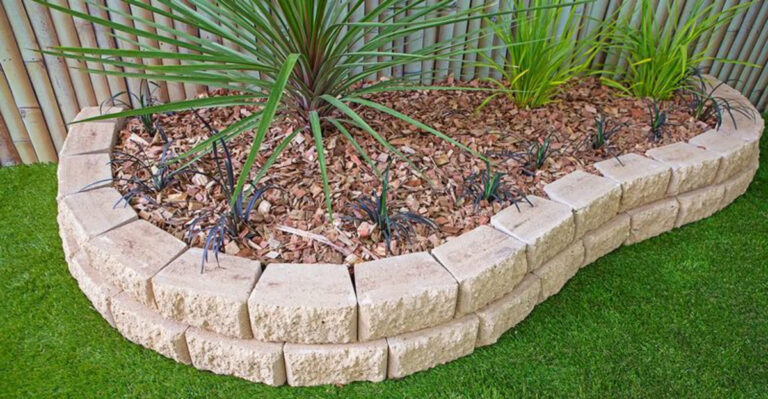
2. Gravel and Rock Mulch Replace Wood Chips
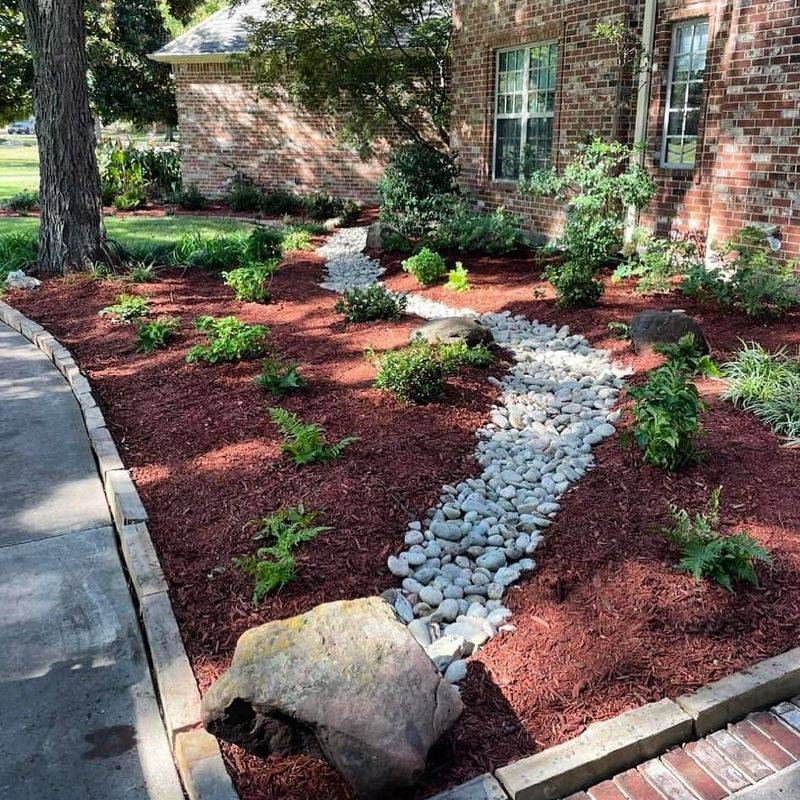
Wood mulch and bark chips act like kindling when embers land on them, spreading flames quickly toward home foundations and siding.
Rock mulch and decorative gravel provide the same weed control and soil protection without adding combustible material to your landscape beds.
Nevada landscapers now recommend at least a five-foot zone of non-flammable groundcover immediately surrounding structures for maximum fire protection.
River rock, crushed granite, and lava rock come in various colors and textures, allowing homeowners to create attractive designs without sacrificing safety.
These materials reflect heat rather than absorbing it, keeping soil cooler during scorching summer months common throughout the state.
Installation costs remain comparable to organic mulches, but rock options last indefinitely without needing annual replacement or top-up applications.
Many communities have updated landscaping codes requiring non-combustible mulch within certain distances of buildings, making this switch increasingly standard across Nevada neighborhoods.
3. Increased Spacing Between Plants and Structures
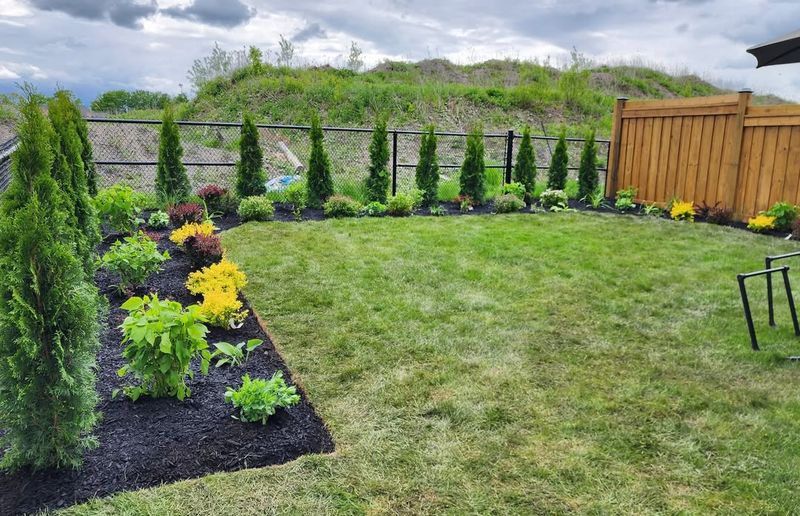
Fire spreads rapidly when plants grow too close together or touch building walls, creating continuous fuel pathways for flames to travel.
Creating gaps between shrubs, trees, and your home interrupts this chain reaction, giving firefighters better access to protect your property.
Nevada fire officials recommend maintaining at least five feet of clearance between vegetation and structures, with larger distances in high-risk zones.
Strategic spacing also improves air circulation around plants, reducing humidity that can encourage pest problems and fungal diseases in garden beds.
Homeowners are learning to think of empty space as a landscape feature rather than something that needs filling with more plants.
This approach requires fewer plants overall, reducing initial installation costs and ongoing water consumption throughout the growing season in Nevada.
Well-spaced designs look intentional and modern rather than sparse, especially when combined with decorative hardscaping elements like stone pathways and seating areas.
4. Metal Fencing Replaces Wooden Privacy Barriers
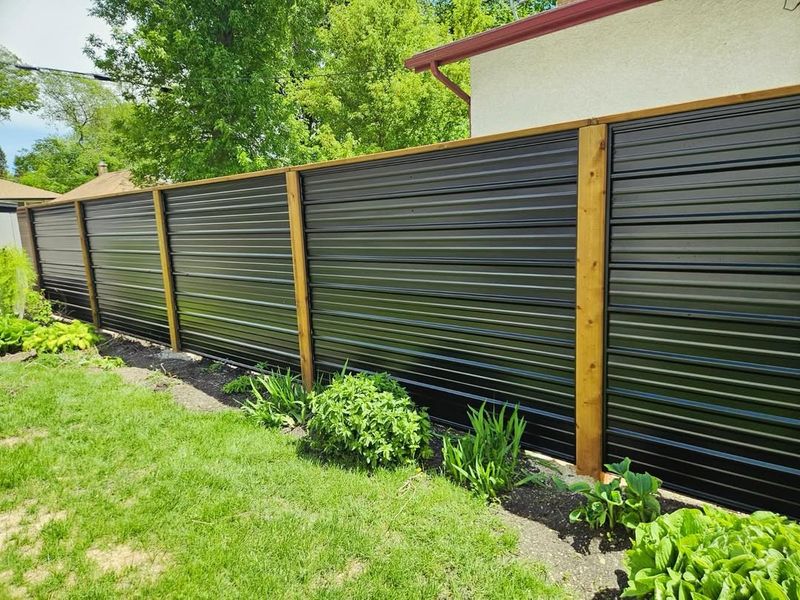
Wooden fences become fuel sources during wildfires, often igniting from flying embers and carrying flames directly to homes and outbuildings.
Metal alternatives made from steel, aluminum, or wrought iron provide the same privacy and security without combustibility concerns.
Manufacturers now offer metal fencing in dozens of styles, from sleek modern panels to ornate traditional designs that complement any architectural style.
Nevada building departments are updating codes to encourage or require non-combustible fencing materials in areas designated as wildfire hazard zones.
Metal options withstand harsh desert conditions better than wood, resisting warping, cracking, and insect damage that plague traditional fence materials.
Initial costs run higher than wood, but metal fences last decades longer without needing paint, stain, or replacement of rotted sections.
Composite materials combining metal frames with fire-resistant panels offer another option gaining popularity across residential neighborhoods throughout the state.
5. Irrigation Systems Designed for Emergency Use
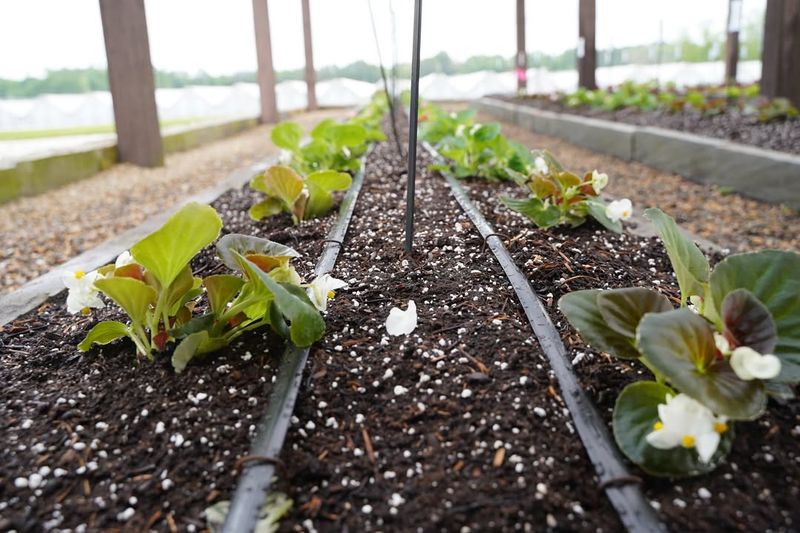
Advanced irrigation systems can now switch to emergency mode during fire threats, saturating roofs, walls, and surrounding vegetation with protective water.
Smart controllers connect to local fire alert networks, automatically activating when danger approaches even if homeowners have evacuated the area.
Nevada water districts are developing guidelines balancing fire safety needs with ongoing drought conservation efforts across the state.
Strategically placed sprinkler heads can create water curtains around structures, significantly improving survival odds when flames reach residential areas.
These systems use existing landscape irrigation infrastructure with added zones and upgraded controllers, keeping installation costs relatively manageable for most budgets.
Homeowners should test emergency functions regularly and ensure adequate water pressure reaches all protection zones during simulated activation scenarios.
Some insurance companies offer premium discounts for properties equipped with certified fire-protection irrigation systems, helping offset equipment and installation expenses over time.
6. Hardscaping Expands Around Home Perimeters
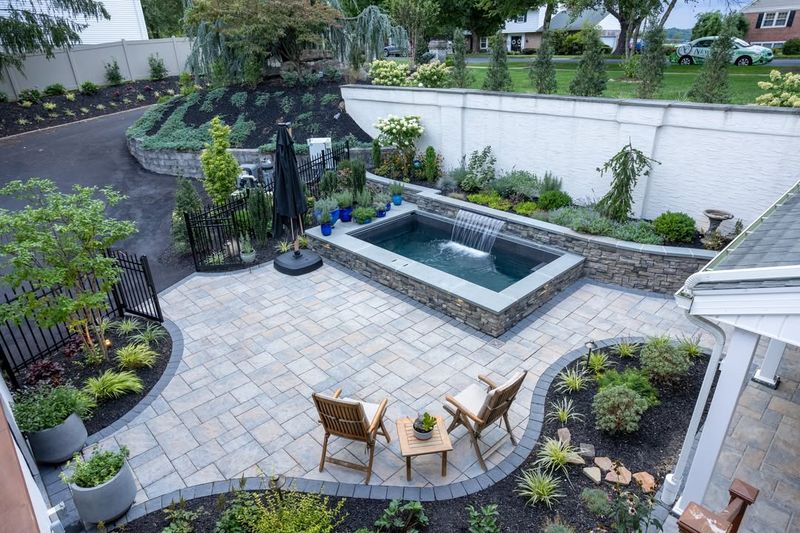
Patios, walkways, and stone courtyards create non-combustible zones that stop fire progression while adding valuable outdoor living space for families.
Concrete, flagstone, pavers, and tile provide attractive surfaces that require no watering, mowing, or seasonal maintenance like traditional planted landscapes.
Nevada homeowners are extending these hardscaped areas outward from foundations, often incorporating seating walls, fire pits, and entertainment spaces into safety zones.
Design professionals emphasize that hardscaping should look intentional rather than barren, using varied materials, levels, and textures to create visual interest.
These projects increase property values while simultaneously improving fire resistance, making them smart investments for long-term homeownership throughout the state.
Permeable paving options allow rainwater infiltration while still providing fire protection, addressing both safety and stormwater management concerns in one solution.
Local contractors report booming demand for hardscaping services as awareness grows about how these features protect homes during increasingly frequent fire seasons.
7. Tree Selection Focuses on Fire-Resistant Species
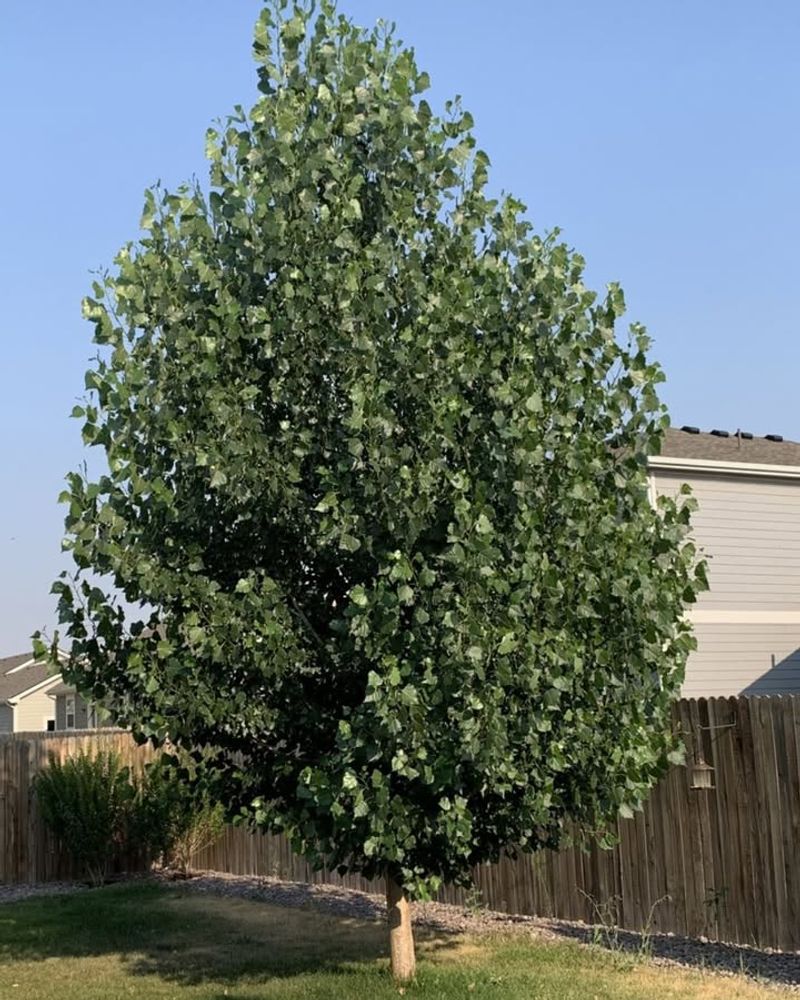
Certain tree species ignite more easily than others due to resin content, leaf structure, and bark characteristics that influence flammability.
Nevada arborists recommend deciduous trees over conifers near structures since they typically contain more moisture and shed less flammable debris.
Popular fire-resistant choices include ash, maple, and poplar varieties that adapt well to the state’s climate while providing shade and beauty.
Proper pruning removes lower branches that could carry ground fires upward into tree canopies, creating dangerous crown fires above homes.
Homeowners should maintain at least ten feet between tree canopies and rooflines, preventing ember transfer and reducing radiant heat exposure during fires.
Regular removal of dead branches and accumulated needles or leaves eliminates fuel sources that accumulate naturally over time around tree bases.
Many Nevada communities now provide free tree assessments helping residents identify which existing specimens pose risks and which contribute to safety.
8. Automated Ember Detection and Response Systems
Flying embers can travel miles ahead of fire fronts, landing on roofs and in gutters where they smolder before igniting structures.
New sensor technologies detect these embers and activate targeted sprinklers or foam systems to extinguish them before flames can establish.
Nevada tech companies are developing affordable systems that integrate with existing smart home platforms, making advanced protection accessible to average homeowners.
These devices use thermal imaging and smoke detection algorithms to distinguish between actual threats and false alarms from barbecues or fireplaces.
Early adoption by residents in high-risk areas has shown promising results, with several documented cases of systems preventing structure ignitions.
Installation typically requires professional setup to ensure sensors cover vulnerable areas like roof valleys, vents, and deck spaces where embers commonly lodge.
As wildfire seasons lengthen across the state, demand for these protective technologies continues growing among homeowners seeking every possible advantage against fire.
9. Community-Wide Fuel Reduction Programs
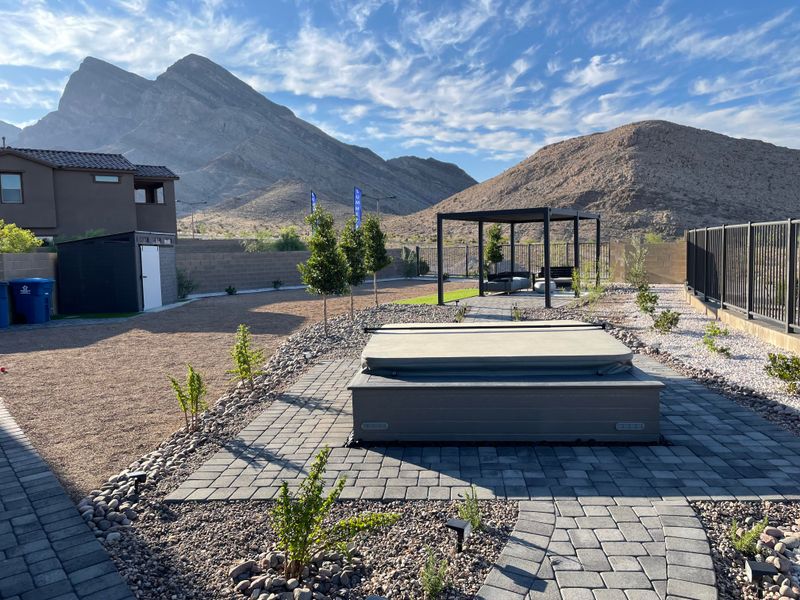
Individual property efforts become far more effective when entire neighborhoods coordinate landscaping choices and maintenance schedules together.
Homeowner associations across Nevada are updating guidelines to require fire-wise landscaping practices, creating consistent protection throughout residential developments.
Community chipping events and group purchases of fire-resistant materials reduce costs while building awareness about shared responsibility for neighborhood safety.
Local fire departments offer free assessments for entire subdivisions, identifying weak points where fuel loads remain too high between properties.
Coordinated efforts also address common areas, greenbelts, and vacant lots that individual homeowners cannot manage but which threaten surrounding homes.
Grant programs help fund community-scale projects in areas where residents may lack resources to implement recommended changes on their own.
Nevada municipalities are recognizing that collective action produces better outcomes than isolated efforts, leading to new policies supporting neighborhood-level fire prevention initiatives.
10. Native Grass Alternatives to Traditional Lawns
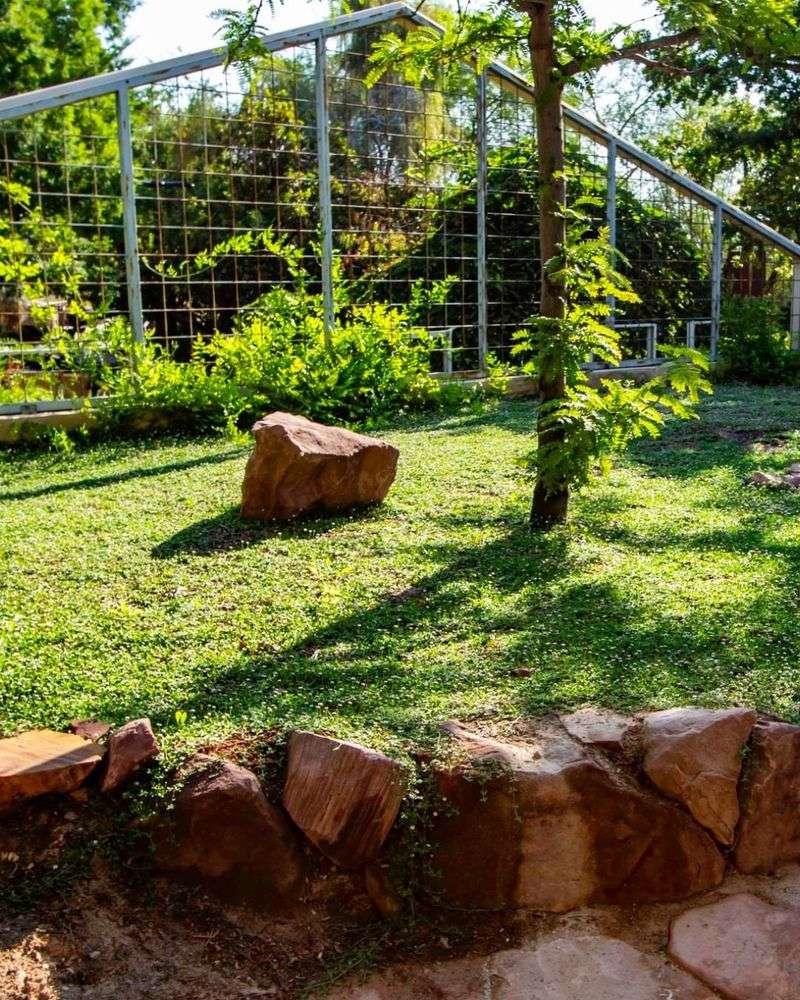
Traditional lawn grasses turn brown and crispy during Nevada summers, becoming fire hazards that require constant watering to maintain safely.
Native grass species like buffalo grass and blue grama stay greener with less water while growing shorter and requiring fewer mowing sessions.
These alternatives spread through underground runners rather than producing tall seed heads, keeping fuel loads lower near ground level throughout the season.
Homeowners report significant water savings after switching, often cutting irrigation needs by half while maintaining attractive green spaces for families and pets.
Native grasses support local wildlife including beneficial insects and birds, creating healthier ecosystems in residential areas across the state.
Establishment takes patience since these species grow more slowly than conventional turf, but once mature they outperform traditional lawns in durability.
Landscaping companies throughout Nevada now specialize in native grass installation, making professional help readily available for homeowners ready to make the transition.