How Georgia Gardeners Are Building Wildlife Friendly Yards With Zero Effort
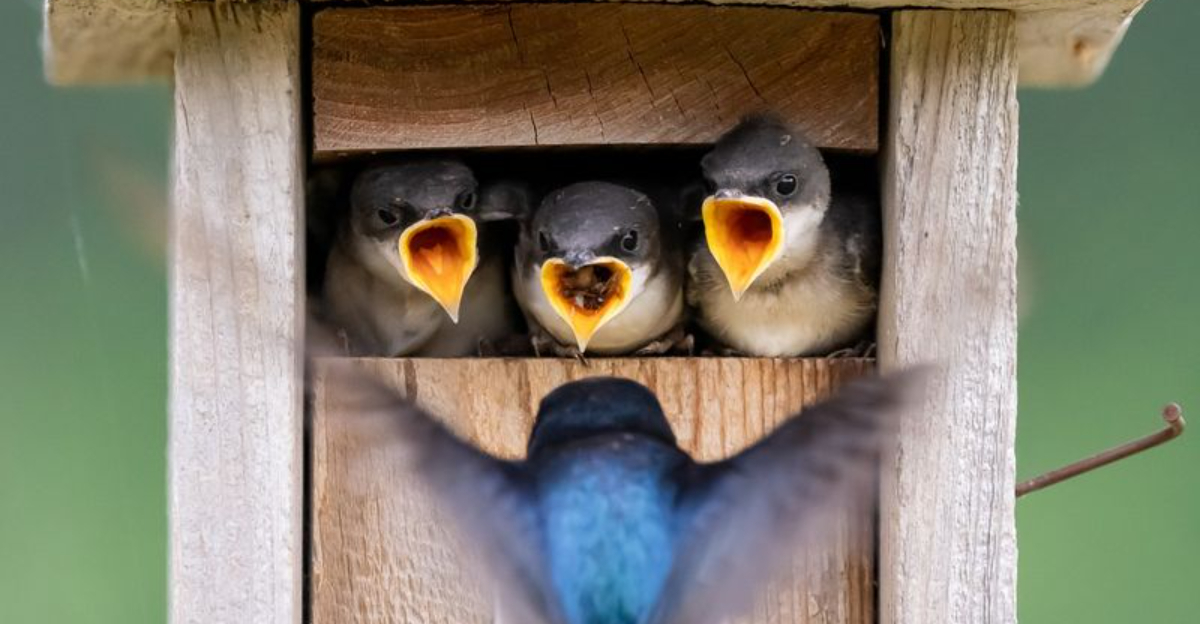
Georgia’s warm climate and diverse ecosystems make it a perfect home for countless wildlife species, from colorful songbirds to busy pollinators like butterflies and bees.
Many gardeners across the state are discovering that creating a wildlife-friendly yard doesn’t require endless hours of work or expensive renovations.
Simple changes and smart choices can transform any outdoor space into a thriving habitat for local creatures.
Building a yard that welcomes wildlife benefits more than just the animals.
Birds help control insect populations, pollinators support healthy gardens, and native plants require less water and maintenance than traditional lawns.
When Georgia gardeners embrace natural landscaping methods, they create beautiful outdoor spaces that practically take care of themselves while supporting the environment.
The best part? Most wildlife-friendly practices require minimal effort once established.
By working with nature instead of against it, homeowners can enjoy vibrant, lively yards without spending every weekend on yard work.
From letting leaves stay where they fall to choosing plants that practically grow themselves, these strategies prove that helping wildlife can be remarkably easy and rewarding for everyone involved.
Leaving Leaf Litter Where It Falls
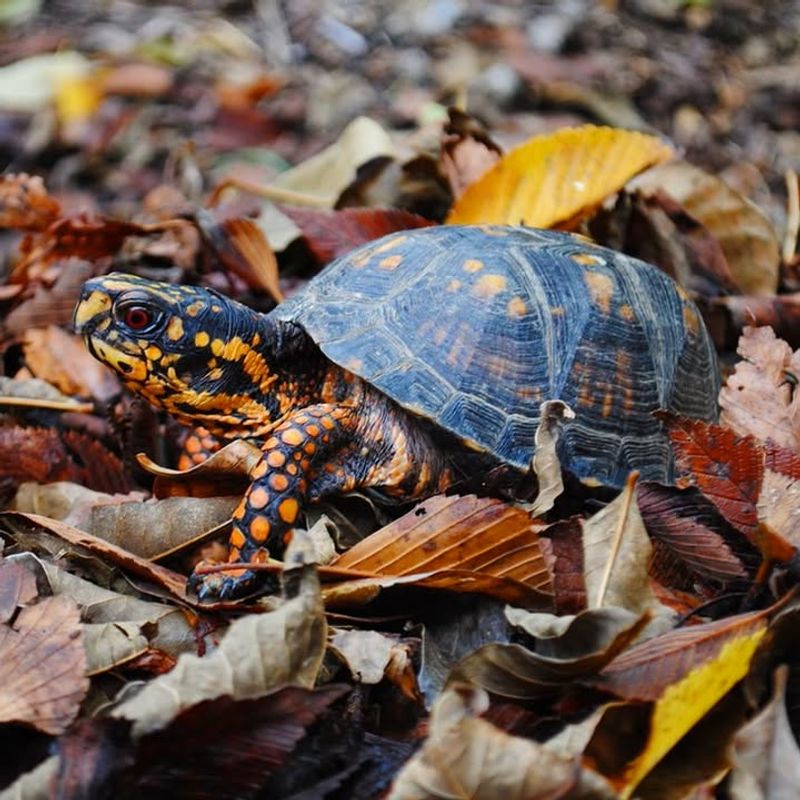
Raking leaves might seem like a necessary fall chore, but leaving them on the ground actually creates fantastic habitat for countless creatures.
Insects, salamanders, and ground-dwelling birds rely on leaf litter for shelter and food throughout the colder months.
When leaves decompose naturally, they return nutrients to the soil and create rich humus that helps plants thrive without added fertilizers.
Many Georgia gardeners are simply letting leaves stay in their garden beds and under shrubs instead of bagging them up.
This approach saves hours of backbreaking work while providing essential winter homes for beneficial insects like native bees and firefly larvae.
Toads and small mammals also appreciate the protective cover that leaf layers provide.
If you’re worried about appearance, you can use a mulching mower to chop leaves into smaller pieces on the lawn, which breaks down faster.
The shredded leaves settle between grass blades and disappear within weeks while feeding the soil below.
In garden beds, whole leaves work perfectly as natural mulch that suppresses weeds and retains moisture during dry Georgia summers.
Nature designed this system to work effortlessly, so why fight it?
Skipping The Lawn Mowing Schedule
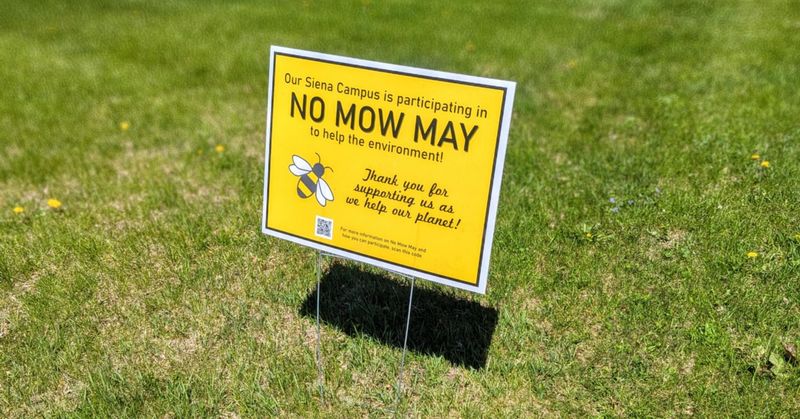
Cutting grass every single week takes time, burns fuel, and eliminates food sources for pollinators.
Georgia homeowners are embracing a more relaxed mowing schedule, allowing grass to grow longer and wildflowers like clover to bloom between cuttings.
Bees absolutely love clover blossoms, and letting grass reach four or five inches provides shelter for ground-nesting insects and small wildlife.
Longer grass also develops deeper root systems, making lawns more drought-resistant during Georgia’s hot summers.
You’ll spend less time watering and see your grass stay greener naturally.
Many people are surprised to discover that taller grass actually crowds out weeds better than closely cropped turf.
Some gardeners are taking this concept even further by converting portions of their lawn into wildflower meadows or simply mowing paths through taller grass.
This creates a beautiful, cottage-garden aesthetic while dramatically reducing maintenance time.
Mowing once a month or even less frequently in certain areas gives you back your weekends while feeding hungry pollinators.
Birds also benefit because longer grass harbors more insects for them to eat, creating a complete ecosystem right in your yard.
Planting Native Species That Thrive Alone
Native plants evolved alongside Georgia’s climate, soil, and wildlife over thousands of years, making them perfectly adapted to local conditions.
Once established, species like purple coneflower, black-eyed Susan, and native azaleas require virtually no care because they’re already designed to handle Georgia’s weather patterns.
They resist local pests naturally and don’t need constant watering or fertilizing to look beautiful.
These plants form deep root systems that access water far below the surface, surviving droughts that would destroy thirsty ornamentals.
Native species also provide exactly what local wildlife needs—the right kind of pollen, nectar, seeds, and berries that Georgia’s birds, butterflies, and beneficial insects have relied on for generations.
A single native oak tree can support over 500 species of caterpillars, which become essential food for baby birds.
Gardeners are replacing high-maintenance exotic plants with tough natives that essentially take care of themselves.
After the first growing season, most native plants need attention only during extreme conditions.
They won’t invade natural areas like some aggressive non-natives do, and they create authentic Georgia landscapes that feel connected to the surrounding environment.
Beautiful and effortless—that’s a winning combination.
Creating Brush Piles From Yard Trimmings
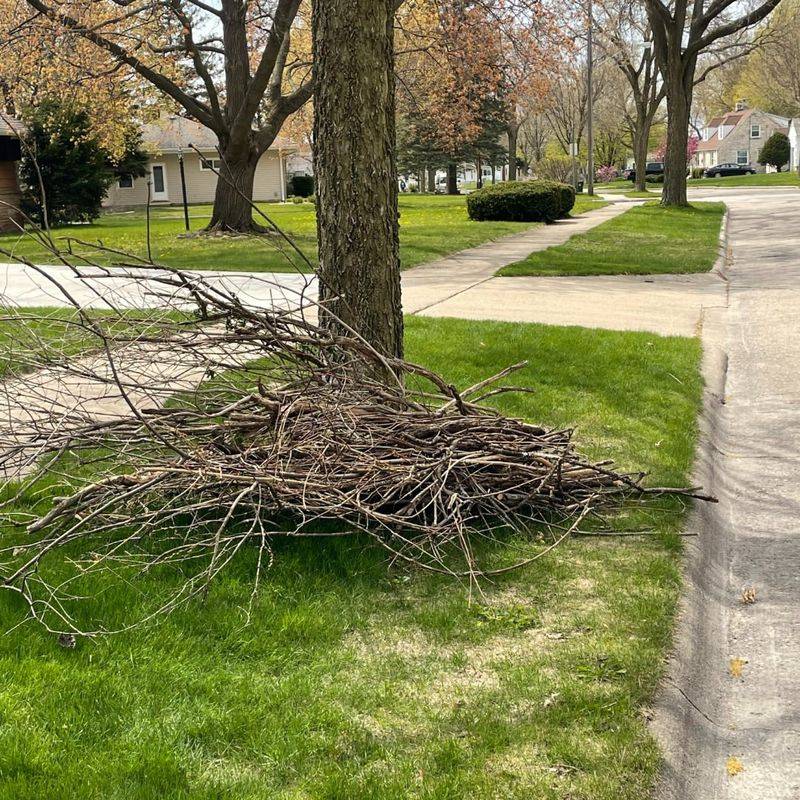
Instead of hauling branches, twigs, and pruned limbs to the curb, smart Georgia gardeners are stacking them in quiet corners of their yards.
Brush piles become instant wildlife condos, offering shelter to rabbits, chipmunks, songbirds, and beneficial snakes that control rodent populations.
These simple structures require zero construction skills—just pile branches loosely and let nature do the rest.
During winter, brush piles provide crucial protection from cold winds and predators.
Birds use them as safe resting spots between feeder visits, while small mammals create cozy dens within the tangled branches.
In summer, these piles offer shade and humidity that amphibians and insects appreciate.
Lizards love basking on sun-warmed branches while staying close to protective cover.
Building a brush pile takes minutes and costs nothing since you’re using materials you already have.
Place larger branches on the bottom for stability, then add smaller twigs and leaves on top.
Position your pile in a semi-shaded area away from the house, and it’ll serve wildlife for years as it slowly decomposes.
Some gardeners create multiple small piles around their property, maximizing habitat while keeping individual piles inconspicuous.
Your yard waste becomes valuable real estate for creatures that need it.
Adding A Simple Water Source
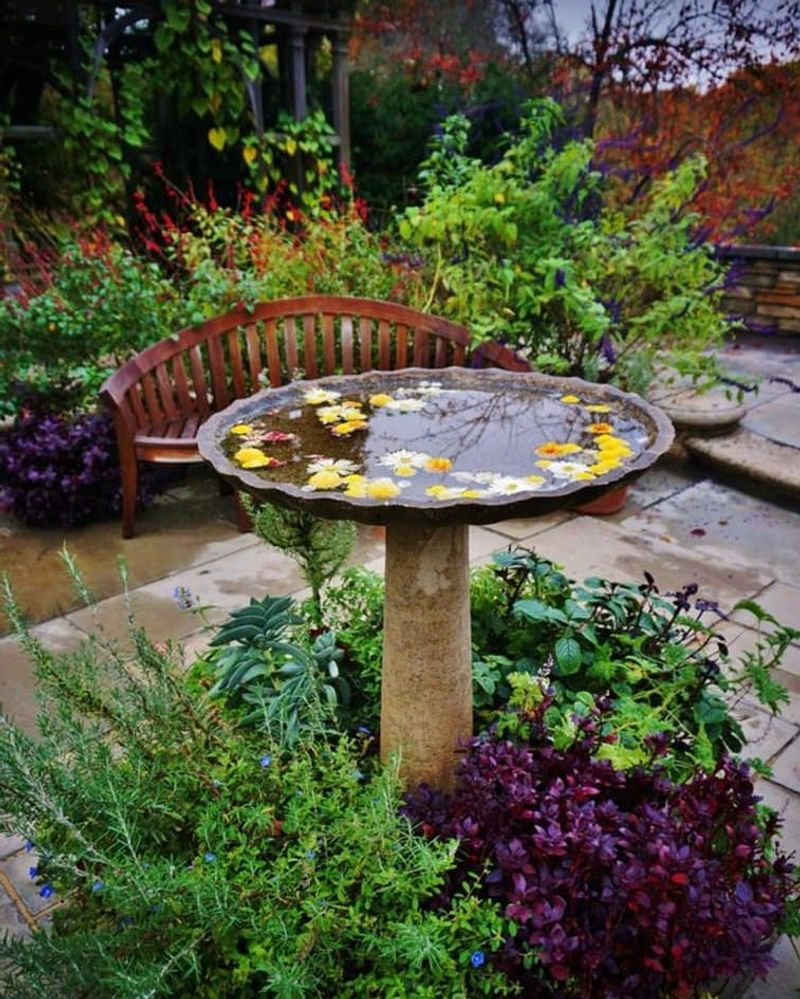
Water attracts more wildlife than almost any other feature, and providing it requires minimal effort.
A basic birdbath, shallow dish, or even an upturned garbage can lid filled with fresh water will bring birds, butterflies, and beneficial insects to your yard daily.
During Georgia’s hot, humid summers and occasional dry spells, clean water becomes especially valuable for thirsty creatures.
You don’t need fancy fountains or expensive installations.
Wildlife prefers shallow water with rough surfaces or stones they can perch on safely.
Change the water every few days to prevent mosquito breeding, which takes less than a minute.
Position your water source near shrubs or trees so birds have quick escape routes from predators but far enough from dense cover that cats can’t ambush them.
Many Georgia gardeners use multiple small water sources scattered around their property rather than one large feature.
This approach serves more animals simultaneously and requires even less maintenance since smaller volumes evaporate slower in shaded spots.
Butterflies particularly appreciate muddy edges or wet sand where they can sip minerals.
A dripping hose or slowly leaking faucet also works perfectly—the sound of moving water attracts birds from surprising distances, and the constant trickle keeps water fresh naturally.
Letting Damaged Trees Stand When Safe

Damaged trees, called snags, might look unsightly to some people, but they’re absolute goldmines for wildlife.
Woodpeckers excavate nest cavities in damaged wood, and after they move on, dozens of other species use those holes for shelter and raising young.
Chickadees, nuthatches, flying squirrels, and screech owls all depend on these ready-made homes that would take years to replace if removed.
Bark beetles and other insects colonize damaged wood, becoming food for birds that patrol the trunk searching for meals.
Loose bark provides hiding spots for bats, which eat enormous quantities of mosquitoes every night.
Even the fungi growing on damaged trees support specialized insects that feed specific bird species.
Obviously, safety comes first—if a damaged tree threatens your house or power lines, it needs removal.
But snags standing in open yard areas or garden edges can remain indefinitely with no effort required.
You literally do nothing and watch wildlife move in.
Some gardeners intentionally leave tall stumps when removing trees, creating instant snags that serve wildlife for decades.
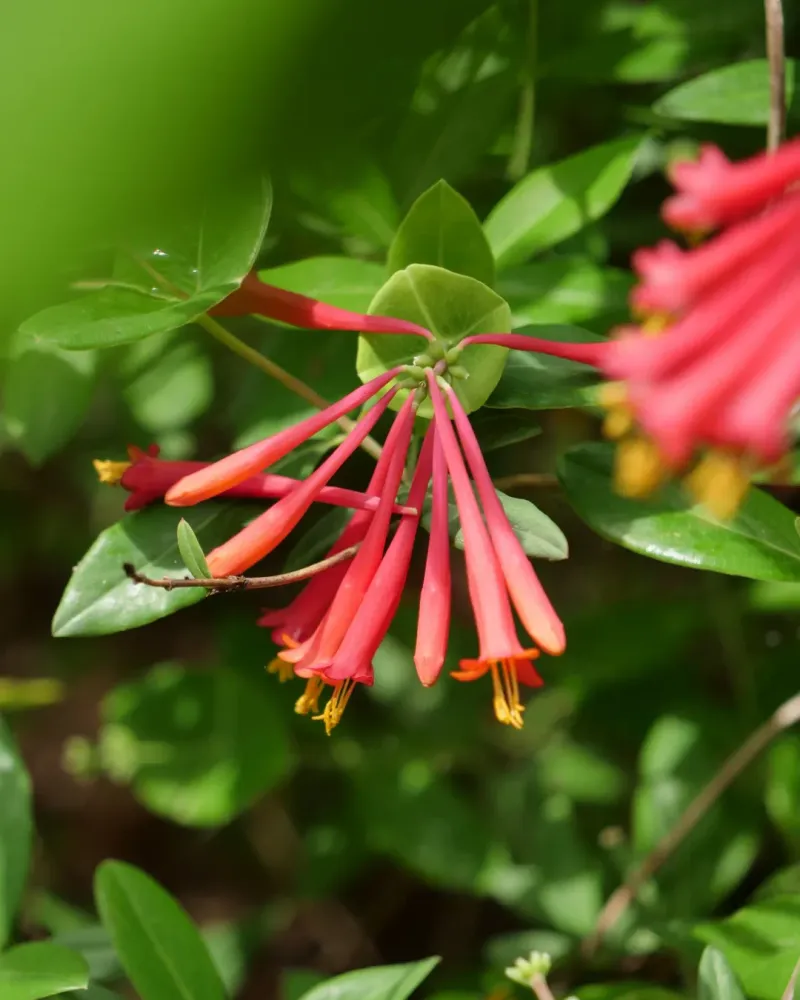
If the appearance bothers you, plant native vines like Virginia creeper or coral honeysuckle around the base.
They’ll soften the look while adding even more wildlife value to an already productive feature.
Reducing Or Eliminating Pesticide Use
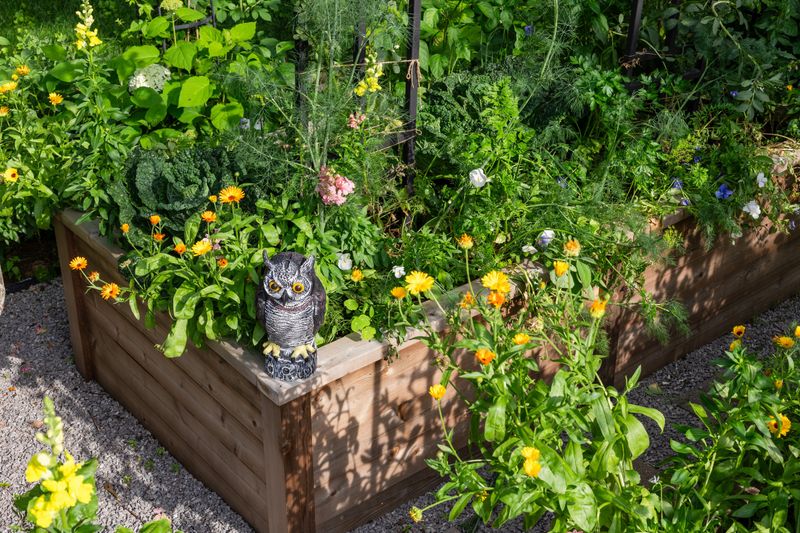
Pesticides destroy indiscriminately, eliminating beneficial insects along with pests and disrupting the natural balance that keeps gardens healthy.
Georgia gardeners are discovering that stepping back and letting nature handle pest problems actually works better than constant chemical applications.
Ladybugs, lacewings, parasitic wasps, and other beneficial insects will move in and control pest populations if given the chance.
Reducing pesticide use requires no effort whatsoever—you simply stop buying and applying chemicals.
Your wallet benefits immediately, and within weeks you’ll notice more butterflies, bees, and helpful predatory insects visiting your yard.
Birds will find more caterpillars and insects to feed their babies, leading to healthier songbird populations around your property.
Most pest problems resolve themselves when beneficial insects establish populations.
A few chewed leaves won’t harm established plants, and healthy gardens naturally resist serious infestations.
If you absolutely must address a pest issue, spot-treat only affected plants with targeted solutions like insecticidal soap rather than broadcasting chemicals everywhere.
Native plants particularly resist pests well since they evolved alongside local insects and have natural defenses.
By doing less, you actually accomplish more—creating a balanced ecosystem where wildlife thrives and plants grow stronger without constant chemical intervention.
Installing Simple Nesting Boxes
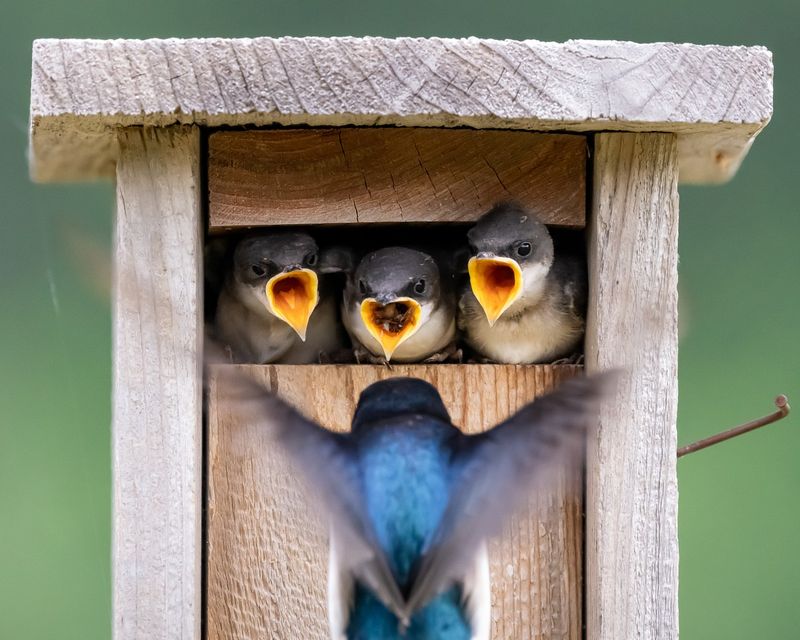
Many Georgia bird species struggle to find suitable nesting sites because old trees with natural cavities are increasingly scarce in developed areas.
Nesting boxes fill this gap perfectly, and once you mount them, they require virtually no maintenance while hosting families of bluebirds, chickadees, wrens, or even screech owls year after year.
Installation takes minutes, and nature handles everything else.
You can purchase inexpensive nesting boxes at garden centers or build simple ones from untreated wood scraps.
Different species prefer different entrance hole sizes and mounting heights, so research which birds you want to attract.
Bluebirds love boxes in open areas facing away from prevailing winds, while chickadees prefer wooded edges with partial shade protecting the entrance.
Mount boxes in late winter before nesting season begins, then enjoy watching parents raise their young throughout spring and summer.
Clean out old nesting material each fall, which takes about five minutes per box.
Some boxes will remain empty the first year as birds discover them, but patience pays off.
Wrens are especially quick to claim new boxes and will aggressively defend their territories, providing endless entertainment.
Watching baby birds fledge from a box you provided creates a satisfying connection to nature that requires almost zero ongoing effort on your part.