How Georgia Gardeners Are Decorating Christmas Mantels With Dried Flowers
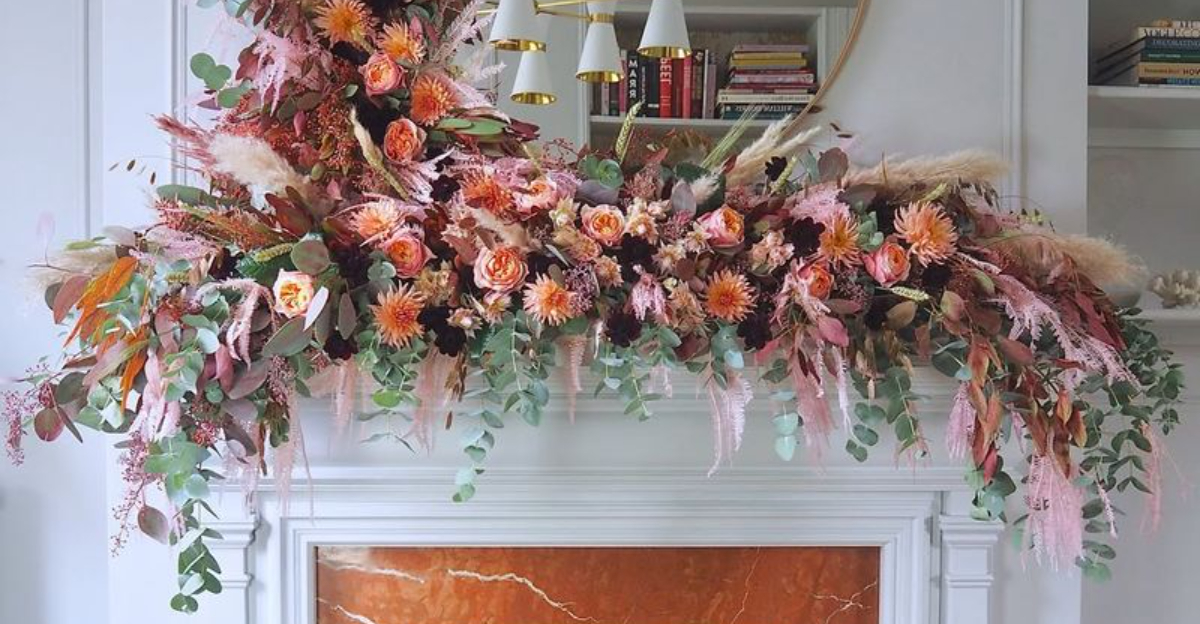
Georgia gardeners know the secret to creating beautiful holiday décor starts right in their own backyards.
By drying flowers from summer and fall gardens, they craft stunning Christmas mantels that blend nature with festive tradition.
This sustainable approach celebrates both the gardening season and the joy of the holidays in a uniquely Southern way.
Dried flowers bring warmth, texture, and a personal touch that store-bought decorations simply cannot match.
Using Hydrangea Blooms Dried In Late Summer
Hydrangeas are one of the most popular flowers in Georgia gardens, thriving in the warm, humid climate throughout spring and summer.
By late August and early September, gardeners begin cutting blooms to dry them before fall humidity returns.
The key is timing the harvest when flowers have matured and their petals feel slightly papery to the touch.
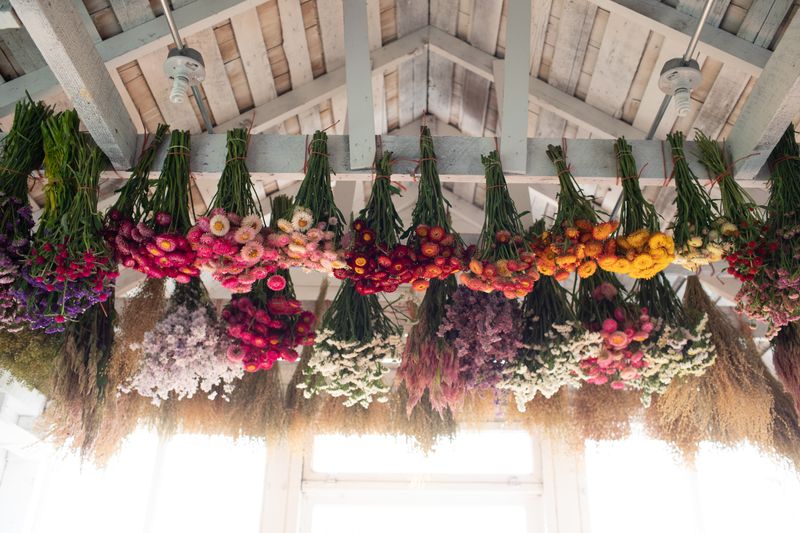
Once cut, hydrangeas are hung upside down in a dry, well-ventilated space like a garage or shed.
Within two to three weeks, the blooms take on beautiful muted tones of cream, dusty rose, sage green, and soft purple.
These sturdy flowers hold their shape remarkably well throughout the winter months.
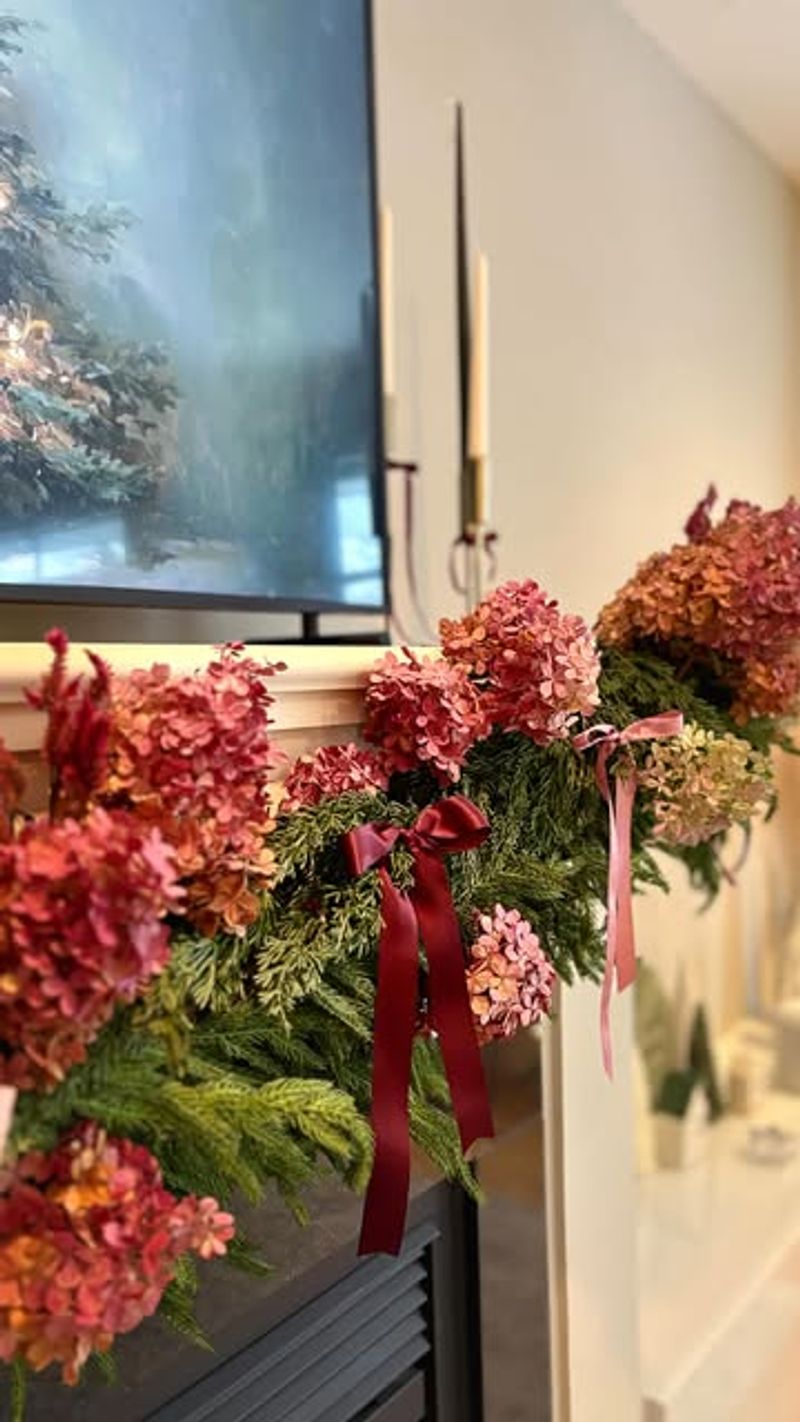
When Christmas arrives, Georgia gardeners place these dried hydrangea blooms as focal points along their mantels.
The large, full heads create instant visual impact and pair beautifully with candles, ribbons, and seasonal greenery.
Some gardeners cluster several blooms together in vintage pitchers or mason jars for a farmhouse feel.
Others wire individual stems into garlands or wreaths that drape elegantly across the mantel.
The natural beauty of dried hydrangeas brings a garden-fresh feeling indoors even during the coldest winter days.
This simple technique turns summer abundance into holiday treasure.
Incorporating Air-Dried Roses For Soft Winter Color
Roses bloom generously in Georgia gardens from spring through late fall, offering gardeners plenty of material for drying projects.
Air-drying roses is surprisingly simple and requires nothing more than patience and a dark, dry location.
Gardeners select blooms at their peak, just before they fully open, for the best color retention.
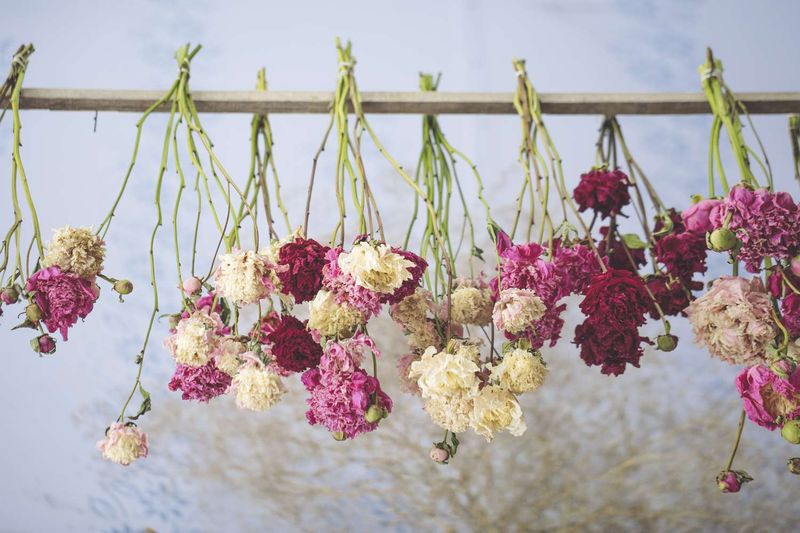
Bundling stems with rubber bands or twine, they hang small clusters upside down away from direct sunlight.
Over the course of two weeks, the roses slowly lose moisture while maintaining their shape and much of their color.
The result is blooms in muted reds, soft pinks, peach tones, and even cream shades perfect for Christmas.
When decorating mantels, these air-dried roses bring vintage charm and romantic softness to holiday displays.
Georgia gardeners weave them into garlands alongside evergreen branches, creating a lovely contrast between textures.
The delicate petals add an elegant touch that feels both nostalgic and timeless.
Some crafters tuck individual rose heads between candles or nestle them in decorative bowls filled with pinecones.
Others attach them to ribbon swags that drape gracefully across the mantel edge.
This reuse of garden roses reduces waste while creating meaningful decorations filled with memories from warmer months.
Mixing Dried Flowers With Evergreen Cuttings
Balance is everything when creating mantel displays that feel both festive and natural.
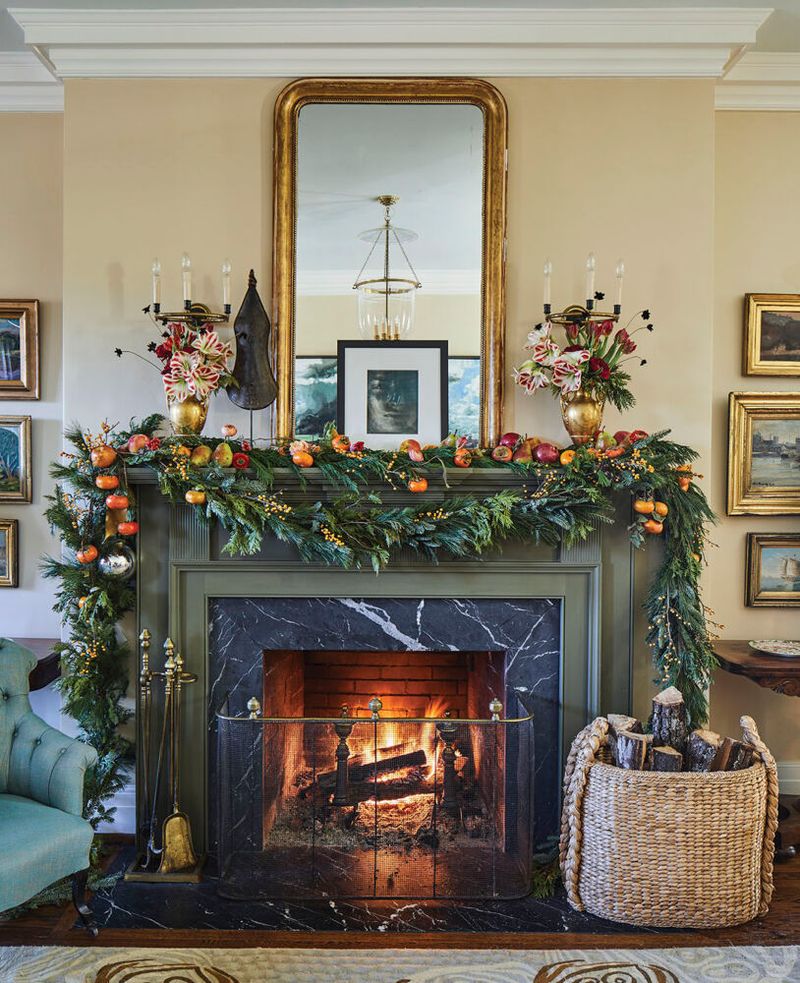
Georgia gardeners have mastered the art of combining dried flowers with fresh evergreen cuttings from their yards.
Pine, cedar, juniper, and magnolia branches provide lush greenery that contrasts beautifully with delicate dried blooms.
The evergreens bring traditional Christmas fragrance and vibrant color, while dried flowers add softness and unique texture.
This pairing creates depth and visual interest that neither element could achieve alone.
Gardeners often start with a base of evergreen branches laid across the mantel, then tuck dried flowers throughout.
Dried hydrangeas, roses, statice, and celosia nestle perfectly among the green needles and leaves.
The combination feels abundant without appearing cluttered, and the different textures keep the eye moving across the display.
Many gardeners secure the arrangement with floral wire or small clips to keep everything in place.
As the fresh evergreens slowly release their needles over the season, the dried flowers remain intact and beautiful.
This mixed approach honors both the evergreen Christmas tradition and the gardener’s love of flowers.
It creates a mantel that tells the story of a full year in the garden, from summer blooms to winter greenery.
Using Seed Heads For Natural Texture
Smart gardeners know that flowers are not the only beautiful parts worth saving from the garden.
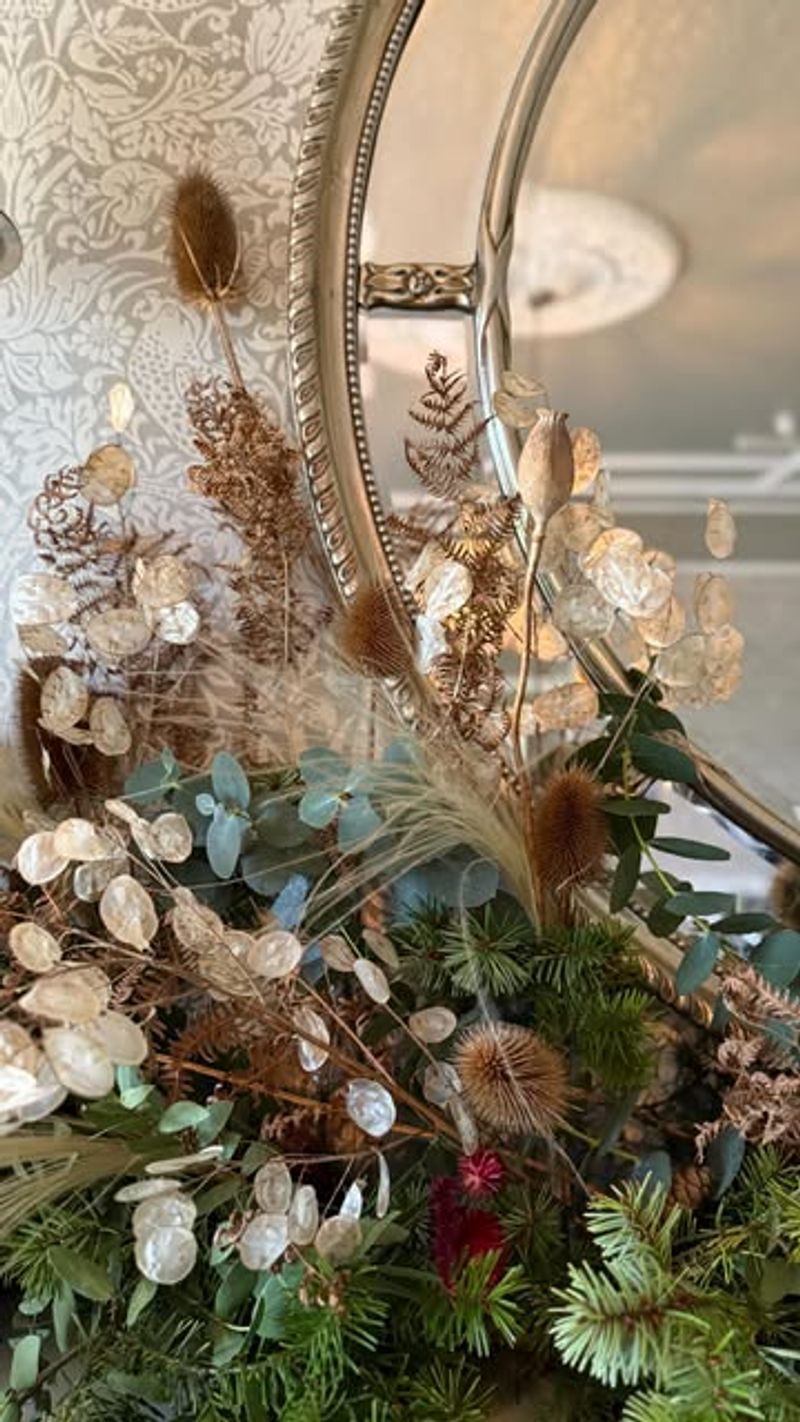
Seed heads from coneflowers, ornamental grasses, alliums, and other perennials offer incredible structure and visual interest.
These architectural elements bring a wild, natural aesthetic that complements Christmas decorations perfectly.
In Georgia, gardeners allow certain plants to go to seed in late summer and early fall specifically for winter crafting.
Purple coneflower seed heads develop distinctive spiky centers that look stunning when dried.
Ornamental grasses produce feathery plumes in shades of tan, gold, and bronze that add movement and lightness.
Allium seed heads form perfect spheres that create dramatic focal points in arrangements.
When incorporated into mantel displays, these seed heads provide height variation and interesting silhouettes against walls.
They work especially well in farmhouse or rustic-style homes where natural elements are celebrated.
Gardeners often spray-paint some seed heads in metallic gold or silver for extra holiday sparkle.
Others leave them completely natural, appreciating their organic beauty just as nature created them.
Positioned among candles and other dried flowers, seed heads give mantels a sophisticated, gallery-like quality that feels both artistic and welcoming.
Neutral Color Palettes Inspired By Southern Homes
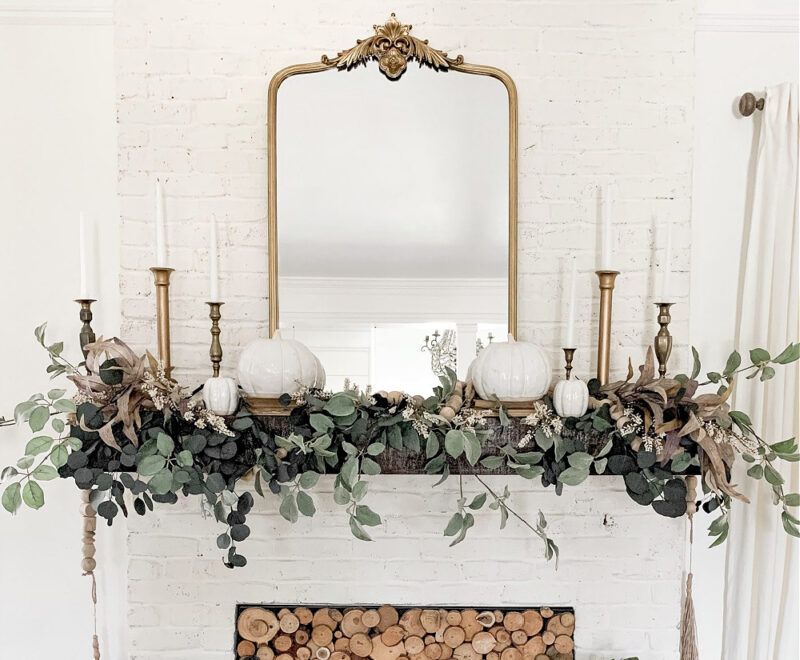
Southern interior design has long favored soft, elegant color schemes that feel timeless and sophisticated.
Georgia gardeners decorating Christmas mantels often choose dried flowers in neutral tones that complement traditional home styles.
Cream, tan, soft sage green, dusty rose, and faded lavender create peaceful, cohesive displays.
These muted colors work beautifully with the classic white trim, painted brick, and warm wood tones common in Southern homes.
Rather than competing with bold reds and greens, neutral dried flowers enhance existing décor.
The subtle palette allows architectural details like crown molding and fireplace surrounds to shine.
Many Georgia gardeners select specific flowers for their color potential when dried.
White and pink hydrangeas fade to gorgeous antiqued tones, while lavender and statice retain soft purple hues.
Strawflowers in cream and pale yellow add gentle pops of warmth without overwhelming the space.
This restrained approach feels refined and allows for layering of textures and materials.
Linen ribbons, burlap, natural twine, and unfinished wood elements blend seamlessly with neutral dried flowers.
The overall effect is a mantel that feels collected over time rather than assembled all at once, embodying the gracious hospitality Southern homes are known for.
Hanging Small Floral Swags Instead Of Heavy Garlands
Not every mantel needs a full, heavy garland stretching from end to end.
Georgia gardeners have embraced a lighter, more modern approach by creating small dried-flower swags.
These compact arrangements are spaced evenly across the mantel, creating visual rhythm without overwhelming the fireplace.
Each swag typically measures twelve to eighteen inches in length and contains a thoughtful mix of dried flowers and foliage.
Gardeners bind stems together with floral wire, then wrap the base with ribbon or twine for a finished look.
The swags hang from small nails, adhesive hooks, or are simply laid atop the mantel edge.
This technique works especially well for smaller mantels or those with detailed architectural features worth showcasing.
The negative space between swags keeps the display feeling airy and intentional rather than cluttered.
It also allows other decorative elements like framed photos, small sculptures, or holiday cards to remain visible.
Swags can be easily adjusted, moved, or replaced throughout the season without disturbing an entire garland.
Georgia gardeners appreciate this flexibility, especially when they want to refresh their décor or add new elements.
The lightweight nature of dried flowers makes swags easy to hang without worry about damaging walls or mantel surfaces.
Adding Cotton Stems And Native Dried Plants
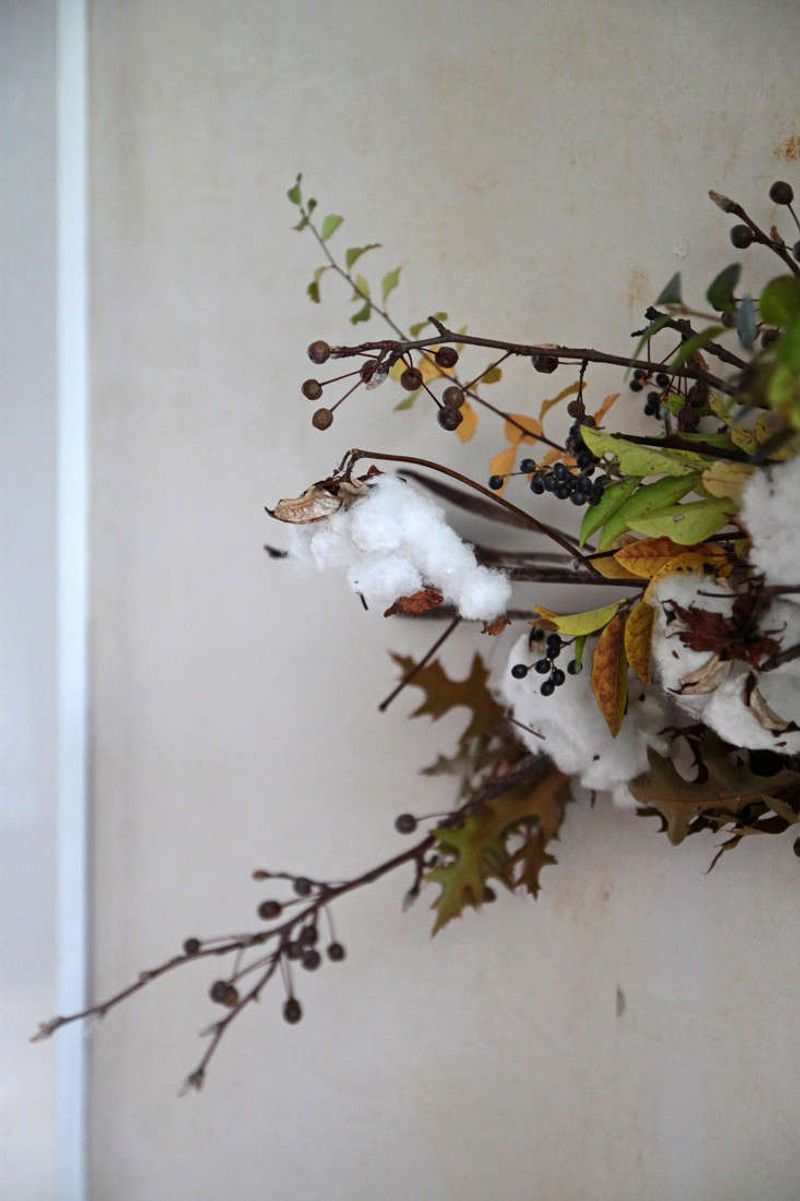
Georgia’s agricultural heritage includes a deep connection to cotton farming, making cotton stems a meaningful addition to holiday décor.
Dried cotton bolls with their fluffy white fibers create instant visual softness and regional authenticity.
Gardeners can grow their own ornamental cotton or source stems from local farms and flower markets.
Beyond cotton, native Georgia plants offer wonderful options for drying and decorating.
Goldenrod, ironweed seed heads, Joe-Pye weed, and native grasses all dry beautifully and represent the local landscape.
Using these plants connects Christmas decorations to the specific place and ecosystem gardeners call home.
When arranged on mantels, cotton stems bring a distinctly Southern character that visitors immediately recognize and appreciate.
The white bolls pair perfectly with evergreens, dried roses, and neutral-toned flowers.
They also photograph beautifully, making mantels Instagram-worthy while remaining deeply personal.
Native dried plants add earthy tones and interesting shapes that commercial decorations cannot replicate.
Gardeners often combine several native species to create complex, layered arrangements full of botanical interest.
This approach celebrates Georgia’s natural beauty while creating Christmas décor that feels authentic and rooted in place rather than generic or mass-produced.
Using Floral Wire And Twine For A Rustic Finish
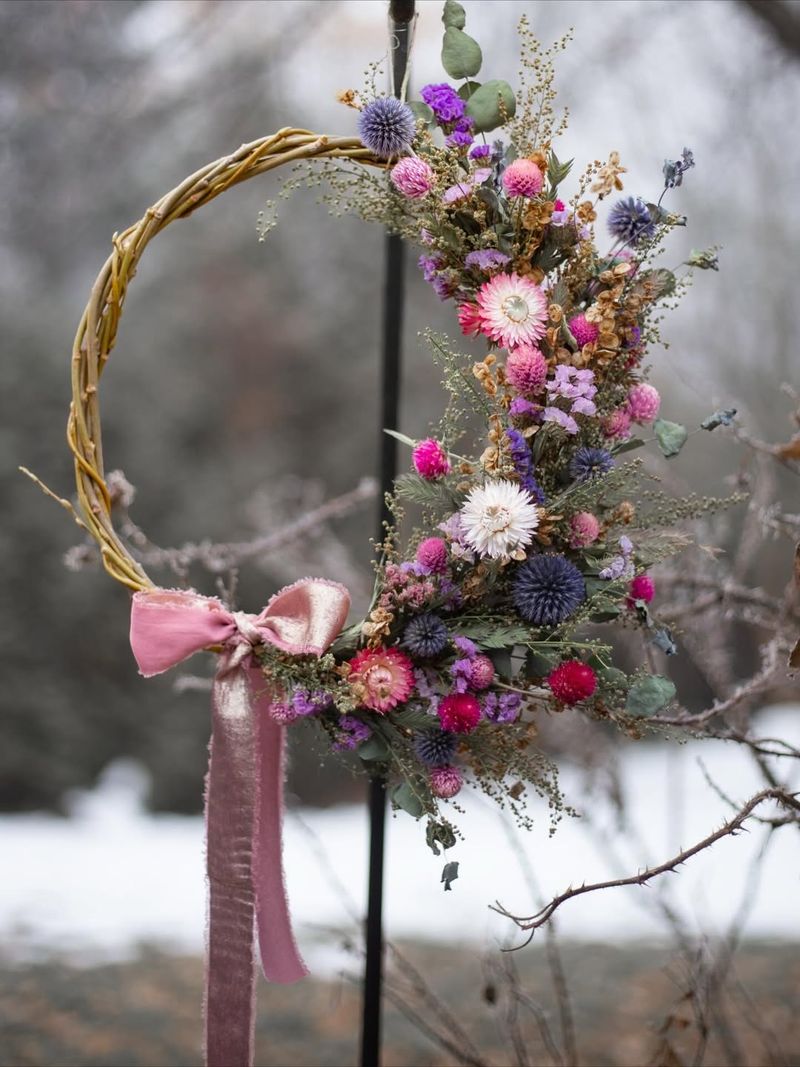
The beauty of dried flower arrangements often lies not just in the blooms themselves but in how they are assembled.
Georgia gardeners embrace simple, visible construction techniques that add to the handmade charm of their mantel décor.
Floral wire, natural twine, jute rope, and grapevine serve both functional and aesthetic purposes.
Rather than hiding the mechanics of an arrangement, gardeners often feature these materials as design elements.
Twine wrapped around stem bundles creates rustic texture and a farmhouse feel.
Copper or natural-colored floral wire adds subtle metallic accents while securing flowers in place.
Grapevine, which grows abundantly in Georgia, can be shaped into bases for arrangements or used to create loose, organic structures.
Dried flowers are then tucked into the curves and loops of the vine, creating depth and movement.
This technique gives arrangements an artisanal quality that feels intentional and carefully crafted.
The visible use of simple materials also communicates that these decorations were made by hand with care and creativity.
There is honesty in showing how things are put together rather than concealing all the work.
This transparency aligns with current design trends favoring authenticity and craftsmanship over perfection and mass production, making Georgia mantel displays feel current while honoring traditional skills.
Layering Candles Among Dried Florals Safely
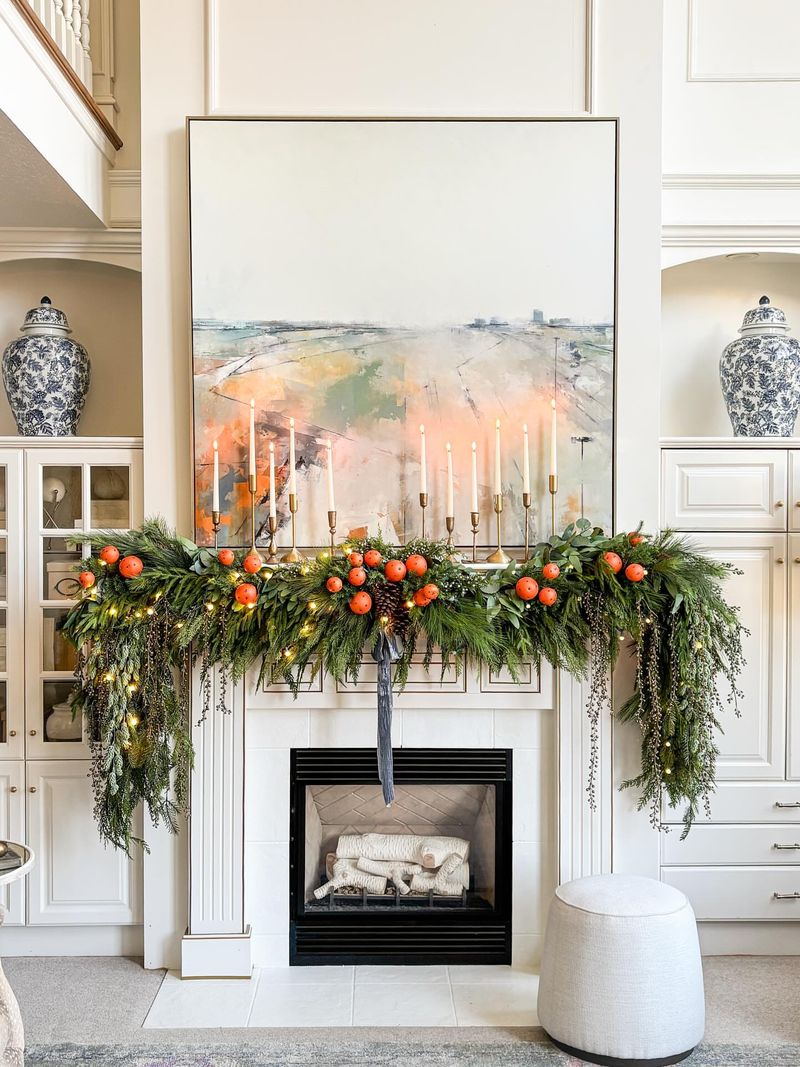
Candlelight brings warmth and ambiance to Christmas mantels, but safety must always come first when combining flames with dried materials.
Georgia gardeners carefully position candles among their dried flower arrangements using smart spacing and protective measures.
Pillar candles in glass hurricanes or on raised stands keep flames safely elevated above flammable materials.
LED candles have become increasingly popular for their realistic flicker without any fire risk.
These battery-operated options allow gardeners to nestle lights directly among dried flowers for a magical glow.
Many feature timers that automatically turn candles on each evening, creating consistent ambiance throughout the season.
When using real candles, gardeners maintain at least six inches of clearance between flames and any dried materials.
They never leave burning candles unattended and always extinguish them before leaving the room or going to bed.
Some place candles on one end of the mantel with dried arrangements on the other for complete separation.
The combination of soft candlelight and natural dried flowers creates an inviting atmosphere perfect for holiday gatherings.
Shadows cast by seed heads and flower stems dance on walls, adding movement and dimension to the space.
This thoughtful layering transforms a simple mantel into a focal point that draws family and friends together throughout the Christmas season.
Storing And Reusing Arrangements Each Year
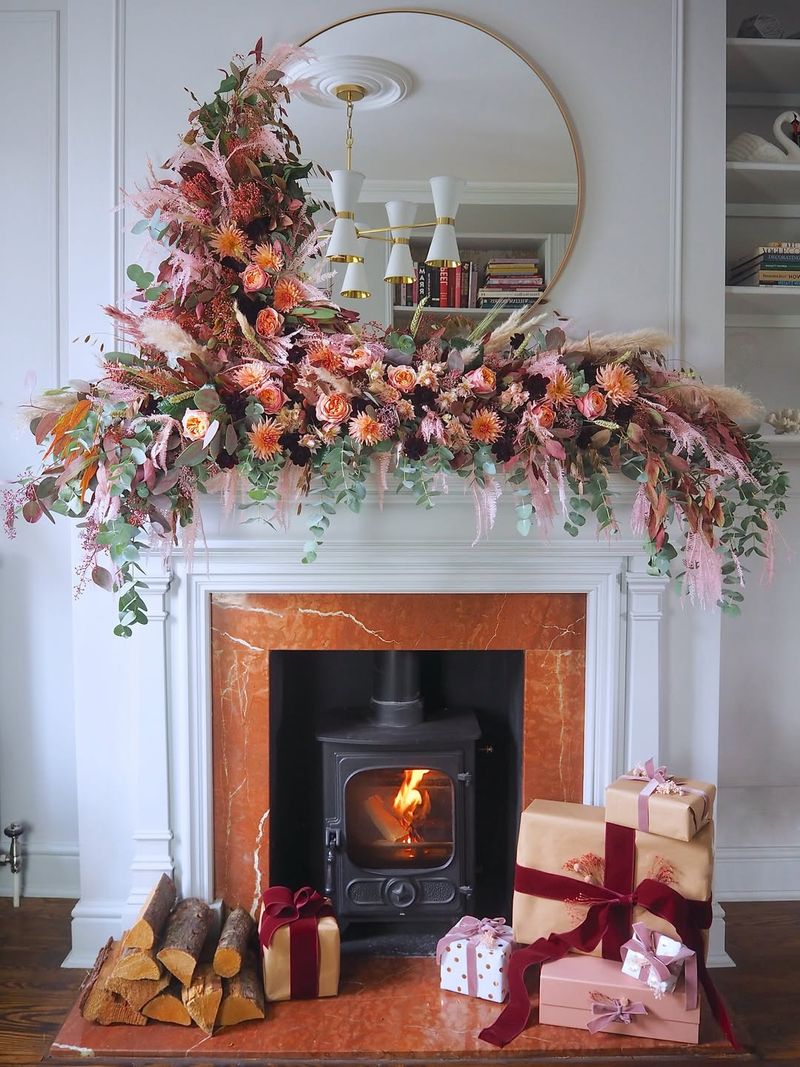
Sustainability matters to Georgia gardeners who invest time and effort into creating dried flower arrangements.
Proper storage ensures these beautiful mantel decorations can be enjoyed for multiple Christmas seasons.
After the holidays, gardeners carefully disassemble or wrap arrangements for protection during the off-season.
Breathable storage containers like cardboard boxes or cotton bags work better than plastic bins that can trap moisture.
Tissue paper or newspaper gently cushions delicate blooms and prevents crushing during storage.
Some gardeners hang small bundles from hooks in closets or attics where air circulation prevents mold growth.
Before storing, arrangements are inspected for any signs of moisture, insects, or deterioration.
Flowers that have become too brittle or faded can be composted, while sturdy specimens are saved.
A light dusting with a soft brush removes any accumulated dust from the season.
When the next Christmas approaches, stored dried flowers emerge ready for reuse with minimal refreshing needed.
Gardeners often add a few newly dried stems to update arrangements or change color schemes slightly.
This practice reduces waste, saves money, and creates evolving decorations that gain sentimental value over time, with each bloom carrying memories of the garden and season in which it grew.