How Georgia Gardeners Pick Between Deciduous And Coniferous Trees
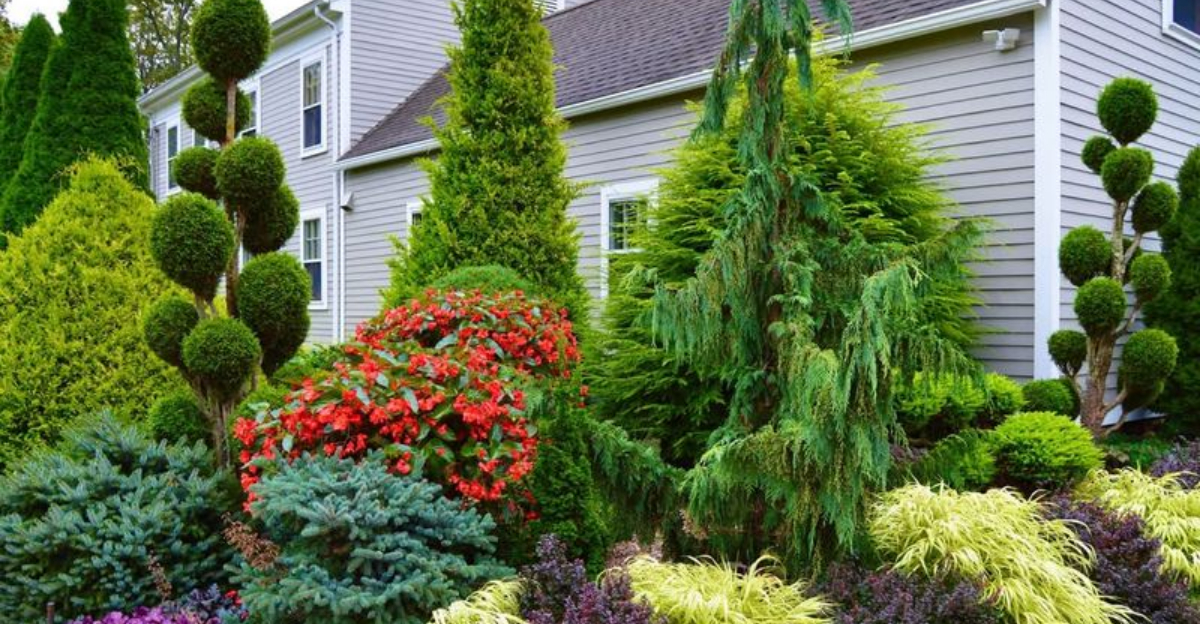
Georgia landscapes demand smart choices, and trees sit at the top of that list.
Between humid summers, mild winters, and sudden storms, not every option earns its keep.
Deciduous trees promise broad shade, seasonal color, and winter light, while coniferous types deliver steady green, privacy, and wind control all year long.
Each path shapes a yard’s look, upkeep, and comfort for decades.
Soil type, space, wildlife goals, and power lines all weigh in on the decision, even when homeowners overlook them at first glance.
One wrong pick can mean constant cleanup or poor growth.
A good pick feels effortless once established.
Georgia gardeners learn to read their land, balance beauty with function, and choose trees that suit both climate and lifestyle.
When roots settle in the right place, everything else falls into line.
Climate Compatibility With Georgia’s Weather Patterns
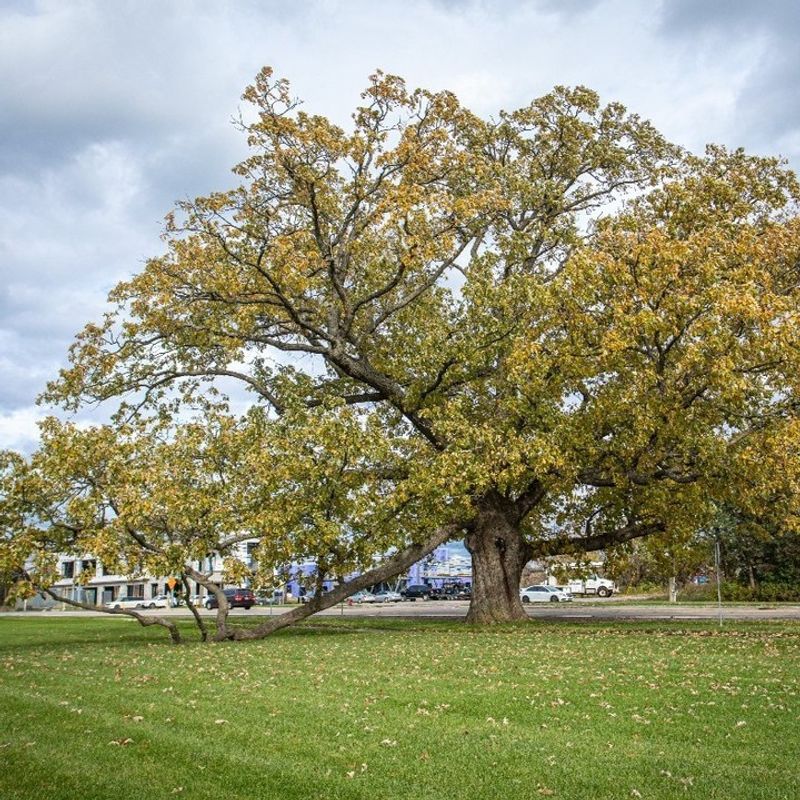
Georgia experiences hot, humid summers and mild winters that create specific growing conditions for trees.
Deciduous varieties like oaks and maples thrive because they can handle temperature swings and summer heat while shedding leaves to conserve energy during cooler months.
Coniferous options such as Southern pines and cedars also flourish since they tolerate the state’s moisture levels and occasional drought periods.
Your location within Georgia matters significantly when choosing between these tree types.
Northern mountain regions with cooler temperatures support a wider range of conifers, while coastal areas favor heat-resistant deciduous species.
Central Georgia offers flexibility for both categories, giving gardeners more creative freedom.
Temperature extremes rarely occur in this state, but occasional cold snaps can stress certain evergreens not adapted to the region.
Native species always perform better because they evolved alongside Georgia’s weather cycles.
Research which trees naturally grow in your county before making final selections.
Rainfall patterns also influence tree health and growth rates throughout the year.
Deciduous trees typically need consistent moisture during their growing season from spring through early fall.
Conifers often demonstrate better drought tolerance once established, requiring less frequent watering during dry spells.
Matching tree water needs to your area’s precipitation patterns saves time and resources.
Seasonal Color Changes And Visual Interest
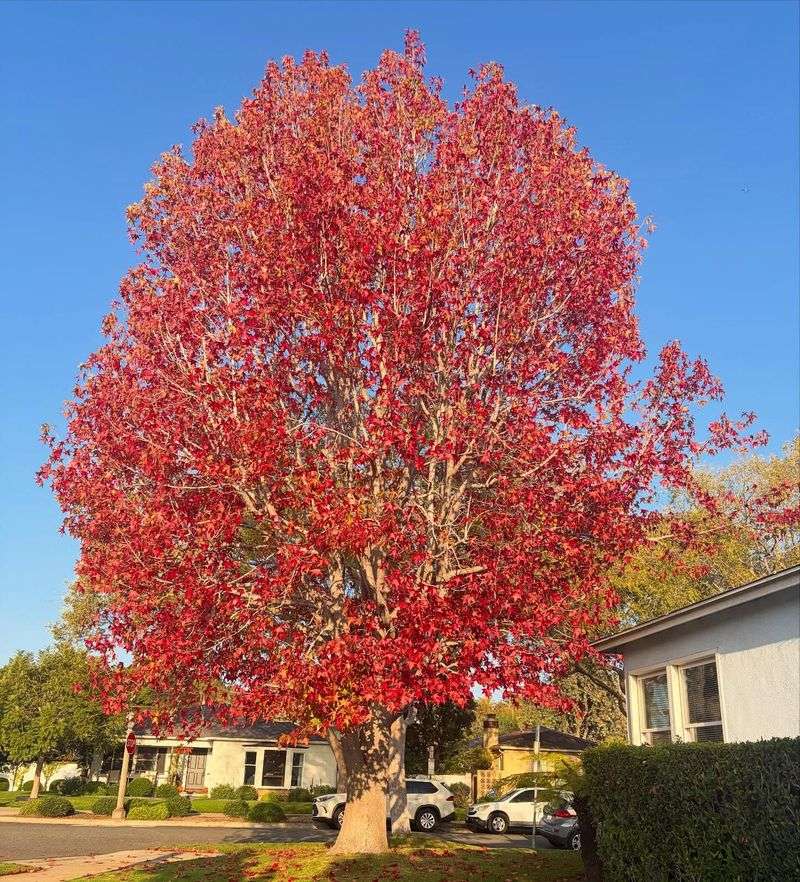
Nothing beats the spectacular autumn display when deciduous trees burst into brilliant reds, oranges, and yellows across your property.
Species like sweetgum, dogwood, and red maple create stunning visual transformations that mark the changing seasons.
These color shows become neighborhood highlights that increase curb appeal and property value.
Coniferous trees maintain their green needles throughout winter, providing consistent color when deciduous neighbors stand bare.
This evergreen quality keeps your landscape looking vibrant during months when other plants go dormant.
Many homeowners appreciate having year-round greenery that prevents their yards from appearing empty or lifeless.
Combining both tree types creates dynamic landscapes with continuous visual interest across all four seasons.
Spring brings fresh deciduous foliage alongside established conifer growth.
Summer showcases lush canopies from both categories working together harmoniously.
Winter reveals the architectural beauty of deciduous branches while conifers supply needed color contrast.
Consider your personal preference for seasonal drama versus steady consistency when making selections.
Some gardeners love watching nature’s transitions, while others prefer predictable appearance throughout the calendar year.
Your aesthetic goals should guide which tree type dominates your planting plan.
Mixing varieties offers the best compromise for enjoying multiple seasonal perspectives.
Maintenance Requirements And Cleanup Tasks
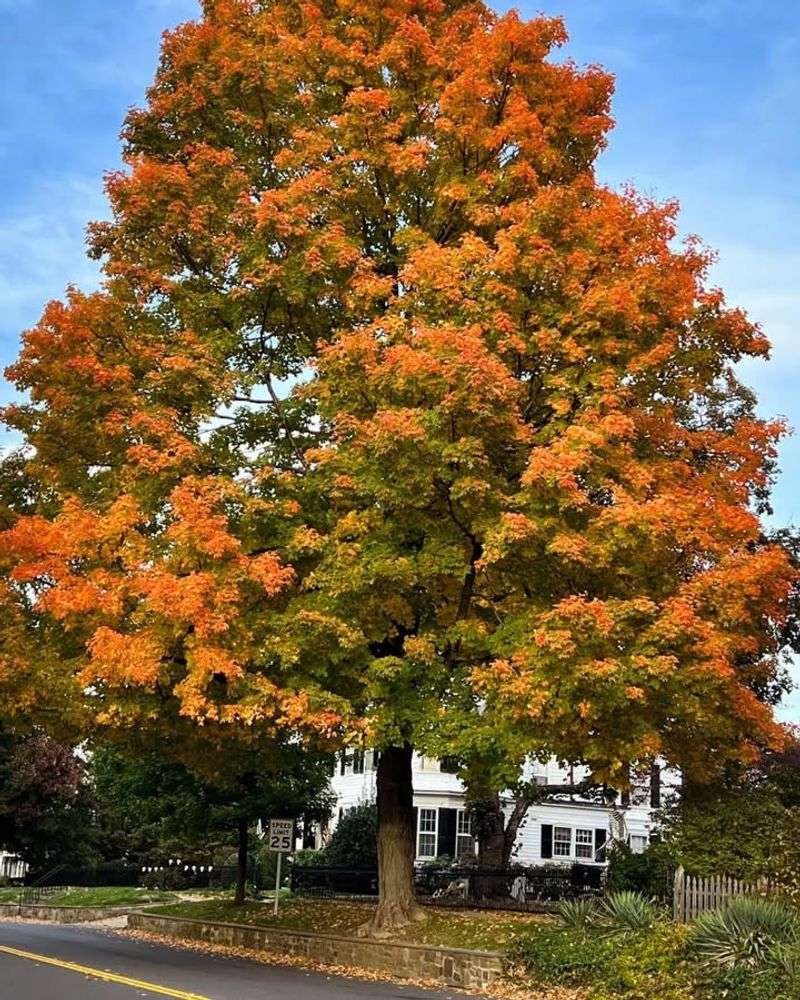
Deciduous trees shed their entire leaf canopy each autumn, creating substantial cleanup work that continues for several weeks.
Raking, bagging, and disposing of fallen leaves becomes a regular weekend activity during October and November.
This seasonal chore requires time, energy, and sometimes professional help depending on your property size.
Coniferous trees drop needles gradually throughout the year rather than all at once.
This spreading out of debris means less dramatic cleanup periods but more frequent light maintenance.
Pine needles accumulate slowly and often serve as natural mulch beneath trees, reducing the need for removal.
Branch pruning needs differ significantly between these two categories of trees.
Deciduous varieties typically require more frequent trimming to maintain shape and remove damaged limbs after storms.
Conifers usually need minimal pruning except for shaping young specimens or removing lower branches for clearance.
Pest and disease management varies depending on species rather than tree category alone.
Both types face potential problems that require monitoring and occasional treatment.
Deciduous trees show stress symptoms more obviously through leaf discoloration or early dropping.
Conifer problems often appear as needle browning or reduced growth that develops more gradually.
Factor your available time for yard work into your decision-making process when selecting trees.
Wildlife Habitat And Ecosystem Support
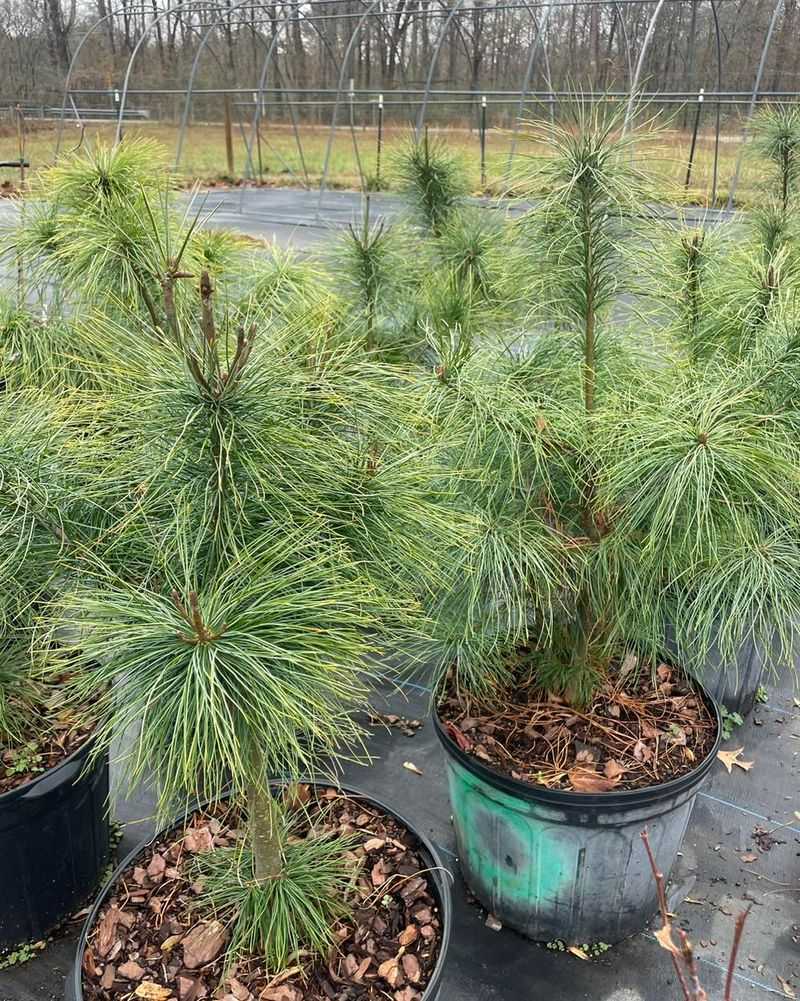
Both tree categories provide valuable resources for birds, squirrels, and other creatures that share Georgia landscapes.
Deciduous trees produce nuts, seeds, and fruits that feed wildlife during warmer months when food is abundant.
Their broad leaves support diverse insect populations that become protein sources for hungry birds raising young families.
Coniferous trees offer year-round shelter that becomes especially important during cold winter months.
Dense evergreen branches create protected spaces where birds roost overnight and escape harsh weather.
Pinecones provide seeds that sustain many species throughout seasons when other food sources disappear.
Native tree species always support more wildlife than non-native alternatives regardless of category.
Georgia oaks host hundreds of caterpillar species that feed baby birds during nesting season.
Native pines attract woodpeckers, nuthatches, and other specialized birds that depend on conifer ecosystems.
Creating diverse plantings with both deciduous and coniferous trees maximizes habitat value for local wildlife populations.
This variety ensures food and shelter availability across all seasons and weather conditions.
Gardeners who value nature and want to support biodiversity should include representatives from both groups.
Watching wildlife interact with your carefully chosen trees adds another rewarding dimension to your landscape enjoyment throughout the year.
Growth Rate And Maturity Timeline
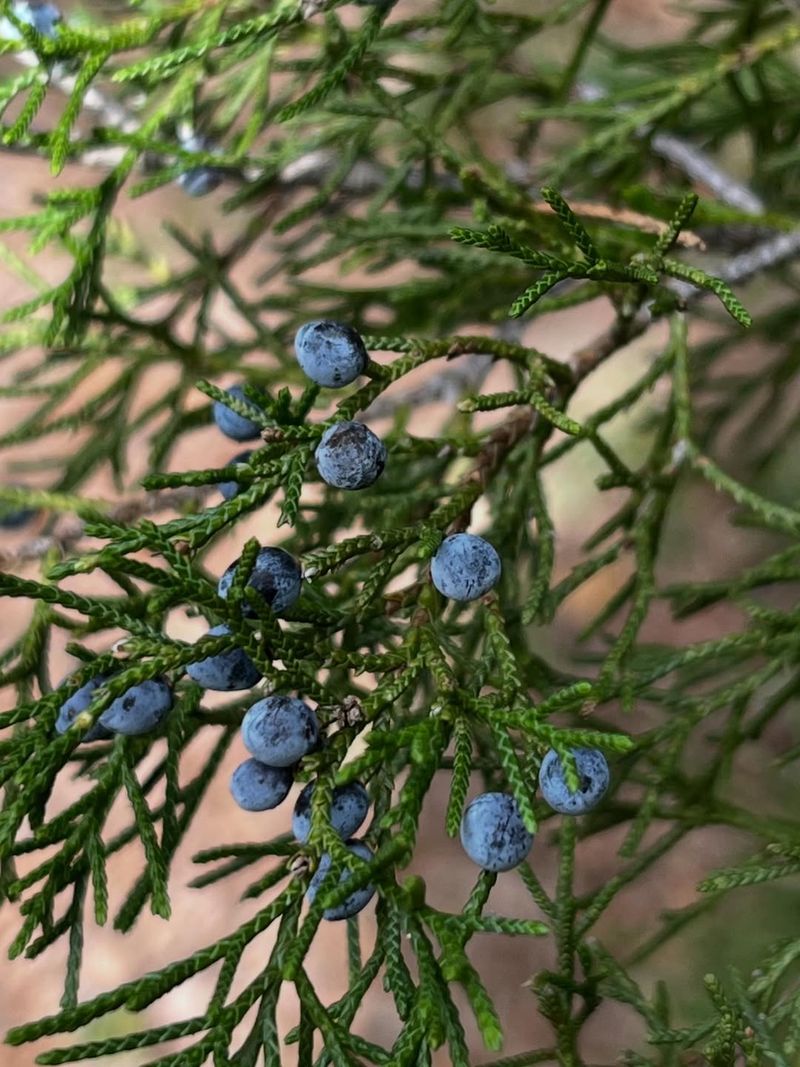
Fast-growing deciduous trees like river birch and tulip poplar can add several feet of height annually under ideal conditions.
These rapid growers provide shade and landscape impact much sooner than slower alternatives.
Homeowners wanting quick results often favor deciduous species that reach impressive sizes within just a few years.
Most coniferous trees grow more slowly and steadily, taking longer to reach mature dimensions.
Eastern red cedar and Leyland cypress represent faster-growing evergreen exceptions that gain height relatively quickly.
Traditional pine species typically develop at moderate paces, requiring patience before achieving full landscape presence.
Consider your timeline expectations when choosing between these tree types for your property.
Young families might prefer fast-growing deciduous varieties that provide shade before children grow up.
Retirees planning long-term landscapes might appreciate slower conifers that require less frequent replacement or management.
Growth rate affects spacing decisions since faster trees fill in gaps more quickly.
Slower-growing specimens need closer initial planting to achieve desired density within reasonable timeframes.
Mature size predictions help prevent overcrowding problems that develop years after planting.
Research expected dimensions for your chosen species to ensure adequate room for full development.
Proper spacing prevents future competition issues and maintains healthy growth throughout each tree’s lifespan in your landscape.
Shade Coverage And Summer Cooling Benefits
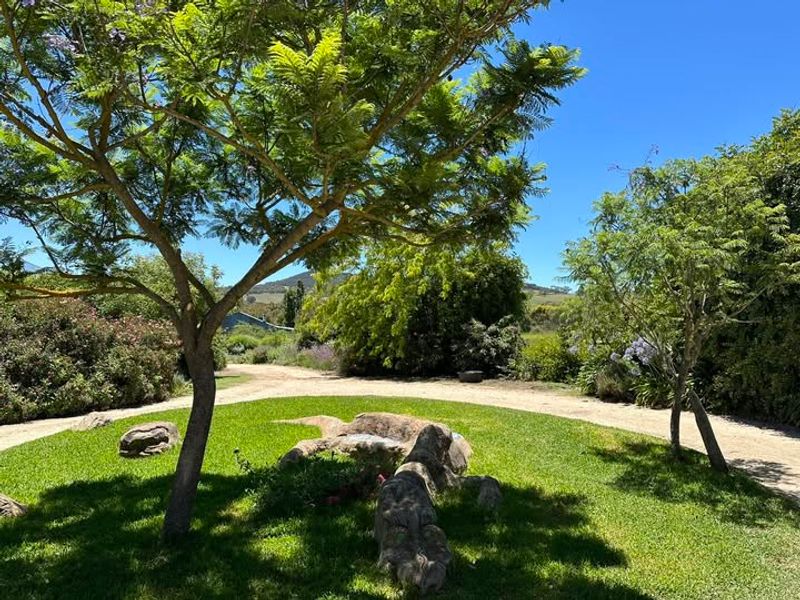
Deciduous trees excel at providing dense summer shade that significantly reduces cooling costs for nearby buildings.
Their broad, flat leaves create thick canopies that block intense Georgia sunlight during the hottest months.
Strategically placed deciduous trees on south and west sides of homes can lower air conditioning expenses by substantial percentages.
When winter arrives, these same trees drop their foliage and allow warming sunlight to reach buildings.
This seasonal adaptation provides natural climate control that benefits homeowners year-round.
The bare branches permit solar heat gain during cold months when you want extra warmth.
Coniferous trees maintain their needle coverage continuously, providing consistent but less dense shade throughout all seasons.
This evergreen characteristic blocks some winter sun that might otherwise warm your home naturally.
Placement becomes more critical with conifers since they never open up to allow seasonal light changes.
Shade density varies significantly among different tree species within each category.
Some deciduous varieties produce lighter, dappled shade while others create deep, dark coverage.
Conifer needle density determines how much light filters through their branches.
Evaluate your specific cooling and heating needs before selecting trees for energy efficiency purposes.
Professional landscape designers can help position trees optimally for maximum comfort and utility savings based on your home’s orientation and local climate patterns.
Root System Behavior And Foundation Safety
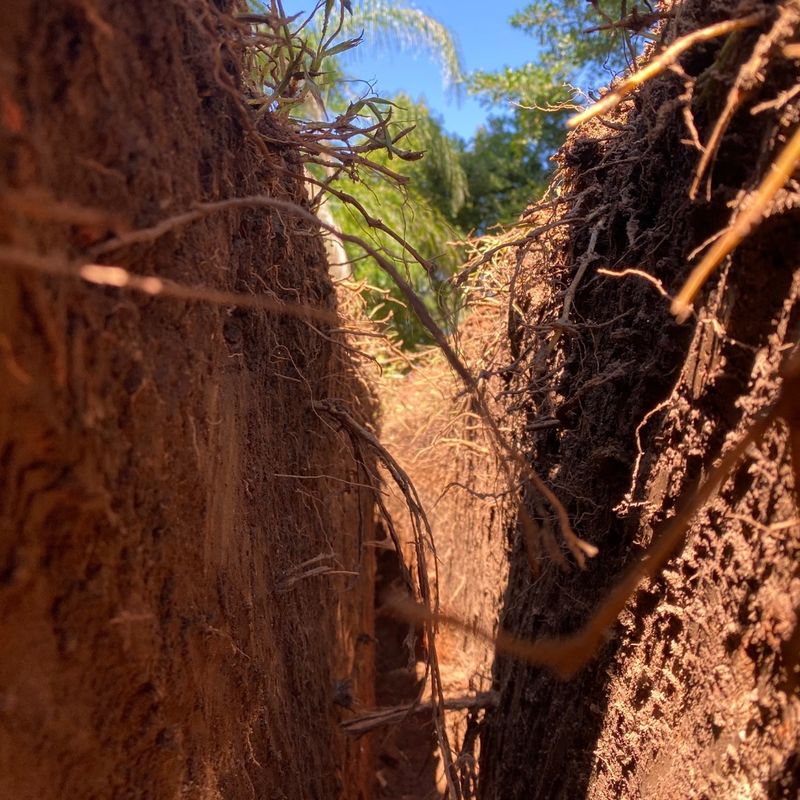
Understanding root growth patterns prevents expensive damage to driveways, sidewalks, and building foundations years after planting.
Many deciduous trees develop aggressive surface roots that lift pavement and create tripping hazards as they mature.
Species like silver maple and willow are notorious for invasive root systems that seek water sources aggressively.
Coniferous trees typically produce deeper, less disruptive root structures that stay below hardscapes.
Their roots spread outward underground without surfacing as frequently as some deciduous varieties.
This characteristic makes evergreens safer choices for planting near structures, utilities, and paved areas.
Proper planting distance from buildings and infrastructure prevents most root-related problems regardless of tree type.
Experts recommend keeping large trees at least twenty feet away from foundations and underground pipes.
Smaller specimens require less clearance but still need adequate space for healthy root development.
Soil conditions influence root behavior significantly since trees adapt their growth patterns to available resources.
Compacted clay soils encourage shallow root systems that cause more surface disruption.
Well-draining soil allows roots to penetrate deeper and spread more appropriately.
Research specific species root characteristics before finalizing placement decisions in your landscape.
Consulting with certified arborists helps identify the safest options for your particular property conditions and existing infrastructure layout.
Long-Term Investment And Property Value Impact
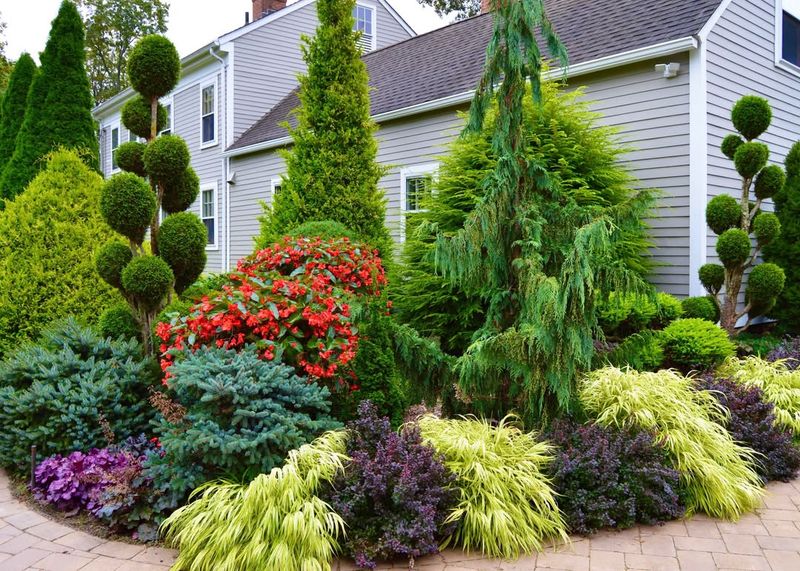
Mature trees significantly increase property values, with studies showing landscaped homes selling faster and for higher prices.
Deciduous shade trees are particularly valuable because buyers recognize their cooling benefits and aesthetic appeal.
Well-placed oaks, maples, and other hardwoods can add thousands of dollars to home appraisals.
Coniferous trees contribute to property value through privacy screening and year-round visual interest.
Evergreen windbreaks reduce heating costs and create secluded outdoor spaces that buyers appreciate.
Strategically planted conifers define property boundaries and buffer noise from nearby roads or neighbors.
Tree lifespan affects long-term landscape investment returns significantly between these two categories.
Many deciduous hardwoods live for centuries, providing benefits across multiple generations of homeowners.
Some fast-growing deciduous varieties have shorter lifespans that require eventual replacement.
Most coniferous trees offer moderate longevity, with native pines commonly surviving fifty to one hundred years.
Choosing longer-lived species maximizes your planting investment and reduces future replacement costs.
Consider both immediate impact and decades-long performance when making final selections.
Professional appraisers recognize quality landscaping as a significant asset during home valuations.
Investing in appropriate tree varieties for your Georgia property pays dividends through enhanced enjoyment and increased equity over time.