How Georgia’s Spring Sun Can Make Or Break Your Early Planting
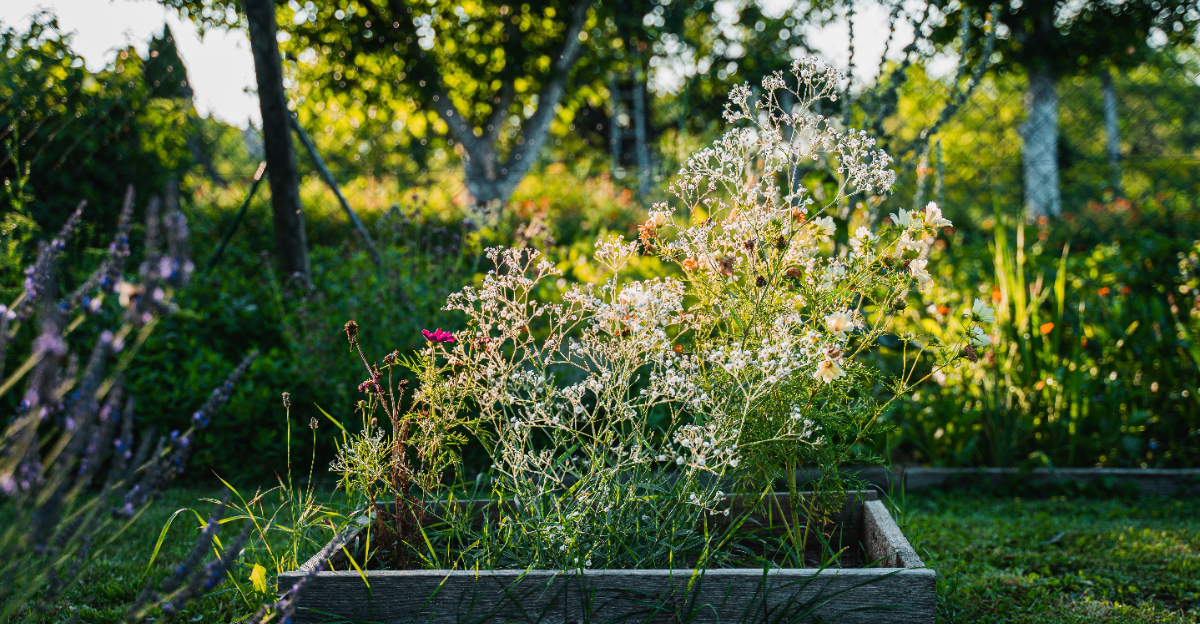
Georgia’s spring sun can feel like a signal that the growing season has fully arrived, especially after weeks of cool mornings and quiet garden beds.
Bright afternoons and rising temperatures often create the impression that planting early will give crops and flowers a head start.
The challenge is that strong sunshine does not always mean stable soil warmth or safe overnight conditions.
Beneath the surface, soil may still hold cold pockets that slow root development, while sudden temperature drops can shock young plants that looked perfectly fine during the day.
In Georgia, that early wave of sun has the power to either strengthen new plantings or set them back before growth truly begins. The difference often comes down to timing, soil temperature, and how well new plants adjust to shifting spring conditions.
1. Warm Days, Cold Soil: Why Georgia’s Early Sun Sends Mixed Signals
Bright sunshine in February can feel like a green light, but Georgia’s soil tells a completely different story. Air temperatures can climb into the 60s on a sunny afternoon while the ground stays stubbornly cold just a few inches below the surface.
Seeds need warmth from the soil, not just the sky, to sprout correctly and grow strong roots.
Gardeners across Georgia often make the mistake of planting too early simply because the days feel warm. A sunny afternoon can be deceiving, especially in the northern parts of the state where cold air lingers longer.
Soil needs consistent warmth, typically above 50 degrees Fahrenheit for most vegetables, before it can support healthy germination.
Checking soil temperature with an inexpensive thermometer before planting is one of the smartest moves any Georgia gardener can make. Push it a few inches into the ground in the morning, not after a sunny afternoon when surface readings spike temporarily.
Morning readings give you a more honest picture of what your seeds will actually experience.
Mixed signals from Georgia’s spring sun are not a reason to stay inside and wait. Instead, use those warm days to prepare your beds, add compost, and let the surface absorb heat gradually.
Black plastic mulch is a practical tool for warming soil faster and holding that warmth through cooler nights. Working with Georgia’s early sun, rather than trusting it blindly, puts your garden in a far stronger position when real planting time arrives.
2. Late Frost Risk Can Undo Progress Overnight
Georgia gardeners have a saying passed down through generations: never trust a warm March week without checking the forecast twice.
Late frosts are one of the most frustrating realities of early spring planting in Georgia, and they strike without much warning.
A clear, sunny day can drop into near-freezing temperatures by midnight, especially in the Piedmont and mountain regions of the state.
Most tender seedlings cannot survive a hard frost once they have broken through the soil. Tomatoes, peppers, and basil are especially vulnerable, and even a brief temperature drop below 32 degrees Fahrenheit can set your progress back by weeks.
Losing young plants to frost feels discouraging, but it happens to experienced gardeners too, not just beginners.
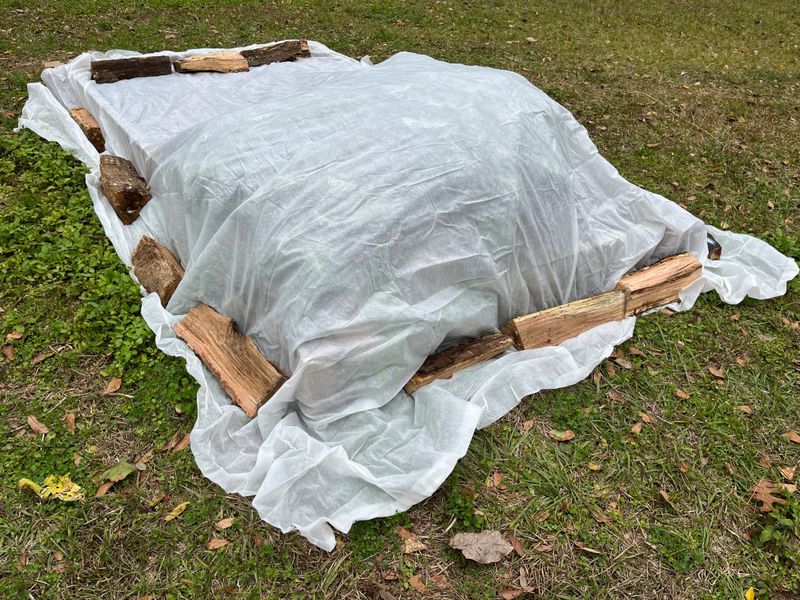
Protecting your plants during Georgia’s unpredictable spring nights is absolutely worth the effort. Row covers, old bedsheets, or even plastic buckets placed over individual plants can hold enough warmth to make a real difference.
Remove covers in the morning once temperatures rise so plants can absorb sunlight and breathe properly.
Checking the National Weather Service forecast specifically for your county in Georgia is smarter than relying on a general regional update.
Microclimates in Georgia vary widely, and a frost warning in one county does not always mean the next county over is safe.
Stay alert from late February through mid-April, because Georgia’s last frost date varies depending on where you live in the state. Preparation and attention are your best tools during this risky window.
3. Fast-Drying Topsoil Stresses Shallow Roots
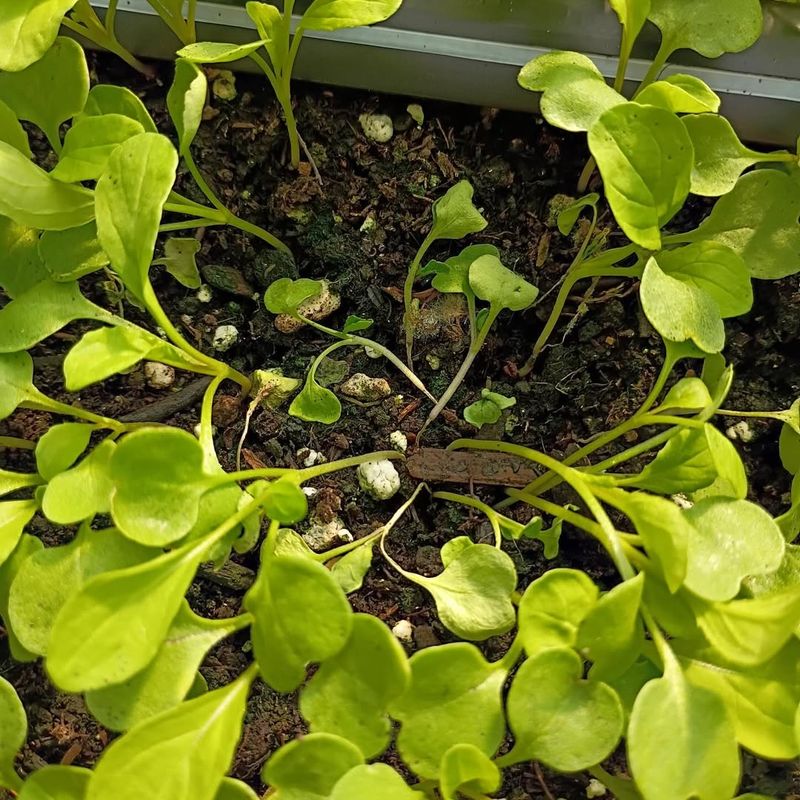
Few things stress a young plant faster than soil that dries out before its roots can reach deeper moisture. Georgia’s spring sun can be surprisingly intense even in March, pulling moisture right out of the topsoil within hours of watering.
Seedlings with shallow root systems are the most at risk because they cannot reach the cooler, wetter layers below.
Sandy soils found in many parts of south Georgia drain especially fast, making moisture management a top priority from the very first week of planting.
Clay-heavy soils in central and north Georgia hold water longer but can crust over on the surface, blocking airflow and making it hard for seedlings to push through.
Neither extreme is ideal, but both can be improved with organic matter like compost or aged bark mulch.
Mulching around your seedlings right after planting is one of the most effective ways to slow moisture loss from the topsoil.
A two-to-three-inch layer of straw or shredded leaves keeps the soil cooler, holds moisture longer, and reduces the need for frequent watering.
Water in the early morning so plants have moisture available before the afternoon sun peaks.
Shallow watering is a common mistake that actually encourages roots to stay near the surface, making plants even more vulnerable to fast soil drying. Water deeply and less frequently to train roots to grow downward.
In Georgia’s spring climate, deep-rooted plants handle dry spells far better and bounce back quicker after a hot afternoon than surface-rooted ones ever will.
4. Sudden Temperature Swings Shock Tender Seedlings
Sixty-five degrees by noon and forty degrees by nightfall is not unusual for a Georgia spring week, and young plants feel every single degree of that swing.
Temperature fluctuations this dramatic can slow growth, cause leaf curl, and weaken stems that have not had time to develop fully.
Seedlings grown indoors under consistent conditions are especially unprepared for this kind of outdoor stress.
Plants respond to sudden cold by pulling energy away from growth and redirecting it toward survival. When warmth returns the next afternoon, they try to resume growing, but the back-and-forth exhausts them over time.
Repeated cycles of warming and cooling can stunt plants in ways that affect their productivity for the entire season, not just the early weeks.
Choosing planting spots wisely in your Georgia garden can reduce exposure to the worst temperature swings. South-facing beds near a wall or fence absorb and hold more heat, creating a slightly warmer microclimate than open garden areas.
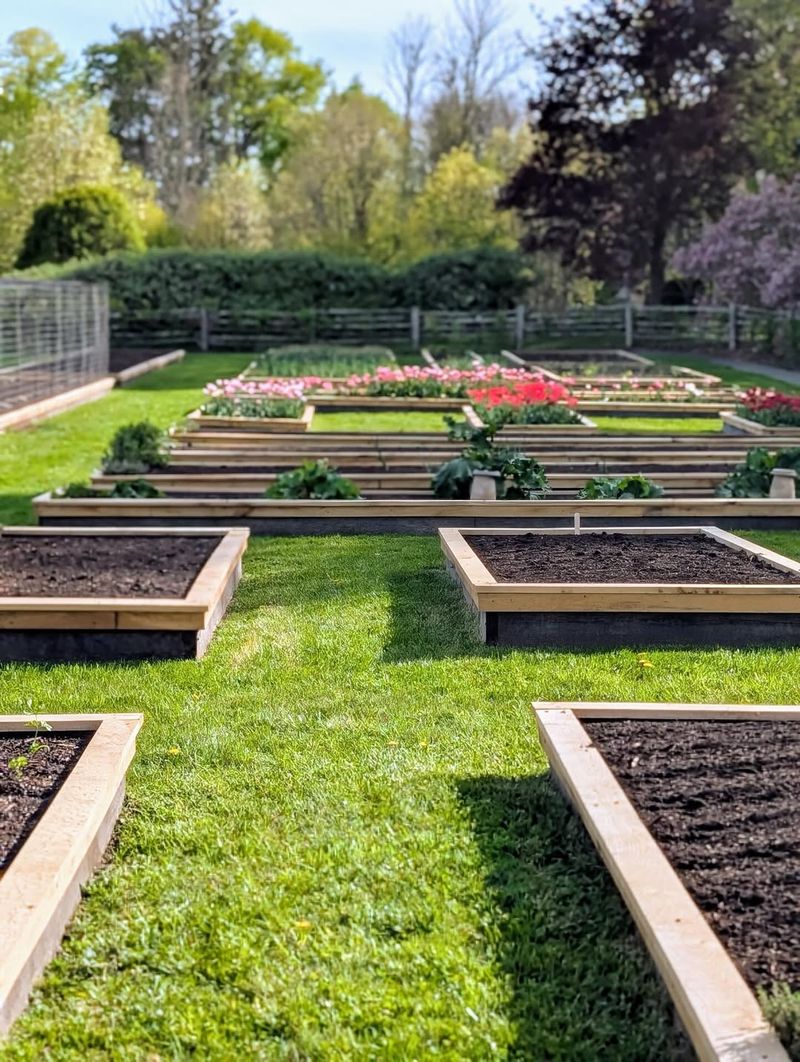
Raised beds also warm faster in the morning and hold warmth longer into the evening, giving seedlings more stable conditions overall.
Watching your plants closely during temperature swing periods gives you early warning signs before serious problems develop. Yellowing leaves, drooping stems, or slowed growth after a dramatic weather shift are all signals worth paying attention to.
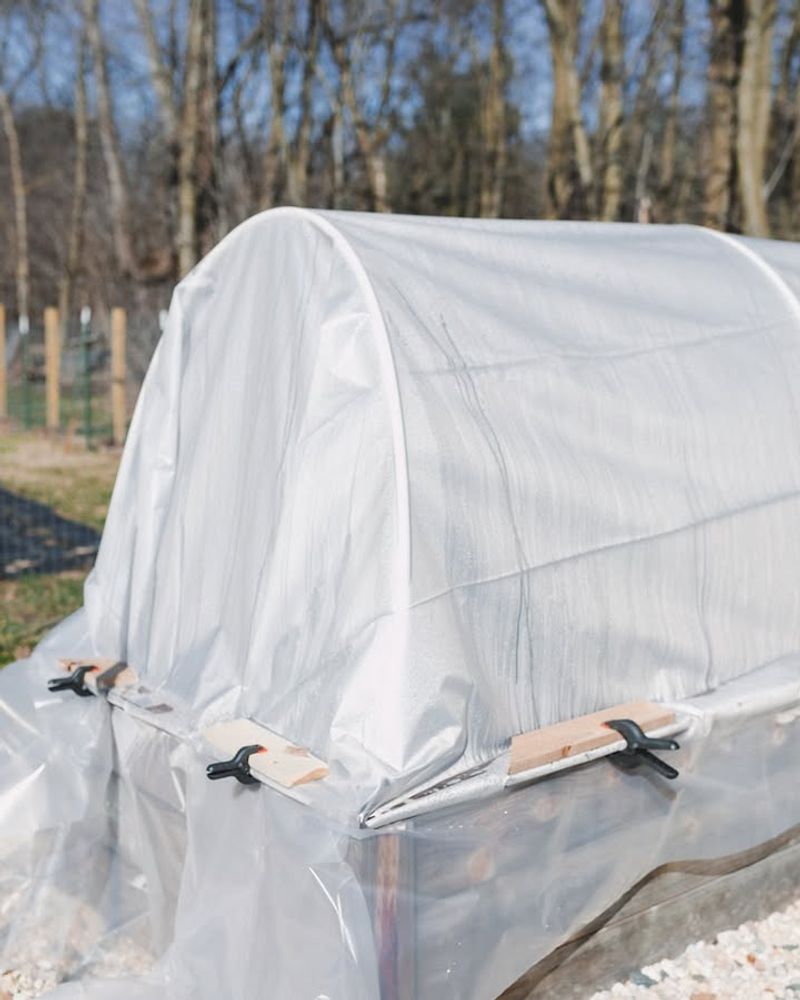
Adding a light row cover on nights when temperatures are expected to drop sharply is a simple, low-cost way to buffer Georgia’s spring swings and keep your seedlings on a steadier growth path through the most unpredictable weeks of the season.
5. Intense Afternoon Light Can Scorch New Transplants
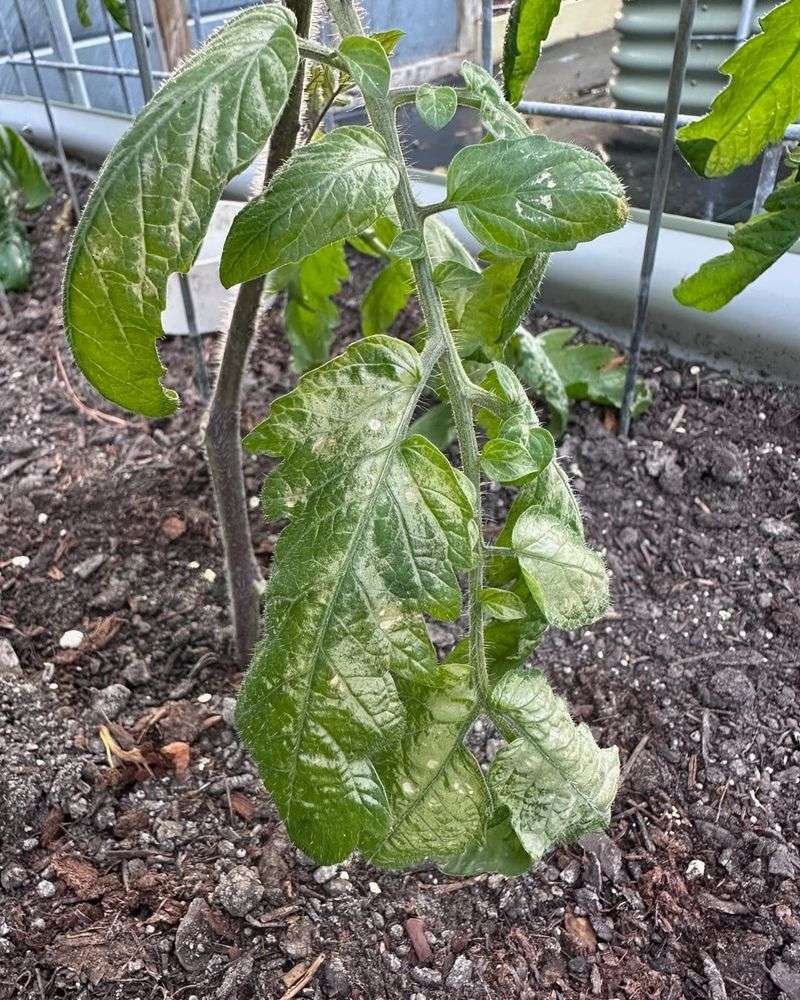
Transplanting seedlings directly into full Georgia sun without any transition period is a fast way to end up with bleached, scorched leaves within a day or two. Afternoon sun in Georgia, even in early spring, carries more intensity than most people expect.
Seedlings grown under grow lights or in a shaded greenhouse have never experienced that level of direct radiation before.
Sun scorch on new transplants shows up as white or tan patches on leaves, usually starting at the tips and edges. Once leaf tissue is scorched, it cannot recover, and the plant must redirect energy into producing new growth instead of establishing roots.
That setback can delay fruiting by weeks, especially in warm-season crops like tomatoes and squash.
Timing your transplanting for late afternoon or on a cloudy day gives new plants a gentler introduction to outdoor conditions. Avoid transplanting on the hottest, brightest days of the week, even if the calendar says it is time.
A few extra days of waiting for better conditions is always a smarter move than rushing and watching your work unravel.
Shade cloth rated at 30 to 40 percent is a practical investment for Georgia gardeners who want to protect new transplants during their first week outdoors.
Drape it over hoops or a simple frame above the plants for the first five to seven days, then remove it gradually to let them adjust.
Afternoon shade from a nearby tree or structure can also work well, especially for seedlings planted along the western side of your Georgia garden beds.
6. Soil Temperature Matters More Than Air Temperature
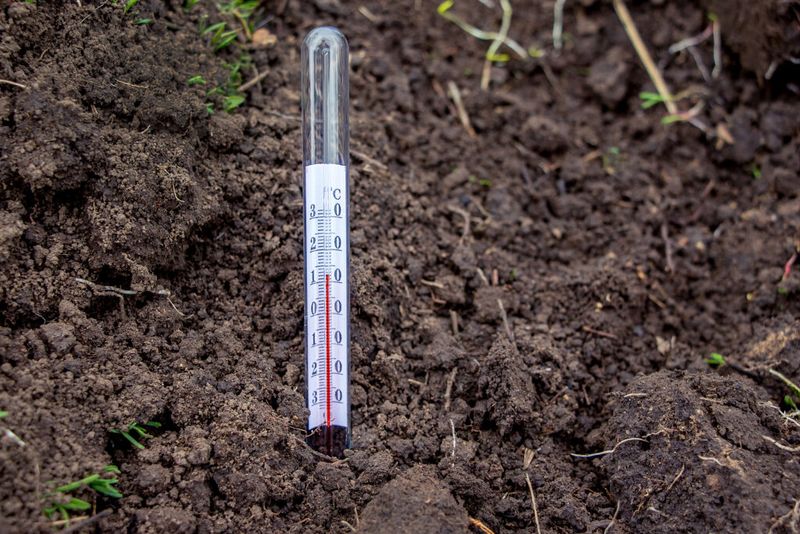
Air temperature gets all the attention on weather apps and forecasts, but soil temperature is what actually controls whether your seeds germinate or sit dormant in the ground.
Plenty of Georgia gardeners plant on a warm sunny day only to wait weeks for sprouts that never come, simply because the soil was not warm enough to trigger germination.
Seeds are not fooled by a pleasant afternoon the way people are.
Each crop has its own soil temperature requirement, and knowing those numbers before you plant saves a lot of frustration.
Beans need soil above 60 degrees Fahrenheit, corn prefers 65, and warm-season crops like cucumbers and melons really want 70 degrees or warmer before they perform well.
Cool-season crops like lettuce and spinach are more forgiving, germinating in soil as cool as 40 degrees.
Georgia’s soil warms unevenly depending on location, elevation, and soil type. North Georgia gardens near the mountains can run two to three weeks behind south Georgia gardens in terms of soil warming, even when air temperatures feel similar.
Raised beds and dark-colored containers warm significantly faster than in-ground beds because they absorb more sunlight and lose less heat to the surrounding earth.
Tracking soil temperature over several consecutive mornings gives you a reliable average rather than a single reading that might be skewed by the previous day’s weather.
Free soil temperature maps from university extension services in Georgia are also helpful tools for planning.
Planting by soil temperature rather than calendar date is one of the most reliable habits any Georgia gardener can develop for consistent, strong results every season.
7. Hardening Off Is The Difference Between Survival And Setback
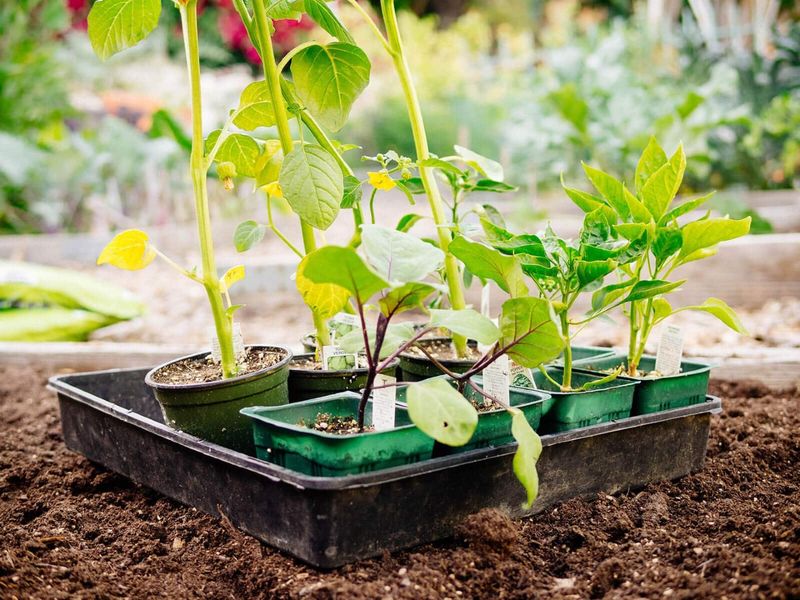
Skipping the hardening off process is one of the most common mistakes made by enthusiastic Georgia gardeners eager to get their seedlings into the ground.
Hardening off simply means gradually introducing indoor-grown plants to outdoor conditions over a period of seven to ten days.
Without it, even healthy seedlings can struggle badly when moved directly from a controlled indoor environment into Georgia’s unpredictable spring weather.
Start by placing seedlings outside in a shaded, sheltered spot for just two to three hours on the first day. Gradually increase their outdoor time each day, and begin introducing them to direct morning sunlight by the middle of the week.
By the end of ten days, plants should be spending full days outside and handling direct sun without showing stress.
Wind is often overlooked during hardening off, but it plays a real role in plant toughening. Gentle outdoor breezes cause stems to flex and strengthen in ways that indoor air simply cannot replicate.
Stronger stems mean better support for fruit later in the season, and better resistance to the kind of gusty spring storms Georgia is known for.
Georgia’s spring afternoons can turn windy, rainy, or suddenly cold, so keep an eye on the forecast during your hardening off window. Bring plants back inside if temperatures drop below 45 degrees or if strong storms are expected.
Rushing this process to save a few days almost always results in setbacks that cost more time in the long run. Patience during hardening off pays off with stronger, more productive plants throughout Georgia’s growing season.