How Gravel Gardens Are Transforming Montana Yards
Montana homeowners are discovering a landscaping revolution happening right in their own backyards.
Gravel gardens are replacing traditional grass lawns across the state, bringing beauty and practicality together in exciting new ways.
With Montana’s dry summers and unpredictable weather, these rock-based landscapes offer smart solutions that save time, water, and money while looking absolutely stunning.
From Billings to Missoula, yards are being transformed into low-maintenance havens that celebrate the natural beauty of Big Sky Country.
What Makes A Gravel Garden Special
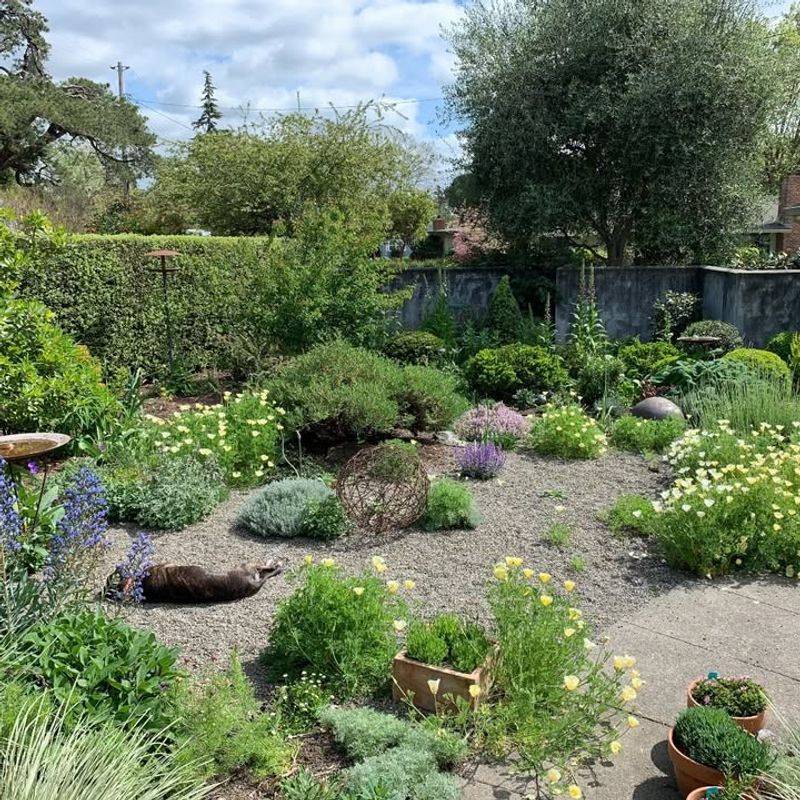
A gravel garden replaces traditional grass with layers of stones, rocks, and carefully selected plants that thrive without much water.
Instead of mowing every weekend, homeowners arrange different sizes of gravel to create texture and visual interest.
Montana residents are falling in love with this landscaping style because it matches the state’s natural rocky terrain perfectly.
The gardens use less water than traditional lawns, which matters greatly during hot, dry summers when water restrictions become common.
Popularity is growing because maintenance takes just a fraction of the time compared to grass care.
No fertilizing, minimal weeding, and zero mowing means weekends free for hiking or fishing instead of yard work.
The environmental benefits attract eco-conscious homeowners who want sustainable landscaping options.
Gravel gardens reduce runoff, prevent soil erosion on slopes, and create habitats for beneficial insects and wildlife.
Cost savings add up quickly when water bills drop and expensive lawn equipment sits unused.
Many Montana families discover that converting to gravel gardens pays for itself within just a few years through reduced maintenance expenses and water conservation.
Climate Benefits That Matter In Big Sky Country
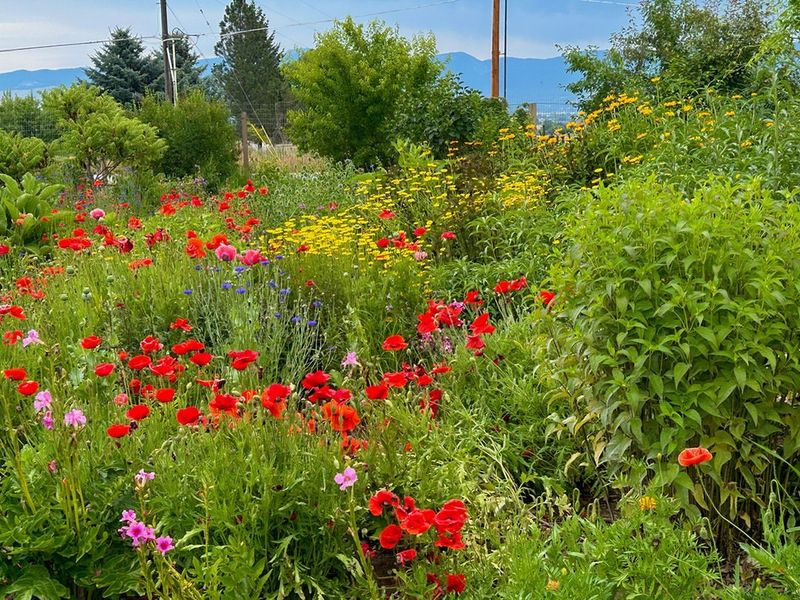
Montana’s climate throws curveballs with scorching summers, bitter winters, and unpredictable rainfall patterns throughout the year.
Gravel gardens handle these extreme conditions like champions, requiring minimal intervention regardless of weather changes.
Drought tolerance stands out as the biggest advantage for Montana homeowners facing water scarcity.
Traditional lawns demand constant watering during summer months, but gravel gardens thrive with occasional rainfall and very little supplemental irrigation.
Soil erosion becomes a serious problem on Montana’s hillside properties when heavy rains wash away topsoil.
Gravel acts as protective armor, holding soil in place while allowing water to drain naturally without creating muddy runoff.
Reduced mowing needs mean no more struggling with lawn equipment on hot afternoons or worrying about brown patches during heat waves.
The gravel stays consistent and attractive regardless of temperature fluctuations or precipitation levels.
Winter freeze-thaw cycles that damage traditional lawns barely affect gravel gardens at all.
Rocks and hardy plants survive Montana’s harsh winters without special protection, emerging beautiful when spring arrives without needing reseeding or repairs.
Plants That Thrive In Rocky Montana Soil
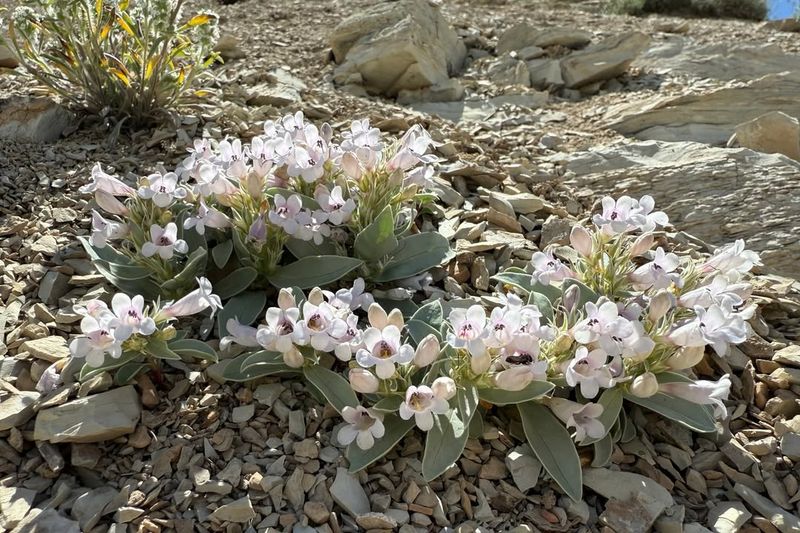
Native perennials form the backbone of successful Montana gravel gardens because they evolved to handle local conditions perfectly.
Prairie coneflowers bring bright yellow blooms, while penstemon varieties add purple, pink, and red colors throughout summer months.
Succulents like sedums and hens-and-chicks create living carpets between rocks, storing water in their thick leaves for dry periods.
Their fleshy textures contrast beautifully with harder rock surfaces, and they require almost zero maintenance once established.
Ornamental grasses add movement and texture that changes with seasons and wind patterns across Montana’s open landscapes.
Blue grama grass stays compact and turns golden in fall, while feather reed grass provides vertical interest reaching several feet tall.
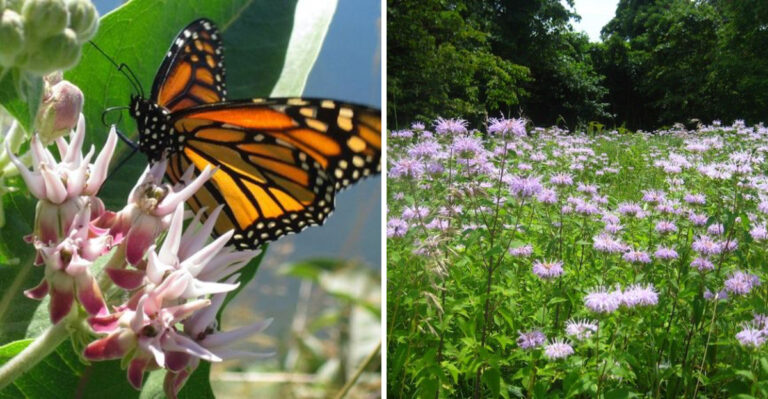
Blanket flowers and black-eyed Susans deliver cheerful blooms that attract butterflies and bees throughout growing seasons.
Both species handle Montana’s temperature swings without complaint and reseed themselves naturally for expanding displays.
Yucca plants bring architectural drama with spiky leaves and tall flower stalks that seem perfectly suited to Montana’s western character.
Their extreme drought tolerance means they’ll look fantastic even during the driest summers when water restrictions limit irrigation options completely.
Creative Design Ideas For Eye-Catching Yards
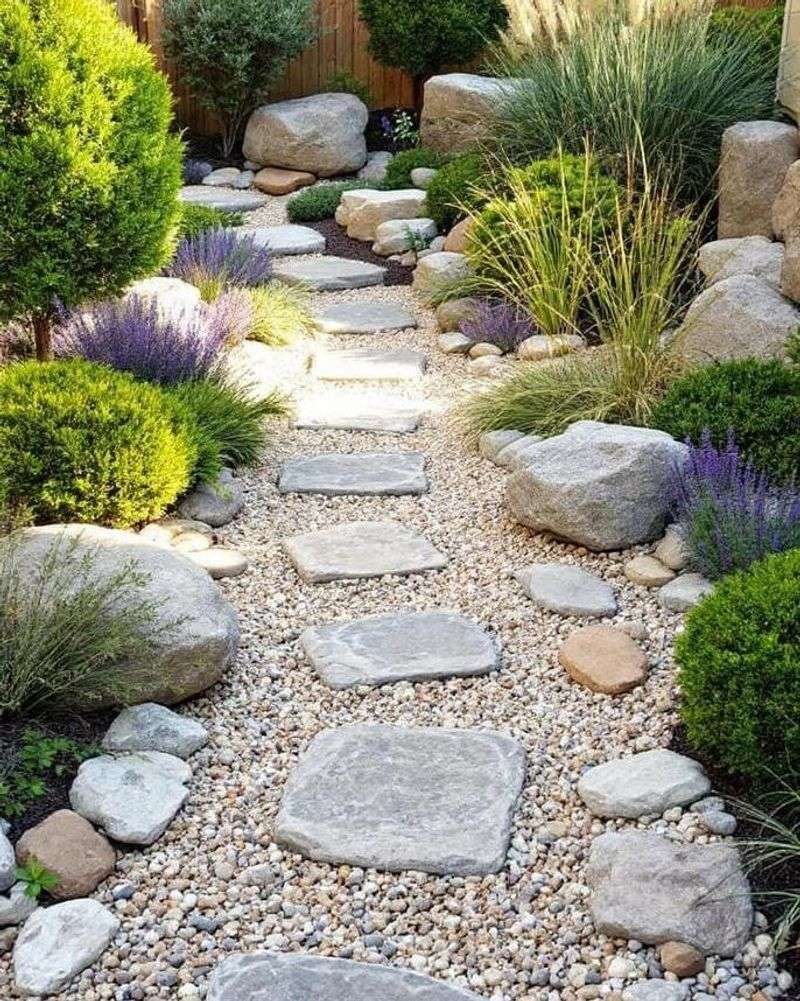
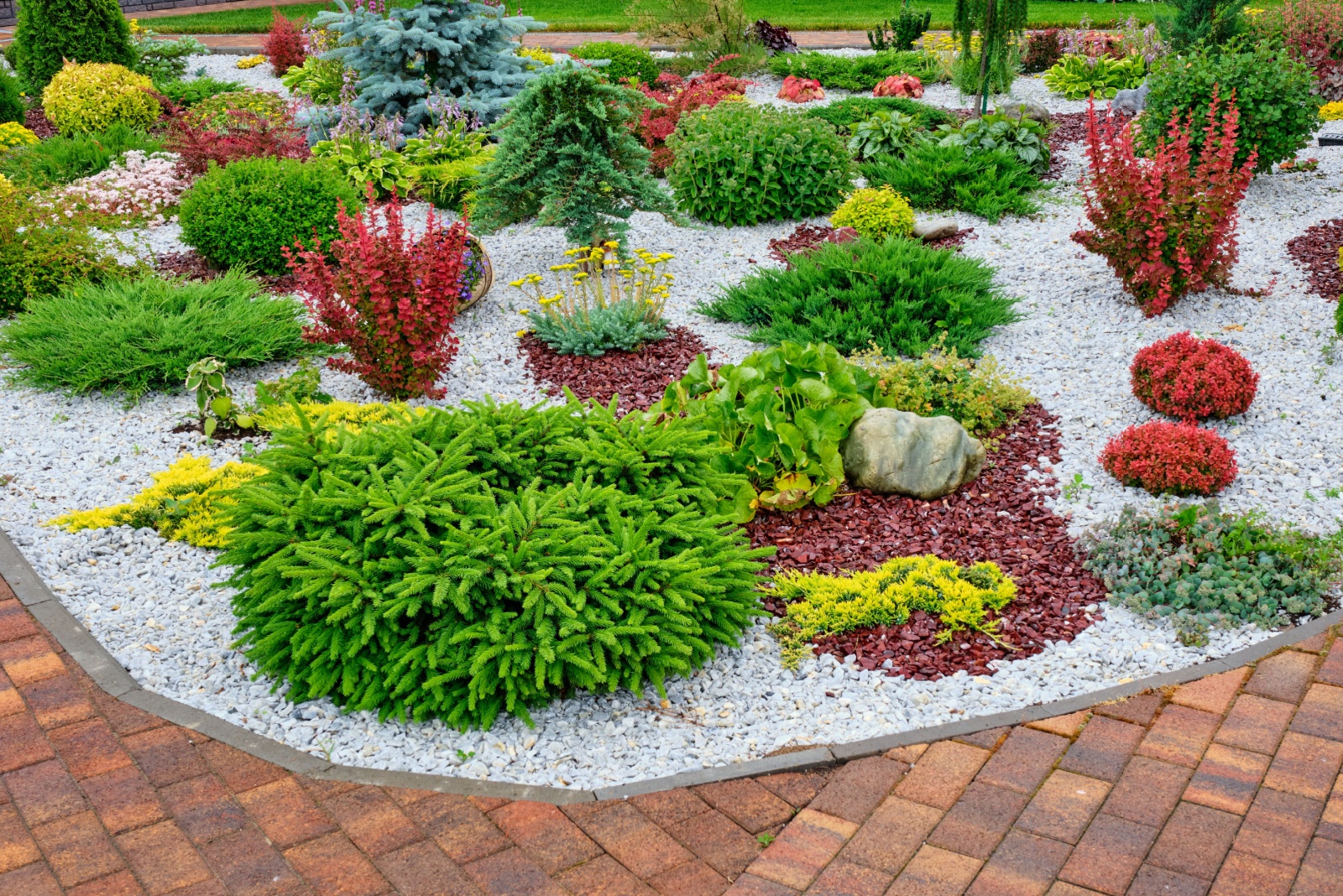
Layering different rock sizes creates depth and visual interest that makes gravel gardens feel intentional rather than simply utilitarian.
Large boulders serve as focal points, medium stones fill spaces, and small pea gravel provides smooth groundcover.
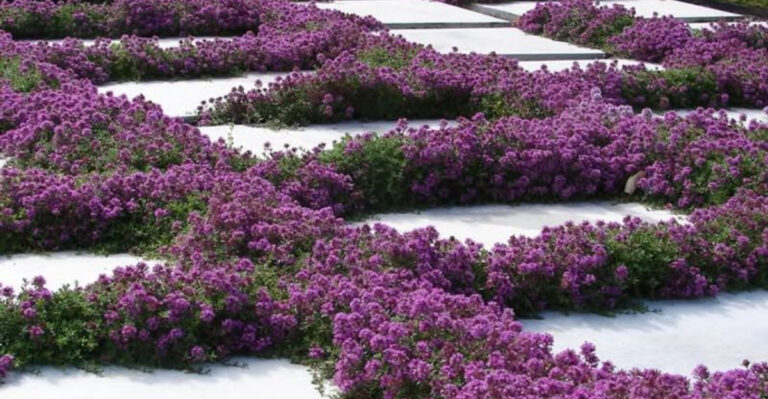
Creating pathways through gravel gardens invites exploration and divides the space into distinct areas with different purposes.
Stepping stones, flagstone paths, or compacted gravel trails guide visitors while protecting plant roots from foot traffic.
Combining textures keeps the eye moving and prevents monotony in rock-dominated landscapes.
Smooth river rocks contrast with rough limestone chunks, while soft plant foliage softens harder mineral surfaces throughout the garden.
Incorporating color happens through both rock selection and plant choices that bloom at different times.
Reddish sandstone pieces add warmth, gray granite provides cool tones, and white quartz brightens shady spots naturally.
Visual interest increases when gardens include varying heights through mounded areas, sunken sections, or raised beds built with stacked stones.
Montana’s dramatic mountain views can be framed intentionally, drawing the eye from garden foreground to spectacular backgrounds beyond property lines.
Traditional Lawns Versus Gravel Gardens
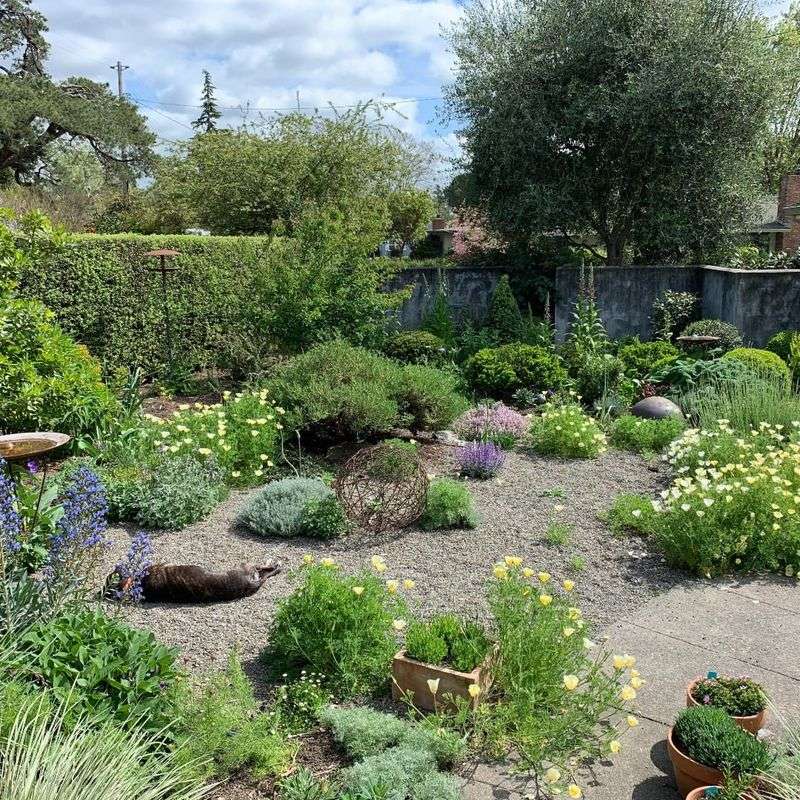
Maintenance requirements differ dramatically between these two landscaping approaches, with traditional lawns demanding weekly mowing, fertilizing, aerating, and constant attention.
Gravel gardens need occasional weeding and maybe annual mulching, freeing up countless hours every growing season.
Water use comparison reveals shocking differences that matter greatly in Montana’s increasingly dry climate.
Grass lawns can require thousands of gallons weekly during summer, while established gravel gardens might need supplemental watering only during extreme drought conditions.
Aesthetics represent personal preference, but many Montana residents appreciate how gravel gardens complement the state’s natural rocky landscapes.
Traditional lawns create suburban uniformity, whereas gravel gardens celebrate regional character and environmental awareness.
Sustainability considerations favor gravel gardens overwhelmingly due to reduced chemical inputs, lower water consumption, and elimination of gas-powered equipment pollution.
Lawns contribute to carbon emissions through mowers and require synthetic fertilizers that can contaminate groundwater supplies.
Initial installation costs run higher for gravel gardens because of rock purchasing and delivery expenses.
However, long-term savings from eliminated mowing equipment, reduced water bills, and minimal maintenance needs make gravel gardens financially smarter choices for most Montana homeowners over time.
Xeriscaping And Eco-Friendly Landscaping Trends
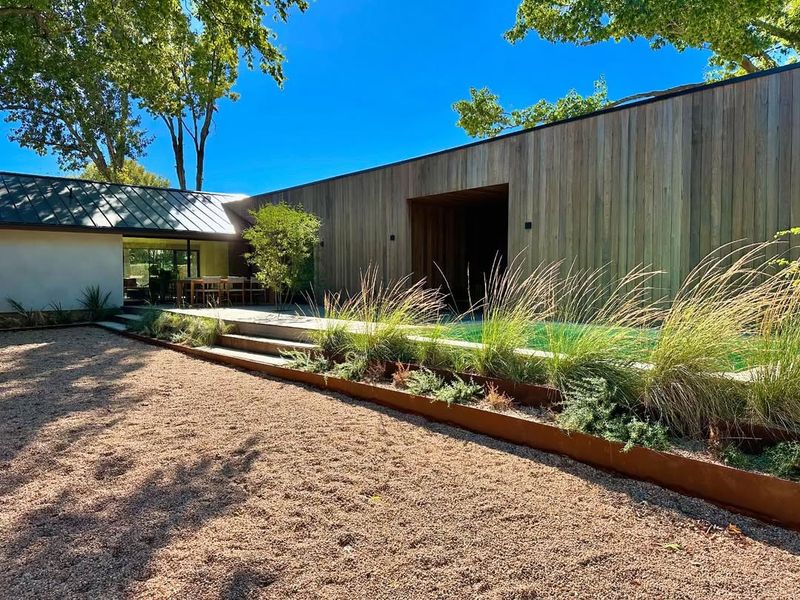
Xeriscaping principles align perfectly with gravel garden concepts, both emphasizing water conservation through smart plant selection and efficient design strategies.
Montana homeowners are embracing these approaches as climate concerns and water availability issues become increasingly important.
Eco-friendly yard design goes beyond just saving water to include creating habitats for pollinators, birds, and beneficial insects.
Gravel gardens support these goals by incorporating native plants that local wildlife species have depended on for generations.
Reducing chemical use represents another major trend that gravel gardens naturally support without extra effort.
Without grass to fertilize or treat for pests, homeowners eliminate synthetic chemicals from their properties, protecting groundwater and family health.
Permeable surfaces matter greatly for managing stormwater runoff that can overwhelm municipal systems and cause flooding problems.
Gravel allows rainwater to soak into soil naturally rather than rushing across impermeable surfaces toward storm drains.
Carbon footprint reduction happens automatically when gas-powered mowers, edgers, and blowers become unnecessary garden tools.
Montana residents appreciate how gravel gardens let them enjoy beautiful outdoor spaces while minimizing their environmental impact and supporting broader sustainability goals for their communities.
Getting Started With Your Montana Gravel Garden
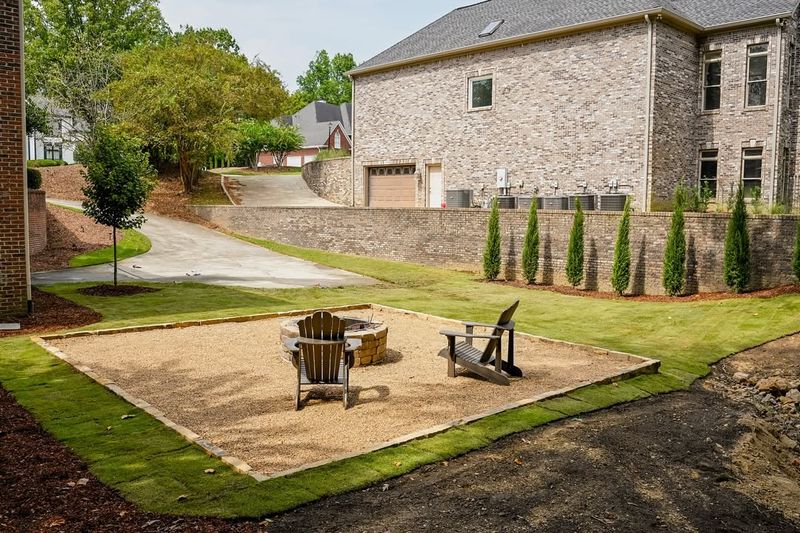
Site preparation begins with removing existing grass, which can be accomplished through several methods including sod cutting, smothering with cardboard, or careful herbicide application.
Proper preparation prevents grass from pushing through gravel later and causing maintenance headaches.
Choosing gravel types depends on aesthetic preferences, budget, and intended uses for different garden areas.
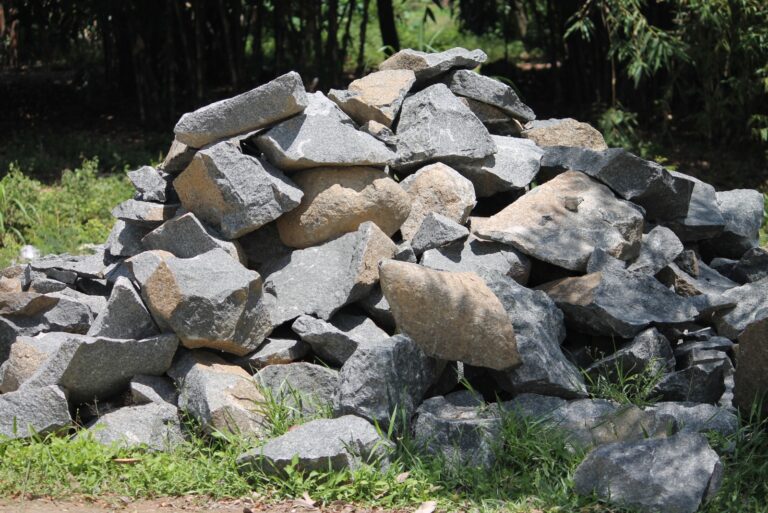
Pea gravel works wonderfully for pathways, river rocks create natural-looking borders, and crushed granite provides stable surfaces that compact well.
Selecting plants suited for local conditions ensures success and minimizes frustration during establishment periods.
Visit local nurseries specializing in native Montana species, and ask staff about which varieties thrive in your specific area’s elevation and microclimate.
Installing landscape fabric beneath gravel layers helps suppress weeds while allowing water drainage and air circulation.
Quality fabric lasts for years and dramatically reduces maintenance time compared to gardens without this protective barrier.
Starting small allows homeowners to learn techniques and refine their design preferences before committing to larger conversions.
Convert one problem area first, observe how it performs through seasons, then expand gradually as confidence and budget allow for additional transformations.
Supporting Pollinators And Local Wildlife
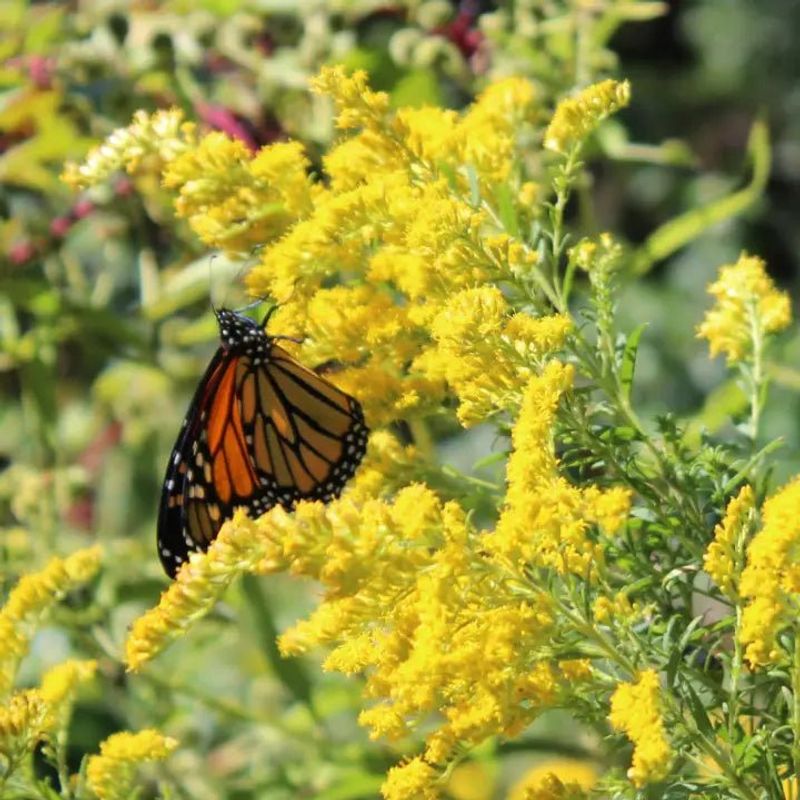
Pollinator populations face serious challenges nationwide, but Montana gravel gardens can provide crucial habitat and food sources.
Native flowering plants attract bees, butterflies, and hummingbirds that need nectar and pollen throughout growing seasons.
Adding ecological value happens naturally when gardens include diverse plant species blooming at different times.
Early spring flowers feed hungry pollinators emerging from winter, while late-season bloomers provide sustenance before cold weather returns.
Bird-friendly features like shallow water sources, seed-producing plants, and protective shrubs transform gravel gardens into wildlife havens.
Montana’s beautiful mountain bluebirds, goldfinches, and chickadees will visit regularly when gardens offer food, water, and shelter.
Beneficial insects including ladybugs, lacewings, and ground beetles find homes in gravel gardens where chemical pesticides never threaten their survival.
These helpful creatures control pest populations naturally, creating balanced ecosystems within residential landscapes.
Leaving some areas slightly wild with rock piles and plant debris provides overwintering sites for native bees and other insects.
Montana gravel gardens become living laboratories where families observe nature’s cycles while contributing positively to local biodiversity and ecosystem health throughout their neighborhoods.
The Future Of Gravel Gardening In Montana
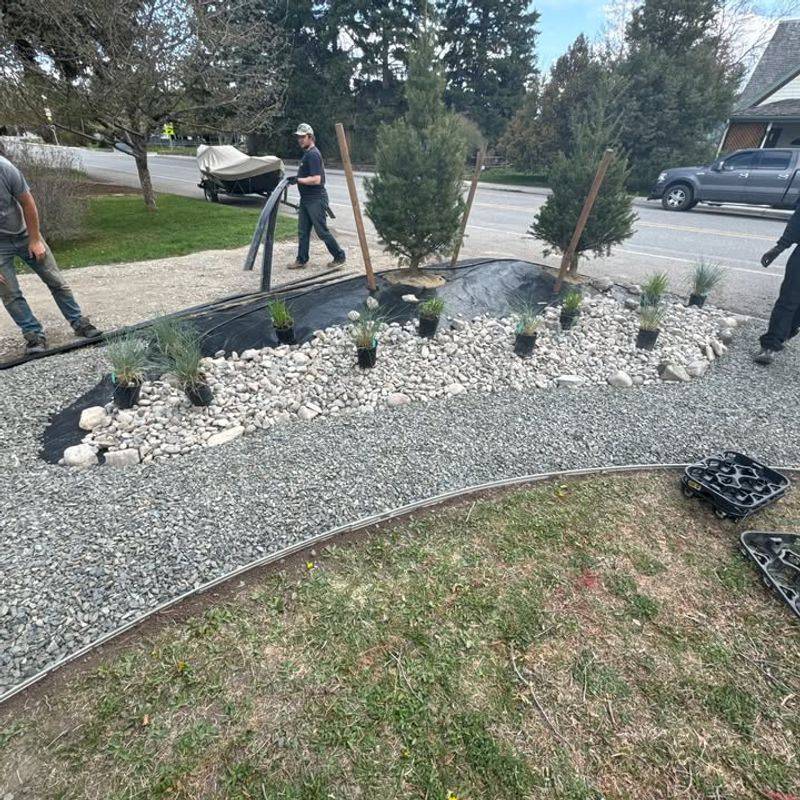
Growth predictions suggest gravel gardens will continue expanding across Montana as water scarcity concerns intensify and homeowners prioritize sustainability.
Climate patterns indicate drier conditions ahead, making water-wise landscaping not just trendy but necessary for responsible property management.
Innovations emerging include smart irrigation systems that deliver precise water amounts only when needed, and solar-powered lighting that highlights garden features after dark.
Technology integration helps homeowners maximize efficiency while minimizing resource consumption.
Variations on traditional gravel garden designs are appearing as creative homeowners experiment with artistic arrangements and unexpected material combinations.
Some incorporate recycled glass, ceramic pieces, or locally sourced stones that tell stories about Montana’s geological history.
Community acceptance grows as more neighbors witness successful conversions and recognize the practical benefits beyond environmental advantages.
Homeowner associations that once resisted non-traditional landscaping are updating rules to encourage water-wise approaches including gravel gardens.
Educational programs through Montana State University Extension and local garden clubs are teaching residents about gravel garden installation and maintenance.
This knowledge sharing ensures the trend continues evolving with improved techniques, better plant selections, and designs that celebrate Montana’s unique character and natural beauty.