How Idaho Gardeners Can Guard Newly Planted Trees Against Winter Sunscald
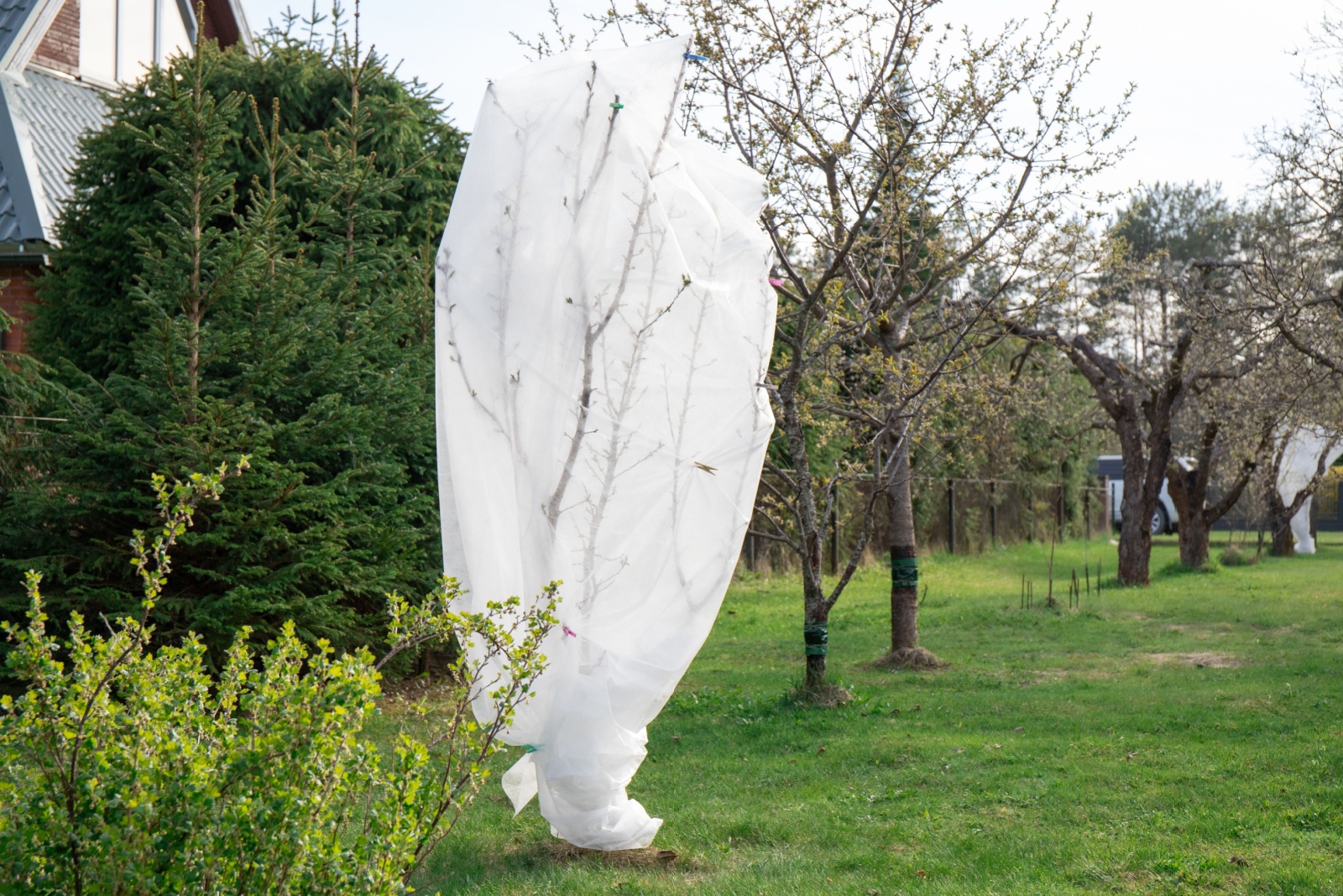
Bright winter sun and freezing nights create tough conditions for young trees in Idaho.
Sunscald occurs when bark warms during the day and freezes rapidly after dark, which leads to cracking and tissue damage.
Newly planted trees face higher risk due to thin bark and limited root systems.
Protective steps taken early help reduce stress and prevent long-term harm.
With proper care through winter, trees enter spring healthy and ready for steady growth rather than recovery.
Wrap Tree Trunks With Light-Colored Guards
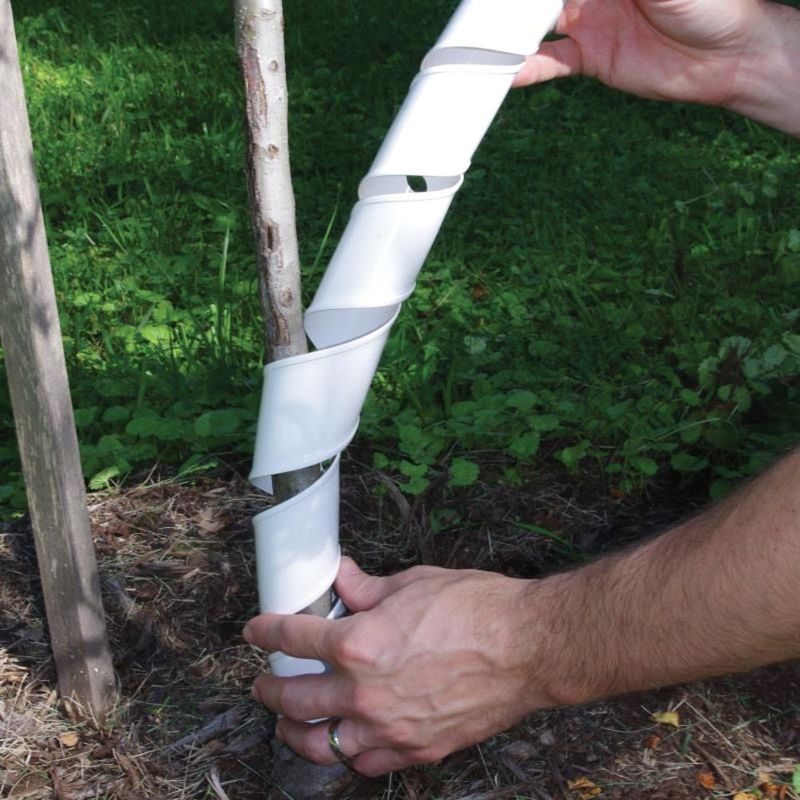
Protecting your tree’s bark starts with a simple wrapping technique that reflects sunlight away from the trunk.
Light-colored tree wraps or guards work like sunscreen for trees, bouncing back the intense winter rays that would otherwise heat up dark bark.
You can find commercial tree wrap at garden centers, or use white plastic guards designed specifically for this purpose.
Start wrapping from the base of the trunk and spiral upward, overlapping each layer slightly as you go.
Make sure to cover the trunk up to the lowest branches, since this entire area remains vulnerable to temperature swings.
The wrap should fit snugly but not too tight, allowing room for the tree to grow without restriction.
Remove the wraps each spring once temperatures stabilize to prevent moisture buildup and pest problems.
This affordable solution costs just a few dollars but can save your tree from serious damage.
Many Idaho gardeners swear by this method, especially for fruit trees and other thin-barked varieties.
Remember to check the wraps periodically throughout winter to ensure they remain secure and properly positioned.
Apply White Latex Paint To The Trunk
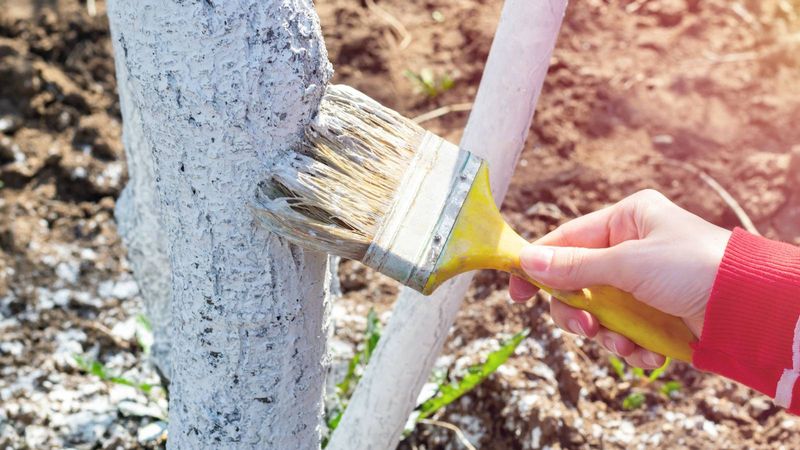
Painting your tree trunk might sound unusual, but this old-fashioned trick really works wonders against sunscald.
White latex paint diluted with water creates a reflective coating that keeps bark temperatures more consistent throughout the day.
Mix one part white latex paint with one part water to create a thin, paintable solution that won’t harm the tree.
Use a brush to apply this mixture to the south and southwest sides of the trunk, where sun exposure hits hardest during winter months.
You can also paint the entire trunk if you prefer complete coverage.
This method works especially well for young fruit trees like apples, cherries, and plums that commonly suffer from sunscald in Idaho.
The white coating reflects sunlight just like snow does, preventing the bark from warming up too much during sunny winter days.
Unlike tree wraps, paint stays in place without any maintenance and gradually wears away naturally over time.
Reapply the paint each fall before winter arrives for continued protection.
Many commercial orchards use this technique because it costs very little and provides reliable results season after season.
Position Trees Away From Reflective Surfaces
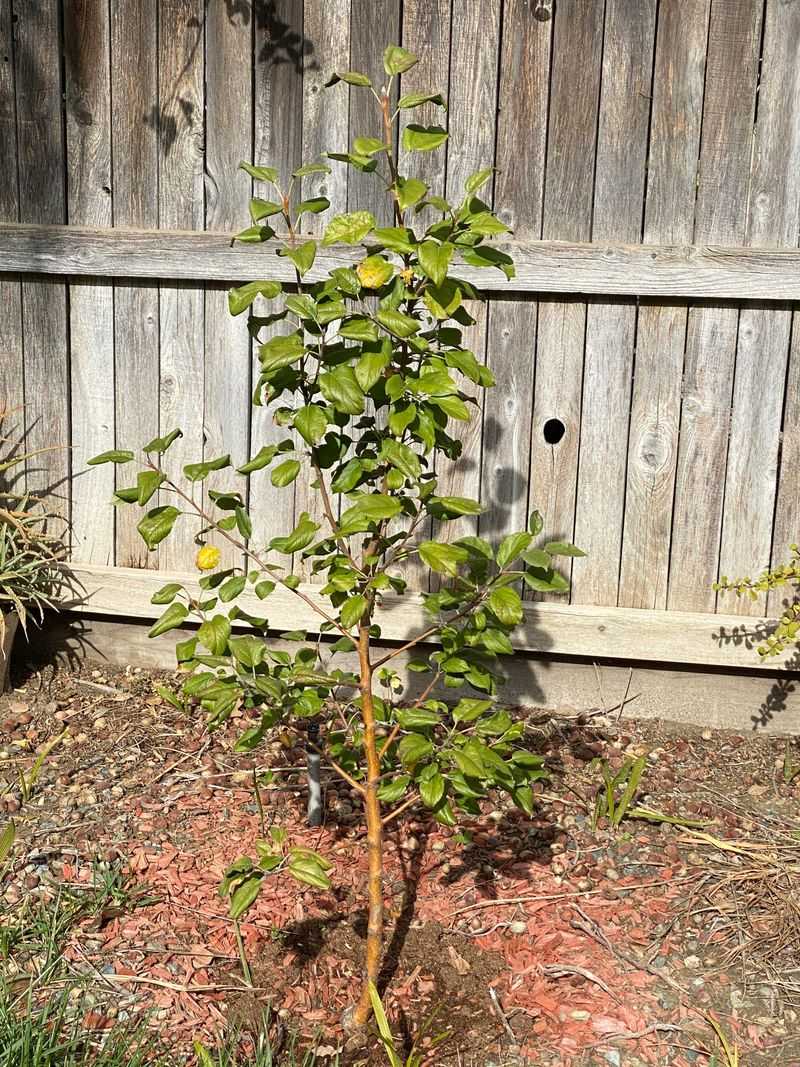
Where you plant your tree matters just as much as how you protect it once it goes in the ground.
Reflective surfaces like white fences, light-colored buildings, or even snow-covered areas can bounce extra sunlight onto your tree’s trunk.
This additional reflected light intensifies the heating effect and makes sunscald damage more likely to occur.
When planning your planting location, observe how sunlight moves across your yard during winter afternoons.
South-facing and southwest-facing spots receive the most intense sun exposure, especially when light reflects off nearby structures.
Try to plant young trees in locations where buildings, fences, or evergreen shrubs can provide some afternoon shade during winter.
However, avoid planting too close to structures that might reflect heat back onto the trunk.
A distance of at least ten to fifteen feet from white walls or fences usually works well.
If you already planted your tree in a problematic spot, consider adding a temporary shade structure or screen on the south side during winter.
Strategic placement from the start saves you extra work and worry down the road.
Install Temporary Shade Structures On The South Side
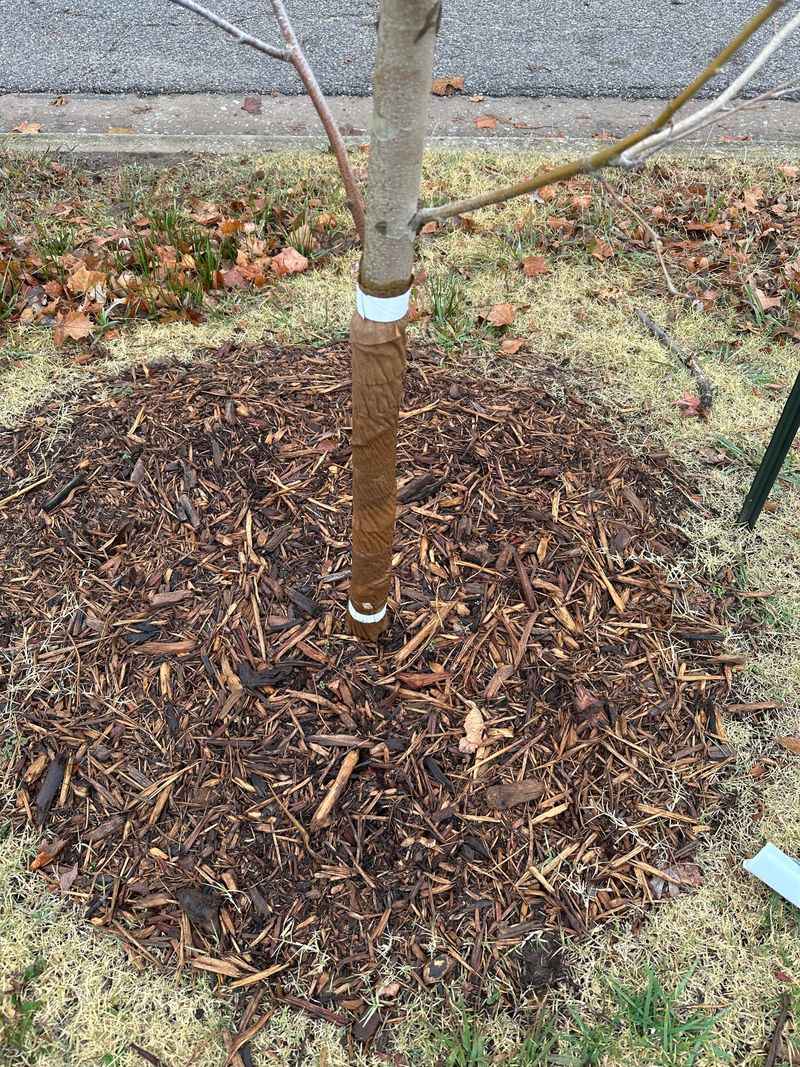
Sometimes a little shade goes a long way toward preventing winter bark damage.
Creating a temporary barrier between your tree and the afternoon sun helps moderate temperature swings that cause sunscald.
You can build a simple shade structure using burlap, shade cloth, or wooden slats positioned on the south and southwest sides of the trunk.
Drive two stakes into the ground about a foot away from the tree, then attach your shading material to create a screen.
The screen should stand tall enough to shade the trunk from ground level up to the first branches.
This method works particularly well for newly transplanted trees that need extra care during their first few winters in Idaho.
Burlap provides good protection while still allowing air circulation, which prevents moisture problems.
Make sure your shade structure stays secure throughout winter by checking it after heavy snow or wind events.
Remove the structure in early spring once the risk of sunscald passes.
This approach requires a bit more effort than wrapping or painting, but it offers excellent protection for valuable or vulnerable trees.
Maintain Proper Watering Through Late Fall

Healthy, well-hydrated trees handle stress much better than thirsty ones, even during cold months.
Many gardeners stop watering once temperatures drop, but trees actually need moisture going into winter.
Proper hydration helps trees maintain cell structure and resist damage from temperature fluctuations.
Continue watering your newly planted trees throughout fall until the ground freezes solid.
Focus on deep, thorough watering sessions rather than frequent shallow sprinklings.
A good soak once every week or two during dry fall weather keeps roots hydrated without creating soggy conditions.
Well-watered bark cells remain more flexible and less prone to cracking when temperatures swing wildly.
Idaho’s dry climate means trees often enter winter already stressed from lack of moisture.
Pay special attention during warm, dry fall periods when trees continue losing moisture through their bark and any remaining foliage.
Check soil moisture by digging down a few inches near the drip line of the tree.
If the soil feels dry at this depth, water thoroughly until moisture reaches deep into the root zone.
Choose Cold-Hardy And Resistant Tree Varieties
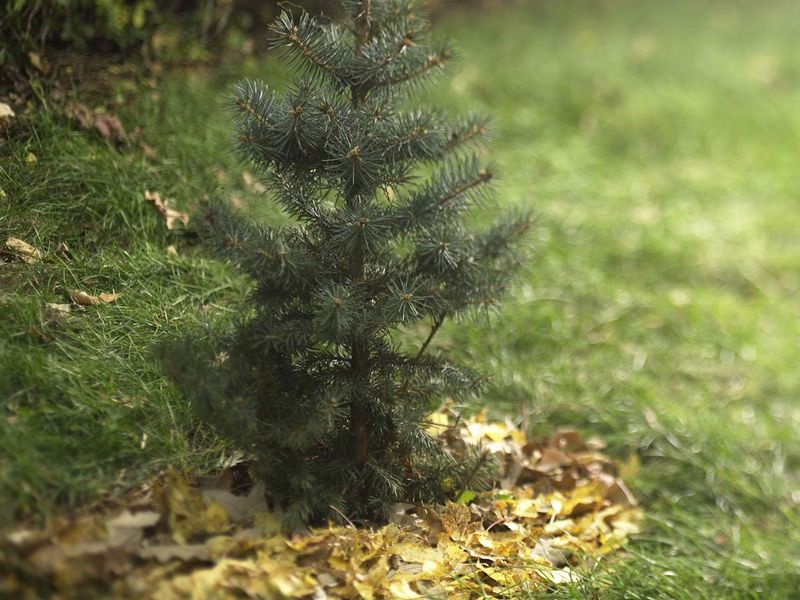
Not all trees face equal risk when it comes to winter bark damage in Idaho.
Some species naturally resist sunscald better than others because of thicker bark or different growth patterns.
Selecting the right variety from the start can save you considerable trouble and tree loss.
Fruit trees with thin, smooth bark like cherry, apple, plum, and mountain ash rank among the most vulnerable to sunscald.
Conifers and trees with naturally darker or thicker bark typically handle winter temperature swings much better.
When shopping for new trees, ask nursery staff about varieties known to perform well in Idaho’s harsh winter conditions.
Look for cultivars specifically bred for cold climates or native species adapted to local conditions.
Trees grown locally or in similar climates often acclimate better than those shipped from warmer regions.
While you can protect any tree with proper care, starting with a hardy variety gives you a significant advantage.
Research which trees thrive in your specific Idaho zone before making your purchase.
Matching the tree to your environment sets the foundation for long-term success and reduces winter worries.
Monitor And Remove Wraps At The Right Time
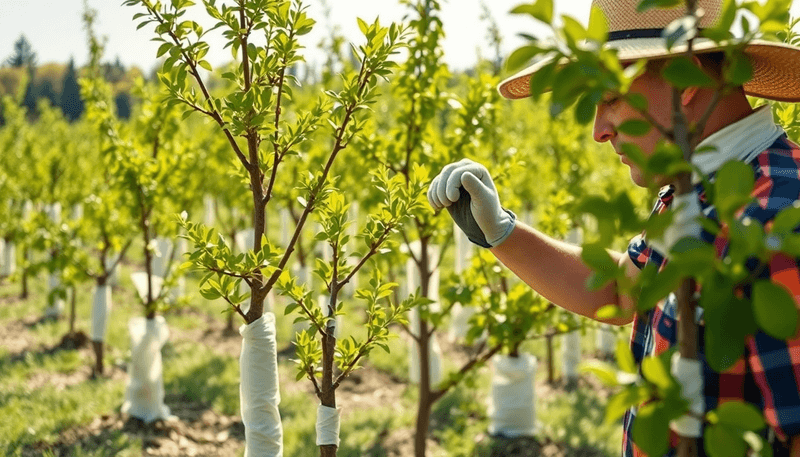
Protection becomes a problem if you forget to remove it once winter ends.
Tree wraps left on too long trap moisture against the bark, creating perfect conditions for insects, disease, and rot.
Timing matters when it comes to both installing and removing your winter protection measures.
Put wraps or guards in place during late fall, typically around November in most Idaho locations.
Mark your calendar to remove them in early to mid-spring, usually around March or April when temperatures stabilize above freezing.
Check the wraps periodically throughout winter to ensure they remain properly positioned and secure.
Wind, snow, and animals can sometimes shift or damage protective materials.
When spring arrives, remove wraps on a cloudy day to avoid sudden sun exposure on bark that has been covered all winter.
Inspect the trunk carefully after removing protection to check for any damage or pest activity.
Store reusable tree guards in a dry location so you can use them again next season
Setting reminders on your phone or garden calendar helps you remember these important maintenance tasks.