How Idaho Homeowners Are Creating Gorgeous Front Yards With Almost No Water
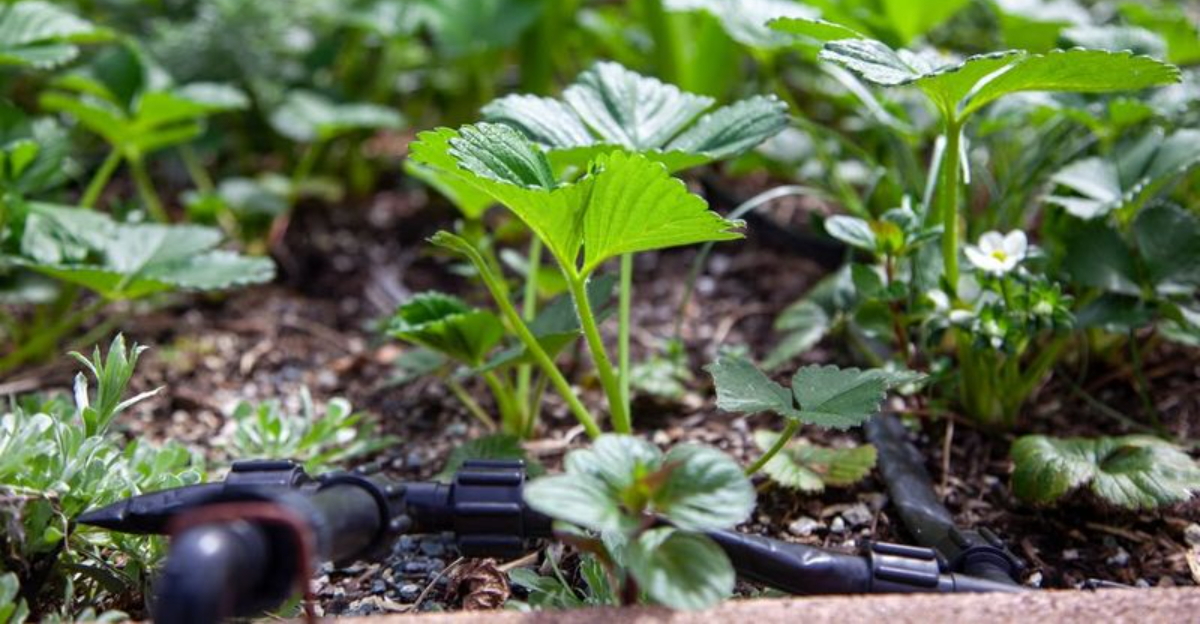
Idaho keeps impressing me lately because homeowners are somehow turning their front yards into these gorgeous, photo-worthy spots without relying on constant watering.
It feels like every neighborhood has at least one yard that makes you slow down just to figure out how it stays so green and put-together in such dry conditions.
I’ve caught myself scrolling through Idaho yard photos thinking the same thing every time — they’re doing something smart that the rest of us should pay attention to.
And honestly, the way they pull it off makes low-water landscaping look less like a compromise and more like a quiet Idaho superpower.
1. Native Idaho Grasses Replace Thirsty Lawns
Swapping out your regular grass for native Idaho varieties can transform your yard into a low-maintenance paradise that barely needs watering at all.
Blue grama and Idaho fescue are two excellent choices that have adapted to the state’s climate over thousands of years, making them naturally drought-resistant.
These grasses develop deep root systems that reach moisture far below the surface, so they stay green even during dry spells without constant irrigation.
Homeowners in Boise and Twin Falls have reported cutting their watering schedule down to just once every two weeks during summer, which is a huge savings.
The texture and color of native grasses add unique beauty that regular turf simply cannot match, giving your property character and charm.
Installation is straightforward, and once established, these grasses require minimal care beyond occasional mowing to keep them looking neat and tidy throughout the season.
Idaho residents appreciate how native grasses support local wildlife like butterflies and birds, creating a healthier ecosystem right in their front yards.
2. Rock Gardens With Desert Plants Create Stunning Displays

Picture a front yard filled with interesting rocks, colorful succulents, and unique desert plants that thrive without much water at all.
Rock gardens have become incredibly popular across Idaho because they offer visual interest while requiring almost zero irrigation once the plants are settled in.
Choosing the right rocks is important—river stones, lava rock, and decomposed granite all work beautifully and help the soil retain whatever moisture does come.
Pairing rocks with hardy plants like hens-and-chicks, sedum, and yucca creates layers of texture and color that change with the seasons beautifully.
Many Idaho homeowners add a few larger boulders as focal points, which adds drama and makes the landscape feel more intentional and professionally designed.
Maintenance is simple: pull a few weeds occasionally and maybe add fresh rock every couple of years to keep everything looking crisp and clean.
Communities around Pocatello and Idaho Falls have embraced this style, proving that water-wise landscaping can be both practical and absolutely gorgeous for any home.
3. Mulch Layers Lock In Moisture and Reduce Water Needs

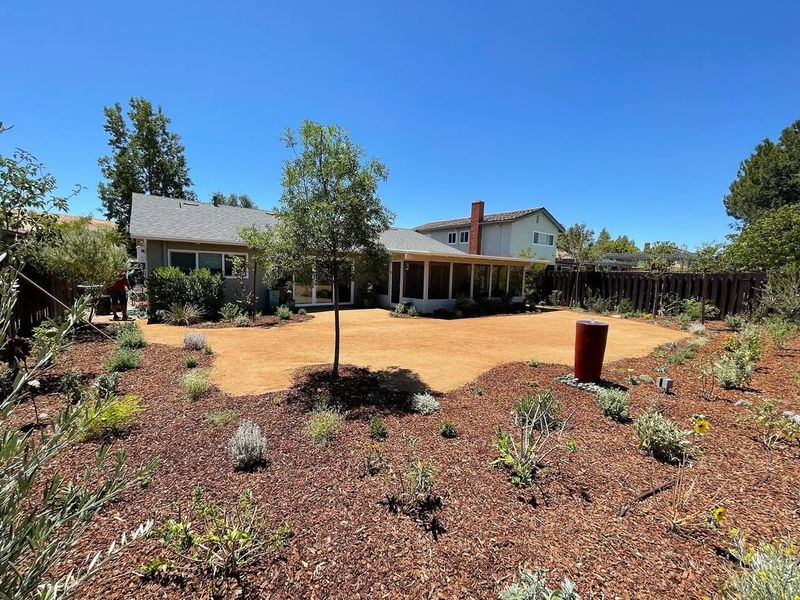
Adding a thick layer of mulch around your plants might seem simple, but it works wonders for keeping moisture in the soil longer.
Organic mulches like wood chips, bark, or straw act as a protective blanket that prevents water from evaporating too quickly under Idaho’s hot sun.
When you water your plants, the mulch helps that precious moisture soak deep into the ground instead of disappearing into the air within hours.
Homeowners throughout Idaho have discovered that mulching reduces their watering frequency by half or more, which makes a noticeable difference on monthly utility bills.
Mulch also breaks down over time, adding nutrients back into the soil and improving its overall health, which helps plants grow stronger and more resilient.
Applying mulch is easy—just spread a three to four inch layer around your plants, keeping it away from stems to prevent rot issues.
Residents in Meridian and Nampa love how mulch keeps their garden beds looking neat and finished while cutting down on weeds that compete for water.
4. Drip Irrigation Systems Deliver Water Exactly Where It’s Needed
Traditional sprinklers waste tons of water by spraying it everywhere, including sidewalks and driveways where it does absolutely no good at all.
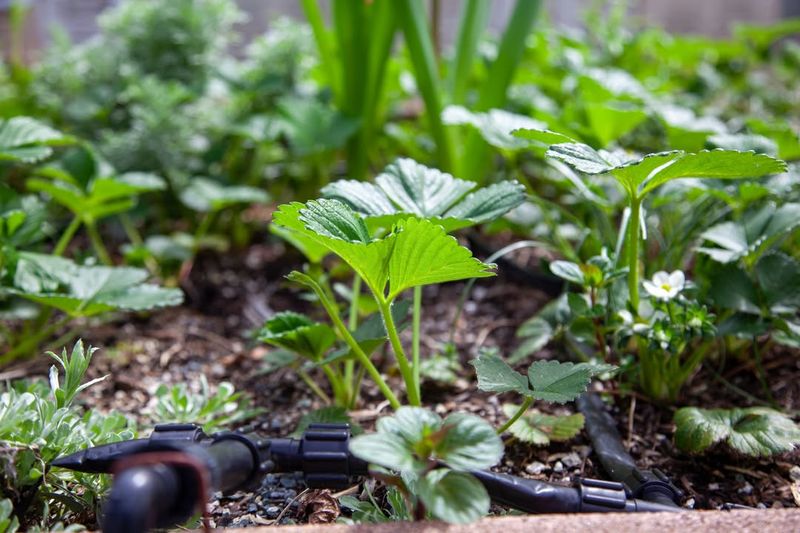
Drip irrigation systems solve this problem by delivering water directly to plant roots through small tubes and emitters, eliminating waste and maximizing efficiency.
Idaho homeowners who switch to drip systems often see their water usage drop by thirty to fifty percent compared to overhead sprinklers, which is remarkable.
These systems can be customized for each plant’s needs, giving thirstier specimens more water while keeping drought-tolerant plants drier, which promotes healthier growth overall.
Installation might seem complicated, but many kits are available at garden centers that make setting up drip irrigation a weekend project for most people.
Once installed, the system runs automatically on a timer, so you never have to worry about forgetting to water or overdoing it during busy weeks.
People living in Coeur d’Alene and Lewiston appreciate how drip irrigation keeps their front yards lush and beautiful while being incredibly gentle on the environment.
5. Ornamental Gravel Replaces High-Maintenance Grass Areas
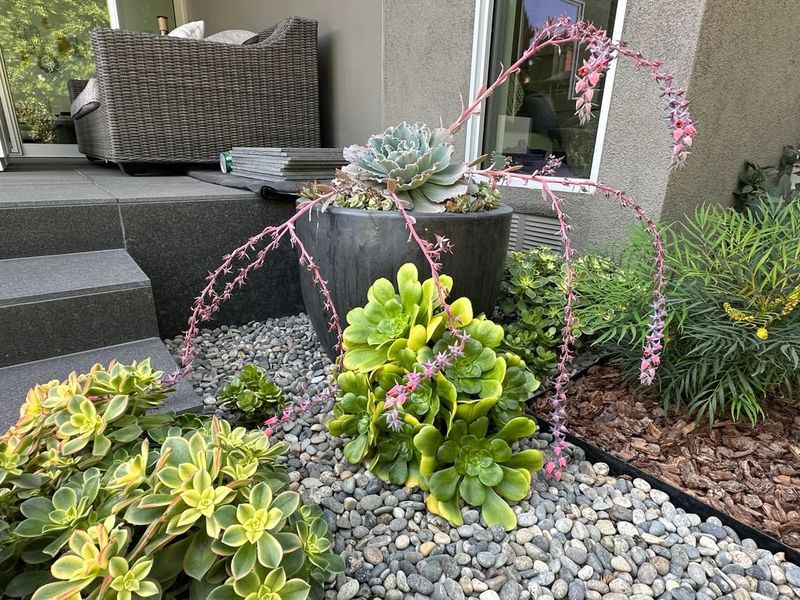
Imagine eliminating large sections of grass that need constant watering and replacing them with beautiful ornamental gravel that never needs a drop of water.
Gravel comes in many colors and sizes, from smooth pebbles to angular crushed stone, allowing homeowners to create patterns and designs that reflect personal style.
Using gravel for pathways, borders, or entire sections of your front yard dramatically reduces water consumption while adding a clean, modern look to the property.
Idaho homeowners often mix different gravel colors to create visual interest, using lighter shades to brighten shady areas and darker tones for contrast and depth.
Gravel is extremely low-maintenance—it does not need mowing, fertilizing, or watering, and it stays looking fresh year after year with minimal effort required.
Weeds can still pop up occasionally, but laying down landscape fabric beneath the gravel prevents most problems and makes maintenance even easier overall.
Families in Caldwell and Rexburg have transformed their front yards with gravel, creating spaces that are both practical and visually appealing without demanding constant attention.
6. Drought-Tolerant Perennials Provide Color Without Constant Watering

Who says you have to sacrifice color and beauty just because you want to save water in your front yard landscape design?
Drought-tolerant perennials like lavender, Russian sage, and coneflowers bloom beautifully year after year without needing much water once they are fully established.
These hardy plants have evolved to survive in tough conditions, developing deep roots and waxy leaves that help them conserve every bit of moisture available.
Idaho gardeners love how these perennials attract pollinators like bees and butterflies, adding life and movement to their yards while supporting the local ecosystem beautifully.
Planting a variety of drought-tolerant perennials ensures you have blooms from early spring through late fall, keeping your front yard colorful across the entire growing season.
Maintenance is minimal—just deadhead spent flowers occasionally and cut plants back in late autumn to prepare them for winter dormancy and spring regrowth.
Homeowners in Ketchum and Sun Valley have created stunning perennial gardens that prove water-wise landscaping can be just as vibrant and inviting as traditional designs.
7. Artificial Turf Offers Green Lawns Without Any Water
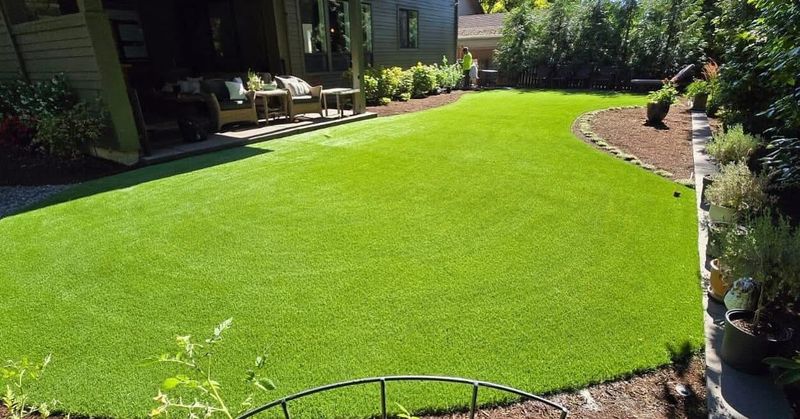
Modern artificial turf has come a long way from the fake-looking plastic grass of the past, now offering realistic textures and colors that fool the eye.
Installing artificial turf means you get a lush, green lawn year-round without ever turning on a sprinkler, which saves thousands of gallons of water annually.
Quality synthetic grass feels soft underfoot and drains well, so it does not get muddy or waterlogged during Idaho’s occasional rainstorms or snowmelt in spring.
Homeowners appreciate that artificial turf never needs mowing, fertilizing, or pest control, freeing up weekends for more enjoyable activities instead of constant yard work.
The initial investment can be higher than seeding a natural lawn, but the long-term savings on water bills and maintenance costs make it worthwhile over time.
Many Idaho families with children and pets love artificial turf because it stays green and clean even with heavy use, and it does not develop bare patches.
Residents in Eagle and Star have embraced artificial turf as a practical solution that keeps their front yards looking pristine without wasting precious water resources.
8. Xeriscaping Principles Transform Yards Into Water-Wise Showcases
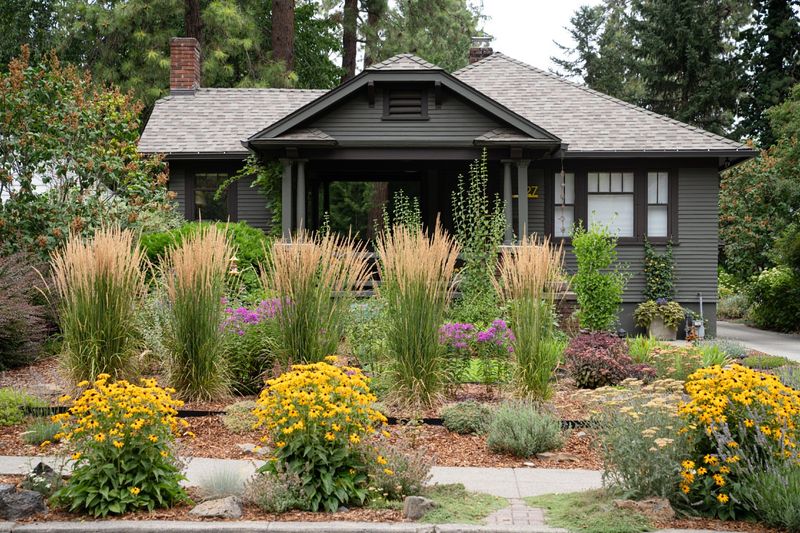
Xeriscaping is not just about throwing some rocks and cacti in your yard—it is a thoughtful design approach that creates beauty while minimizing water use.
The principles of xeriscaping include choosing appropriate plants, improving soil, using mulch, limiting turf areas, and watering efficiently to create sustainable landscapes that thrive.
Idaho homeowners who follow xeriscaping guidelines often reduce their outdoor water use by seventy percent or more, which is an incredible achievement for any household.
Planning your xeriscape involves grouping plants with similar water needs together, making irrigation easier and preventing overwatering of drought-tolerant species that prefer drier conditions.
Soil improvement is a key step—adding compost helps soil retain moisture better, so plants can access water longer between irrigation sessions during hot summer months.
Xeriscaping does not mean your yard has to look like a desert; many Idaho xeriscapes feature lush, diverse plantings that are both beautiful and environmentally responsible.
Communities around Idaho Falls and Pocatello have seen stunning xeriscape transformations that inspire neighbors to rethink their own water-hungry lawns and landscaping choices.
9. Rain Gardens Capture and Use Natural Precipitation Efficiently
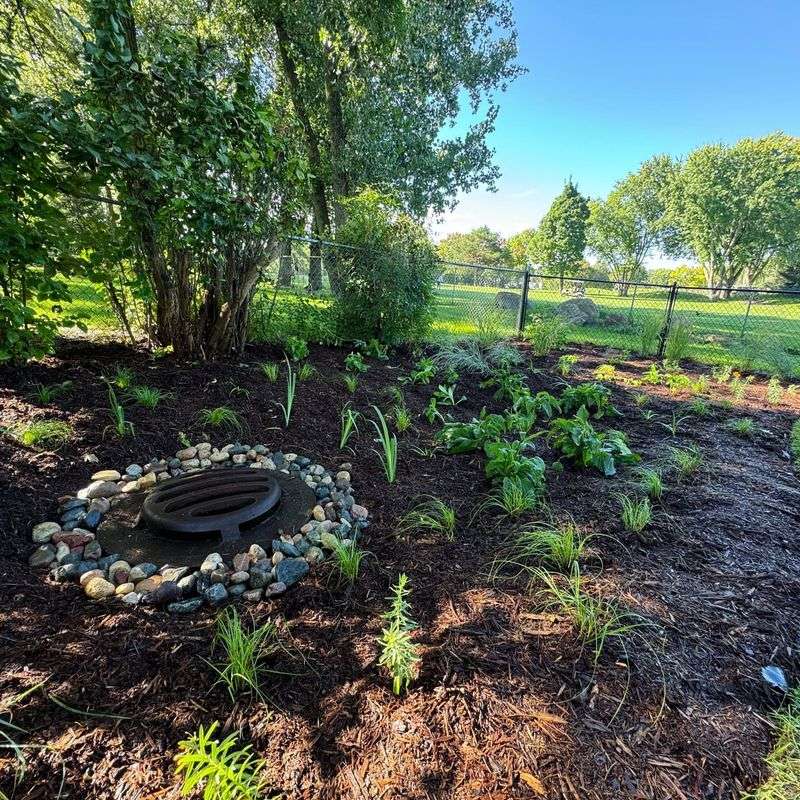
Rain gardens are shallow depressions planted with water-loving native plants that capture rainwater runoff from roofs, driveways, and other hard surfaces around your home.
Instead of letting precious rainwater rush down the street into storm drains, a rain garden holds it temporarily, allowing it to soak slowly into the ground.
This natural filtration process recharges groundwater supplies and reduces the amount of irrigation your yard needs during dry periods, which benefits both your wallet and environment.
Idaho homeowners design rain gardens to be attractive landscape features, not muddy pits—they look like beautiful garden beds most of the time and only fill temporarily.
Choosing the right plants is important; native sedges, rushes, and wildflowers thrive in the occasionally wet conditions while tolerating dry spells between rain events perfectly.
Building a rain garden is a manageable DIY project that involves digging a shallow basin, amending the soil, and planting appropriate species that suit your location.
Families in Sandpoint and Moscow have installed rain gardens that not only reduce their watering needs but also add unique character and ecological value to their properties.
10. Hardscaping Features Add Beauty While Eliminating Water Requirements
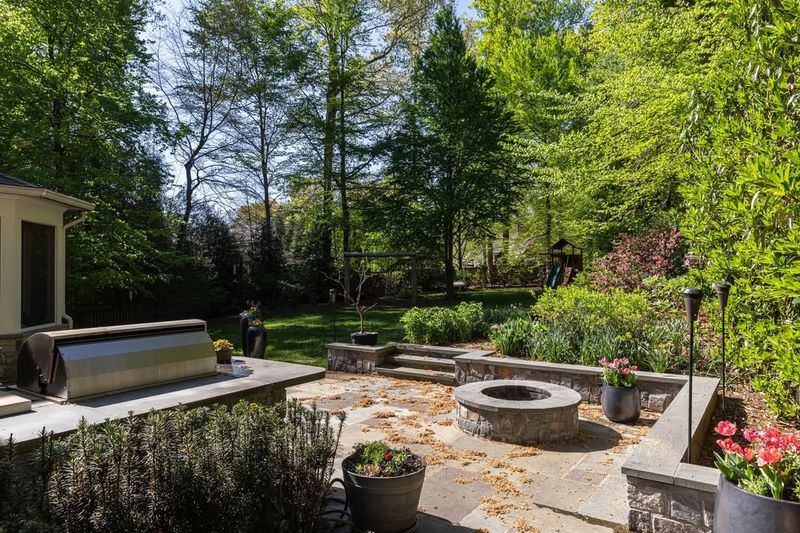
Hardscaping refers to the non-living elements of your landscape design, like pathways, patios, retaining walls, and decorative stone features that require zero water.
Incorporating more hardscaping into your front yard reduces the total area that needs irrigation, cutting down on water usage while adding structure and visual interest.
Stone pathways guide visitors to your front door while breaking up plant beds, creating a polished, intentional look that feels welcoming and well-designed throughout the year.
Idaho homeowners use hardscaping to solve practical problems too, like building retaining walls on slopes to prevent erosion and create level planting areas for easier maintenance.
Materials like flagstone, pavers, and bricks come in many colors and styles, allowing you to customize your hardscape to match your home’s architecture and personal taste.
Maintenance for hardscaping is minimal—occasional sweeping and maybe rinsing with a hose once or twice a year keeps everything looking clean and attractive for decades.
Residents in Hailey and Jerome have created stunning front yards that balance hardscaping with carefully chosen plants, achieving gorgeous results that stay beautiful without demanding constant watering.