How Illinois Gardeners Use Garlic Spray In December To Protect Fruit Trees
While Illinois fruit trees rest in winter dormancy, there’s still important work happening just beneath the surface—and savvy gardeners use December to get ahead of disease and pests.
Garlic spray, a natural and time-tested remedy, has become a popular choice for protecting vulnerable bark, buds, and branches.
Rich in sulfur compounds, garlic acts as an antibacterial and antifungal shield, reducing the risk of infections that often take hold during cold, wet months.
It also repels overwintering insects and rodents that can cause damage long before spring growth begins.
December applications give garlic spray time to settle into crevices and create a protective barrier that lasts well into the new year.
For gardeners who prefer organic methods, it’s an easy, affordable, and effective way to support orchard health.
Here’s how Illinois growers are using garlic spray to safeguard fruit trees before winter’s harshest weather arrives.
Garlic Spray Acts As A Natural Winter Pest Deterrent
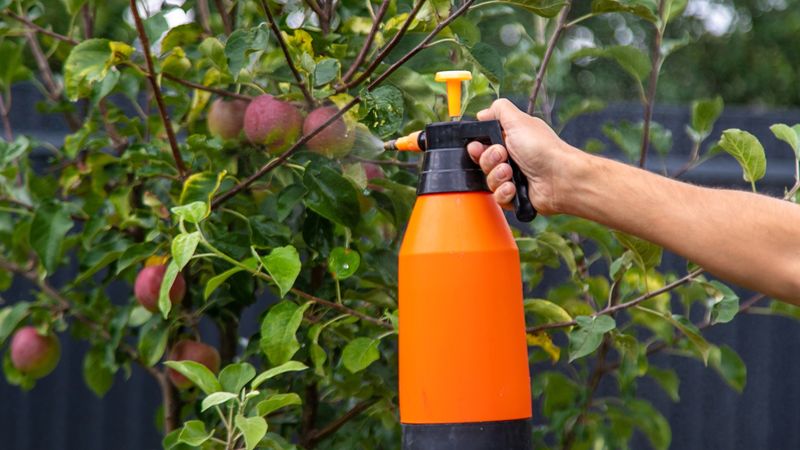
Tiny insects love hiding in the rough bark of fruit trees when temperatures drop across Illinois.
Aphids, mites, and scale crawlers burrow into crevices, waiting for warmer days to emerge and start feeding again.
Garlic spray creates an invisible shield that these pests absolutely cannot stand.
The sulfur compounds found naturally in garlic release a scent that confuses and repels overwintering insects.
When you apply garlic spray in December, you’re essentially telling these unwanted guests that your trees are off-limits.
Illinois gardeners have discovered that a single application can last several weeks, especially during cold, dry spells.
Mixing crushed garlic with water and a bit of dish soap creates an effective spray that sticks to bark surfaces.
Some orchardists add a little vegetable oil to help the mixture cling even better during windy winter days.
The beauty of this approach is that it works without harsh chemicals that might harm beneficial insects when spring arrives.
Even better, garlic spray won’t wash away immediately after light snow or freezing rain.
Reapplying every three to four weeks throughout December and January keeps protection levels high and pest populations low when trees finally wake up.
It Helps Reduce Rodent Damage Around Tree Trunks
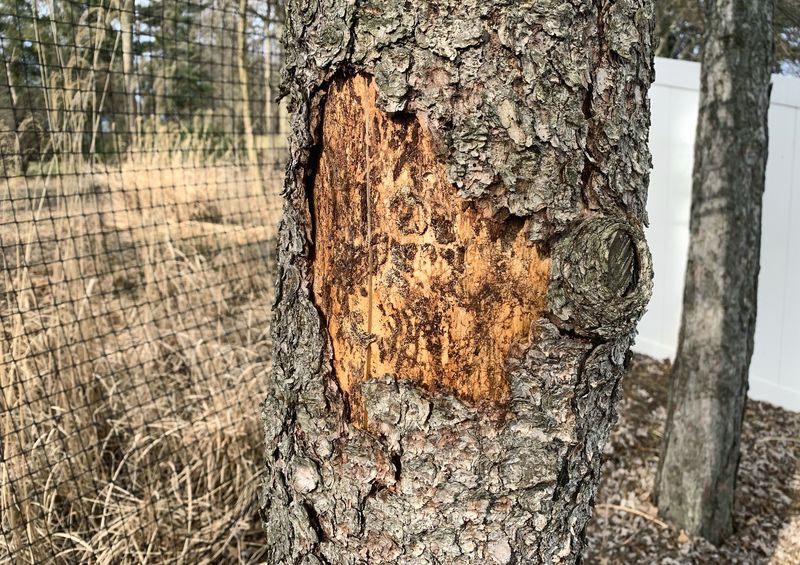
Voles and rabbits become surprisingly bold when food gets scarce during Illinois winters.
These hungry critters will gnaw on tender bark, sometimes girdling young fruit trees completely.
Garlic spray offers a smell-based defense that makes your trees much less appealing to these furry visitors.
The strong, pungent aroma that humans associate with delicious cooking is absolutely revolting to rodents.
When you spray the lower trunk and surrounding soil, you create a scent barrier that discourages nibbling.
Illinois gardeners often combine garlic spray with physical barriers like hardware cloth for double protection.
The spray works especially well on newly planted trees that haven’t developed thick, protective bark yet.
December applications are perfect timing because rodents are actively searching for winter food sources.
Some orchardists soak cotton balls in concentrated garlic water and place them around tree bases for extra deterrence.
This method is completely safe for pets and wildlife while still being highly effective.
Reapplying after heavy snow or rain ensures the scent stays strong enough to keep rabbits and voles searching elsewhere for their winter meals.
Garlic Spray Supports Disease Prevention Before Dormant Oils Are Applied

Many Illinois fruit growers follow a two-step winter protection strategy that starts with garlic.
Applying garlic spray in early December prepares trees before heavier dormant oil treatments come later.
Garlic contains natural antifungal compounds that help reduce fungal pressure on sleeping buds and branches.
This early intervention means fewer disease spores are present when you apply dormant oils in late winter.
Fungal diseases like apple scab and peach leaf curl leave spores that overwinter on bark and in bud scales.
Garlic spray doesn’t eliminate all fungi, but it does suppress their growth during the dormant season.
Illinois gardeners appreciate this gentle, preventive approach that reduces the need for stronger treatments later.
The sulfur compounds in garlic interfere with fungal cell walls, making it harder for spores to survive freezing temperatures.
By spacing garlic applications a few weeks before dormant oil, you give each treatment time to work independently.
This layered approach to orchard health has become increasingly popular among backyard fruit enthusiasts.
Some growers even report fewer spring disease outbreaks after consistently using December garlic sprays for several seasons in a row.
It Offers A Chemical-Free Protection Option For Organic Orchards

Organic gardening has exploded in popularity across Illinois backyards and small farms.
Fruit tree growers who avoid synthetic pesticides need reliable alternatives that actually work during winter months.
Garlic spray fits perfectly into organic orchard management because it’s completely natural and biodegradable.
You can make it from kitchen ingredients: fresh garlic cloves, water, and a drop of plant-based soap.
This simplicity appeals to gardeners who want to know exactly what they’re putting on their trees.
Unlike commercial sprays with long ingredient lists, garlic spray has zero synthetic chemicals or petroleum-based additives.
Illinois organic certification programs approve garlic-based treatments, making them perfect for serious growers.
The spray won’t harm earthworms, beneficial soil microbes, or the ecosystem around your fruit trees.
Many families with children and pets feel more comfortable using garlic spray compared to conventional dormant season treatments.
December applications align perfectly with organic principles of prevention rather than reaction.
Backyard orchardists love that they can harvest and eat garlic from their own gardens, then turn extra cloves into powerful tree protection that costs almost nothing to make.
Garlic’s Natural Antifungal Qualities Help Reduce Mildew Spores
Powdery mildew might seem like a summer problem, but its spores cling to branches all winter long.
These microscopic troublemakers wait patiently in bark crevices until spring warmth triggers new growth.
Garlic spray attacks these overwintering spores with natural antifungal compounds that interfere with their survival.
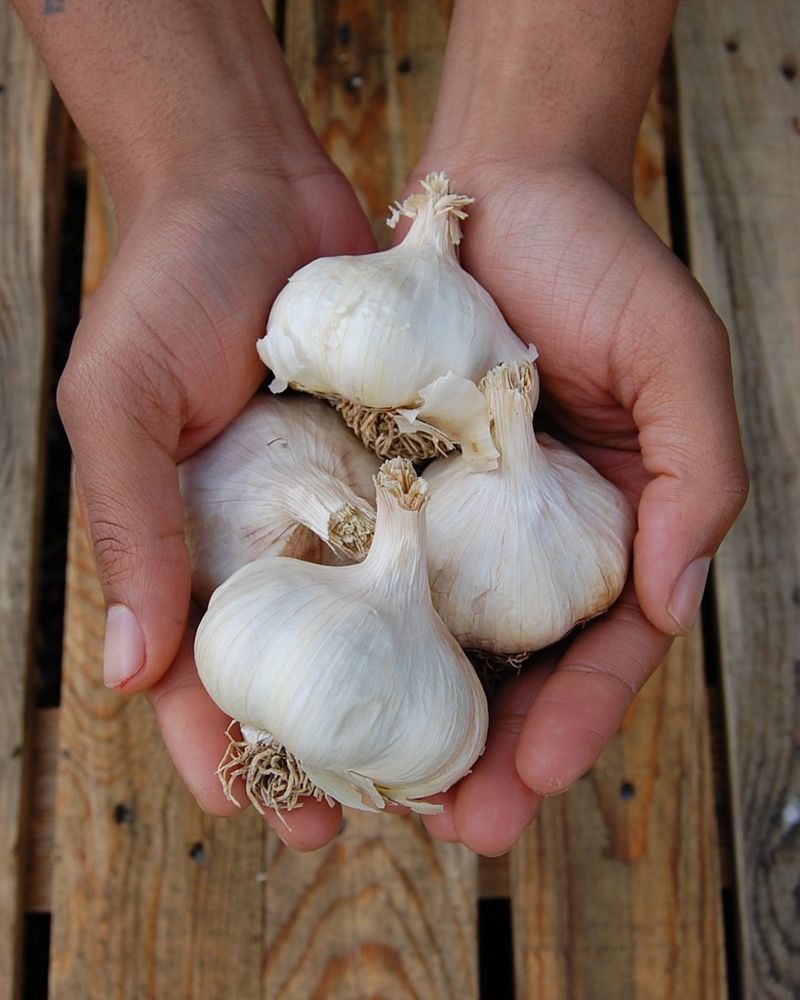
Allicin, the compound that gives garlic its distinctive smell, has proven fungal-fighting properties.
When you spray dormant trees in December, you’re reducing the spore load before spring infection cycles begin.
Illinois apple and peach growers particularly benefit from this preventive approach to mildew management.
The spray works best when applied on dry days when temperatures stay above freezing for a few hours.
This allows the garlic solution to penetrate bark texture and reach hiding spores more effectively.
Some gardeners add a tablespoon of baking soda to their garlic spray for enhanced antifungal action.
Regular December applications can noticeably reduce springtime mildew outbreaks on susceptible varieties.
Orchardists who’ve used garlic spray consistently report cleaner foliage and fewer fungal spots when leaves finally emerge in April and May.
It Can Be Used Safely In Cold Weather Without Risking Tree Burn
Many orchard treatments come with strict temperature warnings and application windows.
Garlic spray stands out because it’s remarkably gentle on trees even during Illinois’ harsh December weather.
Unlike copper-based sprays or strong oils, garlic won’t cause bark damage during freeze-thaw cycles.
The water-based solution doesn’t create a coating thick enough to trap moisture or cause winter injury.
Illinois gardeners can apply it confidently on days when temperatures hover around freezing without worrying about harming dormant buds.
This flexibility is crucial because December weather in the Prairie State can be unpredictable and change rapidly.
You might have a mild day perfect for spraying, followed by a hard freeze the next night.
Garlic spray handles these temperature swings without causing phytotoxicity or tissue damage.
The natural compounds break down gradually and don’t leave behind residues that could burn tender bark.
Some synthetic dormant sprays require precise timing and temperature ranges to avoid tree stress.
Garlic spray removes that worry, making winter orchard care accessible even for beginners who are still learning proper application timing and techniques.
Gardeners Apply It To Reduce Egg-Laying Sites For Overwintering Pests

Certain moths and beetles have a sneaky strategy for surviving Illinois winters.
They lay eggs in protected spots on fruit tree bark, ensuring their offspring emerge right when trees start growing.
Garlic spray disrupts this reproductive cycle by making bark surfaces unappealing for egg deposition.
Female insects use chemical cues to identify suitable egg-laying locations on trees.
When garlic residue covers the bark, it masks these natural signals and confuses pest mothers searching for nursery sites.
Codling moths, oriental fruit moths, and various beetle species all use December to secure egg-laying spots.
By spraying thoroughly in early winter, Illinois gardeners prevent these pests from establishing populations.
The scent and taste of garlic remain on bark surfaces for weeks, continuously deterring insects.
This preventive approach means fewer larvae boring into fruit and leaves when spring finally arrives.
Some orchardists focus their December spraying on branch crotches and rough bark areas where eggs are most commonly laid.
Reducing overwintering egg populations naturally means less need for insecticide sprays during the growing season when beneficial pollinators are actively visiting your fruit trees.
It Pairs Well With December Tree Cleanup Routines
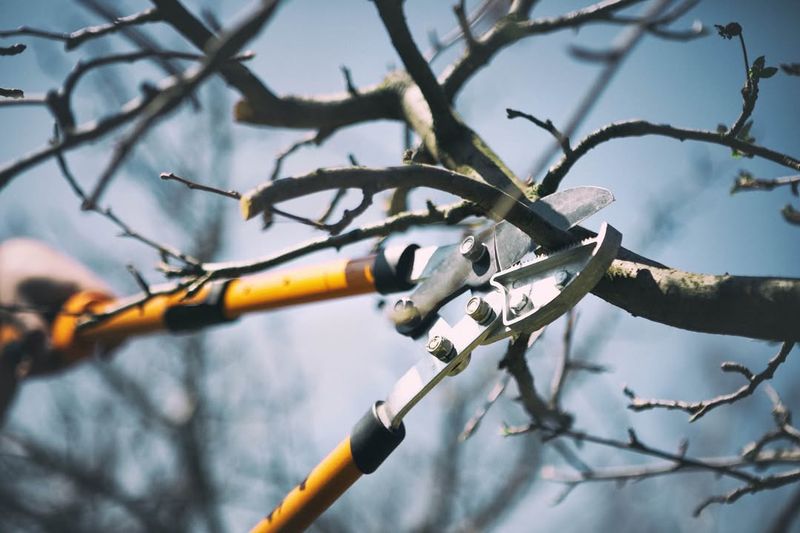
December is prime time for light pruning and orchard sanitation work in Illinois.
Gardeners remove mummified fruits, prune broken branches, and clean up fallen debris around tree bases.
Garlic spray makes the perfect finishing touch after these cleanup tasks are complete.
Once you’ve removed disease-harboring materials, spraying provides an extra protective barrier before deep winter sets in.
The combination of physical cleanup and garlic application creates a one-two punch against pests and diseases.
Many orchardists develop a routine: prune first, rake and remove debris second, then spray everything thoroughly.
This workflow is efficient and ensures the garlic solution contacts freshly exposed wood from pruning cuts.
Fresh cuts are actually excellent entry points for fungal spores, so coating them with garlic spray adds valuable protection.
Illinois weather in December often provides occasional mild days perfect for outdoor orchard work.
Taking advantage of these windows to complete both cleanup and spraying sets your trees up for success.
When January’s bitter cold arrives, you’ll have peace of mind knowing your fruit trees are clean, pruned, and protected with natural garlic spray through the harshest winter months ahead.