How Illinois Homeowners Are Doubling Peace Lily Blooms With Pruning
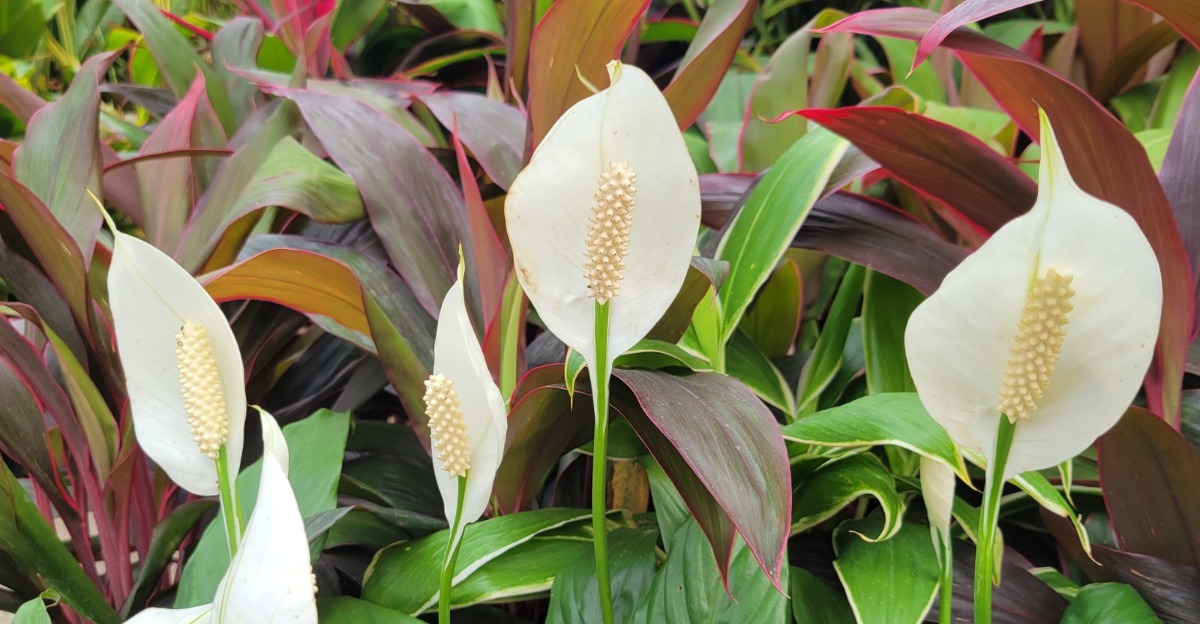
Peace lilies are known for blooming reliably indoors, yet many Illinois homes see long stretches of green leaves with far fewer flowers than expected. The frustration usually builds quietly, because the plant looks healthy enough on the surface.
Most homeowners assume light or fertilizer is the issue, without realizing how much pruning influences bloom cycles in indoor conditions like Illinois winters.
What’s surprising is how a specific pruning approach changes how peace lilies allocate energy throughout the year.
When done at the right moment, it encourages the plant to redirect growth toward flowering instead of endless leaf production.
Illinois homes add another layer to the equation with dry winter air, heating cycles, and limited daylight.
Those factors make timing and technique matter more than people realize.
Once pruning lines up with how peace lilies respond indoors, bloom production often increases in a way that feels dramatic rather than gradual.
1. Removing Spent Blooms As Soon As They Fade
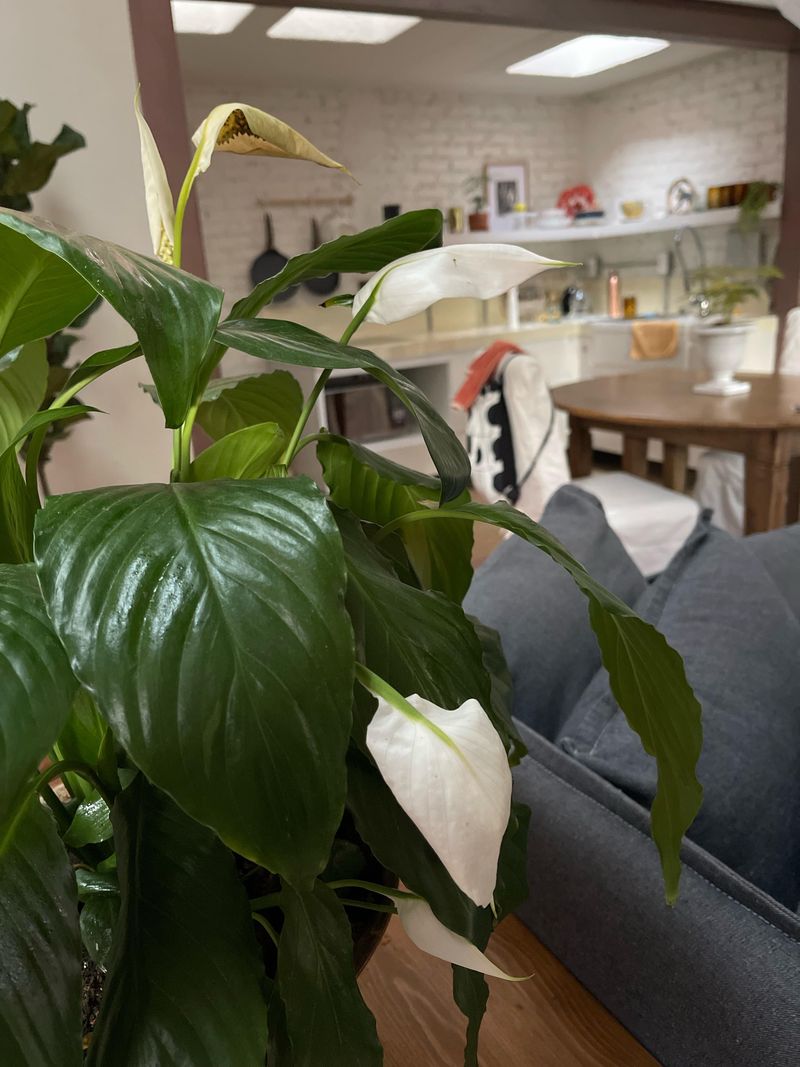
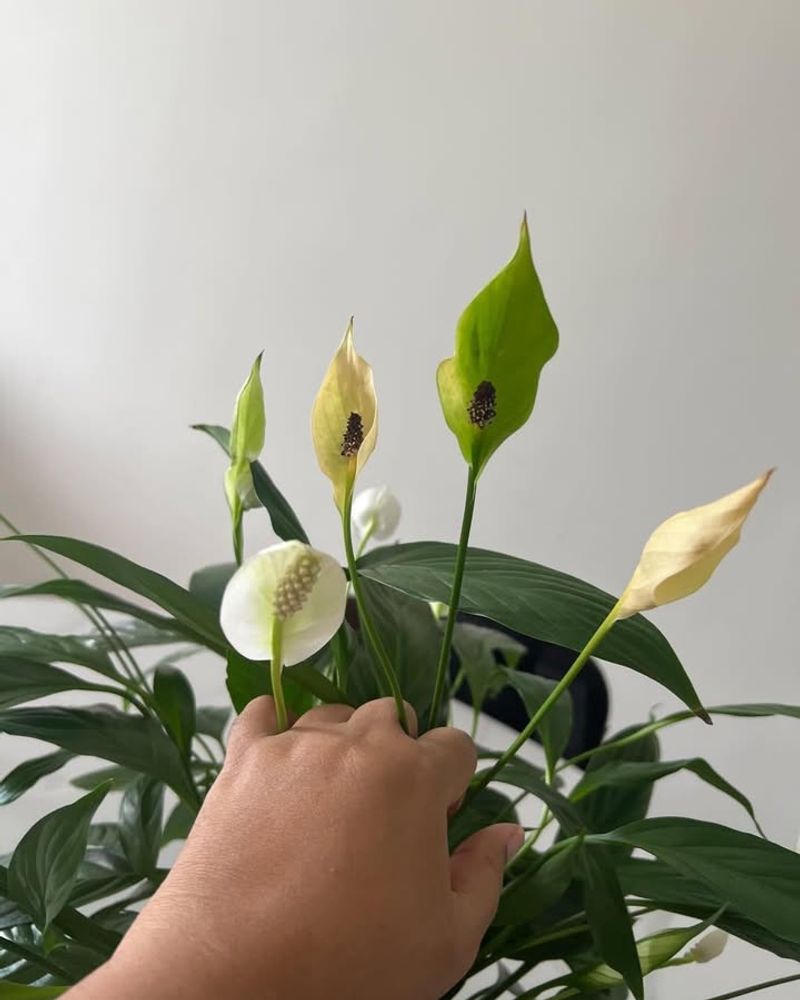
Many Illinois gardeners notice their peace lily flowers turning from white to green or brown as they age. This color shift signals that the bloom has completed its cycle and no longer serves the plant’s decorative purpose.
Once you spot this change, it’s time to take action rather than waiting for the flower to wither completely on its own.
Prompt removal helps redirect the plant’s resources toward developing new buds instead of sustaining old ones. Peace lilies put considerable effort into maintaining each bloom, even after it stops looking fresh.
By cutting away faded flowers quickly, you free up nutrients that would otherwise go to waste.
Homeowners in Chicago and surrounding suburbs have found this simple step makes a noticeable difference in bloom frequency. The plant responds by channeling energy into root development and new growth.
Within weeks, you might see fresh flower stalks emerging from the base.
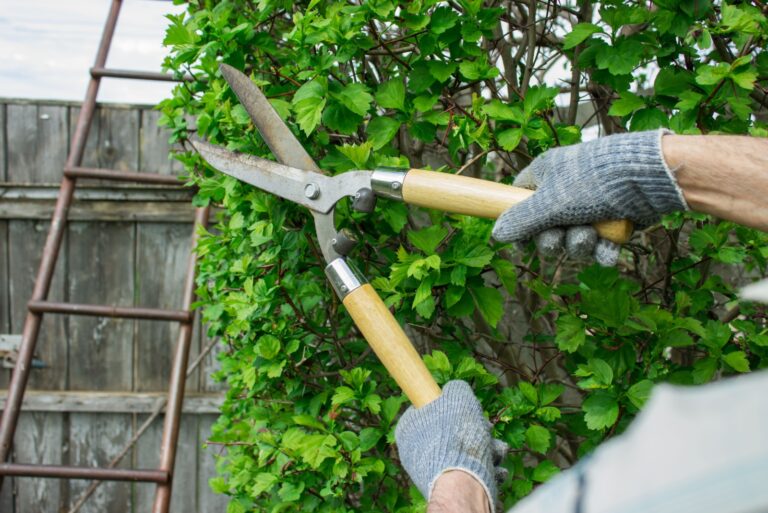
Use clean, sharp scissors or pruning shears to make the cut. Position your tool just above where the stalk meets the main plant body.
A swift, decisive snip prevents damage to healthy tissue nearby.
Consistency matters more than perfection when following this routine. Even removing spent blooms every two weeks can improve your results significantly.
Illinois residents who make this a habit report seeing blooms appear more predictably throughout the year, transforming their indoor spaces with continuous color.
2. Trimming Yellow Leaves At The Base
Yellow foliage often appears on peace lilies as a natural part of their growth cycle. Older leaves lose their vibrant green color and begin to fade, especially those closest to the soil.
While this process is normal, leaving yellowed leaves attached can drain energy from the rest of the plant.
Removing these aging leaves allows your peace lily to concentrate on producing fresh foliage and flowers. The plant no longer wastes resources trying to maintain tissue that has already served its purpose.
Illinois homeowners have noticed that regular leaf removal leads to fuller, healthier-looking plants overall.
Start by identifying leaves that have turned completely yellow or show significant yellowing across most of their surface. Partially yellow leaves can sometimes recover if the issue is related to watering adjustments.
Focus on those that are clearly past their prime.
Grip the base of the yellowed leaf firmly where it connects to the main stem. Pull gently but steadily downward and outward until the leaf separates cleanly.
If it resists, use sterilized scissors to cut as close to the base as possible without nicking surrounding stems.
Gardeners in Naperville and Aurora report that keeping their peace lilies free of yellow leaves improves air circulation around the crown. Better airflow reduces the risk of fungal issues while encouraging the plant to push out new growth.
This maintenance step takes just minutes but yields visible improvements within a few weeks.
3. Cutting Flower Stalks All The Way Down
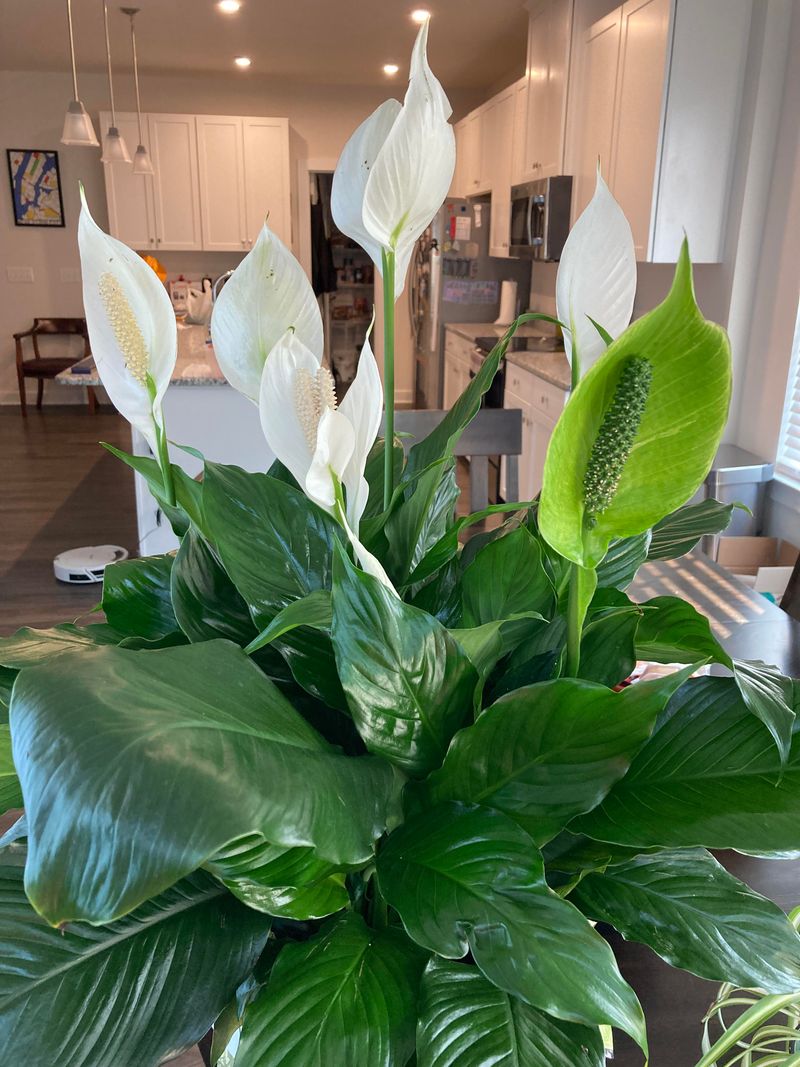
After a peace lily bloom fades, the stalk that held it often remains standing for weeks. Some Illinois plant owners assume this stalk might produce another flower, but peace lily stalks only bloom once.
Leaving the spent stalk in place serves no purpose and actually slows down the development of new flowering stems.
Cutting the entire stalk down to the soil level signals the plant to begin the next bloom cycle. The peace lily interprets the removal as a cue to generate fresh stalks from the crown.
This technique has helped countless homeowners in Peoria and Rockford see faster bloom turnover.
Locate where the flower stalk emerges from the cluster of leaves at the plant’s base. You’ll notice it’s separate from the leaf stems and usually thicker.
Position your shears or scissors as low as possible without cutting into the main crown or damaging adjacent growth.
Make one clean cut straight across the stalk. Avoid twisting or tearing, which can create ragged wounds that take longer to heal.
The plant will seal the cut naturally over the next few days.
Residents across Illinois who practice this method report seeing new flower stalks appear within four to six weeks under proper care conditions. The plant seems to respond with renewed vigor, producing blooms that are often larger and more vibrant than before.
Complete stalk removal keeps the plant looking tidy while maximizing its blooming potential throughout the year.
4. Pruning Lightly Instead Of All At Once

Heavy pruning sessions can shock a peace lily and slow its recovery time significantly. Plants need their foliage to perform photosynthesis, and removing too much at once limits their ability to produce energy.
Illinois gardeners have learned that spreading pruning tasks over several sessions yields better results than tackling everything in one afternoon.
Light, frequent trimming keeps the plant in a steady growth pattern without triggering stress responses. When you remove just a few leaves or stalks at a time, the peace lily barely notices the change.
It continues its normal processes while gradually becoming tidier and healthier.
Plan to prune no more than two or three leaves and one or two spent blooms during each session. Space these sessions about one to two weeks apart, depending on how quickly your plant grows.
This approach works especially well in Illinois homes where indoor conditions remain relatively stable year-round.
Monitor your plant’s response after each light pruning. You should see new growth emerging within days rather than a pause in development.
If the plant seems to slow down, extend the time between sessions slightly.
Homeowners in Springfield and Champaign appreciate this method because it requires less time commitment while delivering consistent improvements. The plant maintains its appearance without ever looking sparse or over-pruned.
Over several months, this gentle approach produces a fuller, more vigorous peace lily that blooms reliably and frequently, transforming indoor spaces with minimal effort.
5. Avoiding Cuts Near The Crown
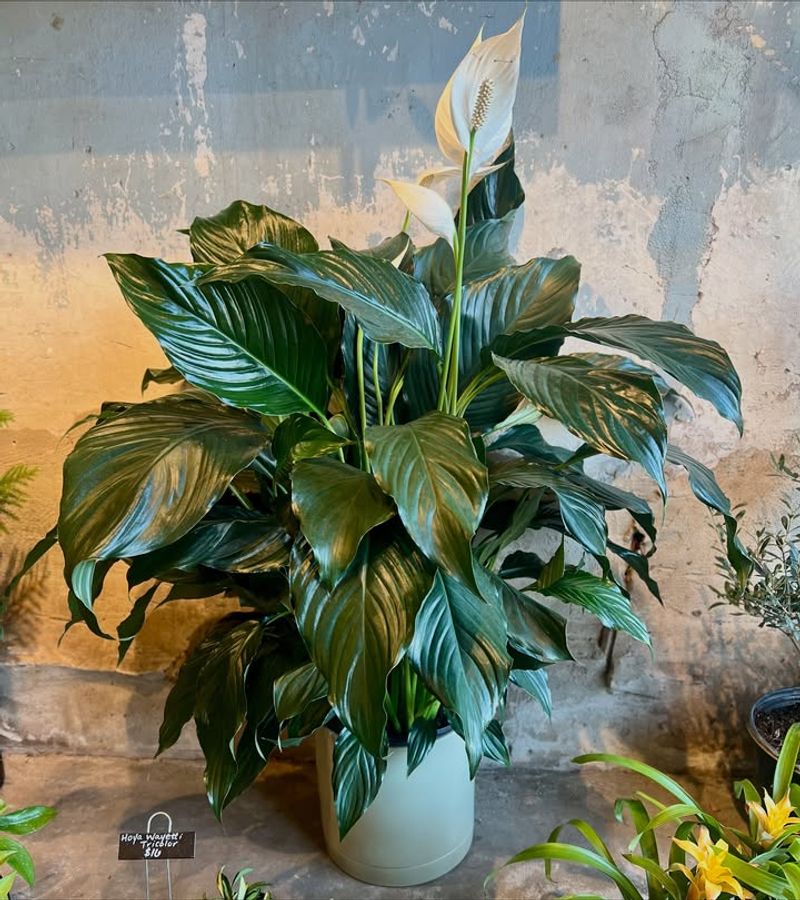
The crown of a peace lily is the central point where all stems emerge from the root system. This area is incredibly sensitive and essential for the plant’s survival.
Damage to the crown can lead to serious problems that affect the entire plant, including reduced blooming and stunted growth.
Illinois plant enthusiasts have learned to exercise extreme caution when pruning anywhere near this vital zone. Even a small nick can create an entry point for bacteria or fungi that thrive in the humid conditions peace lilies prefer.
Protecting the crown ensures the plant remains healthy enough to produce abundant flowers.
When removing leaves or flower stalks, always cut or pull at least half an inch above where the stem meets the crown. This buffer zone prevents accidental damage during the pruning process.
If you’re pulling a leaf by hand, apply gentle pressure and stop immediately if you feel resistance near the base.
Inspect the crown area regularly for any signs of damage or discoloration. Healthy crown tissue appears firm and light green or white.
Any mushiness or darkening suggests a problem that needs attention beyond simple pruning.
Gardeners in Joliet and Elgin recommend using a small flashlight to get a clear view of the crown before making any cuts. Better visibility reduces the risk of mistakes.
By keeping all pruning activities safely away from this critical area, your peace lily maintains its structural integrity and continues producing new growth and blooms for years to come.
6. Pruning Only During Active Growth
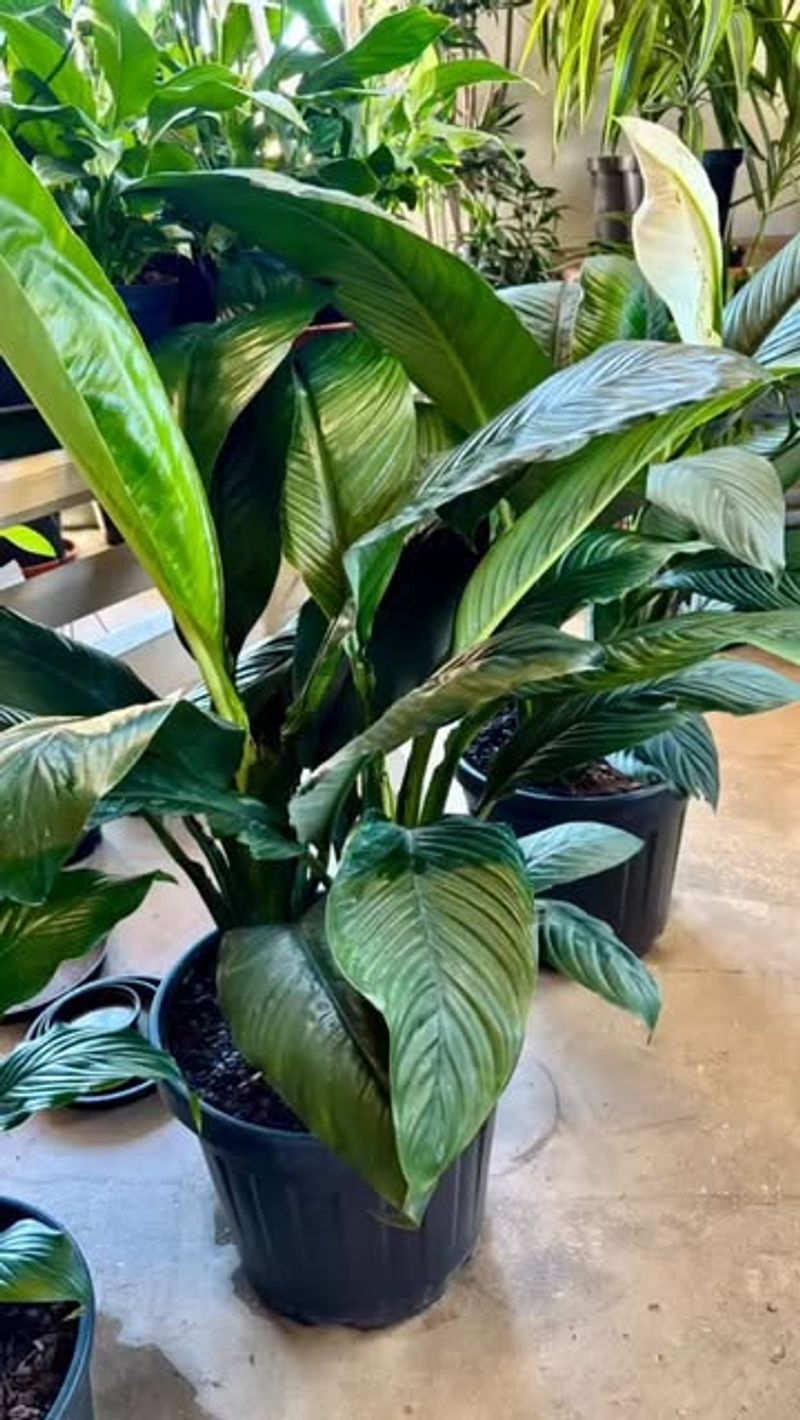
Peace lilies experience natural growth cycles throughout the year, with periods of active development and times of slower activity. Understanding these rhythms helps Illinois homeowners time their pruning for maximum benefit.
Plants respond best to trimming when they’re already producing new leaves and flowers.
Spring and summer typically bring the most vigorous growth for indoor peace lilies across Illinois. Longer days and warmer temperatures encourage the plant to push out fresh foliage and bloom more frequently.
Pruning during these months allows the plant to recover quickly and redirect energy efficiently.
Watch for signs of active growth before reaching for your pruning tools. New leaves unfurling from the center, emerging flower stalks, and overall perky appearance all indicate the plant is in an active phase.
These visual cues tell you the timing is right for trimming.
During late fall and winter, many peace lilies slow down considerably even in heated Illinois homes. The reduced light levels trigger a semi-dormant state where growth nearly stops.
Pruning during this period can stress the plant because it lacks the energy reserves to heal quickly and generate replacement growth.
Residents in Bloomington and Decatur have found that limiting pruning to the growing season results in fuller, more robust plants. The peace lily bounces back from each trim with renewed vigor, producing blooms more consistently.
By working with the plant’s natural schedule rather than against it, you create optimal conditions for doubling your bloom count throughout the year.
7. Keeping Cuts Clean And Precise
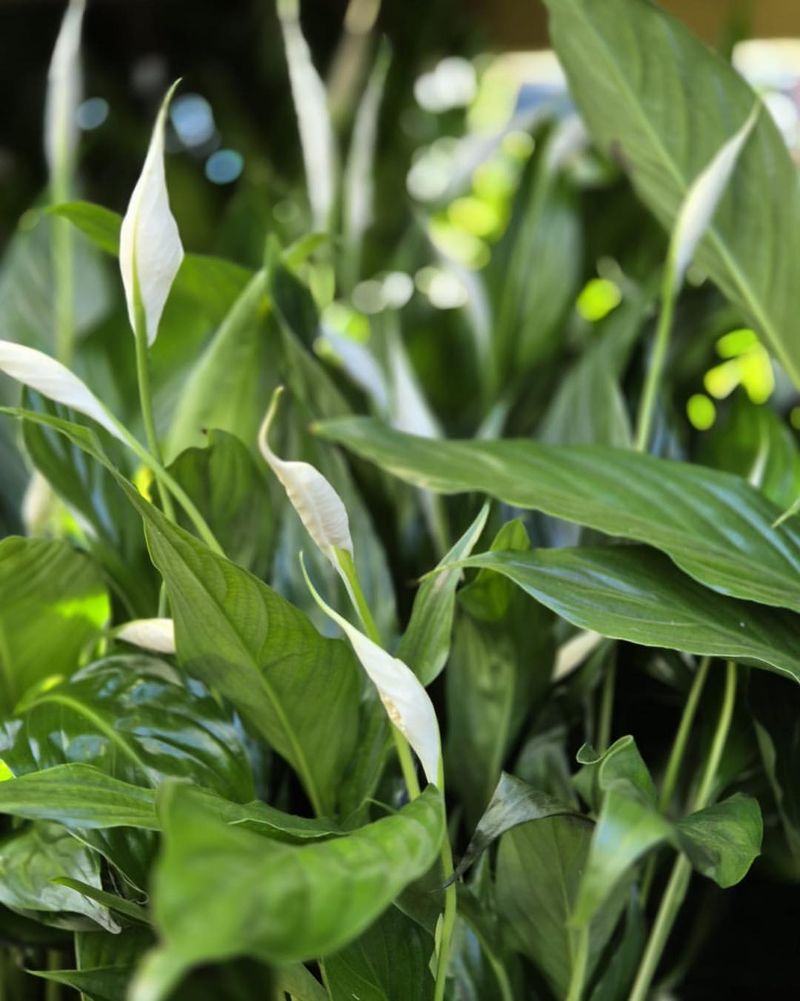
The quality of your pruning cuts directly affects how quickly your peace lily recovers and resumes blooming. Ragged, torn edges take longer to heal and create larger wounds that lose more moisture.
Clean cuts made with sharp tools minimize trauma and allow the plant to seal the wound efficiently.
Before each pruning session, Illinois gardeners should sterilize their tools with rubbing alcohol or a diluted bleach solution. This simple step prevents the spread of diseases between plants or even between different parts of the same peace lily.
Clean tools also make smoother cuts because they’re free of sap buildup and debris.
Sharp blades are essential for achieving precise cuts. Dull scissors or shears crush plant tissue instead of slicing cleanly through it.
The crushing action damages cells beyond the cut site, creating a larger area that needs to heal.
Position your tool perpendicular to the stem or leaf you’re removing. Make one confident cut rather than sawing back and forth.
The motion should feel smooth and require minimal pressure if your tool is properly sharpened.
After making each cut, inspect the wound briefly. You should see a clean edge without torn fibers or crushed tissue.
If the cut looks ragged, your tool needs sharpening or replacement. Homeowners in Evanston and Oak Park who prioritize cut quality report faster recovery times and more vigorous regrowth.
Their peace lilies produce new blooms sooner because the plant spends less energy healing and more energy developing flowers.
8. Clearing Crowded Inner Growth
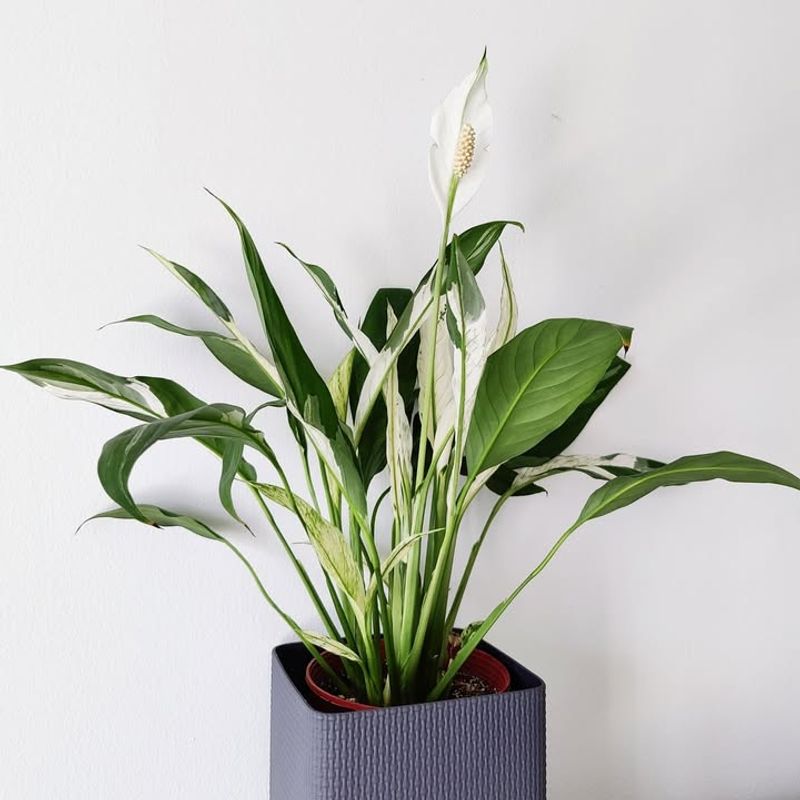
As peace lilies mature, they often develop dense clusters of leaves in their center. This crowding blocks light and air from reaching the inner portions of the plant.
Without adequate circulation and light penetration, the plant struggles to produce flowers from its core, limiting overall bloom production.
Thinning out the congested center allows light to reach all parts of the plant evenly. The improved exposure encourages the development of flower stalks throughout the entire plant rather than just around the outer edges.
Illinois homeowners who practice selective inner pruning see blooms appearing from deeper within the foliage.
Examine your peace lily from above to identify areas where leaves overlap heavily or create dark pockets. These are the spots that need attention.
Select older, smaller leaves growing from the inner sections for removal rather than the large outer leaves that contribute most to photosynthesis.
Remove no more than one-quarter of the inner foliage during a single session. Gradual thinning prevents shock while steadily improving conditions inside the plant.
You should be able to see through the plant slightly when looking down from above after proper thinning.
Better air movement through the center also reduces humidity buildup that can lead to fungal issues. Gardeners in Schaumburg and Wheaton notice their plants stay healthier overall when air circulates freely through the foliage.
The combination of better light and airflow creates ideal conditions for the peace lily to produce more flower stalks, effectively doubling bloom output over time.
9. Maintaining Regular Light Pruning
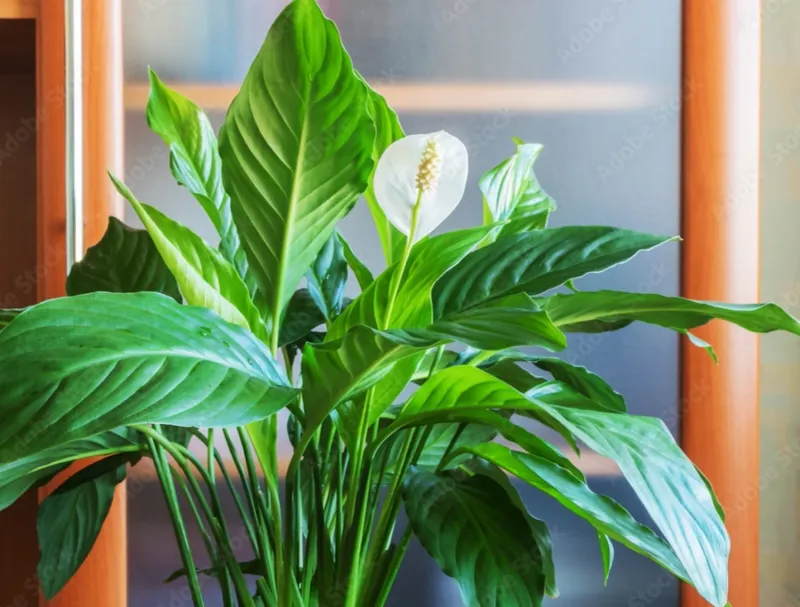
Consistency transforms pruning from a chore into a simple routine that keeps your peace lily in peak blooming condition. Rather than waiting for problems to develop, regular light maintenance prevents issues before they start.
Illinois plant owners who establish a pruning schedule enjoy healthier plants with more predictable bloom cycles.
Set aside a few minutes every week or two to inspect your peace lily and remove any yellowing leaves or faded blooms. This brief check-in becomes second nature after a few repetitions.
The regular attention also helps you notice other issues early, like pest problems or watering needs.
A consistent schedule prevents the buildup of aging or declining plant material that can harbor pests and diseases.
Keeping the plant clean and tidy creates an environment where the peace lily can focus entirely on growth and flowering. Small, frequent interventions require less effort than major pruning sessions and produce better results.
Track your plant’s bloom cycle by noting when flowers appear and fade. This information helps you anticipate when new blooms might emerge and adjust your care accordingly.
Many Illinois residents find that their peace lilies settle into a predictable pattern once regular pruning becomes routine.
Homeowners throughout the state report that this ongoing maintenance approach feels less overwhelming than sporadic major pruning sessions. The plant always looks its best, and blooms appear more frequently.
By making light pruning a regular habit, you create optimal conditions for your peace lily to produce twice as many flowers as it would with neglectful or irregular care.