How Illinois Homeowners Keep Indoor Rosemary, Basil, And Mint Thriving All Winter
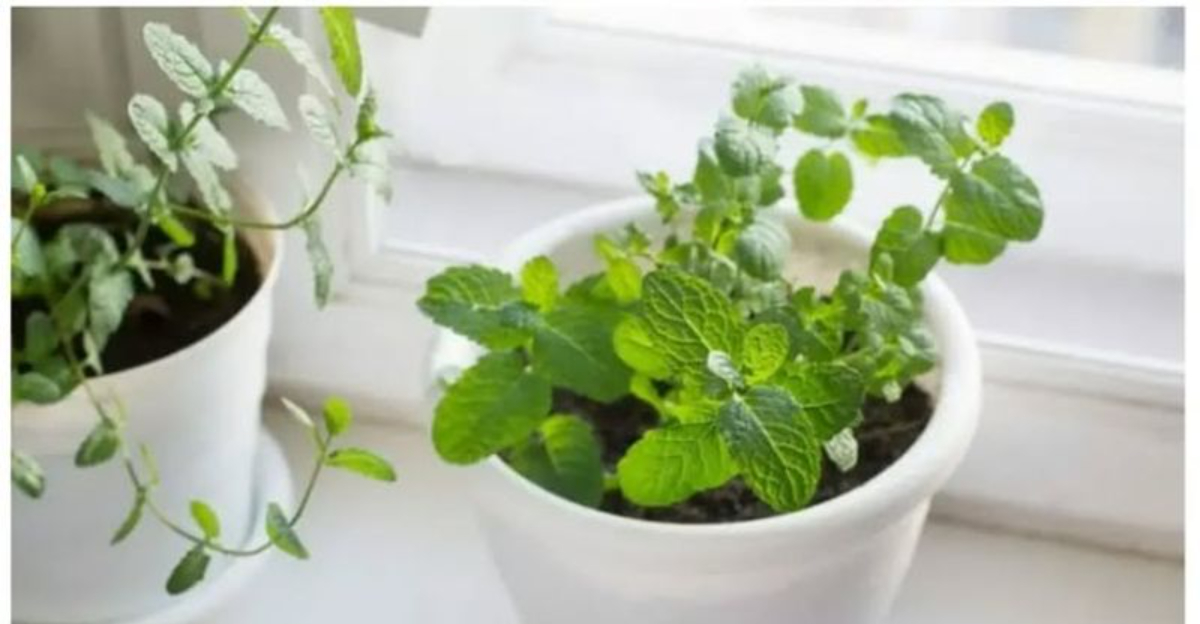
Illinois winters can be long and unforgiving, but indoor herb gardens do not have to go into hiding.
Rosemary, basil, and mint bring fresh flavor and green life into homes when snow piles up outside and the days grow short.
These kitchen favorites may love sunshine and warmth, yet they can still thrive indoors with the right touch.
Dry heat, low light, and tight windowsills can throw herbs off their game, causing leaves to fade or growth to slow.
Many Illinois homeowners learn to adjust their routine, making small changes that keep herbs happy and productive all season.
A bright window, steady watering, and good air flow can work wonders, turning a quiet corner into a lively green spot.
Each clipped sprig feels like a small victory against winter’s chill.
With patience and a bit of know-how, indoor herbs stay lush, fragrant, and ready to use, proving that fresh growth does not have to wait for spring.
1. Position Plants Near South-Facing Windows For Maximum Light
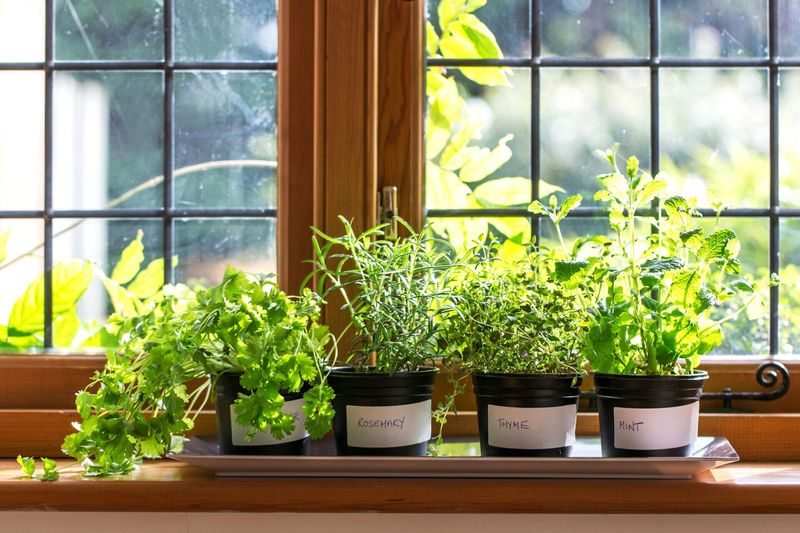
Sunlight becomes precious during Illinois winters when days grow short and clouds often block the sky.
Your herbs need at least six hours of bright light daily to stay healthy and produce flavorful leaves worth harvesting.
South-facing windows receive the most consistent sunlight throughout the day, making them the ideal spot for your indoor herb garden.
Rosemary especially craves abundant light since it originates from sunny Mediterranean regions.
Basil also demands plenty of brightness to maintain its vibrant green color and robust growth.
Mint can tolerate slightly less light than the other two, but it still performs best with generous sun exposure.
Place your pots as close to the glass as possible without touching it, since windows can get quite cold during frigid Illinois nights.
Rotate your containers every few days so all sides of the plants receive equal light exposure.
This prevents them from leaning heavily toward the window and developing lopsided growth patterns.
If your home lacks south-facing windows or trees outside block the sun, east-facing windows work as a second choice.
West-facing windows can also work but may expose plants to intense afternoon heat in rooms with good insulation.
North-facing windows rarely provide enough light for these particular herbs to flourish properly.
Clean your windows regularly during winter months because dirt and grime reduce the amount of light reaching your plants significantly.
2. Supplement With Grow Lights During Dark Winter Months
Even the brightest windows in Illinois homes sometimes can’t provide enough light during December and January when daylight hours shrink dramatically.
Cloudy stretches lasting several days are common across the state, leaving your herbs starving for the energy they need.
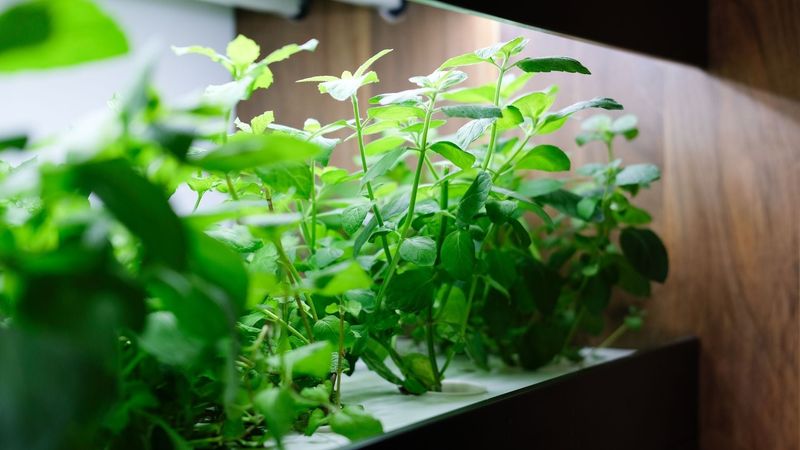
Grow lights solve this problem by delivering consistent, reliable illumination regardless of weather conditions outside.
Full-spectrum LED grow lights work wonderfully for herbs because they produce the specific wavelengths plants use for photosynthesis.
These bulbs stay cool to the touch, so you can position them just inches above your plants without causing heat damage.
They also consume very little electricity compared to older fluorescent options, keeping your winter energy bills reasonable.
Set your grow lights on a timer to run for twelve to fourteen hours daily, giving your herbs the extended daylight they would experience during their natural growing season.
Position the lights about six to eight inches above the top leaves of your plants.
As your herbs grow taller, adjust the light height to maintain that optimal distance.
Many Illinois homeowners use grow lights as a supplement rather than a replacement for natural sunlight.
They turn them on during morning hours before sunrise and again in the evening after sunset.
This strategy extends the effective daylight period without completely replacing the benefits of real sunshine.
Affordable grow light systems designed specifically for countertop herb gardens are widely available at garden centers throughout Illinois.
3. Water Carefully To Match Slower Winter Growth Rates
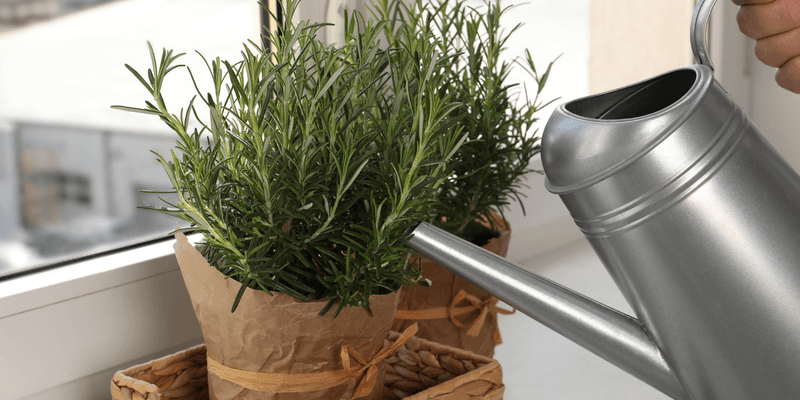
Overwatering causes more problems for indoor herbs during winter than almost any other mistake.
Plants grow much slower when temperatures drop and daylight decreases, which means they use significantly less water than during summer months.
Soggy soil leads to root problems that can weaken or damage your plants quickly.
Check the soil moisture before watering by sticking your finger about an inch deep into the potting mix.
If it feels dry at that depth, it’s time to water.
If it still feels damp or cool, wait another day or two before checking again.
Rosemary prefers drier conditions than basil or mint, so let its soil dry out more thoroughly between waterings.
This woody herb actually suffers when kept too moist, especially in the cooler temperatures typical of Illinois homes during winter.
Basil likes consistently moist soil but not waterlogged conditions that leave roots sitting in standing water.
Mint falls somewhere in between, appreciating regular moisture but tolerating brief dry spells better than basil.
When you do water, add enough so a little drains from the bottom of the pot.
Empty saucers beneath your containers after fifteen minutes to prevent roots from soaking in excess water.
Illinois tap water works fine for most herbs, but let it sit out overnight before using it if your municipality adds lots of chlorine.
Room-temperature water is gentler on roots than ice-cold water straight from the faucet during winter.
4. Maintain Proper Humidity Levels In Dry Indoor Air
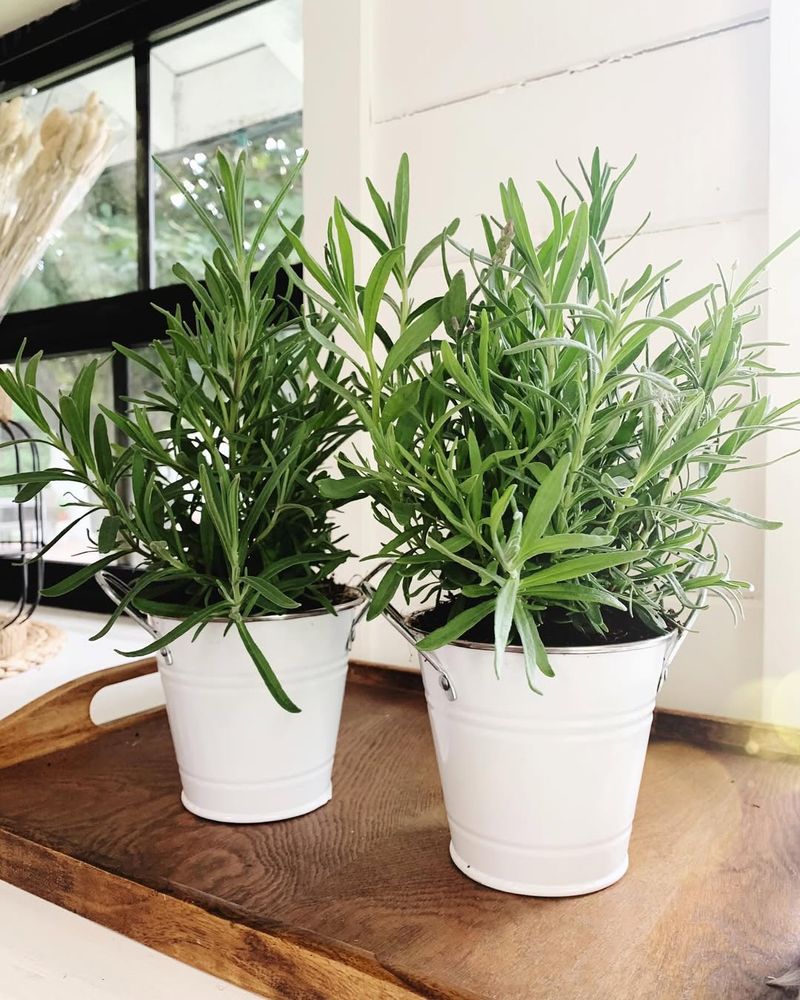
Furnaces running constantly throughout Illinois winters create desert-like conditions inside homes that stress herbs accustomed to more humid environments.
Basil and mint particularly struggle when humidity drops too low, developing brown leaf edges and becoming more vulnerable to pest problems.
Rosemary tolerates dry air somewhat better but still appreciates moderate humidity levels.
Group your herb pots together on a tray to create a mini microclimate where plants benefit from each other’s transpiration.
Fill the tray with pebbles or small stones, then add water until it reaches just below the top of the stones.
Set your pots on the pebbles, making sure the bottoms don’t sit directly in water.
As water evaporates from the tray, it increases humidity in the immediate area around your herbs.
Refill the tray whenever the water level drops, which might happen every few days depending on how dry your home gets.
Misting your herbs with a spray bottle provides temporary relief but isn’t a complete solution since the moisture evaporates quickly.
Some Illinois homeowners place small humidifiers near their herb gardens, which works especially well if you’re growing several pots together in one location.
Kitchen and bathroom windows often have naturally higher humidity than other rooms, making them excellent spots for herbs that need extra moisture.
Avoid placing herbs directly above heating vents where blasts of hot, dry air will stress them severely.
5. Keep Temperatures Consistent And Away From Cold Drafts
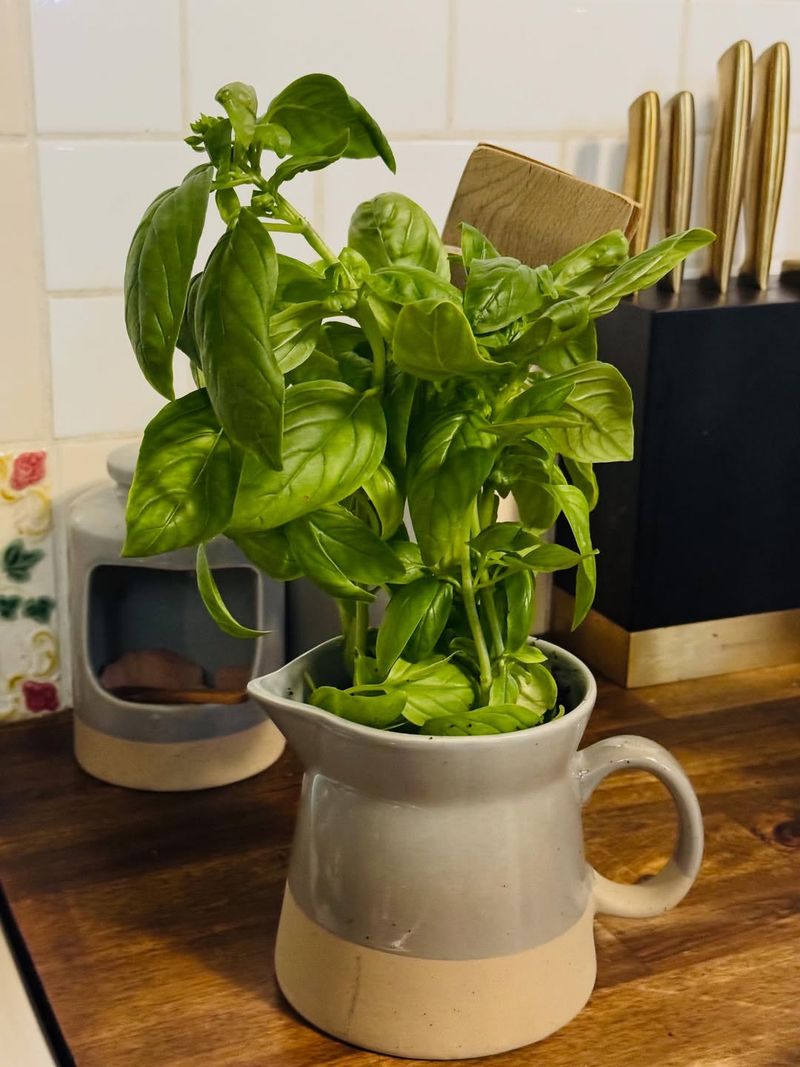
Temperature swings confuse herbs and slow their growth significantly, so finding the right spot in your Illinois home matters tremendously.
Most herbs prefer temperatures between 60 and 70 degrees Fahrenheit during winter months.
Basil is the most temperature-sensitive of the three, suffering quickly when exposed to cold drafts or temperatures below 50 degrees.
Windows provide necessary light but can also be sources of cold air that seeps through gaps and cracks in older frames.
Place a hand near the window frame on a windy day to check for drafts.
If you feel cold air, consider moving your herbs back from the glass slightly or using weatherstripping to seal the leaks.
At night, when temperatures outside plummet, you might want to move herbs away from windows or place a layer of insulation between the pots and the cold glass.
Some creative Illinois homeowners hang a sheer curtain between their herbs and the window at night, creating an insulating air pocket.
Remove the curtain during daylight hours so plants still receive adequate light.
Avoid placing herbs near exterior doors that open frequently, letting in blasts of frigid air.
Also keep them away from heating vents that blast hot air directly on leaves, causing rapid moisture loss and stress.
Basil will drop leaves quickly when exposed to cold drafts, while rosemary and mint show their displeasure through slowed growth and dulled color.
Room temperature stability helps herbs maintain steady growth patterns throughout winter.
6. Prune Regularly To Encourage Bushier Growth Patterns
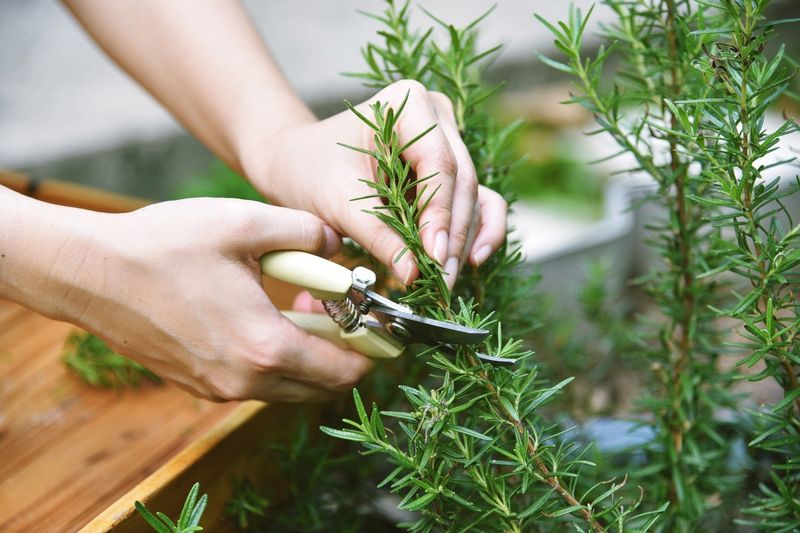
Frequent harvesting actually helps your herbs stay healthier and more productive throughout the winter months in Illinois.
When you snip leaves and stems regularly, you encourage plants to branch out and develop fuller, bushier shapes instead of growing tall and leggy.
This pruning also prevents flowering, which would signal the plant to stop producing flavorful leaves.
Basil responds especially well to regular pinching, which involves removing the top set of leaves from each stem.
Make your cut just above a pair of leaves, and the plant will send out two new branches from that spot.
Do this every week or two, and your basil will transform into a compact, leafy bush.
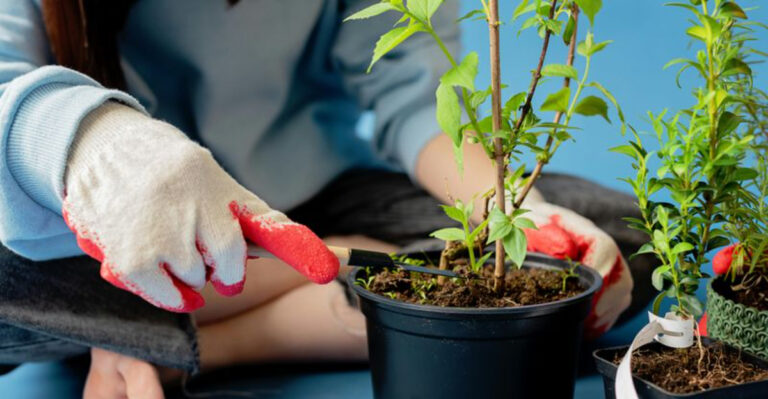
Rosemary grows more slowly during winter, but you should still trim it occasionally to maintain its shape and encourage new growth.
Cut stems just above a leaf node, and new shoots will emerge from below the cut.
Use your rosemary clippings in cooking or dry them for later use.
Mint spreads aggressively even indoors, so don’t hesitate to harvest generously and often.
Pinch back the tips of stems to prevent flowering and keep the plant focused on leaf production.
Remove any stems that look weak or discolored to improve air circulation and overall plant health.
Always use clean, sharp scissors or pruning shears to make cuts that heal quickly without tearing plant tissue unnecessarily.
7. Use Well-Draining Potting Mix And Proper Containers
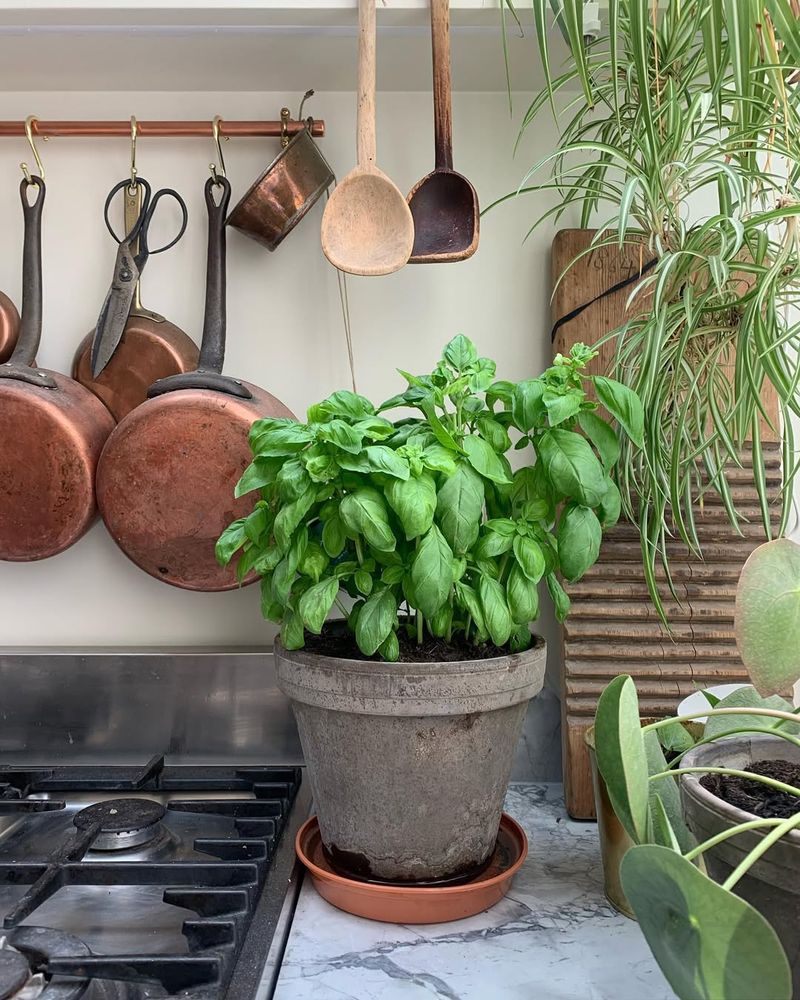
The foundation of successful indoor herb growing starts with choosing the right soil and containers for your plants.
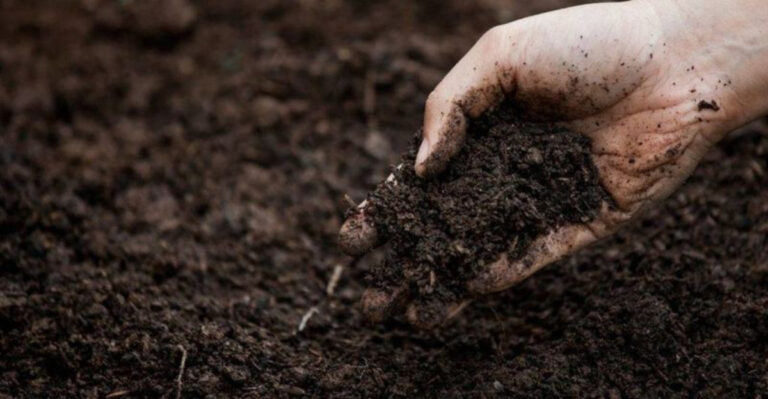
Regular garden soil is too heavy and dense for container growing, staying wet too long and suffocating roots.
Herbs need a light, fluffy potting mix that drains quickly while still holding enough moisture to keep roots hydrated.
Look for potting mixes labeled specifically for containers or herbs at Illinois garden centers.
These blends typically contain peat moss or coconut coir, perlite or vermiculite for drainage, and sometimes a small amount of compost for nutrition.
Rosemary especially demands excellent drainage, so consider mixing extra perlite into its potting soil.
Your containers absolutely must have drainage holes in the bottom to allow excess water to escape.
Without drainage, water accumulates at the bottom of the pot, creating soggy conditions that harm roots.
Terra cotta pots work wonderfully for herbs because the porous material allows soil to dry out more evenly than plastic containers.
Choose pots that are appropriately sized for your herbs.
Basil and mint do well in containers at least six inches deep and wide.
Rosemary eventually grows quite large, so start it in an eight-inch pot or plan to transplant it to a bigger container as it matures.
Place saucers under your pots to protect windowsills and furniture from water damage, but remember to empty them after watering so roots don’t sit in standing water for extended periods
8. Feed Sparingly With Diluted Fertilizer For Winter Nutrition
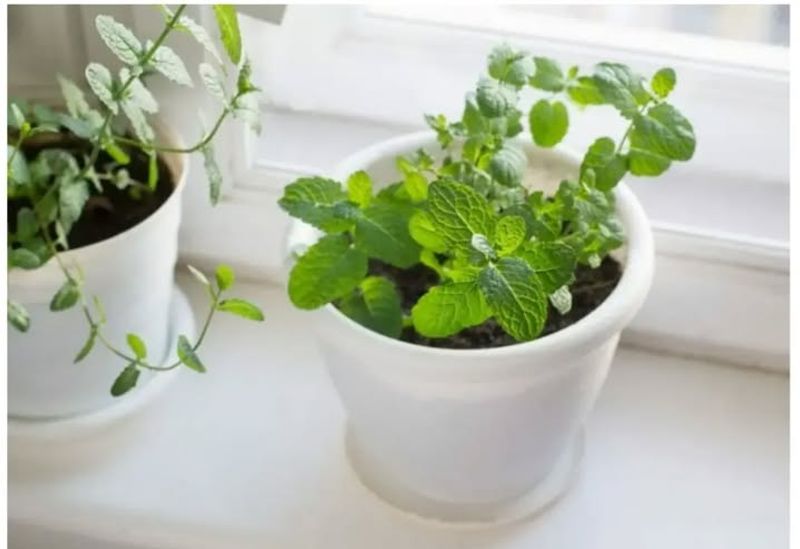
Herbs growing indoors during Illinois winters need some nutritional support, but much less than they would during their active outdoor growing season.
Plants absorb nutrients more slowly when growth rates decrease, so heavy fertilizing can actually cause more harm than good by building up salts in the soil.
A gentle approach works best for keeping herbs healthy without overwhelming them.
Choose a balanced, water-soluble fertilizer with equal amounts of nitrogen, phosphorus, and potassium.
Organic options like fish emulsion or seaweed extract work beautifully for herbs and won’t burn sensitive roots.
Mix the fertilizer at half the strength recommended on the package label.
Feed your herbs once every four to six weeks during winter months, much less frequently than the weekly or biweekly schedule you might follow in summer.
Apply the diluted fertilizer when you water, making sure the soil is already slightly moist to prevent root damage.
Pour the mixture evenly over the soil surface until a little drains from the bottom.
Basil typically shows hunger through pale, yellowish leaves, while rosemary might develop lighter green foliage than usual.
Mint is less demanding but still appreciates occasional feeding to maintain vigorous growth.
If you notice white crusty deposits on the soil surface or pot rim, you’re probably fertilizing too much or too often.
Flush the soil occasionally by watering thoroughly with plain water to wash away accumulated salts that can build up from repeated fertilizer applications.