How Illinois Residents Can Handle Coyote Activity Near Backyards
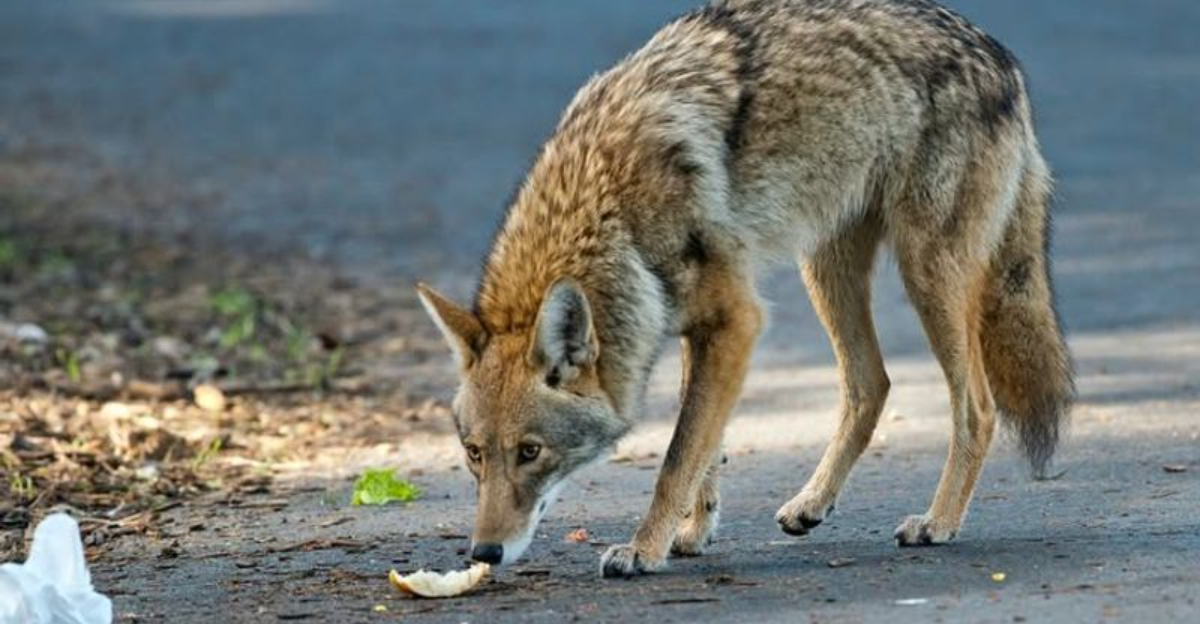
Coyote activity has become a growing part of daily life in many Illinois neighborhoods, slipping into backyards with the quiet confidence of animals that adapt quickly to changing spaces.
These clever wanderers move along fences, creek beds, and open lots, often leaving only a faint trail or a late-night howl as proof of their visit.
As sightings increase, residents are learning that a calm, informed approach keeps both people and wildlife safe.
A few simple habits can steer coyotes away from backyards while still respecting the natural balance that runs through the state.
Clean yards, secure trash, and smart pet routines go a long way in reducing curiosity from these sharp-eyed animals.
Understanding how coyotes behave turns fear into preparation and helps families feel more comfortable outdoors.
By staying alert and making small adjustments, Illinois homeowners can create spaces that feel protected without disrupting the wildlife that shares the landscape.
1. Remove Food Sources That Attract Coyotes

One of the biggest mistakes homeowners make is accidentally feeding coyotes without even realizing it.
Pet food left outside, bird feeders that spill seeds on the ground, and unsecured garbage cans all send an open invitation to hungry coyotes roaming Illinois neighborhoods.
When these animals find easy meals around your property, they will keep coming back and may even bring their families along.
The scent of food can travel surprisingly far, drawing coyotes from miles away to investigate your backyard.
Start by feeding your pets indoors or removing their bowls immediately after mealtime.
If you must feed pets outside, supervise them and bring dishes in as soon as they finish eating.
Bird feeders should be placed high enough that fallen seeds do not accumulate below, or consider removing them entirely during seasons when coyote activity increases.
Store garbage in sealed containers inside your garage or shed until collection day, and never leave trash bags sitting outside overnight.
Compost piles can also attract coyotes if they contain meat scraps or other protein sources.
Stick to vegetable-based composting and keep your pile covered with a secure lid.
Fallen fruit from trees should be picked up regularly, as coyotes will eat almost anything when hungry.
By eliminating these food sources, Illinois residents make their yards far less appealing to wandering coyotes looking for their next meal.
2. Install Proper Fencing Around Your Property

Building a strong barrier between your yard and the wild spaces beyond gives you tremendous peace of mind when coyotes are active in your Illinois community.
A proper fence does more than mark property lines; it creates a physical obstacle that discourages coyotes from entering your space.
These clever animals can jump surprisingly high and may even dig under barriers that are not properly installed, so choosing the right fence design matters greatly.
The most effective fencing stands at least six feet tall and extends underground by about twelve inches to prevent digging.
Chain-link, wood, or vinyl fences all work well as long as they have no gaps large enough for a coyote to squeeze through.
Some Illinois homeowners add coyote rollers to the top of their fences, which are spinning bars that prevent animals from getting a grip when they try to climb over.
Electric fencing is another option for rural properties, though it requires more maintenance and careful installation.
Check your fence regularly for damage, loose boards, or holes that might have appeared over time.
Coyotes are persistent and will exploit any weakness they find.
Gates should close securely with latches that cannot be pushed open by a determined animal.
If complete fencing is not possible due to cost or property layout, focus on enclosing areas where children play or pets spend time outdoors.
A well-maintained fence significantly reduces the chances of unexpected coyote encounters in your Illinois backyard.
3. Keep Pets Supervised And Indoors At Night

Small dogs and cats look remarkably similar to the natural prey that coyotes hunt throughout Illinois, making unsupervised pets extremely vulnerable during dawn, dusk, and nighttime hours.
Coyotes are most active during these low-light periods when they feel safer moving through residential areas.
Even medium-sized dogs can find themselves in dangerous situations if they encounter a coyote pack, which sometimes happens in areas where these animals have established territories.
Never leave small pets outside alone, even in a fenced yard.
Coyotes can clear six-foot fences with ease when motivated by hunger or curiosity.
Walk dogs on short leashes rather than letting them roam freely, especially during early morning or evening hours when coyote activity peaks.
If you hear coyotes howling nearby, keep pets indoors until the sounds fade away.
Cat owners should seriously consider transitioning outdoor cats to indoor-only living, as cats are particularly at risk in areas with active coyote populations.
When you must let dogs out after dark, turn on outdoor lights and accompany them into the yard.
Motion-activated lights can startle coyotes and make them think twice about approaching.
Consider installing a covered outdoor kennel for times when pets need to be outside but cannot be directly supervised.
Illinois residents who follow these precautions dramatically reduce the risk of tragic encounters between their beloved pets and wild coyotes.
Your furry family members depend on you to keep them safe from wildlife dangers.
4. Practice Hazing Techniques To Discourage Coyotes
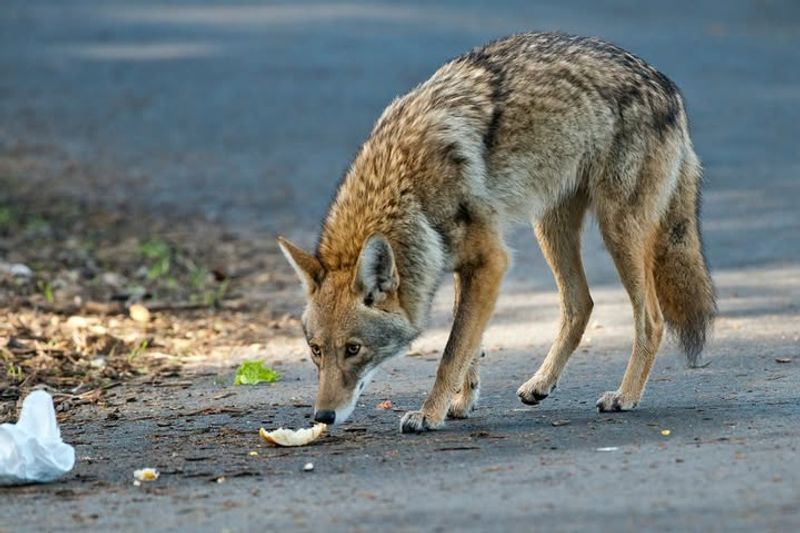
Hazing sounds intense, but it simply means teaching coyotes to fear humans again by making encounters unpleasant for them.
Many coyotes in Illinois suburbs have lost their natural wariness of people because they rarely face negative consequences when they wander into residential areas.
When you spot a coyote in your yard or neighborhood, your reaction can help determine whether it returns or decides to avoid the area in the future.
Stand tall, make yourself appear larger by raising your arms, and make loud noises by shouting, clapping, or banging pots together.
Never run away or turn your back, as this can trigger a chase response.
Instead, maintain eye contact and move toward the coyote while continuing to make noise.
Most coyotes will retreat quickly when confronted with this kind of assertive human behavior.
You can also use air horns, whistles, or even water hoses to reinforce the message that your property is not a safe place for them.
Consistency matters when it comes to hazing.
Every family member should understand these techniques and use them whenever they encounter a coyote.
Neighbors working together to haze coyotes create an entire neighborhood that feels unwelcoming to these animals.
Illinois wildlife experts encourage this approach because it helps maintain the natural fear that keeps coyotes at a safe distance from humans.
The goal is not to harm coyotes but to remind them that people and residential areas should be avoided.
5. Eliminate Hiding Spots In Your Yard

Coyotes prefer areas where they can move unseen and find shelter when they feel threatened or need to rest during daylight hours.
Overgrown bushes, dense shrubs, wood piles, and tall grass all provide perfect hiding spots that make your Illinois property more attractive to these cautious animals.
By maintaining a neat, open landscape, you send a clear message that your yard offers no safe haven for wildlife looking to settle in or pass through unnoticed.
Trim shrubs and bushes so they do not create dense thickets where animals can hide.
Keep grass mowed regularly and remove brush piles that accumulate in corners of your property.
If you store firewood, stack it neatly at least eighteen inches off the ground and away from your house or shed.
Clear out spaces under decks, porches, and sheds where coyotes might seek shelter or even establish dens.
Installing lattice barriers or hardware cloth under these structures prevents animals from accessing these tempting hideaways.
Pay special attention to areas along fence lines and property borders where vegetation tends to grow thick.
These transition zones between yards and wild spaces are natural travel corridors for coyotes moving through Illinois neighborhoods.
Good visibility across your entire property not only discourages coyotes but also makes it easier for you to spot any wildlife that does venture into your space.
A well-maintained yard with minimal hiding spots is far less appealing to coyotes than an overgrown property that offers plenty of cover and concealment.
6. Use Motion-Activated Lights And Sprinklers

Technology offers Illinois homeowners powerful tools for discouraging coyote visits without requiring constant vigilance or physical confrontation.
Motion-activated devices work around the clock, responding instantly when animals enter your yard and creating startling experiences that teach coyotes to avoid your property.
These automated systems are especially valuable during nighttime hours when you cannot personally monitor your backyard for wildlife activity.
Motion-activated lights suddenly illuminate dark yards when they detect movement, which typically startles coyotes and sends them running.
These lights are inexpensive, easy to install, and provide the added benefit of improving security against human intruders as well.
Position lights to cover entry points like gates, gaps in fencing, or areas where your property borders wild spaces.
Coyotes prefer darkness for their activities, so bright lights make your yard feel unsafe and exposed.
Motion-activated sprinklers take deterrence a step further by combining sudden movement, noise, and an unexpected spray of water.
Coyotes dislike getting wet and will quickly learn to avoid areas protected by these devices.
Place sprinklers strategically to guard vegetable gardens, pet areas, or other spaces you want to keep wildlife-free.
Both lights and sprinklers require minimal maintenance and work even when you are sleeping or away from home.
Illinois residents who invest in these simple technologies create properties that feel unwelcoming to coyotes while requiring very little ongoing effort to maintain that protection.
7. Educate Your Family And Neighbors About Coyote Safety
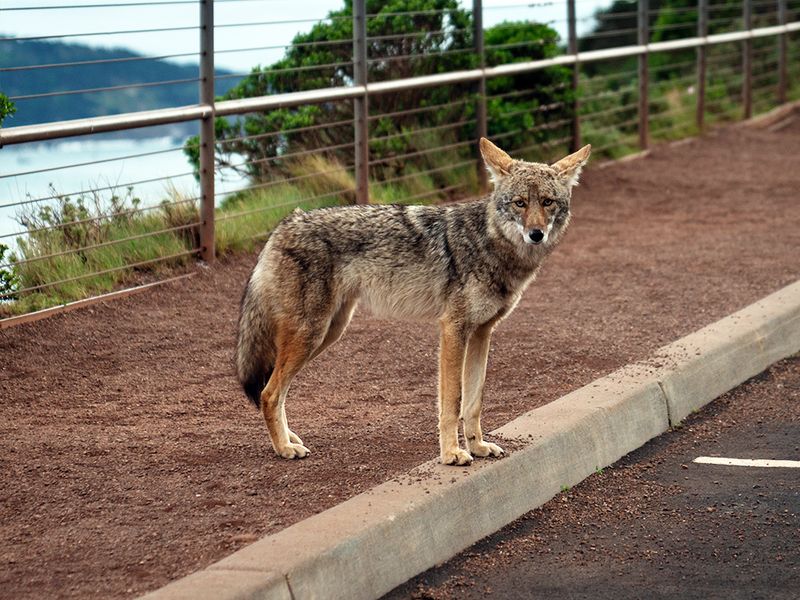
Knowledge is one of the most powerful tools Illinois residents have for handling coyote activity safely and effectively.
When everyone in your household understands how to respond to coyote encounters, the risk of dangerous situations drops dramatically.
Children especially need clear, age-appropriate instructions about what to do if they see a coyote while playing outside or walking to school.
Teach kids never to approach, feed, or try to pet coyotes, no matter how friendly or cute they might appear.
Explain that coyotes are wild animals that can be unpredictable and potentially dangerous.
Practice hazing techniques together so children know how to make themselves big and loud if they encounter a coyote.
Emphasize that they should always tell an adult immediately if they spot a coyote in the neighborhood, even if the animal runs away.
Extending education beyond your own family multiplies the effectiveness of coyote management efforts throughout your Illinois community.
Talk with neighbors about the steps you are taking and encourage them to adopt similar practices.
Share information at neighborhood meetings or through community social media groups.
When entire neighborhoods work together to remove food sources, haze coyotes consistently, and maintain unwelcoming properties, the collective impact is far greater than individual efforts alone.
Some Illinois communities have even organized coyote education workshops with wildlife experts who can answer questions and provide location-specific advice.
Building a knowledgeable, prepared community creates the safest possible environment for both people and pets while helping coyotes maintain their natural fear of humans.
8. Report Aggressive Coyote Behavior To Authorities
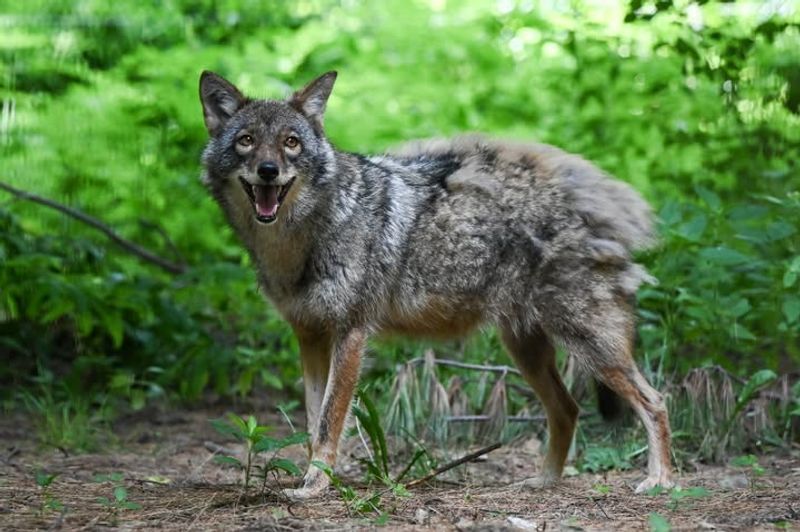
While most coyotes in Illinois avoid confrontation with humans, occasionally individual animals lose their natural fear and begin behaving in ways that pose genuine safety concerns.
Recognizing the difference between normal coyote behavior and potentially dangerous situations helps you know when to contact wildlife authorities for assistance.
Not every coyote sighting requires official intervention, but certain behaviors definitely warrant professional attention.
Contact your local animal control, police department, or the Illinois Department of Natural Resources if you observe coyotes that do not flee when hazed, approach people or pets aggressively, or appear during daylight hours repeatedly in residential areas without showing fear.
Coyotes that follow people, enter garages or homes, or attack pets while owners are present also represent serious concerns that need official response.
Keep detailed records of encounters, including dates, times, locations, and specific behaviors you observed, as this information helps authorities assess the situation accurately.
Rabies, though rare in coyotes, can cause unusual behavior like daytime activity, stumbling, or unprovoked aggression.
Any coyote displaying these symptoms should be reported immediately for public health reasons.
Illinois wildlife managers have protocols for dealing with problem coyotes that may include increased monitoring, targeted removal, or community education campaigns.
Your reports help authorities identify patterns and respond appropriately to protect both human safety and wildlife populations.
Taking action when coyote behavior crosses the line from normal to concerning ensures that Illinois communities remain safe places for families while allowing wildlife to exist in appropriate habitats.