How Indoor Mini Gardens Are Influencing Yard Style In New York In 2026
Indoor mini gardens have quietly reshaped how many New Yorkers think about outdoor spaces, especially as 2026 brings more focus on intentional and personal design.
What once stayed on windowsills and kitchen counters is now influencing how yards, patios, and balconies are planned and styled.
As living spaces become more compact, people are carrying the same careful plant choices from indoors into their outdoor areas.
I have noticed that friends who started with small indoor plant setups now approach their yards with the same attention to balance and detail.
Large lawns are giving way to smaller sections filled with thoughtfully arranged plants that feel curated rather than crowded.
Container groupings, vertical plant features, and layered textures mirror the layouts people perfected inside their homes.
This shift reflects a growing preference for outdoor spaces that feel calm, manageable, and visually connected to interior living areas.
New York gardeners are no longer separating indoor and outdoor styles, but blending them into one continuous experience.
The result is yards that feel more personal, more flexible, and easier to maintain throughout the year.
This change shows how indoor mini gardens are shaping yard style across New York in ways that feel modern, intentional, and lasting.
1. Vertical Planting Systems Take Over Fences and Walls
New Yorkers spent years stacking plants on windowsills and hanging them from ceiling hooks to maximize their limited indoor space for greenery.
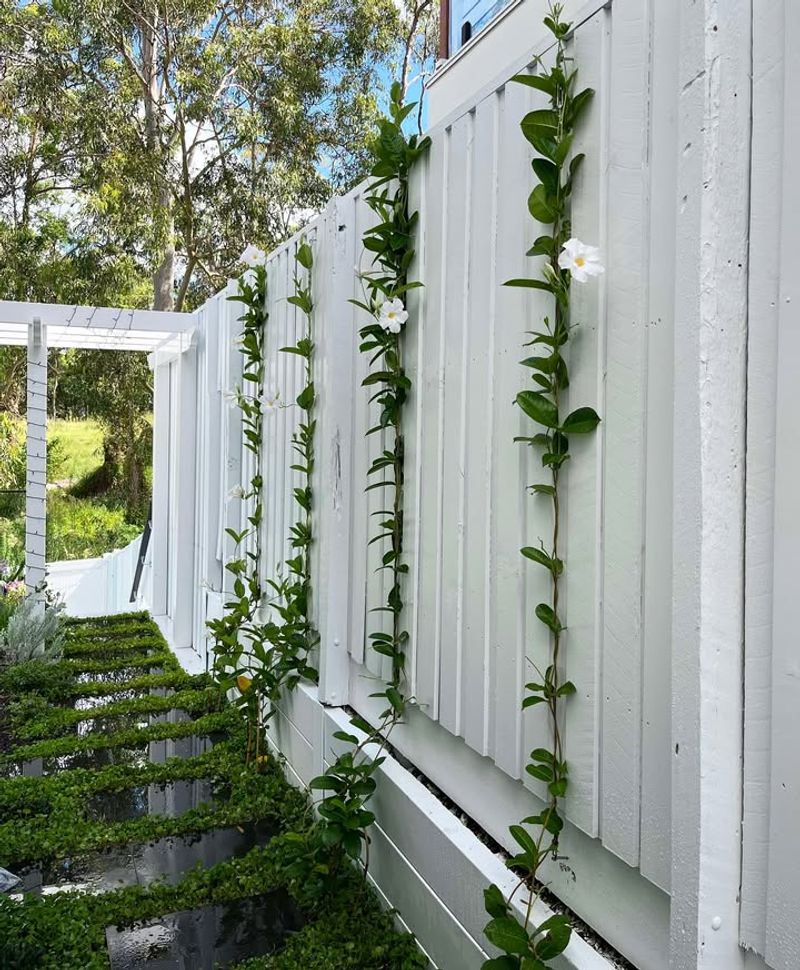
That same vertical thinking now dominates outdoor yard design across the state, with homeowners installing wall-mounted planters and tiered systems along every available fence.
Climbing vines, cascading flowers, and stacked herb boxes create living walls that transform boring wooden barriers into vibrant green focal points throughout the yard.
People appreciate how vertical gardens save precious ground space while adding dramatic visual height and lush texture to even the smallest outdoor areas available.
Hardware stores in New York report that modular vertical planter kits fly off shelves faster than traditional pots as demand continues to surge upward.
Homeowners love that these systems make watering and harvesting incredibly easy since everything stays at comfortable eye level without requiring constant bending or kneeling.
The aesthetic appeal matches the practical benefits, as vertical gardens create stunning backdrops for outdoor dining spaces and cozy seating areas throughout residential neighborhoods.
Urban gardeners who perfected indoor vertical setups now teach neighbors how to replicate that success outdoors using weather-resistant materials and strategic plant placement.
This trend proves that space limitations inspire creativity rather than limit possibilities when people apply indoor gardening lessons to their outdoor living environments.
2. Container Gardening Replaces Traditional In-Ground Beds
Growing plants in pots indoors taught New Yorkers that containers offer flexibility and control that traditional garden beds simply cannot match in any situation.
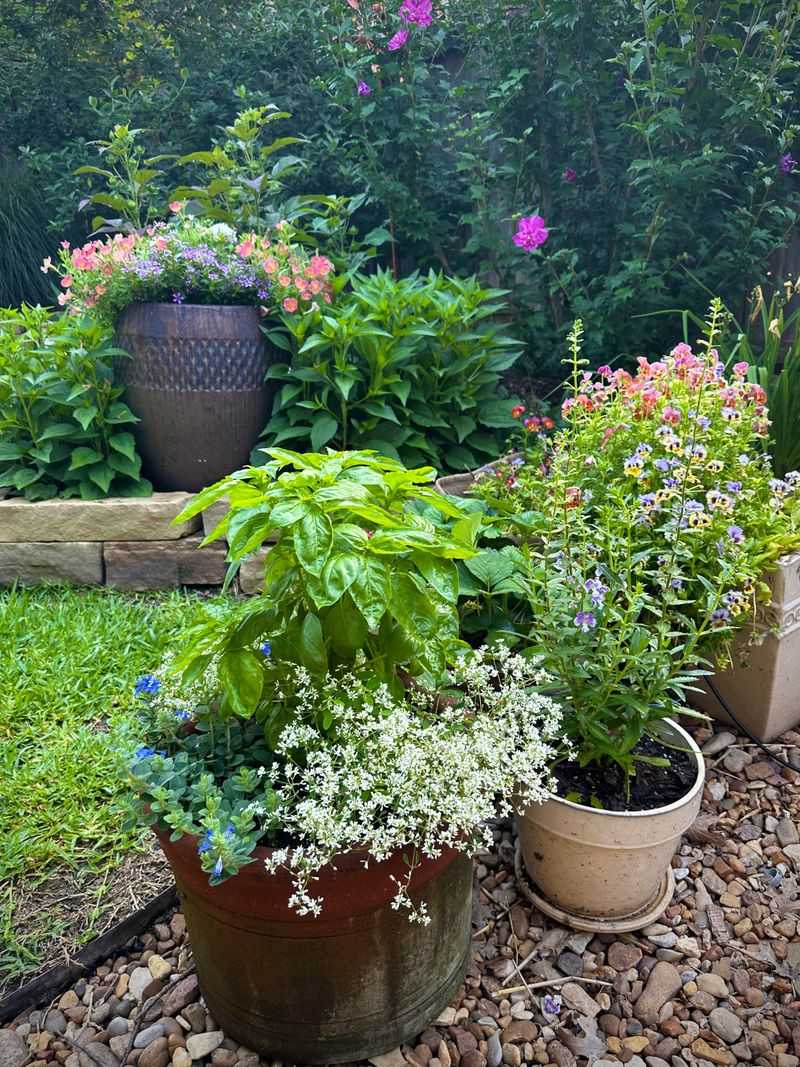
Outdoor spaces now feature carefully curated collections of pots in different sizes, colors, and materials that can be rearranged whenever inspiration strikes or seasons change.
Tomatoes, peppers, and leafy greens thrive in large containers on sunny patios, while flowering plants in decorative pots add pops of color near entrances.
Container gardens let people experiment with soil types, drainage solutions, and plant combinations without committing to permanent in-ground installations that require heavy labor and planning.
Renters especially appreciate this portable approach since they can take their entire garden collection when moving to new apartments or houses across the state.
The mobility factor also helps gardeners protect tender plants by moving containers to sheltered spots during storms or unexpectedly cold nights in spring.
Design-conscious homeowners treat container selection as seriously as furniture choices, mixing textures and heights to create visually stunning arrangements that complement their outdoor decor.
Nurseries throughout New York now dedicate entire sections to container-specific plants and stylish pots that cater to this growing demand for movable garden solutions everywhere.
This shift from fixed beds to flexible containers reflects how indoor gardening habits fundamentally changed expectations about what outdoor growing spaces should look and function like.
3. Compact Raised Beds Mirror Indoor Planter Box Success
Indoor planter boxes on countertops and tables proved that contained growing spaces produce impressive yields without requiring massive amounts of room or complicated maintenance routines.
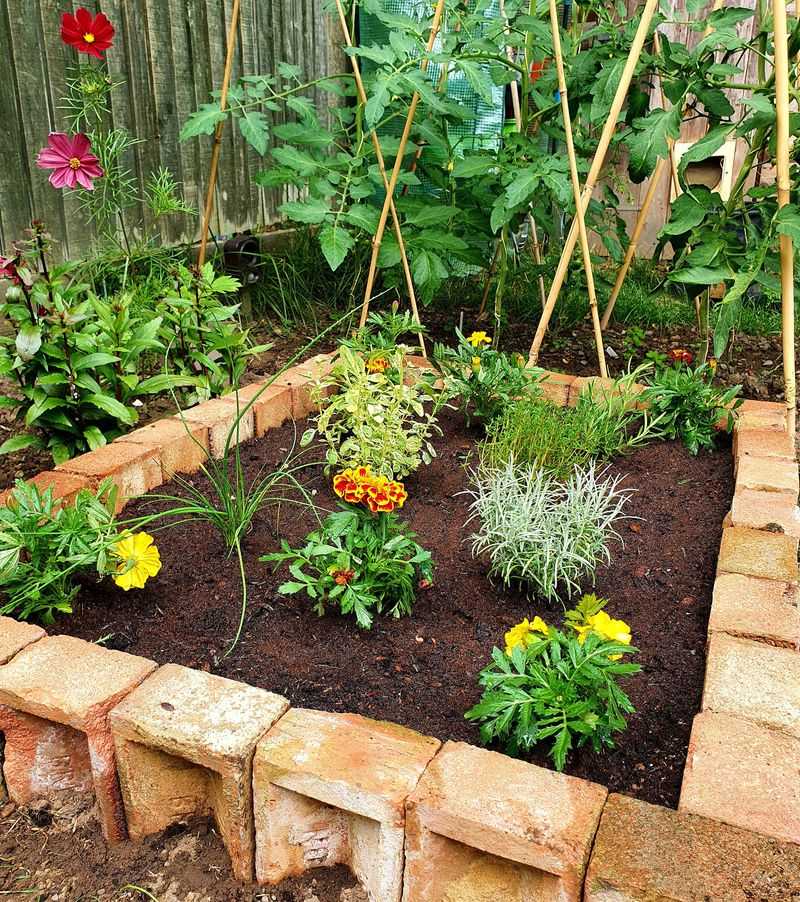
Backyards across New York now feature scaled-down raised beds that mimic those tidy indoor containers but accommodate slightly larger plants and more diverse crop varieties.
These compact structures typically measure just three or four feet across, making them manageable for beginners who feel intimidated by sprawling traditional garden plots.
Elevated designs keep soil warmer and improve drainage while reducing the back strain that often discourages older gardeners from maintaining larger ground-level beds.
Many homeowners build multiple small raised beds instead of one large plot, allowing them to separate plants by water needs, sunlight requirements, or harvest timing.
The modular approach feels familiar to anyone who organized their indoor plants by grouping succulents together or keeping herbs near the kitchen for easy access.
Hardware stores throughout the state stock ready-made raised bed kits in compact sizes that sell out quickly as more people embrace this accessible gardening style.
Neighborhood gardens in New York increasingly adopt these smaller raised structures too, allocating individual plots that feel less overwhelming to novice gardeners joining community growing efforts.
This downsizing trend reflects confidence gained from indoor successes, proving that people want to start small outdoors just as they did inside their homes.
Smaller beds also make it easier to refresh soil, rotate crops, and manage pests without disrupting an entire garden area.
This approach lowers the barrier to entry and encourages more people to try outdoor gardening without feeling overwhelmed by scale or upkeep.
4. Microgreens and Salad Stations Move to Outdoor Patios
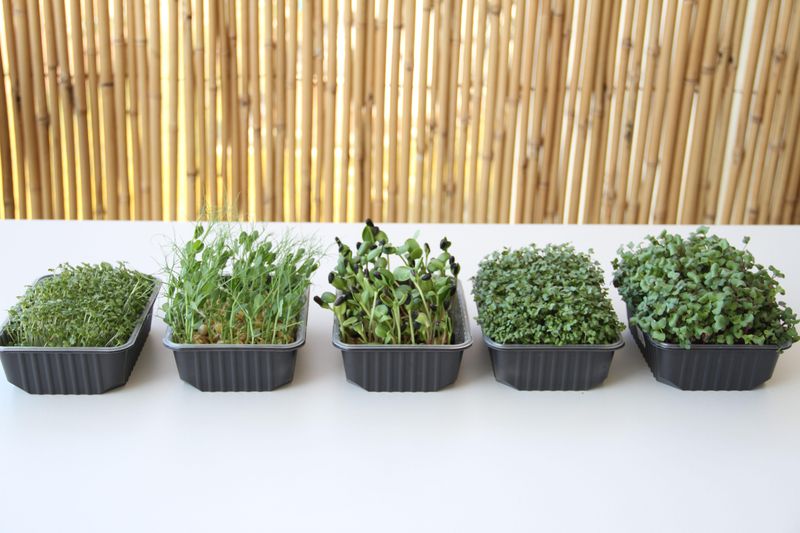
Kitchen counters became prime real estate for growing microgreens and quick-harvest salad greens that provided fresh ingredients year-round for health-conscious New York residents.
Those same fast-growing crops now appear in dedicated outdoor stations on balconies, patios, and deck corners where sunlight and fresh air help speed up growth.
Shallow trays and specialized microgreen containers move easily from indoor windowsills to outdoor tables, using the same simple growing methods people already mastered inside apartments.
Outdoor microgreen setups benefit from natural rainfall and stronger sunlight, often producing bolder flavors and faster germination than indoor systems relying on artificial lights.
Gardeners enjoy having separate outdoor stations that free up valuable indoor counter space while still providing steady access to fresh, nutritious greens for daily meals.
The quick turnaround appeals to impatient growers who want visible results in days instead of waiting months for traditional vegetables to mature fully.
Restaurants in New York have noticed the trend as well, with some creating patio microgreen gardens that supply kitchens with ultra-fresh garnishes and salad components.
Home cooks love stepping outside to snip arugula, radish sprouts, or pea shoots moments before serving, adding garden-to-table freshness to everyday meals.
This approach shows how indoor growing techniques scale smoothly outdoors when small, intensive cultivation receives proper care and attention.
Outdoor setups also make experimentation easier, allowing growers to try new varieties without sacrificing indoor space.
The result is a flexible system that blends convenience, speed, and freshness in both urban homes and restaurants alike.
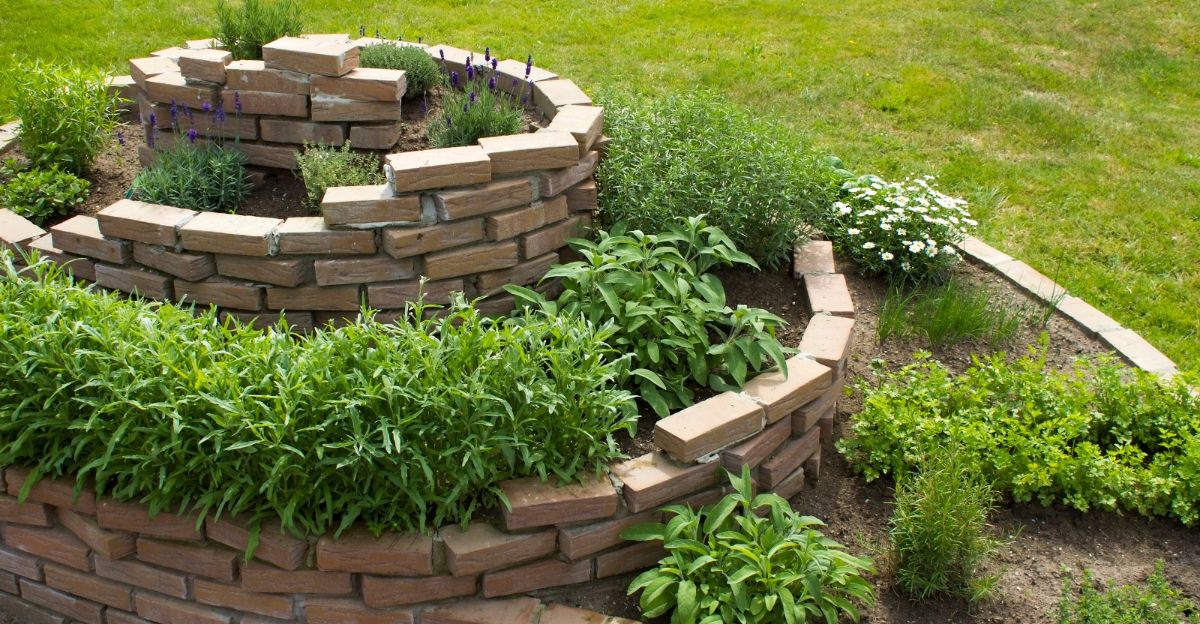
5. Herb Spirals and Compact Herb Gardens Replace Sprawling Plots
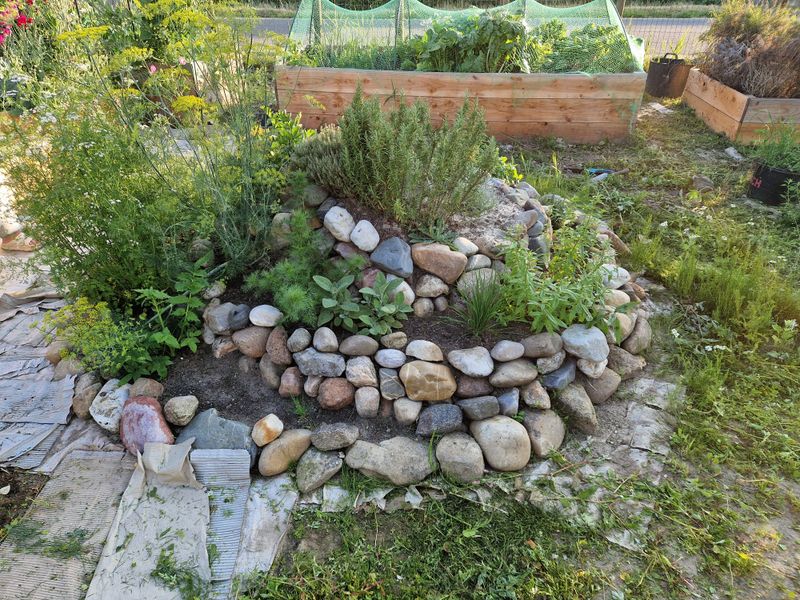
Windowsill herb collections became essential in New York kitchens, showing how fresh basil, mint, and cilantro elevate cooking far beyond dried alternatives.
Outdoor spaces now feature compact herb gardens built with the same efficiency, often arranged as spirals or tiered beds that maximize variety in small areas.
Herb spirals create distinct microclimates, placing moisture-loving plants at the base and drought-tolerant herbs like rosemary and thyme near the top.
This smart layout reflects lessons indoor gardeners learned about matching plants to light and moisture, now applied to outdoor vertical designs.
Compact herb gardens near kitchen doors offer the same easy access as indoor pots, encouraging frequent harvesting for everyday meals.
Their visual appeal adds sculptural interest while remaining highly practical, blending form and function better than traditional row planting.
Gardening workshops across the state now teach herb spiral construction to eager growers wanting to recreate this efficient system at home.
The popularity of these designs shows a clear preference for curated, manageable gardens over large spaces that demand constant upkeep.
This move toward small-scale herb growing reflects indoor gardening lessons about the satisfaction of tending productive gardens that actually get used.
These thoughtfully designed herb areas make maintenance feel simple rather than overwhelming, even for busy households.
They also encourage experimentation, letting gardeners try new herbs without committing space to large, permanent plantings.
6. Succulent and Drought-Tolerant Displays Dominate Dry Areas
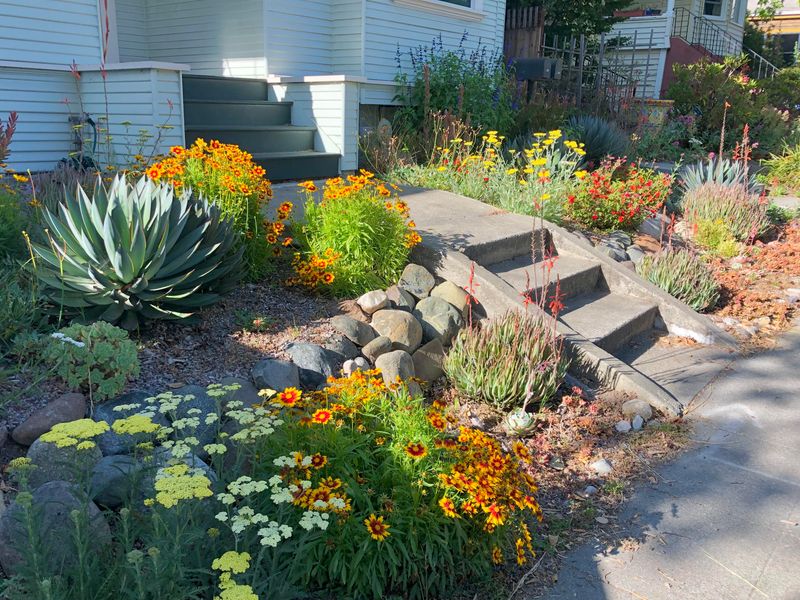
Indoor succulent collections surged in popularity because these tough plants tolerate neglect and survive conditions that defeat more delicate species.
Homeowners across New York now extend that low-maintenance mindset outdoors, turning dry or poor soil areas into attractive succulent plantings.
Rock gardens, sandy slopes, and spaces beneath roof overhangs become assets when filled with echeverias, sedums, and other drought-tolerant plants.
The bold shapes that make succulents appealing indoors translate well outside, where their textures create living sculptures with little upkeep.
Water conservation also fuels this shift, as gardeners seek landscapes that stay beautiful without constant irrigation or attention.
Outdoor plantings allow for larger specimens than indoor pots can handle, including agaves and tall aloes that anchor designs visually.
Garden centers report strong demand for hardy succulents from customers confident after growing them successfully indoors.
Many are surprised by the color range, with blue-gray, burgundy, chartreuse, and purple tones shifting subtly with light and seasons.
This trend shows how indoor plant habits influence outdoor choices, with gardeners naturally expanding on plants they already know and trust.
7. Fairy Gardens and Miniature Landscapes Appear in Unexpected Spots
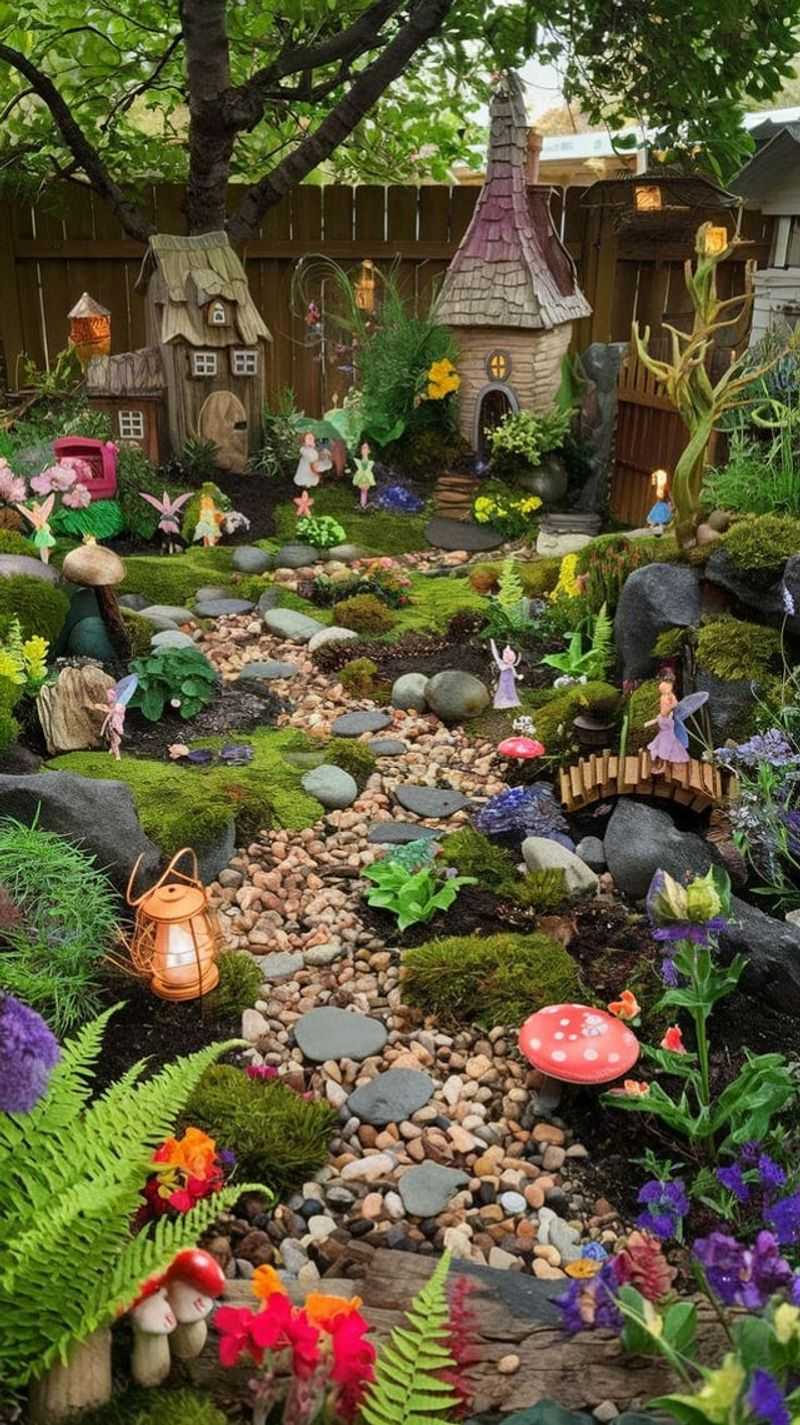
Tabletop fairy gardens became Instagram sensations when indoor gardeners discovered the joy of building tiny magical worlds with miniature furniture and small plants.
These charming creations now appear outdoors across New York, tucked into patio corners, nestled in garden beds, or displayed on porch steps and railings.
Their small scale invites creativity and personalization, with each miniature landscape telling a story through carefully chosen details and proportioned plants.
Children especially love fairy gardens and often help design and care for them, encouraging early interest in gardening and nature awareness.
Outdoor fairy gardens gain character from natural weathering, giving tiny structures and paths an aged look that indoor setups cannot easily achieve.
Crafters across the state host workshops that teach how to build weather-resistant miniature gardens using materials suited for outdoor conditions.
The trend appeals to apartment dwellers and small-space gardeners who want a creative outlet without managing large or demanding garden projects.
Social media groups devoted to fairy gardening share ideas and inspiration, connecting enthusiasts who enjoy this playful style of outdoor gardening.
This movement shows that gardening does not always need to be practical, as decorative miniature landscapes can spark imagination and joy on their own.
These miniature spaces also offer a low-pressure way to experiment with plants and design without worrying about yields or maintenance demands.
For many gardeners, fairy gardens become a creative escape that blends storytelling, art, and outdoor time into one enjoyable hobby.
8. Self-Watering Systems Transition from Windowsills to Yards
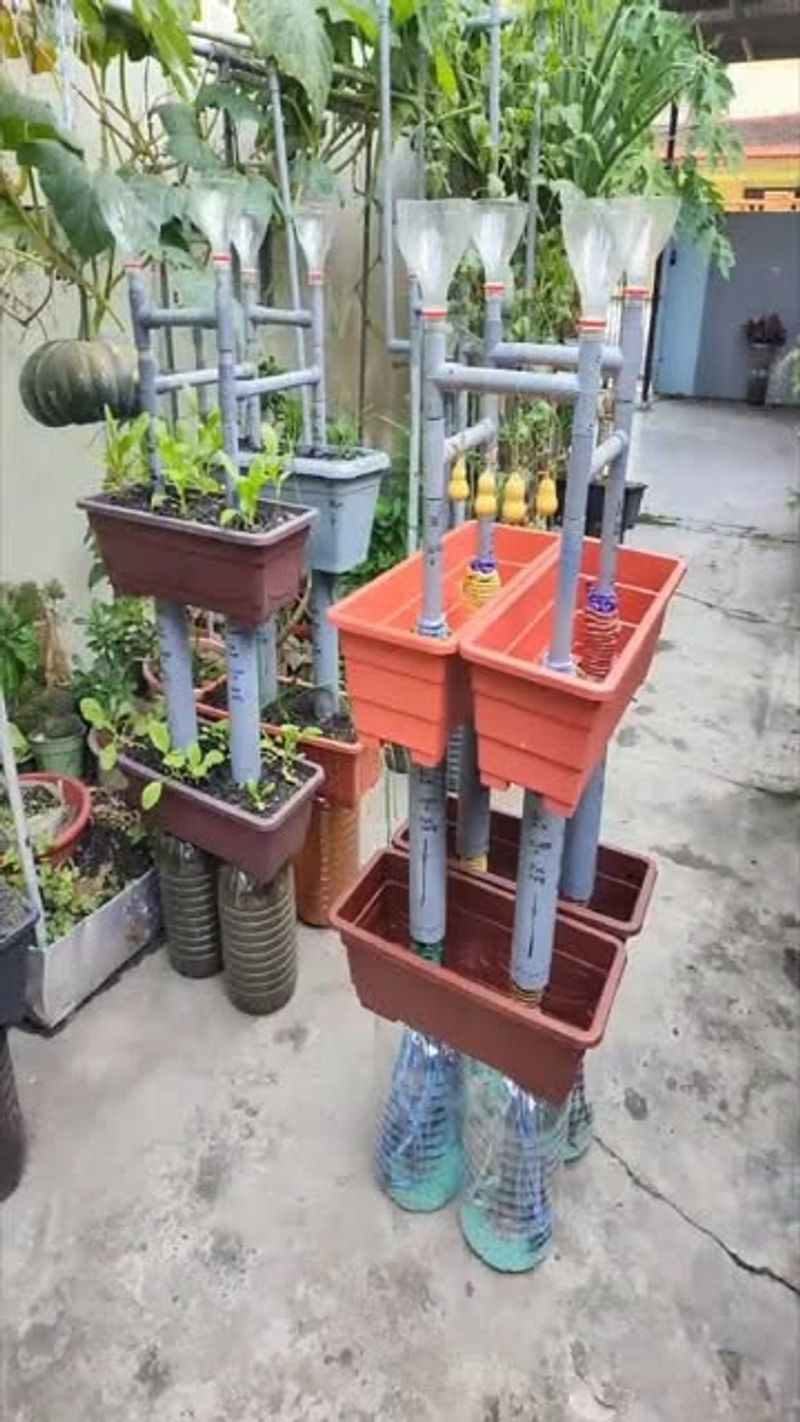
Busy New Yorkers embraced self-watering planters indoors because these containers kept plants healthy even when work schedules disrupted regular watering routines.
That same technology now appears outdoors through reservoir planters, drip systems, and moisture-sensing irrigation controllers that sharply reduce maintenance demands.
Self-watering outdoor planters work especially well on sunny patios where containers dry out fast and plants struggle during hot summer days.
The convenience is significant, allowing people to enjoy full, healthy gardens without feeling tied to daily watering chores.
Technology companies now offer advanced irrigation systems linked to smartphone apps, letting gardeners monitor and adjust watering remotely from anywhere.
Vacationing homeowners value these setups because gardens stay alive during absences without asking neighbors to water repeatedly.
Garden supply stores report strong demand for self-watering products as gardeners recognize that consistent moisture matters more than heavy, infrequent watering.
Environmental benefits also drive interest, since these systems deliver water directly to roots and reduce waste from evaporation and runoff.
This shift shows how indoor gardening innovations translate outdoors, with people applying houseplant care lessons to smarter yard management.
These systems also reduce stress for beginners who worry about overwatering or forgetting plants during busy weeks.
As more gardeners adopt these tools, efficient watering becomes the standard rather than an added luxury.
9. Grow Lights and Season Extension Techniques Move to Greenhouses
Indoor gardeners in New York invested in quality grow lights to keep plants healthy during dark winter months when natural sunlight was not enough.
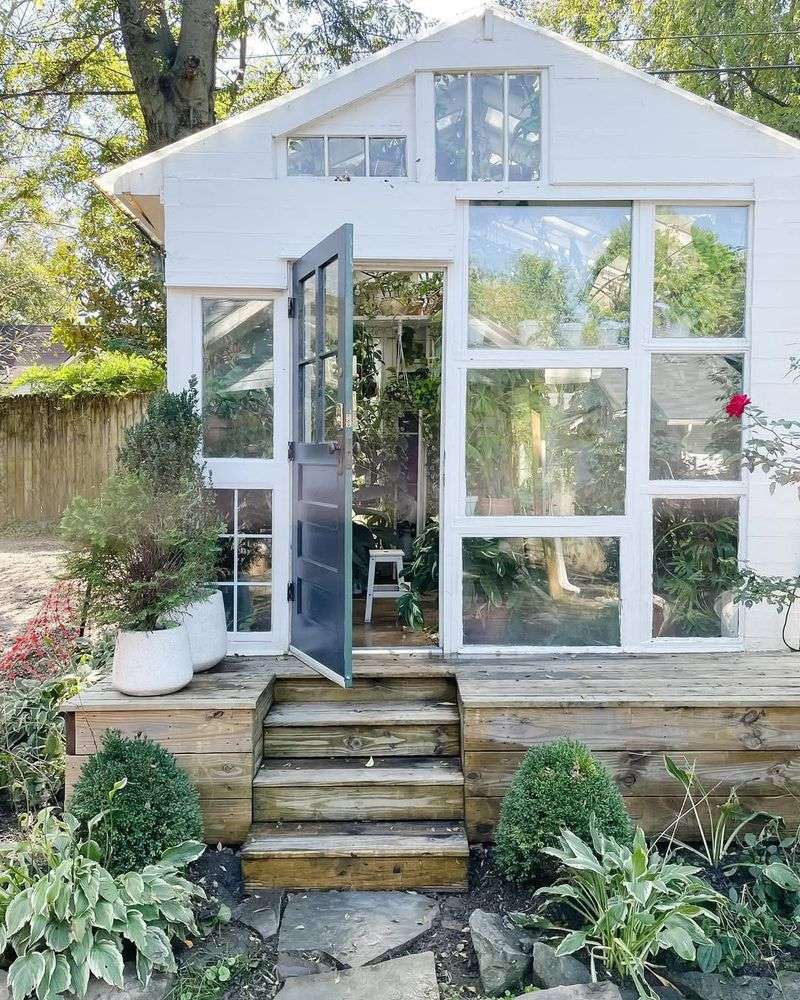
That hands-on experience with artificial lighting now shapes outdoor gardening as people add small greenhouses and cold frames with supplemental LED systems.
Compact backyard greenhouses allow gardeners to start seedlings earlier in spring and keep tender plants producing well into fall across the state.
Protective structures paired with strategic lighting create controlled microclimates that effectively bridge indoor and outdoor growing environments.
Solar-powered lighting options make these systems more affordable and environmentally friendly, easing concerns about long-term energy use.
Tomatoes, peppers, and greens continue producing long after nearby gardens shut down, rewarding the effort with extended harvests.
DIY gardeners build custom greenhouses from repurposed windows and low-cost materials, sharing designs online that inspire others to try similar projects.
Year-round gardening also offers mental health benefits, helping combat winter blues and keeping people engaged outdoors when yards are usually inactive.
This trend shows how indoor growing skills help gardeners push past seasonal limits and create productive outdoor spaces through creativity and smart technology.
These extended seasons also help households rely less on store-bought produce during cooler months.
Over time, the confidence gained from these setups encourages gardeners to experiment with new crops and techniques year after year.