How Kansas Yards Are Transforming Into Stunning No-Water Meadows
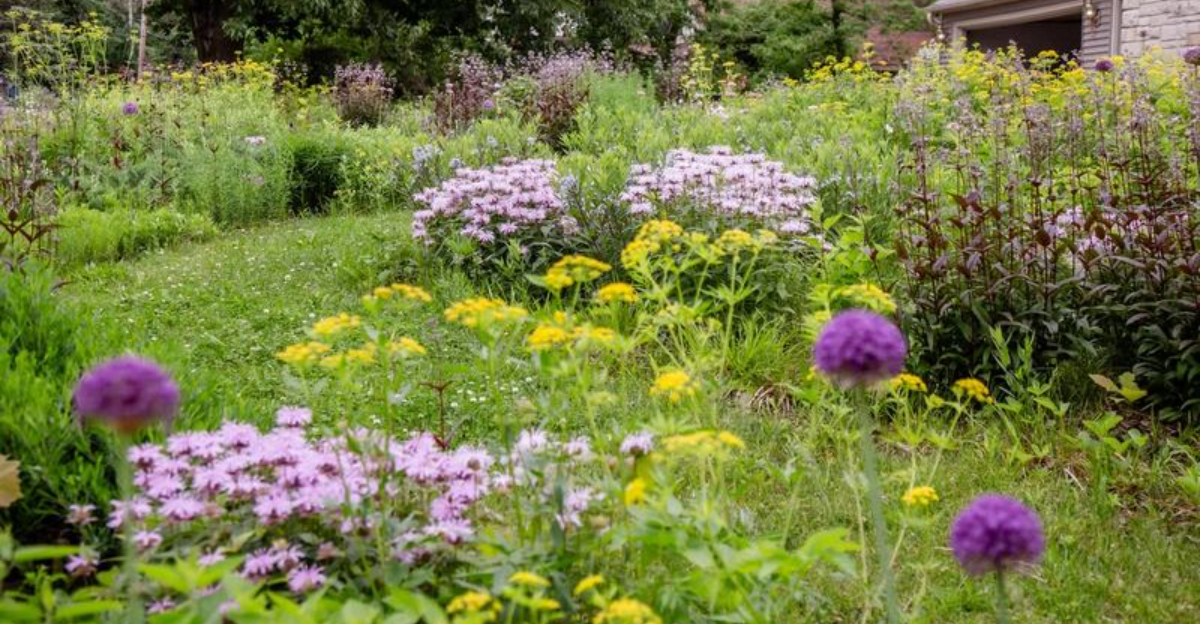
Kansas homeowners are discovering a beautiful secret: traditional grass lawns don’t have to be the only option.
Across the state, more and more yards are being transformed into vibrant, colorful meadows filled with native wildflowers, grasses, and pollinator-friendly plants that need little to no watering.
These stunning landscapes not only thrive through Kansas’s scorching summers, freezing winters, and unpredictable weather, but they also attract butterflies, birds, bees, and other local wildlife while reducing maintenance and saving both time and money.
Homeowners are learning that by embracing native plants and meadow-style design, they can create outdoor spaces that are both sustainable and visually striking.
If you’re curious about how your neighbors are turning ordinary yards into breathtaking, eco-friendly meadows, you’re in the right place to explore inspiration, tips, and practical advice for making the switch.
Why Kansas Homeowners Are Swapping Traditional Lawns For Native Grass Meadows

Traditional lawns demand constant attention, gallons of water, and endless mowing throughout the growing season.
Kansas homeowners have grown tired of fighting against the state’s natural climate just to keep grass green and manicured.
Native meadows offer a refreshing alternative that works with nature instead of against it.
Water bills drop dramatically when you replace thirsty turf grass with prairie plants that evolved to thrive in Kansas conditions.
These native species have deep root systems that reach moisture far below the surface, making them incredibly drought-resistant.
Homeowners also appreciate the reduced time spent on lawn care, freeing up weekends for more enjoyable activities.
Beyond practical benefits, native meadows connect Kansas residents to the state’s natural heritage and prairie history.
The movement toward meadow landscaping reflects a growing environmental awareness and desire for sustainable living.
Neighbors are noticing these beautiful transformations and asking questions, creating a ripple effect across communities.
Local garden clubs and extension offices report increased interest in native plant workshops and meadow conversion seminars.
This shift represents more than just a landscaping trend; it’s a fundamental rethinking of what a yard should be.
Kansas homeowners are leading the way in showing that beauty and sustainability can flourish together.
Top Drought-tolerant Grasses And Wildflowers Perfect For A Kansas No-water Meadow
Little bluestem grass stands out as a Kansas meadow superstar, turning beautiful shades of copper and burgundy in fall.
This native grass grows two to four feet tall and handles drought, heat, and cold with remarkable resilience.
Sideoats grama and buffalo grass make excellent companions, creating texture and movement throughout the seasons.
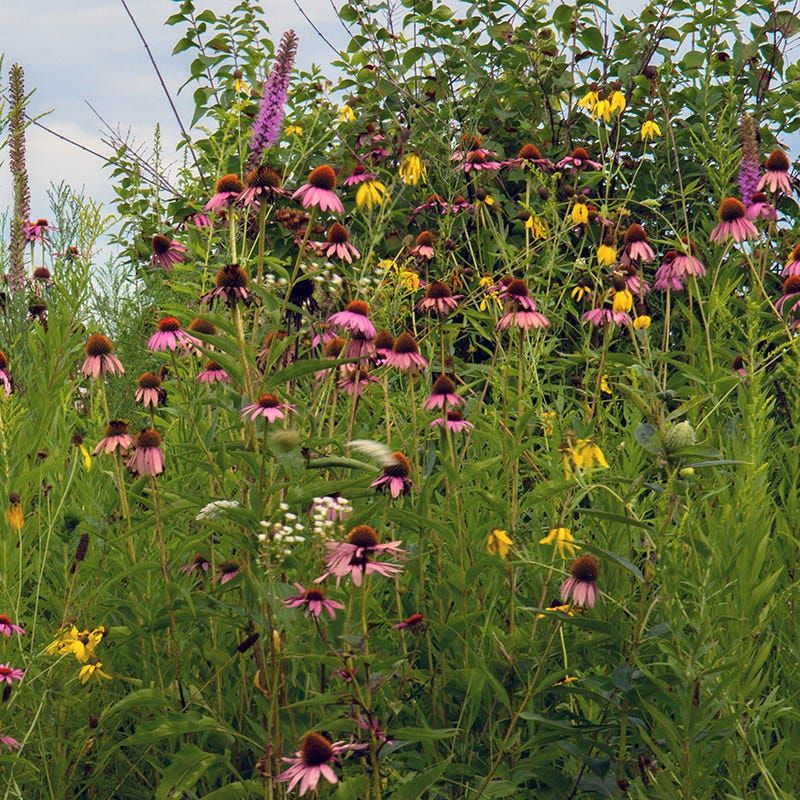
Purple coneflower, also called echinacea, brings stunning pink-purple blooms that butterflies and bees absolutely adore.
Black-eyed Susans add cheerful golden flowers from summer through fall, brightening even the driest stretches of weather.
Prairie blazing star sends up striking purple spikes that can reach five feet tall, creating dramatic vertical interest.
For early spring color, pasque flowers emerge with delicate purple blooms before most other plants awaken.
Wild bergamot offers lavender flowers and aromatic foliage that smells wonderful when brushed against during walks.
Butterfly milkweed provides brilliant orange flowers and serves as essential habitat for monarch butterflies.
Prairie dropseed grass forms elegant clumps with fine-textured foliage and releases a pleasant popcorn-like scent in autumn.
Combining different species creates a meadow that looks interesting throughout all four seasons.
Local native plant nurseries can recommend specific varieties that perform best in your particular Kansas region and soil type.
Step-by-step Guide To Turning Your Kansas Lawn Into A Low-maintenance Meadow
Start your meadow conversion project in late fall or early spring when temperatures are moderate and rain is more likely.
Begin by marking out the area you want to transform, starting small if you’re uncertain about the process.
Many successful conversions begin with a 10-by-10-foot test area that can be expanded later.
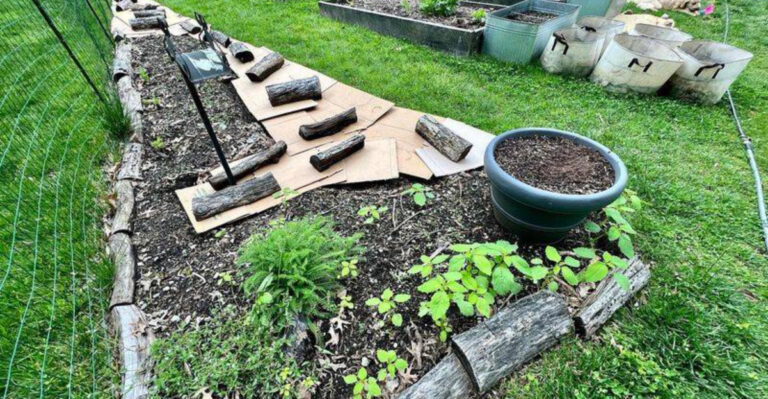
Remove existing turf grass by smothering it with layers of cardboard and mulch, avoiding chemical herbicides when possible.
This sheet mulching method takes several months but enriches the soil while suppressing unwanted grass.
Alternatively, you can rent a sod cutter for faster removal, though this requires more physical effort.
Prepare the soil by loosening the top few inches and removing any rocks or debris you encounter.
Native plants prefer lean soil, so avoid adding fertilizer or rich compost that encourages weeds.
Rake the area smooth to create good seed-to-soil contact for planting.
Scatter your native seed mix according to package directions, typically in late fall for spring germination.
Gently rake seeds into the soil surface and water lightly to settle them in place.
Cover the area with a thin layer of weed-free straw to protect seeds from birds and erosion.
Water the area regularly during the first growing season to help plants establish strong root systems.
Once established, your meadow will require minimal watering even during Kansas’s hottest summers.
How No-water Meadows Attract Wildlife And Boost Biodiversity In Kansas Yards
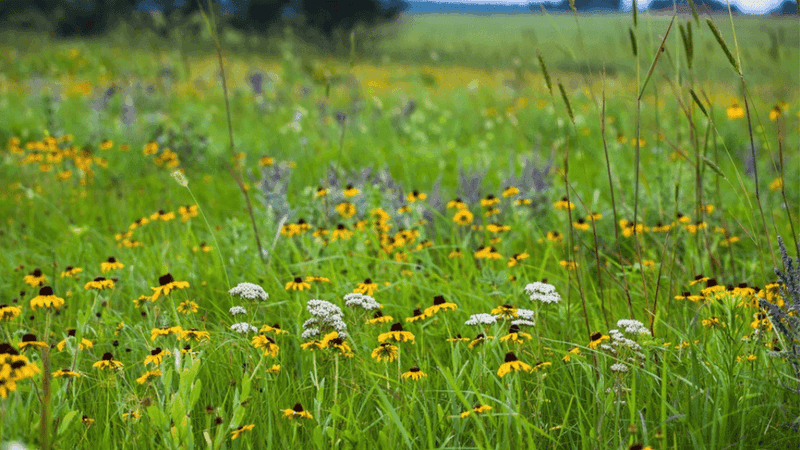
Meadows transform ordinary yards into bustling wildlife habitats that support dozens of species throughout the year.
Native wildflowers provide nectar and pollen for bees, butterflies, and hummingbirds from spring through fall.
These insects, in turn, attract birds that feed on them, creating a complete and balanced ecosystem.
Monarch butterflies depend entirely on milkweed plants to lay their eggs and nourish their caterpillars.
By including milkweed in your meadow, you become part of the conservation effort for these declining pollinators.
Native bees, which are more efficient pollinators than honeybees, nest in the bare ground between meadow plants.
Goldfinches flock to coneflower and black-eyed Susan seed heads in late summer and fall, performing acrobatic feeding displays.
Leaving seed heads standing through winter provides essential food when other sources become scarce.
Ground-nesting birds like meadowlarks may even establish territories in larger meadow areas.
Small mammals such as rabbits and voles find shelter among the dense grass stems and plant bases.
This prey base attracts hawks and owls, adding another layer to your yard’s food web.
Beneficial insects like ladybugs and lacewings patrol meadow plants, controlling aphids and other pests naturally.
The biodiversity in a meadow far exceeds that of a traditional lawn, which supports almost no wildlife.
Watching this ecosystem develop and change throughout seasons becomes a source of daily enjoyment and wonder.
The Hidden Financial Benefits Of Water Savings And Reduced Maintenance In Meadows
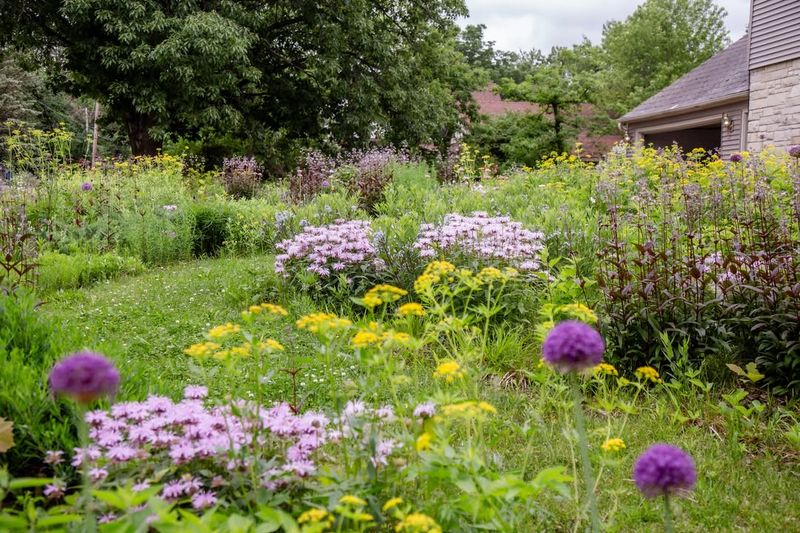
Water bills can skyrocket during Kansas summers when lawns require frequent irrigation to stay green and healthy.
A typical quarter-acre lawn needs about 15,000 gallons of water monthly during peak growing season.
Meadows eliminate this expense almost entirely once plants establish their deep root systems.
Homeowners save hundreds of dollars annually by not purchasing gasoline for weekly mowing sessions.
Lawn mower maintenance, blade sharpening, and eventual equipment replacement add up to significant costs over time.
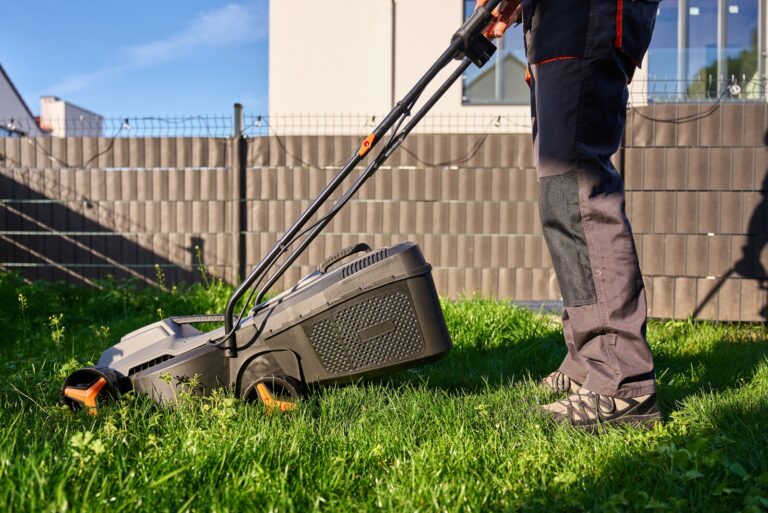
Meadows require mowing just once per year, typically in late winter or early spring.
Fertilizer applications, which traditional lawns need several times yearly, become completely unnecessary with native meadows.
Chemical treatments for weeds and pests also disappear from the budget when you embrace meadow landscaping.
These products not only cost money but also require time to apply and pose environmental concerns.
Professional lawn care services charge monthly fees that easily exceed $100 during the growing season.
Meadow maintenance requires minimal professional help, and many homeowners handle it themselves with basic tools.
The initial investment in native plants or seeds pays for itself within two to three years through these ongoing savings.
Property values often increase when attractive meadow landscaping demonstrates environmental stewardship and unique aesthetic appeal.
Some insurance companies even offer discounts for fire-resistant native landscaping in certain areas.
Designing A Meadow That Stays Beautiful Through Winter And Drought
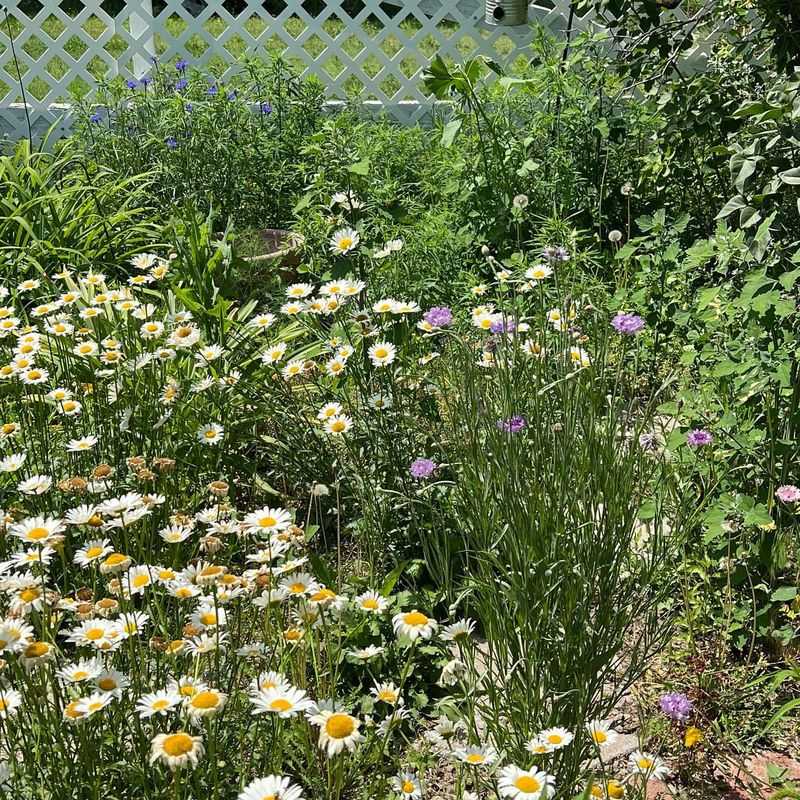
Winter meadows possess a subtle beauty that many people overlook until they experience it firsthand in their yards.
Golden and copper grass stems catch low winter sunlight, creating a warm glow even on the coldest days.
Seed heads from coneflowers and other perennials stand like sculptures, especially when frosted or dusted with snow.
Planning for year-round interest means selecting plants with different bloom times, textures, and structural qualities.
Ornamental grasses like little bluestem and prairie dropseed provide movement and sound as winter winds blow through them.
Their rustling creates a peaceful, natural soundtrack that connects you to the changing seasons.
During drought periods, native meadows maintain their structure and color far better than traditional lawns that turn brown.
Many prairie plants develop deeper colors and more compact growth during dry spells, adapting rather than struggling.
This resilience means your yard looks intentional and attractive even when rainfall disappears for weeks.
Strategic placement of evergreen elements like yucca or juniper adds green focal points throughout the dormant season.
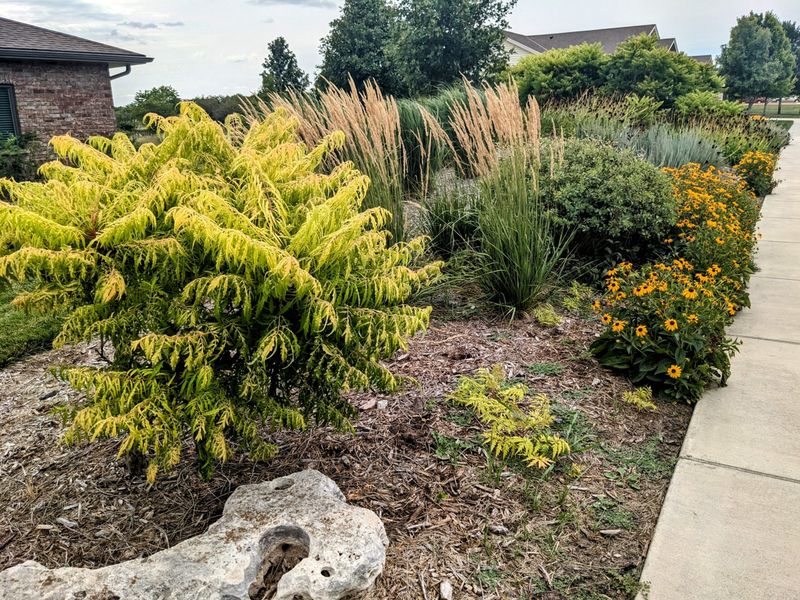
Rocks or boulders incorporated into the design provide permanent structure and visual anchors year-round.
Pathways through the meadow become more visible in winter, inviting walks and closer observation of subtle details.
Leaving seed heads standing provides food for overwintering birds while creating architectural interest against snow.
Spring cleanup involves simply cutting back old growth, revealing fresh green shoots already emerging underneath.
Blending Meadow Areas With Pathways, Seating, And Functional Yard Spaces

Meadows don’t have to consume your entire yard; thoughtful design creates spaces that serve multiple purposes beautifully.
Mowed pathways winding through taller meadow areas invite exploration while keeping the space accessible and intentional.
These paths can be as simple as weekly mowing strips three to four feet wide through the meadow.
Creating a small patio or seating area within or adjacent to your meadow provides a destination and observation point.
Imagine sipping morning coffee while watching butterflies dance among the wildflowers just feet away from your chair.
Natural stone or gravel works better than concrete for these spaces, maintaining the organic feel of the landscape.
Functional areas like vegetable gardens, play spaces, or dog runs can coexist with meadow zones in the same yard.
Use the meadow as a beautiful border or backdrop that requires far less maintenance than traditional hedges or fences.
Transition zones with shorter plants or decorative edging help define where one area ends and another begins.
Consider maintaining a small traditional lawn area near the house for activities while letting outlying areas become meadow.
This compromise satisfies family members who want some conventional grass while reducing overall maintenance significantly.
Clothesline areas, fire pits, and outdoor dining spaces all integrate naturally when surrounded by meadow plantings.
Lighting along pathways extends enjoyment into evening hours and creates magical effects as it filters through grass stems.
The key is viewing your yard as a collection of outdoor rooms, each with its own purpose and character.
Why Xeriscaping And Meadow Landscaping Are Growing Trends In The Great Plains
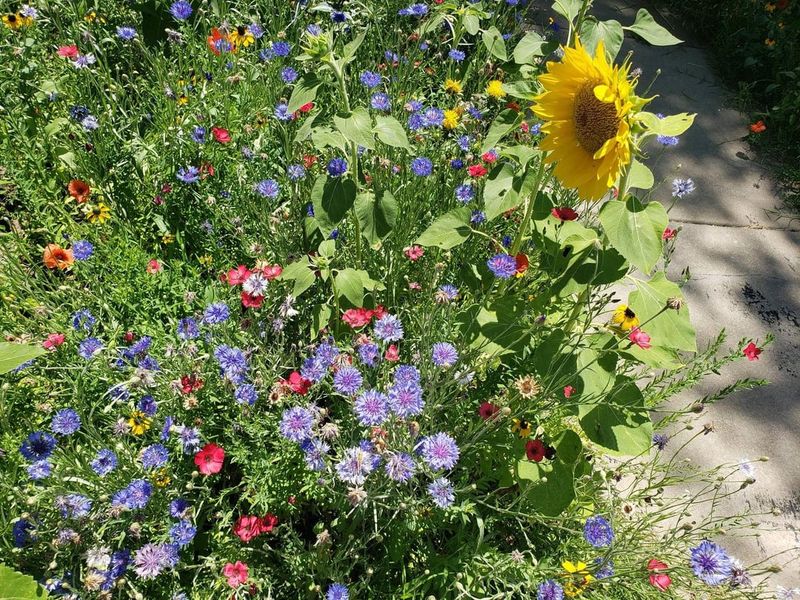
Climate patterns across the Great Plains have become increasingly unpredictable, with longer droughts and more extreme weather events.
Homeowners recognize that fighting against regional climate with water-hungry landscaping makes less sense every year.
Xeriscaping and meadow approaches work with the environment rather than constantly battling it.
Municipal water restrictions during drought years force residents to rethink their landscaping choices and water usage habits.
Communities across Kansas and neighboring states now offer rebates and incentives for removing turf grass.
These programs acknowledge that residential landscaping accounts for a significant portion of urban water consumption.
Cultural attitudes toward yard appearance are shifting as environmental awareness grows among Great Plains residents.
What once seemed unconventional now appears forward-thinking and responsible to many community members.
Social media groups dedicated to native landscaping help spread ideas and normalize meadow aesthetics.
Agricultural heritage runs deep in Kansas, and many residents feel a connection to prairie landscapes that once covered the region.
Restoring small patches of native ecosystem in residential yards honors this history while supporting conservation goals.
Educational institutions and botanical gardens showcase meadow landscapes, demonstrating their beauty and legitimacy.
Younger homeowners especially embrace sustainable practices and seek landscaping that reflects their environmental values.
As more yards transform, the collective impact on regional water conservation and biodiversity becomes meaningful and measurable.
Common Mistakes To Avoid When Creating A No-water Meadow In Kansas

Rushing into meadow conversion without proper planning leads to disappointing results and unnecessary frustration for many homeowners.
Taking time to research appropriate plants and prepare the site properly makes all the difference between success and failure.
The most common mistake is failing to adequately remove existing turf grass before planting native species.
Aggressive lawn grasses will outcompete young meadow plants if not thoroughly eliminated before seeding begins.
Skipping the site preparation phase almost guarantees a weedy, patchy meadow that never develops properly.
Patience during this stage pays off with a much more successful establishment.
Another frequent error involves purchasing cheap wildflower mixes containing non-native or annual species that won’t return.
These mixes often include plants unsuited to Kansas conditions, resulting in disappointing germination and poor long-term performance.
Investing in quality native seed from reputable regional suppliers ensures better outcomes and appropriate species selection.
Overwatering established meadows actually harms plants adapted to Kansas’s natural rainfall patterns and soil moisture levels.
First-year watering helps establishment, but continuing heavy irrigation encourages weeds and weakens native plant root development.
Learning to trust the plants’ drought tolerance takes adjustment but produces healthier meadows.
Mowing too frequently or at the wrong time of year disrupts flowering, seed production, and overwintering wildlife.
Meadows thrive with minimal intervention once established, so resist the urge to over-manage them.
Connecting with local native plant societies provides valuable guidance specific to your area and conditions.
Long-term Care Tips For Keeping Your Meadow Lawn Thriving Year After Year
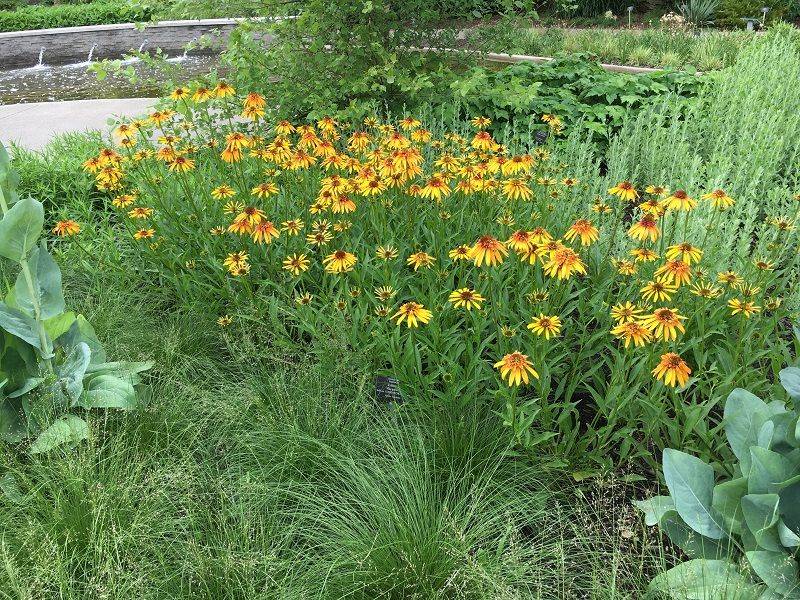
Established meadows require remarkably little maintenance compared to traditional lawns, but some annual care keeps them healthy.
Late winter or very early spring is the ideal time for the single annual mowing that most meadows need.
Cut vegetation to about six inches high before new growth begins emerging from the ground.
This annual trim removes old growth, returns nutrients to the soil, and reduces fire hazard from accumulated dry material.
Many homeowners use string trimmers or brush cutters for small meadows, while larger areas may require tractor mowing.
Leaving the cut material in place enriches the soil naturally as it decomposes over the following weeks.
Spot-weeding during the first few years helps native plants establish dominance before aggressive weeds gain footholds.
Focus on removing problem species like thistle or bindweed that can spread quickly if left unchecked.
Hand-pulling works well for scattered weeds, especially after rain when soil is soft and roots release easily.
Avoid fertilizing established meadows, as excess nutrients favor weeds over native plants adapted to lean prairie soils.
Native species thrive in low-fertility conditions that would stress typical lawn grasses.
Additional watering becomes unnecessary except during the most extreme drought conditions.
Every few years, consider overseeding sparse areas with additional native species to fill gaps and increase diversity.
Fall is the best time for this supplemental seeding, allowing natural stratification over winter.
Observing your meadow through the seasons helps you understand its rhythms and needs.