How Leafy Greens Are Overwintered For Ohio Winter Harvests
Ohio growers rely on smart timing and simple protection tricks to keep leafy greens growing long after most gardens shut down for winter.
I always admire how a little planning turns cold weather into an advantage, letting fresh greens stay on the table when everything else feels dormant.
Seeing winter harvests succeed in Ohio proves that leafy greens are tougher than they look when cared for the right way.
1. Cold Frames Extend The Growing Season
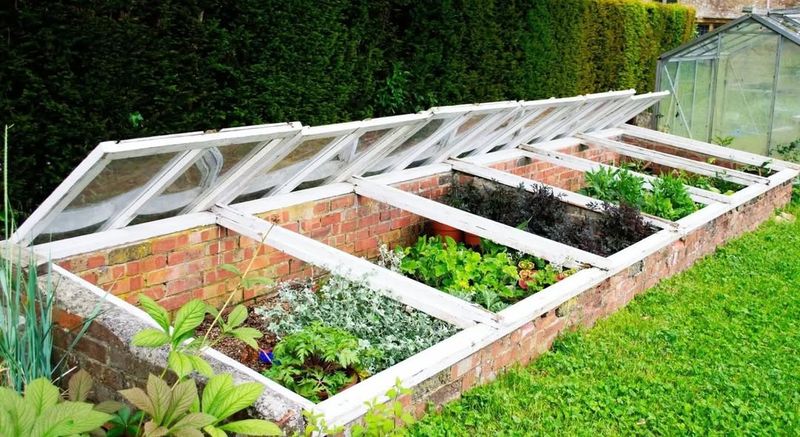
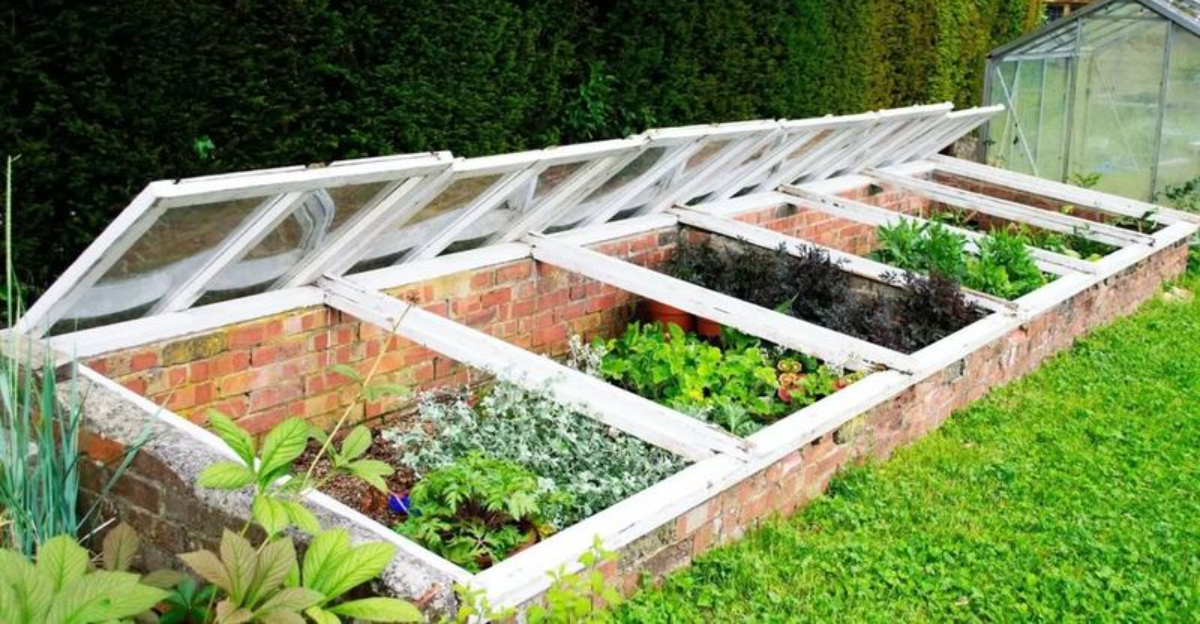
Cold frames work like miniature greenhouses that trap solar heat during daytime hours while protecting tender plants from harsh winter winds.
Gardeners in Ohio build these simple structures using old windows or clear plastic stretched over wooden frames to create warm microclimates.
Leafy greens like spinach, lettuce, and kale thrive inside because temperatures stay warmer than outside air even on freezing days.
The beauty of cold frames lies in their simplicity and low cost compared to expensive heating systems or elaborate structures.
Positioning them facing south maximizes sunlight exposure, which naturally warms the soil and air inside throughout the coldest months.
Ventilation becomes important on sunny days when internal temperatures can spike unexpectedly, potentially stressing or damaging your precious greens.
Many Ohio gardeners open their cold frame lids during warm afternoons to prevent overheating and close them before sunset arrives.
This method allows continuous harvests of fresh salad greens throughout December, January, and February when grocery store produce costs soar.
Cold frames prove that simple technology combined with smart placement creates remarkable results for winter vegetable production.
2. Row Covers Provide Frost Protection
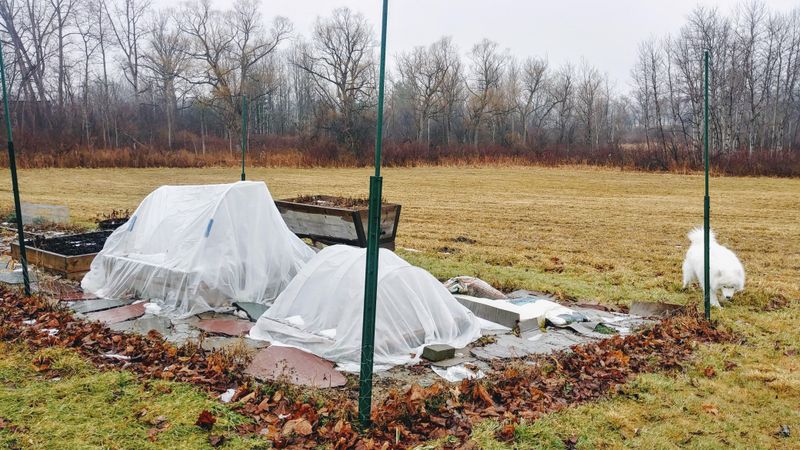
Floating row covers create a protective barrier that shields crops from frost damage while allowing sunlight and moisture to reach plants.
These lightweight fabrics come in various thicknesses, with heavier weights offering more insulation for extremely cold nights common across Ohio.
Farmers simply drape the material over their greens and secure edges with soil, rocks, or metal staples to prevent wind damage.
Unlike solid structures, row covers move gently with breezes, reducing the risk of plant breakage while maintaining consistent protection.
Temperature differences of five to ten degrees can mean survival versus failure for cold-sensitive varieties during unexpected temperature drops.
Experienced growers often layer multiple covers during particularly brutal cold snaps to boost insulation without building permanent structures.
Harvesting becomes easy because you simply lift the fabric, gather your greens, and replace the cover within minutes.
Ohio market gardeners appreciate how affordable and reusable these covers are compared to building multiple cold frames or hoop houses.
Row covers represent one of the most cost-effective methods for protecting overwintered greens while maintaining flexibility in your garden layout.
3. Hoop Houses Create Controlled Environments
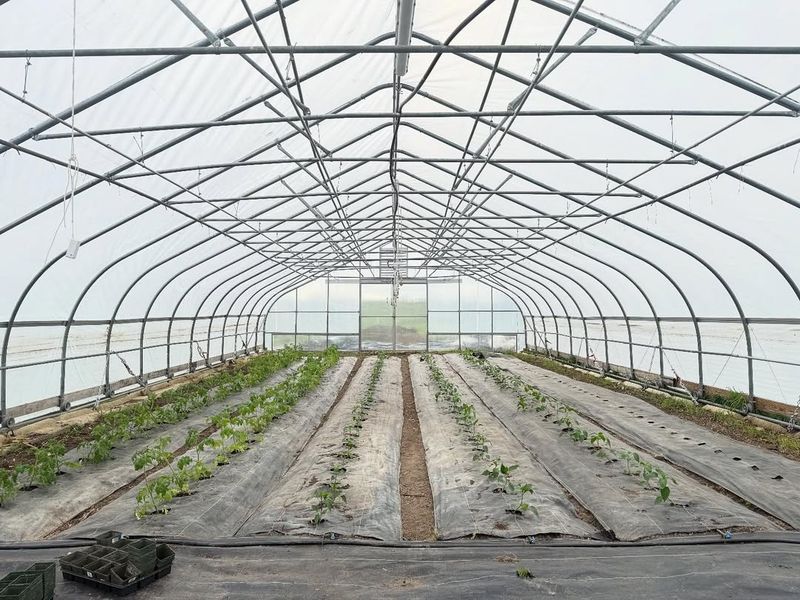
Hoop houses offer serious growers a step up from cold frames by providing walk-in space for tending larger plantings.
Constructed with metal or PVC pipes bent into arches and covered with greenhouse plastic, these structures shield crops from snow and wind.
Inside temperatures remain significantly warmer than outside conditions, allowing continued photosynthesis and growth even during Ohio’s harshest winter weather.
Ventilation systems become crucial because sealed hoop houses can overheat rapidly on sunny winter days despite frigid outdoor temperatures.
Many farmers install roll-up sides or end-wall vents to regulate internal climate and prevent moisture buildup that encourages disease.
Leafy greens flourish in this protected environment, growing slower than summer but producing tender, flavorful leaves throughout cold months.
Investment costs run higher than simpler methods, but productivity and crop quality justify expenses for commercial operations and dedicated home gardeners.
Ohio growers can harvest continuously rather than waiting for spring thaws, providing fresh local produce when demand peaks.
Hoop houses transform winter from a dormant season into a productive period that generates income and nutritious food.
4. Mulching Insulates Root Systems
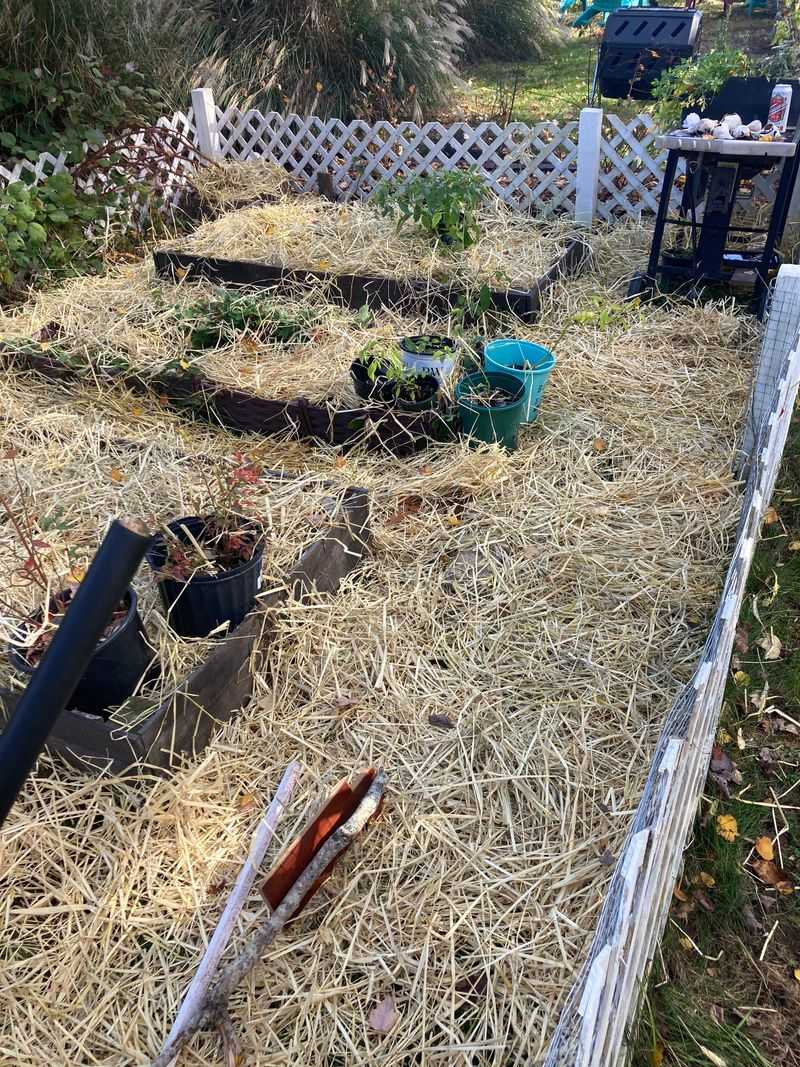
Applying thick layers of organic mulch around plant bases protects root systems from freeze-thaw cycles that damage or stress overwintering greens.
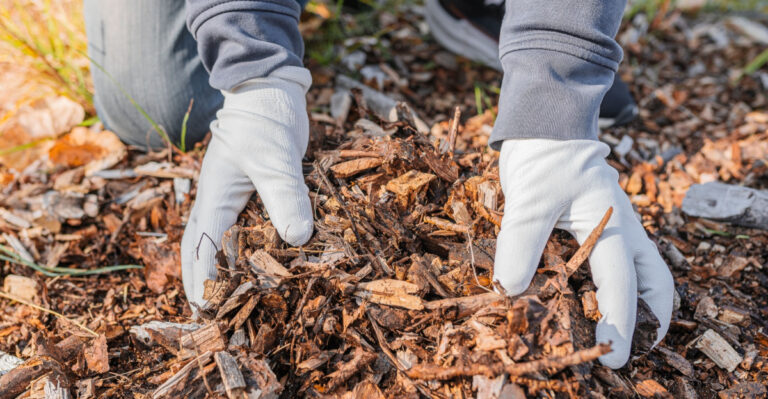
Straw, shredded leaves, or wood chips create insulating blankets that moderate soil temperatures and retain moisture throughout winter months.
Ohio gardeners typically apply four to six inches of mulch after the first hard freeze to maximize protective benefits.
Root protection proves especially critical because healthy roots support continued nutrient uptake even when air temperatures plummet below freezing.
Mulched plants often show better vigor and faster spring growth compared to unmulched counterparts because roots remain healthier.
The organic material gradually decomposes, enriching soil with nutrients that benefit future plantings while serving its protective function.
Removing or pulling back mulch in early spring allows soil to warm faster when growing conditions improve and temperatures rise.
This simple technique costs little but delivers significant benefits for cold-hardy greens like collards, kale, and spinach.
Mulching represents traditional wisdom that modern Ohio gardeners continue using because it works reliably year after year.
5. Selecting Cold-Hardy Varieties Matters
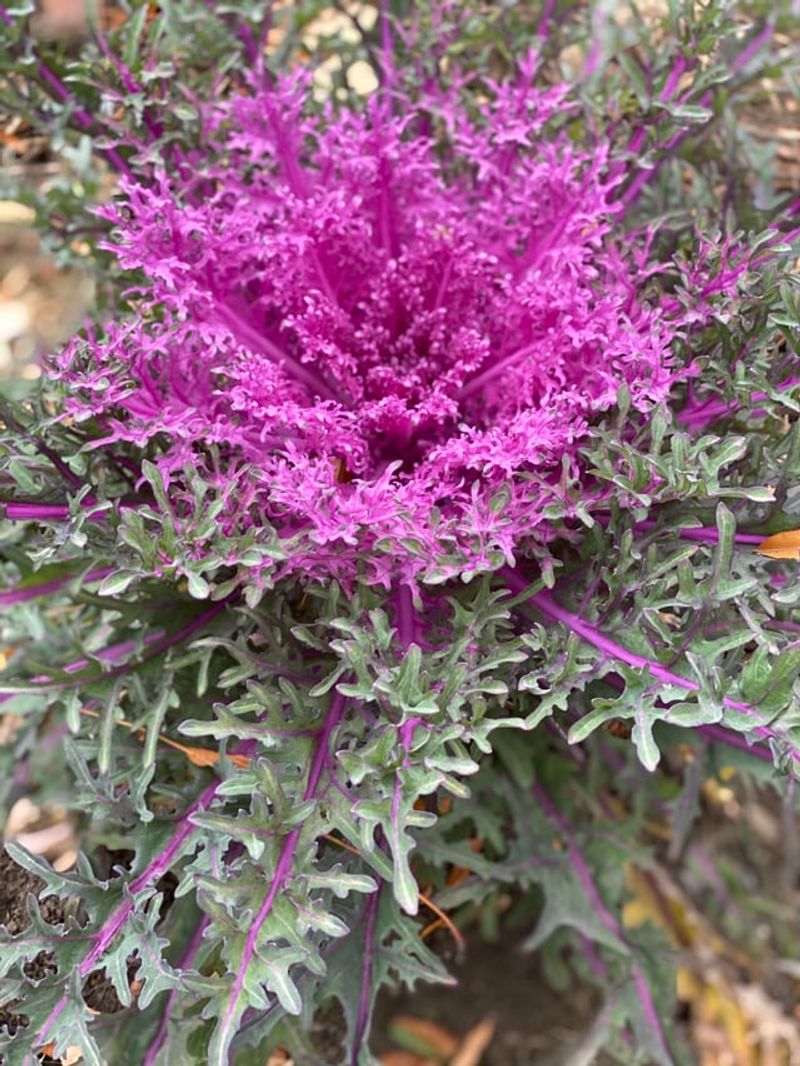
Choosing varieties bred specifically for cold tolerance dramatically improves overwintering success rates compared to using standard summer cultivars.
Spinach varieties like Bloomsdale and Winter Giant withstand repeated freezing while maintaining excellent flavor and texture throughout Ohio winters.
Kale types including Winterbor and Red Russian actually taste sweeter after frost exposure because plants convert starches to sugars.
Seed catalogs clearly label cold-hardy varieties, making selection straightforward for both beginning and experienced gardeners planning winter harvests.
Lettuce varieties such as Winter Density and Arctic King continue producing crisp leaves even when temperatures hover around freezing.
Mache, also called corn salad, survives harsh conditions that would destroy less adapted greens completely.
Investing time in variety selection pays dividends when other gardeners struggle while your plants thrive despite challenging weather.
Ohio growers who plant appropriate varieties often succeed where others fail simply by matching genetics to environmental demands.
Understanding that not all leafy greens handle cold equally helps you plan successful winter gardens that produce abundantly.
6. Strategic Planting Times Ensure Maturity
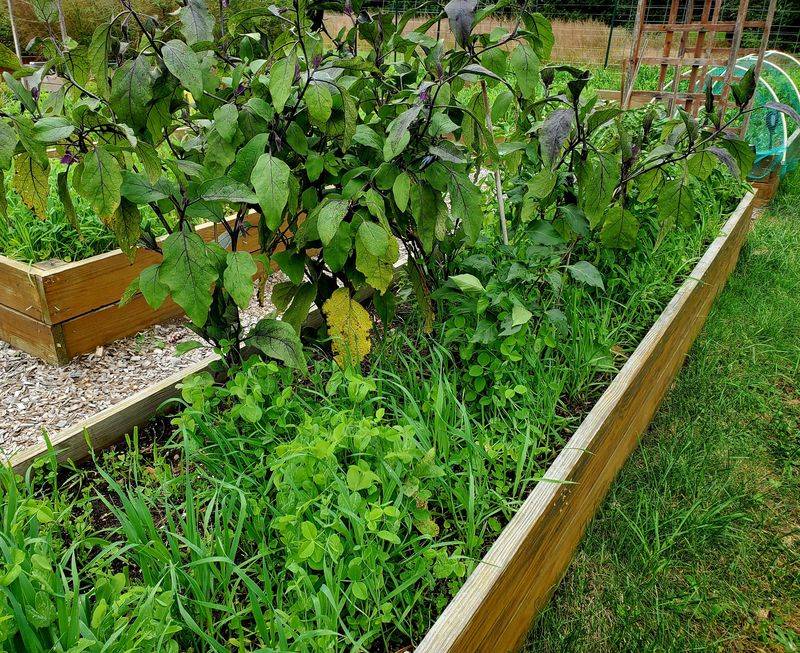
Timing fall plantings correctly ensures greens reach mature size before winter dormancy slows growth to a crawl or stops it entirely.
Most leafy greens need eight to ten weeks of growing time before hard freezes arrive in Ohio, typically occurring in November.
Counting backward from expected frost dates helps determine ideal seeding times, usually falling in late August or early September.
Plants that enter winter at full size tolerate stress better and provide more harvestable material throughout cold months.
Tiny seedlings struggle to survive harsh conditions that barely faze established plants with developed root systems and substantial foliage.
Experienced growers know that proper timing makes the difference between abundant harvests and disappointing failures when overwintering greens.
Succession planting every two weeks during late summer creates staggered maturity dates and extends your harvest window into winter.
Ohio gardeners who master timing enjoy continuous supplies of fresh greens rather than feast-or-famine cycles.
Planning ahead and tracking frost dates transforms winter gardening from guesswork into a predictable, successful endeavor.
7. Low Tunnels Offer Flexible Protection
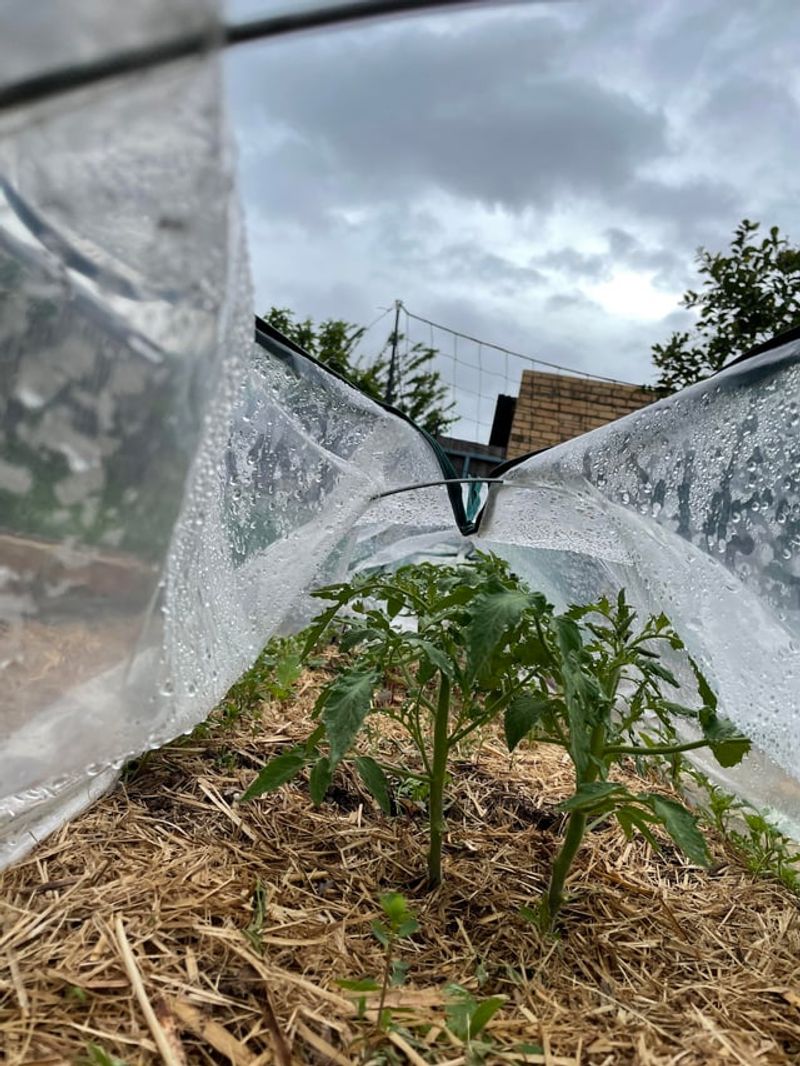
Low tunnels combine the benefits of row covers and hoop houses while remaining affordable and easy to install over existing garden beds.
Wire hoops or bent conduit create support structures over which growers stretch clear plastic or heavy-duty row cover fabric.
These mini-tunnels stand only two to three feet tall but provide substantial temperature moderation for leafy greens in Ohio.
Flexibility represents a major advantage because gardeners can quickly add or remove tunnels as weather conditions change throughout unpredictable winters.
Accessing plants for harvesting requires simply lifting the plastic from one end rather than entering a large structure.
Multiple short tunnels allow different crops to receive customized protection levels based on their specific cold tolerance.
Construction costs remain minimal compared to permanent structures, making low tunnels perfect for home gardeners testing overwintering techniques.
Ohio farmers appreciate how easily they can expand their winter production by adding more tunnels without major infrastructure investments.
Low tunnels prove that effective protection doesn’t require expensive equipment or complicated construction skills.
8. Heated Greenhouses Enable Year-Round Production
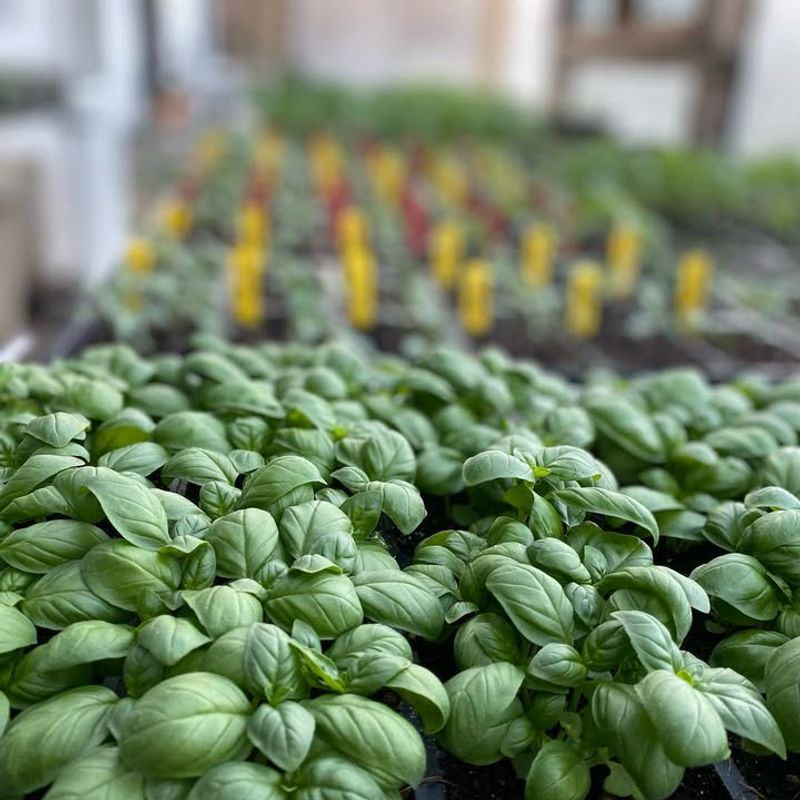
Commercial growers and serious hobbyists sometimes invest in heated greenhouses that maintain consistent temperatures regardless of outside weather conditions.
These structures feature insulated walls, supplemental heating systems, and often artificial lighting to extend short winter days in Ohio.
Leafy greens grow actively rather than merely surviving, producing abundant harvests comparable to spring or fall production.
Operating costs for heating and electricity run significantly higher than passive protection methods, requiring careful economic analysis.
However, the ability to supply fresh local produce during winter months commands premium prices that offset expenses.
Many Ohio greenhouse operations focus exclusively on leafy greens because they grow quickly and tolerate the cooler temperatures maintained to reduce heating bills.
Environmental controls including thermostats, ventilation fans, and humidity monitors create optimal growing conditions that maximize plant health and productivity.
Heated greenhouses represent the most intensive overwintering method but deliver the most reliable and abundant results.
For those committed to year-round production, controlled environment agriculture transforms winter from a limitation into an opportunity.
9. Windbreaks Reduce Cold Stress
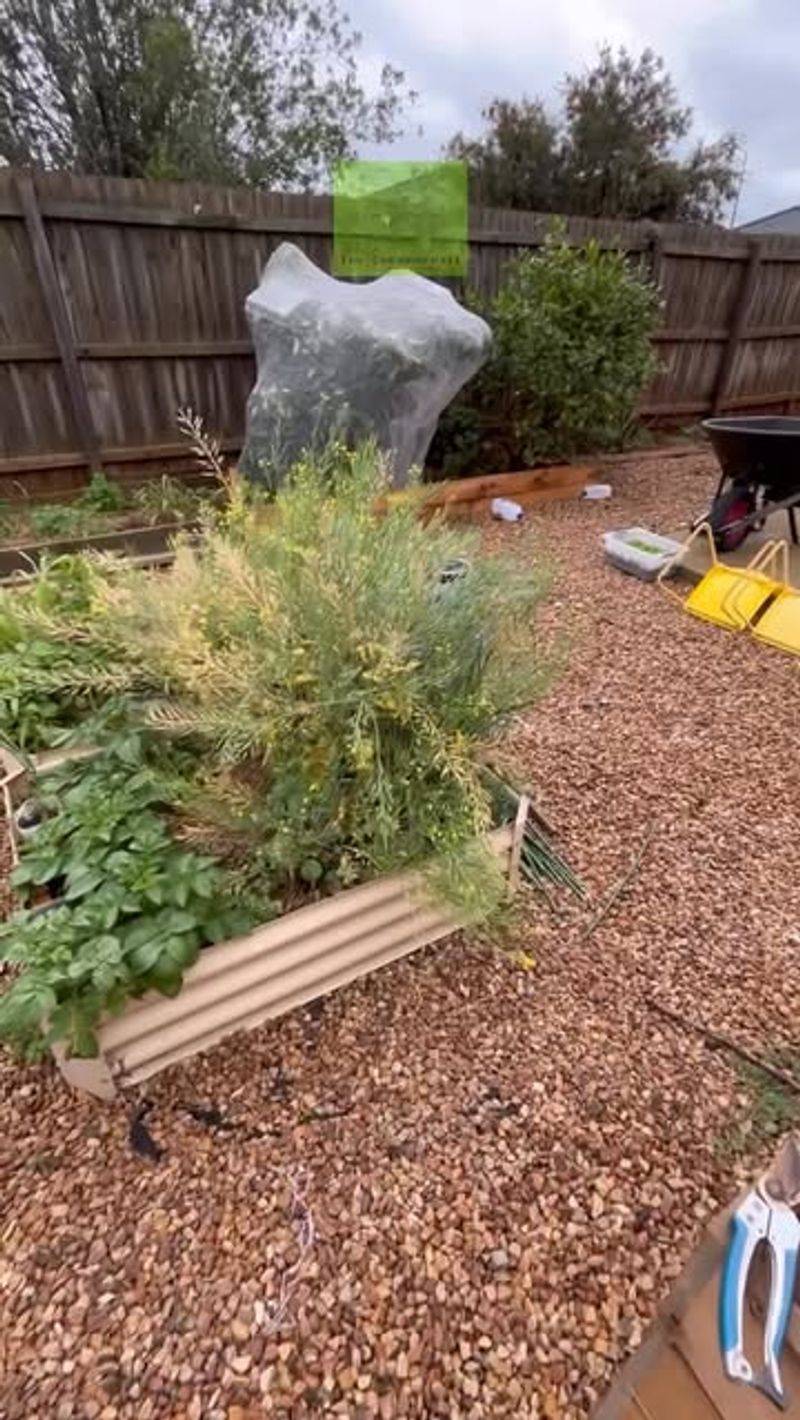
Establishing physical barriers that block prevailing winds significantly reduces cold stress on overwintering greens even without adding direct insulation.
Fences, hedgerows, or strategically placed structures create sheltered microclimates where temperatures remain several degrees warmer than exposed areas.
Ohio’s winter winds can quickly desiccate plant tissues and intensify cold damage, making wind protection valuable.
Windbreaks work by slowing air movement, which reduces evaporation from leaf surfaces and decreases the wind-chill effect on plants.
Positioning garden beds on the south side of buildings or solid fences maximizes both wind protection and solar heat absorption.
Evergreen plantings serve double duty by blocking wind while adding aesthetic value to landscapes throughout the year.
Combining windbreaks with other protection methods like row covers or mulch creates layered defense systems that handle extreme weather events.
Many experienced Ohio gardeners consider site selection and wind protection their first line of defense before investing in structures.
Understanding how wind affects plants helps you work with your landscape rather than fighting against challenging environmental conditions.