How Long Do Daffodils Bloom In Georgia And What Helps Extend The Blooms
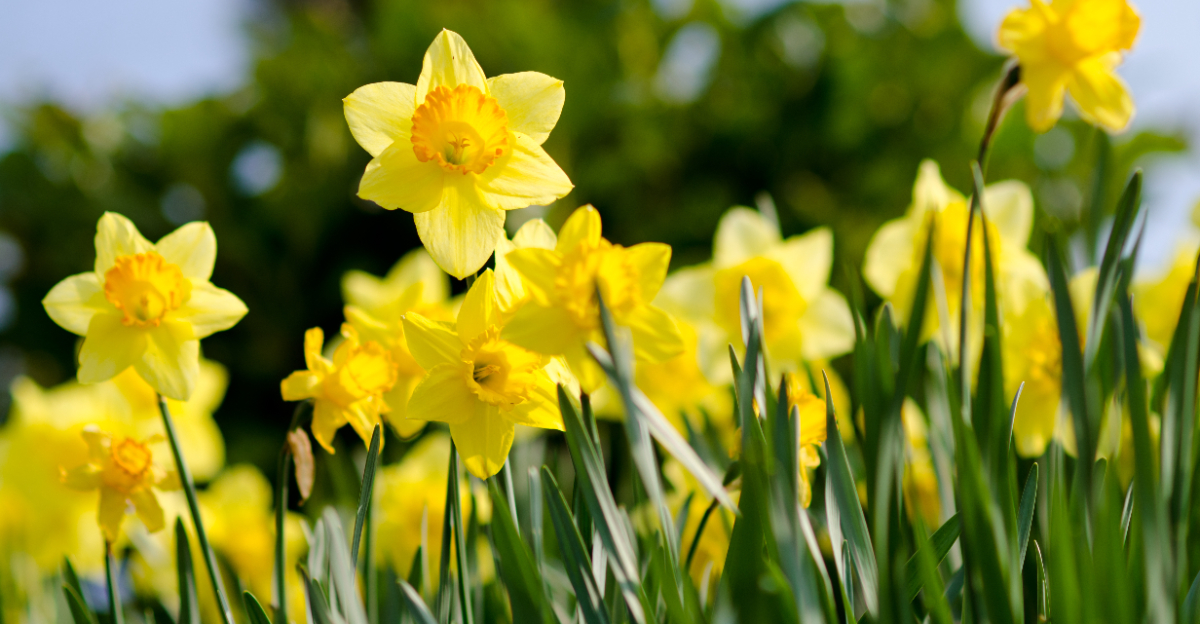
Daffodils are one of the first flowers that make Georgia gardens feel like spring has truly arrived. Those bright yellow and white blooms often appear just as winter fades, bringing a burst of color when most of the landscape is still waking up.
But once they start blooming, the big question quickly becomes how long those cheerful flowers will actually last.
In Georgia, daffodils usually bloom for several weeks, depending on the variety and the weather. Some early types open sooner, while others follow a bit later, which can stretch the overall display across much of early spring.
Cooler temperatures often help the flowers last longer, while sudden heat can shorten the bloom period.
A few simple habits can also help keep daffodils looking fresh for as long as possible. Small adjustments in care, placement, and maintenance can make a noticeable difference in how long those bright spring blooms stick around.
1. Most Daffodils Bloom For About Two To Three Weeks In Georgia
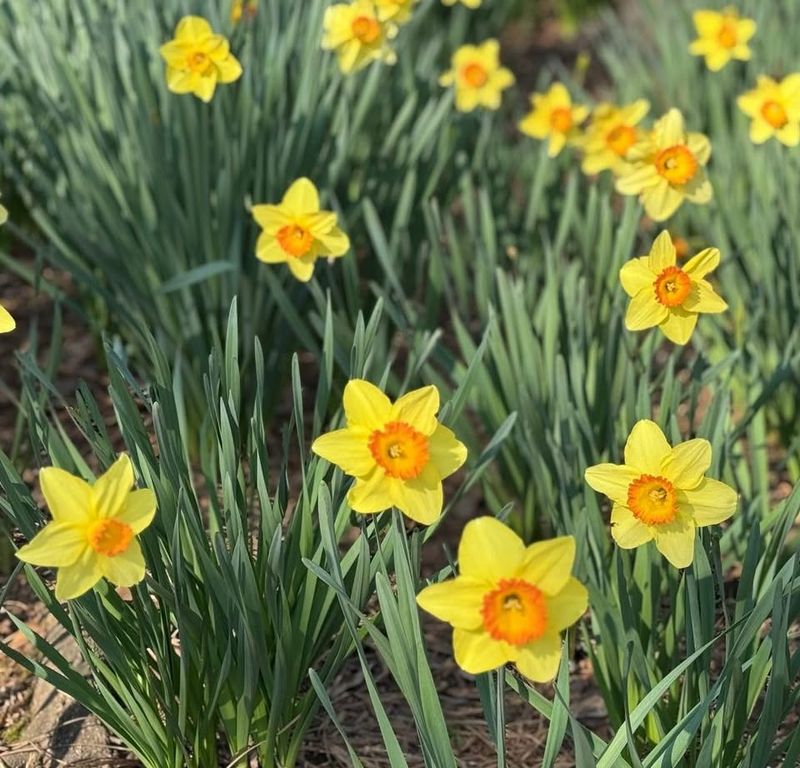
A single daffodil variety planted all at once will give you roughly two to three weeks of color before the flowers fade. In Georgia, that window tends to fall somewhere between early and late March, depending on the year and how warm the winter was.
Some years, a warm February can push things earlier. Other years, a cool stretch in early spring keeps the blooms going longer than expected.
Georgia sits in USDA hardiness zones 6 through 9, which means spring temperatures can swing quite a bit from the mountains in the north to the coastal plain in the south.
Down in zones 8 and 9, daffodils often open earlier and fade faster because of the warmer soil and air.
Up in the northern Georgia hills, the cooler temps actually work in your favor and help the flowers hold on longer.
Two to three weeks might not sound like much, but if you are strategic about it, you can stretch the whole season well beyond that.
Planting different varieties together is one approach, but even a single well-chosen variety benefits from being placed in a spot with some morning shade.
Heat is the main enemy of a fresh daffodil bloom. Once afternoon temperatures start climbing into the upper 60s and 70s, the flowers begin to wear out fast.
Understanding that basic timing helps you set realistic expectations and plan smarter for next fall when it is time to put bulbs in the ground.
2. Early And Late Varieties Can Stretch The Bloom Season
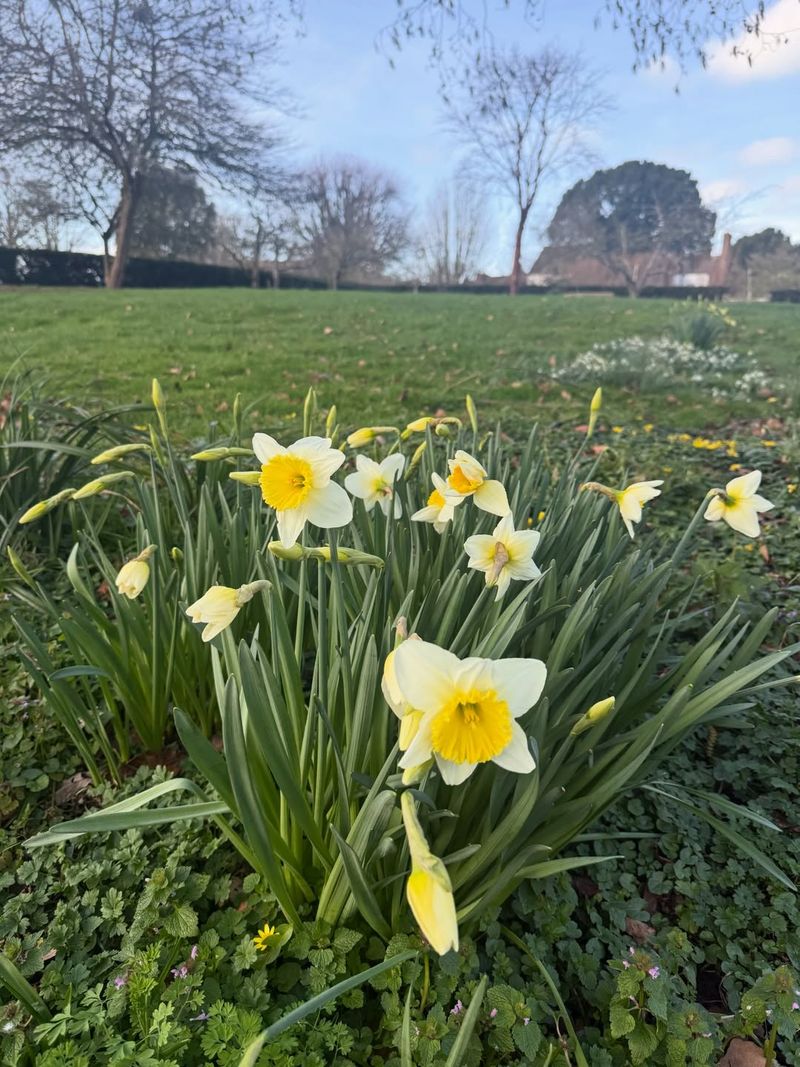
Not all daffodils open at the same time, and that difference is actually a gardener’s best tool. Early varieties like February Gold and Jetfire can pop open while the rest of the yard still looks like winter.
Late-season types like Thalia or Actaea hold off until April and keep the color going well after most people think daffodil season is done.
Planting a mix of early, mid-season, and late varieties in the same bed can stretch your bloom window from roughly six to eight weeks across a Georgia garden.
Instead of getting one big burst that is over in two weeks, you get a rolling show that keeps shifting and changing.
Mid-season varieties like Ice Follies and Carlton fill the gap in between, so there is almost always something open during peak spring.
When shopping for bulbs in fall, look at the bloom time listed on the label or catalog description. Most bulb sellers categorize daffodils as early, mid, or late blooming.
Buying at least one variety from each category gives you the best shot at a long season. Plant them in groups of at least five to seven bulbs rather than scattering singles around, so each wave of bloom makes a visible impact.
In Georgia, where spring can shift quickly from cool to warm, layering your varieties is one of the most reliable ways to get more weeks of color without any extra work once the bulbs are in the ground.
3. Cooler Spring Weather Helps Daffodil Flowers Last Longer
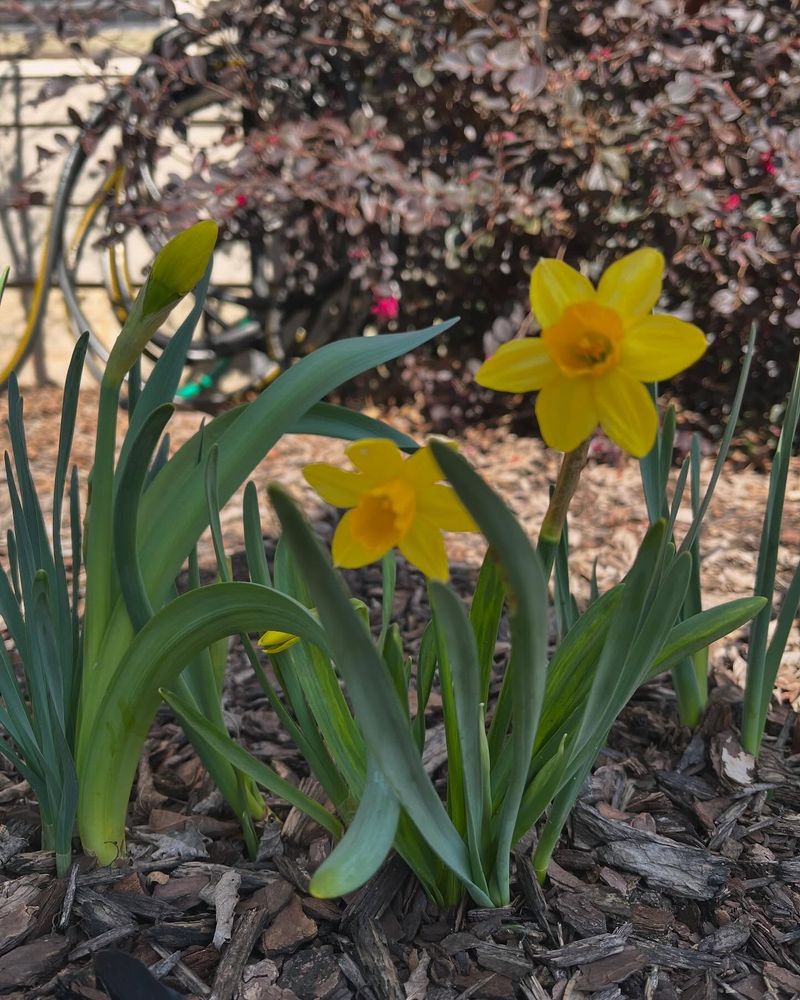
Weather does more to control how long daffodils last than almost anything else a gardener can do. When Georgia gets a stretch of cool, mild days in March, those blooms can look fresh for two weeks or more on a single plant.
Push temperatures into the upper 70s for a few days in a row, and the same flowers might be done in five or six days.
Cooler air slows down the rate at which the petals age. It also helps the stems stay firm and upright instead of going limp in the heat.
Early morning temperatures in the low 40s to mid-50s are basically ideal for keeping daffodils looking their best. Georgia does get those stretches, especially in the northern part of the state, but they can be unpredictable.
There is not much you can do to control the weather, but you can pay attention to it. If a warm spell is forecast, cutting a few blooms and bringing them inside to enjoy in a vase is a smart move.
Cut them when the buds are just starting to open, put them in cool water, and keep them away from direct sun indoors. They will last longer inside than they would outside in the heat.
Watching the forecast also helps you appreciate the blooms while they are at their peak, rather than stepping outside one day to find them already fading because a warm front rolled through Georgia overnight.
4. Planting In Partial Sun Helps Protect Blooms From Heat
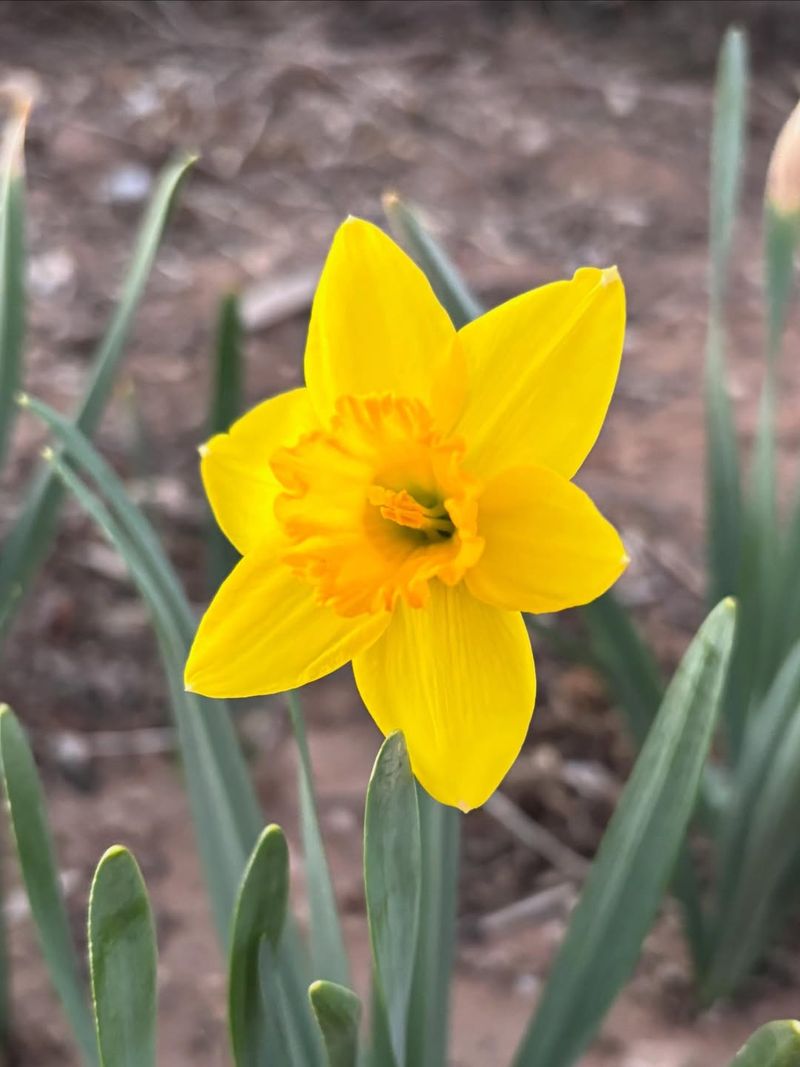
Full sun sounds like the obvious choice for flowering plants, but daffodils in Georgia actually do better with a little afternoon shade.
Morning sun gives them the light they need to grow and bloom, while protection from the hot afternoon sun slows down petal aging.
A spot on the east side of a fence, a building, or a large tree is often ideal.
Afternoon shade can add several extra days to each bloom cycle, especially during years when March heats up faster than usual.
In southern Georgia, where temperatures climb earlier in the season, this kind of placement can make a noticeable difference.
Even a few degrees cooler in the afternoon adds up over the course of a two to three week bloom period.
Keep in mind that daffodils still need good light to build energy for next year. A spot that gets four to six hours of direct sun, mostly in the morning, is a solid balance.
Avoid planting under dense evergreen canopies where light is blocked all day, since the bulbs will struggle to store enough energy to bloom well the following spring.
Deciduous trees work well because the leaves have not fully opened yet when daffodils are blooming in early spring, so light still filters through.
Look around your Georgia yard and notice where the afternoon shade falls naturally. Those spots are often perfect for daffodils and are easy to overlook when planning a spring garden layout.
5. Regular Watering During Bloom Keeps Flowers Looking Fresh
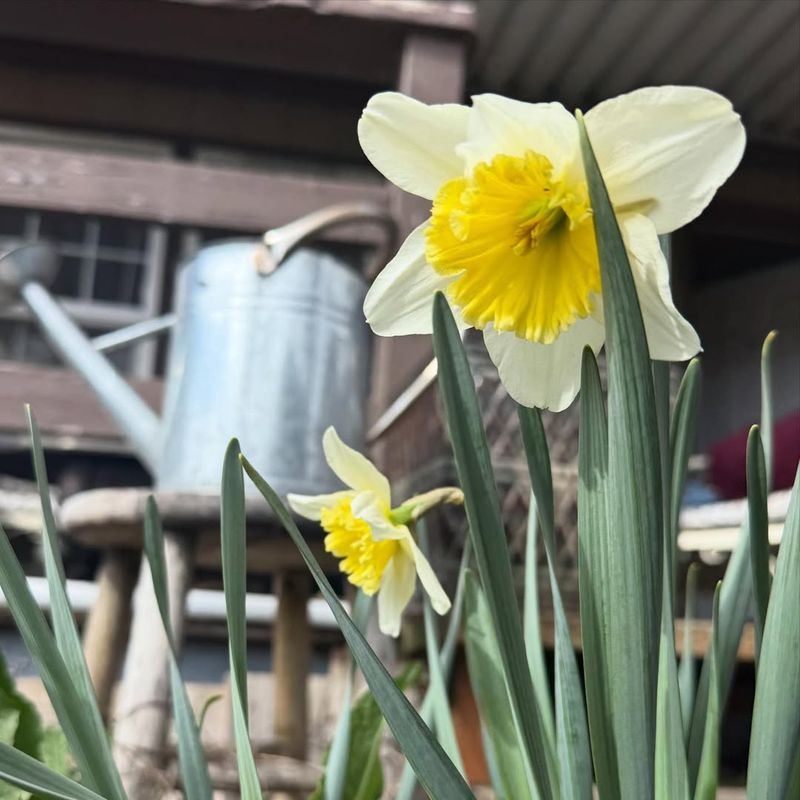
Dry soil during bloom time is one of the fastest ways to shorten how long daffodil flowers stay open. When the ground gets too dry, the plant pulls water away from the flowers first, and the petals start to shrivel and fade well ahead of schedule.
Keeping consistent moisture in the soil during the bloom period makes a real difference in flower longevity.
In Georgia, spring rainfall is somewhat reliable, but it is not something you can count on every week. A light watering every few days during dry spells, especially if temperatures are climbing, helps keep the flowers looking fresh.
Aim to water at the base of the plants rather than overhead, since wet petals in warm weather can lead to spotting and early petal drop.
About an inch of water per week is a reasonable target during the blooming period. If you get decent rain, you may not need to add much at all.
A simple way to check is to push a finger about two inches into the soil near the bulbs. If it feels dry at that depth, it is time to water.
Once the blooms are finished and the foliage is the only thing left, you can ease off a bit, though the leaves still need moisture to do their job.
Watering is one of the simplest things you can do to stretch the life of your Georgia daffodil blooms, and it takes almost no effort to stay on top of it.
6. Removing Spent Flowers Helps Plants Focus On Healthy Growth
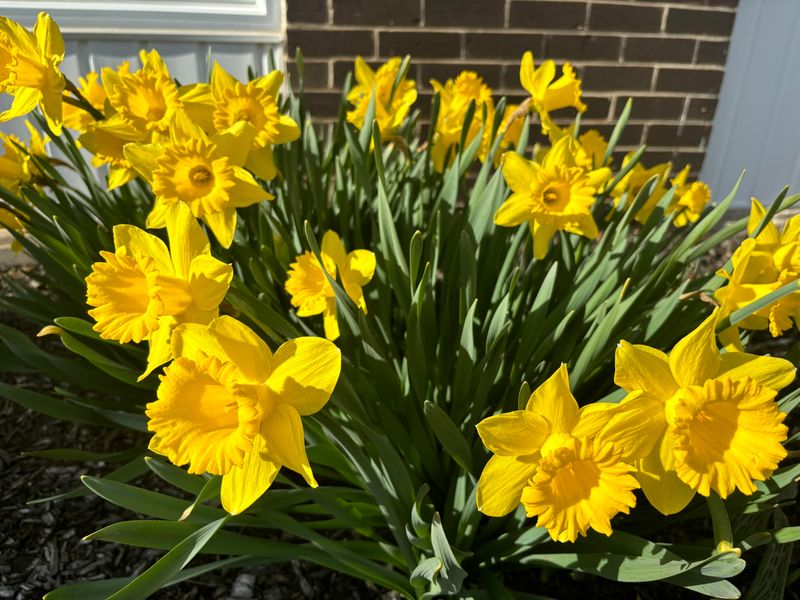
Once a daffodil flower starts to fade and droop, leaving it on the plant is not doing anyone any favors. Spent blooms signal the plant to put energy into forming seeds, which pulls resources away from the bulb.
Removing those faded flowers promptly redirects the plant’s energy back into the bulb, where it gets stored for next spring’s bloom.
Snapping or cutting off just the flower head is all you need to do. Leave the green stem attached, since it is still photosynthesizing and contributing to bulb development.
In a Georgia garden where the growing season shifts quickly from spring to summer heat, every bit of energy the bulb can store matters for producing strong blooms the following year.
Deadheading, as this process is called, also keeps the garden looking tidy during the weeks after peak bloom when the foliage is still present but the flowers are gone. It is a small habit that takes maybe five minutes per week at most.
Some gardeners skip it and still get decent blooms the next year, but those who are consistent about it tend to notice their clumps get fuller and more vigorous over time. If you have a large planting, focus on removing the most visible faded blooms first.
Working through the bed a little at a time is easier than trying to do it all at once, and it gives you a reason to walk through the garden and check on how everything is doing throughout the season.
7. Leaving The Foliage Intact Helps Stronger Blooms Next Spring
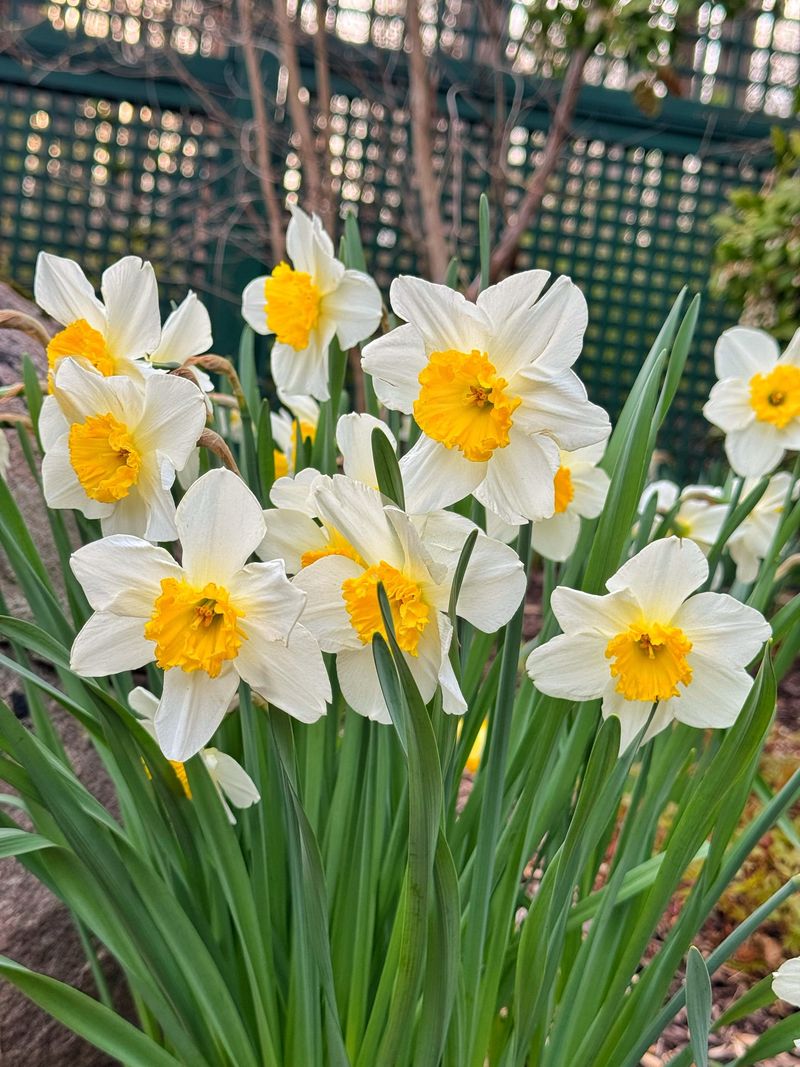
After the flowers are gone, the green leaves might look a little awkward in the garden, but cutting them down early is a mistake that shows up the following spring. Daffodil foliage is still working hard after bloom time ends.
Leaves are converting sunlight into energy that gets stored in the bulb underground, building up reserves for next year’s flowers.
In Georgia, the foliage typically needs about six to eight weeks after blooming before it naturally starts to yellow and fall over on its own. Cutting it back before it reaches that point starves the bulb and leads to weaker, fewer blooms the next season.
Braiding or tying up the leaves to make them look neater is also not a great idea, since it reduces the surface area exposed to sunlight.
A better approach is to plant something around the daffodils that fills in as the season progresses.
Hostas, daylilies, and ornamental grasses all work well in Georgia gardens because they come up just as daffodil leaves are starting to look ragged, naturally hiding them without any intervention.
By the time those companion plants are fully leafed out, the daffodil foliage has done its job and can be removed without any concern. Patience is really the key here.
Letting the leaves run their full course feels a little messy for a few weeks, but the payoff is a healthier, more productive bulb that delivers a strong show when March rolls back around in Georgia next spring.