How Long To Wait Before Cutting Cold Damaged Plants In Michigan
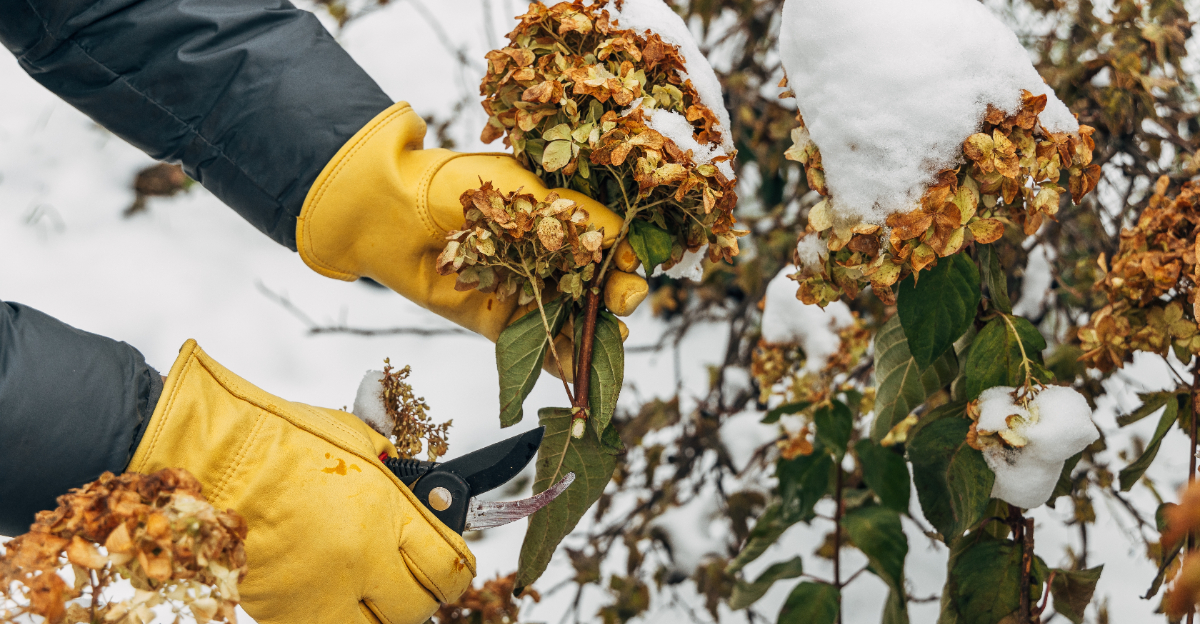
After a long Michigan winter, stepping outside to see brown, wilted plants can be discouraging. Frost and freezing temperatures often leave gardens looking lifeless, and many homeowners feel the urge to grab pruning shears right away.
Cutting back damaged growth seems like the quickest way to fix the problem, but acting too soon can actually do more harm than good. Beneath that tired, frozen appearance, some plants are still alive and quietly waiting for warmer days to return.
Removing growth too early may take away parts that could recover and grow strong again. This is where patience truly pays off.
Understanding how cold injury affects plants and knowing when to step in can make the difference between losing a plant and watching it bounce back beautifully once spring settles in.
Wait Until Spring Growth Appears
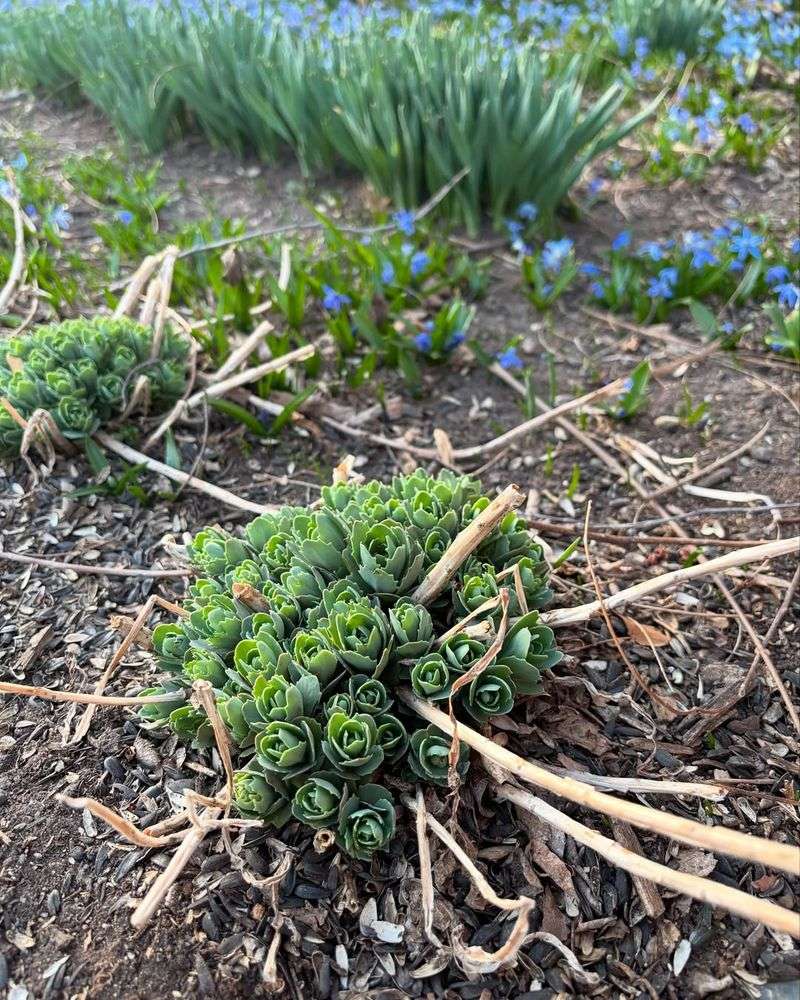
Patience becomes your greatest gardening tool after a harsh Michigan winter. New leaves and buds popping up from seemingly lifeless branches tell you exactly where your plant is still alive and kicking.
Rushing to prune before these signs appear could mean accidentally removing stems that look damaged but are actually ready to bounce back.
Spring growth typically begins when soil temperatures warm up consistently. In Michigan, this usually happens between late March and early May, depending on your specific location.
Northern regions might need to wait a bit longer than southern parts of the state. Watching for fresh green tissue gives you a roadmap for pruning decisions. The new growth shows you precisely which parts survived winter’s assault and which didn’t make it.
This natural indicator is far more reliable than guessing based on appearance alone. Many gardeners make the mistake of cutting too soon out of concern or impatience. However, plants have remarkable recovery abilities when given proper time.
Even branches that look completely brown might surprise you with vigorous new shoots emerging from lower nodes once temperatures stabilize and daylight increases throughout spring.
Observe Stem Color And Texture
Your plants communicate their health status through visual and tactile clues. Green stems with a slight flexibility indicate living tissue that’s still transporting water and nutrients.
These survivors deserve protection and patience as they work toward recovery during the growing season.
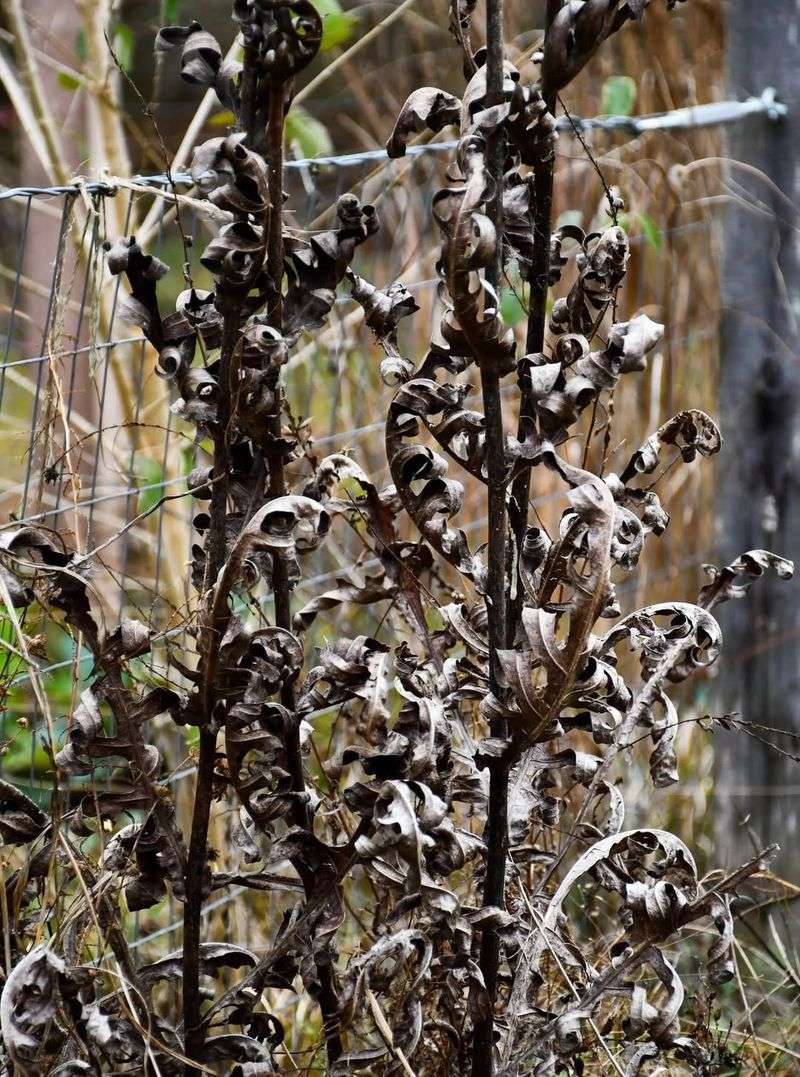
Brown or blackened stems tell a different story entirely. When you gently bend them, they often snap rather than flex.
This brittleness reveals that internal tissues have been compromised by freezing temperatures, and those sections won’t contribute to future growth.
Performing a scratch test helps confirm what you’re seeing. Use your fingernail or a small knife to gently scrape a tiny section of bark.
Living stems reveal moist green or cream-colored tissue underneath, while damaged sections show brown or gray layers with no moisture.
Texture changes throughout the stem can indicate partial damage. You might find green tissue near the base but brown further up.
This pattern is common in Michigan gardens where ground-level areas benefit from snow cover insulation while exposed upper portions face harsh winds and extreme cold without protection.
Delay Pruning Until Frost Risk Passes
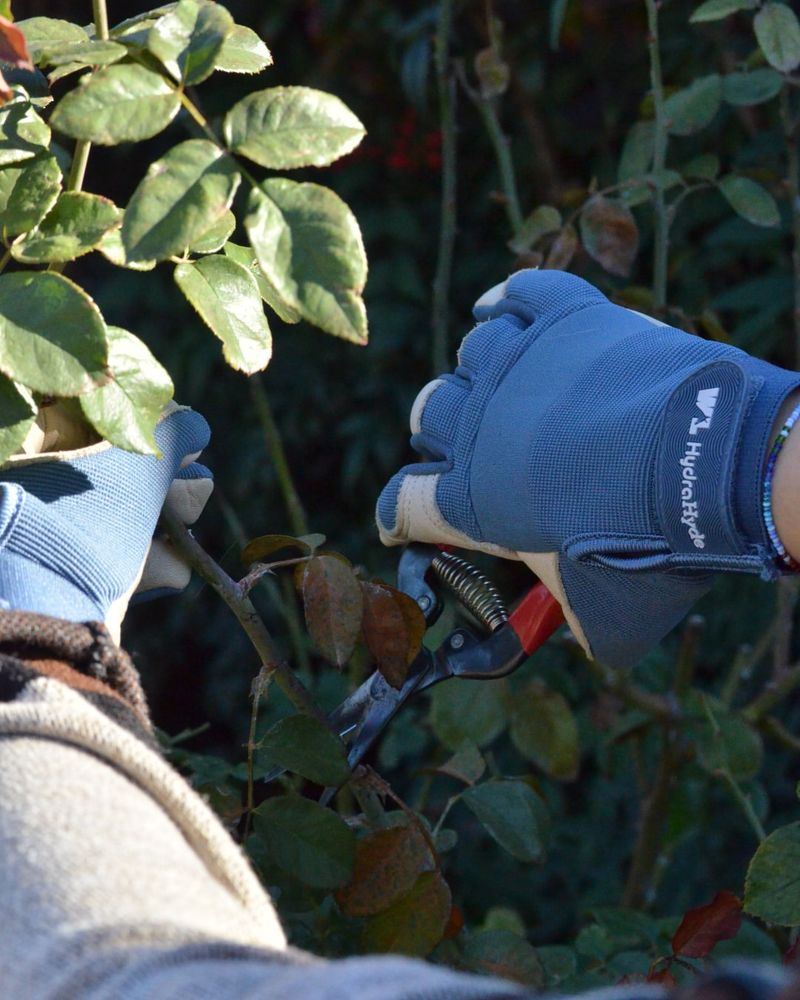
Michigan’s spring weather plays tricks on eager gardeners every year. Warm sunny days in March or April can fool you into thinking winter has released its grip.
Then suddenly, overnight temperatures plunge below freezing again, catching tender new growth completely off guard.
Early pruning stimulates plants to push out fresh buds and shoots. These tender new tissues have zero cold tolerance compared to dormant wood.
When late frosts arrive, this vulnerable growth gets zapped immediately, setting your plant’s recovery back by weeks or even months.
The last frost date varies significantly across Michigan. Southern regions around Detroit typically see their final frost around May 10th.
Northern areas near Traverse City or the Upper Peninsula might experience freezing temperatures well into late May or early June.
Waiting until after this risk passes protects your investment of time and energy. Sure, it requires restraint when you’re itching to clean up the garden.
But that patience pays off when your plants can focus energy on recovery rather than repeatedly replacing frost-damaged new growth throughout an unpredictable spring season.
Consider Plant Type

Not all plants respond to cold damage on the same timeline. Herbaceous perennials like hostas and daylilies bounce back relatively quickly because their energy reserves sit safely underground.
These tough customers often show new growth within two to three weeks once temperatures stabilize above freezing consistently.
Woody shrubs require more patience from Michigan gardeners. Forsythia, hydrangeas, and roses might take four to six weeks before revealing which branches survived.
Their recovery depends on moving stored energy from roots through woody tissue to dormant buds scattered along branches.
Trees present the biggest waiting game of all. Large specimens like maples, oaks, and fruit trees might not fully leaf out until late May or even early June.
Their size means nutrients must travel considerable distances from roots to branch tips, and this process simply takes time.
Understanding these differences helps set realistic expectations for your landscape. Getting anxious about a seemingly slow tree while your perennials are already thriving is completely normal.
Each plant type operates on its own biological clock, influenced by species, age, overall health, and the severity of cold exposure it experienced during winter months.
Use Gradual Inspection
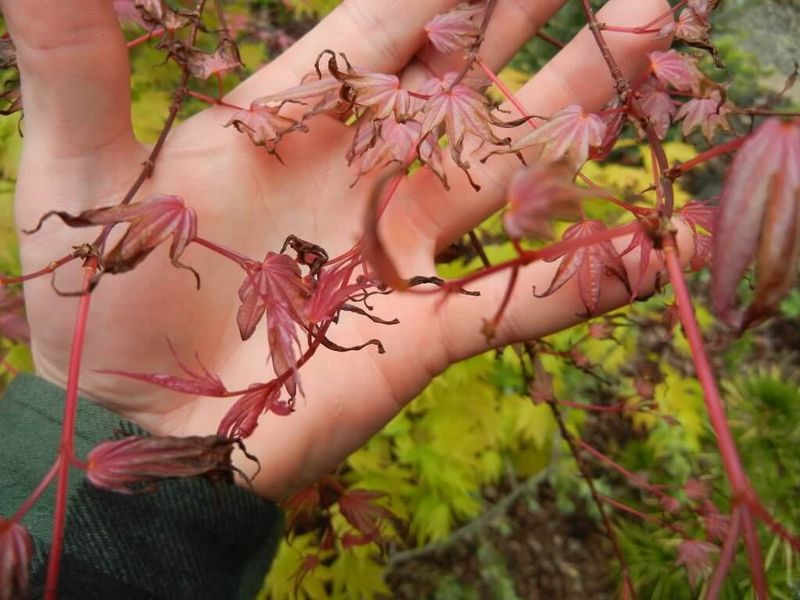
Monitoring your plants weekly rather than daily prevents unnecessary worry. Grab a notebook or use your phone to document what you observe.
Taking photos helps you track subtle changes that might not be obvious from memory alone, especially when managing multiple plants across your property.
Start inspections in early April for southern Michigan or mid-April further north. Check the same plants each week, looking specifically at bud development, stem color changes, and any new shoot emergence.
This systematic approach gives you reliable data rather than emotional reactions to single observations.
Focus on different parts of each plant during inspections. Lower branches often recover first because they benefit from ground warmth and snow insulation.
Middle sections might show mixed results, while tips exposed to harsh winds could remain dormant longer or prove nonviable.
This gradual process prevents premature pruning mistakes that remove potentially viable tissue. Some buds take longer to break dormancy than others, even on the same plant.
What looks lifeless one week might surprise you with tiny green shoots the next, especially during warm spells that trigger rapid development throughout your Michigan garden.
Cut Only Completely Dead Tissue
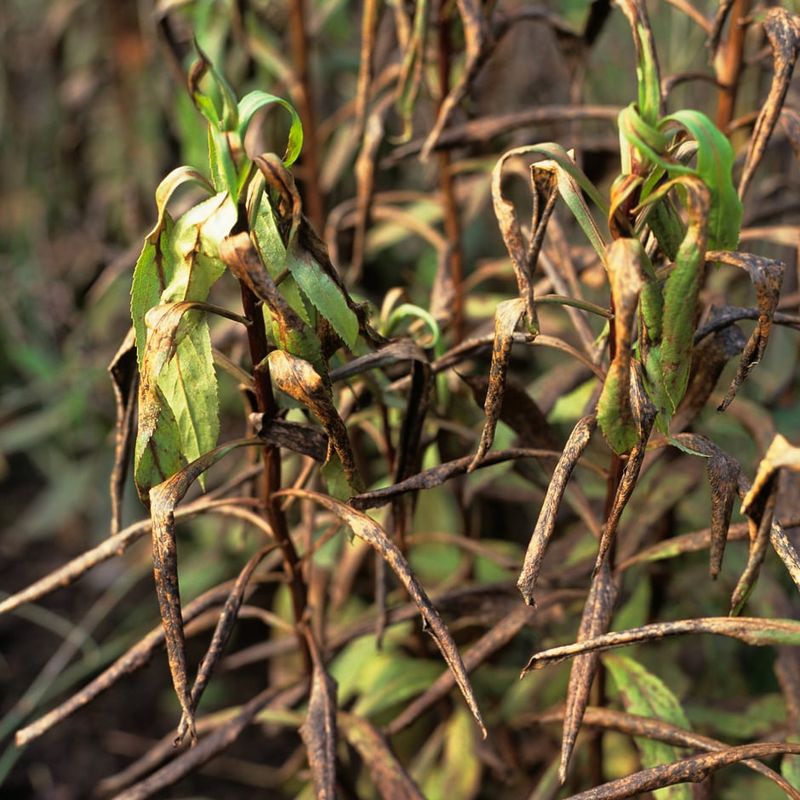
Selective pruning requires a careful eye and steady hand. Remove only sections that show absolutely no signs of life after your patient waiting period.
This conservative approach preserves maximum healthy tissue while eliminating parts that could harbor disease or pests attracted to damaged plant material.
Make your cuts just above a node or bud showing green tissue. Clean cuts at a slight angle help water run off rather than pooling on the cut surface.
This detail matters because standing water can invite fungal infections that spread into healthy tissue you worked hard to preserve.
Sterilize your pruning tools between cuts, especially when moving between different plants. A quick wipe with rubbing alcohol or a bleach solution prevents accidentally spreading diseases from one specimen to another.
This extra step takes seconds but protects your entire landscape investment.
Leave questionable sections alone for now. If you’re unsure whether a branch is truly gone, wait another week or two.
Better to remove it later than to cut away tissue that might still produce leaves. Michigan’s relatively short growing season means every viable bud counts toward helping your plant recover fully before next winter arrives.
Prune In Dry Weather
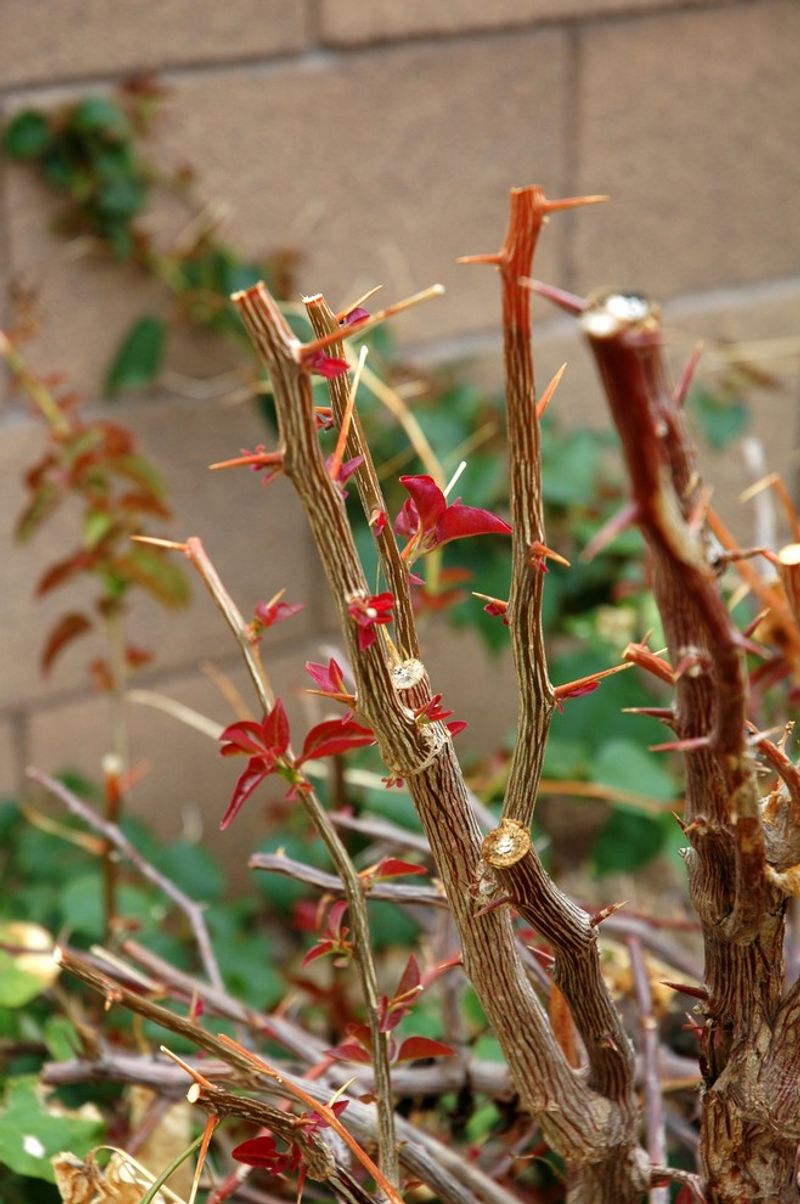
Weather conditions during pruning matter more than most gardeners realize. Dry days with low humidity create ideal circumstances for making cuts that heal quickly and cleanly.
Moisture in the air or on plant surfaces provides perfect conditions for fungal spores and bacteria to establish infections at wound sites.
Wait at least two days after rain before pruning cold-damaged plants. This allows surface moisture to evaporate from leaves, stems, and bark.
Even morning dew should dry completely before you start cutting, which usually means waiting until mid-morning or early afternoon for best results.
Wind speed plays a role too. Gentle breezes help cuts dry quickly, but strong winds can tear at fresh wounds or cause tools to slip.
Calm to moderately breezy conditions offer the sweet spot for pruning activities throughout your Michigan landscape.
Check the forecast before planning major pruning sessions. Avoid cutting if rain is predicted within the next 24 hours.
Fresh wounds need time to begin the healing process before moisture exposure. This timing consideration becomes especially important during Michigan’s notoriously unpredictable spring weather patterns when conditions can change rapidly throughout the day.
Mulch After Frost Damage
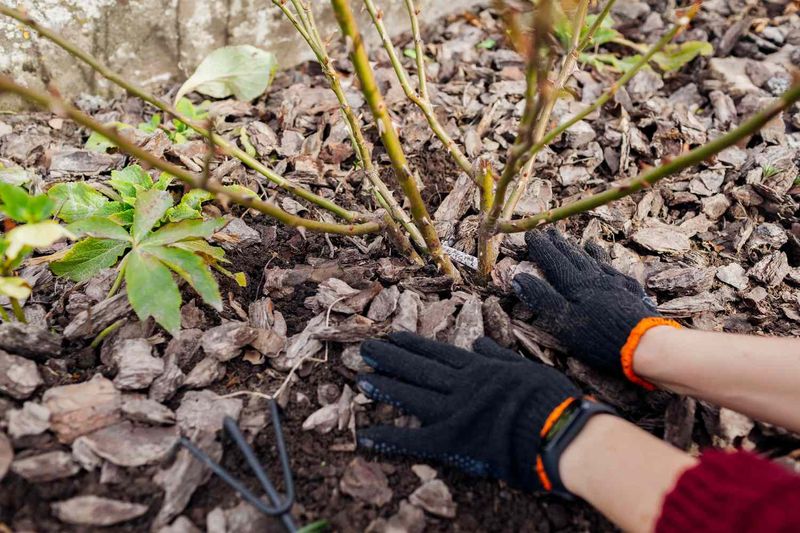
Applying fresh mulch supports recovery in ways that aren’t immediately obvious. A two to three-inch layer around the plant base moderates soil temperature fluctuations that stress damaged root systems.
This insulation works both ways, keeping soil cooler during unexpected warm spells and warmer during late cold snaps common in Michigan springs.
Organic mulches like shredded bark, wood chips, or compost offer additional benefits beyond temperature control. As they slowly decompose, they release nutrients and improve soil structure.
This enhanced environment helps roots function more efficiently, supporting the above-ground recovery you’re hoping to see.
Moisture retention becomes crucial for stressed plants working hard to recover. Mulch acts like a blanket that reduces water evaporation from soil surfaces.
This means roots have consistent access to moisture without the stress of dramatic wet-dry cycles that can further compromise weakened plants.
Keep mulch pulled back slightly from stems and trunks to prevent rot issues. A small gap of two to three inches allows air circulation around the crown area.
This detail prevents creating conditions where fungal diseases could establish, which would be particularly problematic for plants already stressed from cold damage and working toward recovery.
Avoid Fertilizing Too Early
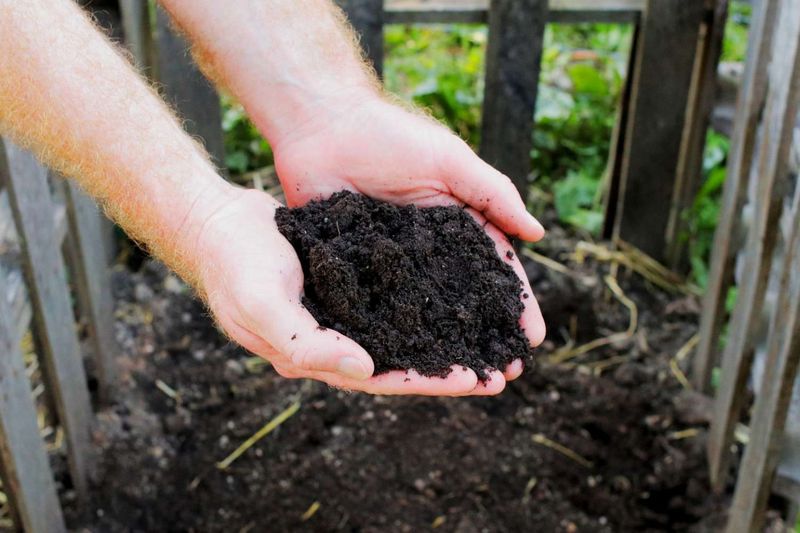
Holding off on fertilizer feels counterintuitive when you want to help struggling plants. However, adding nutrients too soon after cold damage can actually create more problems than it solves.
Damaged plants can’t efficiently process and use fertilizer until their vascular systems recover and begin functioning normally again.
Early fertilization pushes plants to produce weak, spindly growth that lacks the strength to survive. This forced development exhausts energy reserves the plant needs for repairing damaged tissues and establishing strong root connections.
The result is often leggy shoots that flop over or fail to harden off properly before summer heat arrives.
Wait until you see robust new growth emerging consistently for at least two weeks. This indicates the plant’s internal systems are functioning well enough to benefit from supplemental nutrients.
For most Michigan gardens, this means holding off until late May or early June for cold-damaged specimens.
When you do fertilize, start with half-strength applications. This gentler approach gives plants nutrients without overwhelming their recovering systems.
You can gradually increase to full strength over the following month as growth strengthens and plants demonstrate they’re handling the additional resources without producing weak or excessive foliage.
Consider Replacement Only After Confirmed Mortality
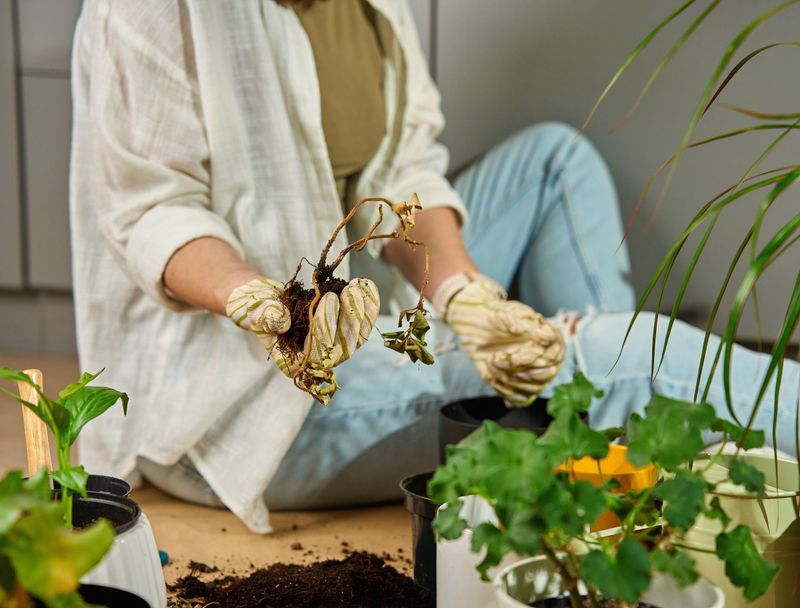
Some plants simply don’t recover from severe cold damage. Accepting this reality becomes necessary when you’ve waited patiently through spring and into early summer without seeing any signs of life.
In Michigan, if a plant shows absolutely nothing by late June, it’s probably time to make replacement decisions.
Before removing a seemingly lifeless plant, perform one final check. Scrape bark at the base near soil level and examine roots if possible.
Sometimes plants survive at the crown but take extraordinarily long to push new shoots. However, if everything remains brown and brittle with no green tissue anywhere, the plant has likely succumbed.
Choosing replacements wisely prevents repeating the same disappointment next year. Look for varieties specifically bred for cold hardiness in your Michigan zone.
Native plants often perform better than exotic species because they’ve evolved to handle local temperature extremes and weather patterns.
Consider the specific conditions that led to damage when selecting new plants. Was the location too exposed to harsh winds?
Did poor drainage contribute to cold injury? Addressing these underlying issues gives your replacement plants better odds of thriving long-term, creating a more resilient landscape that can handle whatever Michigan winters throw at it in future years.