How Lunar Phases Affect Planting In Arizona Desert Gardens
In an Arizona desert garden, timing is everything. Planting windows open fast, the heat builds quickly, and soil dries out before you have time to second-guess yourself.
Every decision feels heavier here than it would in a milder climate. That is where lunar phases enter the conversation for some gardeners, not as magic, but as another layer of natural timing they choose to observe.
Some believe planting during certain moon phases helps seeds absorb moisture more evenly and encourages steadier root development.
Scientific evidence for strong lunar planting effects remains limited, especially in extreme desert climates like Arizona.
Still, in a place where water disappears quickly and growth can stall under stress, paying attention to natural cycles can feel like one more way to plant with intention.
1. Waxing Moon Timing Is Traditionally Linked To Leafy And Fruiting Crops
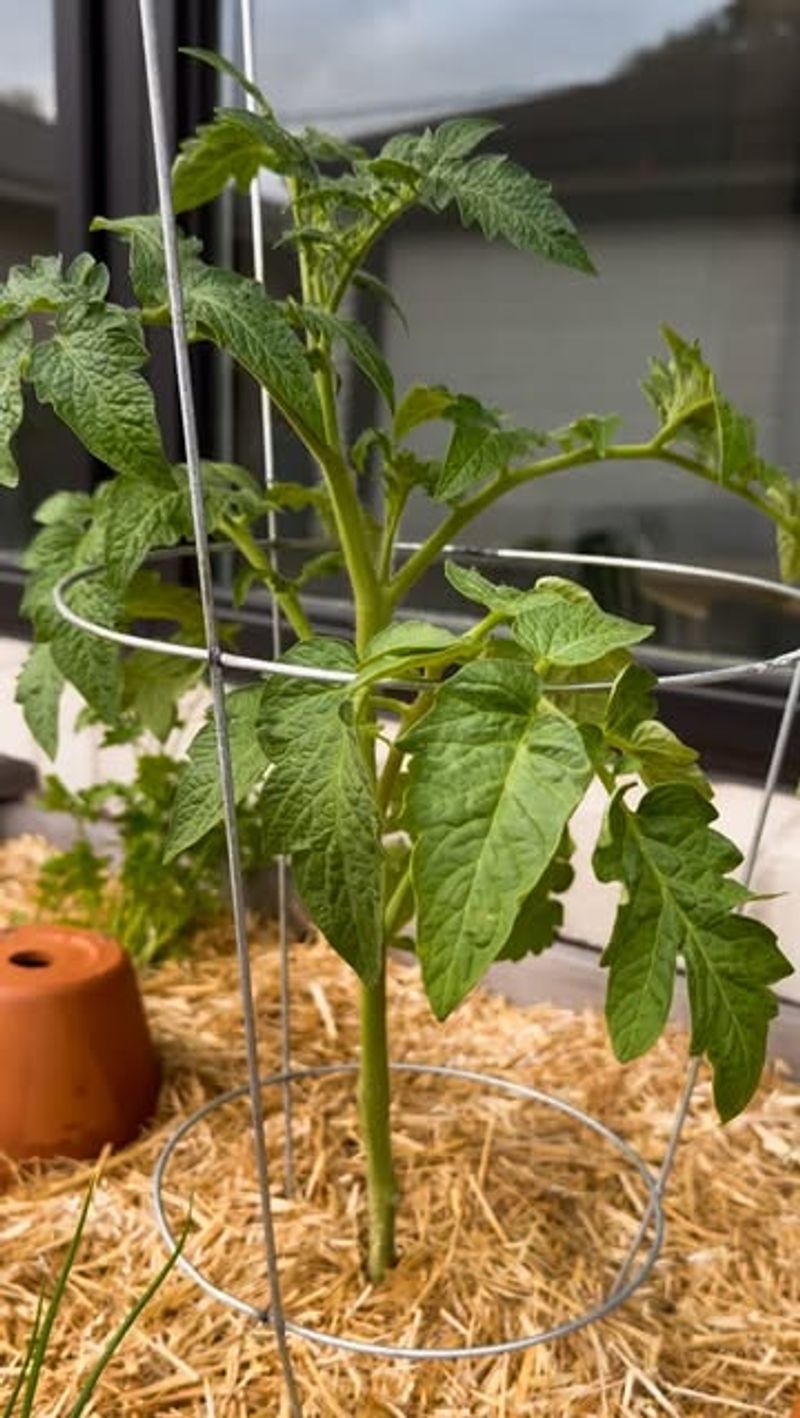
Gardeners who follow lunar planting traditions often schedule their lettuce, spinach, and tomato planting during the waxing moon phase. This period spans from the new moon to the full moon, when the visible portion of the moon grows larger each night.
The belief holds that rising moonlight and gravitational pull encourage sap flow upward in plants, promoting vigorous leaf and fruit development above ground.
In Arizona communities like Mesa and Chandler, some growers swear by this timing for their spring lettuce crops. They plant seeds as the moon waxes, hoping for quicker germination and stronger seedling growth.
The tradition suggests that moisture in the soil also rises during this phase, making seeds more likely to sprout successfully.
However, desert conditions complicate this approach significantly. Arizona soil temperatures in May can climb so high that lettuce seeds refuse to germinate regardless of moon phase.
Summer heat in Yuma or Lake Havasu City overpowers any subtle lunar influence on plant growth.
The waxing moon tradition works best when combined with proper timing for Arizona’s seasons.
Planting heat-loving tomatoes during a waxing moon in March makes more sense than following the same practice in July, when temperatures stress plants regardless of lunar cycles.
Smart desert gardeners use moon phases as one factor among many, never letting tradition override climate reality.
2. Waning Moon Phases Are Often Chosen For Root Vegetables
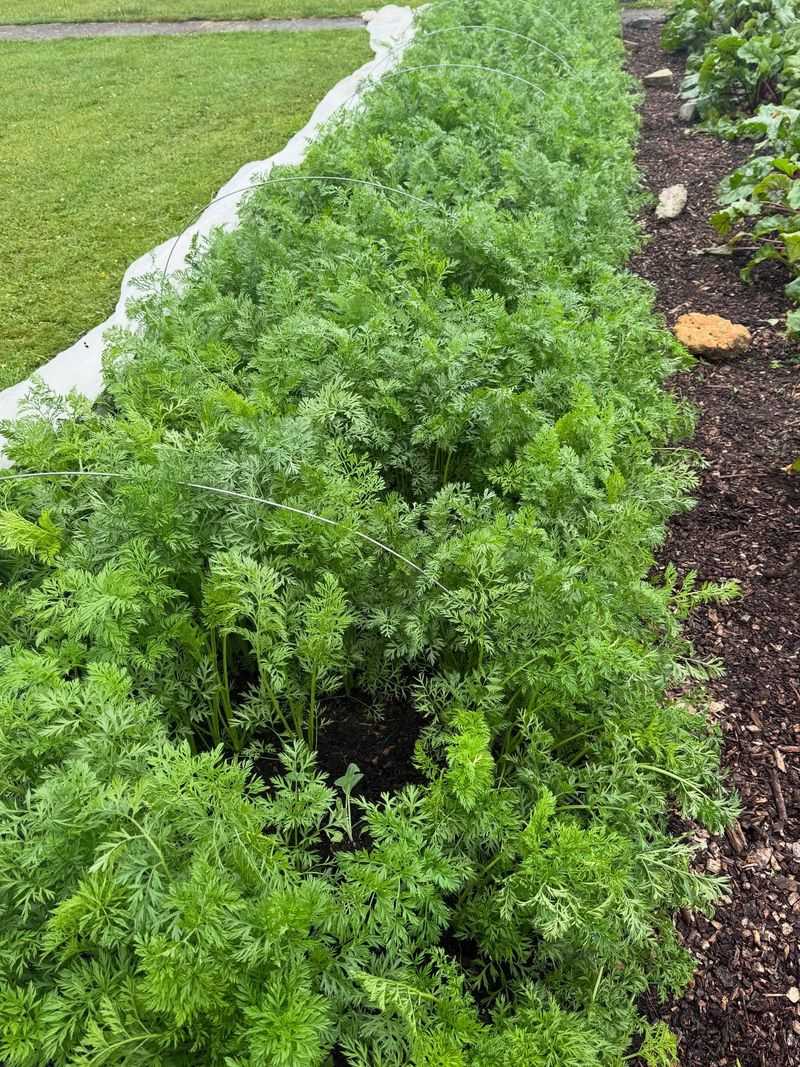
Root crop enthusiasts who practice lunar gardening typically plant carrots, beets, and radishes during the waning moon. This phase runs from just after the full moon until the new moon arrives, when the moon’s visible portion shrinks nightly.
Traditional wisdom suggests that as moonlight decreases, plant energy and moisture move downward into roots rather than upward into leaves.
Tucson and Prescott gardeners sometimes schedule their fall carrot planting around these darker nights. The theory proposes that root vegetables develop stronger, deeper roots when planted during waning phases because the plant focuses its energy below ground.
Some long-time Arizona farmers learned this practice from parents or grandparents who followed moon calendars religiously.
Desert soil conditions present challenges that moon phases cannot address. Arizona’s caliche layer, a hard calcium carbonate deposit common throughout the state, blocks root growth regardless of when seeds go into the ground.
Compacted soil in Phoenix yards creates similar barriers that no lunar cycle can penetrate.
Temperature matters far more than moon phase for root crops in Arizona. Carrots planted during a perfect waning moon in August will struggle or fail in Flagstaff’s heat, while those planted during any moon phase in October stand better chances.
Successful root vegetable gardening in Arizona depends on choosing the right season first, then optionally considering lunar timing as a secondary factor for those who enjoy traditional practices.
3. New Moon Periods Are Commonly Used For Soil Prep And Bed Building
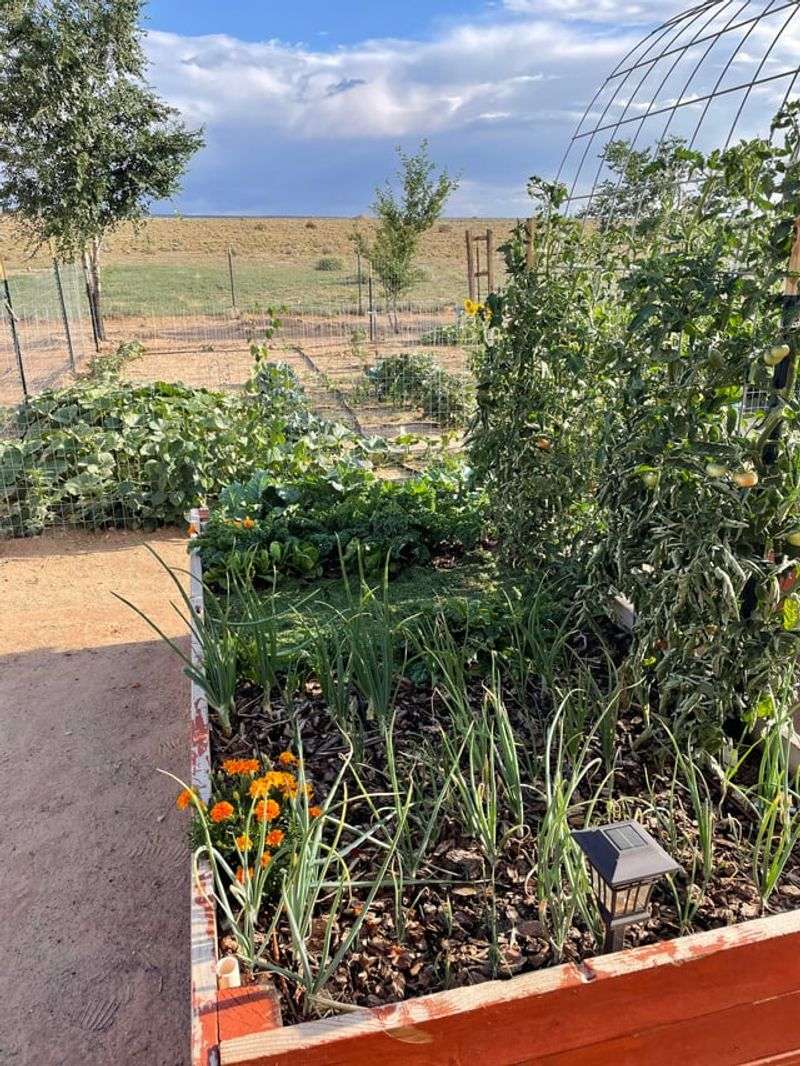
Many lunar gardening guides recommend using the new moon phase for non-planting activities like composting, weeding, and building new garden beds.
During these darkest nights when the moon is invisible, the traditional approach suggests resting from active planting and instead focusing on soil improvement.
This quiet period supposedly allows gardeners to prepare growing spaces without interfering with natural plant rhythms.
Arizona gardeners in Sedona and Scottsdale who follow these practices use new moon days to add compost to beds or turn their soil.
The tradition holds that disturbing soil during this phase causes less stress to existing plant roots because growth energy is at its lowest point.
Some growers schedule major garden renovations or installations of new drip irrigation systems during these darker nights.
Desert realities make every day valuable for soil improvement work. Arizona’s intense summer sun makes early morning or evening the only practical times for physical garden labor, regardless of moon phase.
Soil preparation in Queen Creek or Gilbert often depends more on when temperatures drop below 90 degrees than on what the moon is doing.
The new moon tradition can serve as a helpful reminder to maintain garden infrastructure regularly. Using these phases as scheduled maintenance times helps gardeners stay organized and ensures soil stays healthy.
4. Full Moon Light Sparks Interest But Does Not Override Desert Heat
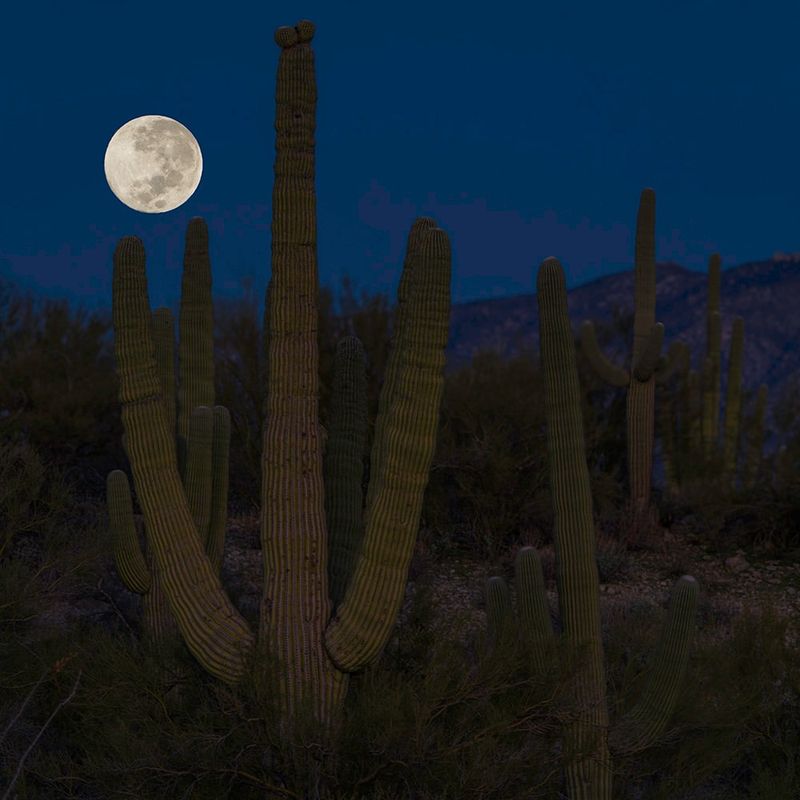
Bright full moon nights capture gardeners’ imaginations more than any other lunar phase. Some traditions suggest that the increased nighttime illumination during full moons stimulates plant growth, similar to how extended daylight hours affect certain crops.
The extra light supposedly helps plants photosynthesize longer or triggers hormonal responses that promote flowering and fruiting.
Arizona gardeners in Tempe and Glendale sometimes report that their gardens seem more active during full moon periods, though separating observation from expectation proves difficult.
Desert heat overwhelms any potential moonlight benefits during Arizona summers. When nighttime temperatures in Phoenix stay above 90 degrees during full moons in July, plants experience heat stress regardless of lunar illumination.
Many desert crops actually prefer shorter day lengths and cooler temperatures that contradict any full moon growth theories.
Full moon timing might offer slight advantages during Arizona’s mild winter months. In January or February, when Tucson temperatures moderate and plants grow actively, the extra nighttime light during full moons could theoretically provide minor benefits.
However, proper watering, soil nutrition, and temperature management deliver far greater results than any lunar phase ever could in Arizona’s challenging desert environment.
5. Soil Temperature In Arizona Matters More Than Moon Phase
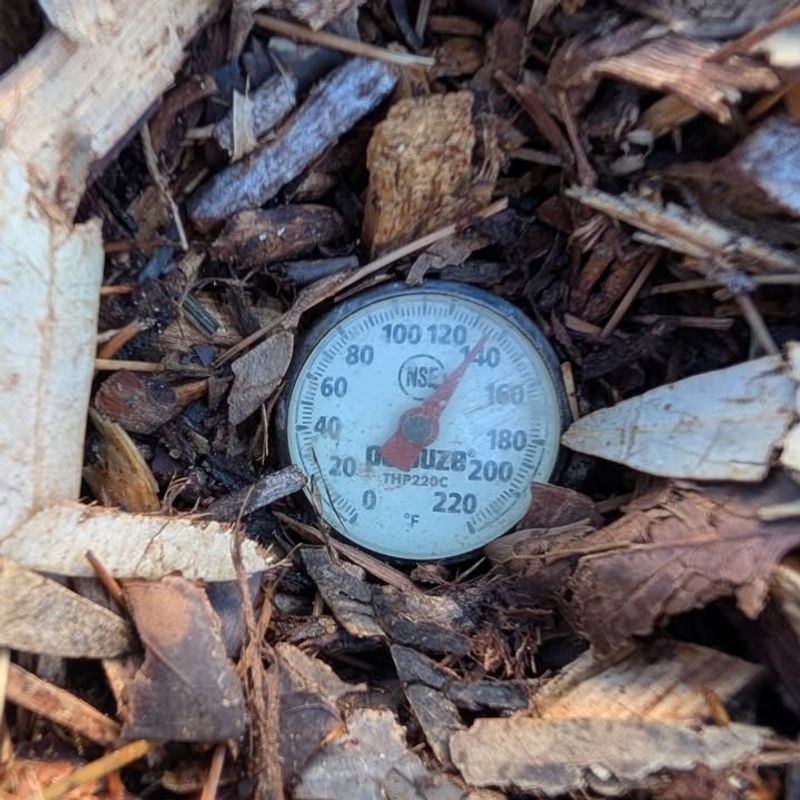
Soil temperature determines seed germination success more powerfully than any lunar influence. Most vegetable seeds have specific temperature ranges where they sprout reliably, and planting outside these ranges leads to failure regardless of moon phase.
Arizona’s extreme soil temperature fluctuations make this factor critically important for desert gardeners throughout the state.
Tomato seeds need soil temperatures between 70 and 85 degrees Fahrenheit to germinate well. In Phoenix, soil reaches these temperatures in March during any moon phase, but drops below this range in December regardless of lunar timing.
Lettuce seeds prefer cooler soil between 45 and 75 degrees, making them suitable for Arizona fall and winter planting when temperatures cooperate.
Simple soil thermometers cost less than ten dollars and provide accurate readings that guide planting decisions. Gardeners in Maricopa and Apache Junction can check their soil temperature in the morning and immediately know whether conditions suit their intended crops.
This practical approach removes guesswork and prevents wasted seed and effort.
Moon phase considerations become relevant only after soil temperature requirements are met. A gardener in Peoria might choose to plant beans during a waxing moon in April, but only because April soil temperatures already support bean germination.
Reversing this priority by planting during a favorable moon phase when soil is too cold or hot guarantees poor results that no lunar cycle can remedy in Arizona’s demanding desert climate.
6. Desert Frost Dates Still Control Early Spring Planting Windows
Average last frost dates provide essential guidance for Arizona spring planting that moon phases cannot replace. These dates vary dramatically across the state due to elevation and geography.
Yuma’s last frost typically occurs in early February, while Flagstaff gardeners often wait until late May to avoid cold damage to tender plants.
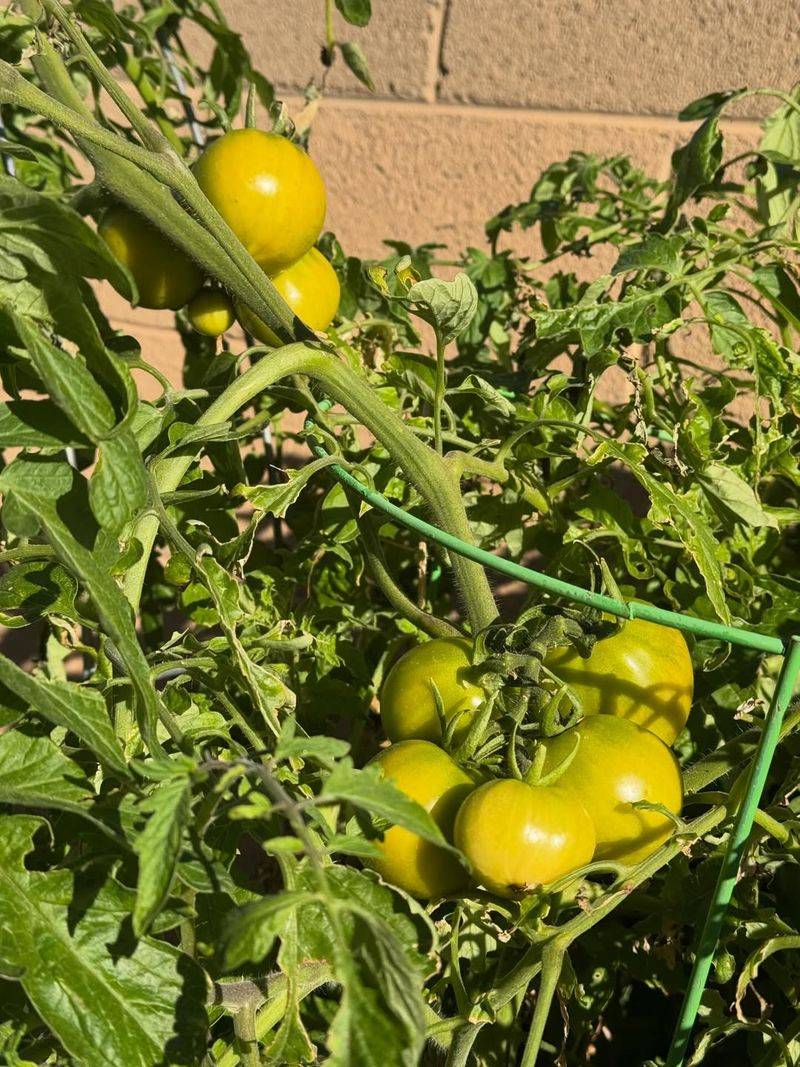
Planting frost-sensitive crops like tomatoes, peppers, and squash before the last frost date risks crop loss no matter what the moon is doing.
A perfect waxing moon in March means nothing to a tomato plant in Prescott Valley when temperatures drop to 28 degrees overnight.
The plant suffers cold damage that sets back growth for weeks or ends its life entirely.
Arizona gardeners learn their local frost dates through experience and regional resources. County extension offices provide reliable frost date information specific to different areas.
Safford and Show Low have very different frost patterns despite being in the same state, making localized knowledge essential for timing spring planting correctly.
Combining frost date awareness with lunar gardening creates a practical approach. Gardeners can wait until after their area’s average last frost date, then choose a favorable moon phase within that safe window for planting.
This method respects both traditional lunar wisdom and climate realities.
However, if the safe planting window is narrow, Arizona growers should prioritize frost safety over moon timing every time to protect their investment in seeds and seedlings.
7. Successful Arizona Gardens Balance Tradition With Climate Facts
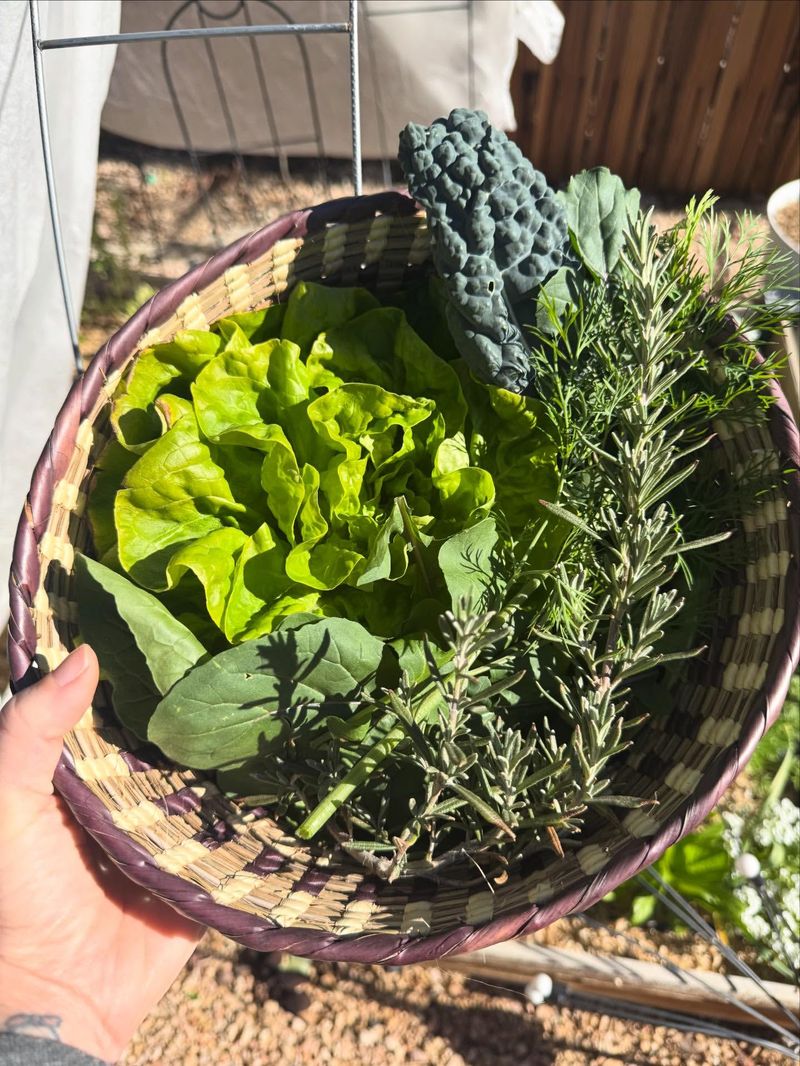
The most productive Arizona gardeners blend traditional practices with scientific understanding of desert conditions.
They might consult lunar calendars while also monitoring soil moisture, checking weather forecasts, and adjusting irrigation schedules based on actual plant needs.
This balanced approach honors cultural traditions without ignoring practical realities that determine success or failure in harsh desert environments.
Moon phase gardening can add structure and intentionality to planting schedules. Using lunar cycles as a framework helps gardeners stay organized and maintain regular garden maintenance routines.
The practice encourages attention to seasonal changes and natural rhythms that benefit plants regardless of whether lunar gravitational effects truly influence growth.
Arizona’s unique challenges demand flexibility that rigid lunar schedules cannot provide. Unexpected summer monsoons, extended heat waves, or surprise cold snaps require immediate responses that may contradict lunar planting recommendations.
Gardeners in Green Valley and Oro Valley learn to adapt quickly when weather patterns shift unpredictably.
The key to desert gardening success lies in prioritizing factors with proven impacts on plant health. Adequate water, appropriate planting dates for local climate, soil nutrition, and pest management deliver reliable results.
Lunar phase timing can serve as a pleasant addition to these fundamental practices for gardeners who enjoy traditional methods.
Arizona’s extreme conditions ultimately reward those who respect climate science while remaining open to time-tested wisdom that generations of desert growers have found valuable in their own experience.