How Michigan Gardeners Can Keep Deer From Eating Their Daylilies
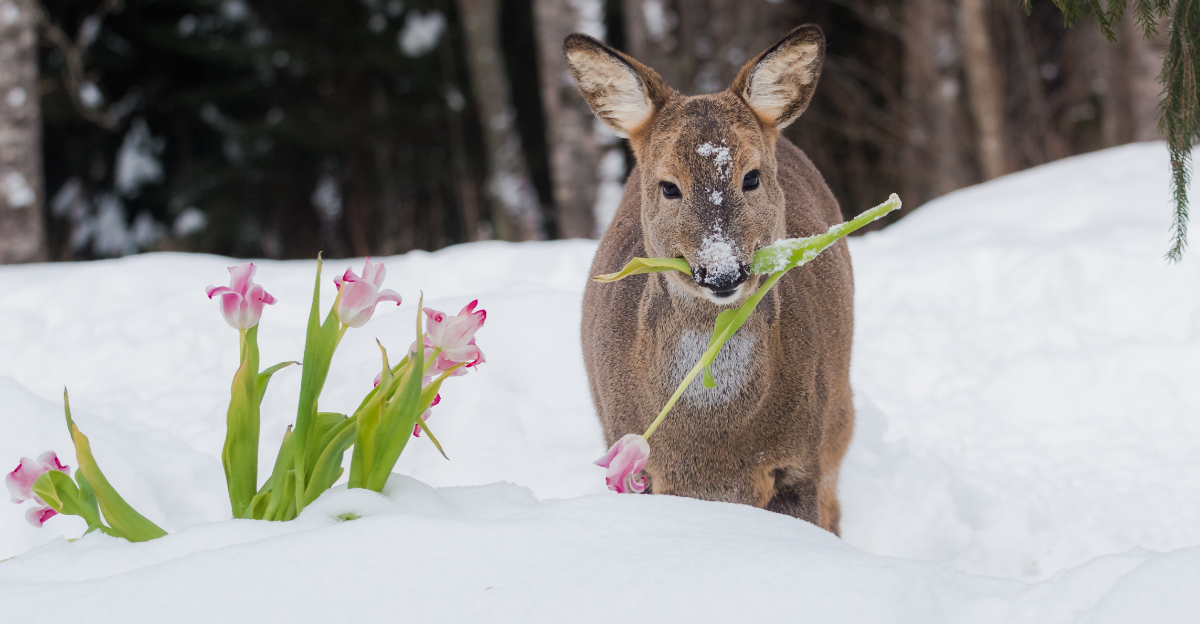
You plant them with care, watch the buds swell with promise, and then wake up to bare stems where vibrant blooms should have been. Across Michigan, daylilies are a garden favorite, prized for their bold colors and dependable return each year.
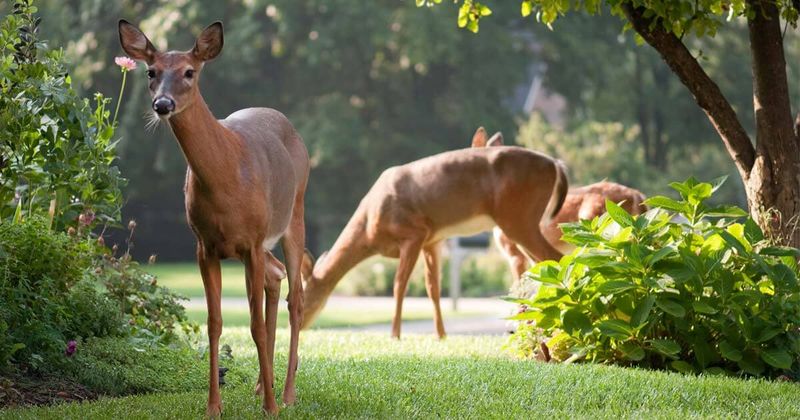
Unfortunately, they are just as popular with white tailed deer, which move easily through neighborhoods, suburbs, and rural landscapes in search of an easy meal.
To deer, tender daylily shoots and buds are irresistible, especially in spring and early summer when natural food sources are still developing.
The result can feel discouraging for gardeners who have invested time and effort into their beds. Yet protecting your flowers does not require giving up on them.
With the right combination of deterrents, smart plant placement, and protective strategies, Michigan gardeners can dramatically reduce damage.
Understanding deer behavior is the first step toward reclaiming your garden and enjoying daylilies that bloom beautifully all season long.
1. Deer Frequently Browse Daylilies In Michigan
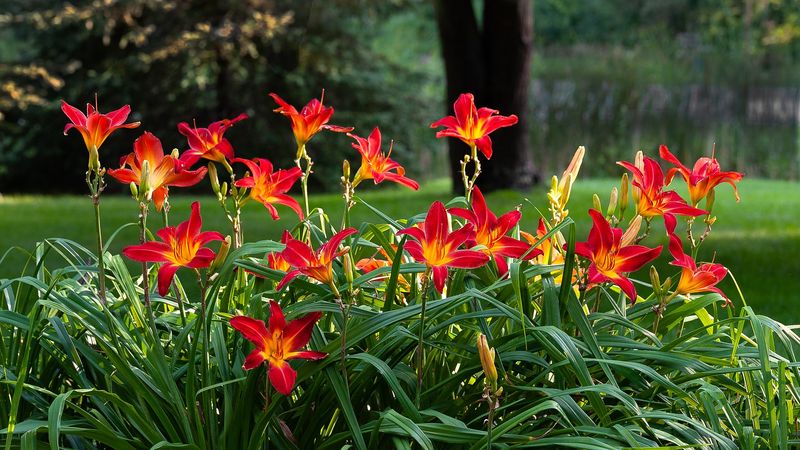
White-tailed deer are a familiar sight across Michigan, and unfortunately, your daylilies are one of their favorite snacks. These animals are drawn to tender, juicy plant growth, and daylily shoots fit that description perfectly.
In spring and early summer, when new foliage pushes up from the ground, deer find it nearly impossible to resist.
Daylilies grow quickly in warm weather, producing soft, nitrogen-rich leaves that are easy for deer to chew and digest. This makes them a high-priority target, especially when other food sources are still limited after winter.
Deer do not just take a small bite either. They often strip entire clumps down to the soil, leaving gardeners with nothing but stubble where beautiful blooms should be.
Michigan has one of the largest white-tailed deer populations in the country, with estimates often exceeding two million animals statewide. Suburban sprawl has pushed deer closer to residential gardens, making the problem more common than ever before.
Many gardeners are surprised to find deer damage even in busy neighborhoods.
Understanding why deer target daylilies is the first step toward protecting them. Once you recognize the pattern, timing, and behavior, you can take smart and targeted action before the damage happens.
Spotting the early signs of browsing, like cleanly clipped stems and hoof prints nearby, helps you respond quickly and protect what is left of your plants.
2. Physical Fencing Is The Most Reliable Protection
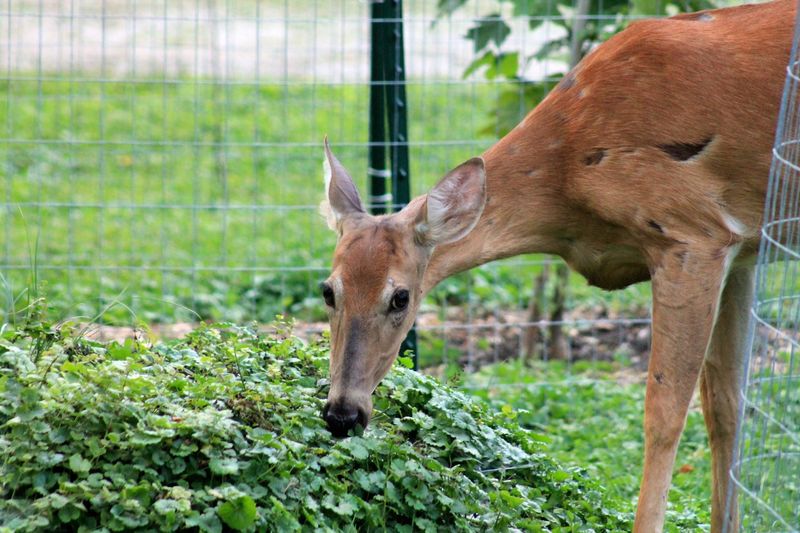
When it comes to keeping deer out of your daylily beds, nothing beats a solid physical barrier. Deer are athletic animals that can easily clear a five or six foot fence, which is why experts consistently recommend going taller.
A fence that stands at least seven to eight feet high is the gold standard for deer protection in Michigan yards.
Wood, metal, and heavy-duty polypropylene mesh are all popular fencing materials among Michigan gardeners. Each option has its own advantages depending on your budget and the size of the area you need to protect.
Polypropylene deer fencing is lightweight and relatively affordable, while wooden or metal options offer more durability and a cleaner aesthetic look.
One clever trick that some gardeners use is installing a double fence, with two shorter fences spaced a few feet apart. Deer are hesitant to jump into a narrow space, so this setup can be surprisingly effective even when neither fence is extremely tall.
It works especially well for protecting larger garden sections on a budget.
Fencing does require an upfront investment of both time and money, but the long-term payoff is well worth it. Once installed properly, a good fence can protect your daylilies for many seasons without much ongoing effort.
For Michigan gardeners dealing with heavy deer pressure, this is often the most dependable and stress-free solution available year after year.
3. Temporary Netting Works For Small Beds
Not every gardener has the budget or space for a full perimeter fence, and that is completely fine. For smaller daylily beds or individual plant clusters, temporary garden netting is a practical and affordable alternative worth considering.
It can be set up quickly and removed just as easily when the risk period passes.
Lightweight plastic or fabric netting is widely available at garden centers and hardware stores across Michigan. You simply drape it over your plants and secure the edges to the ground with landscape staples or small stakes.
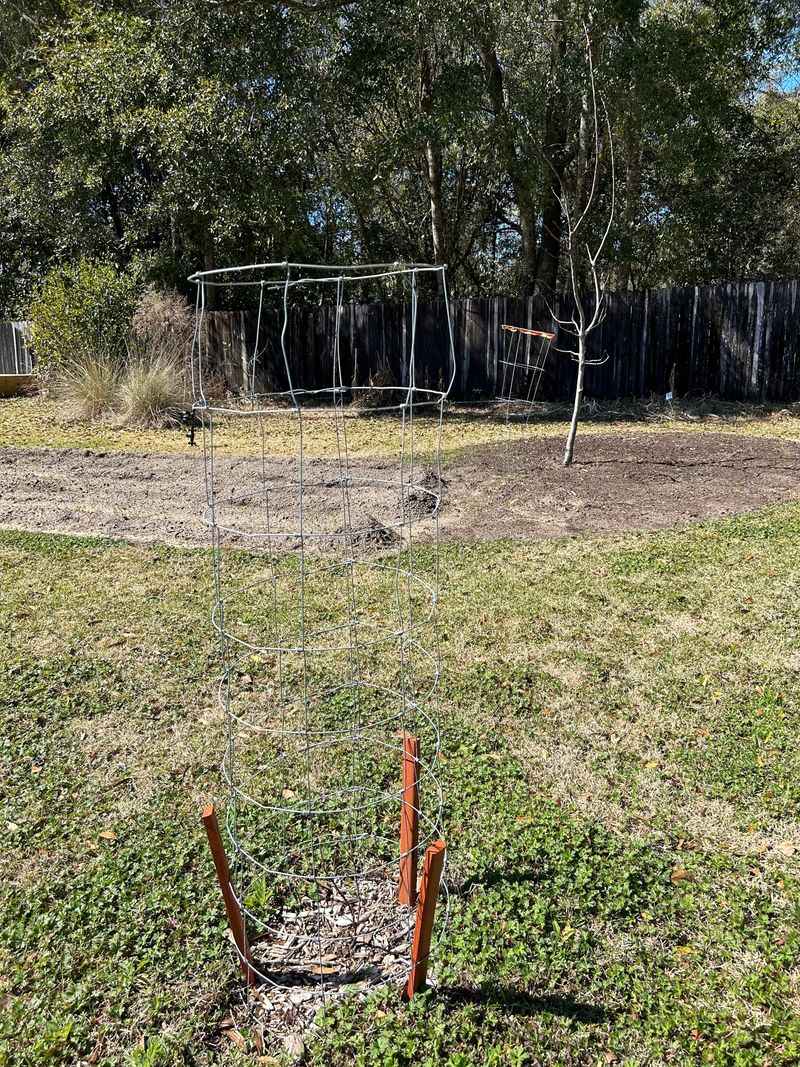
Wire cages are another option that works particularly well for protecting a single prized clump or a newly planted grouping that has not yet established deep roots.
The key is getting the netting in place before deer discover your plants. Once deer find a reliable food source, they return to it repeatedly, often bringing others along with them.
Acting early in the season, before shoots fully emerge, gives your daylilies a much better chance of surviving intact and reaching their full blooming potential.
One thing to keep in mind is that netting needs to be checked regularly. Deer will sometimes push against it, and wind or rain can shift it out of position over time.
A quick weekly check ensures the barrier stays effective throughout the most vulnerable growing period. Temporary netting may not be glamorous, but for small spaces, it is one of the smartest budget-friendly tools a Michigan gardener can use.
4. Repellents Must Be Reapplied Regularly
Deer repellents can be a helpful tool in your overall protection strategy, but they work best when used consistently. Both taste-based and scent-based repellents are widely available at Michigan garden centers, and each type works in a slightly different way.
Scent repellents make deer uncomfortable approaching your plants, while taste repellents discourage them from taking a second bite.
The biggest challenge with repellents is that they wash off. Michigan summers bring plenty of rain, and every significant rainfall can reduce or completely eliminate the effectiveness of whatever you applied the week before.
This means reapplication is not optional. Sticking to a regular schedule, typically every seven to fourteen days during the growing season, is essential for keeping deer at bay.
Some popular repellent products use ingredients like putrescent egg solids, garlic oil, or capsaicin, which is the compound that makes hot peppers spicy.
These ingredients are unpleasant to deer but completely harmless to your plants and the surrounding environment.
Many Michigan gardeners rotate between two or three different products to prevent deer from becoming accustomed to a single scent or flavor over time.
Repellents work best as part of a layered approach rather than a standalone fix. Combining them with physical barriers or companion planting creates a more complete defense system.
Staying consistent with your repellent routine throughout spring and summer is what separates gardeners who protect their daylilies successfully from those who keep losing them season after season.
5. Early Season Protection Is Critical

Spring is the most dangerous time of year for daylilies in Michigan. As soon as the soil warms and new shoots begin pushing upward, deer are already watching and waiting.
Those fresh, bright green tips are packed with nutrients and moisture, making them irresistible to hungry animals coming out of a long winter season.
Getting your protective measures in place before growth begins gives you a serious advantage. Whether you choose netting, cages, repellents, or fencing, the earlier you act, the better.
Waiting until you see damage means the deer have already found your garden, and breaking that habit becomes much harder from that point forward.
Repeated browsing in early spring does more harm than it might appear at first glance. When deer graze on emerging daylily shoots consistently, they weaken the plant over time, reducing its ability to produce healthy blooms later in the season.
Some heavily browsed plants may not flower at all, which is a frustrating outcome after months of anticipation and garden planning.
Mark your calendar as soon as the snow starts melting in Michigan. That window between late March and early May is your most critical protection period.
Setting up your defenses during this time is a simple habit that pays off enormously when your daylilies eventually burst into full summer color. A little early effort truly goes a long way in keeping your garden looking its very best.
6. Planting Near High Human Activity Can Reduce Browsing

Deer are cautious animals by nature, and they prefer feeding in quiet, undisturbed spots where they feel safe.
Planting your daylilies near areas of regular human activity, like a frequently used patio, a busy walkway, or a driveway, can make deer less comfortable stopping to graze.
The scent of people and the sound of foot traffic act as natural deterrents that encourage deer to move on.
This strategy works best in combination with other protective methods. On its own, proximity to human activity is not a foolproof solution, especially in areas with high deer populations where food competition is intense.
Hungry deer will push past their natural caution when the pressure is great enough, particularly in late winter and early spring when options are scarce.
That said, many Michigan gardeners have noticed a clear difference in browsing rates between daylilies planted near the house versus those tucked away in quiet corners of the yard.
Front yard beds along busy streets also tend to see less damage than back yard plantings that border wooded areas or open fields. Location really does influence how often deer visit.
Thinking strategically about garden placement is a free and easy step that requires no special products or tools.
If you are planning a new daylily bed, consider positioning it closer to your home, your outdoor seating area, or another spot where people regularly gather.
This simple choice can meaningfully reduce how often deer see your garden as a safe and appealing dining destination.
7. Strong Odor Companion Plants May Deter Browsing

One of the most creative and garden-friendly strategies for protecting daylilies is planting strong-smelling companions nearby. Deer rely heavily on their sense of smell to navigate their environment, and certain plants produce aromas that deer find genuinely off-putting.
Garlic, chives, lavender, and rosemary are among the most commonly recommended options for creating a natural scent barrier.
The idea behind this approach is simple. When deer approach your garden and encounter an overwhelming mix of pungent smells, they become uncertain and often choose to graze elsewhere.
The effectiveness of this strategy does vary depending on local deer pressure and individual animal behavior, but many Michigan gardeners swear by it as a helpful layer in their overall plan.
Planting companions is not just practical, it is also beautiful. Imagine rows of purple chive blossoms, soft lavender spikes, and fragrant rosemary mingling with your daylily colors throughout the summer.
You get a more diverse and visually interesting garden while also working to protect your most vulnerable plants at the same time.
Herbs like garlic and chives can even be harvested for cooking, giving you an added bonus beyond just deer deterrence.
Placing these companion plants along the outer edges of your daylily beds creates a natural fragrant border that deer must pass through before reaching your flowers.
It may not stop every deer every time, but it absolutely adds an extra layer of protection that costs very little and brings a lot of seasonal beauty along with it.
8. Deer Pressure Increases After Harsh Winters

Michigan winters can be brutal, and they take a real toll on local deer populations. When heavy snowfall covers natural food sources for extended periods, deer burn through their fat reserves quickly and enter spring in a state of serious nutritional stress.
That desperation drives them to seek out any available plant material, including the daylilies in your garden, much more aggressively than in milder years.
After a particularly harsh winter, you can expect deer to be bolder, hungrier, and less easily discouraged.
Animals that might normally avoid a yard with a repellent or a motion-activated sprinkler may push right past those deterrents when their hunger is intense enough.
This is exactly why Michigan gardeners need to adjust their protection efforts based on how the previous winter played out.
Pay attention to local news and wildlife reports each spring. When deer populations have experienced a difficult winter, extension services and local conservation groups often issue warnings about increased deer activity in residential areas.
Being aware of this pattern helps you stay one step ahead rather than reacting after damage has already occurred.
Ramping up your protective measures in years following heavy snowfall is a smart and proactive move. Add an extra layer of repellent, reinforce your netting, or consider installing temporary fencing around your most prized daylily beds.
Anticipating the surge in deer activity after a tough Michigan winter means your garden is ready and protected when those hungry animals come searching for their first real spring meal.
9. No Plant Is Completely Deer-Proof
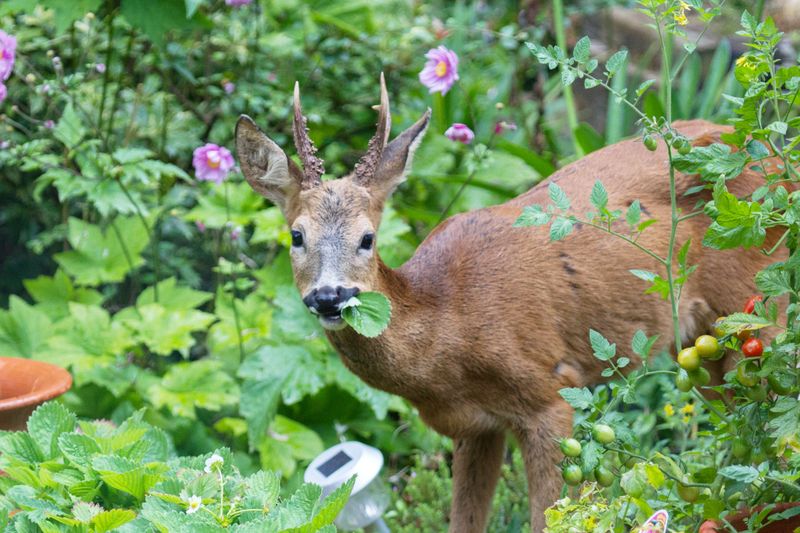
Here is something every Michigan gardener eventually learns the hard way: no plant is completely safe from deer. Even species labeled as deer-resistant can end up getting browsed under the right conditions.
Daylilies are definitely on deer menus, but even plants like black-eyed Susans, coneflowers, and ornamental grasses, which deer typically avoid, can get nibbled when food is scarce.
Deer are opportunistic feeders with flexible preferences. Their food choices shift based on season, hunger level, population density, and the availability of other forage in the area.
A plant that deer ignore in one yard might get eaten regularly in a neighborhood just a few miles away where the deer-to-food ratio is much higher. Local conditions matter enormously when predicting what deer will and will not eat.
Thinking of deer resistance as a spectrum rather than a guarantee helps set realistic expectations. Some plants are simply less appealing than others, which lowers the risk of browsing without eliminating it entirely.
Pairing less-preferred plants with active protection methods gives you the best possible outcome for your garden as a whole.
Staying flexible and observant is the mindset that serves Michigan gardeners best over the long term. What works one season may need adjustment the next, especially as deer populations shift and local food sources change.
Combining multiple strategies, physical barriers, repellents, companion planting, and smart placement, creates the most resilient and effective defense system for keeping your daylilies beautiful and thriving all season long.