How Michigan Gardeners Can Prevent Snow Mold And Rot Before Spring
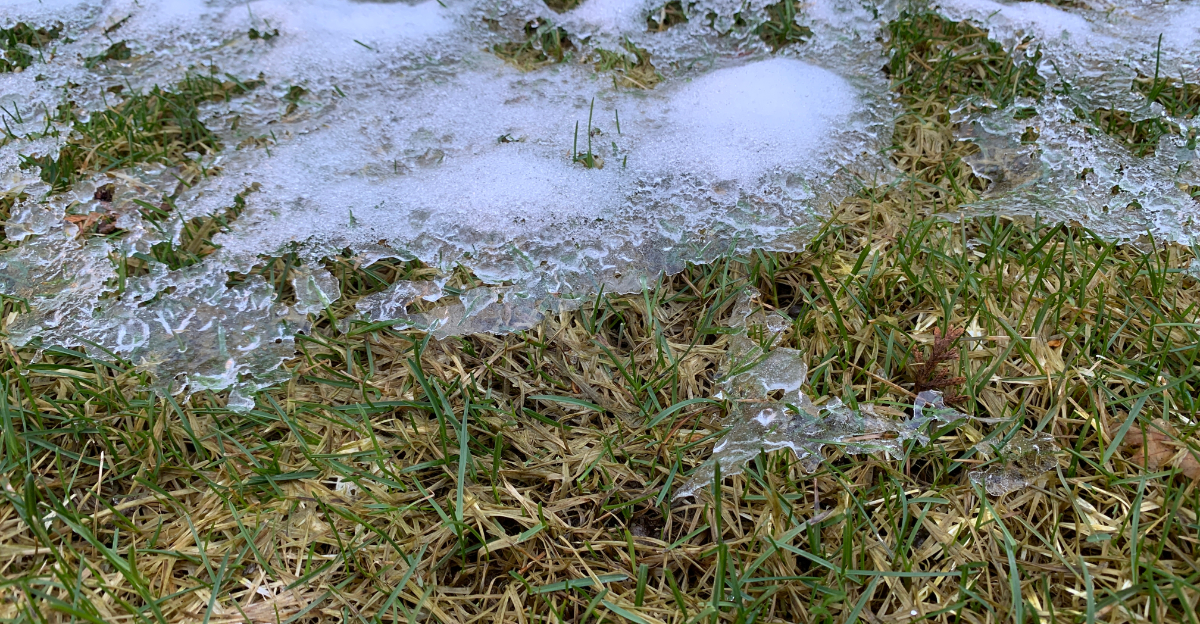
When the snow finally melts in Michigan, the last thing any gardener wants to see is a lawn covered in strange, matted patches of discolored grass.
Snow mold is one of the most frustrating late winter surprises, quietly developing beneath long lasting snow cover while your yard appears dormant and protected.
This fungal issue thrives in cold, damp conditions, especially when grass is left too tall or blanketed with heavy debris before snowfall. By the time spring arrives, the damage is already visible.
Fortunately, Michigan homeowners can take simple, proactive steps in late fall to reduce the risk dramatically. Adjusting mowing height, clearing leaves, improving drainage, and promoting good air circulation all help create conditions that discourage fungal growth.
A little preparation before winter settles in can mean the difference between a patchy recovery and a lush green comeback. With smart planning, your Michigan lawn and garden can emerge from winter healthy, strong, and ready for spring growth.
1. Avoid Late-Fall Nitrogen Overfertilizing
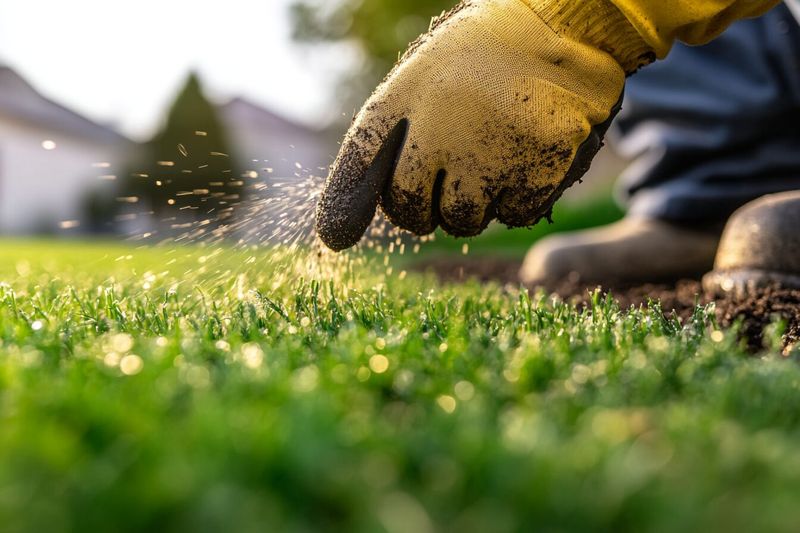
Fertilizing your lawn feels productive, but timing matters more than most gardeners realize. Applying a high-nitrogen fertilizer too late in fall pushes your grass into a burst of lush, soft new growth right before winter sets in.
That tender, fast-growing tissue is far more vulnerable to snow mold fungi than grass that has properly hardened off for the cold season ahead.
Think of it this way: nitrogen is like an energy drink for your grass. Great in the right season, but a real problem when your lawn needs to be slowing down and toughening up.
Soft, nitrogen-fueled growth heading into a Michigan winter is essentially an open invitation for fungal diseases to move right in and settle comfortably under the snowpack.
If you want to fertilize in fall, choose a slow-release or low-nitrogen formula specifically designed for late-season lawn care. These products support root development without triggering that risky top growth surge.
Most lawn care experts recommend finishing any nitrogen applications by early September in Michigan, giving the grass plenty of time to firm up before temperatures consistently drop.
A well-timed fertilizing schedule keeps your lawn strong, resilient, and far less likely to suffer from the frustrating patches of mold that show up after a long, snowy Michigan winter season.
2. Continue Mowing Until Grass Stops Growing
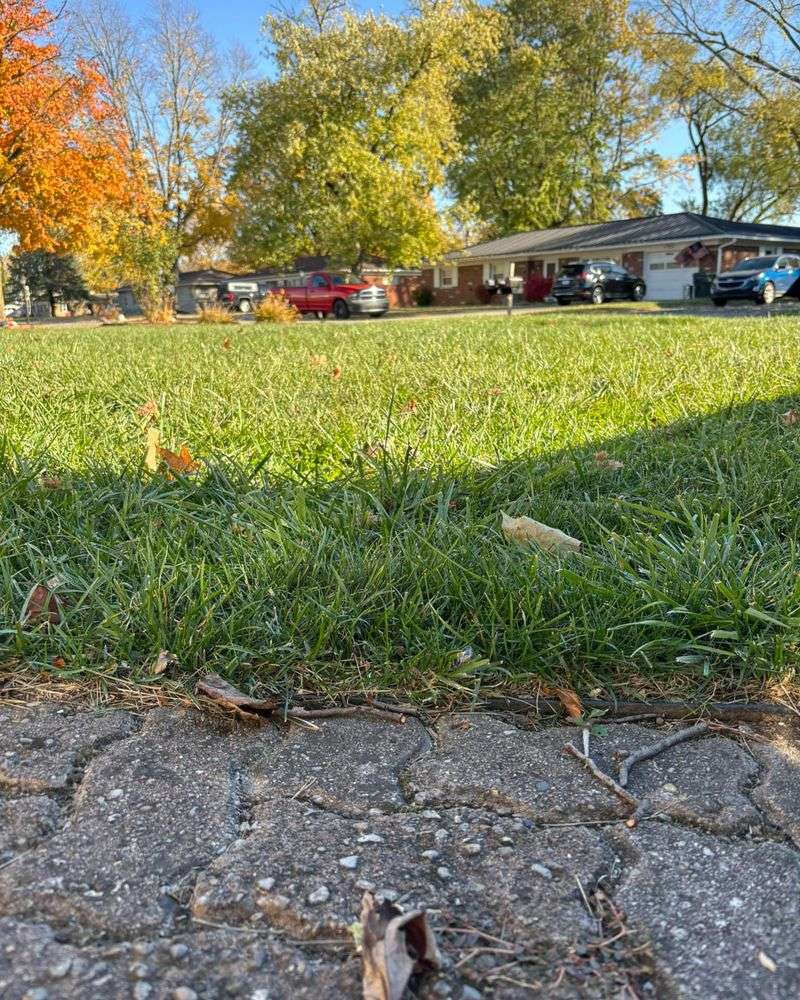
Most people put the lawn mower away the moment temperatures start dropping, but your grass might still be quietly growing for several more weeks.
Letting it go unmowed during those final weeks of the season means tall, floppy grass heads into winter, and that creates exactly the kind of matted, airless environment where snow mold fungi feel right at home.
Tall grass bends and flattens under the weight of snow, pressing together into thick mats that stay wet for extended periods.
Moisture gets trapped close to the soil surface, airflow drops to nearly nothing, and fungal spores have all the conditions they need to spread widely.
By the time you spot the damage in spring, the mold has already done its worst work through the cold months.
Keep an eye on your grass growth through October and even into early November, depending on the year. Michigan falls can be surprisingly mild some years, and grass often keeps growing longer than expected.
Mow whenever the grass reaches its normal cutting height, right up until growth genuinely stops. This consistent maintenance keeps the turf at a manageable length and dramatically reduces the risk of matting under snow.
It takes only one or two extra mowing sessions to make a noticeable difference in how your lawn looks and recovers each spring.
3. Avoid Heavy Traffic On Snow-Covered Lawns
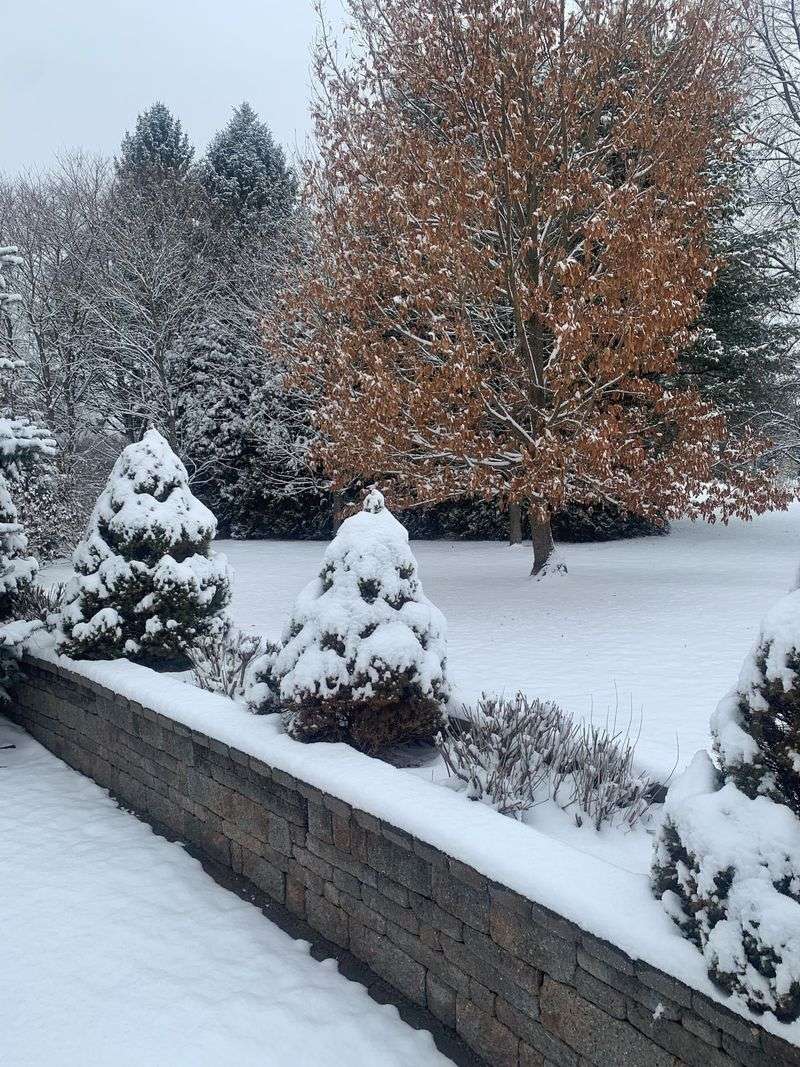
Snow-covered lawns look solid and sturdy, but what is happening underneath is surprisingly fragile.
Every time someone walks across a snow-covered lawn, the snow compacts under their feet, increasing pressure and moisture retention right at the grass level.
That compressed layer creates a dense, wet environment that is practically ideal for snow mold fungi to grow and spread through the winter months.
Compacted snow takes much longer to melt than loose, fluffy snow, which means the grass underneath stays wet and airless for extended periods.
Combine that with the weight pressing down on the grass blades, and you have the perfect recipe for matting and fungal development.
Even a regular shortcut path across the yard can result in a noticeable stripe of mold damage that shows up after the snow clears in spring.
Redirect foot traffic away from your lawn during winter by using walkways, stepping stones, or temporary barriers if needed. This is especially worth doing in high-traffic areas like paths between the house and garage or routes kids frequently use.
Keeping pets off the lawn as much as possible during snowy periods also helps reduce compaction.
It might feel like a small or unnecessary step, but protecting your lawn from compaction over an entire Michigan winter adds up to noticeably healthier grass when the growing season finally begins again in spring.
4. Break Up Large Snow Piles In Late Winter
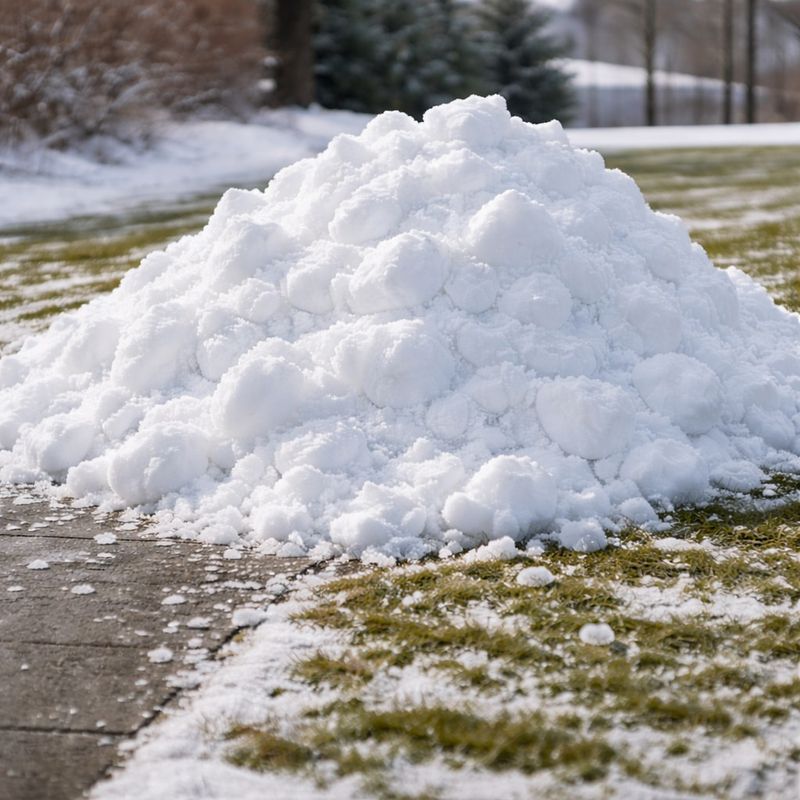
After months of shoveling and plowing, snow piles can build up to impressive sizes in Michigan yards and driveways. Those large, dense piles are more than just an eyesore in late winter.
They melt far more slowly than surrounding snow, keeping the grass and soil beneath them saturated with moisture for weeks longer than the rest of the lawn. That extended wet period is a prime opportunity for snow mold to take hold.
The fungi responsible for snow mold need cool, wet conditions and a covering to thrive. A large snow pile provides all three in abundance, essentially creating a greenhouse for fungal growth right on your lawn.
By the time the pile finally melts away, the grass underneath may already be matted, discolored, and showing clear signs of mold damage that will need weeks of recovery time.
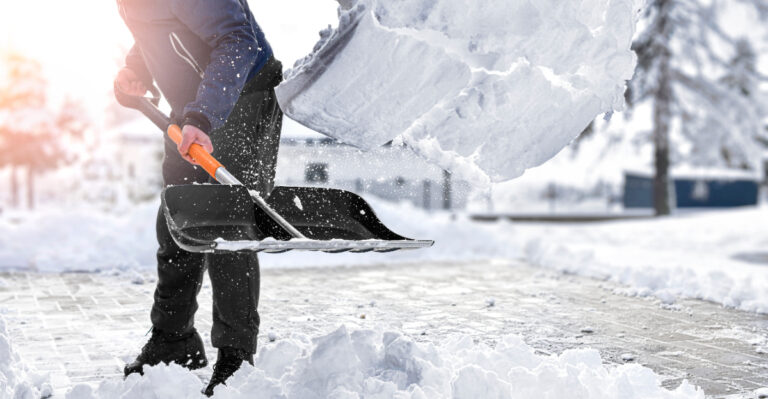
Starting in late February or early March, take a shovel or snow pusher and break up large piles, spreading the snow out over a wider area so it melts more evenly and quickly.
Avoid pushing snow into the same spots year after year, and try to distribute it across your driveway or paved areas when possible.
Spreading snow thins it out and speeds up the melting process significantly. This one proactive step can save several struggling patches of lawn and give your grass a much faster, healthier recovery once Michigan spring weather finally arrives in full force.
5. Space And Thin Dense Plantings
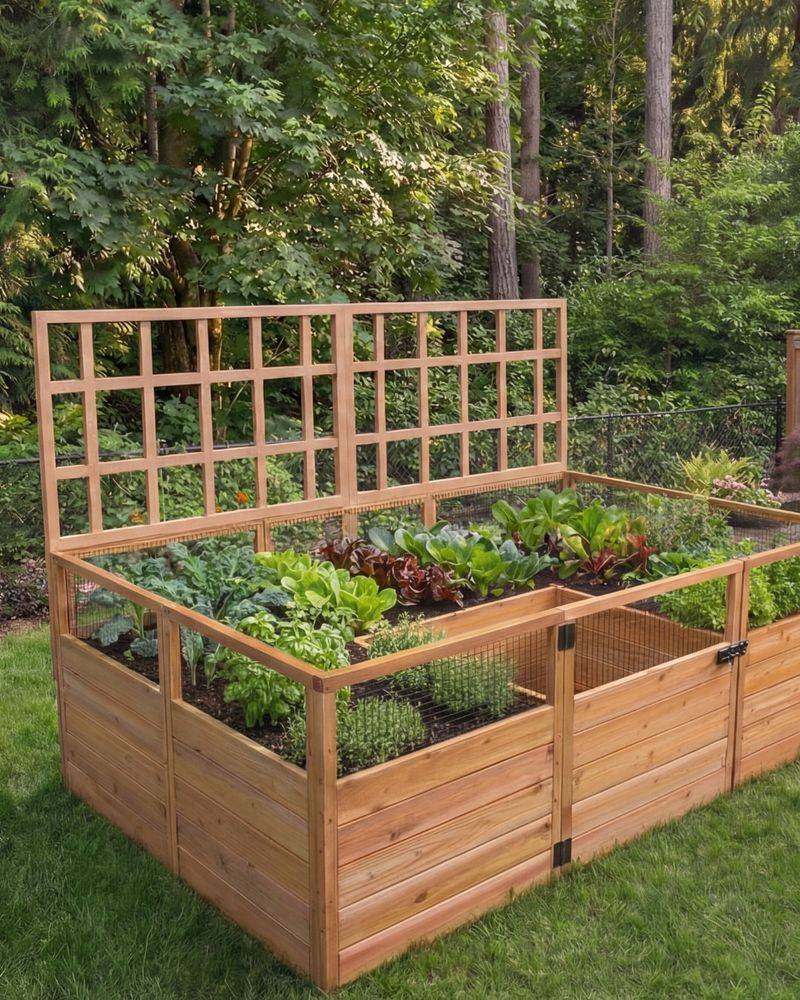
Crowded garden beds might look lush and full during the growing season, but heading into winter they can become a real problem. When plants are packed tightly together, air barely moves through the foliage and stems.
That lack of airflow creates a humid, stagnant microclimate right at the soil level, which is exactly the kind of environment that encourages crown rot and fungal diseases to develop under snow cover.
Thinning out dense plantings in fall gives each plant more personal space and allows air to circulate freely around the crowns and root zones. This simple step reduces moisture buildup significantly.
Plants that can breathe going into winter are far more resistant to fungal problems, and they tend to emerge from dormancy in much better condition than those that spent months in a cramped, airless environment.
Walk through your garden beds in September or October and look for areas where plants are visibly crowded or overlapping. Remove weaker plants, divide overgrown clumps, and cut back dead or dying foliage that could trap moisture.
Spacing recommendations vary by plant type, so a quick reference check for each species in your beds goes a long way.
Good fall cleanup combined with thoughtful thinning transforms a high-risk bed into one that handles Michigan winters with far less fungal trouble, rewarding you with healthier, more vibrant plants when warm weather returns and growth begins again.
6. Avoid Covering Plants With Non-Breathable Materials

Reaching for a sheet of plastic to cover your garden plants before a hard freeze feels like the responsible thing to do.
The problem is that plastic traps moisture underneath it, and during Michigan’s frequent freeze-thaw cycles, that trapped moisture cycles between freezing and thawing repeatedly.
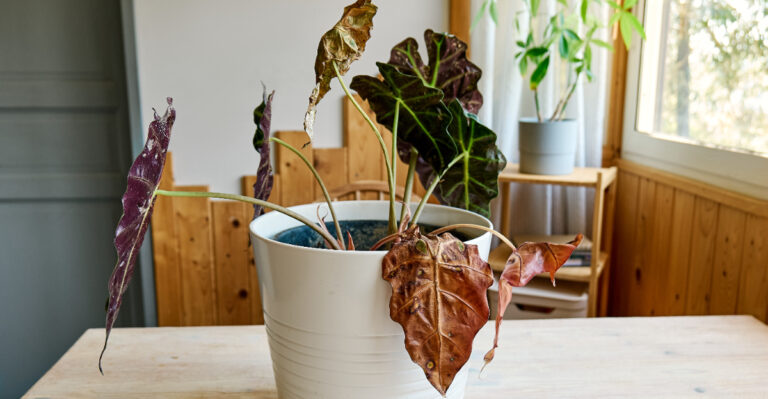
That constant wet and cold combination accelerates rot in plant crowns and stems far more than the cold alone ever would.
Non-breathable materials prevent any kind of air exchange, so moisture from the soil and plant respiration has nowhere to go. It condenses on the inside of the covering and drips back down onto the plant material, keeping everything persistently wet.
Fungal pathogens thrive in exactly these conditions, and by the time you remove the covering in spring, significant damage may already have occurred beneath the surface.
Swap plastic out for breathable materials like burlap, frost cloth, or straw mulch, which protect plants from extreme cold while still allowing moisture to escape and air to circulate.
These materials insulate without creating that suffocating, wet environment that leads to rot.
Burlap is widely available at Michigan garden centers and works beautifully for wrapping shrubs or covering sensitive perennials. Straw mulch applied a few inches deep over garden beds protects root zones without trapping harmful moisture.
Making this one material switch can preserve plants that would otherwise struggle or fail to recover fully by the time spring planting season arrives.
7. Choose Snow Mold-Resistant Grass Varieties
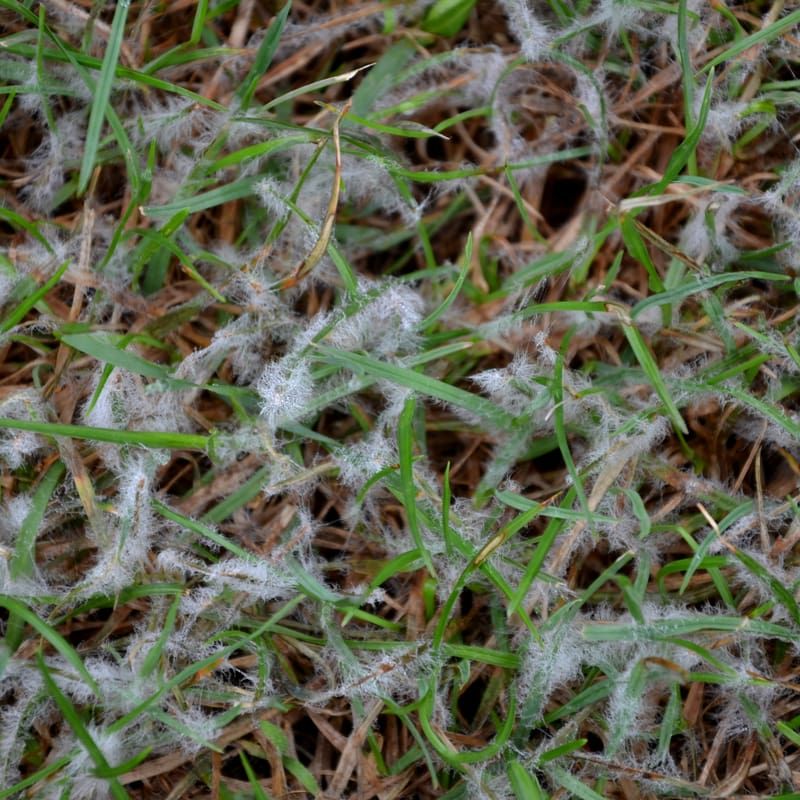
Not all grass is created equal when it comes to surviving Michigan winters without a mold problem. Some varieties of Kentucky bluegrass and perennial ryegrass have been specifically bred or selected for improved resistance to the fungi that cause snow mold.
Choosing one of these varieties when overseeding or establishing a new lawn gives you a meaningful built-in advantage before winter even begins.
Grass variety selection might sound like a detail only professional turf managers worry about, but it genuinely matters for everyday homeowners too.
A highly susceptible variety can suffer significant mold damage even when all the right preventive steps are taken, while a resistant variety holds up far better under the same conditions.
Over several seasons, the difference in lawn appearance and recovery time becomes quite obvious and rewarding.
When shopping for grass seed in Michigan, look for product labels that mention snow mold resistance or check with your local cooperative extension office for variety recommendations suited to your specific region.
Many improved cultivars of Kentucky bluegrass, such as Midnight or Moonlight, show better performance against snow mold compared to older common varieties.
Mixing resistant varieties together in a blend also increases overall lawn resilience. Reseeding thin or damaged areas in fall with a resistant blend is a smart long-term strategy that reduces your maintenance burden and keeps your Michigan lawn looking its best season after season, year after year.