How Michigan Gardeners Can Protect Raised Beds From Animals In Early Spring
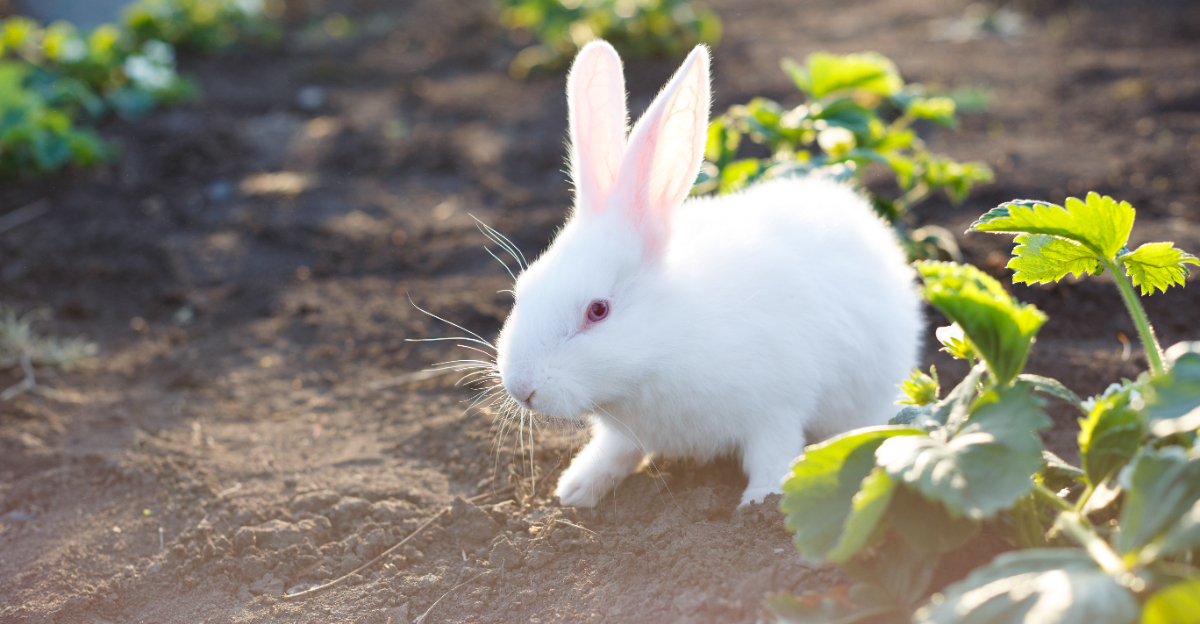
Early spring can turn raised beds into an easy target for hungry animals in Michigan. The soil is soft, fresh growth is tender, and food is still hard for many creatures to find.
That is why rabbits, squirrels, chipmunks, birds, and even deer may start checking garden beds before the season really gets going. One day your raised bed looks neat and ready, and the next it has holes, missing seedlings, or nibbled leaves.
The damage can happen fast, especially when plants are young and most vulnerable. Raised beds may seem safer than in ground gardens, but they often attract just as much attention once animals realize something good is growing there.
The good news is that a few early steps can make a big difference. With the right protection in place, Michigan gardeners can keep raised beds looking healthy and give spring crops a much stronger start.
1. Use Hardware Cloth Around Raised Beds
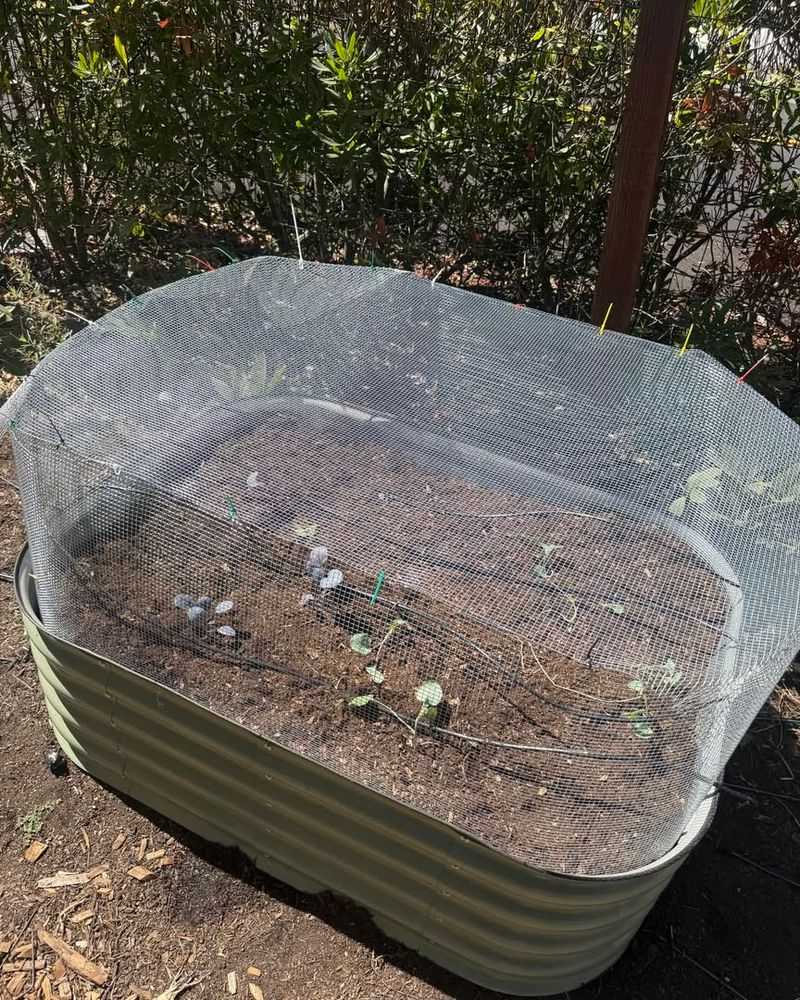
Nothing stops a determined rabbit or groundhog quite like a solid physical barrier. Hardware cloth, which is a rigid welded wire mesh, is one of the most dependable ways Michigan gardeners can protect their raised beds from small animals in early spring.
Unlike flimsy chicken wire, hardware cloth holds its shape and stands up to persistent chewing and pushing.
For the best results, choose a mesh size of half an inch or smaller. This size is tight enough to block rabbits, groundhogs, and even mice from squeezing through.
You can cut it to size with wire snips and attach it directly to the sides of your raised bed frame using staples or zip ties.
One trick many Michigan gardeners swear by is burying the bottom edge of the cloth two to four inches into the soil around the bed. Animals like groundhogs are natural diggers and will work their way under a barrier that only sits on top of the ground.
Burying the edge stops them before they even get started. Hardware cloth is also long-lasting, so once you install it, you won’t need to replace it every season.
It handles Michigan’s wet spring weather without rusting quickly when you choose galvanized options. Setting this up before your first planting day gives your seedlings a strong, protected start right from the beginning.
2. Cover Beds With Row Covers Or Netting
Picture this: you walk out to your Michigan garden on a crisp April morning and find your spinach seedlings completely gone overnight. Birds and small animals can wipe out a whole bed of tender greens faster than you’d expect.
Row covers and garden netting are simple, affordable tools that stop this from happening.
Lightweight floating row covers are made from a breathable fabric that lets in sunlight, air, and water while keeping animals out. They work especially well for protecting cool-season crops like Lactuca sativa, commonly known as lettuce, and Spinacia oleracea, or spinach.
Both of these vegetables are popular early-spring choices for Michigan gardeners, and both are highly attractive to birds and rabbits.
Garden netting is another solid option, particularly for blocking birds from swooping down into your beds. Netting is usually lighter and more see-through than row covers, making it easy to check on your plants without fully removing it.
Just make sure the edges are secured tightly to the bed frame so animals cannot slip underneath.
March and April are the most critical months for Michigan gardeners to use these covers, since seedlings are at their smallest and most vulnerable stage. As your plants grow stronger and the season warms up, you can gradually remove the covers.
Starting with protection early gives your crops the best shot at a full, healthy season ahead.
3. Install Simple Hoops With Covers
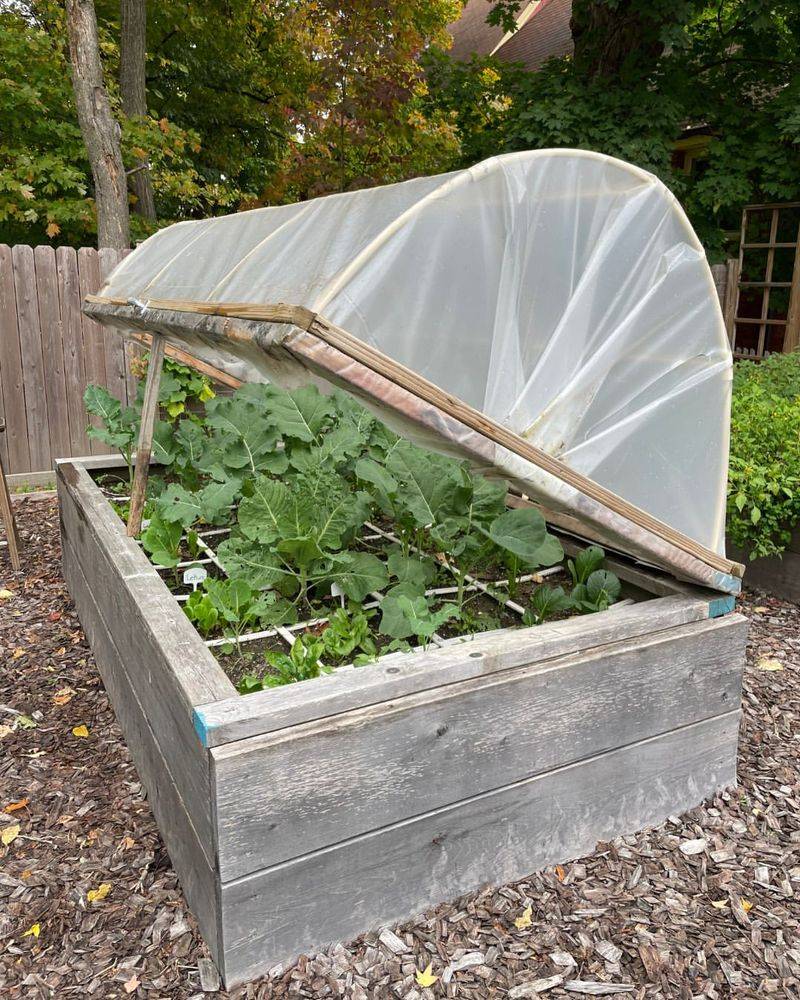
A raised bed with a set of hoops over it looks a little like a tiny greenhouse, and honestly, that’s kind of the point.
Adding hoops to your Michigan raised beds in early spring creates a flexible structure that serves two big purposes at once: keeping animals out and protecting plants from late frost.
PVC pipes are the most popular choice for hoops because they’re cheap, lightweight, and easy to bend into shape. You push each end into the soil or attach them to the inside walls of your raised bed frame, then arch the pipe over the top.
Metal conduit hoops are another option if you want something sturdier that holds up to Michigan’s unpredictable spring winds.
Once your hoops are in place, you simply drape row cover fabric or fine mesh netting over them. The cover hangs loosely enough that it doesn’t press against your plants, which keeps leaves safe from rubbing damage.
Securing the edges with clips, bricks, or stakes prevents animals from pushing underneath.
What makes this setup especially smart for Michigan is the frost protection bonus. Late frosts can happen well into May in many parts of the state, so having a hoop cover already in place means you’re ready for both animal threats and cold snaps.
Swapping between mesh netting and heavier row cover fabric as the weather changes keeps your garden flexible and well-protected all season long.
4. Use Raised Bed Lids Or Frames
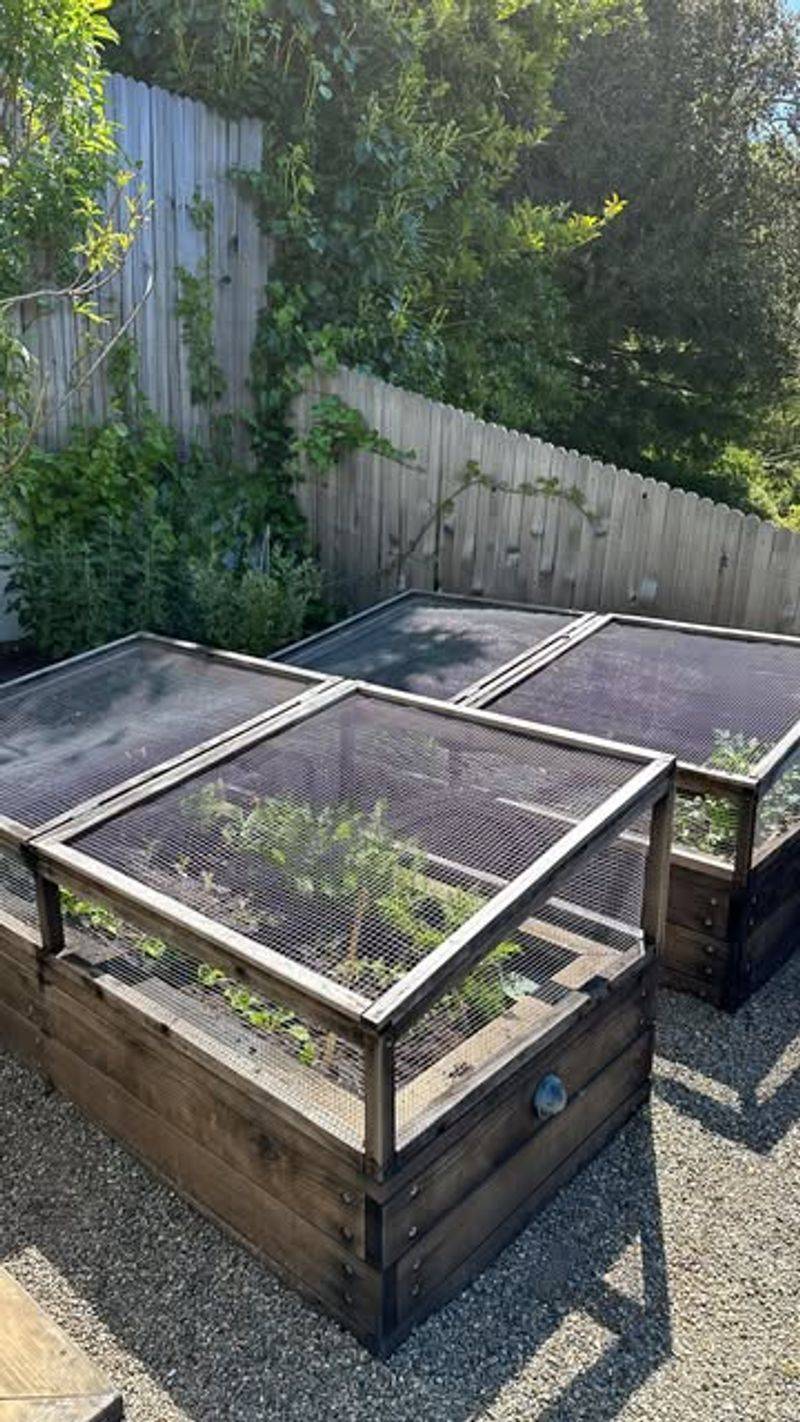
Some gardeners want protection that looks as good as it works, and a custom lid or frame for your raised bed does exactly that.
Building a simple wooden frame fitted with wire mesh creates a sturdy, attractive cover that keeps squirrels, birds, and other curious animals completely out of your Michigan garden beds.
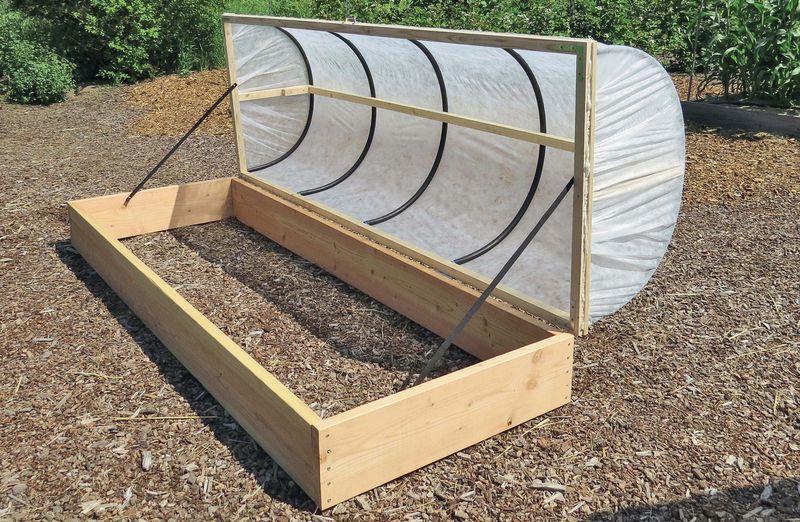
The basic design is straightforward. You build a rectangular frame from wood that matches the dimensions of your raised bed, then staple or tack hardware cloth across the top.
The frame sits right over the bed like a lid on a box. Animals cannot dig in, and birds cannot land inside to snack on your seedlings.
Adding hinges to one side of the frame is a smart upgrade that many Michigan gardeners love. A hinged lid lets you prop it open easily for watering, weeding, or harvesting without having to fully remove the cover each time.
Some gardeners add a simple latch or hook to keep the lid closed on windy days or when animals are most active at dawn and dusk.
Lids and frames work especially well for smaller raised beds where a single cover can span the whole surface. If your beds are longer, you can build two or three sections that each lift independently.
This approach is one of the cleanest and most reliable animal-proofing methods available to Michigan gardeners, and it adds a polished, organized look to any backyard growing space.
5. Remove Attractants Around The Garden
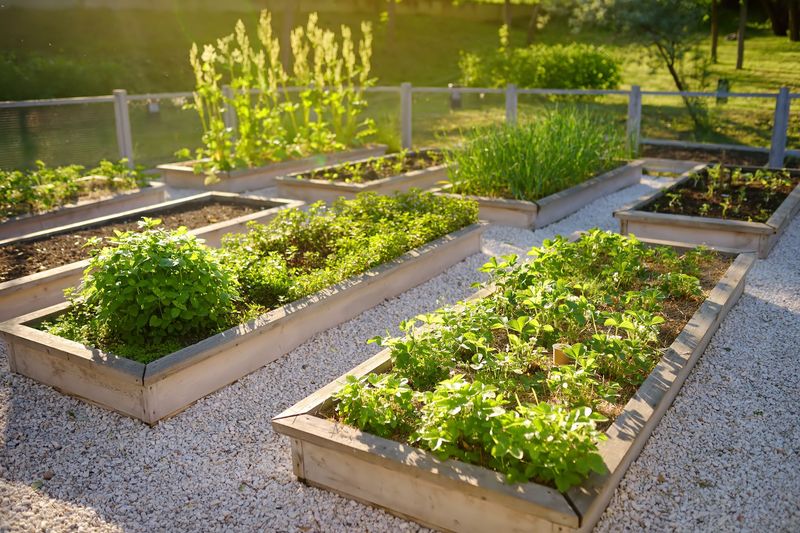
Animals do not wander into gardens by accident. They follow their noses straight to the food, and a messy garden area sends out a welcome signal to rabbits, squirrels, and other hungry visitors every single morning.
Cleaning up attractants around your Michigan raised beds is one of the easiest and most overlooked ways to reduce animal activity early in the season.
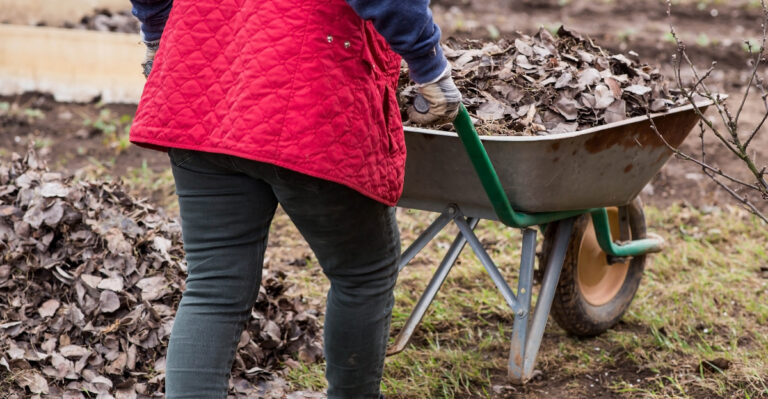
Start by removing any leftover plant debris from the previous fall. Old vegetable stems, rotting roots, and leftover seeds left on the ground are like a free buffet for animals waking up from winter.
Raking these materials away from your beds and composting them properly removes that food signal before animals even start searching for it.
Fallen birdseed near feeders is another major attractant that many Michigan gardeners forget about. If you have bird feeders close to your raised beds, consider moving them further away from the garden area during the growing season.
Squirrels and rabbits that come for the seed will inevitably notice your freshly planted beds nearby.
Keeping the pathways and edges around your raised beds tidy also reduces hiding spots where small animals feel safe enough to linger. Dense weeds and tall grass right next to your beds give rabbits and voles the cover they need to feel comfortable feeding.
A clean, open border around your Michigan garden makes animals feel exposed and less likely to stick around long enough to cause real damage.
6. Add Physical Barriers For Digging Animals
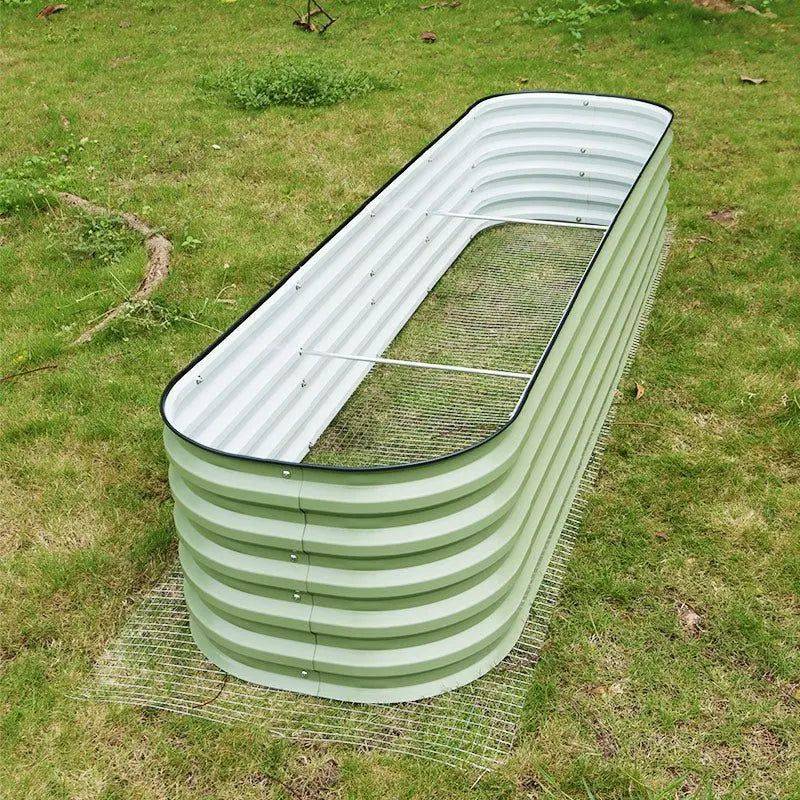
Voles are small, fast, and remarkably sneaky. These little rodents are common throughout Michigan and can tunnel right up through the soil into your raised bed without ever appearing above ground.
Adding a physical barrier at the bottom of your bed is the most direct way to stop burrowing animals before they reach your plants.
Lining the bottom of a raised bed with hardware cloth creates an underground shield that voles and other tunneling pests simply cannot get through. The best time to add this lining is during bed construction, when the frame is empty and easy to work with.
Cut a piece of half-inch galvanized hardware cloth to match the interior dimensions of your bed, then lay it flat across the bottom before filling with soil.
If your raised beds are already built and filled, you can still add protection around the outside perimeter.
Burying hardware cloth vertically along the exterior walls, going down six to twelve inches into the ground, creates an underground fence that redirects burrowing animals away from your beds entirely.
Michigan gardeners dealing with persistent vole problems often find that combining bottom lining with perimeter fencing gives the most complete protection. Voles are especially active in early spring when the ground softens after winter frost.
Getting your barriers in place before the soil fully thaws gives you a head start on keeping these fast-moving pests away from your carefully planted raised beds all season long.
7. Use Mulch Carefully In Early Spring
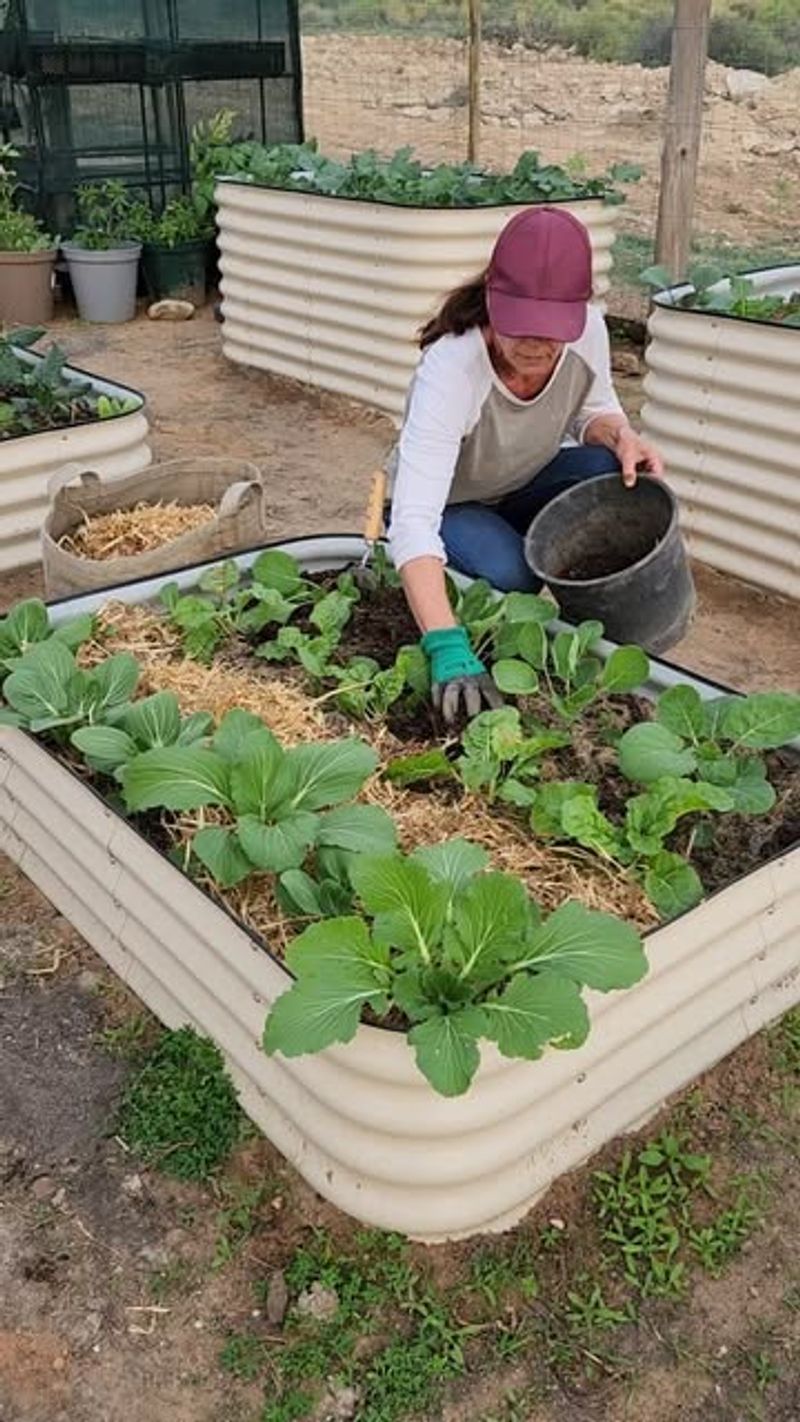
Mulch is one of the most useful tools in any garden, but in early spring, it comes with a catch that Michigan gardeners should know about.
A thick layer of mulch applied too early can actually create cozy hiding spots for mice, voles, and other small pests looking for warm, covered places to nest right next to your plants.
The solution is not to skip mulch entirely but to use it thoughtfully. A light layer of one to two inches is enough to protect soil moisture and regulate temperature without creating the dense, sheltered conditions that attract animals.
Straw and shredded leaves work well at this depth and break down gradually as the season progresses.
Timing matters just as much as thickness. Waiting until your soil has warmed slightly and your seedlings have established some height before adding mulch reduces the risk of attracting pests during the most vulnerable planting window.
In Michigan, this usually means holding off on heavy mulching until late April or May, depending on your specific region of the state.
Pulling mulch slightly away from the base of your plant stems also helps. Mulch piled directly against stems creates a moist, hidden environment where pests can chew on your plants without being seen.
Keeping a small gap around each plant stem while still covering the surrounding soil gives you the benefits of mulch without the unintended invitation to hungry spring animals lurking nearby.
8. Place Beds In More Open, Active Areas
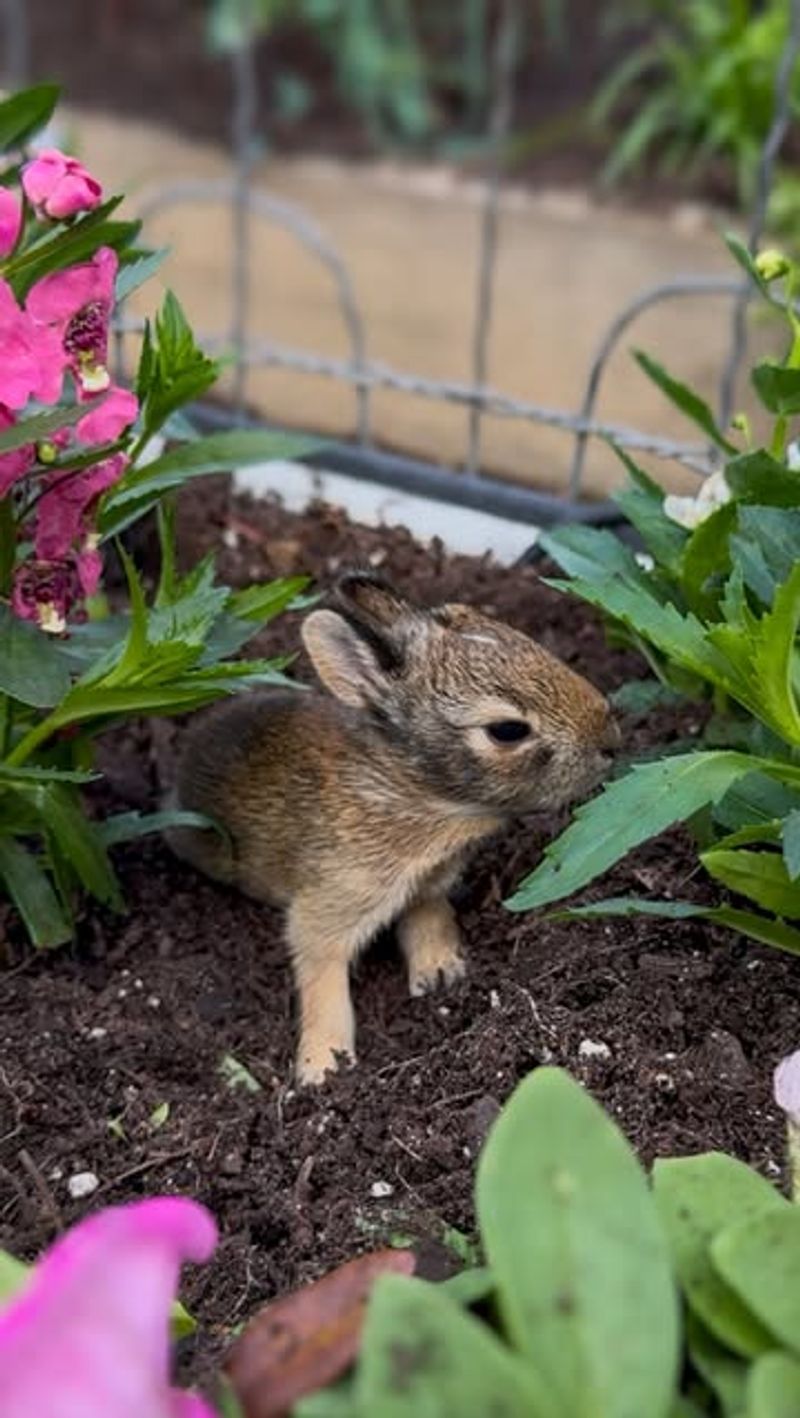
Location is something many gardeners decide once and never reconsider, but where you place your raised beds in Michigan can actually have a big impact on how much animal trouble you deal with each spring.
Rabbits, in particular, strongly prefer quiet, sheltered spots where they feel hidden and safe while they feed. Open, busy areas make them nervous.
Placing your raised beds closer to your house, a frequently used patio, or a main walking path naturally deters many animals.
The regular foot traffic and noise from daily activity creates an environment that feels too risky for cautious animals like rabbits and squirrels to settle into comfortably. They tend to move on and look for quieter spots further from human activity.
Beds positioned in open areas with good sightlines are also easier for you to monitor. When you can spot animal damage early, you can respond quickly before a small problem becomes a season-ruining one.
Many Michigan gardeners find that moving beds away from fences, dense shrubs, or wooded edges makes a noticeable difference in how often animals visit.
If you are planning a new garden layout this spring, think about visibility and activity as part of your design. Sunny, open spots near the house are often the best growing locations anyway, since most vegetables need at least six hours of direct sunlight daily.
Choosing these spots means you are naturally combining good growing conditions with smart, built-in animal deterrence for your Michigan raised beds.