How Michigan Gardeners Fertilize Hydrangeas In Early Spring For Bigger, Better Blooms
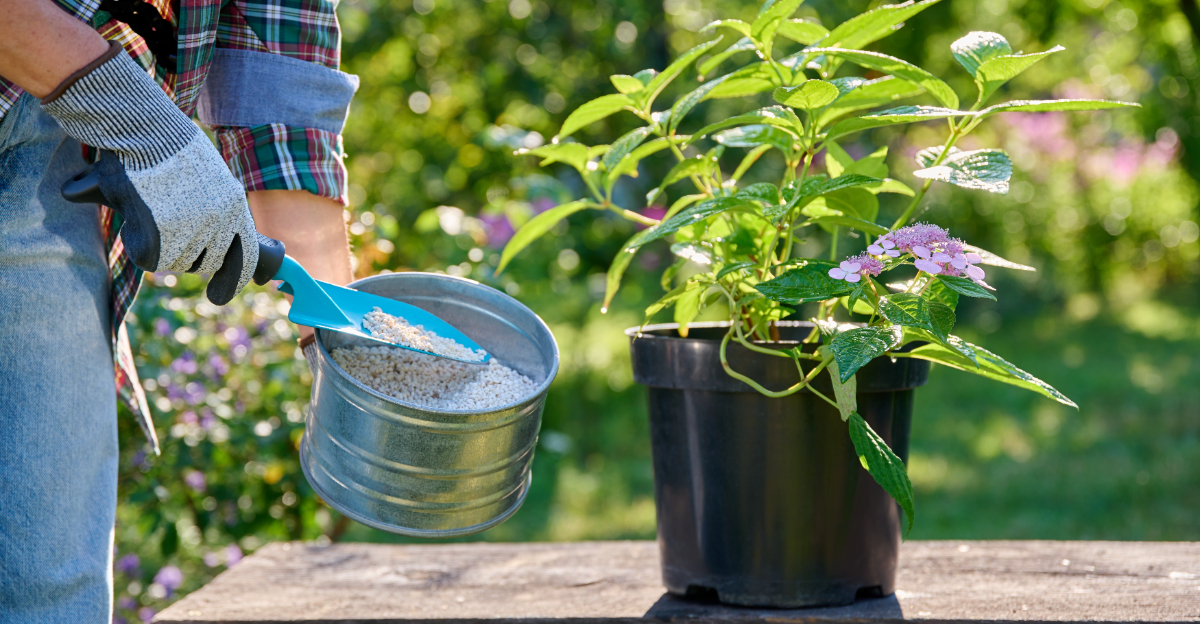
Michigan gardeners understand that the true test of a landscape is surviving a Great Lakes winter, but the real magic happens during the rapid spring thaw.
As the ground softens from the Upper Peninsula to the Detroit suburbs, your hydrangeas are waking up with an immense hunger for nutrients.
While these shrubs are hardy enough to handle a rogue April snowstorm, their ability to produce those iconic, heavy flower heads depends entirely on the fuel they receive in these first waking weeks.
Most homeowners wait until they see leaves to reach for the fertilizer, but the most successful growers in the Mitten State know that timing the first application is a precise science.
Getting the soil chemistry right before the summer humidity hits is the difference between a shrub that just survives and one that anchors your entire garden.
These proven strategies ensure your hydrangeas have the structural strength to carry massive blooms all season long.
1. Fertilize Hydrangeas In Early Spring, Not Before
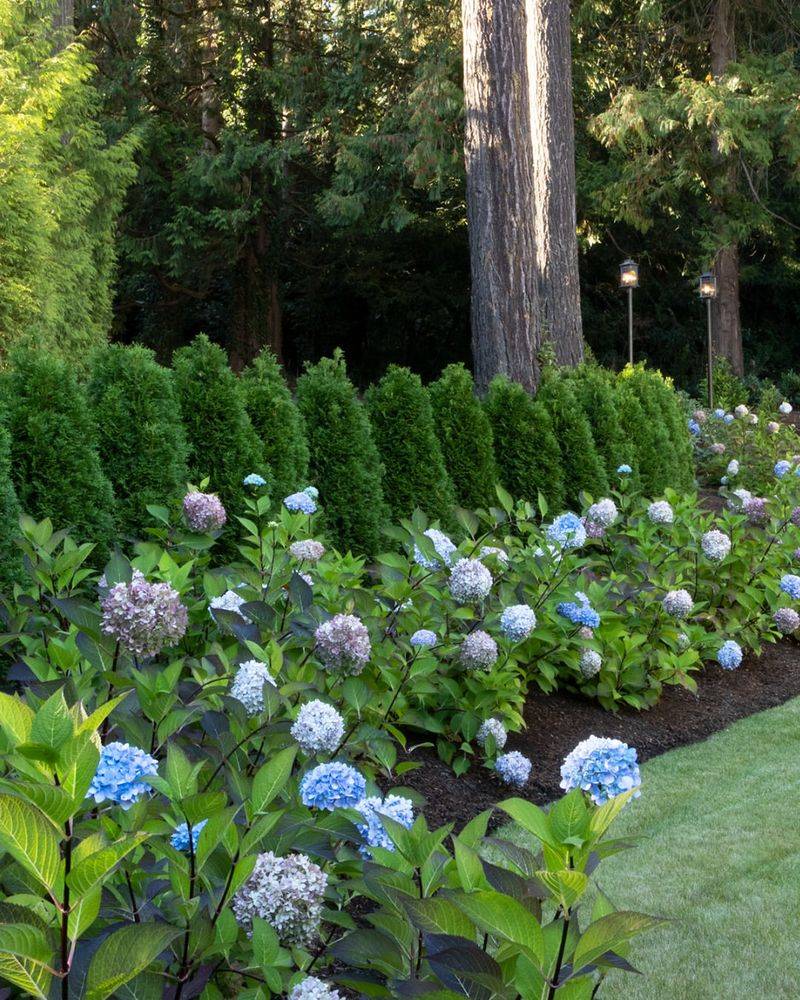
Patience is the real secret weapon for Michigan hydrangea growers. Many gardeners feel the urge to fertilize as soon as the snow melts, but jumping in too early can actually cause more problems than it solves.
Michigan winters linger, and late frosts can strike well into mid-April across much of the state.
When fertilizer is applied too early, it signals the plant to push out new, tender growth before the weather is truly safe. That soft new growth is extremely vulnerable to frost damage, which can set the plant back significantly just as the season gets started.
The key is to hold off until conditions are genuinely improving and the risk of hard freezes has dropped.
Early spring, right before new growth visibly begins, is the ideal window. At this stage, the plant is waking up naturally and ready to absorb nutrients efficiently.
Fertilizing at this point supports the plant rather than shocking it into action too soon. Michigan gardeners who time this correctly tend to see noticeably stronger stems, fuller foliage, and more abundant blooms by summer.
Timing really does make all the difference when it comes to getting the most out of your hydrangeas each season.
2. Use A Balanced Fertilizer For Healthy Growth
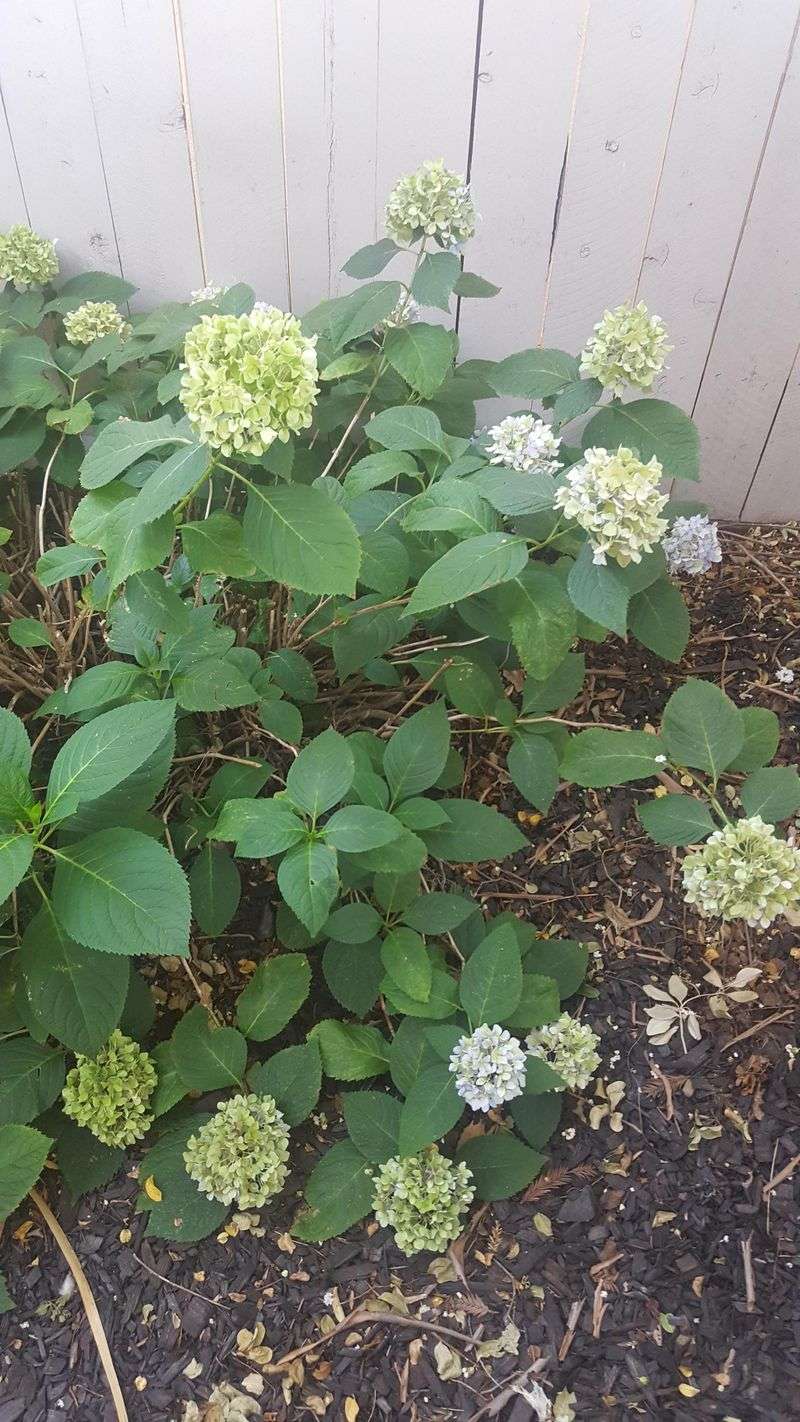
Walk into any garden center in Michigan during early spring and you will find shelves lined with fertilizer options, but not all of them are right for hydrangeas.
A balanced fertilizer, such as a 10-10-10 or 12-4-8 formula, is widely recommended because it delivers nitrogen, phosphorus, and potassium in proportions that support every part of the plant equally.
Nitrogen encourages healthy green leaves and strong stems, phosphorus supports root development and flower production, and potassium helps the plant handle stress and disease.
When these three nutrients are balanced, the hydrangea can grow steadily without any one system being pushed too hard.
This matters especially in early spring when the plant is still finding its footing after a long Michigan winter.
One thing worth watching is nitrogen levels. Too much nitrogen early in the season can cause the plant to put nearly all its energy into producing leaves rather than flowers.
Lush, green foliage might look healthy, but it can actually mean fewer blooms come summer. Choosing a balanced formula keeps the plant on track for both vigorous growth and a spectacular flower display.
Many experienced Michigan gardeners swear by this approach as the foundation of a successful hydrangea season every single year.
3. Apply Fertilizer When Buds Begin To Swell
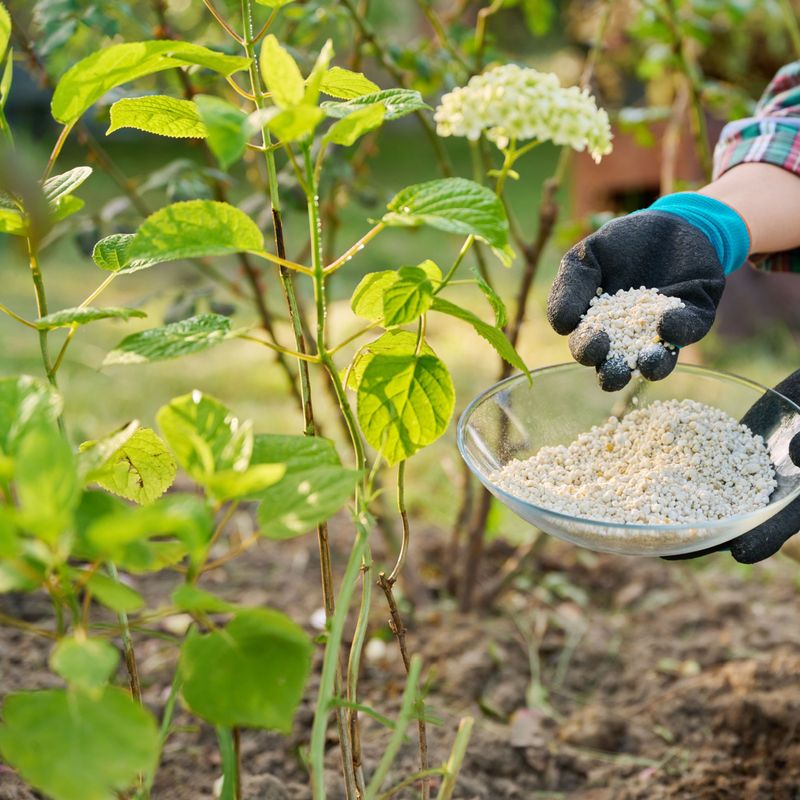
There is a specific moment in early spring that experienced Michigan gardeners watch for closely, and it happens right on the plant itself.
When the buds on a hydrangea begin to swell and show the first hints of green, that is the signal that the time to fertilize has arrived. This window typically falls in late March through early April across most of Michigan.
At this stage, the danger of truly hard frosts has usually passed, but the leaves have not yet fully emerged. The plant is actively waking up and its root system is starting to pull nutrients from the soil with increasing efficiency.
Fertilizing right at this moment gives the hydrangea exactly what it needs to build healthy new growth from the very start.
Waiting for this visual cue rather than relying on a fixed calendar date is a smarter approach, especially in Michigan where weather can vary quite a bit from year to year. A warm February followed by a cold snap in March can throw off any set schedule.
Watching the plant and responding to what it shows you keeps your timing accurate and your results consistent. Gardeners who follow this strategy often report fuller flower clusters and stronger overall growth compared to those who fertilize by date alone.
4. Avoid Over-Fertilizing Hydrangeas
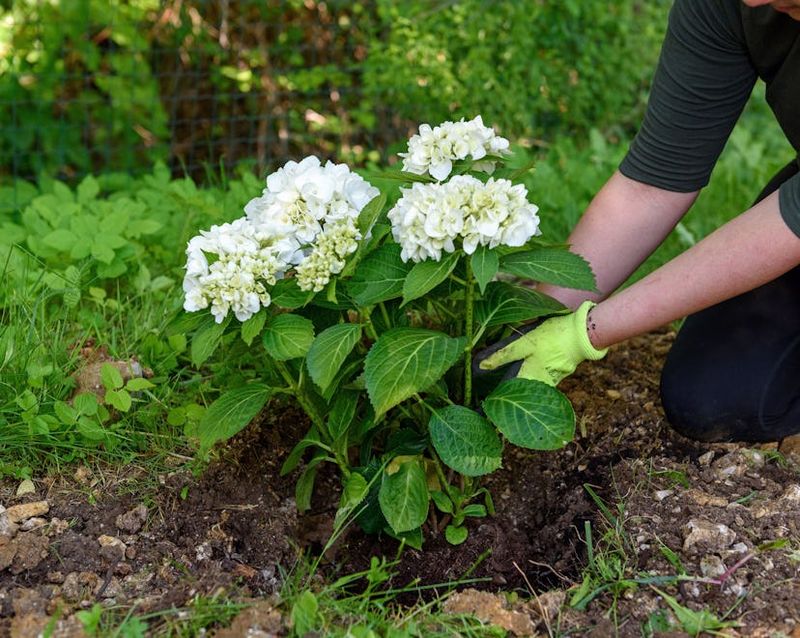
More is not always better, and hydrangeas are a perfect example of that truth. Over-fertilizing is one of the most common mistakes gardeners across Michigan make, and the results are rarely what anyone hopes for.
Applying too much fertilizer, especially products high in nitrogen, can push the plant into a frenzy of leafy growth while leaving flower buds struggling to develop.
Root burn is another real concern when fertilizer is over-applied. When too many nutrients concentrate around the root zone, they can pull moisture out of the roots through a process called osmosis, leaving the plant stressed and weakened rather than nourished.
Signs of this include brown or crispy leaf edges and a general look of drooping despite adequate watering.
For most Michigan gardens, one well-timed application of slow-release granular fertilizer in early spring is genuinely enough to carry the plant through the main growing season.
Unless the plant shows clear signs of a nutrient deficiency, such as yellowing leaves or stunted growth, adding more fertilizer mid-season is unnecessary and potentially harmful.
Keeping your fertilizing schedule simple and measured is one of the easiest ways to protect your hydrangeas and help them reach their full blooming potential without any unnecessary setbacks along the way.
5. Use Organic Fertilizers For Soil Health
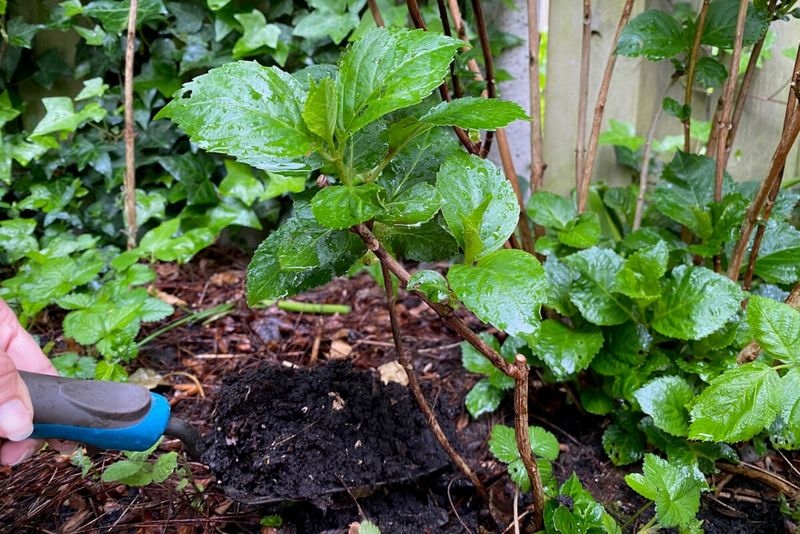
Plenty of Michigan gardeners have discovered that feeding their hydrangeas does not have to mean reaching for a bag of synthetic chemicals.
Organic fertilizers like compost, well-rotted manure, and worm castings offer a gentler, more sustainable approach that benefits not just the plant but the entire soil ecosystem around it.
One of the biggest advantages of going organic is the slow, steady release of nutrients over time. Unlike synthetic fertilizers that deliver a quick burst, organic options break down gradually, feeding the plant consistently throughout the growing season.
This reduces the risk of fertilizer burn significantly and makes nutrient deficiencies far less likely as the weeks go on.
Compost also improves the physical structure of Michigan soil, which can range from heavy clay in some regions to sandy and fast-draining in others. Adding organic matter helps clay soils drain better and helps sandy soils retain moisture and nutrients longer.
Over several seasons of consistent use, gardeners often notice that their hydrangeas look healthier overall, with deeper green leaves and more robust flower clusters.
Starting each spring with a generous layer of compost worked gently into the soil around your hydrangeas is one of the simplest and most rewarding habits a Michigan gardener can build into their routine.
6. Hydrangeas In Containers Need Special Attention
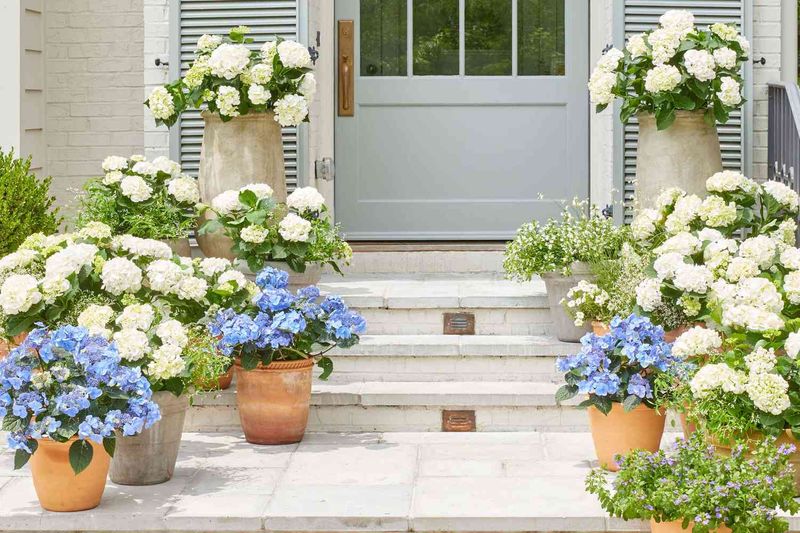
Growing hydrangeas in containers is a popular choice for Michigan gardeners who have limited garden space or want to add color to a patio or deck. Container gardening comes with its own set of challenges, though, and fertilization is near the top of that list.
Nutrients in potted plants wash out of the soil much faster than in the ground, simply because of how frequently containers need to be watered.
By early spring, a container-grown hydrangea has likely used up most of the nutrients available in its potting mix over the previous season. Starting the year with a fresh application of slow-release granular fertilizer gives the plant a solid foundation to build on.
A balanced formula works well here, encouraging both healthy foliage and a strong flower display as the season progresses.
Because leaching happens continuously with regular watering, container hydrangeas may also benefit from a light liquid fertilizer application mid-season if the plant begins to look pale or growth slows noticeably.
However, always start conservatively and increase only if needed. Matching the fertilizer amount to the size of the container and the plant also matters a great deal.
Michigan gardeners who pay close attention to their container plants and adjust care accordingly tend to enjoy some of the most impressive potted hydrangea displays around.
7. Test Soil Before Fertilizing
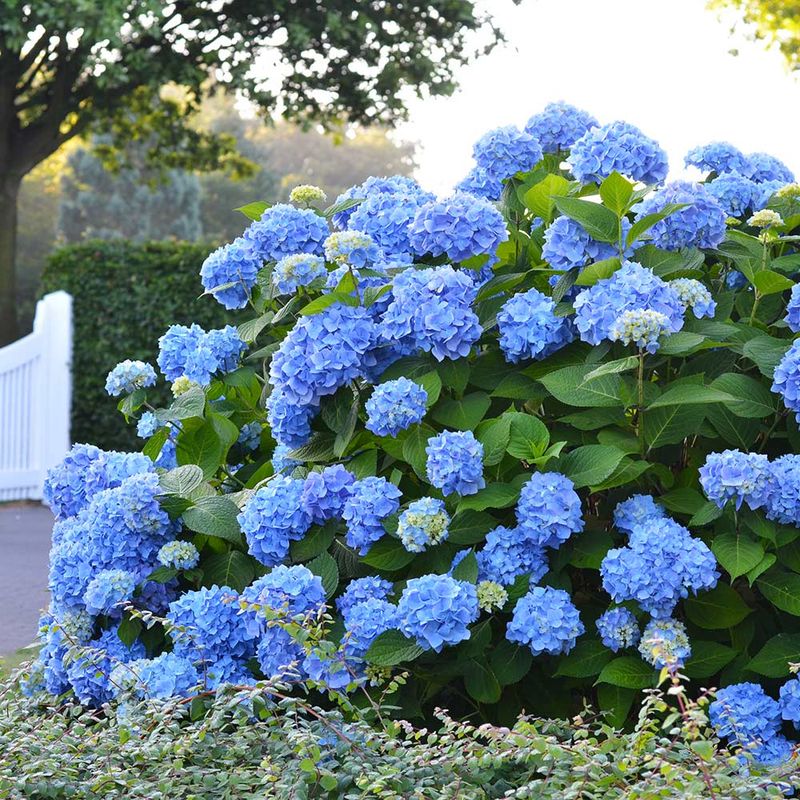
Before reaching for any fertilizer, smart Michigan gardeners take one extra step that pays off enormously throughout the growing season.
Testing the soil pH gives you a clear picture of what nutrients are already available to your plants and what adjustments might be needed before you add anything new.
Skipping this step is like cooking a recipe without checking whether you already have the ingredients. Hydrangeas generally prefer slightly acidic soil, with a pH range of around 5.5 to 6.5.
Within this range, the plant can access the full range of nutrients it needs, including iron, manganese, and other trace elements that play important roles in healthy growth and flowering.
When soil pH drifts too high into alkaline territory, these nutrients become chemically locked and unavailable to the plant, even if they are present in the soil.
Michigan soils vary quite a bit depending on location, and some areas naturally trend toward higher pH levels. If a test reveals that your soil is too alkaline, adding elemental sulfur can help bring the pH down gradually over time.
Your local Michigan cooperative extension office can provide soil testing services along with specific recommendations for your area.
Taking this one extra step each spring can make every fertilizer application you make far more effective and far more targeted to your hydrangeas’ actual needs.
8. Fertilize Hydrangeas Based On Their Type
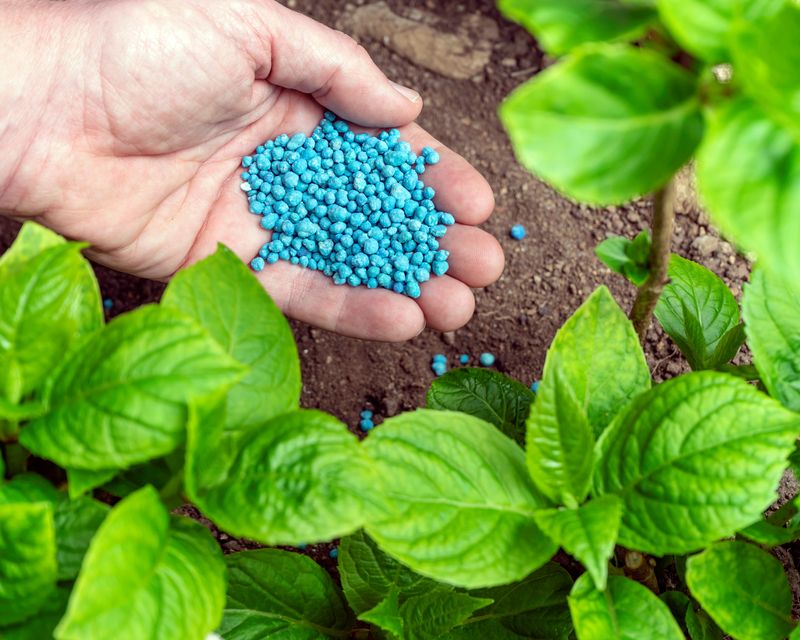
Not every hydrangea is the same, and treating them all identically when it comes to fertilization can lead to mixed results.
Michigan gardens are home to several popular varieties, each with its own preferences and quirks that are worth understanding before you open that first bag of fertilizer in the spring.
Smooth hydrangeas, like the beloved Annabelle variety, and panicle hydrangeas such as Limelight are generally easygoing and adaptable to a wider range of soil conditions.
They do not require strongly acidic soil and tend to respond well to a standard balanced fertilizer applied once in early spring.
These varieties are often recommended for Michigan beginners because they are forgiving and reliably productive.
Bigleaf hydrangeas, known scientifically as Hydrangea macrophylla, are a different story. These are the varieties famous for producing blue or pink flowers depending on soil pH, and they genuinely thrive in more acidic conditions.
Gardeners who want blue blooms should aim for a lower soil pH and may choose fertilizers formulated specifically for acid-loving plants.
Tailoring your fertilizer choice to the specific variety growing in your yard is one of the most effective ways to bring out the best in each plant.
Michigan gardeners who take the time to learn their varieties almost always end up with more vibrant, impressive results by midsummer.
9. Pruning Before Fertilizing Improves Effectiveness
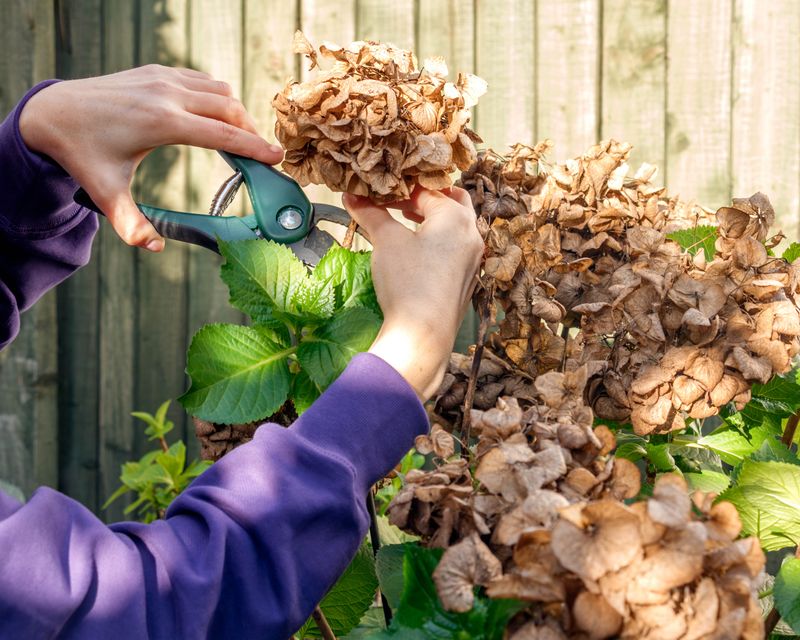
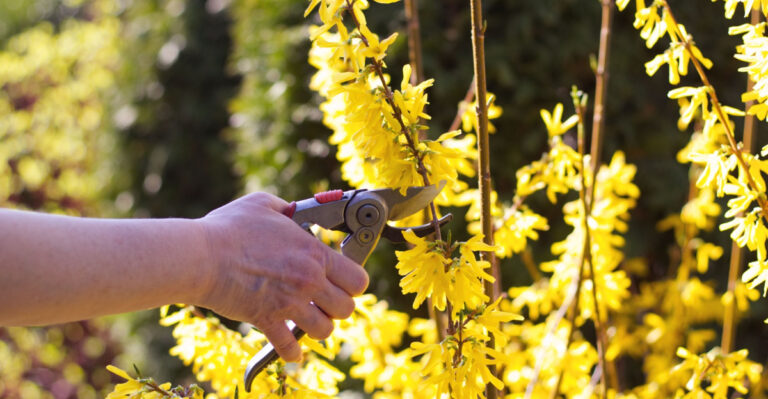
Here is a tip that many gardeners overlook entirely: pruning your hydrangeas before you fertilize in early spring can make a noticeable difference in how well that fertilizer actually works.
When old, woody, or damaged stems are still on the plant, the hydrangea has to divide its energy and resources in ways that are not always productive. Removing that old wood first clears the path for stronger, more directed growth.
In Michigan, winter can leave hydrangea stems looking rough, with some sections that did not survive the cold season intact. Cutting these away before fertilizing allows the plant to channel its energy toward the healthy shoots that are just beginning to emerge.
This focused growth tends to produce sturdier stems and larger, more vibrant flower clusters as the season moves forward.
The type of hydrangea you grow matters when it comes to pruning, since some varieties bloom on old wood and others on new wood. Bigleaf hydrangeas bloom on old wood, so pruning should be minimal and targeted only at clearly damaged sections.
Panicle and smooth hydrangeas bloom on new growth and can handle more aggressive pruning.
Regardless of variety, clearing away the worst of the winter damage before applying your first fertilizer of the season sets up the entire plant for a healthier, more productive growing season across Michigan gardens.