How Michigan Gardeners Fill Their Yards With Plants That Actually Do Something
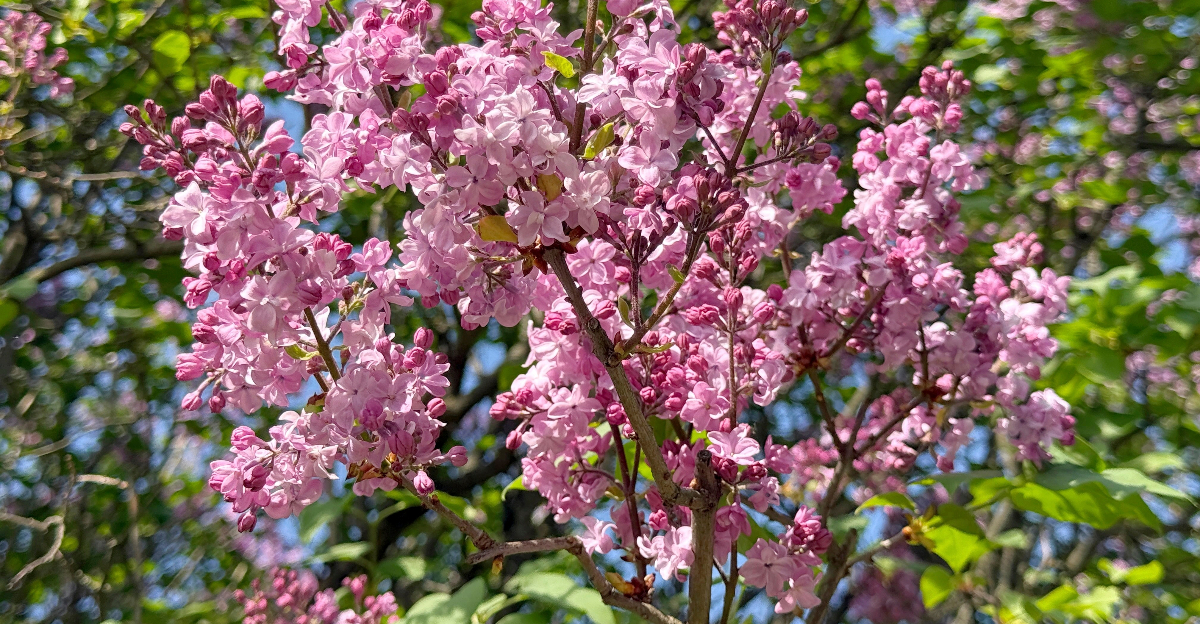
Michigan gardeners know the best plants do more than just look good. In a climate where every growing season counts, it makes sense to choose plants that truly earn their place.
Imagine flowers that brighten your yard while feeding pollinators, herbs and fruits that end up on your table, and deep rooted plants that quietly improve your soil year after year.
The right mix can turn an ordinary garden into a living system that supports wildlife, conserves water, and grows stronger with time. Instead of working against nature, your garden begins to work with it, creating balance, resilience, and lasting beauty.
When plants serve more than one purpose, gardening becomes easier, more rewarding, and far more sustainable.
These nine plant types show how function and beauty can grow side by side, transforming your yard into a space that gives back every season.
Plants That Feed You
Imagine stepping into your backyard and picking breakfast straight from the branches. Edible plants transform ordinary yards into productive spaces that reward you with fresh flavors.
Michigan’s climate supports a surprising variety of fruiting plants that thrive without fuss.
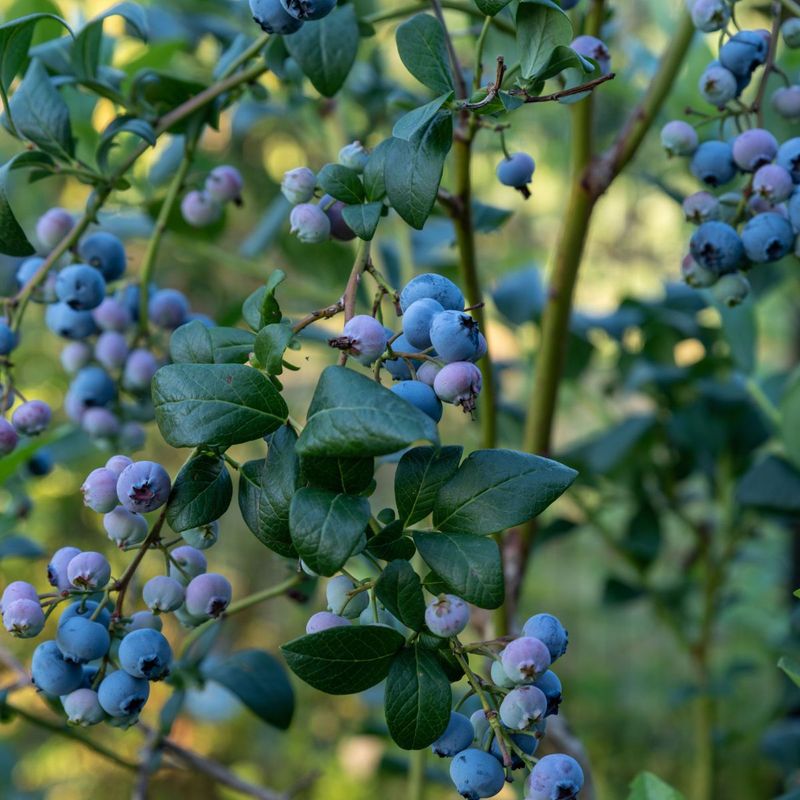
Blueberries reign as superstars for northern gardens because they love acidic soil and cold winters.
These compact shrubs produce generous harvests while their white spring flowers and crimson fall foliage add seasonal beauty. Plant several varieties together for better pollination and extended harvest periods.
Serviceberries deserve more attention from home gardeners seeking multi-season interest.
Their early white blooms feed hungry pollinators emerging from winter while the purple-red berries ripen in June. Birds adore these fruits, though you’ll want to pick some for yourself because they taste like sweet blueberries with almond notes.
American hazelnut rounds out the edible trio with nutritious nuts encased in papery husks. This native shrub tolerates partial shade and forms attractive hedges that provide wildlife cover.
The catkins dangle gracefully in late winter, signaling spring’s approach before leaves emerge.
Growing food at home reduces grocery trips while connecting you to seasonal rhythms.
These plants require minimal care once established, making them perfect for gardeners wanting results without constant maintenance. Your yard becomes a source of fresh, chemical-free nutrition.
Plants That Attract Pollinators
Pollinators face declining habitat across the country, but your yard can become their refuge.
Nectar-rich flowers create buzzing hubs of activity that bring gardens to life. Michigan’s native blooms evolved alongside local insects, making them perfectly suited for supporting these essential creatures.
Purple coneflower stands tall with its distinctive raised centers and drooping petals that butterflies can’t resist.
This prairie native blooms from midsummer through fall, providing consistent food when many other flowers fade. The seed heads persist through winter, feeding goldfinches and adding architectural interest to dormant gardens.
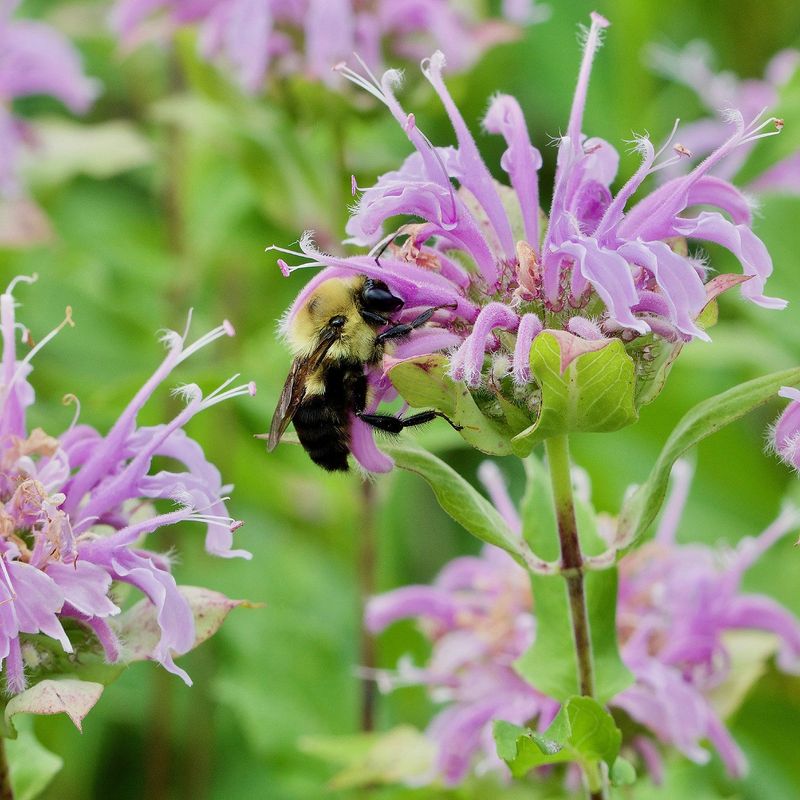
Bee balm earns its name honestly because its tubular red flowers practically magnetize hummingbirds and bumblebees.
This moisture-loving perennial spreads steadily to form colorful colonies that perfume the air with minty fragrance. Plant it where you can brush against the leaves and release their aromatic oils.
Black-eyed Susan brings cheerful golden blooms that light up sunny spots from July through September.
These tough perennials self-seed freely without becoming invasive, filling gaps with reliable color year after year. Their dark centers provide landing pads for butterflies and native bees seeking pollen.
Creating pollinator habitat requires thinking beyond individual plants to establish continuous bloom sequences. Layer early, mid, and late-season flowers so something always offers nectar. Your garden becomes a vital link in the ecological chain.
Plants That Stabilize Soil
Erosion silently steals topsoil during every rainstorm, washing away the foundation of healthy gardens.
Strategic plantings anchor soil with fibrous roots that grip tight and prevent runoff. Michigan’s freeze-thaw cycles make soil stabilization especially important for protecting slopes and bare patches.
Daylilies spread through tuberous roots that form dense mats beneath the surface. Each plant multiplies into expanding clumps that cover ground quickly while producing cheerful blooms in every color except true blue.
These workhorses tolerate everything from drought to clay soil, asking almost nothing in return.
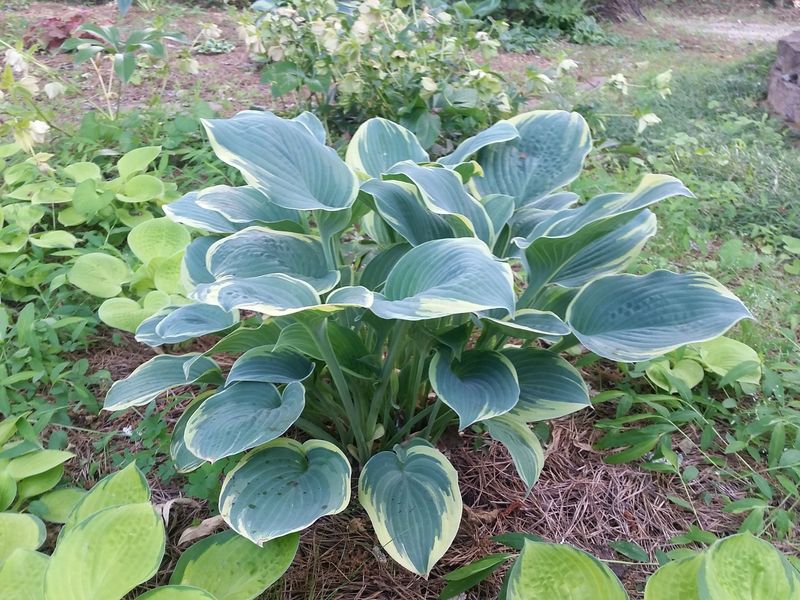
Hostas might seem delicate with their broad leaves, but their root systems pack serious holding power.
Hundreds of varieties offer foliage ranging from miniature to massive in shades of green, blue, gold, and variegated combinations. They excel in shady areas where grass struggles, turning problem spots into lush displays.
Sedums bring succulent leaves and drought tolerance to sunny slopes needing stabilization.
Their shallow but extensive roots spread horizontally to knit soil together while storing water for dry periods. Late-season flowers attract butterflies when few other plants bloom, and the dried seed heads provide winter texture.
Soil health underpins everything else in your landscape, so protecting it pays long-term dividends. These plants work invisibly below ground while creating attractive above-ground displays. Your yard stays put instead of washing away.
Plants That Provide Winter Interest
Winter gardens don’t have to look empty and lifeless between November and April. Certain plants shine brightest when everything else disappears beneath snow and ice.
Michigan winters test plant toughness, but these survivors add color and structure during the coldest months.
Red-osier dogwood transforms into glowing red beacons after leaves drop in fall. The brilliant stems practically glow against white snow, creating striking contrasts that catch your eye from indoors.
Birds nest in the dense branching while the white berries feed them through harsh weather.
Inkberry holly maintains glossy evergreen leaves year-round while producing black berries that persist into winter.
This native shrub tolerates wet soils and shade better than most hollies, making it useful for challenging spots. Female plants need a nearby male for berry production, so plant them in groups.
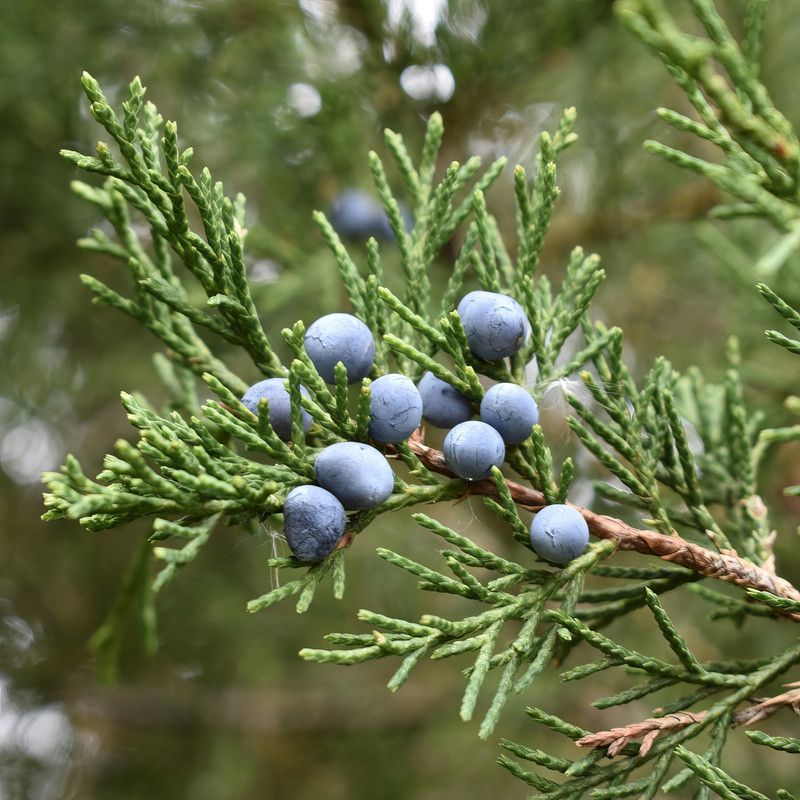
Eastern red cedar isn’t actually a cedar but a juniper with fragrant foliage that stays green through blizzards.
These pyramidal trees provide crucial winter cover for songbirds seeking shelter from wind and predators. The blue berry-like cones feed cedar waxwings and other fruit-eating birds.
Designing for winter interest requires imagining your garden stripped to its bones. Think about shapes, textures, and persistent colors that hold up under snow loads.
Your yard remains visually engaging even when growth pauses, giving you something beautiful to appreciate from warm windows.
Plants That Support Wildlife
Wildlife needs more than just food to thrive in residential areas. Complete habitat includes shelter, nesting sites, and year-round resources that sustain diverse species.
Native plants evolved alongside local wildlife, creating partnerships that benefit both parties in ways non-native species can’t match.
Serviceberry checks every habitat box with spring flowers for early pollinators, June berries for migrating birds, and dense branching for nesting sites.
This small tree or large shrub adapts to various soil types while offering stunning fall color. Over thirty bird species eat the fruits, making it a wildlife magnet.
Red-osier dogwood appears twice on this list because it delivers exceptional value for wildlife.
Beyond winter stem color, it produces berries that feed over ninety bird species while the thickets shelter ground-nesting birds and small mammals. The flowers bloom early enough to support emerging native bees.
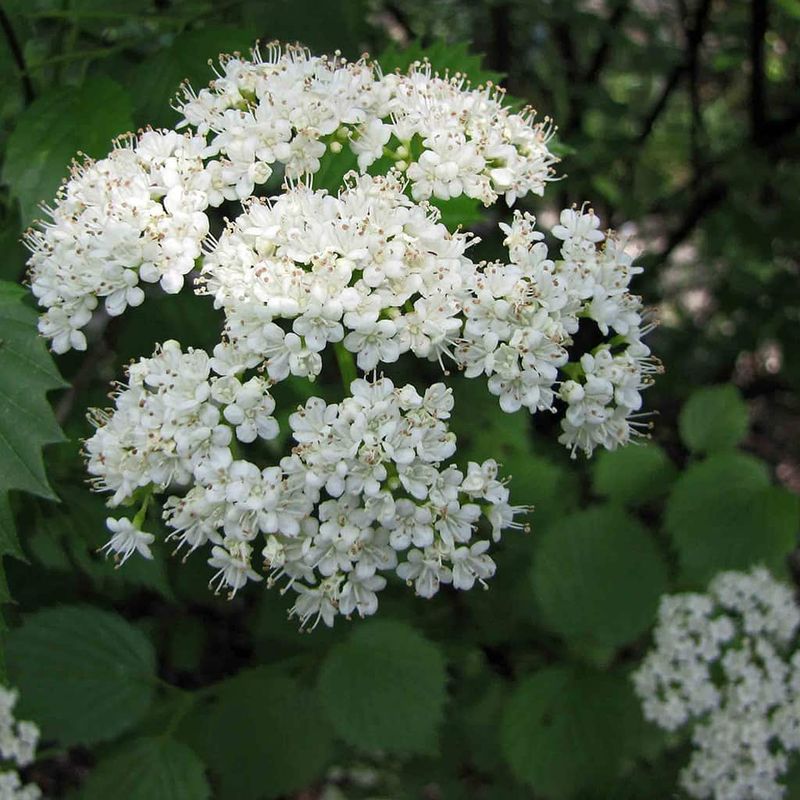
Native viburnums include several species perfectly suited to Michigan conditions, each offering clusters of white flowers followed by colorful berries.
Arrowwood viburnum tolerates wet soils while nannyberry grows into small trees with edible fruits. Their dense growth provides nesting habitat and escape cover from predators.
Building wildlife habitat means thinking like the creatures you want to attract. Layer plants at different heights to create vertical structure from groundcovers through canopy trees.
Your yard becomes part of a larger ecosystem that supports biodiversity even in suburban settings.
Plants That Are Drought-Tolerant
Water conservation matters even in Michigan where rainfall seems abundant. Drought-tolerant plants reduce irrigation needs while surviving dry spells that stress thirstier species.
These tough customers establish deep root systems that tap moisture unavailable to shallow-rooted plants.
Little bluestem brings prairie toughness to ornamental gardens with blue-green summer foliage that turns coppery-orange in fall.
This native grass tolerates sandy soils and full sun without complaint, growing into upright clumps that sway gracefully. The fluffy white seed heads catch low winter light beautifully.
Sedum varieties range from tiny groundcovers to substantial perennials like Autumn Joy with its progression from green buds through pink flowers to rusty seed heads.
Succulent leaves store water for extended dry periods while shallow roots spread to stabilize soil. Butterflies mob the late-summer blooms when nectar sources dwindle.
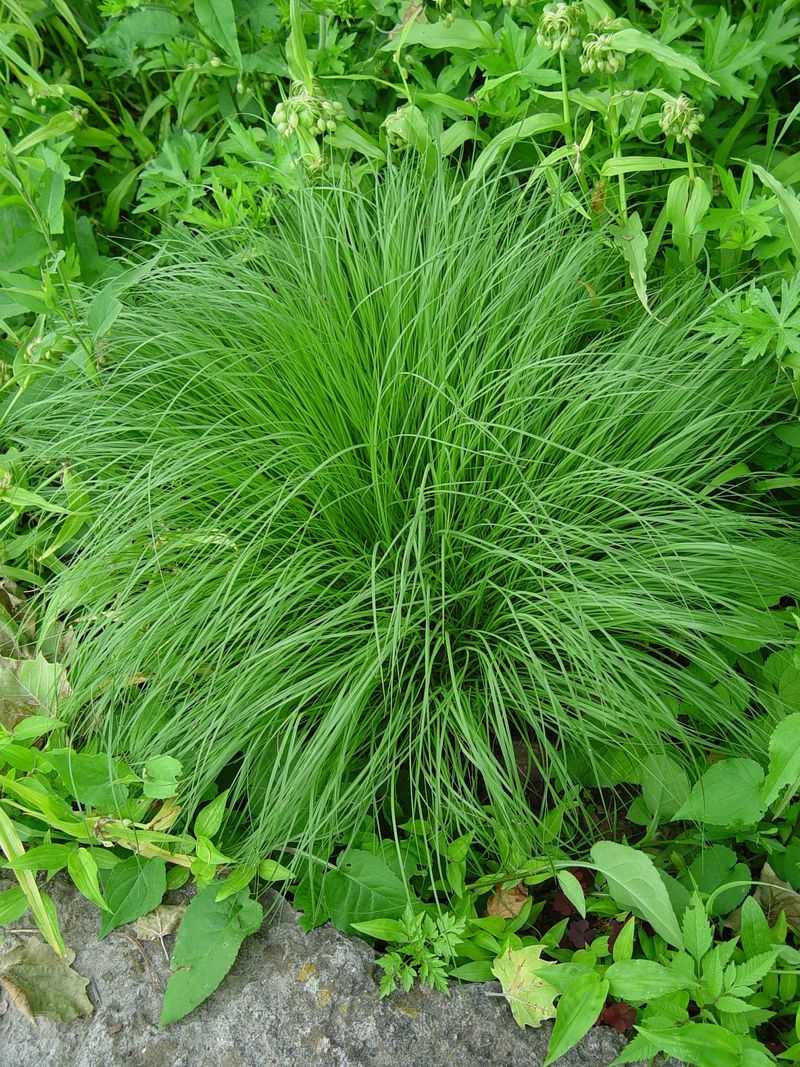
Prairie dropseed forms fine-textured mounds of hair-thin leaves that cascade like green fountains.
This grass emits a distinctive fragrance described as buttered popcorn or cilantro when blooming in late summer. It never needs dividing and increases slowly into larger specimens that anchor planting beds.
Choosing drought-tolerant plants makes sense economically and environmentally by reducing water bills and consumption.
These plants actually perform better with less moisture than constant irrigation provides. Your garden stays green during dry stretches without heroic watering efforts.
Plants That Improve Soil Health
Healthy soil teems with life and holds nutrients that feed plants naturally. Certain plants actively improve soil structure and fertility through their root activities and biological partnerships.
Michigan gardens benefit enormously from incorporating these soil-building species into planting schemes.
Native clovers partner with soil bacteria to capture atmospheric nitrogen and convert it into plant-available forms.
These low-growing legumes spread through lawns and garden edges, fixing nitrogen that benefits surrounding plants. Their white or pink flowers feed pollinators while the foliage stays green through summer heat.
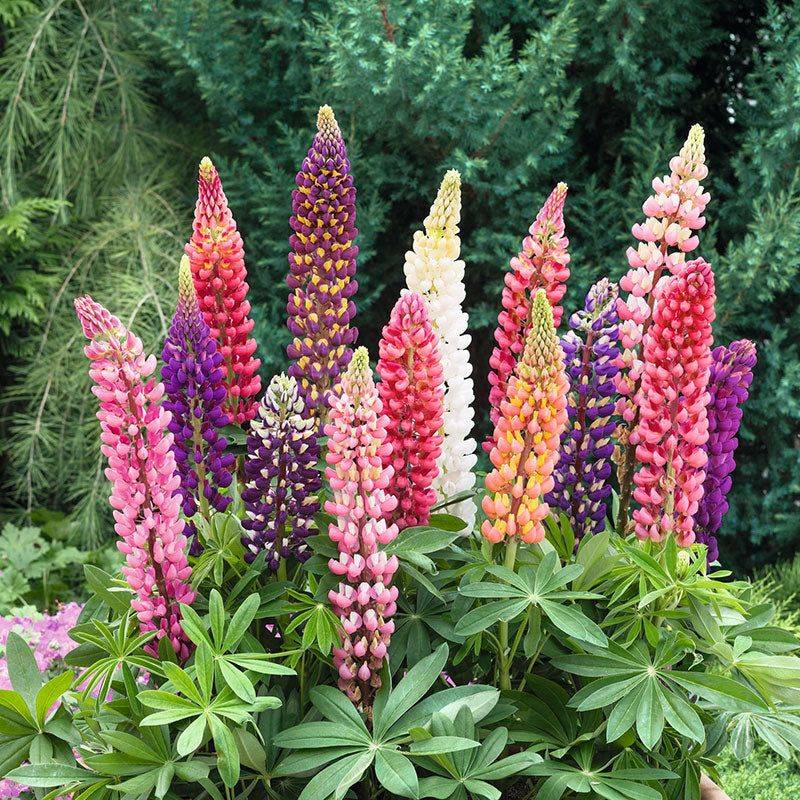
Lupines produce spectacular flower spikes in shades of blue, purple, pink, and white while their roots dive deep and break up compacted soil.
These legumes also fix nitrogen through bacterial nodules, enriching the ground around them. They prefer sandy, well-drained soils similar to their native habitats along Michigan roadsides and clearings.
Both plants add organic matter when their foliage naturally breaks down, feeding soil organisms that create healthy growing conditions.
Their extensive root systems create channels that improve drainage and aeration. When these plants eventually decompose, they leave behind more fertile soil than they found.
Building soil health represents the best long-term investment in garden success. Chemical fertilizers provide quick fixes but don’t improve underlying soil structure or biological activity. These plants work with nature’s systems to create lasting fertility that supports everything else you grow.
Plants That Repel Common Garden Pests
Chemical pesticides harm beneficial insects along with pests while contaminating soil and water. Certain plants naturally discourage common garden pests through aromatic compounds in their foliage and flowers.
Strategic placement of these botanical bodyguards protects more vulnerable plants without toxic sprays.
Lavender releases fragrant oils that humans love but many insects avoid, particularly moths whose larvae damage woolens and carpets.
This Mediterranean herb grows successfully in Michigan when planted in well-drained soil and full sun. The purple flower spikes attract beneficial pollinators while the silvery foliage adds textural contrast.
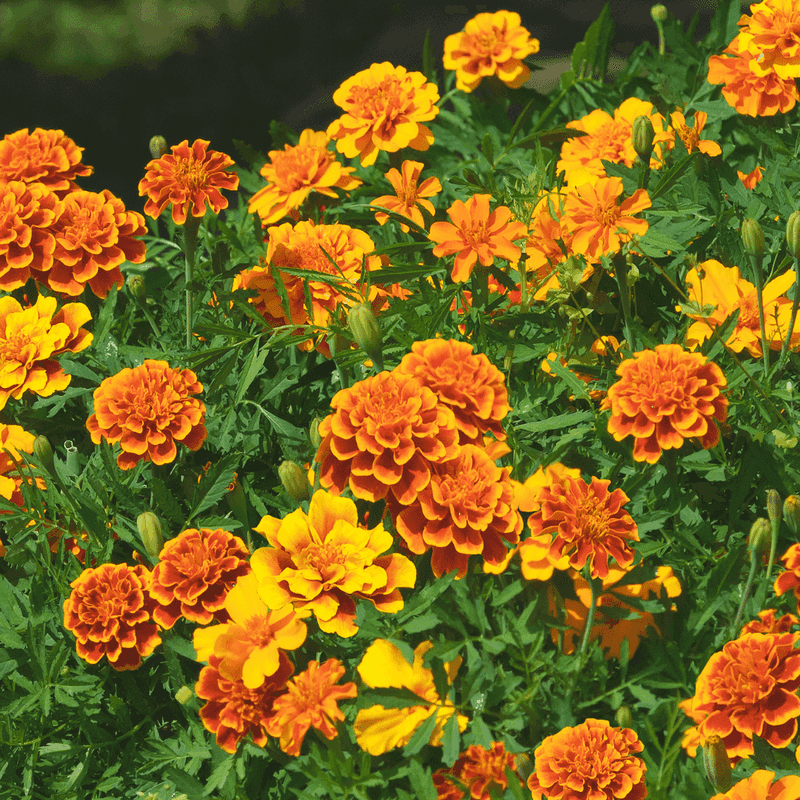
Marigolds have protected vegetable gardens for generations with their pungent scent that deters aphids, whiteflies, and other soft-bodied pests.
French marigolds work best for pest control, though all varieties add cheerful color from late spring through fall. Their roots release compounds that suppress harmful soil nematodes.
Thyme forms low mats of tiny aromatic leaves that repel cabbage worms and other vegetable pests when planted as edging around garden beds.
This culinary herb tolerates foot traffic and releases fragrance when brushed against. It thrives in containers for gardeners wanting portable pest protection.
Companion planting with pest-repelling herbs creates natural protection zones around susceptible crops.
These plants work best as part of integrated pest management rather than sole solutions. Your garden becomes more balanced and resilient without depending on chemicals.
Plants That Provide Fragrance
Fragrance adds an invisible but powerful dimension to outdoor spaces that engages memory and emotion.
Scented plants transform ordinary yards into sensory experiences that change with seasons and times of day. Michigan’s climate supports many fragrant species that perfume the air during their bloom periods.
Hosta flowers often get overlooked because their foliage steals the show, but many varieties produce intensely fragrant white blooms in late summer.
The tubular flowers open in evening and release sweet perfume that attracts night-flying moths. Fragrant varieties like August Lily deserve spots near patios where you can enjoy their scent.
Bee balm releases minty fragrance from both flowers and foliage when touched or brushed against.
This native perennial belongs to the mint family, sharing the characteristic square stems and aromatic oils. Plant it along paths where movement releases scent, or rub leaves between your fingers for instant aromatherapy.
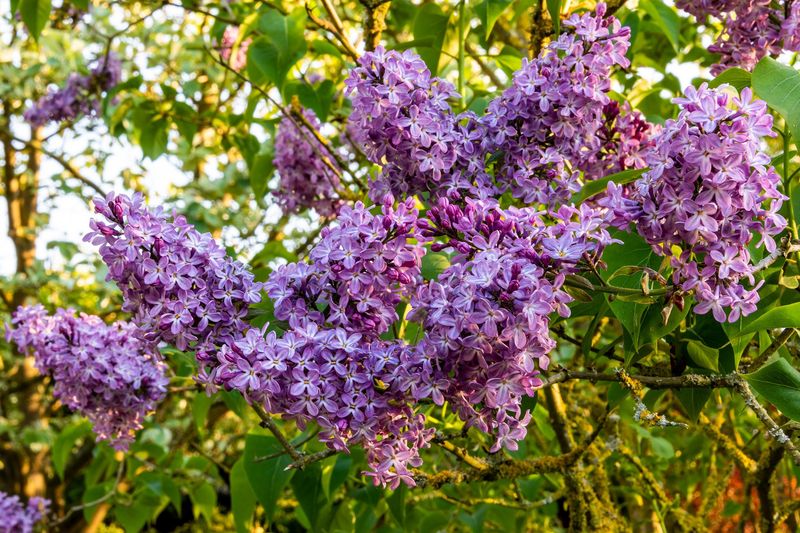
Lilacs represent the quintessential spring fragrance that announces warmer weather after long winters.
These tough shrubs bloom reliably every May with clusters of purple, white, or pink flowers that perfume entire neighborhoods. Old-fashioned varieties offer the strongest scent, though modern hybrids provide extended bloom times.
Designing with fragrance requires considering bloom timing, placement near gathering areas, and how scents layer or clash.
Plant fragrant species where you’ll encounter them regularly rather than in distant corners. Your garden appeals to multiple senses, creating richer experiences than visual beauty alone provides.