How Michigan Gardeners Grow Houseplants Without Ever Buying One
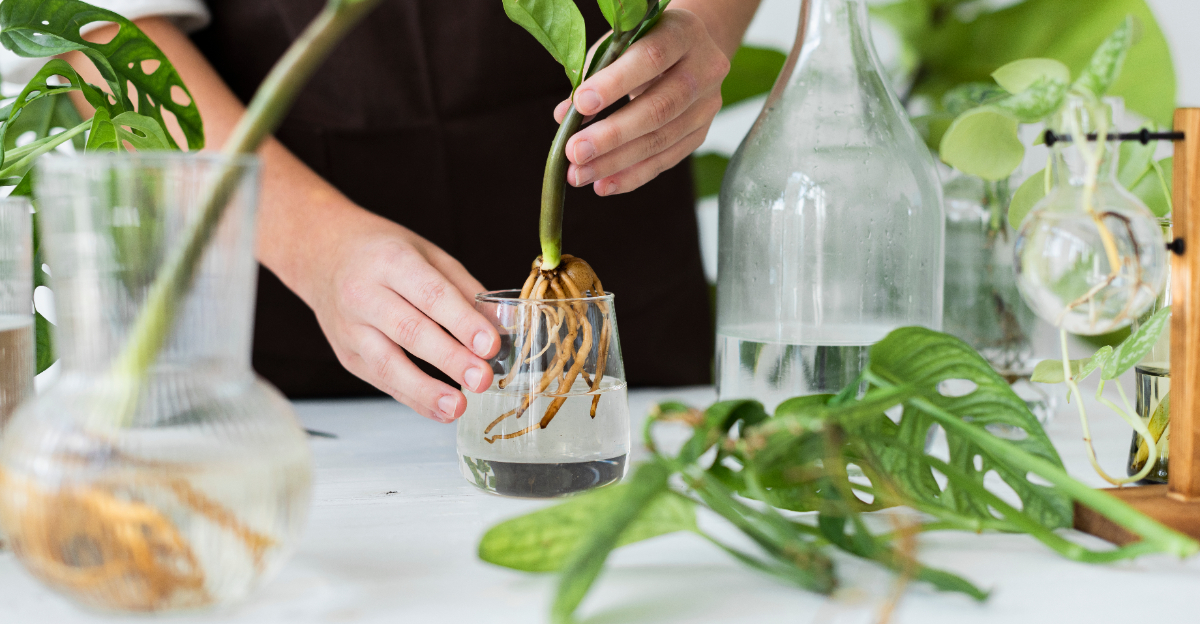
Michigan gardeners are discovering a simple secret that turns one houseplant into a whole indoor jungle. You do not need to keep buying new plants to fill your home with fresh greenery.
With easy propagation methods, a single healthy plant can multiply into many, giving you more leaves, more life, and more beauty without spending a dime.
Even better, swapping cuttings with friends or neighbors can quickly grow your collection in fun and surprising ways.
This approach is perfect for long Michigan winters, when indoor plants bring color, calm, and a touch of nature into everyday spaces. Watching new roots form and tiny leaves appear is both rewarding and relaxing.
If you love the idea of growing your plant family naturally and endlessly, you are about to discover how simple propagation can transform your home into a lush, thriving indoor garden year round.
Root Stem Cuttings In Water
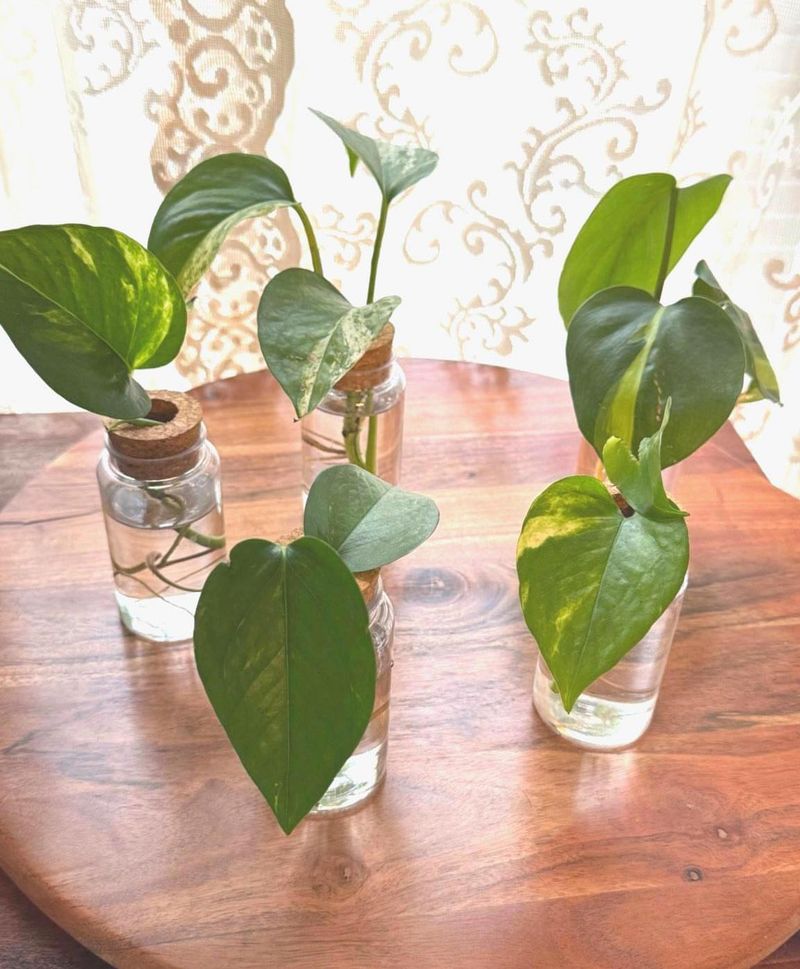
Picture a glass jar sitting on your kitchen counter, filled with clear water and green stems sprouting white roots.
Water propagation turns simple cuttings into thriving new plants right before your eyes. Michigan homes provide perfect conditions for this method during any season.
Start by selecting healthy stems from plants like pothos, philodendron, or wandering jew. Each cutting needs at least one node, which looks like a small bump where leaves attach to the stem.
Use clean scissors to cut just below a node, making each piece about four to six inches long. Place your cuttings in a clean container with fresh water.
The node must stay submerged while leaves remain above the waterline. Bright indirect light from a north or east-facing window works beautifully. Change the water every few days to keep it fresh and clear.
Roots typically appear within two to four weeks, depending on the plant variety and indoor temperature.
Once roots reach two inches long, your new plant is ready for soil. This method lets you watch the entire rooting process, making it especially rewarding for beginners.
Many Michigan gardeners keep propagation stations going year-round, creating an endless supply of plants to share with neighbors and friends.
Root Stem Cuttings In Soil
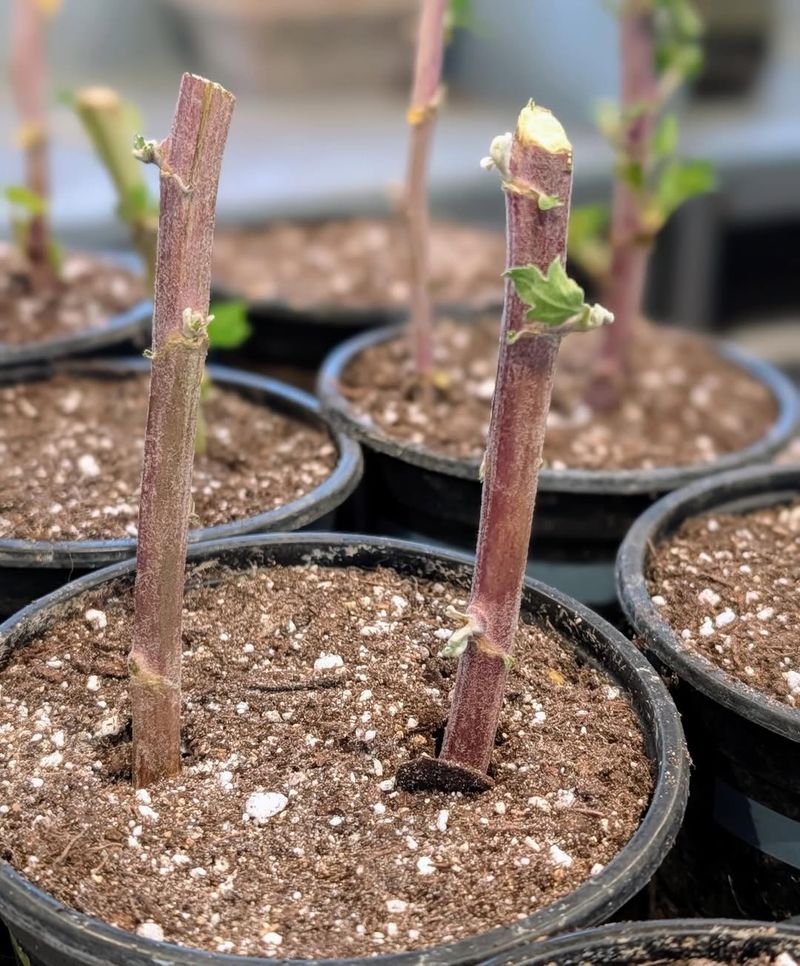
Some plants prefer skipping the water stage entirely and heading straight into soil. Direct soil propagation works wonderfully for succulents, begonias, and many tropical varieties that root quickly in moist growing medium.
Your cuttings develop stronger root systems from the start. Choose a well-draining potting mix designed for houseplants or create your own blend with equal parts peat moss and perlite.
Fill small pots or containers, leaving about half an inch from the rim. Moisten the soil thoroughly before inserting your cuttings so you avoid disturbing them later.
Take healthy stem cuttings with at least two nodes, removing lower leaves that would touch the soil.
Dip the cut end in rooting hormone if you have it, though many plants root fine without this step. Insert each cutting about an inch deep into the prepared soil, firming gently around the base.
Keep the soil consistently moist but never soggy for the first few weeks. A clear plastic bag placed loosely over the pot creates a mini greenhouse effect, maintaining humidity without trapping too much moisture.
Michigan winters provide stable indoor temperatures that support steady root development.
Check for resistance when you gently tug the cutting after three weeks, signaling successful rooting and the beginning of new growth.
Divide Mature Plants
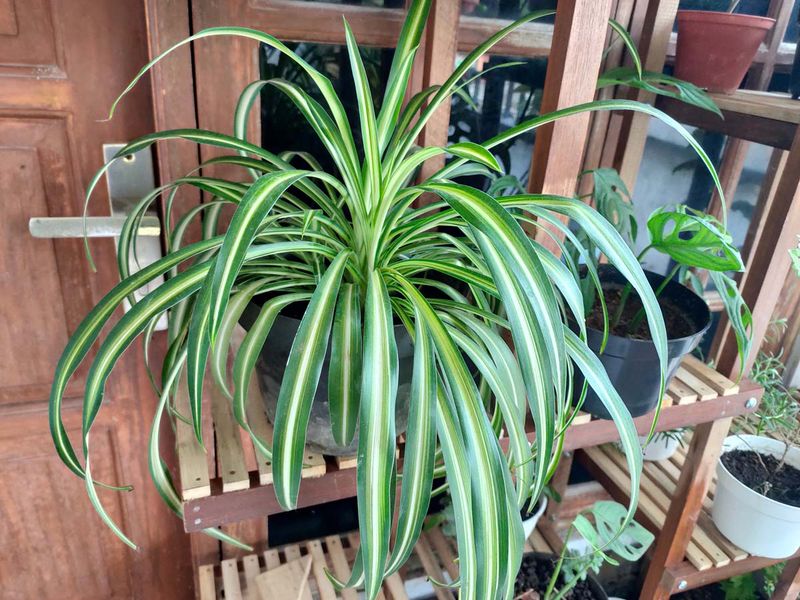
Walking past an overgrown snake plant or crowded peace lily presents a perfect opportunity. Division transforms one large plant into several healthy specimens without any special equipment or complicated techniques.
Spring repotting season in Michigan offers ideal timing for this multiplication method. Remove your plant from its container and examine the root structure carefully.
Clumping plants naturally form separate crowns or growing points that share one root mass. Brush away excess soil so you can see where individual sections connect and identify the best places to separate.
Use your hands to gently pull apart smaller plants, or employ a clean knife for tougher root balls.
Each division needs its own roots and at least two or three leaves or stems to survive independently. Work slowly and patiently, preserving as many roots as possible on each section.
Plant each division in its own container with fresh potting mix at the same depth it grew previously.
Water thoroughly and place in bright indirect light while new roots establish. Most divided plants experience minimal stress and begin growing vigorously within a few weeks.
This technique works brilliantly for spider plants, ferns, prayer plants, and many other clumping varieties that naturally want to spread and multiply in your indoor garden space.
Grow New Plants From Offsets
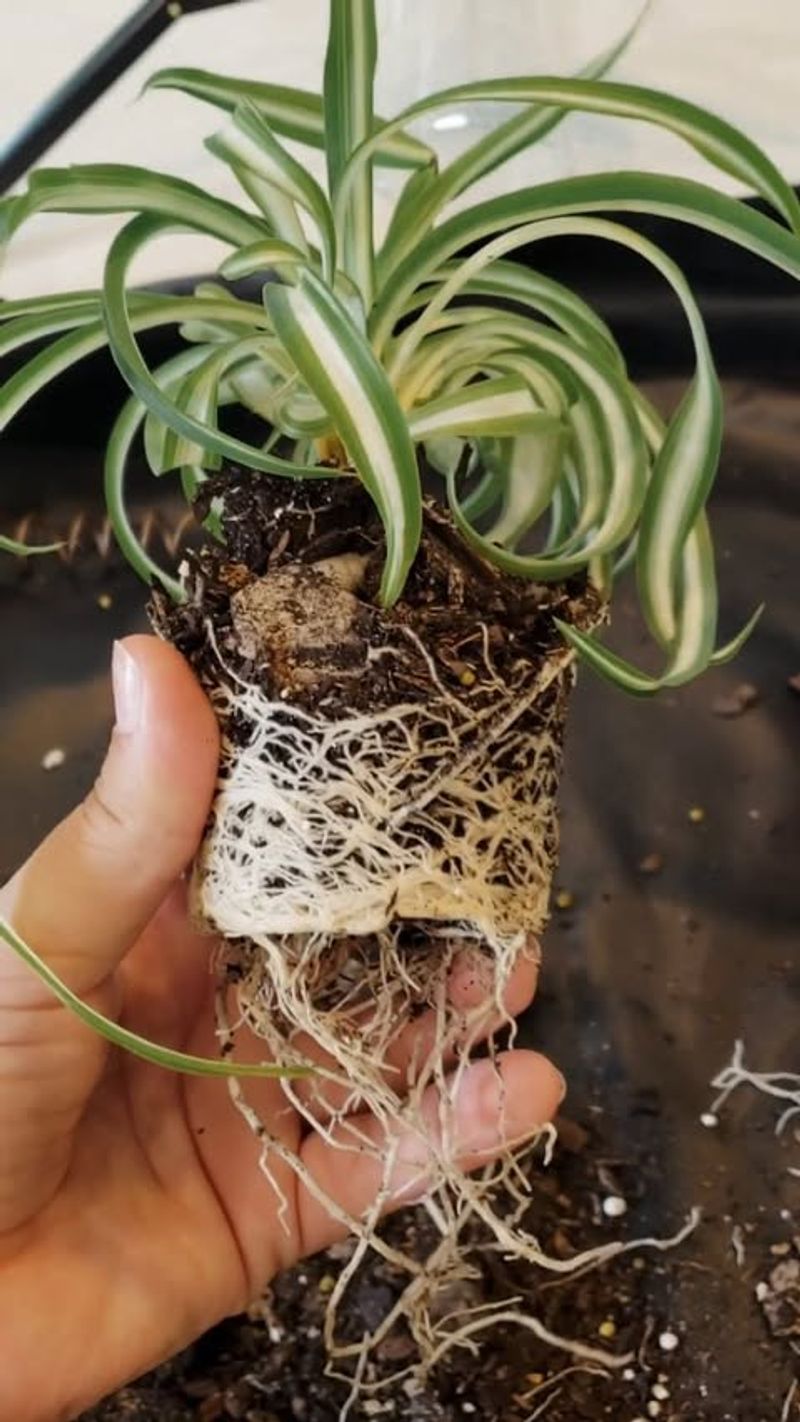
Nature provides ready-made baby plants on certain houseplants, saving you all the guesswork.
Offsets appear as miniature versions growing from the parent, already equipped with tiny roots or root buds. Spider plants dangle these babies on long stems, while aloe and bromeliads produce them at the base.
Spider plant babies can root while still attached to the mother plant. Set a small pot of soil next to the parent and pin a plantlet onto the surface with a bent paperclip. Roots form quickly, and you can snip the connecting stem after two weeks.
This method guarantees success even for nervous beginners. Aloe and succulent offsets need a different approach. Wait until offsets reach about one-third the size of the parent plant before removing them.
Gently twist or cut them away, keeping any roots attached. Let the cut end form a protective callus by leaving it exposed to air for one or two days.
Plant your offset in well-draining cactus mix and water sparingly until roots establish. Michigan homes stay warm enough year-round for most offset propagation.
Bromeliads produce pups after flowering, and these can be separated once they reach half the parent’s size.
Each offset grows into a full-sized plant, creating an expanding collection from a single original purchase.
Use Leaf Cuttings For Certain Plants
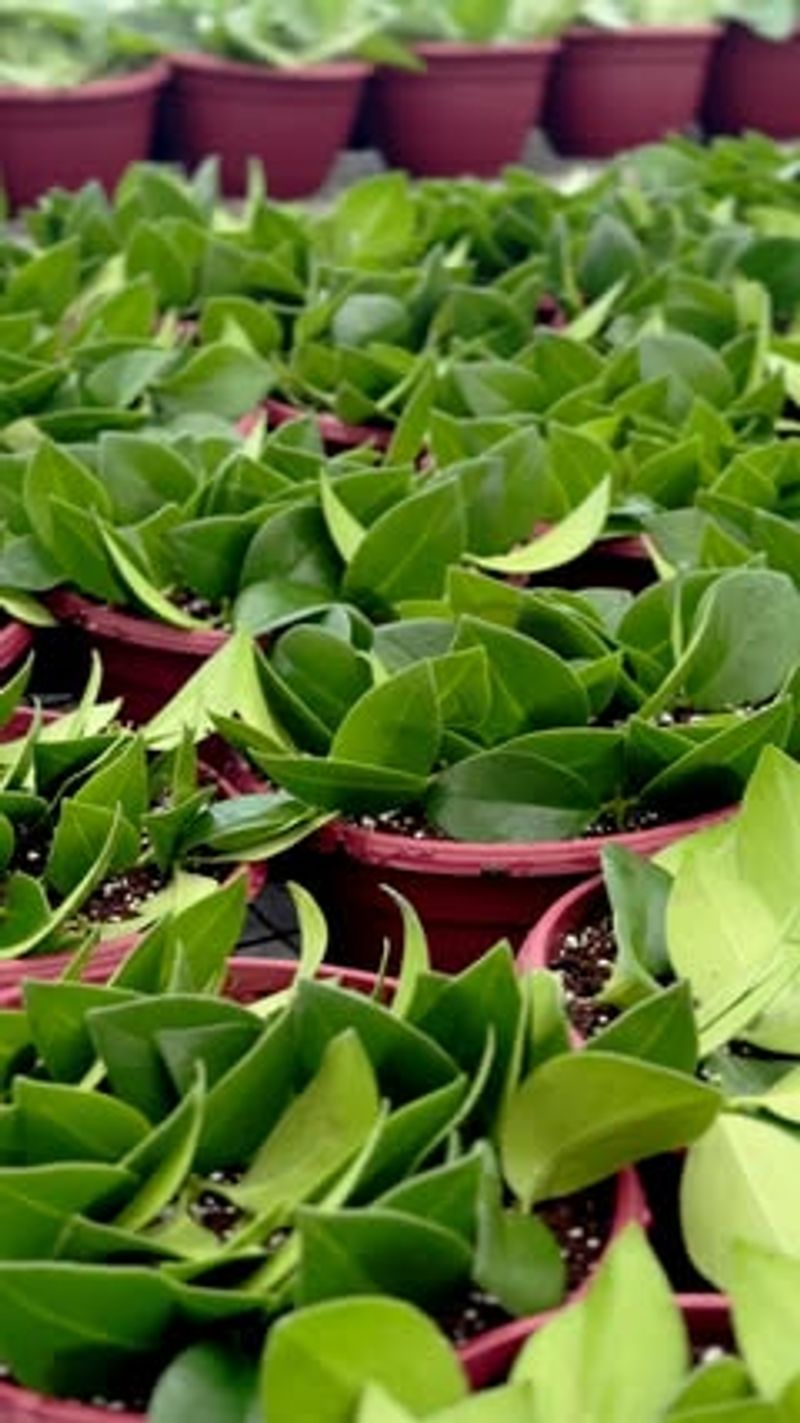
A single leaf holds remarkable potential for certain plant species. African violets, snake plants, and begonias can generate entire new plants from one healthy leaf.
This fascinating technique seems almost magical as tiny plantlets emerge from leaf tissue over several weeks.
African violets root best when you select a mature leaf from the middle row of foliage. Cut the stem at an angle about one inch below the leaf blade. Insert the stem into moist vermiculite or a light potting mix, burying just the stem while the leaf rests on the surface.
Snake plant propagation uses a different method. Cut a healthy leaf into three-inch sections, marking the bottom end of each piece with a small notch. Remember that snake plants must be planted right-side up to root properly.
Insert the bottom third of each section into moist soil and wait patiently. Begonias offer perhaps the most dramatic leaf propagation. Lay a whole leaf flat on moist soil and make small cuts across the main veins. Pin the leaf down with small stones or wire.
New plantlets sprout from each cut within a month. Cover your propagation containers with clear plastic to maintain humidity in Michigan’s dry winter air. This method requires patience but rewards you with multiple plants from minimal starting material.
Air Layer Larger Plants
Tall rubber plants and overgrown fiddle leaf figs sometimes need reduction without losing their top growth.
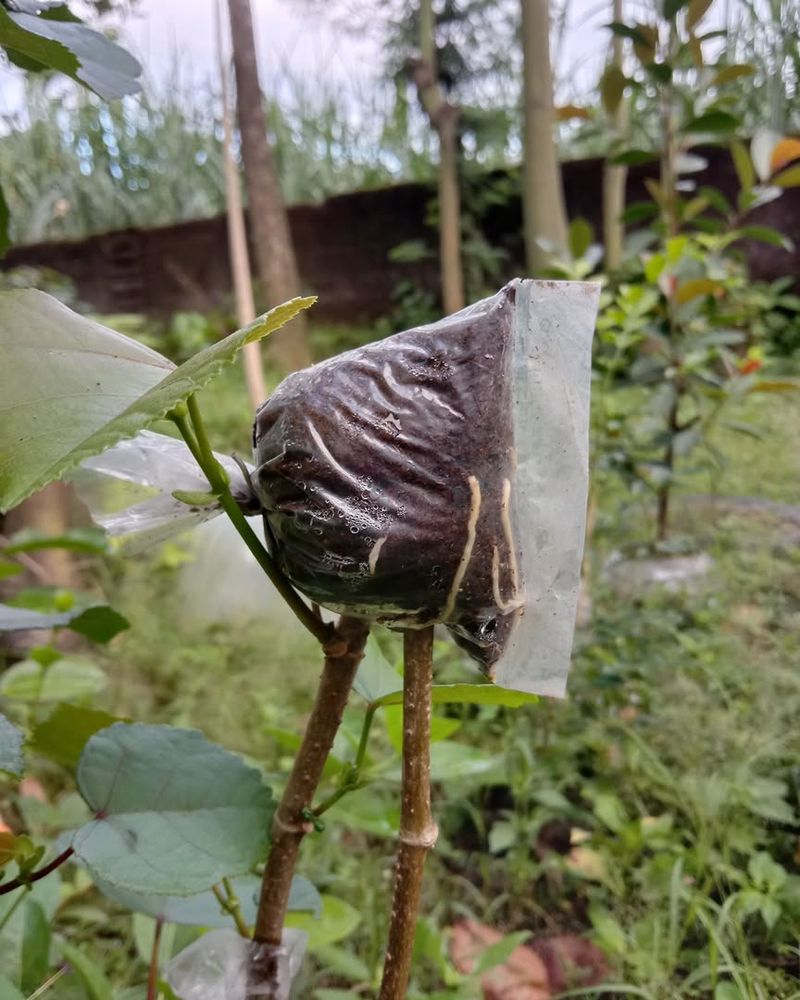
Air layering creates roots on a stem while it remains attached to the parent, guaranteeing success before you make any permanent cuts. Professional nurseries use this technique for valuable specimens.
Select a healthy stem section about twelve inches below the growing tip. Remove leaves from a two-inch section of stem, then use a clean knife to make a shallow upward cut halfway through the stem.
Insert a toothpick to keep the wound open, creating a spot where roots will form. Wrap the wounded area with moist sphagnum moss, forming a ball about three inches around.
Cover the moss completely with plastic wrap, sealing both ends with twist ties or tape. The moss must stay consistently moist, so check weekly and add water with a syringe if needed.
Roots typically appear within four to eight weeks, becoming visible through the plastic covering.
Once you see substantial root development, cut the stem just below the new root ball. Remove the plastic carefully, keeping the moss intact, and plant your new specimen in a container.
The parent plant will branch from below the cut, becoming bushier and more attractive. Michigan gardeners appreciate this method for expensive plants where propagation failure would be costly.
Propagate Through Runner Plants
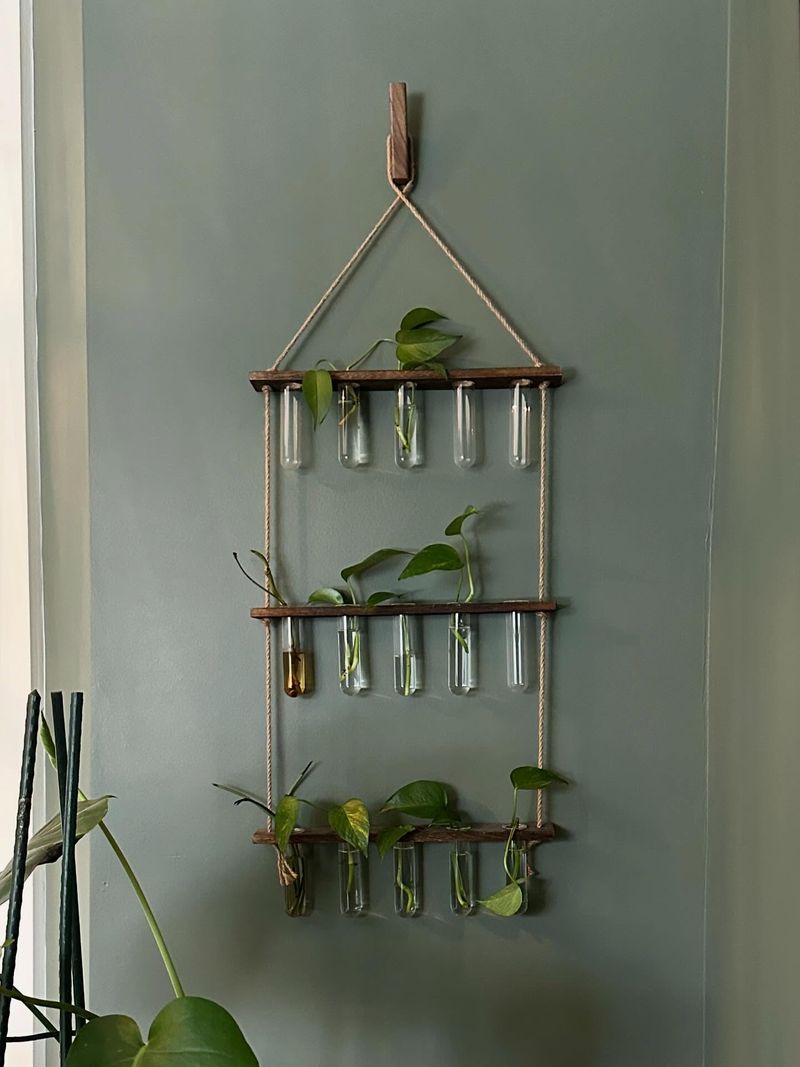
Runners stretch out from the mother plant like nature’s own propagation system. These specialized stems produce baby plants at intervals, creating a cascading display while offering endless propagation opportunities.
Spider plants are the most famous runner producers, but strawberry begonias and some ferns use this strategy too.
Spider plant runners can be rooted without separation, allowing the baby to draw nutrients from its parent while establishing roots.
Position a small pot of moist soil beneath a plantlet and rest it on the surface. The baby roots quickly when it touches soil, usually within one or two weeks of contact.
Once roots anchor firmly into the new pot, use scissors to snip the connecting runner. Your new plant continues growing independently while the parent produces more babies.
Some Michigan gardeners keep propagation pots arranged around their spider plants constantly, creating a production line of new specimens.
Alternatively, you can cut plantlets with a short section of runner attached and root them in water like regular stem cuttings.
This method works well when you need many plants quickly or want to share with friends. Strawberry begonias produce runners with especially charming plantlets that root eagerly.
The parent plant suffers no harm from runner removal and often responds by producing even more. This effortless propagation method provides steady plant supplies throughout the year in your Michigan home.
Grow Plants From Seed Indoors
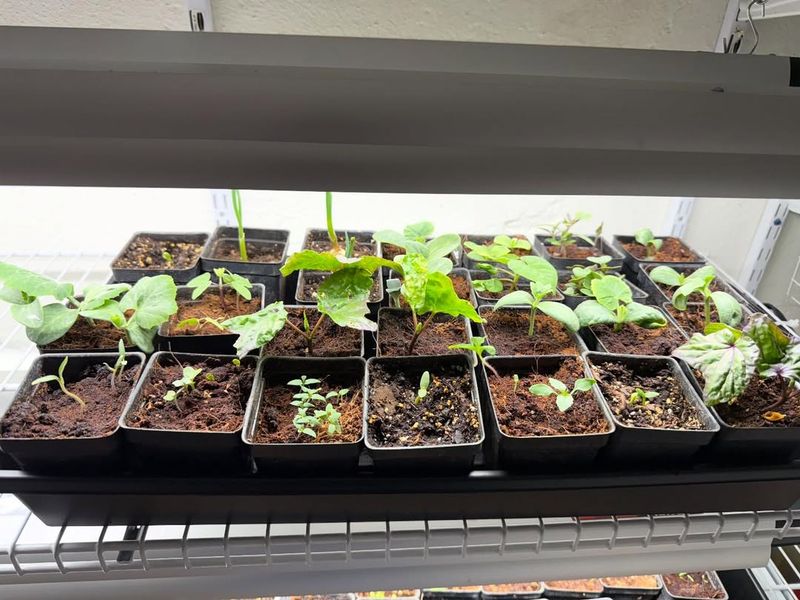
Starting houseplants from seed offers adventure and variety beyond what cuttings provide.
While slower than other methods, seed propagation lets you grow unusual varieties and experience the complete plant life cycle. Michigan winters provide stable indoor temperatures that many seeds need for germination.
Choose seeds from reliable suppliers, selecting varieties known to grow well as houseplants. Coleus, begonias, and some palms germinate readily indoors. Fill seed starting trays with sterile seed starting mix, which drains well while holding moisture.
Moisten the mix thoroughly before planting so you avoid washing seeds away later. Follow packet directions for planting depth, as some seeds need light to germinate while others prefer darkness.
Cover your trays with clear plastic domes or wrap to maintain humidity and warmth. Most houseplant seeds germinate best between 70 and 75 degrees Fahrenheit, typical for heated Michigan homes.
Place trays under bright light or grow lights once seedlings emerge, keeping them about six inches from the light source.
Water from below by adding water to the tray rather than pouring from above. Seedlings grow slowly at first, developing strong roots before producing many leaves.
Transplant into individual pots once seedlings develop their second set of true leaves. Growing from seed takes patience but costs very little and provides satisfaction that other methods cannot match.
Re-Root Leggy Or Overgrown Plants
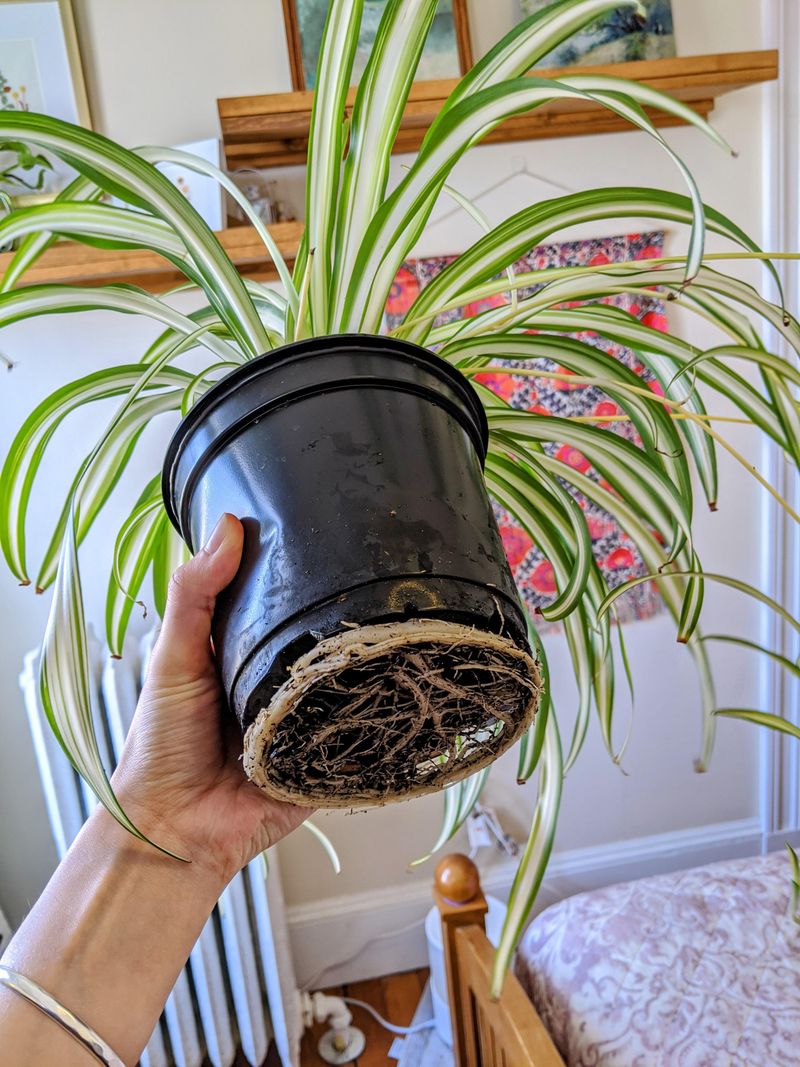
Stretched-out plants with long bare stems and sparse foliage need not be discarded. These leggy specimens provide excellent propagation material while solving an appearance problem.
Cutting back overgrown plants creates multiple new specimens and encourages bushier growth on the parent.
Examine your plant to identify the healthiest stem sections with the most nodes. Use clean, sharp scissors to cut the plant into sections, making each piece four to six inches long with at least two nodes.
The parent plant can be cut back severely, as most houseplants regrow vigorously from remaining nodes.
Root your cuttings using either water or soil methods, depending on the plant variety. Pothos, philodendron, and coleus root quickly in water, while succulents and begonias prefer direct soil planting.
You might get six or eight new plants from one overgrown specimen. The original plant benefits tremendously from this severe pruning.
New growth emerges fuller and more compact, creating a bushier shape than before. Place the parent plant in bright light and fertilize lightly to encourage rapid regrowth.
Within a few months, both the parent and your new plants will look spectacular. Michigan gardeners often perform this renewal process in early spring when increasing daylight supports vigorous growth.
This technique essentially gives you free plants while improving the appearance of your existing collection.
Share And Exchange Cuttings With Other Gardeners
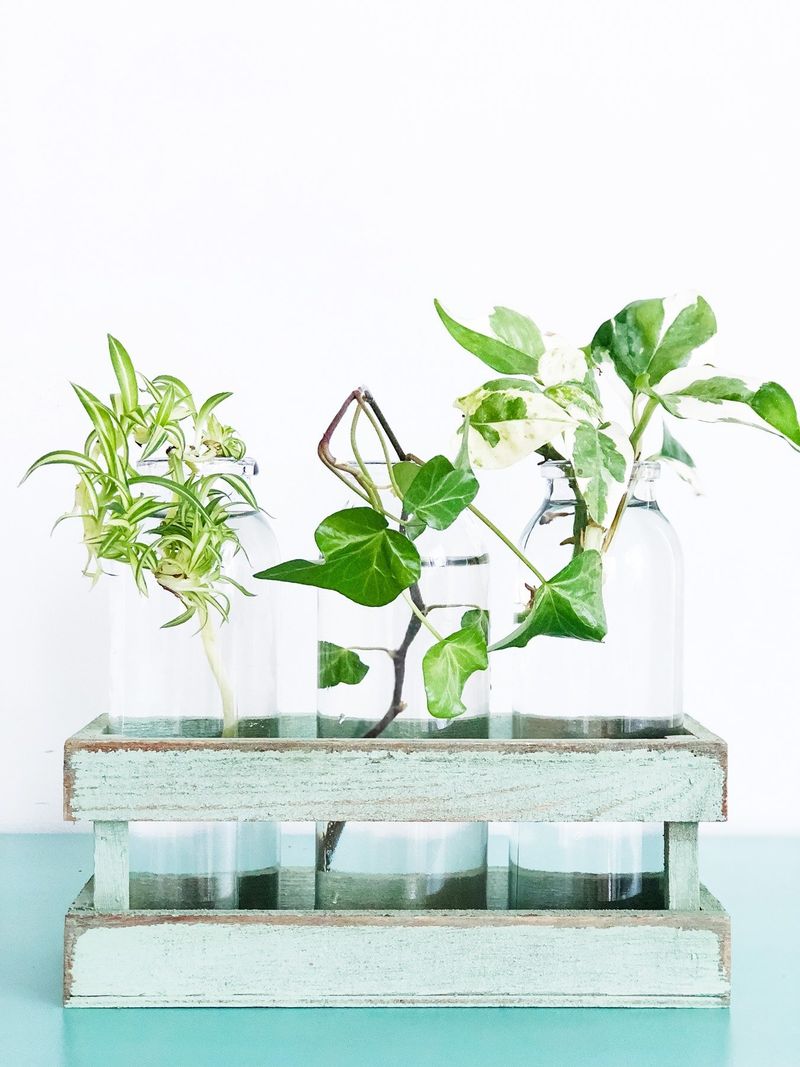
The houseplant community thrives on generosity and sharing. Trading cuttings with other gardeners builds your collection while creating friendships and connections.
Michigan has active plant swap groups online and at local libraries, offering access to rare varieties without any cost.
Start by taking healthy cuttings from your most vigorous plants. Prepare them using appropriate methods for each species, either rooting them first or offering fresh cuttings.
Package cuttings carefully in damp paper towels and plastic bags for transport to swap events or when mailing to distant friends.
Join local plant groups on social media where members regularly offer cuttings and trade specimens.
Many Michigan communities host seasonal plant swaps at libraries, community centers, or gardens. These events let you meet fellow enthusiasts while expanding your collection with interesting varieties.
Online plant communities also facilitate trading through mail. Proper packaging keeps cuttings fresh during shipping, and many gardeners successfully trade across the country.
Always research any regulations about shipping plants across state lines, though most houseplant cuttings travel freely.
Sharing creates a sustainable cycle where everyone benefits without spending money. You might trade a common pothos cutting for a rare philodendron variety or unusual succulent. The social aspect adds enjoyment beyond just acquiring new plants.
Many Michigan gardeners find that their best specimens came from generous friends rather than stores, and they continue the tradition by sharing their own propagation success with newcomers to the hobby.