How Michigan Gardeners Grow Microgreens In Small Apartments
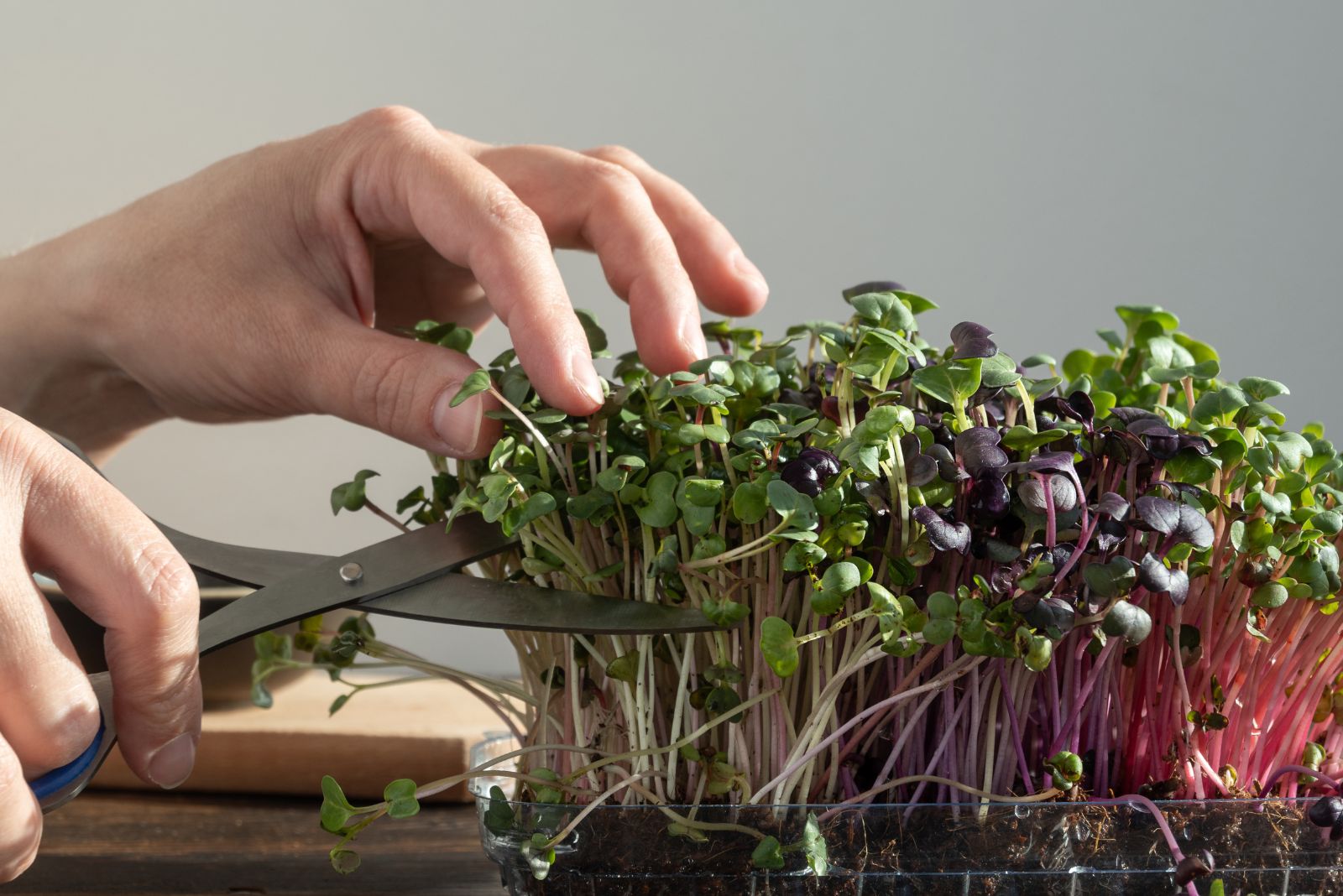
If you live in a Michigan apartment but still crave fresh, homegrown greens, microgreens might be your perfect solution. These tiny, nutrient-packed plants grow fast, need very little space, and thrive indoors even during long winter months.
You do not need a backyard, fancy equipment, or tons of sunlight to get started. A small tray, a bright windowsill, and a little daily care can produce crisp, flavorful greens in just a couple of weeks.
Michigan gardeners love microgreens because they bring fresh taste to meals year-round, especially when outdoor gardening is on pause. From spicy radish to mild pea shoots, there is a variety for every taste.
If you want a simple, low-cost way to grow your own food indoors, you are about to see how easy it is to grow healthy, delicious microgreens right in your small apartment.
Choose Fast-Growing Seeds
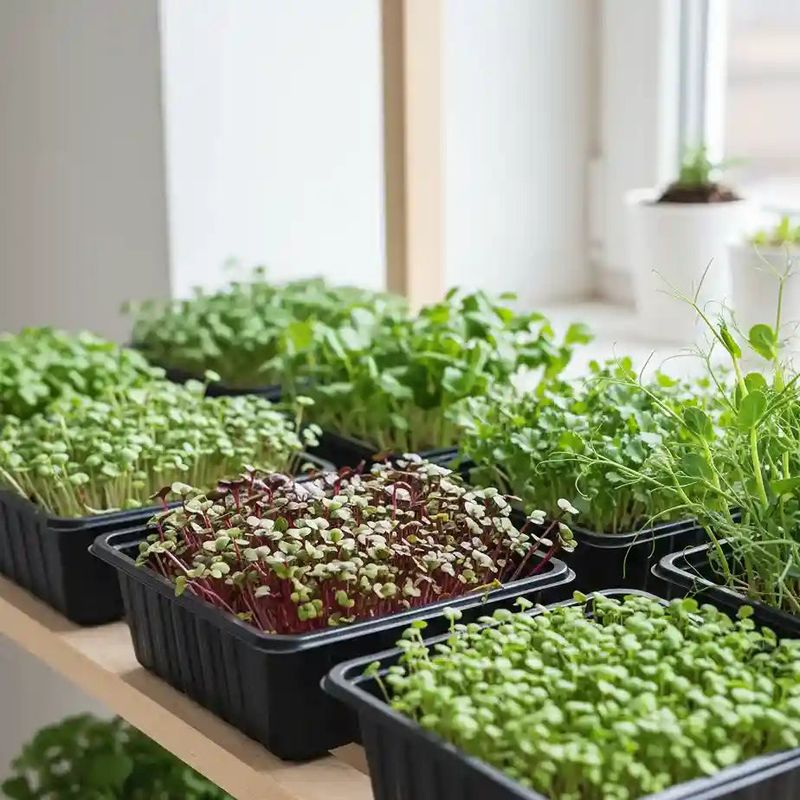
Some seeds sprout faster than others, and that matters when you want fresh greens quickly. Radish microgreens often appear in just three days, making them favorites among apartment gardeners.
Broccoli and mustard follow closely behind with their peppery flavors and quick growth cycles.
Sunflower microgreens take slightly longer but reward you with crunchy texture and nutty taste. These varieties work perfectly in Michigan apartments because they need minimal care and space.
Fast germination means you see results quickly, which keeps you motivated to continue growing.
Michigan gardeners appreciate varieties that tolerate indoor conditions well. Seeds like arugula and kale also grow reliably under artificial light. The key is selecting types that match your taste preferences and growing timeline.
Starting with proven varieties builds confidence for beginners. You can experiment with exotic options once you master the basics. Most seed packets indicate germination time, helping you plan your harvest schedule.
Buying quality seeds from reliable sources ensures better germination rates. Organic, untreated seeds work best for food crops you plan to eat.
Many Michigan garden centers now stock microgreen seed mixes designed specifically for indoor growing.
Fast-growing seeds mean continuous harvests throughout winter. You can stagger plantings every few days for constant fresh greens. This approach transforms your small apartment into a productive mini farm.
Use Shallow Trays
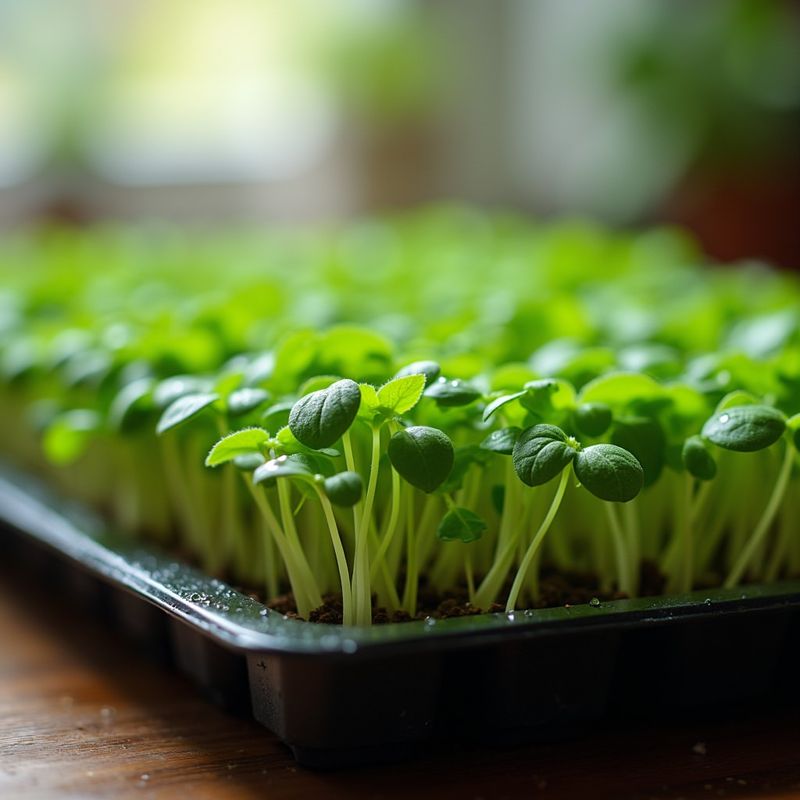
Deep containers waste precious vertical space in small apartments. Shallow trays measuring just one to two inches deep work perfectly for microgreens.
These plants develop short root systems that don’t require much depth.
Plastic trays with drainage holes prevent water from pooling at the bottom. Standing water leads to mold problems that ruin entire batches.
Michigan’s indoor heating during winter creates dry air, but proper drainage remains essential.
Standard 10×20 inch seed trays fit nicely on most windowsills. You can stack multiple trays vertically using shelving units to maximize space. This vertical approach lets you grow several varieties simultaneously in tight quarters.
Reusable trays save money over time compared to disposable options. Look for sturdy plastic that withstands repeated washing and use. Some gardeners repurpose food containers by punching drainage holes in the bottom.
Clear plastic lids help maintain humidity during germination. After seeds sprout, remove the cover to allow air circulation. Proper airflow prevents fungal issues common in enclosed apartment spaces.
Shallow trays dry out faster than deep pots, requiring more frequent watering. This actually helps you monitor moisture levels closely and avoid overwatering. Michigan apartment growers find that checking trays daily becomes a pleasant routine.
Lightweight trays make it easy to move plants around. You can rotate them toward light sources or relocate them during cleaning. Portability matters when living in smaller spaces with limited growing areas.
Opt For Seed-Starting Mix Or Coco Coir
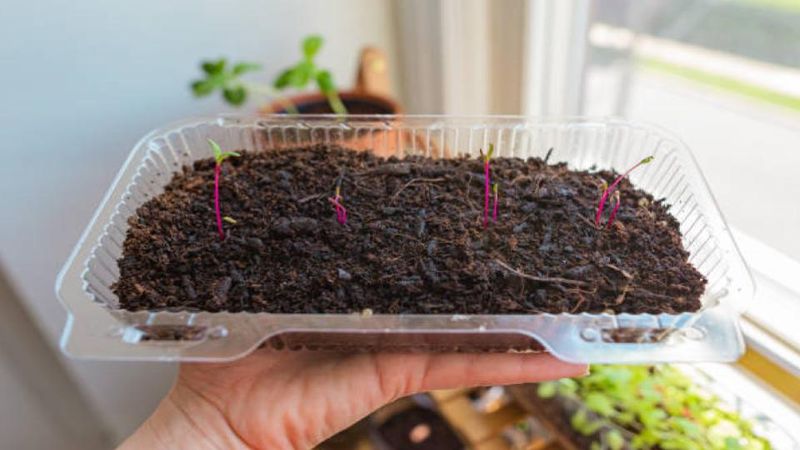
Regular garden soil feels too heavy for microgreen production in containers. Seed-starting mix offers the light, fluffy texture these fast-growing plants prefer. The mix allows tiny roots to spread easily while maintaining proper moisture balance.
Coco coir comes from coconut husks and provides excellent water retention. This natural fiber resists compaction better than peat-based products.
Michigan gardeners appreciate how coco coir stays consistently moist without becoming waterlogged.
Lightweight growing mediums prevent trays from becoming too heavy for shelves. This matters when you stack multiple trays in vertical growing systems. Both options drain well, reducing the risk of root problems.
Sterile mediums reduce the chance of introducing pests or diseases indoors. Pre-moistening your growing medium before planting helps seeds settle properly. Simply add water until the material feels like a wrung-out sponge.
Seed-starting mix typically contains perlite or vermiculite for added drainage. These materials create air pockets that roots need for healthy development.
Coco coir naturally resists mold growth, a common concern in humid apartment environments.
Both options remain affordable and widely available at Michigan garden centers. You can buy compressed coco coir bricks that expand when moistened.
This saves storage space in small apartments where every closet counts.
Avoid using mediums with added fertilizers for microgreens. These young plants harvest before they need supplemental nutrients. The seed itself contains everything required for initial growth and flavor development.
Provide Adequate Light
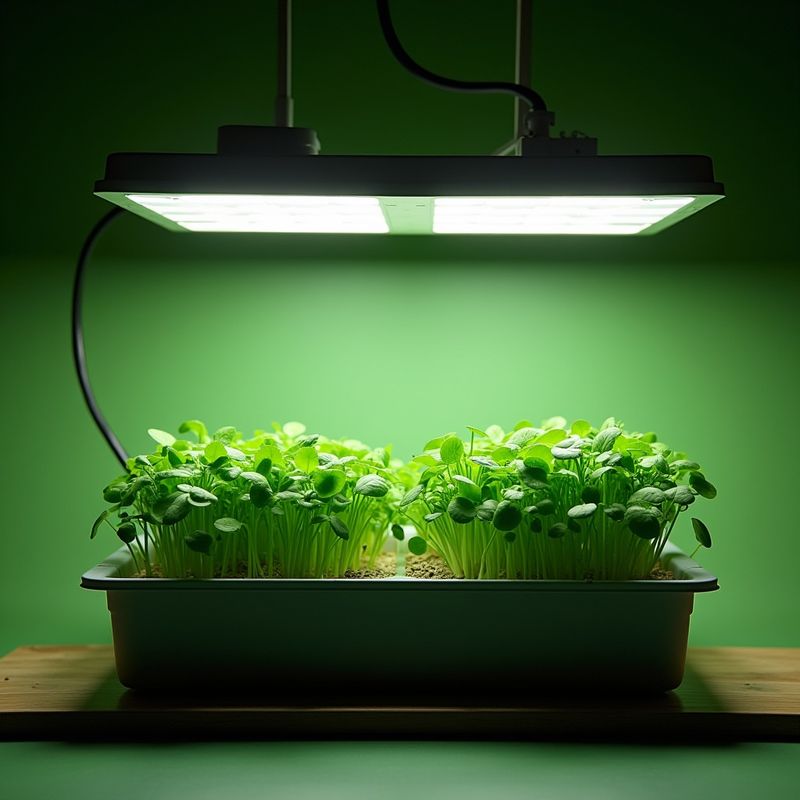
Natural sunlight works wonderfully when you have south or east-facing windows. Michigan winters offer shorter days, so supplemental lighting often becomes necessary.
Microgreens need twelve to sixteen hours of light daily for strong, healthy growth. LED grow lights consume less electricity than older fluorescent options. They produce minimal heat, which matters in small spaces where temperature control is tricky.
Position lights just a few inches above your trays for best results.
Windows facing south receive the most consistent light throughout the day. East-facing windows catch morning sun, which helps plants start their daily growth cycle.
Northern exposures rarely provide enough intensity for robust microgreen production.
Watch your plants for signs of insufficient lighting. Leggy, pale seedlings stretching toward light sources need stronger illumination. Compact, deep-green growth indicates your lighting setup works well.
Timer switches automate your light schedule, ensuring consistency. Plants thrive on predictable day-night cycles even indoors. Set timers to turn lights on at sunrise and off after sixteen hours.
Michigan apartment dwellers often combine natural and artificial light sources. This hybrid approach reduces electricity costs while ensuring adequate illumination.
Move trays closer to windows on sunny days and rely on grow lights during cloudy periods.
Full-spectrum LED bulbs mimic natural sunlight most effectively. These bulbs support photosynthesis throughout all growth stages.
Quality lighting represents your most important investment for successful indoor microgreen production.
Maintain Consistent Moisture
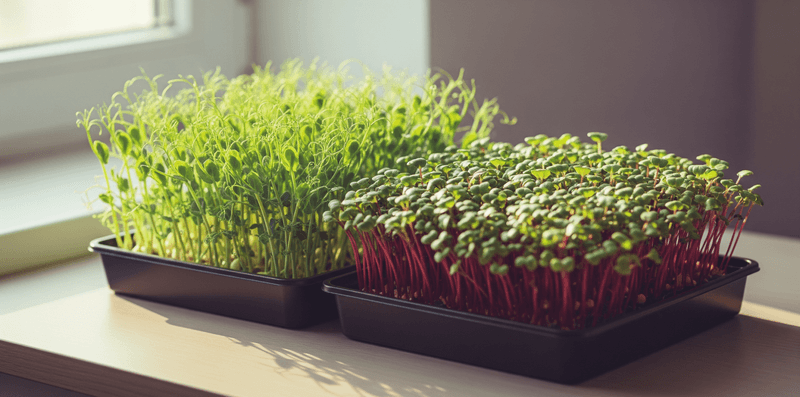
Microgreens need steady moisture but absolutely hate sitting in puddles. Think of it like keeping a sponge damp but not dripping wet.
Too much water invites mold, while too little causes seeds to fail.
Spray bottles work beautifully for gentle watering without disturbing tiny seedlings. The fine mist settles evenly across the growing surface. Michigan’s dry winter air from indoor heating means you might water twice daily.
Bottom watering provides another effective technique for established microgreens. Place your tray in a larger container with water and let it soak up moisture.
This method encourages roots to grow downward while keeping foliage dry.
Check moisture levels by touching the growing medium with your finger. It should feel cool and slightly damp throughout. Dry spots need immediate attention before seedlings suffer stress.
Morning watering gives plants all day to use moisture for growth. Evening watering can leave surfaces damp overnight, increasing mold risk. Consistent timing helps you develop a reliable routine.
Different varieties have slightly different water needs. Sunflower microgreens drink more than delicate arugula seedlings. Pay attention to how quickly each tray dries out and adjust accordingly.
Humidity domes or plastic covers help retain moisture during germination. Remove covers once seeds sprout to improve air circulation. Michigan apartment growers balance humidity and airflow carefully to prevent problems.
Water temperature matters more than many beginners realize. Room-temperature water avoids shocking tender roots.
Cold water straight from the tap can slow growth during Michigan winters.
Cover Seeds Initially
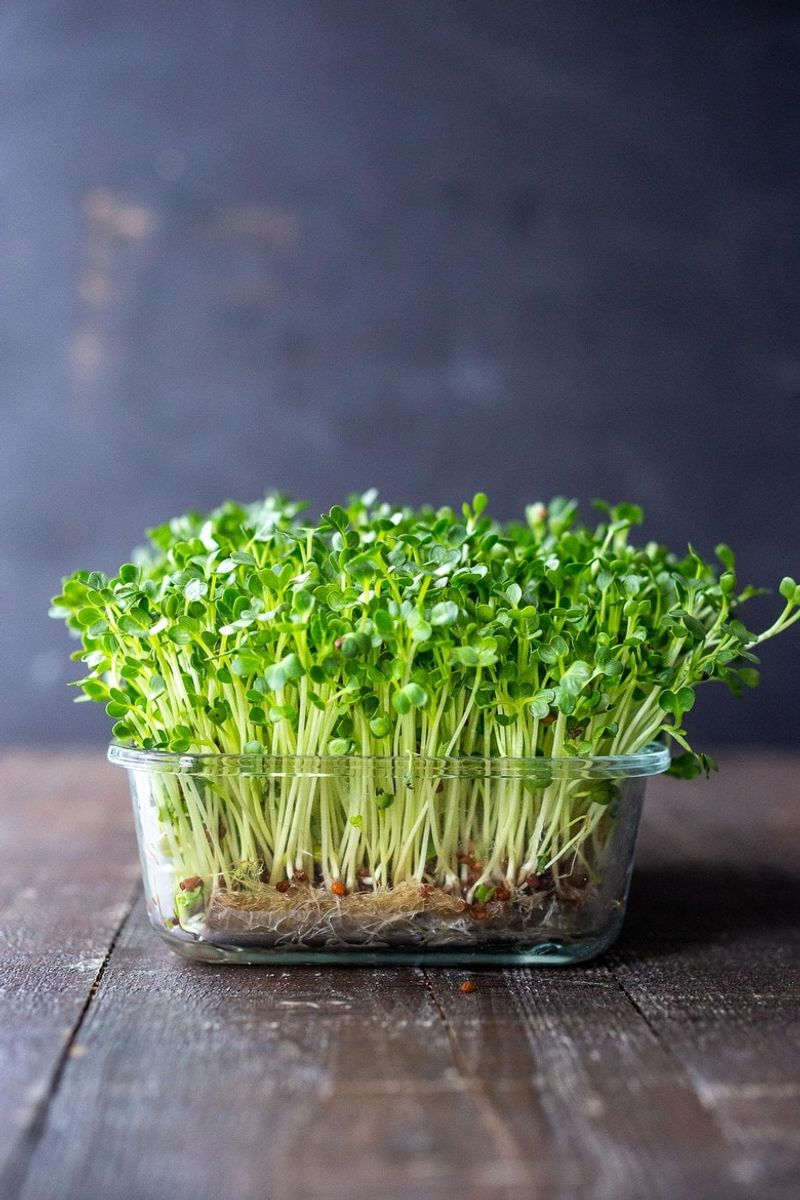
Darkness and humidity help seeds germinate faster and more uniformly. Covering trays with another inverted tray creates the perfect environment. Seeds think they’re buried in soil and respond by sprouting quickly.
Clear plastic lids let you monitor progress without disturbing the setup. Condensation forming inside indicates proper humidity levels. This mini greenhouse effect speeds germination by several days.
Michigan apartment temperatures fluctuate with heating cycles. Covers maintain stable conditions despite environmental changes.
Seeds appreciate this consistency during their vulnerable early stage.
Leave covers in place until you see most seeds sprouting. This typically takes two to four days depending on variety.
Once green shoots appear, remove the cover to prevent stretching.
Weight can improve seed-to-soil contact during the covered period. Some growers place a light board on top of covered trays.
This gentle pressure encourages stronger root development.
Avoid leaving covers on too long after germination begins. Trapped moisture without air circulation promotes mold growth.
Check trays daily so you catch the perfect moment to uncover.
Reusable covers save money and reduce waste over time. Wash them between batches to prevent disease transmission.
Simple plastic wrap works in a pinch for budget-conscious Michigan gardeners.
The covering technique works especially well for larger seeds like sunflower. Tiny seeds like mustard still benefit but need less covering time. Adjust your approach based on seed size and variety.
Thin Seedlings If Necessary
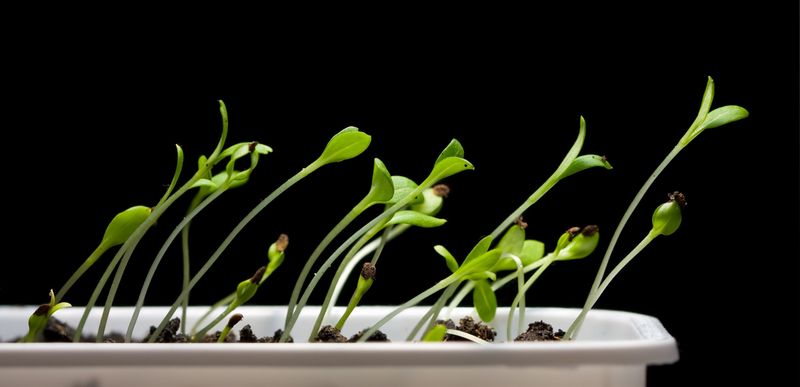
Enthusiasm sometimes leads to over-seeding trays with too many seeds. Crowded seedlings compete for light, water, and nutrients. Thinning creates space for remaining plants to develop properly.
Small scissors work perfectly for snipping excess seedlings at soil level. Pull out unwanted plants only if they come up easily.
Disturbing roots of keepers causes unnecessary stress.
Michigan apartment growers learn optimal seeding density through practice. Generally, seeds should nearly touch but not pile on top of each other.
This spacing allows good air circulation between plants.
Thinning becomes necessary when seedlings look leggy and pale. Overcrowding blocks light from reaching lower leaves.
Proper spacing produces stockier, more flavorful microgreens.
Save thinned seedlings for immediate use in salads or smoothies. These baby greens still offer nutrition and flavor.
Nothing goes to waste when you plan ahead.
Some varieties tolerate crowding better than others. Mustard and arugula grow densely without major issues. Larger-seeded varieties like sunflower need more personal space.
Thinning early prevents bigger problems later in the growth cycle. Mold spreads quickly through dense plantings.
Good airflow resulting from proper spacing keeps plants healthier.
Mark your seed packages with notes about seeding density. Next time you plant that variety, you’ll remember the perfect amount. This learning process improves your results with each batch.
Consider thinning as quality control for your microgreen operation. Fewer, healthier plants produce better harvests than many weak ones.
Michigan gardeners prioritize quality over quantity in limited apartment spaces.
Harvest At The Right Time
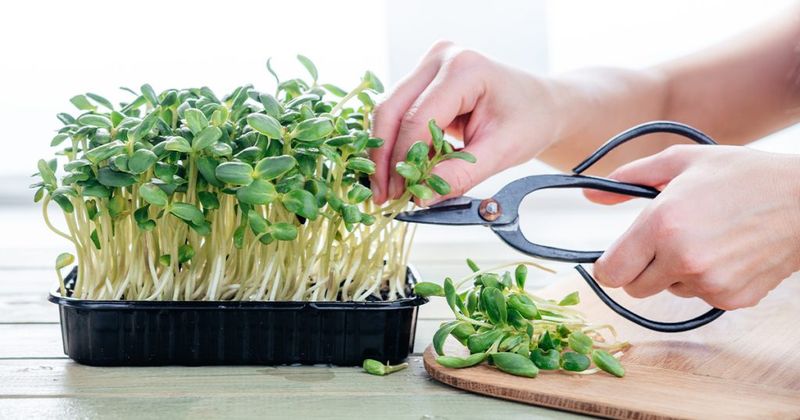
Perfect harvest timing makes the difference between okay and amazing microgreens. Most varieties reach ideal size between seven and twenty-one days.
Height matters more than age when deciding to harvest.
Cut microgreens when they reach two to four inches tall. Use sharp scissors or a knife to snip just above soil level.
Clean cuts heal quickly and reduce the chance of rot. First true leaves signal peak flavor and nutrition for most varieties. These look different from the initial seed leaves that appear first.
Michigan apartment gardeners learn to recognize this stage through experience.
Harvest in the morning when plants are most hydrated and crisp. Afternoon heat from radiators can make greens slightly wilted.
Fresh-cut microgreens store better when harvested at their peak hydration.
Taste-testing helps you determine your preferred harvest stage. Some people enjoy younger, milder greens while others prefer stronger flavors. Personal preference guides your timing as much as general guidelines.
Stagger your plantings so new trays mature as you harvest others. This rotation provides continuous fresh greens throughout Michigan winters.
Planning ahead ensures you never run out between batches.
Rinse harvested microgreens gently in cool water. Spin them dry in a salad spinner or pat with towels. Proper handling extends refrigerator life to five to seven days.
Some varieties regrow after cutting, though quality declines. Microgreens typically provide one excellent harvest. Starting fresh trays produces better results than trying for second cuttings.
Rotate Trays For Even Growth
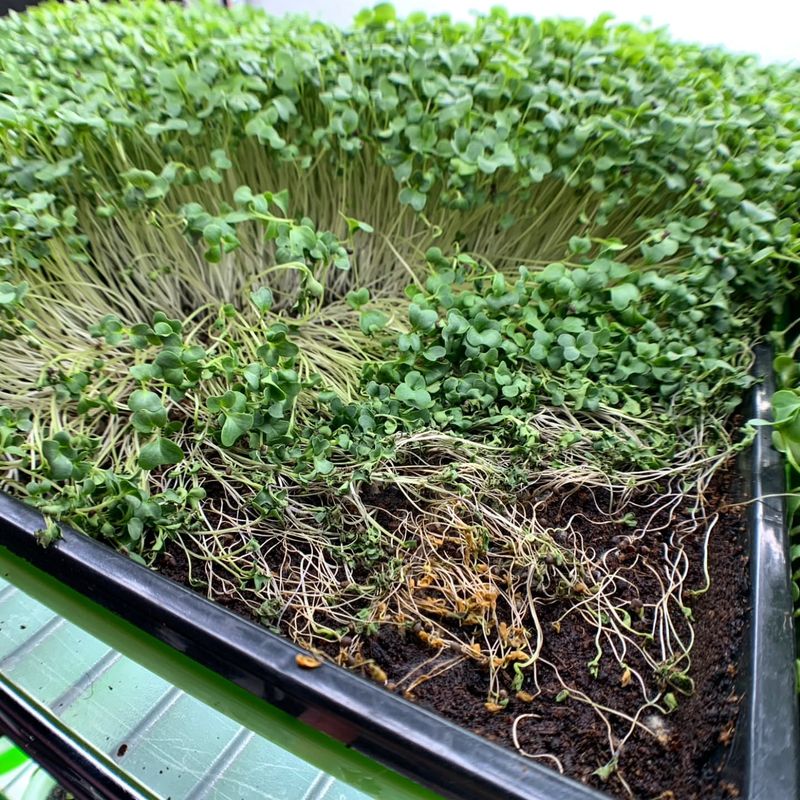
Windows provide directional light that causes plants to lean and stretch. Rotating trays every day or two promotes balanced growth.
This simple step takes just seconds but makes a noticeable difference.
Turn trays 180 degrees so the back becomes the front. Plants on the shaded side get their turn near the window.
Even growth produces more uniform, attractive microgreens for meals. LED grow lights eliminate the need for rotation if positioned directly overhead. Side-mounted lights still require occasional turning.
Michigan apartment setups vary, so observe your plants and adjust accordingly.
Seedlings naturally grow toward the strongest light source. This phototropism helps plants find sun outdoors. Indoors, it creates lopsided trays unless you intervene.
Consistent rotation becomes part of your daily care routine. Check moisture levels while you’re turning trays. This combined approach saves time and keeps you connected with your plants.
Multiple trays benefit from position swapping as well as rotation. Move trays from optimal spots to less ideal locations periodically. This ensures all your microgreens receive fair treatment.
Tall, leggy growth on one side indicates insufficient rotation. Compact, even growth across the entire tray shows proper light distribution.
Your plants tell you whether your rotation schedule works.
Mark one corner of each tray with tape or marker. This helps you remember which direction you last rotated.
Small organizational tricks make consistent care easier in busy apartment life.
Rotating trays also lets you inspect all sides for potential problems. Mold or pests often start in hidden back corners. Regular turning brings issues into view before they spread.
Sanitize Trays Between Batches
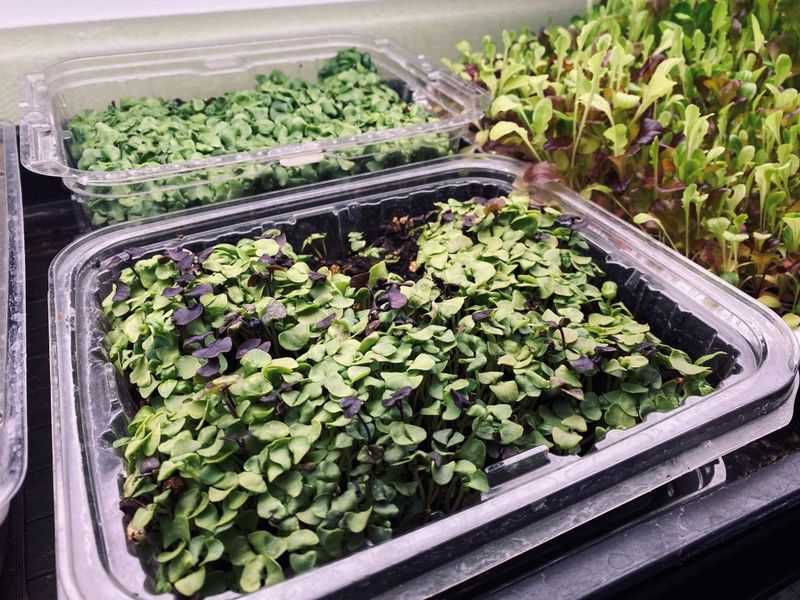
Dirty trays harbor mold spores and bacteria that attack new plantings. Washing equipment between crops prevents disease carryover.
This simple hygiene practice dramatically improves success rates.
Hot, soapy water removes most organic debris from plastic trays. Scrub thoroughly with a brush to reach corners and drainage holes. Rinse completely to avoid soap residue affecting future plants.
Diluted bleach solution provides extra sanitization for stubborn problems. Mix one tablespoon bleach per gallon of water. Soak trays for ten minutes, then rinse thoroughly before reusing.
Michigan apartments often have limited drying space for wet trays. Stack them carefully with paper towels between layers. Air circulation helps everything dry faster and prevents new mold growth.
Sanitize scissors, spray bottles, and any other tools touching plants. Disease spreads easily through contaminated equipment. Clean tools are as important as clean trays.
Some growers prefer hydrogen peroxide over bleach for sanitizing. This alternative breaks down into water and oxygen, leaving no residue. Either option works well when used correctly.
Establish a cleaning station in your apartment for gardening supplies. Keeping everything organized makes sanitation easier. Michigan winters mean more indoor time, so efficient systems matter.
Replace trays showing cracks or permanent staining. Damaged plastic harbors pathogens in places you cannot clean. Investing in quality trays that last longer saves money overall.
Clean trays smell fresh and look inviting for new plantings. This attention to detail separates successful growers from frustrated ones. Your microgreens deserve a fresh start with every batch.