How Michigan Gardeners Improve Soil Biology Naturally
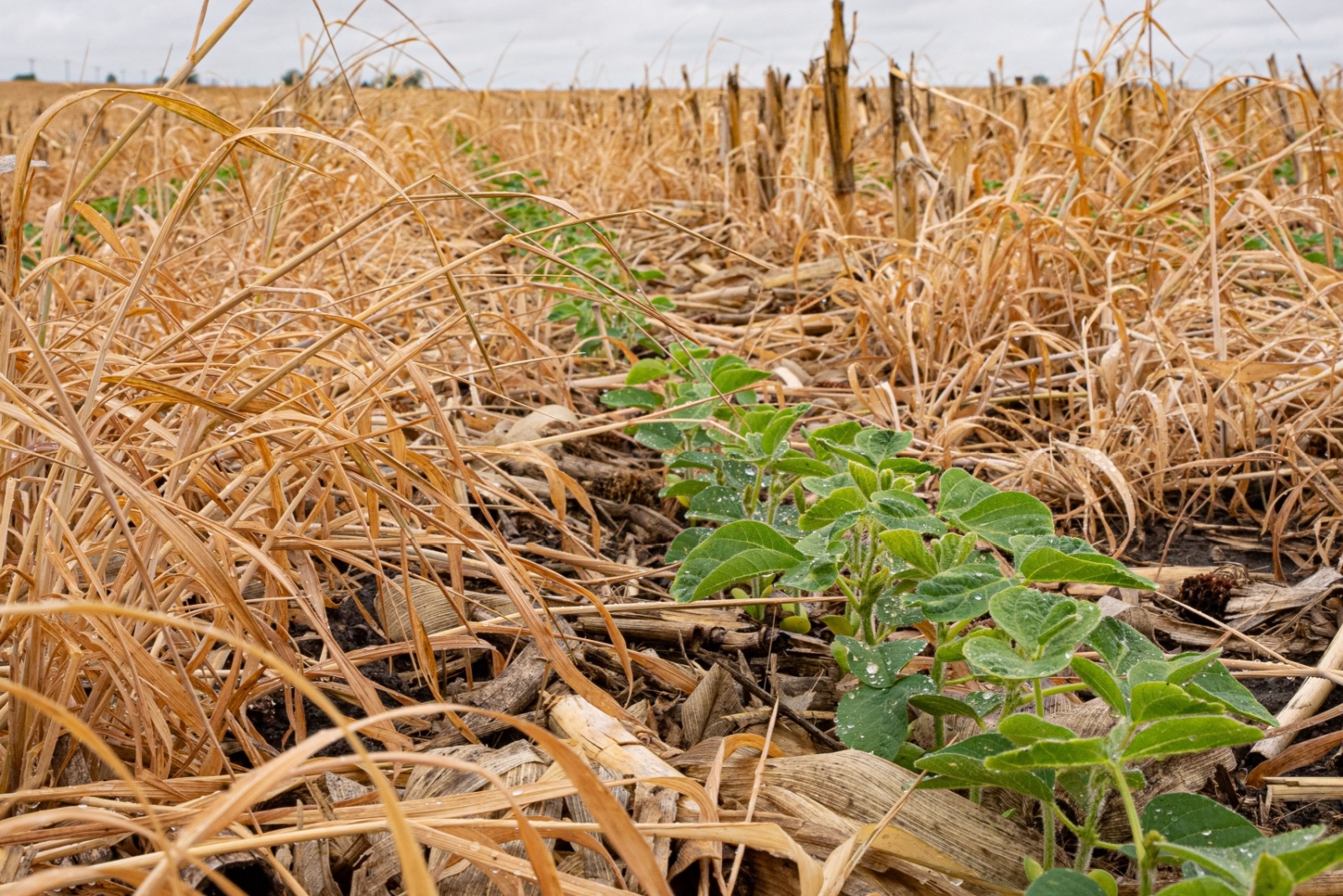
Michigan gardeners know that healthy soil is the foundation of a thriving garden, and the secret lies beneath the surface in a bustling world of tiny organisms.
These microscopic helpers work around the clock to break down organic matter, release nutrients, and create the perfect environment for plants to flourish.
Instead of relying on synthetic chemicals, more and more gardeners across the Great Lakes
State are turning to natural methods that support and enhance the living community in their soil.
The results speak for themselves—stronger plants, better harvests, and gardens that practically take care of themselves once the soil biology is balanced and thriving.
Adding Compost Throughout The Growing Season
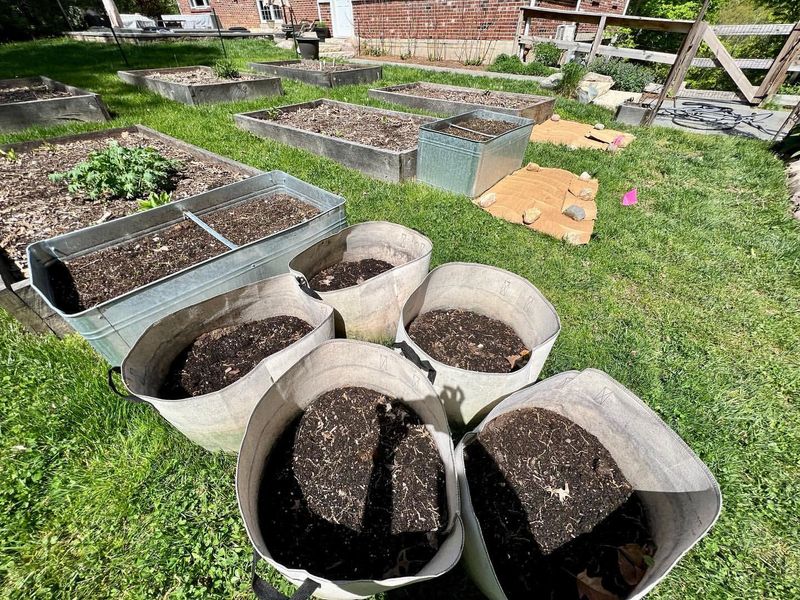
Organic matter is the breakfast, lunch, and dinner for billions of beneficial microbes living in your garden beds.
When you layer finished compost onto your soil, you’re essentially inviting an entire ecosystem to move in and set up shop.
Michigan gardeners have discovered that regular applications—spring, summer, and fall—keep the microbial population fed and active.
A two-inch layer spread across vegetable beds or worked gently into the top few inches provides food for bacteria, fungi, and countless other organisms.
The decomposition process releases nitrogen, phosphorus, and other essential nutrients in forms plants can easily absorb.
Compost also improves soil structure, creating air pockets that allow roots to breathe and water to move freely.
Many gardeners in Michigan make their own compost from kitchen scraps, grass clippings, and fallen leaves, turning waste into black gold.
Others purchase high-quality compost from local suppliers who specialize in creating biologically active blends.
Either way, consistent compost additions transform tired soil into a living, breathing foundation for garden success.
The investment pays dividends year after year as soil health compounds.
Mulching With Natural Materials

A protective blanket of organic mulch does far more than just suppress weeds and conserve moisture.
Wood chips, shredded leaves, straw, and grass clippings slowly break down at the soil surface, feeding the organisms that live in the top layer.
This gradual decomposition mimics what happens naturally in forests, where fallen leaves and branches create a nutrient-rich layer teeming with life.
Michigan gardeners appreciate how mulch moderates soil temperature, keeping roots cooler in summer and warmer during chilly spring nights.
The material acts as a buffer against heavy rains, preventing erosion and protecting delicate soil structure from compaction.
As earthworms and other creatures pull bits of mulch underground, they create channels that improve drainage and aeration.
Fungi colonize wood chips and other coarse materials, forming networks that transport nutrients and water throughout the garden.
A three to four-inch layer applied in spring lasts most of the season, slowly shrinking as it feeds the soil community below.
Avoid piling mulch against plant stems to prevent rot, and refresh the layer annually to maintain its benefits.
The result is soil that stays biologically active and physically healthy season after season.
Planting Cover Crops Between Seasons
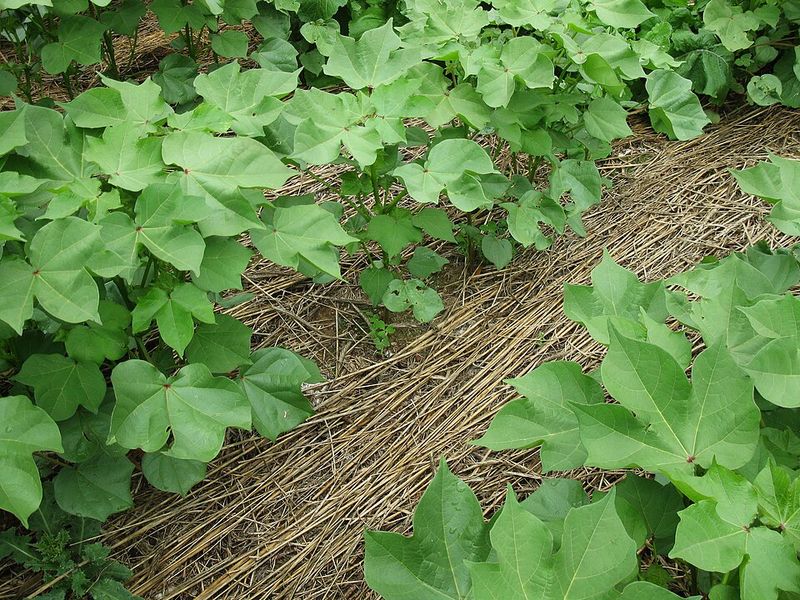
Empty garden beds are missed opportunities for building soil health and supporting underground ecosystems.
Cover crops like clover, rye, and hairy vetch grow quickly during Michigan’s cooler months, protecting bare soil from erosion while their roots feed beneficial organisms.
These plants pump sugars and other compounds into the root zone, attracting bacteria and fungi that form partnerships with the crops.
When you turn cover crops into the soil in spring, they decompose rapidly, releasing nutrients and adding organic matter that microbes feast upon.
Legumes like clover have a special talent—they work with bacteria to capture nitrogen from the air and store it in root nodules.
This natural fertilizer becomes available to your vegetable crops without any synthetic inputs.
Grasses like rye develop extensive root systems that break up compacted soil and create pathways for water and air.
Many Michigan gardeners plant cover crops in late summer or early fall, timing the planting to give the crops several weeks to establish before frost.
Others use quick-growing options like buckwheat during short breaks between spring and fall plantings.
The practice transforms downtime into productive periods that strengthen the entire garden ecosystem.
Brewing And Applying Compost Tea

Think of compost tea as a probiotic drink for your garden—a liquid teeming with beneficial microorganisms extracted from quality compost.
The brewing process involves steeping compost in water with aeration and sometimes a food source like molasses to multiply the microbial population.
After 24 to 48 hours, the resulting tea contains millions of bacteria, fungi, protozoa, and nematodes ready to colonize your soil and plant surfaces.
Michigan gardeners spray diluted compost tea on leaves to create a protective barrier against harmful organisms, or pour it around plant roots to boost soil biology.
The application introduces diversity to the microbial community, which can help suppress problems and improve nutrient cycling.
Some gardeners invest in specialized brewers with air pumps, while others use simple bucket systems with aquarium aerators.
The key is maintaining oxygen levels during brewing to encourage beneficial aerobic organisms rather than harmful anaerobic ones.
Fresh tea works best—use it within a few hours of finishing the brew for maximum microbial activity.
Regular applications throughout the growing season keep populations high and plants thriving.
The practice has gained popularity as gardeners see visible improvements in plant vigor and resilience.
Reducing Tillage And Soil Disturbance

Every time you turn the soil with a rototiller or deep spade work, you’re disrupting an intricate network of fungal threads and destroying the homes of countless organisms.
The no-till approach has revolutionized how many Michigan gardeners manage their plots, focusing on adding amendments to the surface rather than mixing everything up.
Fungi form vast underground networks called mycorrhizae that connect plant roots and transport nutrients across long distances—networks that tillage destroys instantly.
Without constant disruption, these fungal highways expand year after year, making your garden more efficient at feeding itself.
Soil structure improves naturally as organisms create aggregates and channels, eliminating the need for mechanical loosening.
Worms and other creatures do the mixing for you, pulling surface organic matter down into lower layers where it feeds deeper-dwelling microbes.
Many gardeners use permanent raised beds or defined pathways to avoid compacting growing areas with foot traffic.
When planting, they create small holes or shallow furrows rather than turning entire beds.
The transition takes patience—soil may seem dense at first—but within a season or two, biological activity transforms the texture.
Plants develop stronger root systems and show improved drought tolerance in undisturbed soil.
Incorporating Biochar Into Garden Beds
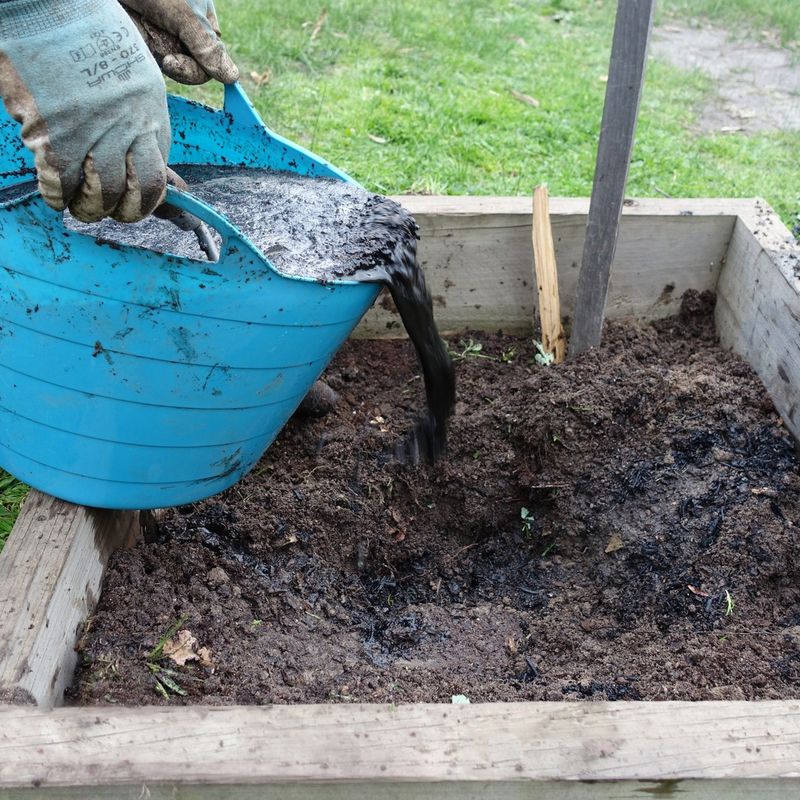
Charcoal produced specifically for soil improvement offers a unique way to boost microbial habitat and nutrient retention simultaneously.
Biochar’s porous structure provides millions of tiny spaces where bacteria and fungi can establish protected colonies, safe from predators and environmental stress.
The material acts like a sponge, holding water and nutrients in its pores and releasing them slowly as plants need them.
Michigan gardeners typically charge biochar before application by soaking it in compost tea or mixing it with compost, which loads the pores with nutrients and microorganisms.
Once in the soil, biochar can last for decades or even centuries, creating permanent homes for beneficial organisms.
Research shows that biochar amendments increase overall microbial biomass and diversity, leading to more resilient soil ecosystems.
The carbon-rich material also helps soil retain nutrients that would otherwise wash away during Michigan’s heavy spring rains.
Application rates vary, but most gardeners start with a cup or two per square foot, mixed into the top several inches of soil.
Some make their own biochar through controlled burning of wood in oxygen-limited conditions, while others purchase pre-made products.
The investment pays off through improved soil performance that compounds over time.
Using Mycorrhizal Inoculants At Planting Time
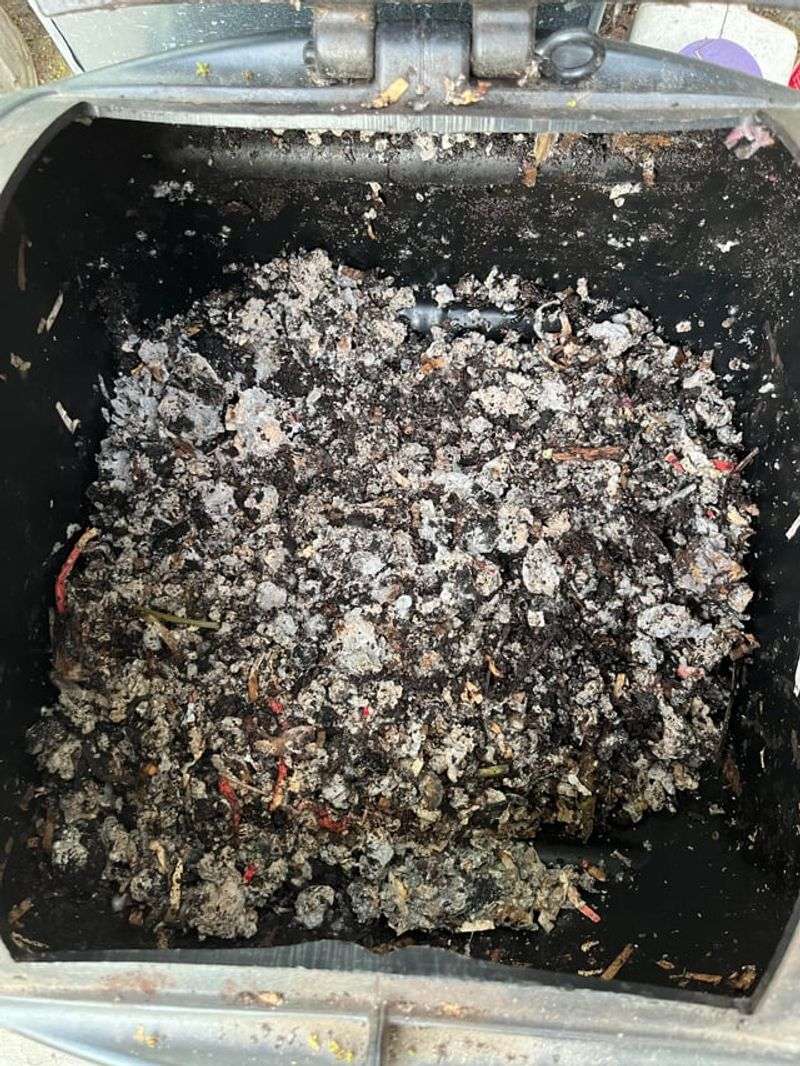
Certain beneficial fungi form partnerships with plant roots, extending their reach and dramatically improving nutrient and water uptake.
These mycorrhizal fungi receive sugars from plants in exchange for delivering phosphorus, nitrogen, and other minerals from areas roots cannot access.
The relationship is ancient—most plants evolved alongside these fungi and actually depend on them for optimal growth and health.
Commercial inoculants contain spores of multiple mycorrhizal species that colonize roots soon after application, establishing the beneficial partnership quickly.
Michigan gardeners dust transplant roots with the powder or mix it into planting holes, ensuring direct contact between fungi and roots.
The fungi spread through soil, creating vast underground webs that connect multiple plants and allow them to share resources and even warning signals.
Plants with active mycorrhizal partnerships show improved tolerance to drought, better resistance to certain soil-borne problems, and increased overall vigor.
The fungi also produce compounds that help bind soil particles together, improving structure and preventing erosion.
Once established, mycorrhizal networks persist for years, expanding with each new plant added to the garden.
The small upfront cost delivers enormous returns through healthier plants and more productive soil biology.
Maintaining Proper Soil Moisture Levels

Microorganisms need water just like plants do—too little and they go dormant, too much and beneficial species suffocate while harmful ones thrive.
The ideal moisture level feels like a wrung-out sponge, damp enough to support life but with plenty of air spaces for organisms that need oxygen.
Michigan’s weather can swing from drought to downpour, so gardeners use mulch and compost to buffer these extremes and maintain consistent conditions.
Drip irrigation and soaker hoses deliver water directly to root zones without waterlogging soil or washing away surface organisms.
These systems allow for slow, deep watering that encourages both roots and microbes to establish at various depths.
Well-structured soil with good organic matter content naturally manages moisture better, holding water when needed and draining excess when rains come.
Gardeners check moisture by feeling soil several inches down—if it sticks together lightly when squeezed, conditions are right for biological activity.
During hot summers, consistent watering keeps microbial populations active and working to support plants through stress.
In spring and fall, natural rainfall often provides enough moisture, though checking periodically prevents unexpected dry spells from harming soil life.
Balanced moisture creates the foundation for all other soil-building practices to succeed.