How Michigan Gardeners Keep Poinsettias Alive Through Dry Winter Air
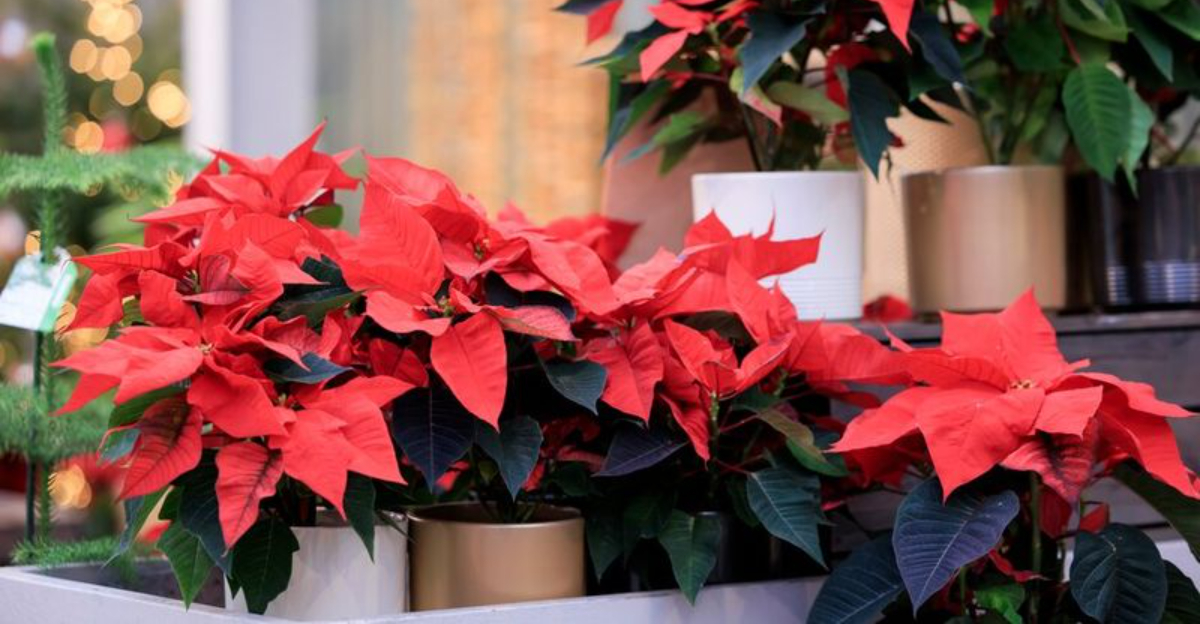
Poinsettias can struggle fast in Michigan winters, especially once dry indoor air starts pulling moisture from their leaves.
I’ve seen healthy plants fade simply because winter heating changes conditions more than most gardeners expect.
With a few small care adjustments that fit Michigan homes, poinsettias can stay colorful and steady long past the holidays.
1. Group Plants Together for Natural Humidity
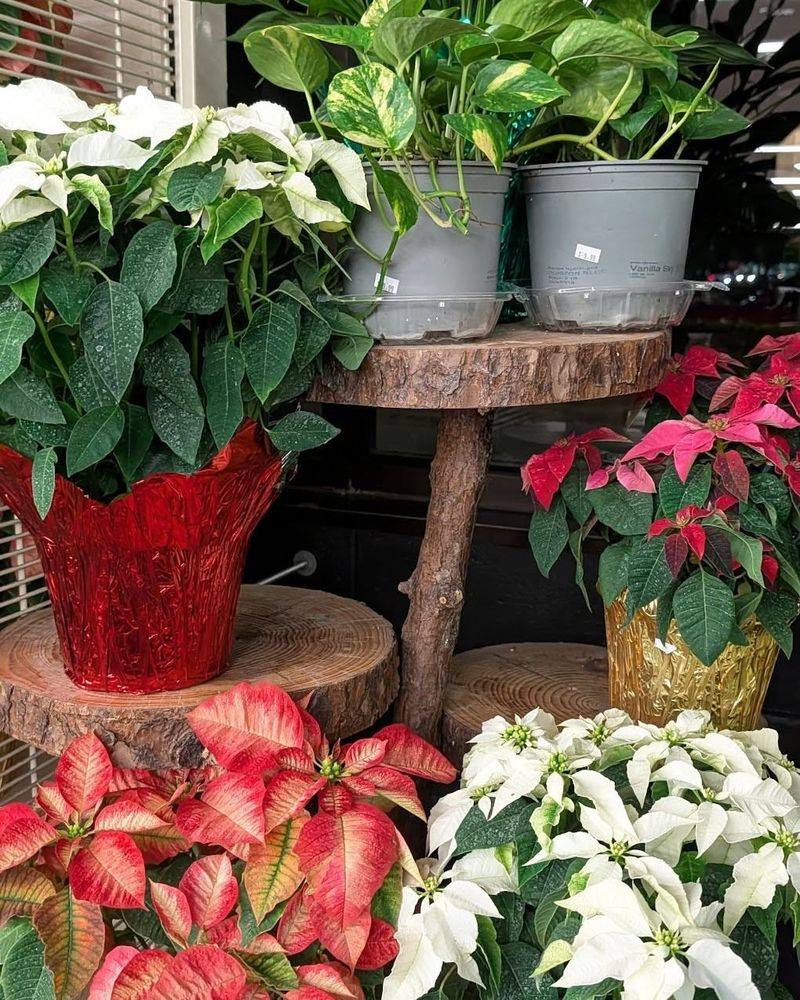
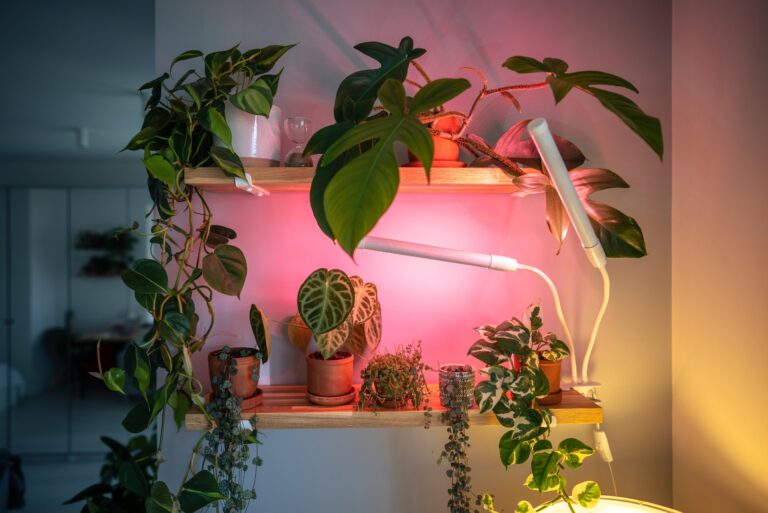
Plants naturally release moisture through their leaves in a process called transpiration, which creates a humid microclimate when grouped closely together.
Michigan homes often have humidity levels below twenty percent during winter, which is far too low for tropical poinsettias to thrive.
Arranging several houseplants near your poinsettia creates a shared moisture zone that benefits all the plants in the collection simultaneously.
The combined water vapor from multiple plants raises the surrounding air humidity by several percentage points without requiring any special equipment.
Place your poinsettia alongside ferns, spider plants, or other moisture-loving varieties for the best results in your Michigan home.
Keep the group near a window with indirect light so all plants receive adequate brightness without harsh sun exposure damaging leaves.
This clustering method works especially well in smaller rooms where the humidity boost is more noticeable and easier to maintain consistently.
Avoid placing plants so close that air circulation becomes blocked, which could encourage mold growth or pest problems over time.
Rotating plants within the group occasionally ensures each one gets equal light exposure and prevents uneven growth patterns from developing noticeably.
2. Use Pebble Trays to Boost Moisture Levels

A pebble tray is a shallow dish filled with stones and water that sits beneath your potted poinsettia, providing constant moisture evaporation.
As water evaporates from the tray, it rises upward around the plant, creating a humid bubble that protects delicate leaves from dryness.
Michigan gardeners swear by this old-fashioned technique because it requires minimal effort and costs almost nothing to set up at home.
Choose a tray slightly wider than your pot so the evaporating moisture reaches all parts of the plant evenly throughout the day.
Fill the tray with decorative pebbles, marbles, or small rocks, then add water until it reaches just below the stone tops.
The pot should rest on the pebbles without touching the water directly, preventing root rot while still benefiting from rising humidity.
Refill the tray every few days as water evaporates, especially when furnaces run constantly during Michigan’s coldest months keeping indoor air dry.
You can place multiple poinsettias on one large tray to simplify maintenance while maximizing the humidity benefits for all your plants.
This method works beautifully on windowsills, tables, or plant stands where you want festive poinsettias displayed prominently during the holiday season.
3. Mist Leaves Regularly with Room-Temperature Water
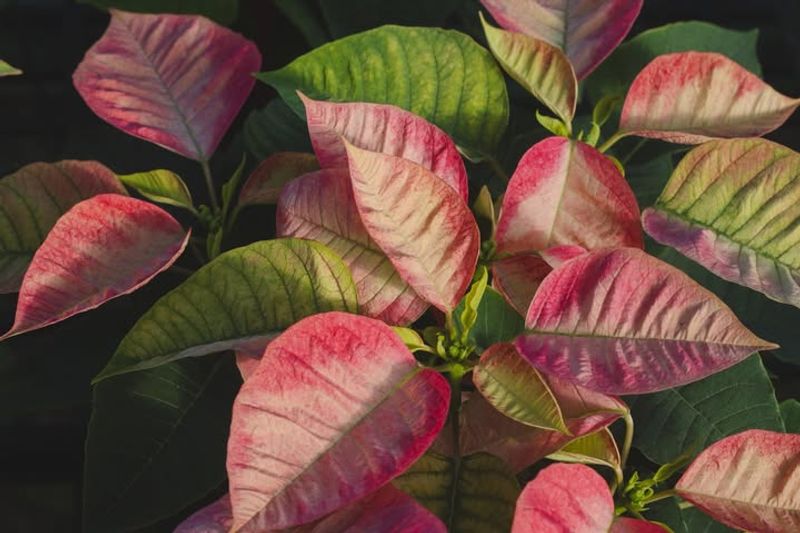
Misting poinsettia leaves with a spray bottle provides quick moisture relief during particularly dry days when Michigan heating systems run at full blast.
Early morning is the ideal time to mist because leaves can dry completely before nightfall, reducing the risk of fungal issues.
Use room-temperature water rather than cold tap water, which can shock the plant and cause leaf spots or discoloration on foliage.
Hold the spray bottle about six inches away from the plant and apply a fine mist that settles gently on leaves.
Avoid soaking the colorful bracts or flowers, as excessive moisture on these parts can lead to premature fading or browning problems.
Michigan’s winter air can drop humidity to uncomfortable levels, so misting two or three times weekly helps maintain plant health effectively.
Some gardeners add a tiny drop of liquid fertilizer to the mist water once monthly for an extra nutrient boost through foliage.
Clean your spray bottle regularly to prevent mineral buildup or bacterial growth that could transfer to your poinsettia’s delicate leaves over time.
This simple practice takes less than a minute but makes a noticeable difference in how vibrant and healthy your plant appears.
4. Keep Plants Away from Heat Vents and Radiators

Heat vents and radiators blast hot, dry air directly onto plants, causing rapid moisture loss and stress that shows up as browning edges.
Poinsettias placed near heating sources in Michigan homes often drop leaves within days because the constant hot air stream is simply too harsh.
Even if a spot near a vent seems convenient, the damage to your plant will outweigh any benefits of warmth or accessibility.
Move your poinsettia at least three feet away from any direct heat source to protect it from the drying effects of forced air.
Radiators create similar problems because they generate dry heat that pulls moisture from both soil and leaves at an accelerated rate throughout winter.
Instead, choose locations with stable temperatures between sixty-five and seventy degrees Fahrenheit, which poinsettias prefer for optimal health and color retention.
Michigan homes often have cold drafts near windows, so balance your placement to avoid both extreme heat and chilling cold air exposure.
If your only available space is near a vent, use a deflector to redirect airflow away from the plant while still heating the room.
Monitoring your poinsettia’s location carefully prevents many common winter problems and keeps your plant looking festive throughout the entire holiday season beautifully.
5. Run a Humidifier in the Room
Electric humidifiers are incredibly effective tools for maintaining consistent moisture levels throughout entire rooms where you keep your poinsettias during Michigan winters.
Running a humidifier raises the ambient humidity to between forty and fifty percent, which is the sweet spot for tropical plants like poinsettias.
Cool-mist humidifiers work better than warm-mist versions because they add moisture without raising room temperatures to uncomfortable or unhealthy levels for plants.
Place the humidifier several feet away from your poinsettia so water droplets don’t settle directly on leaves, which could cause spotting issues.
Many Michigan gardeners run humidifiers continuously during the coldest months when furnaces operate almost nonstop, drying out indoor air significantly and quickly.
Clean your humidifier weekly according to manufacturer instructions to prevent mold or mineral deposits from building up and spreading into the air.
Some models have built-in hygrometers that monitor humidity levels automatically, adjusting output to maintain your desired moisture range without constant manual adjustments.
Running a humidifier benefits not only your poinsettias but also other houseplants, wooden furniture, and even your family’s respiratory health during dry winters.
This investment pays off year after year as you maintain healthier plants and a more comfortable living environment throughout every cold season.
6. Water Carefully to Maintain Soil Moisture Balance

Proper watering is essential because poinsettias need consistently moist soil but absolutely cannot tolerate waterlogged roots that lead to root problems quickly.
Check soil moisture by inserting your finger about an inch deep; if it feels dry at that depth, it’s time to water thoroughly.
Michigan’s dry winter air causes soil to dry out faster than you might expect, so checking every few days prevents your plant from suffering.
Water until liquid drains from the bottom holes, ensuring the entire root ball receives moisture rather than just the top layer of soil.
Always empty the drainage saucer after fifteen minutes so the pot doesn’t sit in standing water, which suffocates roots and encourages rot.
Room-temperature water works best because cold water can shock the roots, causing stress that manifests as leaf drop or wilting within hours.
Some Michigan gardeners use filtered water to avoid chlorine and minerals that can build up in soil over time, affecting plant health.
During winter, poinsettias typically need water every three to five days depending on your home’s temperature, humidity, and light levels combined together.
Consistent watering practices combined with humidity control create the perfect environment for your poinsettia to thrive beautifully throughout the entire cold season successfully.
7. Avoid Cold Drafts from Windows and Doors
Cold drafts from poorly sealed windows or frequently opened doors create temperature fluctuations that stress poinsettias and cause rapid leaf loss in Michigan homes.
Poinsettias are sensitive to sudden temperature changes, especially when cold air hits their leaves repeatedly throughout the day or night hours consistently.
Even brief exposure to drafts below fifty degrees can trigger leaf drop that continues for days after the initial cold exposure occurs.
Check for drafts by holding your hand near windows and doors on windy days; you’ll feel cool air seeping through gaps immediately.
Weatherstripping and caulking are inexpensive solutions that seal gaps, protecting both your plants and your heating bills during long Michigan winters effectively.
If you can’t eliminate drafts completely, simply move your poinsettia to a more protected location away from problematic windows or doorways entirely.
Interior rooms or corners away from exterior walls often provide the most stable temperatures for keeping your poinsettia healthy and vibrant looking.
Some gardeners place decorative screens or furniture between plants and drafty areas to create a buffer zone that blocks cold air movement.
Paying attention to your poinsettia’s placement relative to drafts makes a huge difference in how well it maintains its beautiful color throughout winter.
8. Monitor and Adjust Light Exposure Daily

Poinsettias require bright, indirect light for at least six hours daily to maintain their vibrant bract color and overall health during Michigan’s short winter days.
South or west-facing windows provide the best light exposure without the harsh midday sun that can scorch leaves and fade colorful bracts quickly.
Direct sunlight combined with dry air creates a double stress that causes poinsettias to decline rapidly, so filtered light is always preferable indoors.
Sheer curtains or blinds help diffuse intense sunlight while still allowing enough brightness to keep your plant thriving beautifully throughout the season.
Michigan’s cloudy winter weather sometimes means supplementing with artificial grow lights to ensure your poinsettia receives adequate light for proper photosynthesis and growth.
Rotate your plant a quarter turn every few days so all sides receive equal light exposure, preventing lopsided growth and maintaining symmetrical appearance.
Too little light causes leaves to fade and drop, while too much direct sun creates brown spots and crispy edges on foliage.
Observing how your poinsettia responds to its location helps you make adjustments that keep it looking its best throughout the entire holiday period.
Balancing light with humidity and temperature creates the ideal environment for your poinsettia to remain healthy and colorful all winter long successfully and beautifully.