How Michigan Gardeners Use Cold Frames To Grow Veggies Through Snow
Michigan winters may be harsh, but that doesn’t stop gardeners from keeping their green thumbs active.
With snowstorms sweeping in from Lake Michigan and temperatures plunging below freezing, the growing season can feel like it’s come to a halt. However, savvy Michigan gardeners have a secret weapon: cold frames.
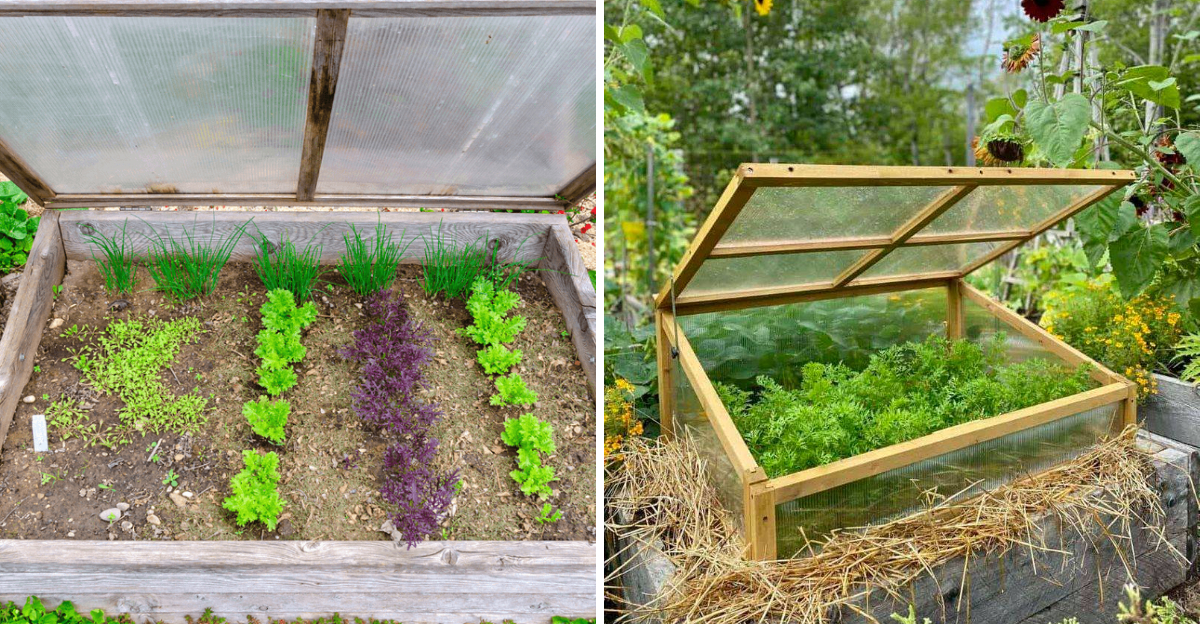
These simple, cost-effective structures with transparent lids trap solar heat, offering protection from the elements while still allowing sunlight to nurture plants.
For years, cold frames have been helping Michigan gardeners extend their growing season and maintain a productive garden, even when snow blankets the ground.
Whether you’re growing leafy greens or starting early seedlings, these low-tech structures make it possible to keep your garden thriving despite the cold.
Ready to stretch your gardening season through Michigan’s long winters? Cold frames could be the answer.
1. Extend The Growing Season Into Early Spring
February in Michigan feels more like deep winter than anything close to gardening season, yet cold frames make early planting completely possible.
Inside a cold frame, temperatures can run 10 to 20 degrees warmer than the air outside, creating a cozy microclimate that cool-season crops absolutely love.
Lettuce, spinach, and radishes all thrive in these conditions and can be sown weeks before the last frost date.
Most Michigan gardeners aim to get their first cold frame plantings in by late February or early March.
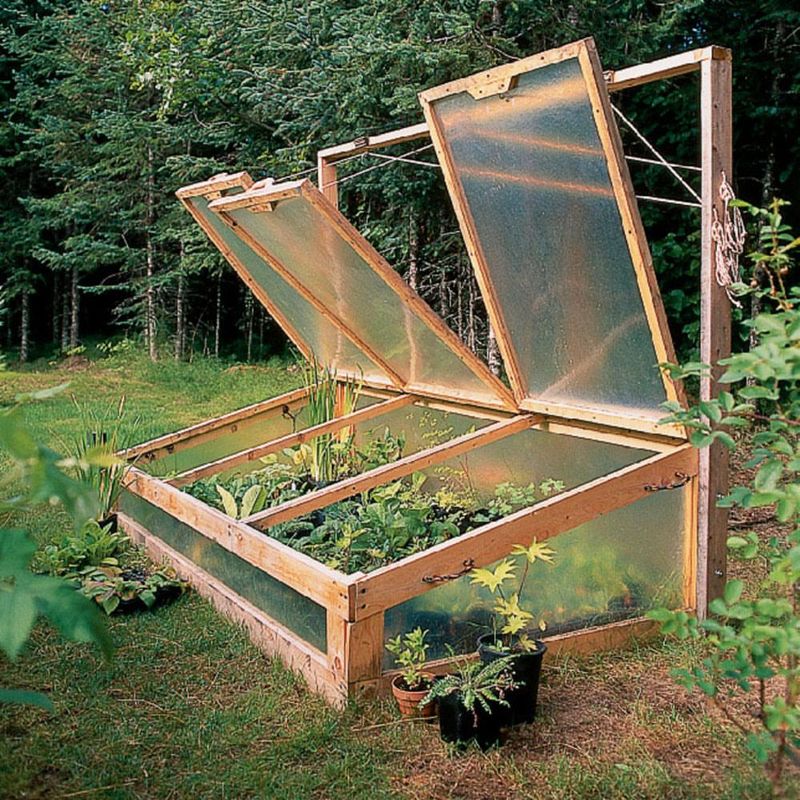
The glass or polycarbonate lid lets sunlight pour in while blocking cold air, acting almost like a miniature greenhouse pressed right against the soil.
On sunny winter days, the inside of a well-positioned cold frame can reach surprisingly comfortable growing temperatures even when it’s freezing outside.
Facing the cold frame south or southeast gives it the best exposure to winter sunlight, which is key for maximizing warmth.
Raised beds work especially well underneath cold frames because the soil drains better and warms up faster.
Gardeners who start early this way often enjoy fresh salad greens a full six to eight weeks before their neighbors who wait for traditional outdoor planting.
That head start makes a real difference when you’re craving something green after a long Michigan winter.
2. Protect Cool-Season Crops From Frost
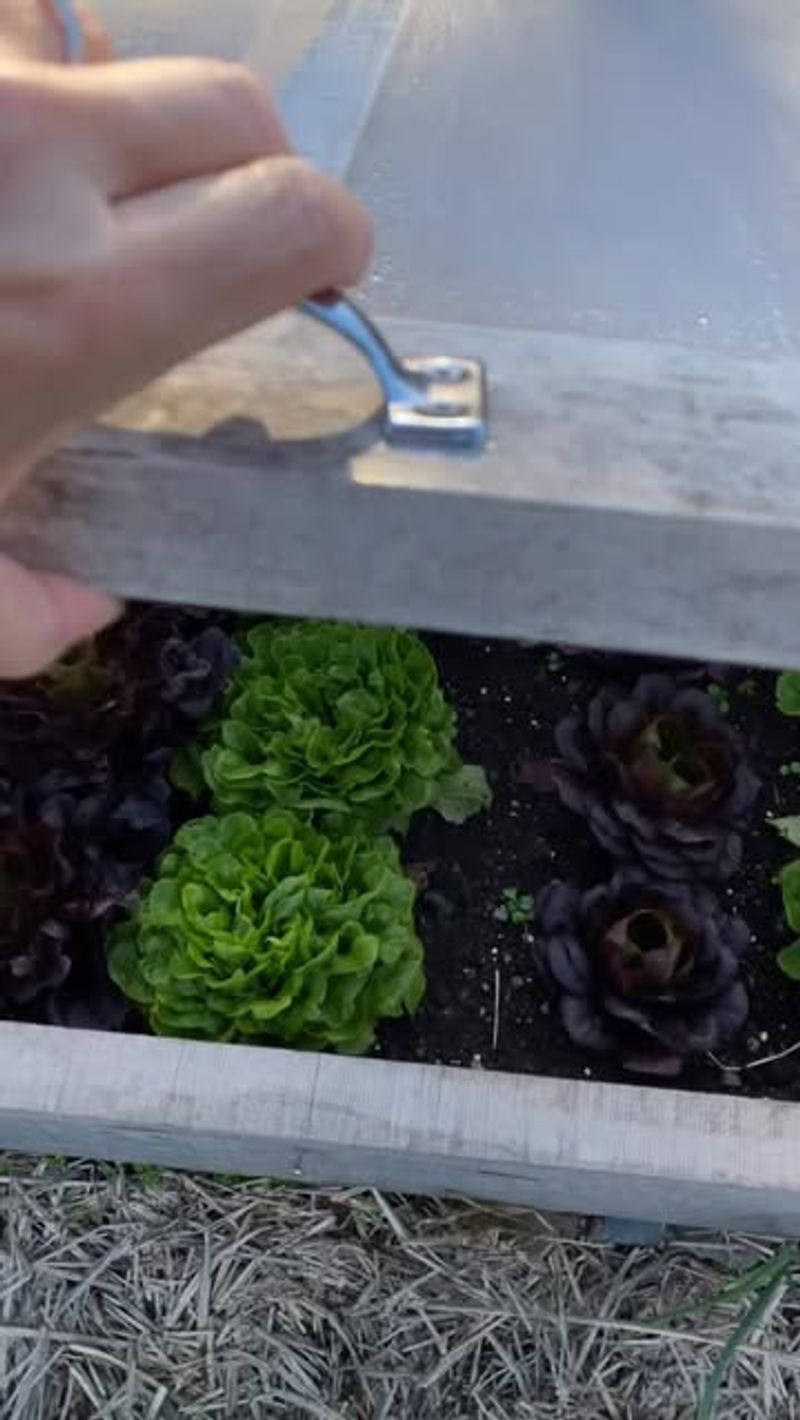
Late spring frosts in Michigan can sneak up on even the most experienced gardeners. A surprise overnight freeze in April or May can wipe out weeks of hard work in just a few hours, which is why so many Michigan growers rely on cold frames to keep their crops safe.
Kale, broccoli, and peas are all cold-tolerant, but they still benefit greatly from the extra protection a cold frame provides. Cold frames act like a shield between tender plants and the freezing air above them.
Even a basic cold frame made from old windows and wooden boards can raise the temperature inside by enough to protect plants when overnight temps dip into the high twenties.
That buffer can mean the difference between a thriving spring garden and a disappointing loss. One smart trick Michigan gardeners use is to prop the lid open slightly during warm afternoons and then close it tight before sunset.
This prevents overheating during the day while locking in warmth at night when frost risk is highest.
Checking the weather forecast regularly and adjusting the lid accordingly becomes a simple daily habit.
Cool-season crops like kale actually taste sweeter after a light frost because the cold converts starches to sugars, so protecting them through those chilly nights pays off in flavor too.
3. Grow Greens Like Lettuce And Kale Through Winter
Growing fresh greens through a Michigan winter sounds impossible until you see what a cold frame can do.
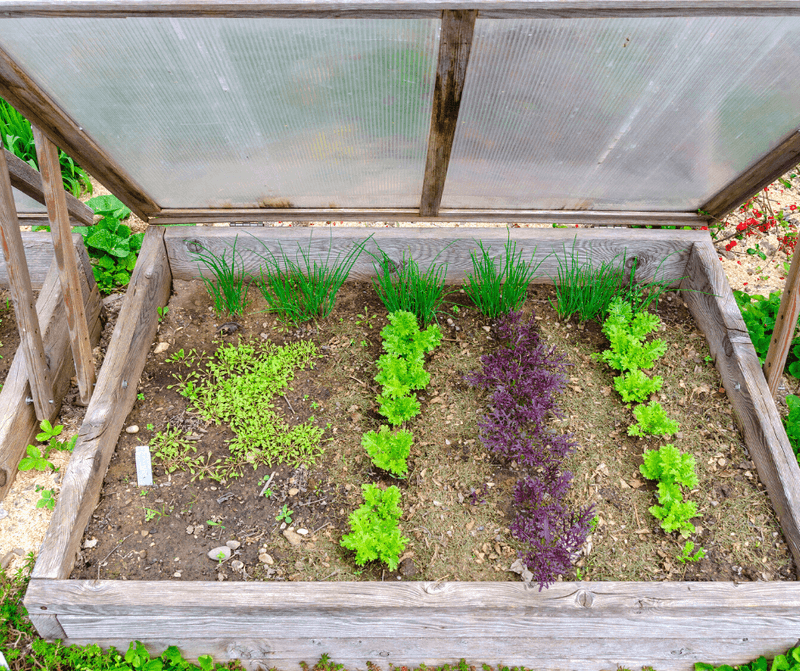
Kale and lettuce are surprisingly cold-hardy, and when tucked inside a well-built cold frame, they can keep producing leaves even when temperatures outside are in the teens and twenties.
The frame captures enough solar energy during the day to keep the interior above freezing most nights.
Kale is one of the toughest vegetables you can grow, and it genuinely improves in flavor after repeated cold exposure.
Gardeners in Michigan often report harvesting fresh kale leaves as late as January and February when the plants are protected by a cold frame.
Lettuce varieties like Winter Density and Arctic King were specifically bred to handle cold conditions and are popular choices for cold frame growing across the state.
Watering needs drop significantly in winter, since cool temperatures slow plant growth and reduce evaporation.
A light watering every week or two is usually enough to keep greens healthy inside a cold frame during the coldest months.
Mulching the soil inside the frame with a thin layer of straw adds an extra layer of insulation that keeps roots from freezing on especially brutal nights.
For Michigan gardeners tired of buying pale, tasteless grocery store greens all winter, growing their own inside a cold frame is a total game changer.
4. Start Seedlings Early For Transplanting Outdoors
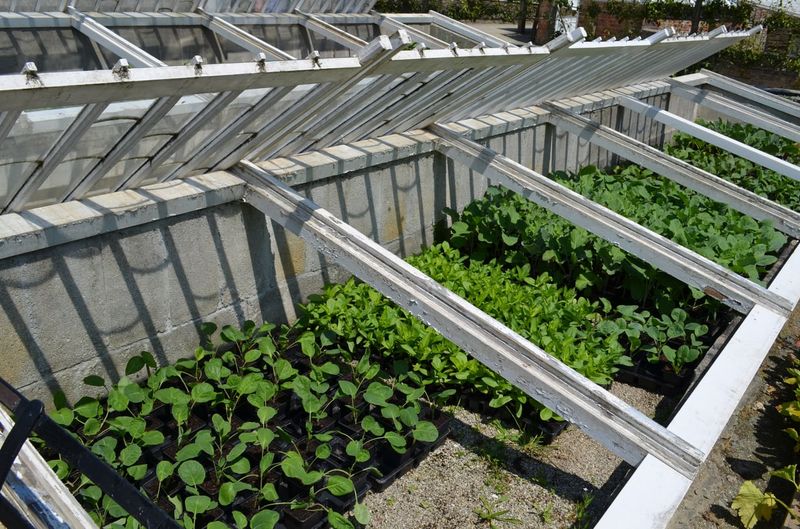
Starting seedlings early is one of the biggest advantages Michigan gardeners get from using cold frames.
Tomatoes, peppers, and eggplants all need a long growing season, and Michigan’s short summers make getting an early start absolutely critical.
By starting seeds inside a cold frame in late March or early April, gardeners give their transplants a strong foundation before the outdoor planting window even opens.
Cold frames provide just enough warmth and light to encourage healthy germination and early growth without the need for expensive grow lights or heated indoor spaces.
Soil temperatures inside a cold frame in early spring can reach 50 to 60 degrees Fahrenheit on sunny days, which is warm enough to sprout many common vegetable seeds.
Pepper and eggplant seeds in particular benefit from the consistent warmth that a south-facing cold frame provides.
Keeping seedlings in a cold frame rather than indoors also means they get real sunlight from day one, which produces stockier, stronger plants compared to leggy seedlings grown under artificial lights.
Michigan’s late May planting dates for warm-season crops mean that seedlings started in a cold frame in early spring will be large, robust transplants ready to hit the ground running when the weather finally cooperates.
That extra growing time often translates into earlier harvests and more productive plants throughout the season.
5. Use Cold Frames To Harden Off Seedlings Gradually
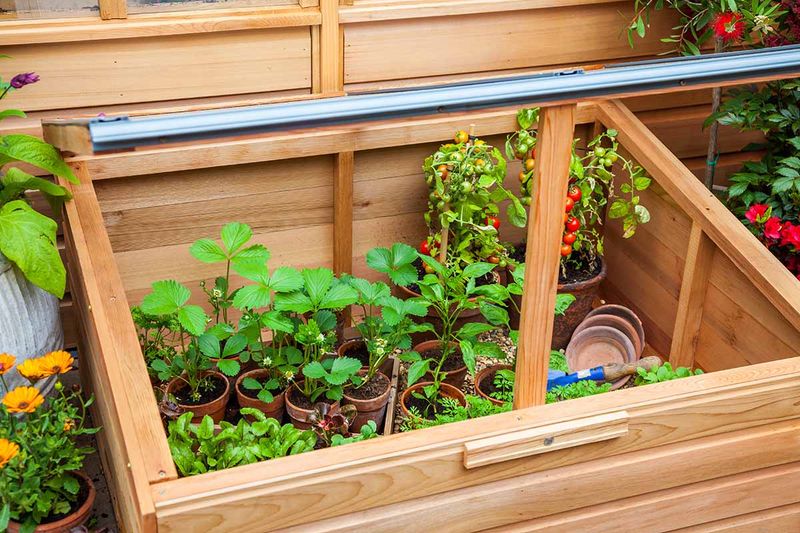
Imagine spending weeks carefully nurturing seedlings indoors only to watch them wilt and struggle the moment they hit the outdoor garden.
Transplant shock is a real problem, and it happens when plants raised in the comfortable conditions of a home suddenly face wind, temperature swings, and intense sunlight.
Cold frames solve this problem by giving seedlings a gradual transition zone between indoors and outside.
Hardening off is the process of slowly exposing seedlings to outdoor conditions over the course of one to two weeks.
Michigan gardeners place their indoor-grown seedlings inside a cold frame and begin by keeping the lid mostly closed for the first few days.
Then they gradually prop the lid open for longer periods each day, letting the plants adjust to real outdoor air, cooler temperatures, and natural sunlight intensity.
By the end of the hardening-off period, the lid can stay fully open during the day, and the seedlings are ready to face the garden without stress.
Plants that go through this process root in faster, grow more vigorously, and produce better yields than those transplanted directly from indoors.
Cold frames make this whole process easy to manage because you can control the ventilation simply by adjusting the lid.
For Michigan gardeners juggling spring planting with unpredictable April weather, having that level of control is incredibly valuable.
6. Grow Root Crops Like Carrots And Beets Through Winter
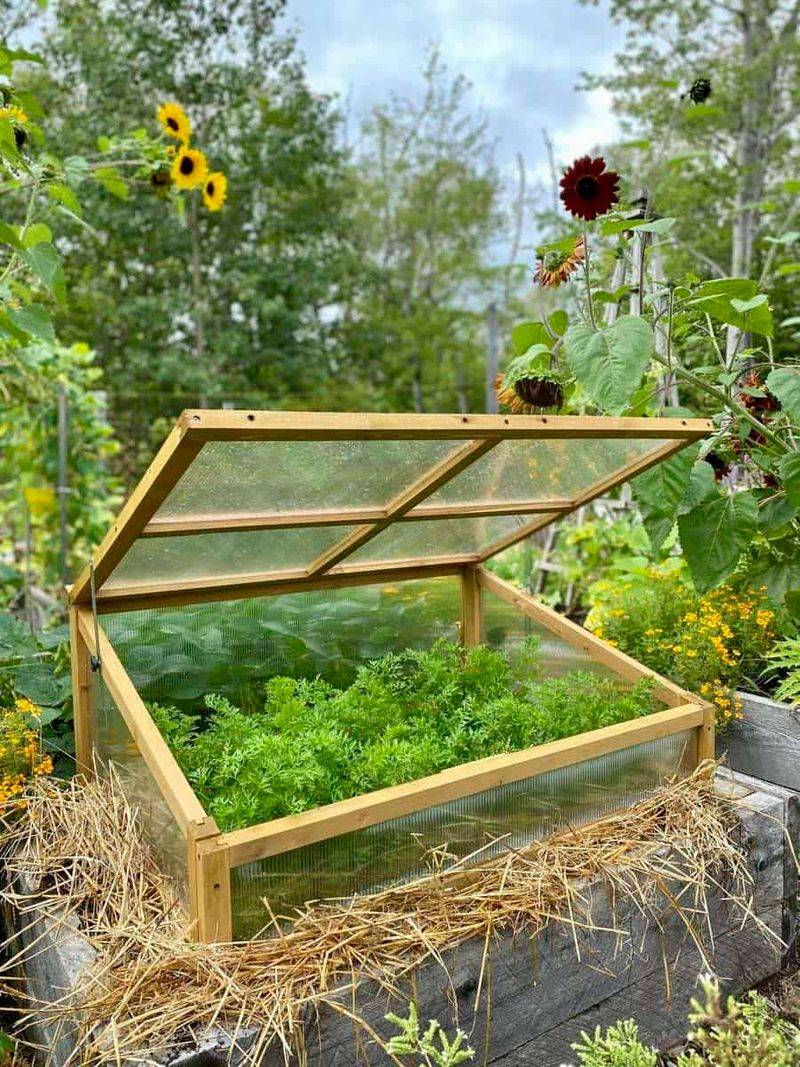
Root vegetables have a secret superpower in cold weather, and Michigan gardeners have figured out how to use it.
Carrots, beets, and turnips actually get sweeter as temperatures drop, because the cold triggers the plant to convert stored starches into sugars.
Protecting these crops inside a cold frame through the winter means you can harvest sweet, flavorful roots well into January and beyond.
Carrots are especially well-suited for cold frame growing because they tolerate near-freezing soil temperatures without damage as long as the ground doesn’t freeze solid.
A cold frame keeps the soil just warm enough to prevent hard freezes, allowing carrots to stay in the ground and continue slowly developing.
Gardeners in Michigan often sow a final carrot crop in late summer specifically to harvest through the cold frame all winter long.
Beets and turnips follow a similar pattern and can handle cold frame conditions with minimal fuss.
Mulching around the roots with straw or shredded leaves inside the frame adds extra insulation that protects them during the coldest nights.
Harvesting root crops from a cold frame on a snowy Michigan afternoon feels almost magical, pulling sweet, earthy vegetables straight from the frozen landscape.
It’s one of those gardening experiences that reminds you just how resilient plants can be when given the right conditions and a little protection.
7. Speed Up Germination For Early Spring Crops
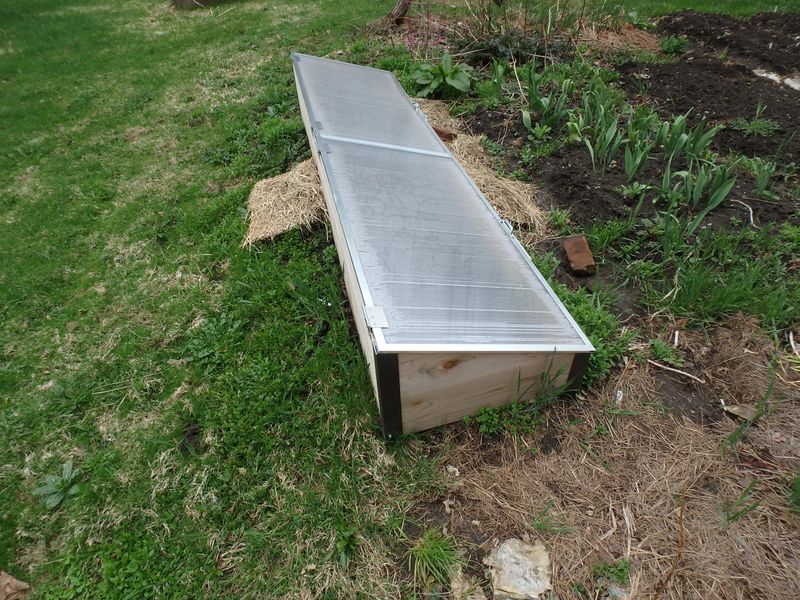
Seeds are impatient things. Give them warmth, moisture, and light, and they’ll sprout faster than you’d expect.
Cold frames create exactly those conditions even when the outdoor world is still shivering through late winter.
The trapped solar heat inside a cold frame raises soil temperatures enough to jumpstart germination in crops like peas, spinach, and lettuce well ahead of the normal outdoor planting schedule in Michigan.
Soil temperature is actually more important than air temperature for seed germination. Most cool-season crops germinate best when soil temperatures sit between 45 and 65 degrees Fahrenheit.
A cold frame positioned to catch full morning and afternoon sun can bring soil temperatures into that ideal range weeks before the open garden soil even approaches those levels, giving seeds the signal they need to sprout.
Faster germination means a longer growing window for Michigan gardeners, and that matters a lot in a state where the frost-free season can feel frustratingly short.
Peas sown inside a cold frame in late February can be producing pods by late May, a timeline that would be nearly impossible with direct outdoor sowing.
Spinach germinates in cold frame soil so quickly that many Michigan gardeners are harvesting baby leaves within three to four weeks of planting.
Getting that kind of productivity out of late winter is one of the most satisfying parts of cold frame gardening.
8. Keep Soil Temperature Consistent For Young Plants
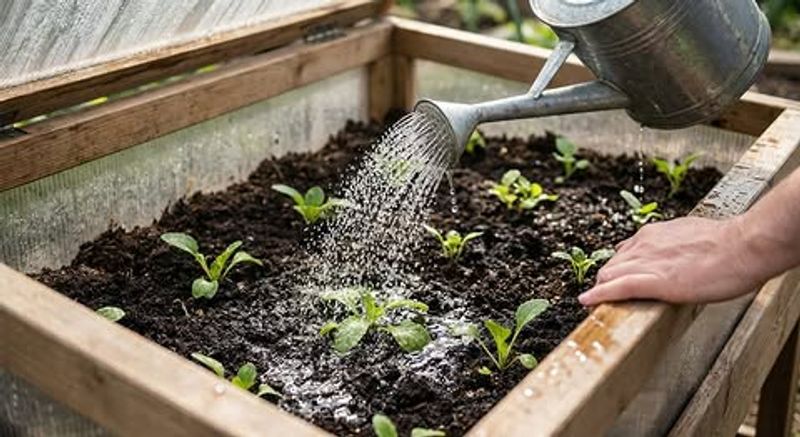
Young vegetable plants are sensitive to temperature swings in ways that mature plants simply aren’t.
A sudden drop in soil temperature can slow root development, cause nutrient uptake problems, and leave seedlings vulnerable to disease.
Cold frames act as a buffer against those wild temperature shifts that Michigan gardeners deal with constantly, especially in early spring when a warm week can be followed by a sudden freeze.
The enclosed space of a cold frame absorbs solar radiation during the day and releases it slowly through the night, keeping soil temperatures far more stable than what you’d find in an open garden bed.
This consistency is especially valuable for young transplants that are still establishing their root systems.
Stable soil temperatures encourage roots to spread quickly and deeply, building the strong foundation that productive vegetable plants need.
Some Michigan gardeners add thermal mass inside their cold frames to boost this effect even further.
Placing dark-painted water jugs, bricks, or flat stones inside the frame gives the structure more heat-storing capacity.
These materials absorb warmth during sunny days and slowly release it after sunset, preventing the overnight temperature drops that can stress young plants.
The result is a noticeably more stable growing environment that young vegetables respond to with faster, healthier growth.
For gardeners in Michigan who deal with dramatic spring weather swings, this kind of temperature control makes a measurable difference in plant performance.
9. Use Cold Frames To Grow Herbs Year-Round
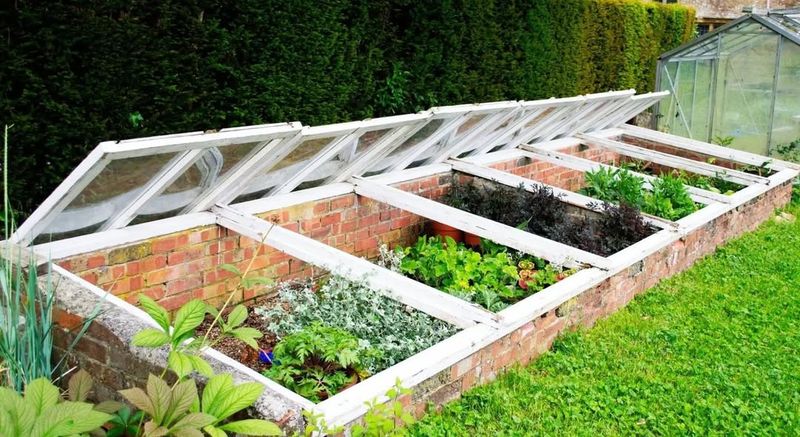
Fresh herbs in the middle of a Michigan winter feel like a small luxury, but cold frames make it completely achievable.
Hardy herbs like parsley, thyme, and rosemary can handle cold temperatures far better than most vegetables, and inside a cold frame they stay productive even when snow piles up outside.
Having a handful of fresh thyme or parsley to toss into a winter soup is one of those simple pleasures that cold frame gardeners enjoy all season long.
Parsley is one of the most cold-tolerant herbs available and actually survives light freezes without any protection at all. Inside a cold frame, it can produce fresh leaves throughout the winter months in Michigan.
Thyme and rosemary are Mediterranean herbs that prefer well-drained soil and tolerate cold when they stay dry, making the controlled environment of a cold frame ideal for keeping them healthy through harsh winters.
Chives, cilantro, and mache are other excellent choices for cold frame herb growing in Michigan. The key with herbs in a cold frame is ventilation.
On warmer winter days, cracking the lid slightly prevents humidity buildup that can encourage mold and fungal problems.
A cold frame positioned against a south-facing wall gets extra reflected heat, which gives herbs an even more comfortable environment.
Growing your own herbs year-round cuts grocery costs and keeps your kitchen stocked with flavors that store-bought dried herbs simply can’t match.
10. Protect Against Harsh Winds And Snow
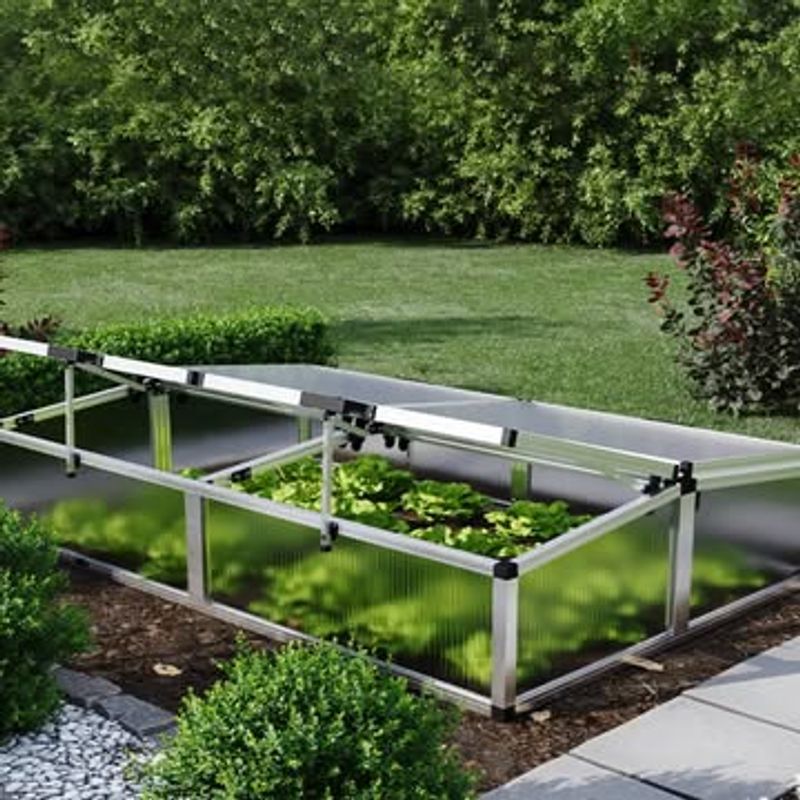
Michigan winters don’t hold back. Wind chills can make outdoor temperatures feel dangerously cold, and heavy lake-effect snowfall can flatten unprotected garden plants in a matter of hours.
Cold frames are built to handle exactly this kind of punishment, providing a solid physical barrier that shields plants from both the crushing weight of snow and the desiccating power of winter winds.
Wind is actually one of the most underrated threats to winter crops. Cold, dry wind pulls moisture out of plant leaves faster than roots can replace it, causing a condition called windburn that leaves foliage brown and crispy.
A cold frame eliminates this risk entirely by surrounding plants with solid walls on all sides, leaving only the transparent lid exposed to the elements above. Snow accumulation on the lid is worth monitoring during heavy Michigan snowstorms.
A thick layer of snow actually adds insulation, but too much weight can crack older glass lids or bow polycarbonate panels.
Brushing excess snow off after a major storm is good practice and also lets more light reach the plants inside.
Well-built cold frames using rot-resistant lumber and thick polycarbonate lids can last for many years and stand up to even the most aggressive Michigan winters without issue.
Investing in a quality cold frame setup pays off season after season as it keeps your garden growing no matter what the weather throws at it.