How Michigan Homeowners Are Reducing Yard Erosion Using One Underrated Plant
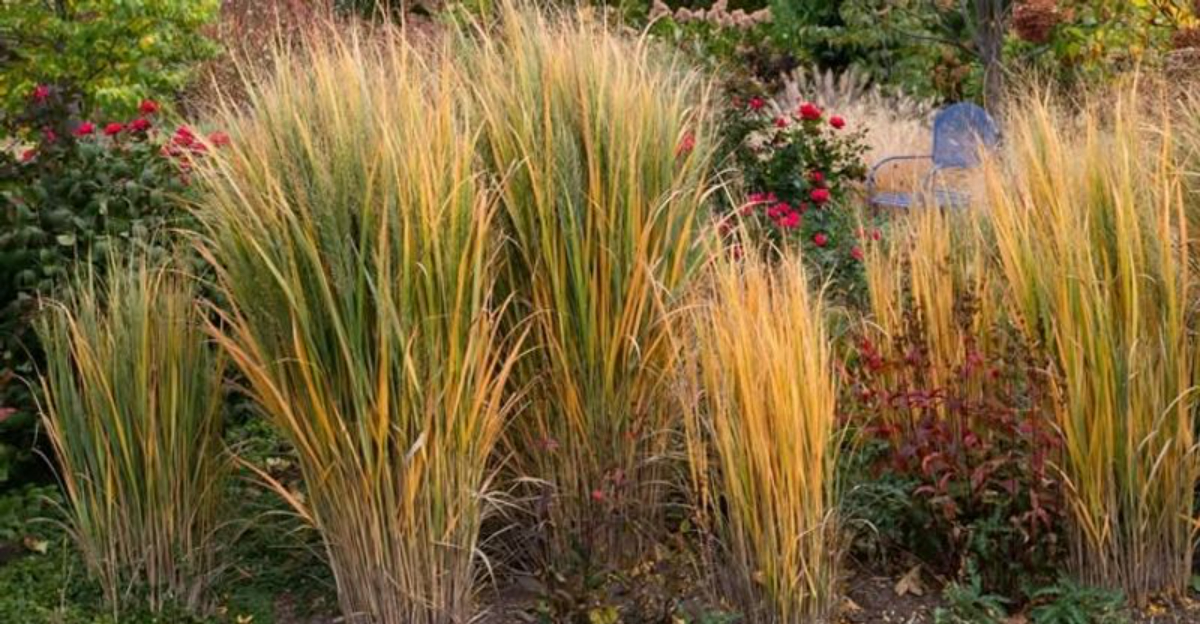
Michigan homeowners are quietly solving frustrating yard erosion problems with one underrated plant that holds soil in place far better than bare ground ever could.
I’ve seen how fast slopes, soggy spots, and washed-out edges start improving once this plant gets established and begins doing its job underground.
Instead of relying on expensive landscaping fixes, many people are choosing this simple option that works naturally with Michigan’s rain and soil conditions.
What makes it stand out is how low-maintenance it is, especially for homeowners tired of constant repairs after heavy storms.
This approach turns problem areas into stable, greener parts of the yard that feel easier to manage and much less stressful over time.
1. Planting Switchgrass Along Sloped Areas
Slopes present real challenges for Michigan homeowners because rainwater rushes downhill, carrying
precious topsoil away and creating unsightly gullies over time.
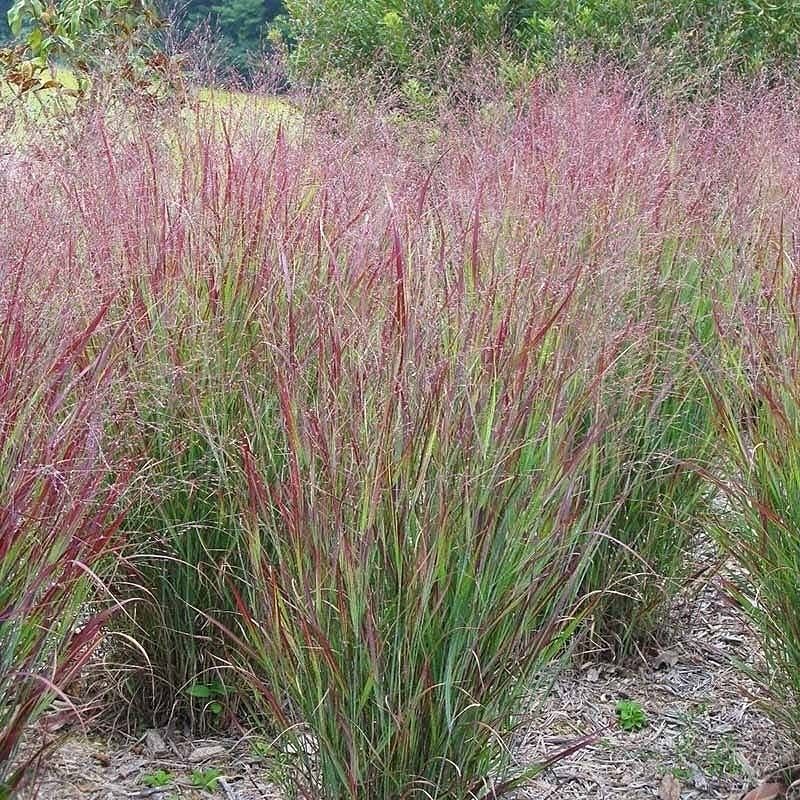
Switchgrass roots extend six feet deep into the ground, creating a living net that anchors soil particles securely against water flow.
Residents across Michigan plant rows of switchgrass horizontally across slopes, which slows water movement and allows moisture to soak into earth.
The grass blades also reduce water velocity as rain hits them first, losing energy before reaching the soil surface underneath below.
Spring planting works best because young switchgrass establishes quickly during warm months, developing strong root systems before winter arrives in Michigan.
Many homeowners combine switchgrass with native wildflowers, creating colorful erosion barriers that attract butterflies and beneficial insects to their Michigan yards.
Within two growing seasons, slopes transform from bare problem areas into lush, stable hillsides that require minimal mowing or maintenance work.
Michigan gardeners also appreciate how switchgrass tolerates heavy rain, summer heat, and poor soil conditions without constant watering or fertilizing once it becomes fully established.
Over time, this resilient native grass improves soil structure naturally, helping slopes stay intact during storms while blending seamlessly into Michigan landscapes without looking engineered or artificial.
2. Creating Natural Buffer Zones Near Water Features
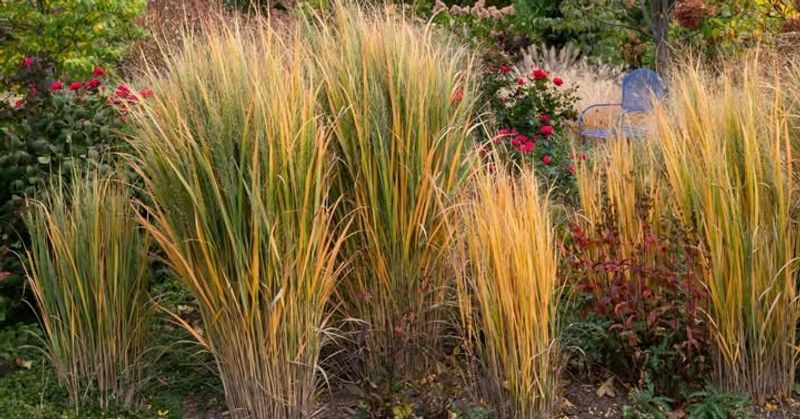
Ponds, streams, and drainage ditches often develop crumbling banks where soil constantly washes into water, creating muddy messes and shrinking yard space.
Michigan property owners plant thick switchgrass borders between lawns and water edges, forming protective barriers that stabilize shorelines against wave action.
These buffer zones filter runoff before it enters water bodies, trapping sediment and pollutants within dense grass root systems effectively.
Switchgrass tolerates occasional flooding better than most plants, bouncing back quickly after Michigan spring thaws cause temporary water level increases nearby.
Wildlife benefits too, as ducks, frogs, and turtles find shelter within tall switchgrass stands growing alongside ponds and creeks throughout Michigan.
Homeowners typically plant switchgrass three to five feet back from water edges, allowing enough space for root expansion without crowding shorelines.
This approach reduces maintenance time spent repairing eroded banks while creating attractive natural landscapes that blend seamlessly with Michigan’s native ecosystems beautifully.
3. Establishing Switchgrass in Drainage Swales
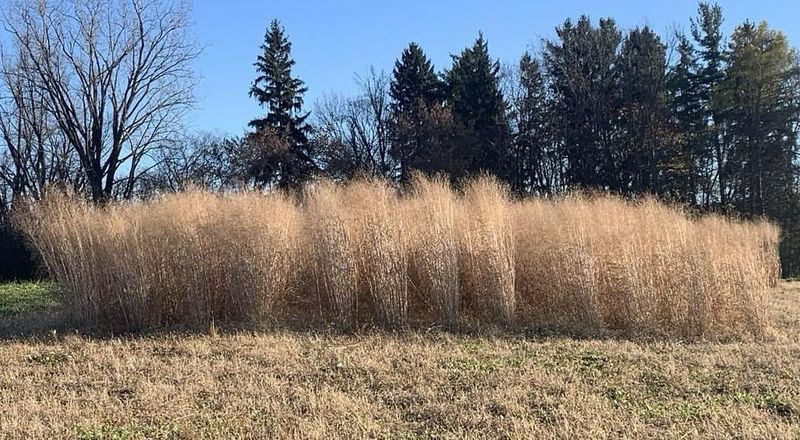
Drainage swales channel rainwater away from foundations, but fast-moving water often carves deep channels that worsen with each storm in Michigan.
Planting switchgrass throughout swale bottoms and sides slows water flow dramatically, allowing gradual absorption instead of destructive rushing and channeling.
The flexible grass stems bend under water pressure rather than breaking, maintaining soil protection even during heavy downpours common in Michigan.
Switchgrass grows tall enough to handle significant water volumes without drowning, unlike shorter ground covers that suffocate under prolonged wetness.
Michigan homeowners appreciate that switchgrass requires no fertilization once established, reducing chemical runoff that could contaminate groundwater supplies or nearby lakes.
Root systems create thousands of tiny channels in soil, improving drainage capacity while simultaneously preventing erosion through mechanical soil binding action.
Swales planted with switchgrass look intentional and attractive rather than like drainage problems, adding landscape value to Michigan properties throughout the year.
During winter, the dried switchgrass stems continue holding soil in place, protecting swales from freeze thaw cycles that often loosen exposed ground across Michigan landscapes.
Over several seasons, these planted swales require less repair and reshaping, saving Michigan homeowners time, money, and frustration after heavy rain events.
4. Protecting Bare Spots From Construction Damage
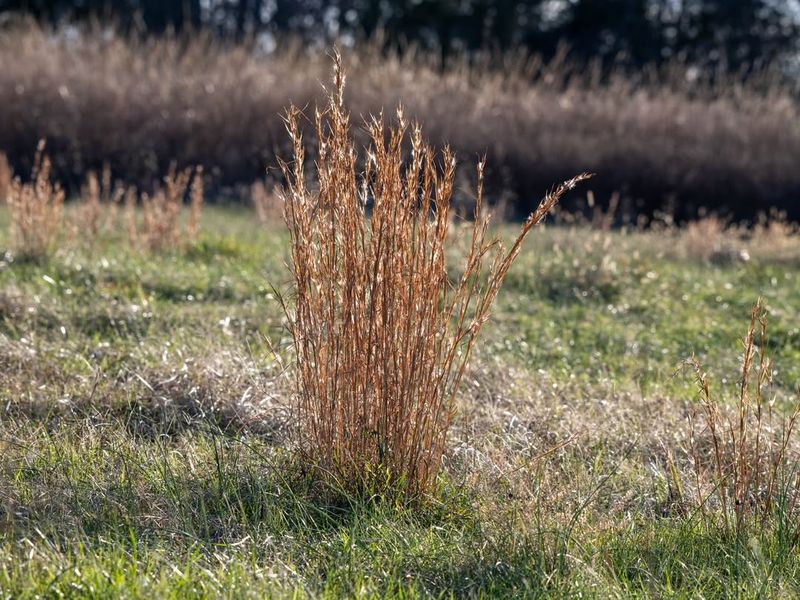
Construction projects leave compacted, bare soil vulnerable to washing away before homeowners can establish traditional lawns in their Michigan yards properly.
Switchgrass germinates quickly from seed, providing faster ground cover than many alternatives and preventing erosion during the critical establishment period.
Michigan residents often choose switchgrass for disturbed areas because it tolerates poor soil conditions that would challenge fussier ornamental plants significantly.
The grass doesn’t require tilling or extensive soil preparation, making it perfect for compacted ground where heavy equipment operated during building projects.
As switchgrass roots penetrate hardpan layers, they naturally break up compacted soil, improving overall yard health for future planting projects across Michigan.
Homeowners can plant switchgrass immediately after construction ends, even in late spring or early summer, giving yards instant erosion protection.
Within one growing season, formerly bare construction zones become green, stabilized areas that blend naturally with surrounding landscapes throughout Michigan neighborhoods.
5. Mixing Switchgrass With Other Native Plants

Monoculture plantings sometimes fail if disease or pests attack, so Michigan homeowners increasingly combine switchgrass with complementary native species strategically.
Little bluestem, black-eyed Susans, and purple coneflowers pair beautifully with switchgrass, creating diverse plantings that stabilize soil through multiple root structures.
Different root depths mean plants don’t compete directly for nutrients, and combined systems hold soil more effectively than single-species plantings across Michigan.
Pollinator-friendly flowers attract bees and butterflies, adding ecological value beyond simple erosion control in residential landscapes throughout Michigan’s diverse regions.
These mixed plantings create year-round visual interest as different species bloom, change colors, and provide winter texture in Michigan’s snowy months.
Homeowners find that diverse plantings require less intervention because natural pest predators establish balanced ecosystems that self-regulate over time in Michigan.
This approach transforms erosion-prone areas into miniature prairies that educate neighbors about native landscaping while solving practical drainage problems effectively and beautifully.
As seasons pass, these plant communities deepen soil resilience, making slopes and low areas far more resistant to heavy rains and sudden snowmelt common across Michigan.
Many homeowners also enjoy knowing their landscapes support local wildlife corridors, turning once-problematic yards into functional spaces that feel purposeful, natural, and long-lasting.
6. Using Switchgrass as Living Retaining Walls
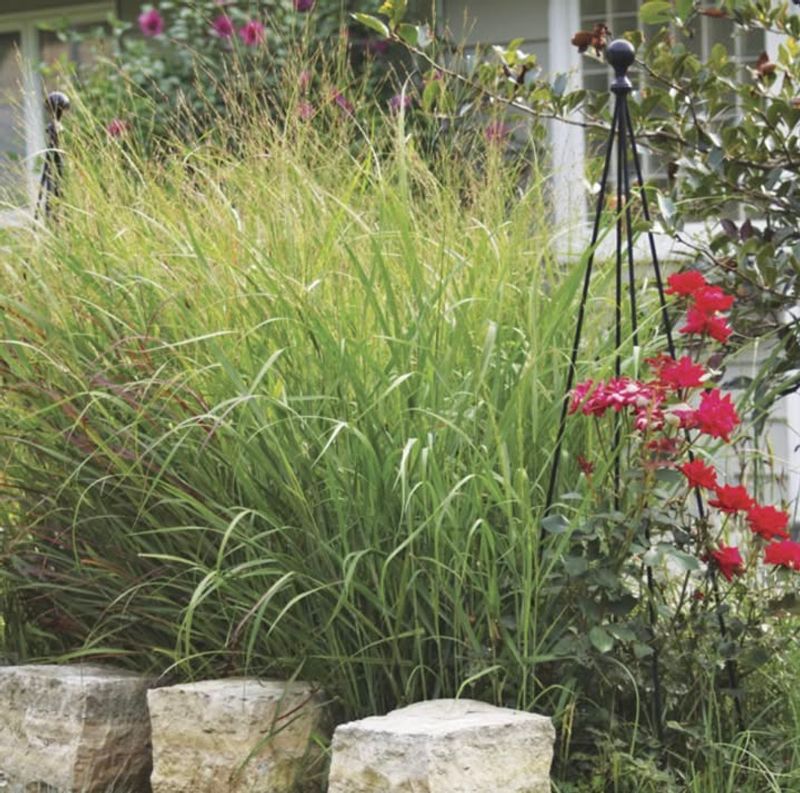
Traditional retaining walls cost thousands of dollars and eventually crack or fail, prompting Michigan homeowners to explore affordable, sustainable alternatives instead.
Dense switchgrass plantings create living retaining structures that strengthen annually as root systems expand, unlike concrete walls that deteriorate over time.
Residents plant switchgrass in thick rows along elevation changes, allowing roots to bind soil into stable terraces naturally without expensive materials.
The grass grows four to six feet tall, creating visual screens that define property boundaries while preventing soil movement on Michigan properties.
Unlike rigid walls, switchgrass flexes with ground movement from freeze-thaw cycles common in Michigan, preventing the cracking problems that plague masonry.
Maintenance involves simply cutting back dead growth each spring, a task taking minutes compared to repairing damaged conventional retaining walls periodically.
Over time, these living walls develop complex root masses that outperform engineered solutions in holding soil, especially on moderate slopes throughout Michigan.
7. Stabilizing Rain Garden Perimeters
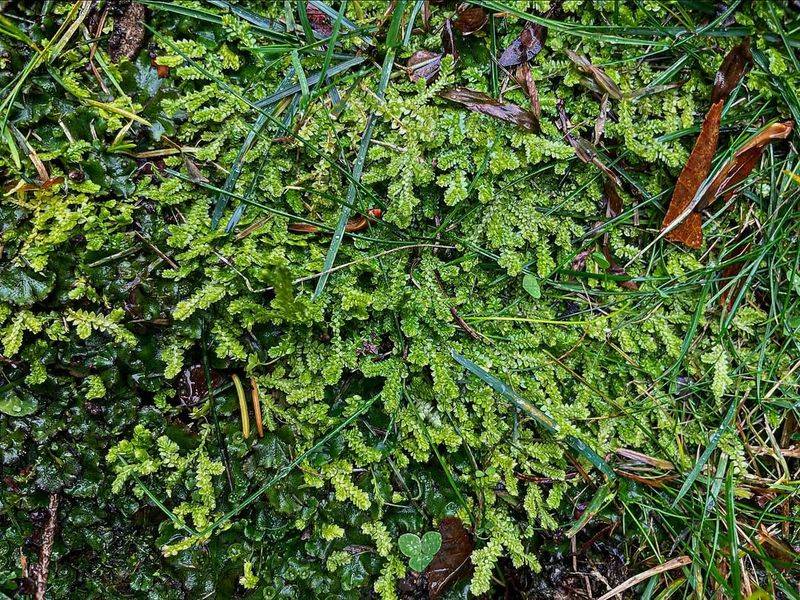
Rain gardens collect runoff from roofs and driveways, but incoming water can erode garden edges and carry soil into collection areas.
Michigan homeowners plant switchgrass rings around rain garden perimeters, creating protective borders that filter water before it enters the garden basin.
The grass roots stabilize edges against erosion while allowing water to pass through slowly, improving filtration and reducing sediment accumulation inside.
Switchgrass handles both wet and dry conditions well, thriving in transition zones between rain gardens and regular lawn areas across Michigan.
Tall grass blades hide rain garden infrastructure like overflow pipes and drainage systems, making functional features blend into attractive landscapes naturally.
This setup reduces maintenance because less sediment enters gardens, meaning homeowners spend less time cleaning out accumulated soil from Michigan rain gardens.
Birds and beneficial insects use switchgrass as shelter near rain gardens, creating small wildlife habitats that support healthy yard ecosystems throughout Michigan.
8. Replacing Problem Lawn Areas With Switchgrass
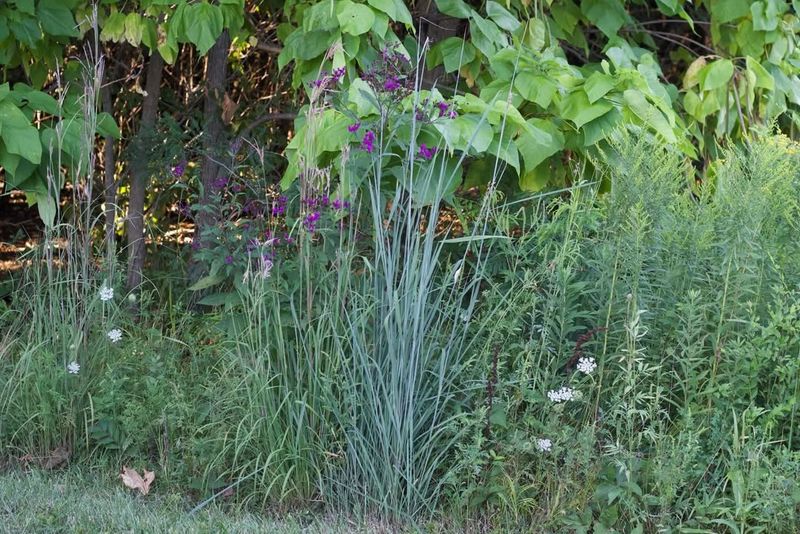
Some yard sections never support healthy lawns because of poor drainage, shade, or constant erosion, frustrating Michigan homeowners who repeatedly reseed.
Switchgrass thrives where traditional turf fails, accepting challenging conditions and providing attractive greenery without constant intervention or expensive soil amendments.
Michigan residents often replace troublesome lawn strips along driveways or fences with switchgrass, eliminating erosion while reducing mowing and watering requirements.
The grass needs cutting just once yearly in early spring, compared to weekly mowing required for conventional lawns throughout Michigan’s growing season.
Switchgrass remains green longer into fall and greens up earlier in spring than cool-season turf grasses commonly used in Michigan landscapes.
Homeowners save money on water bills because established switchgrass survives on rainfall alone, unlike thirsty lawns requiring supplemental irrigation during dry periods.
This practical substitution turns problem areas into attractive, self-sufficient landscape features that increase property values while dramatically reducing yard maintenance time across Michigan.
Many homeowners also notice fewer muddy patches and runoff issues once switchgrass replaces turf, making these areas cleaner and more usable after rainstorms common across Michigan.
Over time, these low-maintenance sections blend naturally into the landscape, giving yards a more intentional look without the stress of constant lawn repairs.