How Michigan Homeowners Are Turning Small Yards Into Cozy Winter Garden Rooms
Michigan winters bring freezing temperatures, heavy snowfall, and long stretches of gray skies that keep most people locked indoors for months at a time.
However, creative homeowners across the state are refusing to let cold weather steal their connection to the outdoors and nature year round.
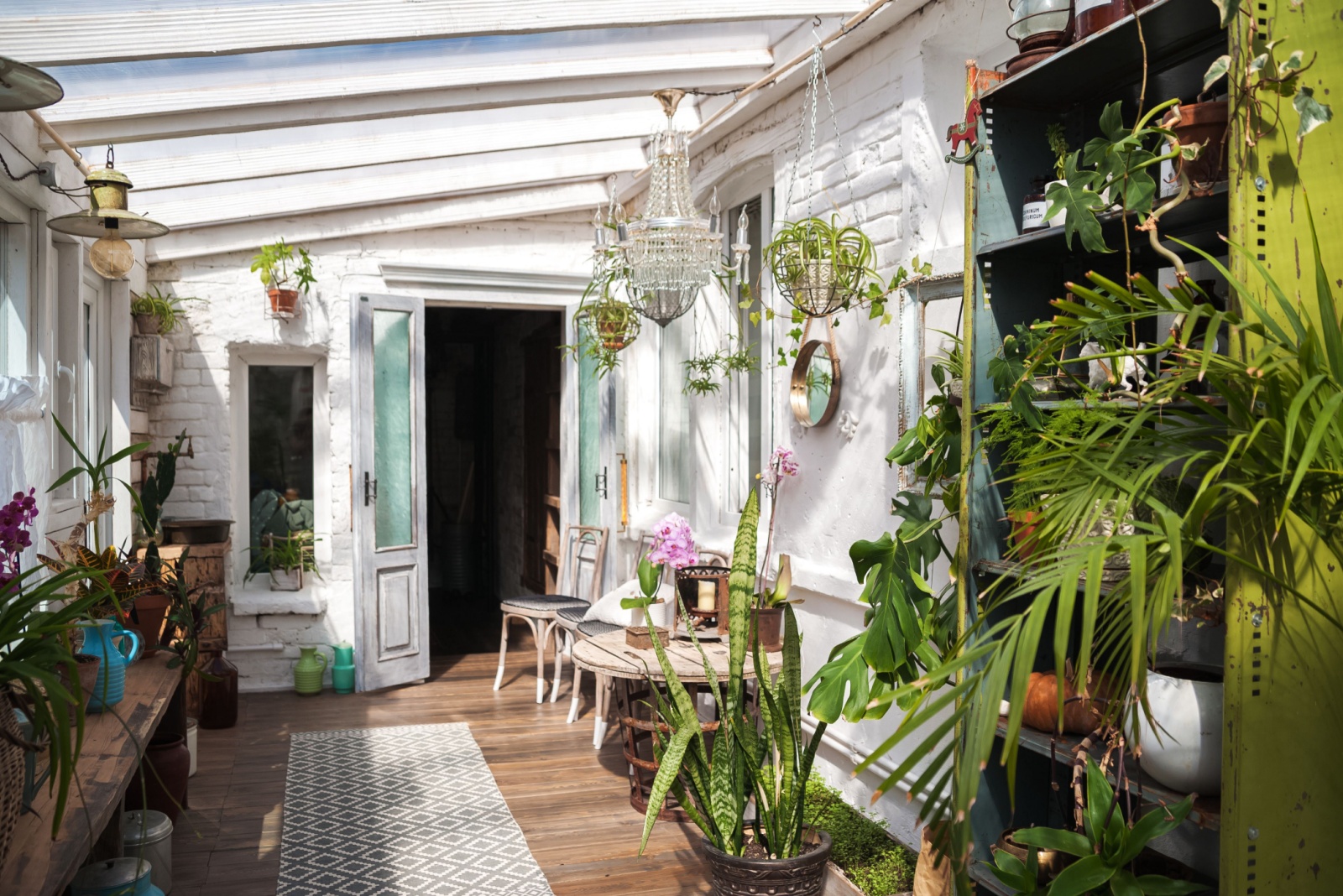
Small yards once forgotten during winter months are now being transformed into cozy garden rooms that offer warmth, beauty, and peaceful retreat spaces.
These outdoor havens prove that limited space and harsh climates cannot stop determined gardeners from enjoying nature even during Michigan’s coldest season.
Why Garden Rooms Are Gaining Popularity Across Michigan
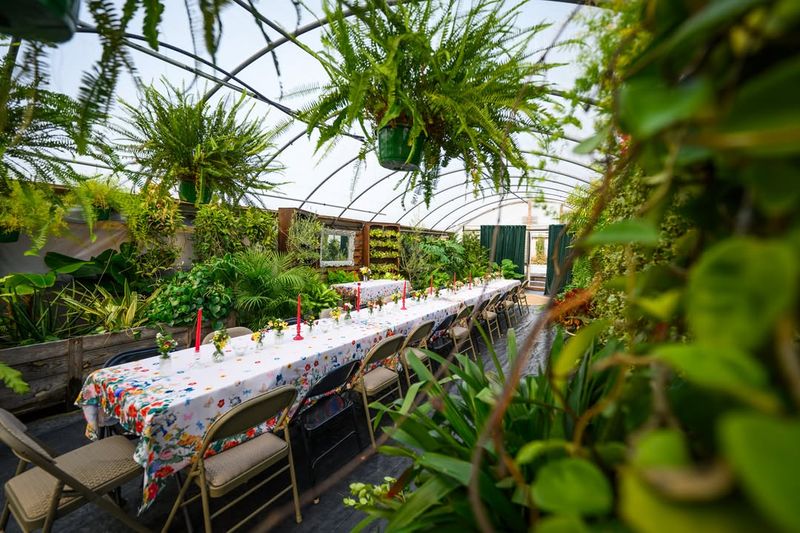
Garden rooms offer Michigan residents a chance to experience outdoor beauty without enduring harsh winter conditions that make traditional gardening nearly impossible.
More families recognize the mental health benefits of staying connected to nature, even when temperatures drop below freezing and snow blankets the ground.
Small yards become valuable real estate when homeowners realize they can create functional, beautiful spaces that serve purposes beyond summer barbecues and playtime.
These outdoor retreats provide quiet spots for morning coffee, reading nooks surrounded by greenery, or peaceful evening gatherings under twinkling lights and stars.
Michigan homeowners appreciate how garden rooms extend their living space without expensive home additions, offering budget-friendly alternatives to indoor renovations and expansions.
The trend reflects a growing desire to maximize property value while creating personal sanctuaries that blend natural elements with modern comfort and style.
Garden rooms also allow families to entertain guests year round, hosting intimate gatherings that feel magical when surrounded by winter landscapes and glowing features.
Ultimately, these spaces represent a shift in how Michiganders view their yards, transforming them from seasonal spaces into permanent outdoor living rooms.
How To Create Warm Inviting Outdoor Spaces In Cold Climates

Creating warmth outdoors starts with selecting heat sources like fire pits, patio heaters, or chimineas that provide comforting flames and radiant heat for guests.
Layering textiles such as outdoor rugs, weather-resistant cushions, and cozy blankets adds softness and insulation that makes seating areas feel inviting despite temperatures.
Enclosed structures like three-season rooms or pergolas with clear vinyl panels shield visitors from biting winds while still allowing views of surrounding winter landscapes.
Incorporating natural windbreaks such as hedges, fencing, or strategically placed evergreen trees helps block harsh gusts that can make outdoor spaces unbearable even briefly.
Heated flooring systems installed beneath patio stones or decking provide underfoot warmth that surprises and delights guests stepping into the garden room space.
Warm color palettes featuring reds, oranges, and golden yellows in decorations and plantings create psychological warmth that complements physical heat sources beautifully and effectively.
Adding hot beverage stations with thermoses of cocoa, tea, or cider encourages lingering and socializing even when temperatures hover just above freezing outside.
Soft lighting from lanterns, candles, or string lights creates intimate ambiance that makes cold evenings feel magical rather than miserable for everyone present.
Design Tricks That Make Small Yards Feel Bigger In Winter
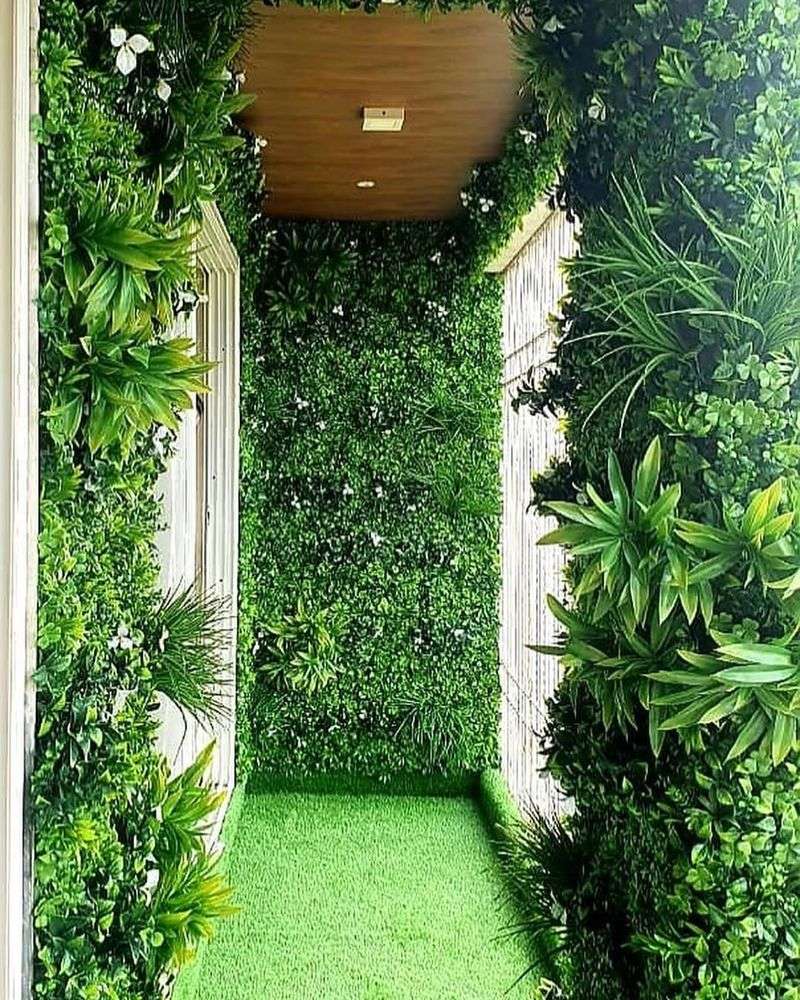
Vertical gardening using trellises, wall-mounted planters, and climbing structures draws the eye upward, creating an illusion of height that expands perceived space significantly.
Strategic lighting placement highlights distant corners and boundaries, extending visual interest beyond immediate areas and making yards seem larger than actual measurements suggest.
Mirrors positioned on fences or exterior walls reflect winter landscapes and sky, doubling visual space while adding unexpected artistic elements that intrigue visitors greatly.
Curved pathways winding through small yards create journey-like experiences that feel longer and more expansive than straight lines cutting directly through limited square footage.
Layering plants at different heights from ground covers to tall evergreens adds depth and dimension that flat, single-level plantings simply cannot achieve effectively.
Using lighter colors on hardscaping, furniture, and decorative elements reflects available winter light, making spaces feel more open and airy compared to dark materials.
Removing unnecessary clutter and maintaining clean lines in design prevents small yards from feeling cramped or overwhelming, allowing each element to shine individually and purposefully.
Creating distinct zones for different activities gives small spaces multiple purposes, making them feel more complex and larger than yards used for single functions alone.
Plants And Structures That Thrive Through Michigan Winters
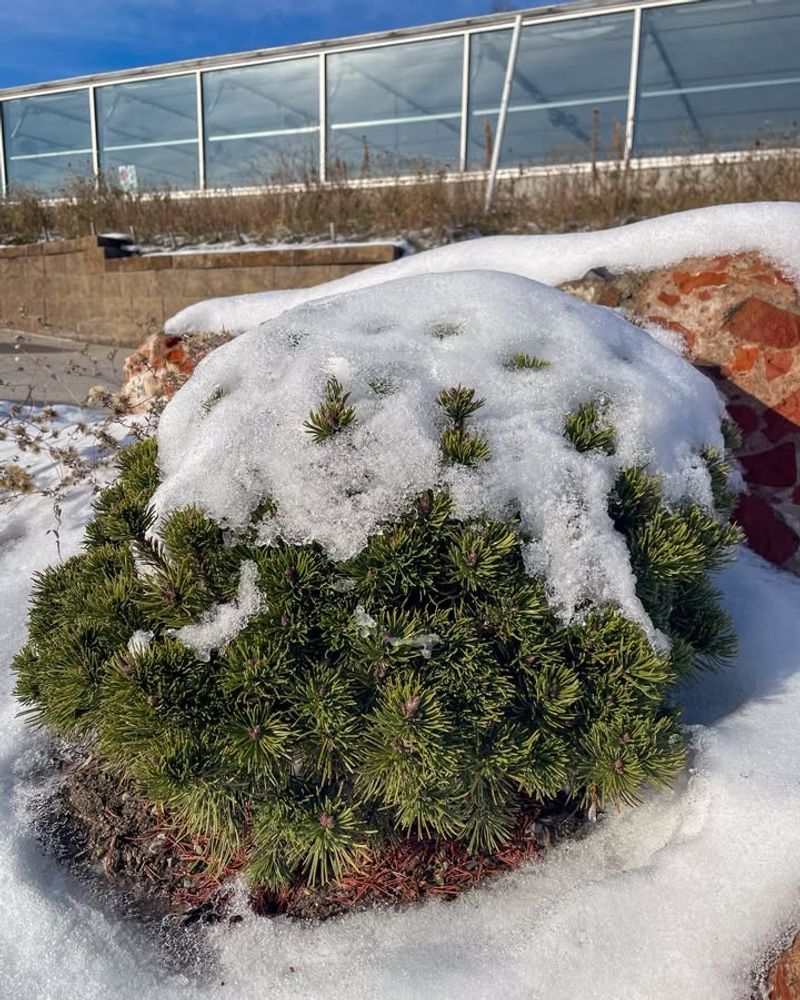
Evergreen shrubs like boxwood, yew, and juniper maintain vibrant green color throughout winter months, providing consistent visual interest when most plants go dormant.
Ornamental grasses such as feather reed grass and switchgrass add movement and texture, their seed heads creating beautiful silhouettes against snow-covered backgrounds and skies.
Hardy perennials including hellebores and winter pansies brave freezing temperatures to produce surprising blooms that add unexpected color during Michigan’s bleakest months of winter.
Structural elements like arbors, obelisks, and decorative fencing maintain visual interest even when plants wither away, serving as focal points that anchor garden designs.
Deciduous trees with interesting bark patterns such as birch or red twig dogwood provide striking visual appeal that becomes more apparent once leaves fall away.
Winterberry holly produces brilliant red berries that persist through snow and ice, offering food for birds while creating stunning pops of color in gardens.
Containers filled with evergreen boughs, branches, and winter-hardy plants allow for flexible arrangements that can be moved or changed as seasons and preferences shift.
Architectural features like stone walls, raised beds, and water features maintain presence and beauty regardless of plant conditions or weather extremes throughout winter.
Using Evergreens Hardscaping And Lighting For Year Round Comfort
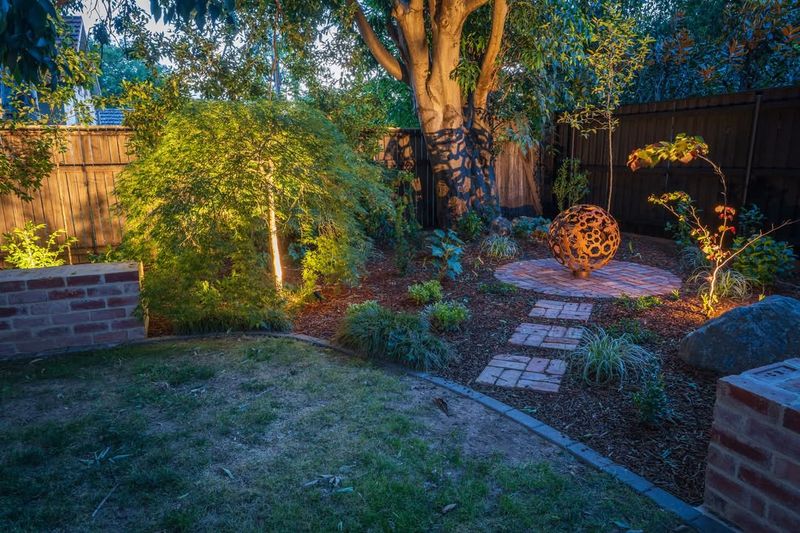
Evergreen borders create living walls that provide privacy, block winds, and maintain green backdrops that make winter gardens feel alive rather than dormant or withered.
Stone pathways, patios, and retaining walls offer permanent structure that looks beautiful under snow blankets, creating contrast and definition that soften during growing seasons.
Low-voltage lighting systems illuminate pathways safely while highlighting architectural features and plants, extending usable hours beyond early winter sunsets that arrive by afternoon.
Uplighting placed beneath evergreen trees creates dramatic shadows and silhouettes that transform ordinary plantings into stunning nighttime displays worthy of professional landscape photography.
String lights draped overhead or wrapped around tree trunks add whimsical charm and practical illumination that makes outdoor spaces feel festive and welcoming year round.
Solar-powered lights offer eco-friendly options that require no wiring, making installation simple for homeowners tackling garden room projects without professional help or large budgets.
Hardscaping materials like natural stone, brick, and concrete pavers withstand freeze-thaw cycles better than wood, requiring less maintenance while providing lasting beauty and functionality.
Combining these three elements creates layered designs with visual interest at ground level, mid-height, and overhead, ensuring gardens remain engaging from every angle and season.
Budget Friendly Ways To Build A Winter Garden Room
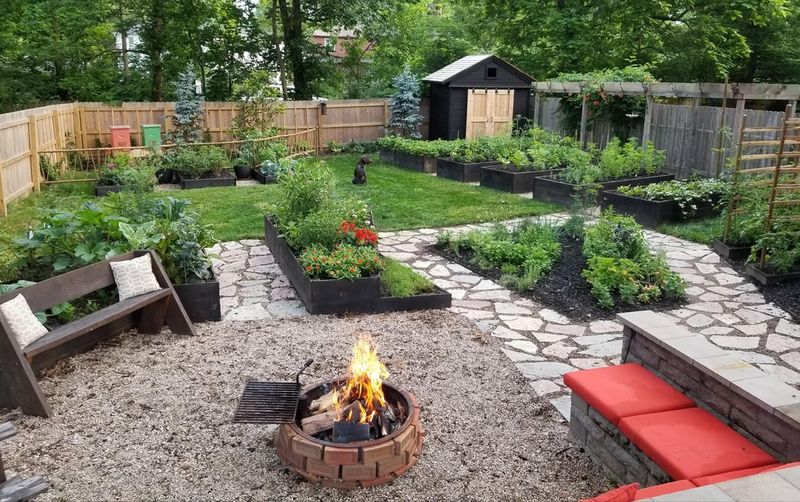
Repurposing existing furniture with weather-resistant paint and outdoor fabric transforms indoor pieces into functional garden seating without purchasing expensive new patio sets or equipment.
DIY fire pits constructed from concrete blocks, metal rings, or repurposed materials provide warmth and ambiance at fraction of costs for professionally installed features.
Shopping end-of-season sales allows homeowners to purchase quality outdoor items at steep discounts, building garden rooms gradually over multiple years as budgets allow.
Propagating plants from cuttings or dividing existing perennials creates free additions to garden spaces, filling beds without spending money at nurseries or garden centers.
String lights purchased from discount retailers offer affordable lighting solutions that create magical atmosphere without expensive landscape lighting systems requiring professional installation and wiring.
Using natural materials like fallen branches, stones, and pine boughs for decorations adds rustic charm while costing nothing beyond time spent gathering and arranging.
Borrowing or renting tools for hardscaping projects eliminates need to purchase expensive equipment used only once, keeping project costs manageable for average homeowners.
Prioritizing key elements like windbreaks and heat sources first ensures functional comfort before adding decorative touches that enhance aesthetics but aren’t essential initially.
How Homeowners Are Blending Function And Style Outdoors

Multi-purpose furniture like storage benches and nesting tables provides seating while concealing garden supplies, cushions, and tools that need weather protection during winter months.
Decorative storage sheds designed to complement home architecture house equipment while serving as attractive focal points that enhance overall garden aesthetics rather than detract.
Vertical planters mounted on fences combine living walls with space-saving solutions, maximizing growing areas while adding lush greenery that softens hard surfaces beautifully and naturally.
Outdoor kitchens scaled for small spaces include compact grills and prep areas that enable year-round cooking while incorporating stylish countertops and backsplashes matching home interiors.
Pergolas equipped with retractable canopies or clear panels offer weather protection when needed while maintaining open-air feel during pleasant winter days with sunshine and calm.
Color-coordinated designs tie together furniture, planters, and accessories, creating cohesive looks that feel intentional rather than haphazard collections of random outdoor items accumulated over time.
Heated water features like small fountains prevent freezing while providing soothing sounds and visual movement that enhance tranquility without sacrificing practicality during harsh weather.
Artistic elements including sculptures, wind chimes, and decorative panels express personal style while serving functional purposes like screening unsightly views or marking garden zones.
What To Consider Before Designing A Winter Garden Space

Assessing sun exposure throughout winter months helps determine best locations for seating areas and plant selections, since sun angles change dramatically from summer patterns.
Understanding local building codes and HOA regulations prevents costly mistakes when installing permanent structures like pergolas, sheds, or enclosed three-season rooms requiring permits or approvals.
Evaluating drainage patterns ensures water from melting snow won’t pool in seating areas or damage hardscaping, preventing frustrating problems that emerge only after installations.
Considering maintenance requirements honestly helps homeowners choose appropriate materials and plants, avoiding designs that demand more time and effort than lifestyles realistically allow long-term.
Planning for snow removal and storage identifies where cleared snow will go without damaging plants or blocking access to important areas like pathways and entrances.
Budgeting for both initial construction and ongoing upkeep prevents abandoned projects or deteriorating spaces that become eyesores rather than enjoyable garden room retreats.
Thinking about seasonal transitions helps create designs that work beautifully year-round rather than serving only winter needs while looking awkward during warmer growing months ahead.
Consulting experienced local gardeners or landscape professionals provides valuable insights about what works specifically in Michigan climates, saving time and money through informed decisions.