How Michigan’s Freeze And Thaw Cycles Affect Your Plants And How To Protect Them
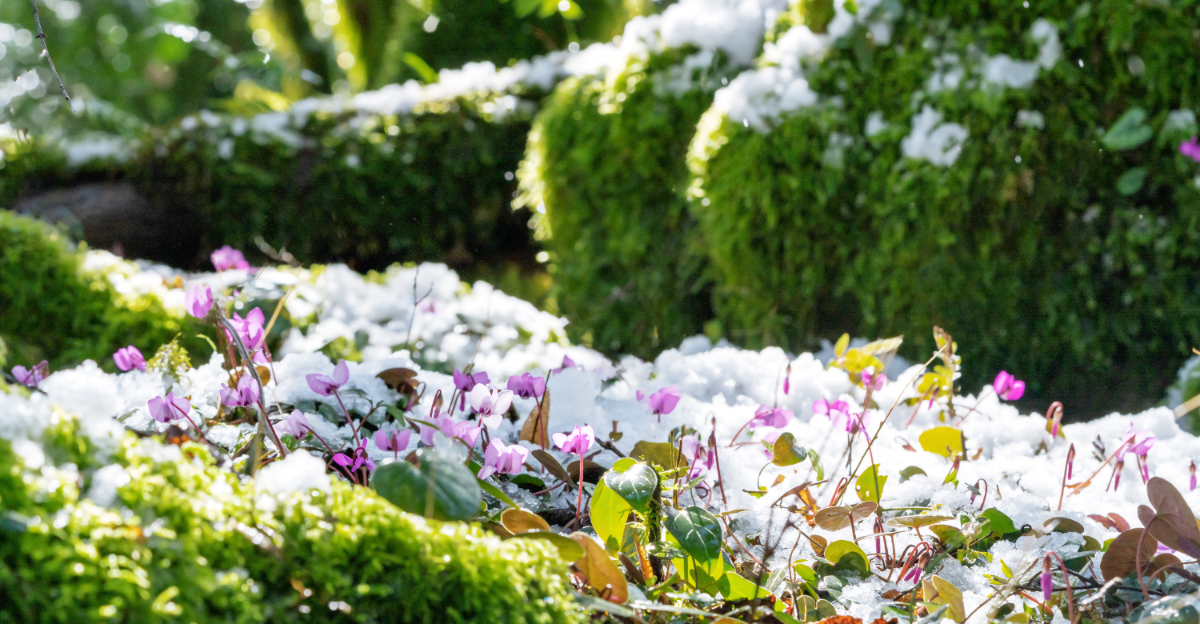
Winter in Michigan rarely follows a straight line. Temperatures rise above freezing one day, then plunge again the next, creating repeated freeze and thaw cycles that quietly affect your garden in ways you cannot always see.
While the surface may look still and dormant, important changes are happening both underground and in exposed plant tissue.
As soil freezes and thaws, it expands and contracts, sometimes shifting roots, loosening newly planted perennials, or exposing crowns to cold air.
Above ground, fluctuating conditions can stress stems and buds that begin to respond too early to brief warm spells. Michigan gardeners who understand these patterns gain a powerful advantage when planning spring care.
Recognizing how winter temperature swings influence plant health allows you to prepare, protect, and respond more effectively once growth resumes.
These ten important insights will help you guard your Michigan garden against seasonal stress and set the stage for a stronger, healthier start to spring.
1. Repeated Freeze Thaw Cycles Cause Soil Heaving
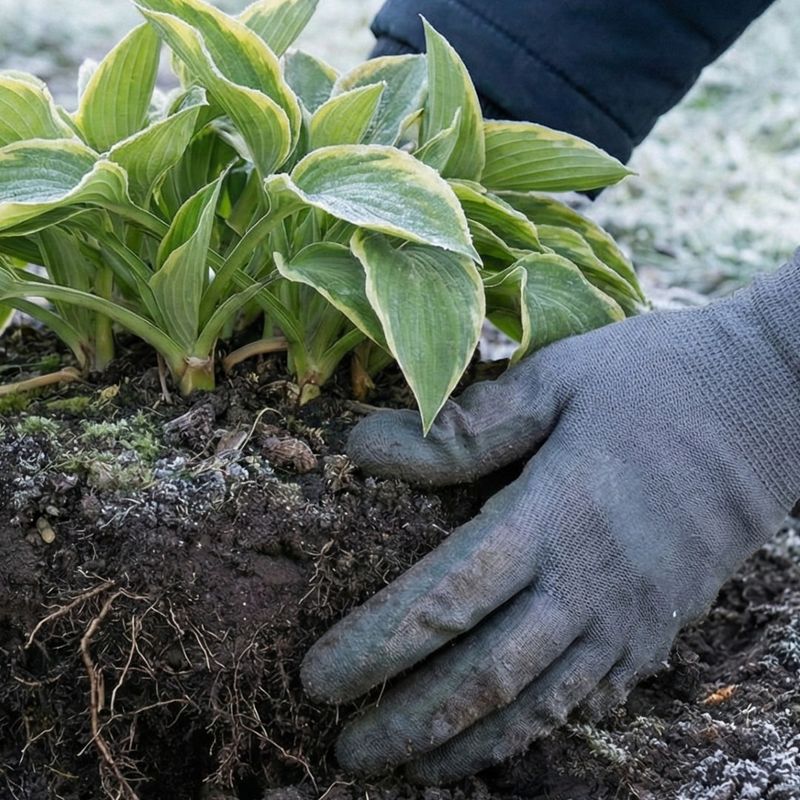
Picture your garden bed looking perfectly tucked in before winter, only to find plants tilted sideways or partially lifted by spring. That is soil heaving in action, and it is one of the most common problems Michigan gardeners face.
When soil freezes, water inside it expands as ice crystals form, pushing the ground upward with surprising force.
As temperatures rise again during a mid-winter thaw, that ice melts and the soil contracts back down. This cycle of expansion and contraction does not just move dirt around.
It physically pushes plant roots upward, partially lifting them out of the soil where they were safely anchored before winter began.
Shallow-rooted perennials, newly planted bulbs, and young transplants are especially prone to this kind of displacement. Once roots get pushed up, they lose contact with the moist, insulating soil they depend on for survival through cold snaps.
Michigan can experience multiple freeze thaw cycles in a single winter, meaning this heaving process may repeat several times before spring fully arrives.
Checking your garden beds after any significant warm spell is a smart habit. If you spot lifted plants, gently press them back into the soil firmly.
Adding a layer of mulch before the ground freezes helps reduce how dramatically the soil expands and contracts, which lowers the risk of heaving significantly throughout the entire season.
2. Exposed Roots Become Vulnerable To Cold And Drying
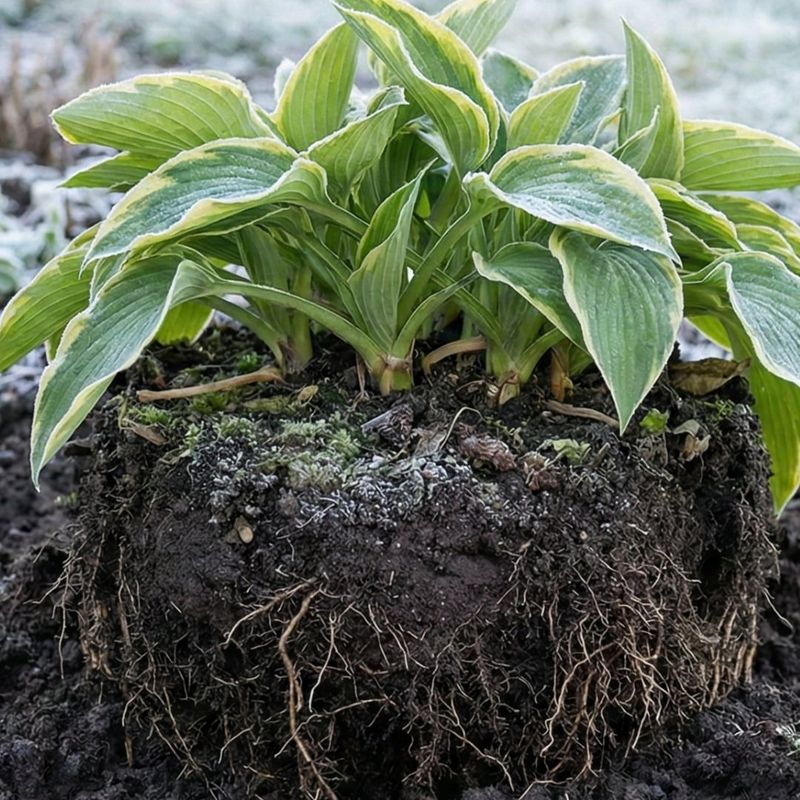
Roots are not built for life above ground. They evolved to stay tucked safely below the soil surface where temperatures stay more stable and moisture stays locked in.
When soil heaving pushes them upward, those roots suddenly face conditions they were never designed to handle on their own.
Cold air temperatures can drop far lower than soil temperatures, even just a few inches above the ground.
An exposed root sitting on top of frozen soil on a windy January night in Michigan faces serious cold stress that can damage the delicate root tissue responsible for absorbing water and nutrients.
Desiccation is another real concern. When roots sit exposed to air, especially dry winter air with low humidity, moisture evaporates from root tissue quickly.
The plant cannot replace that lost moisture because the frozen soil below locks water in place, making uptake impossible no matter how thirsty the plant becomes.
Catching exposed roots early makes a big difference. As soon as you notice heaving has occurred, press the plant firmly back into the soil and water lightly if temperatures allow.
Covering the base with a generous layer of straw or shredded wood mulch adds immediate insulation. Consistent monitoring throughout late winter, especially after any warm stretch followed by a hard freeze, keeps your plants in the best possible shape heading into spring.
3. Mulch Helps Stabilize Soil Temperature
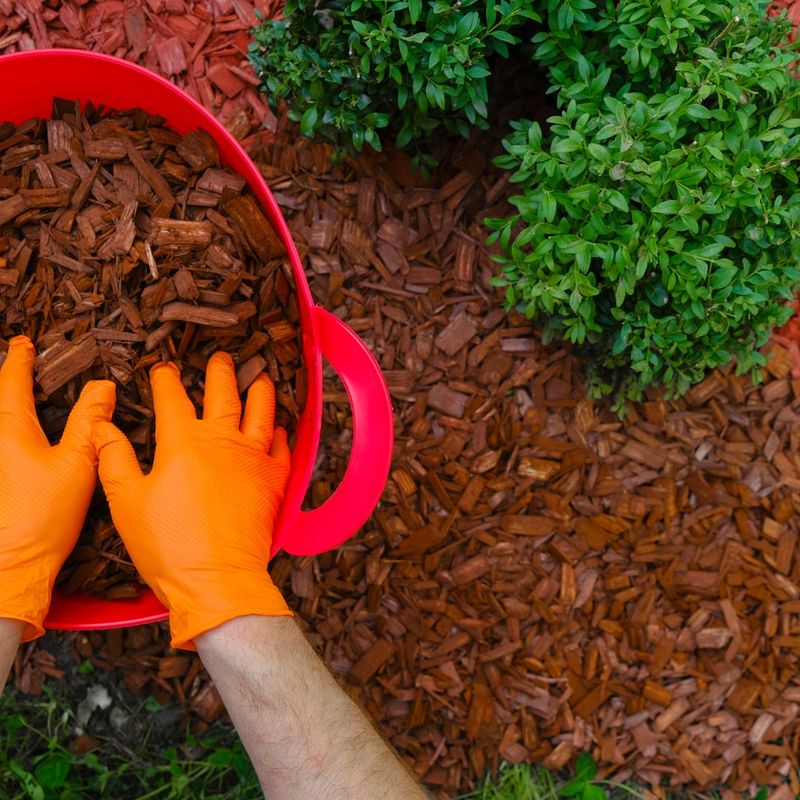
Think of mulch as a cozy blanket your soil pulls on before winter hits. It does not keep the ground warm in the same way a heated greenhouse would, but it does something arguably more valuable.
Mulch slows down how quickly soil temperatures change, buffering against the rapid swings that cause so much damage during freeze thaw cycles.
When outdoor air temperatures spike during a January thaw, mulched soil warms up more slowly than bare soil. When temperatures plunge again overnight, mulched soil cools down more gradually too.
That slower rate of temperature change reduces how aggressively ice crystals form and melt inside the soil, which directly reduces heaving pressure on plant roots.
Organic mulches like shredded leaves, straw, or wood chips work particularly well because they trap air pockets that act as insulation. A layer of three to four inches is generally recommended for most Michigan garden beds.
Applying it before the ground freezes hard in late autumn gives the best results, though adding more mulch during late winter thaws still provides meaningful protection.
One thing worth knowing is that mulch should not be piled directly against plant stems or crowns, since that can trap excess moisture and encourage rot. Pull the mulch back slightly from the base of each plant while still covering the surrounding root zone generously.
This simple adjustment maximizes protection while keeping plant crowns healthy through the rest of winter.
4. Evergreen Plants Lose Moisture During Winter Thaws
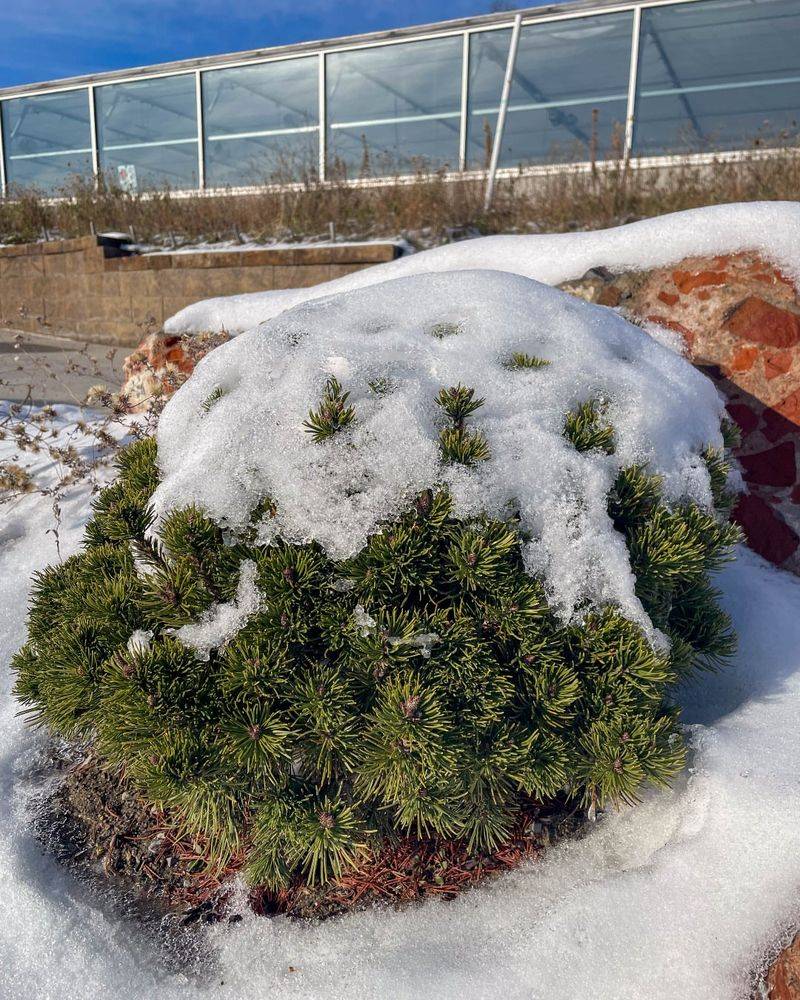
Evergreens look tough standing green against a snowy Michigan landscape, but they face a hidden struggle that most gardeners never think about.
Unlike deciduous plants that drop their leaves and essentially pause for winter, evergreens keep their foliage active year-round.
That means they are always losing moisture through their needles or leaves, even in the middle of January.
During a winter thaw, warmer temperatures and sunny days speed up that moisture loss significantly. The plant transpires water through its foliage at a faster rate than usual, but the soil is still frozen solid below.
Frozen soil cannot release water to the roots, so the plant has no way to replace what it is losing through its leaves or needles.
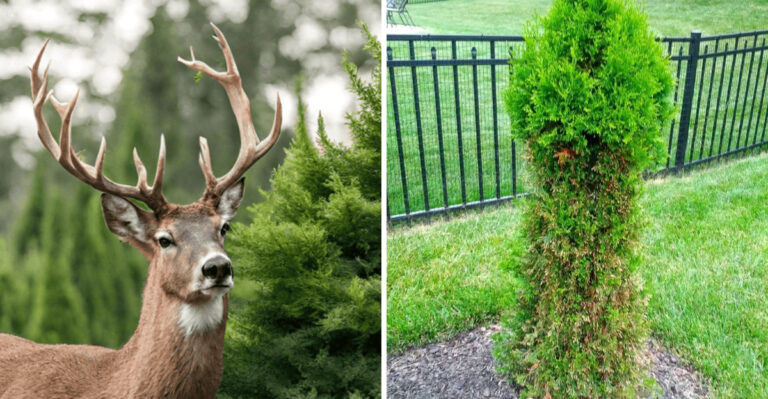
This imbalance between water loss and water uptake causes a condition called winter burn.
You will notice it as browning or bronzing of needle tips or leaf edges, usually showing up most visibly in late winter or early spring when the damage becomes impossible to miss.
South and west-facing exposures tend to suffer most because they receive more sun and wind during winter months.
Spraying evergreens with an anti-desiccant product in late autumn creates a thin protective coating on foliage that slows moisture loss. Watering evergreens deeply before the ground freezes also helps, since fully hydrated plants handle winter stress better.
Choosing planting locations sheltered from harsh west winds reduces exposure and gives your evergreens a much better chance of staying vibrant through every Michigan winter.
5. Repeated Freezing Can Damage Plant Cells
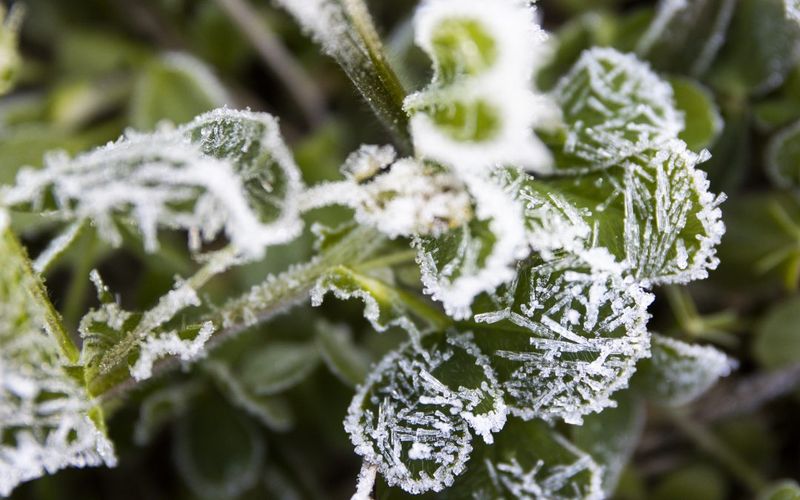
Inside every plant, there are millions of tiny cells filled with water-based fluid. When temperatures drop below freezing, that fluid can form ice crystals, and the way those crystals form matters enormously for whether the plant survives.
Slow freezing tends to pull water out of cells before ice forms inside them, which is less damaging than rapid freezing that traps ice crystals directly within cell walls.
When ice forms inside plant cells, those sharp crystals physically puncture and rupture the cell membranes. A single hard freeze might cause limited damage if the plant has hardened off properly through gradual autumn cooling.
The real problem in Michigan comes from repeated freeze thaw cycles that keep forcing the plant through this damaging process again and again throughout winter.
Each time the plant partially thaws and then refreezes, previously stressed cells face renewed ice crystal formation. Cells that were weakened but intact after the first freeze may rupture completely during the second or third cycle.
This cumulative cellular damage is why plants sometimes look fine in early winter but show serious injury by late February or March.
Hardening off plants properly before winter is one of the best defenses against cellular freeze damage. Avoid fertilizing with high-nitrogen products in late summer, since that pushes soft new growth that has not had time to toughen up.
Plants that enter winter with firm, well-matured tissue handle repeated freezing far better than those still carrying lush late-season growth when temperatures plunge.
6. Waterlogged Soil During Thaw Can Stress Roots
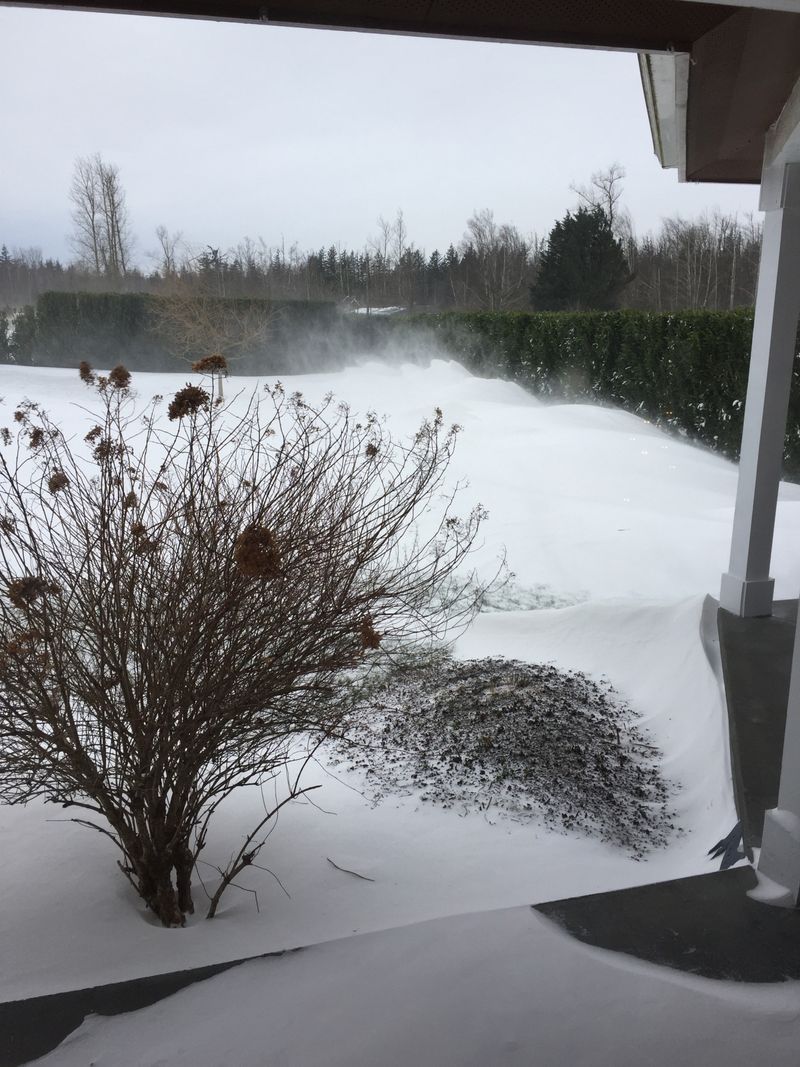
Spring thaws in Michigan often arrive faster than the ground can absorb them. Snow melts from the surface, temperatures warm the air, but several inches below the garden bed the soil is still frozen solid.
That frozen layer acts like a barrier, preventing meltwater from draining downward the way it normally would during warmer months.
Water has nowhere to go, so it pools at the surface and saturates the top layer of soil completely. Roots sitting in that waterlogged zone face a problem that surprises many gardeners: too much water can be just as harmful as too little.
Saturated soil pushes out all the oxygen that roots need to function, and roots that cannot access oxygen begin to decline rapidly.
The combination of cold temperatures and oxygen-depleted soil creates tough conditions for root systems that are already stressed from months of winter exposure.
Certain plants like lavender, ornamental grasses, and many Mediterranean herbs are particularly sensitive to waterlogged conditions and may show significant root stress after a wet winter thaw in Michigan.
Improving soil drainage before winter is one of the most effective ways to protect against this issue. Adding organic matter like compost to heavy clay soils improves their structure and drainage capacity over time.
Raised beds offer excellent drainage protection for sensitive plants. Avoiding low-lying planting spots where water naturally collects also reduces the risk of waterlogging during those unpredictable Michigan thaw periods in late winter.
7. Late Winter Warm Spells Can Trigger Early Growth
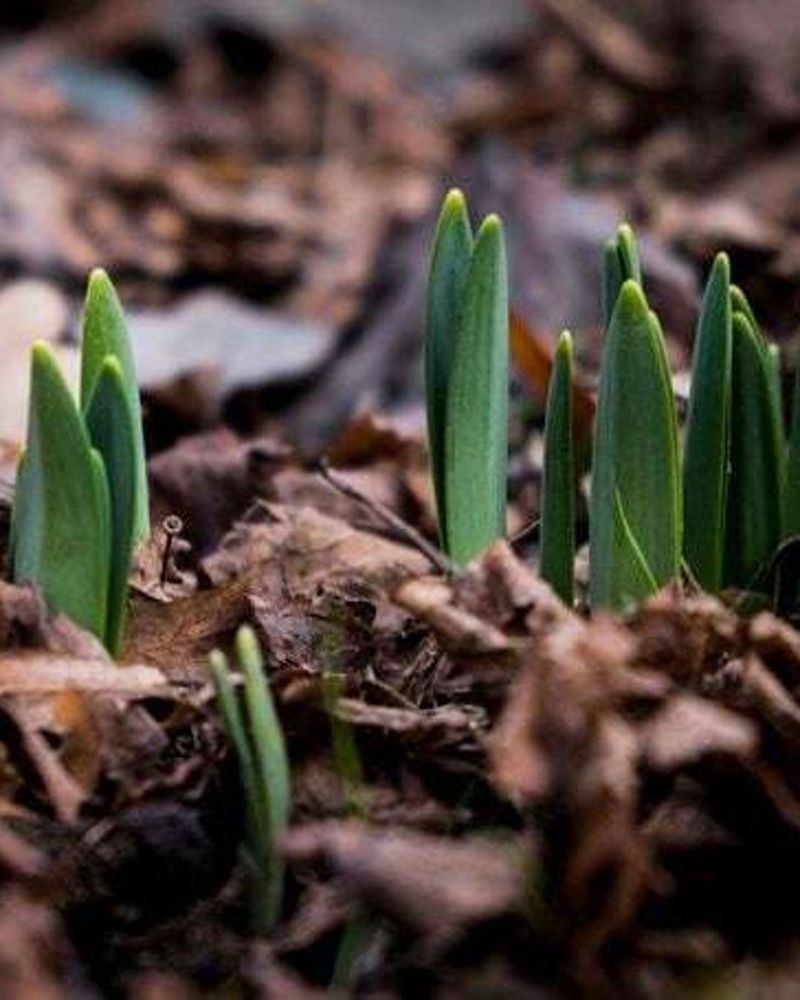
A stretch of warm sunny days in late February feels like a gift after a long Michigan winter. Gardeners start feeling hopeful, and apparently so do plants.
Warmer temperatures signal the plant’s internal systems that spring has arrived, triggering the release of stored energy and the beginning of new growth. The problem is that Michigan winter is rarely finished delivering cold surprises by late February.
When plants break dormancy too early, the tender new growth that emerges has almost no frost tolerance. A fresh green bud or young shoot that pushed out during a warm spell can be completely damaged by a single night below freezing.
Fruit trees are especially vulnerable because early flower buds that open during a warm spell can be wiped out by a return to typical late winter temperatures, which means no fruit harvest that year.
Bulbs like tulips and daffodils that push shoots up during a warm spell face similar risks. While established bulbs often survive a freeze after emerging, the visible foliage may suffer cosmetic damage, and flower buds that have already formed can be harmed.
Repeated cycles of warming and refreezing put significant stress on those early shoots.
Resisting the urge to remove mulch or protective coverings during early warm spells is genuinely important. Keeping insulation in place over perennial crowns and bulb beds a little longer helps moderate soil temperature and slows premature sprouting.
Patience pays off because plants that stay dormant longer enter spring with more energy and more resilience than those jolted awake too soon.
8. Protect Perennials By Adding Extra Mulch Before Winter Ends
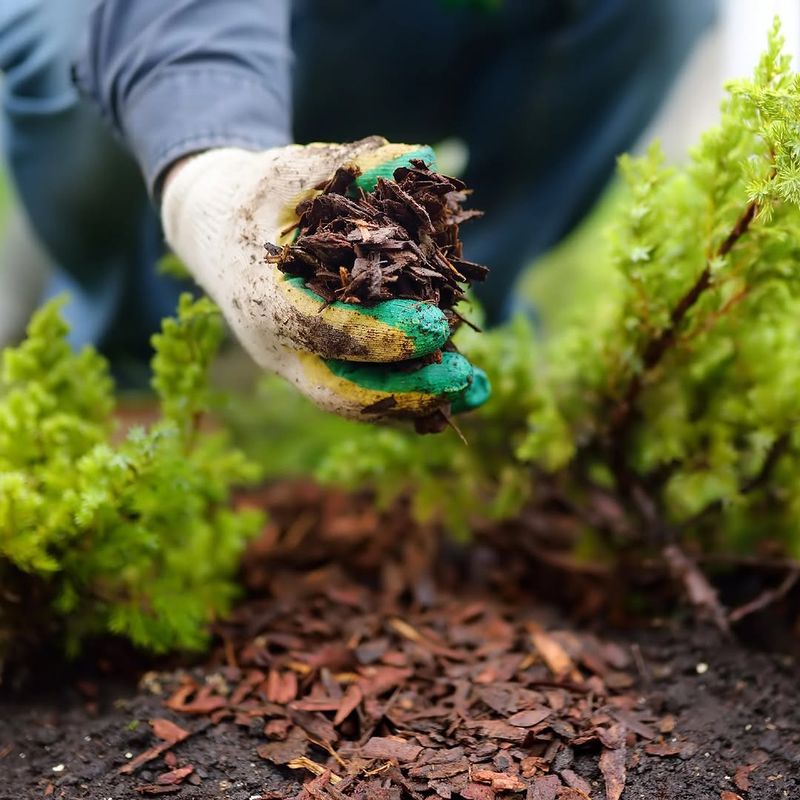
Most gardeners think about mulching in autumn, but late winter is actually a smart second opportunity to reinforce protection for perennials still facing cold stress. By February, original mulch layers may have compacted, shifted, or thinned out from wind and moisture.
Topping them up before the final freeze thaw cycles of the season gives plant crowns a fresh layer of insulation right when they need it most.
Perennials store energy in their root crowns over winter, and those crowns are the most critical part of the plant to protect.
When crowns freeze and thaw repeatedly without adequate insulation, the tissue can sustain damage that delays or weakens spring growth significantly.
A few extra inches of straw, shredded leaves, or wood chips placed over the crown area makes a measurable difference in how well plants bounce back.
The timing matters more than most people realize. Adding mulch during a cold stretch rather than during a warm spell helps because you want to insulate the soil while it is still cold rather than trap warmth and accidentally encourage premature sprouting.
Waiting for a cooler day in late winter to apply that extra layer is worth the extra planning. Choosing the right mulch material also plays a role.
Loose, airy materials like straw allow some airflow while still providing thermal insulation, which helps prevent moisture buildup around crowns.
Shredded wood chips work well for woody perennials and ornamental grasses. Either way, that extra layer of protection in late winter is one of the simplest and most rewarding investments you can make for your spring garden.
9. Wind Protection Helps Prevent Winter Damage
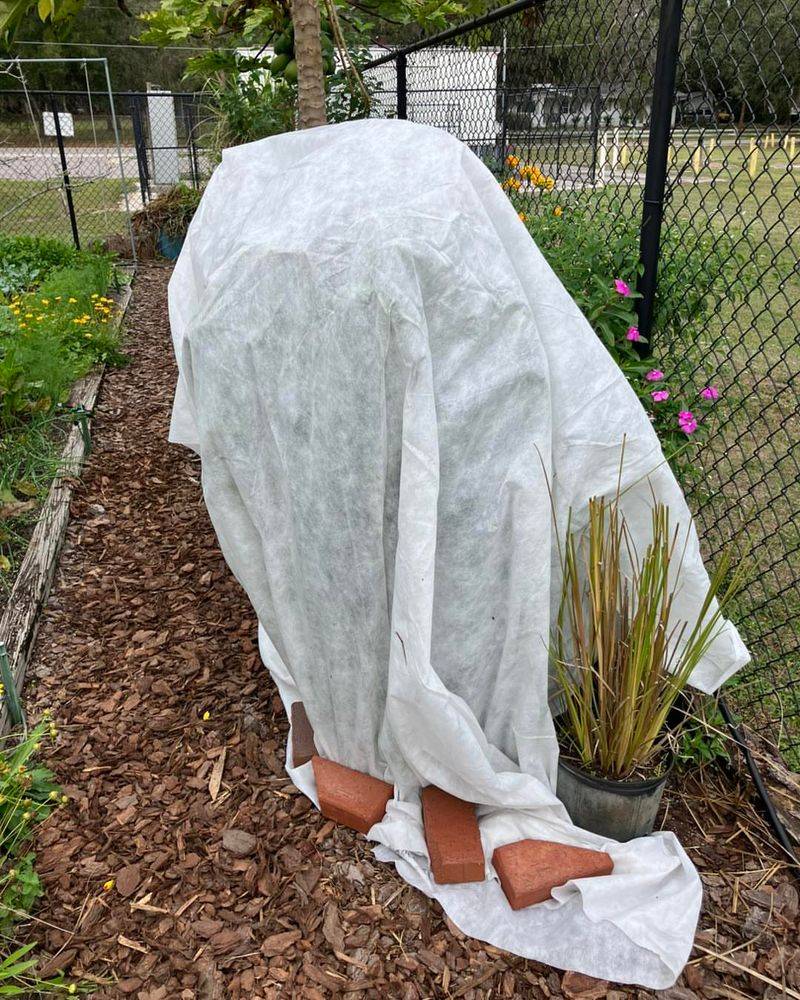
Wind is the silent partner in a lot of winter plant damage, and it rarely gets the credit it deserves for causing problems.
Cold wind dramatically increases the rate at which plants lose moisture from their foliage, a process that accelerates dramatically during freeze thaw cycles when plant tissue is already under stress.
Even on days when the temperature is not dangerously low, a strong northwest wind in Michigan can push plants past their tolerance threshold.
Wind chill affects plants differently than it affects people, but the moisture-stripping effect is very real. Evergreens, broadleaf evergreens like rhododendrons, and young deciduous trees with thin bark are especially sensitive to wind desiccation during winter.
The combination of frozen soil preventing water uptake and wind rapidly pulling moisture out of foliage creates a difficult equation for plant survival.
Physical windbreaks make a noticeable difference. Burlap screens staked around sensitive shrubs block direct wind exposure without completely sealing off airflow.
Planting permanent windbreaks using dense evergreen hedges or fences on the north and west sides of your garden creates long-term protection that improves with every growing season. These structural solutions pay dividends for decades.
For smaller plants and containers left outdoors, moving them to sheltered spots near a building foundation provides meaningful wind protection. South-facing walls in particular create a microclimate that stays noticeably warmer and calmer than open garden areas.
Strategic placement and simple burlap barriers together form a practical and affordable wind protection plan for Michigan gardens facing another tough winter season.
10. Healthy Established Plants Recover Better From Freeze Stress
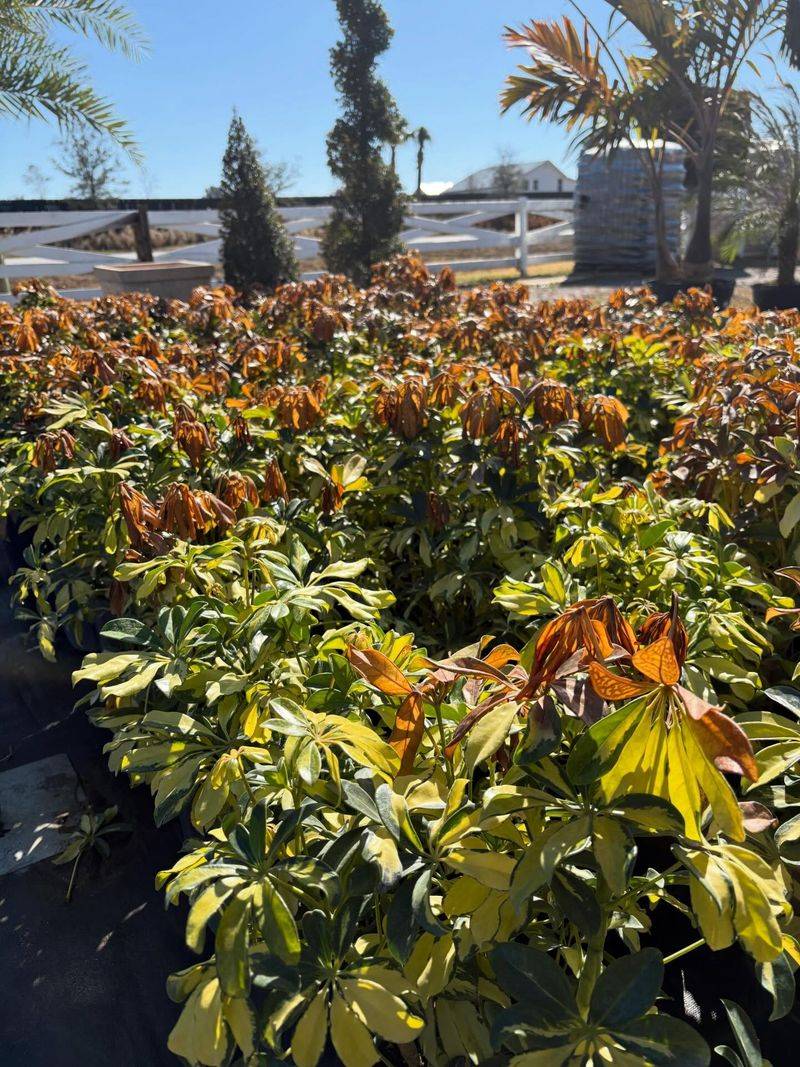
There is a reason experienced gardeners talk about the importance of getting plants established before winter arrives.
A plant that has had one or two full growing seasons to develop a deep, extensive root system simply handles winter stress in a way that a newly planted specimen cannot match.
Strong roots reach deeper into the soil where temperatures stay more stable and moisture is more consistently available.
Established plants also store more energy in their root systems going into winter. That stored carbohydrate reserve is what fuels recovery when spring arrives, powering new shoot growth before the plant can rely on photosynthesis again.
A plant with a large, well-developed root system carries a bigger energy reserve, which translates directly into faster, more vigorous spring recovery after a tough Michigan winter.
Building plant health during the growing season is the most reliable way to improve winter survival.
Consistent watering during dry spells, appropriate fertilization that winds down by midsummer, and avoiding unnecessary pruning in late summer all contribute to stronger plants heading into cold weather.
Stressed or nutrient-deficient plants enter winter already compromised, which makes every freeze thaw cycle harder to recover from.
Choosing plant varieties rated for Michigan’s hardiness zones, primarily zones 5 and 6, is equally important. A plant that is not rated for your zone will struggle every winter regardless of how healthy it is.
Matching the right plant to the right place, then giving it the care it needs to truly establish, is the most powerful long-term strategy any Michigan gardener can use.