How Michigan’s Freeze And Thaw Cycles Can Crack Raised Garden Beds
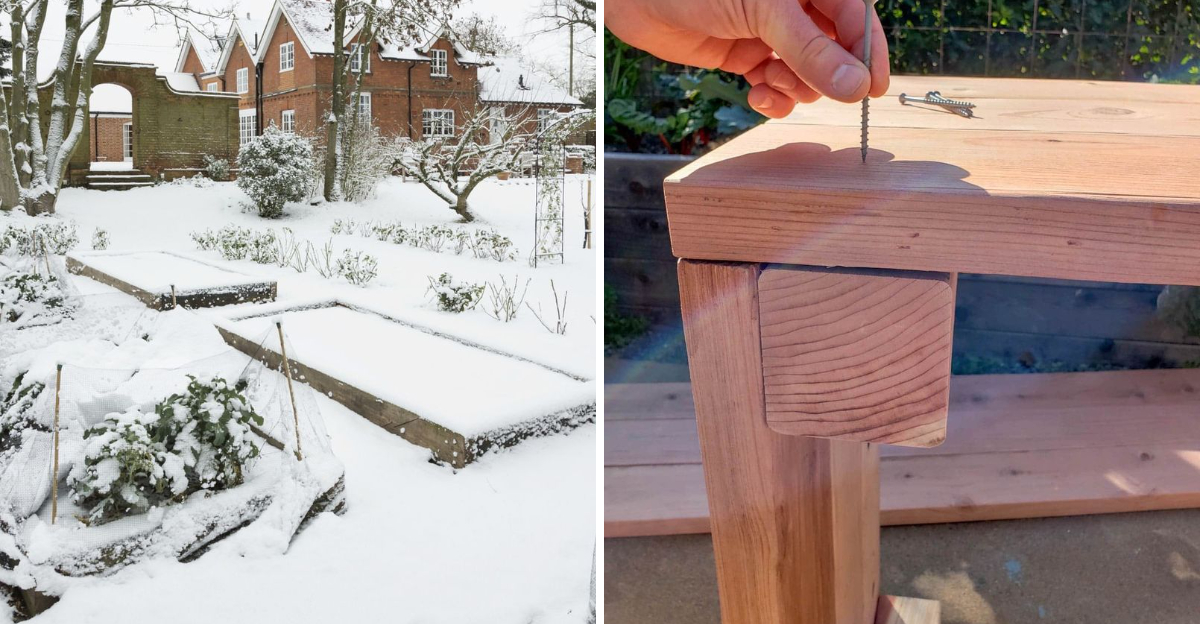
Michigan winters can quietly take a toll on raised garden beds. While everything looks still on the surface, the constant freeze and thaw cycles happening beneath the snow can slowly weaken the structure of your garden beds.
Many gardeners do not notice the damage until spring arrives and boards start shifting or corners begin to separate.
Across the Upper and Lower Peninsulas, fluctuating winter temperatures allow water to seep into small cracks in wood or joints.
When that water freezes, it expands and pushes materials apart from the inside. Over time, this repeated pressure can loosen fasteners, warp boards, and shorten the life of the entire bed.
Understanding how winter affects raised beds is the first step toward protecting them. With the right preparation and a few smart precautions, Michigan gardeners can keep their beds sturdy and ready for many productive seasons ahead.
1. Water Expands When It Freezes
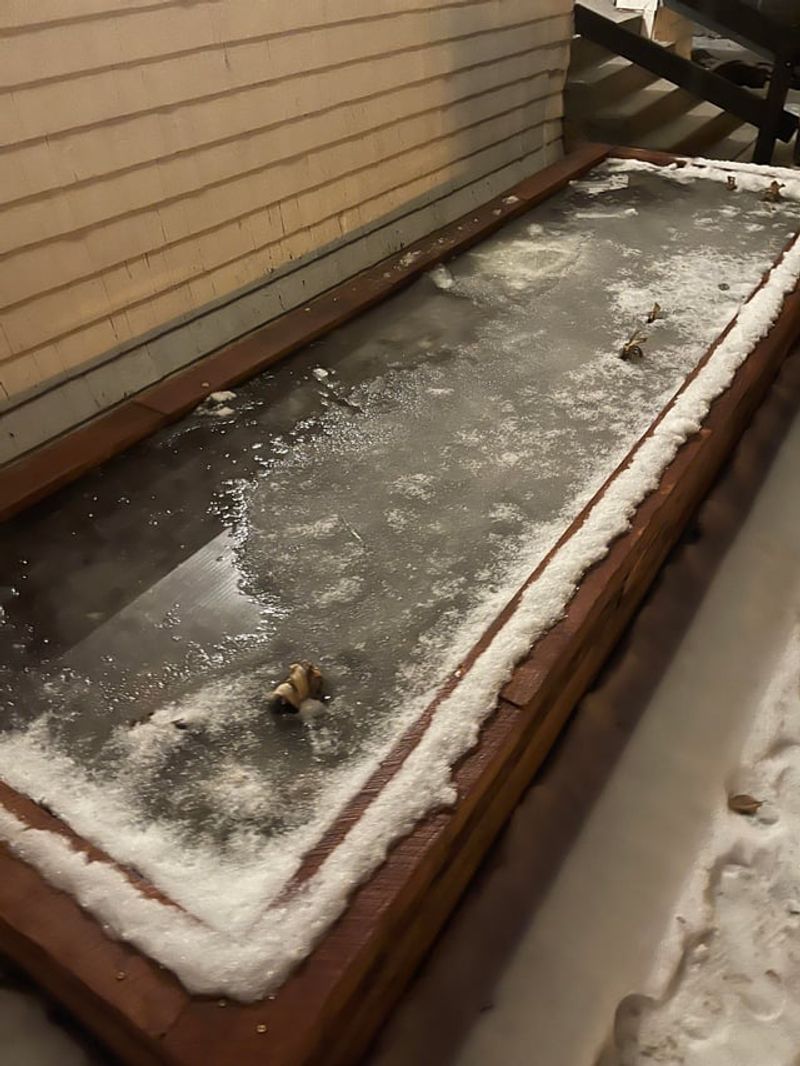
Most people know that water freezes in winter, but fewer realize just how powerful that freezing actually is. When water turns to ice, it expands by roughly nine percent in volume.
That might not sound like much, but inside a small crack in a wooden raised bed, that expansion creates enormous outward pressure.
During Michigan’s wet fall season, rainwater and snowmelt seep easily into tiny gaps in wood planks, concrete blocks, or composite boards.
Once temperatures drop below 32 degrees Fahrenheit overnight, that trapped water freezes solid and pushes the surrounding material apart. The crack that started as a hairline now becomes noticeably wider.
Over multiple Michigan winters, this process repeats itself again and again. Each freeze adds a little more damage, and each thaw lets new water flow into the now-larger opening.
Cedar boards, which are popular in Michigan gardens, can still absorb moisture and crack under this pressure over time.
Sealing your wood before the first hard freeze each fall is one of the smartest things you can do to slow this process down.
Waterproof sealants create a barrier that keeps moisture from getting inside the fibers where it can do the most harm to your raised bed structure.
2. Repeated Freeze And Thaw Cycles Stress Materials
Michigan gardeners know that winter does not stay consistently cold from November through March.
Temperatures swing back and forth, sometimes warming above freezing during the day and dropping well below at night.
This pattern of repeated freezing and thawing is actually more damaging to raised bed materials than a single long cold stretch would be.
Every time moisture inside a crack freezes, it pushes the material outward. Every time it thaws, it pulls back slightly, but the crack never fully closes. Instead, it stays a little more open than before.
Over dozens of these cycles in a single Michigan winter, untreated lumber, concrete blocks, and natural stone all begin to show real signs of wear and fatigue. Corner joints and fasteners take the worst of this stress.
The wood swells and shrinks around screws and nails, slowly loosening the connections that hold your bed together.
By spring, what looked like a solid structure in October might have visible gaps, loose boards, or shifted corners.
Checking your raised beds in late February and early March, when freeze-thaw cycles are most frequent in Michigan, gives you a chance to catch problems early.
Tightening hardware and resealing joints before the growing season begins can add years to the life of your raised garden bed.
3. Saturated Soil Pushes Against Bed Walls
Picture your raised garden bed sitting in your Michigan backyard after a week of heavy snowmelt and spring rain.
The soil inside and around the bed is completely saturated, heavy with water, and pressing outward in every direction. That pressure does not just disappear because the bed has walls around it.
Wet soil is significantly heavier than dry soil, and when it becomes fully saturated, it behaves almost like a slow-moving liquid.
It pushes against the inside walls of your raised bed with steady, relentless force.
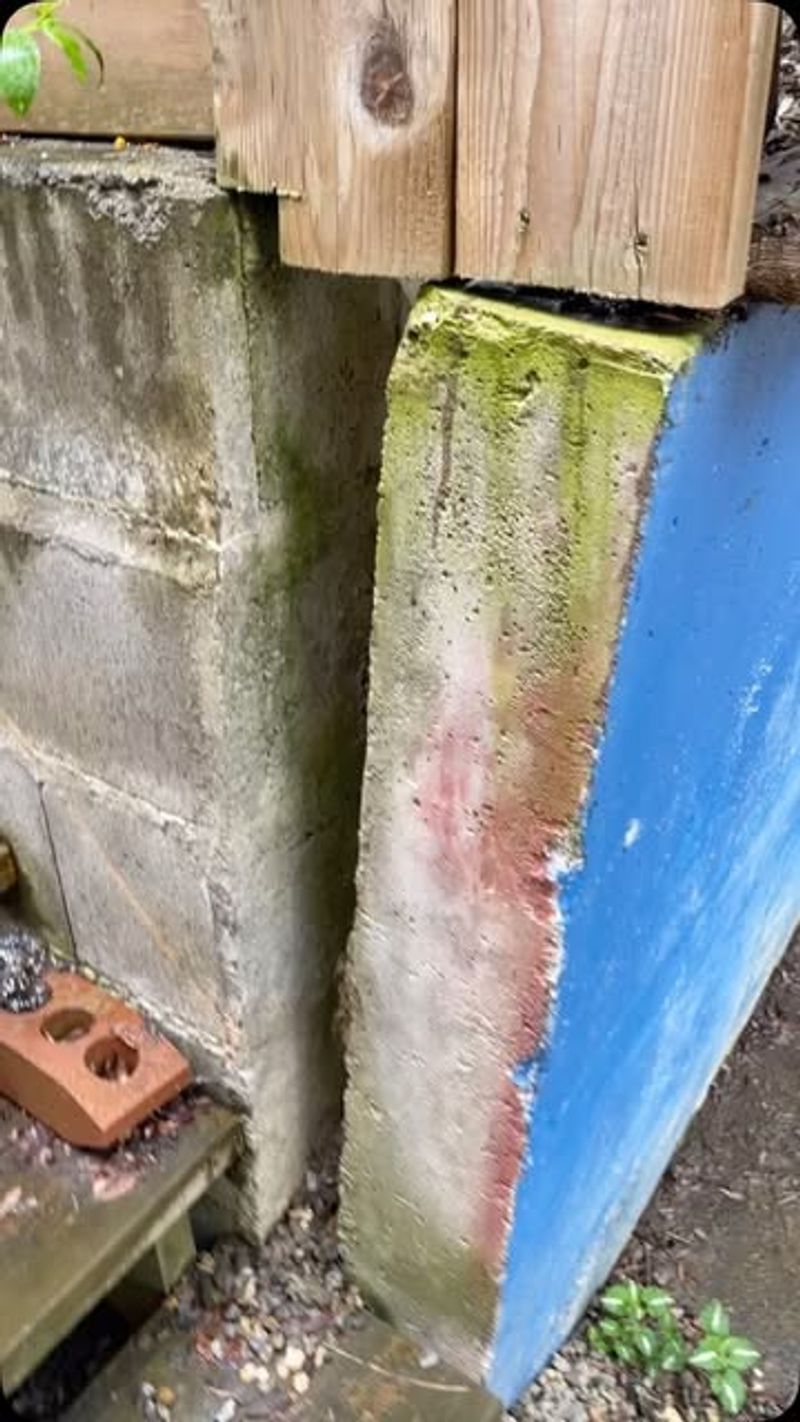
When that saturated soil also contains partially frozen layers or ice pockets, the pressure increases even more, sometimes enough to bow wooden boards outward or crack mortar joints in block-style beds.
Michigan’s spring thaw season, typically in March and April, is when this problem peaks. The top layer of soil thaws first while deeper layers remain frozen, creating a waterlogged zone that has nowhere to drain.
Good internal drainage is the best defense against this issue.
Adding a layer of gravel or coarse material at the bottom of your raised bed before filling it with garden soil allows water to move downward rather than building up pressure against your walls.
Choosing rot-resistant wood like cedar or using thick composite boards also helps your bed hold up against the seasonal pressure of Michigan’s wet spring ground.
4. Frost Heave Shifts The Ground Beneath Beds
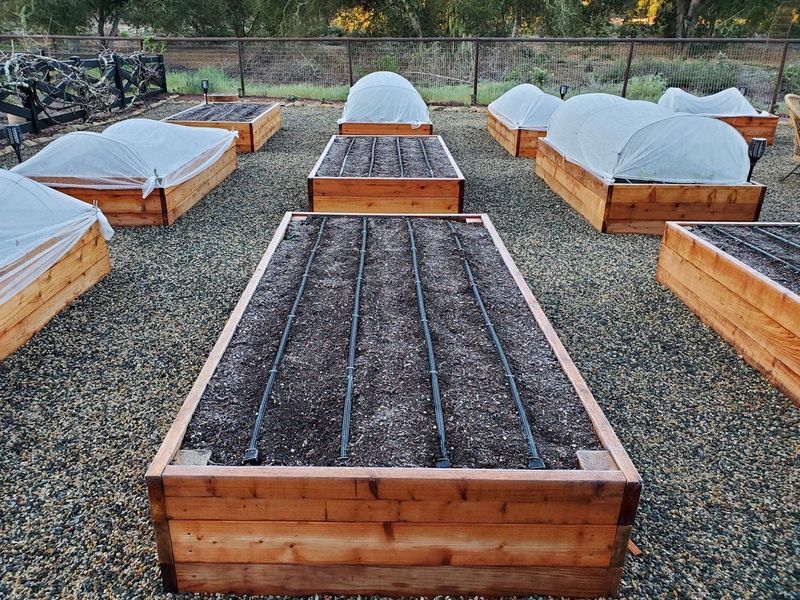
Frost heave is one of those garden problems that sneaks up on you slowly. It happens when water in the soil freezes and forms layers of ice called ice lenses.
These ice lenses push the soil upward from below, sometimes lifting heavy objects sitting on the ground surface by several inches over a single winter.
In Michigan, frost heave is especially common in areas with clay-heavy or loamy soil, which holds more moisture than sandy soil.
When the ground beneath a raised garden bed shifts upward unevenly, the bed frame twists and warps along with it.
Wood joints that were tight in fall may crack open by spring, and masonry beds can develop visible seams or splits where the mortar has given way under the movement. Raised beds placed directly on the ground are the most vulnerable to frost heave.
One practical solution is to set your bed on a base of compacted gravel, which drains quickly and resists ice lens formation better than bare soil.
Some Michigan gardeners also add a layer of rigid foam insulation beneath their beds to reduce how deeply the ground freezes directly under the structure.
When spring arrives and the ground settles back down, a bed on a gravel base tends to return to its original position much more evenly than one sitting directly on heaving soil.
5. Poor Drainage Traps Water Around The Bed
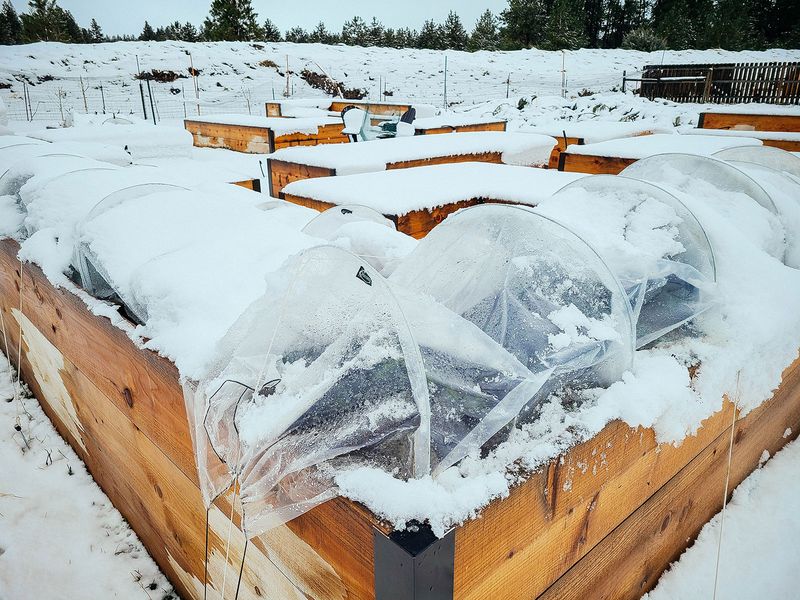
Water pooling around the base of your raised garden bed is a warning sign that serious freeze damage could be coming.
When drainage around the bed is poor, water from fall rains or early snowmelt has nowhere to go.
It collects against the wooden boards or block walls and sits there through the night as temperatures drop.
That standing water freezes against the outside of your bed walls and expands directly into any gap or crack it can find.
Unlike moisture that seeps in gradually, pooled water gives ice a much larger surface area to work with.
The result is faster and more severe cracking, especially at the base of the bed where the water level is highest.
Michigan’s late fall weather makes this particularly risky because rain and early freezes often happen within the same week.
Improving the drainage around your raised beds is a straightforward fix that pays off every single winter. Sloping the ground slightly away from the bed so water runs off naturally is one option.
Adding a gravel border around the perimeter is another popular choice among Michigan gardeners because it allows water to filter down quickly rather than pool on the surface.
Keeping the area clear of leaf piles and debris in fall also helps, since decomposing material can block natural drainage and hold moisture right against your bed walls through the coldest months of the year.
6. Fasteners And Joints Loosen Over Time
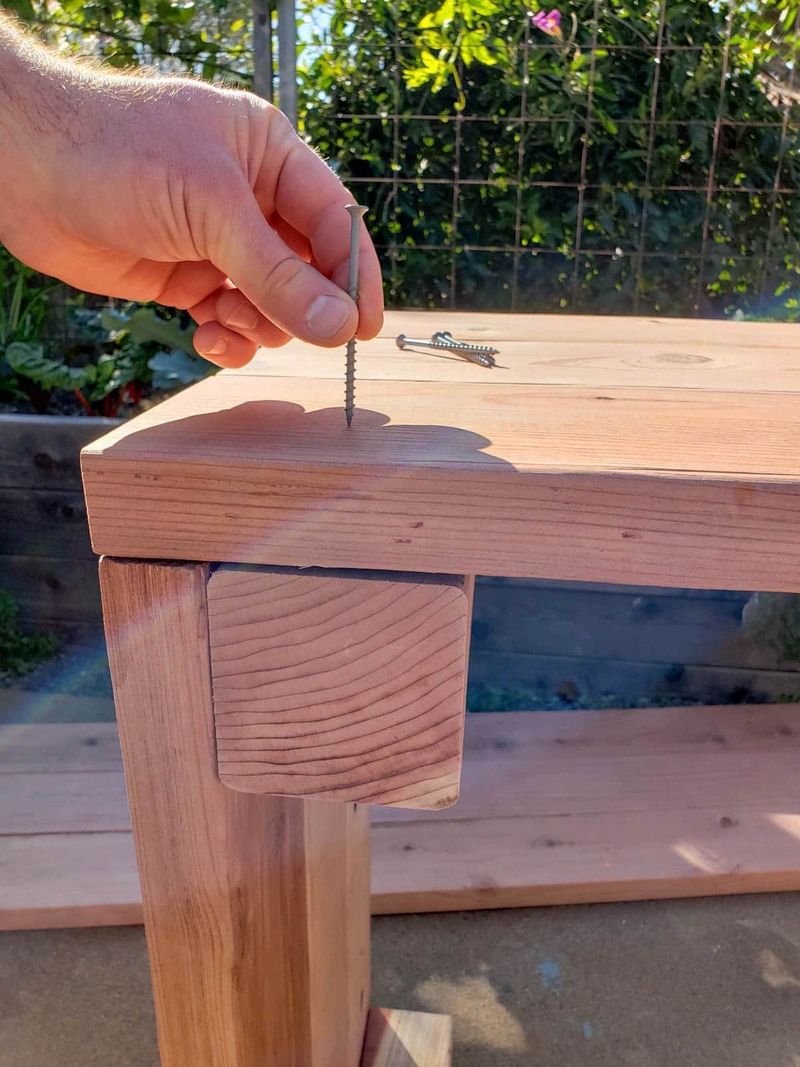
A raised garden bed might look perfectly solid when you build it, but the hardware holding it together faces a constant battle against Michigan’s winter weather.
Screws, nails, and corner brackets are all affected by the repeated swelling and shrinking of wood as it absorbs moisture and then dries out again across multiple seasons.
Wood naturally expands when it gets wet and contracts when it dries. During a Michigan winter, this can happen many times as snow melts, refreezes, and melts again.
Each time the wood moves slightly, the fasteners shift with it. Over several winters, this gradual movement creates tiny gaps around screw heads and nail shafts, and those gaps become entry points for even more water.
Once water gets inside a loosened joint, the freeze-thaw cycle takes over and widens the gap further with every cold night.
Corner brackets made of standard steel can also rust when exposed to repeated moisture, weakening their grip on the wood.
Using stainless steel or galvanized hardware when building your raised bed makes a real difference in how long your fasteners hold up in Michigan’s climate.
Checking all screws and brackets each spring and tightening anything that has shifted during winter takes only a few minutes but can prevent the kind of structural failure that requires you to rebuild an entire section of your garden bed before the planting season begins.
7. Wood Naturally Absorbs Winter Moisture
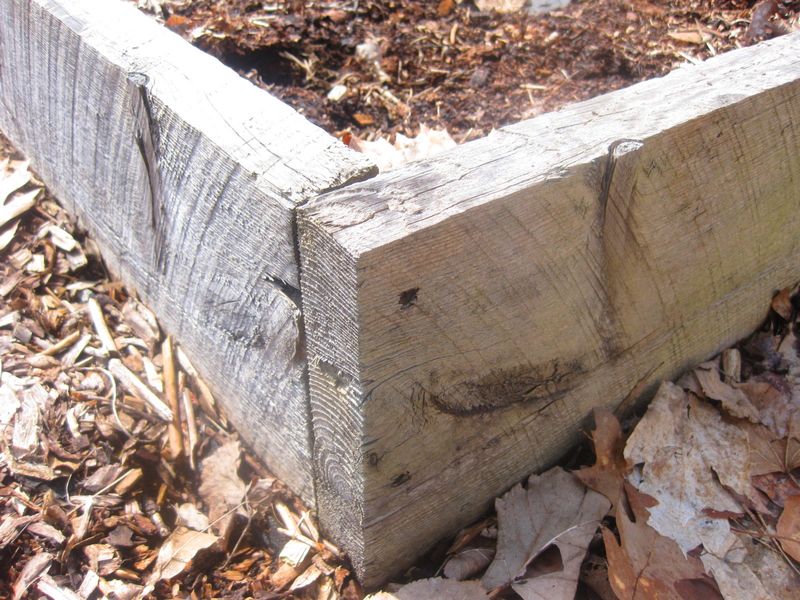
Cedar is one of the most popular choices for raised garden beds in Michigan, and for good reason.
It resists rot better than many other woods and holds up reasonably well through cold seasons.
Even so, cedar and other common raised bed woods like pine naturally absorb moisture from their surroundings, and that absorption creates a real problem when temperatures drop fast.
When wood fibers soak up water from snow, rain, or melting ice and temperatures then plunge overnight, the moisture inside the wood freezes and expands. The pressure builds from within the board itself, pushing outward along the grain.
Surface cracks and splits are the most visible result, especially on older boards that have already been through several Michigan winters and have less structural flexibility than new wood.
Thicker boards tend to handle this internal pressure better than thin ones because the wood fibers are more spread out.
Applying a waterproof wood sealant or exterior wood oil before the first freeze each fall dramatically reduces how much moisture the wood takes in during the cold months.
Some Michigan gardeners also cover their raised beds with a breathable fabric or wooden lid during the harshest winter weeks to keep direct snow contact off the boards.
Small habits like these can extend the life of your raised bed by several years, saving you the time and expense of replacing boards that have cracked from the inside out.
8. Spring Temperature Swings Make Damage Worse
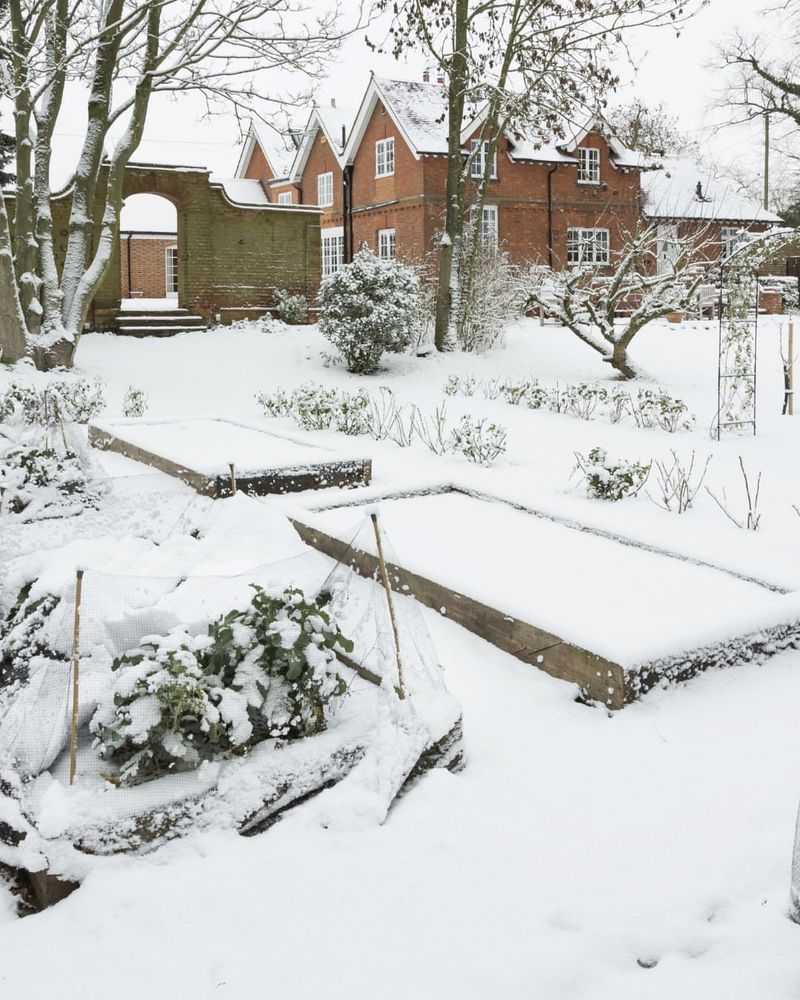
March and April in Michigan are unpredictable in the best possible way for gardeners who love a challenge.
Daytime temperatures can climb into the 50s while overnight lows still dip below freezing, sometimes for weeks at a stretch.
That wide daily swing is actually one of the most damaging conditions your raised garden bed faces all year.
During the day, any moisture in the wood, soil, or joints thaws and becomes liquid again. At night, it refreezes.
This rapid cycling happens far more frequently in spring than in the depths of winter, when temperatures often stay below freezing around the clock.
The result is that small cracks which survived January may suddenly grow noticeably larger by mid-April after dozens of these daily freeze-thaw events.
Mortar joints in stone or block raised beds are especially vulnerable during this period because mortar is more brittle than wood and does not flex at all with temperature changes.
Sealing mortar joints with a masonry waterproofer before winter can slow this process significantly.
For wood beds, reinforcing corners with fresh hardware and applying a fresh coat of sealant in early fall gives the structure its best chance of surviving Michigan’s wild spring swings.
Improving drainage around the bed, raising it slightly off the ground, and using weather-resistant materials from the start are the most reliable long-term strategies for keeping your raised garden bed strong and intact through many Michigan seasons ahead.