How Mild Winter Days Give You A Head Start In Your Georgia Garden
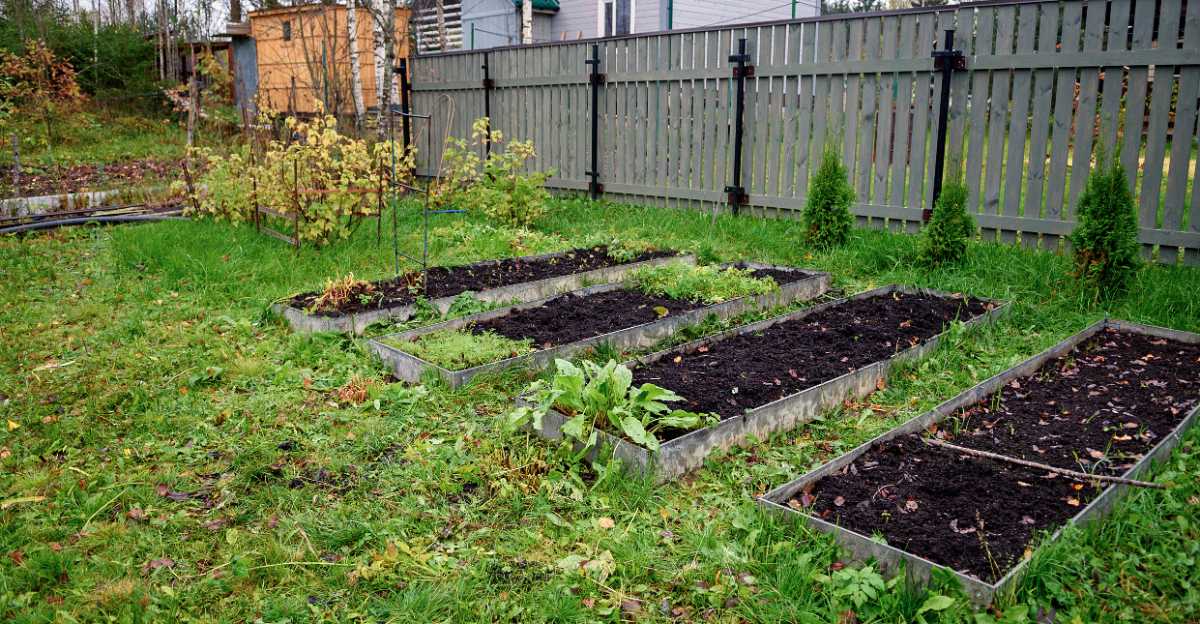
Mild winter days in Georgia can feel like a quiet pause between seasons, but your garden doesn’t see them that way.
When the air warms and the soil softens, subtle changes start happening below the surface, even though it still looks like winter. Not every warm stretch means it’s time to plant, but ignoring these windows means missing what the season quietly offers.
Knowing how to use mild winter days without pushing too far can give your Georgia garden a real advantage before spring even begins.
1. Yes, Mild Winter Days Give You A Head Start — And Here’s Why
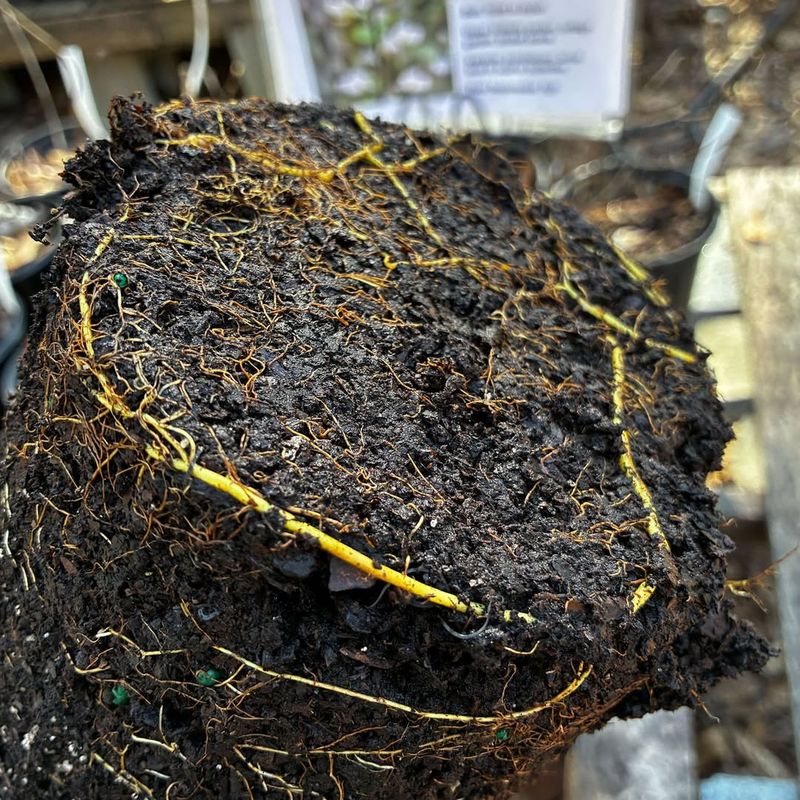
Georgia’s winter warmth penetrates deeper into your garden beds than you might expect. Your soil temperature rises several degrees during those mild spells, creating movement in the root zone that benefits everything planted there.
Roots sense this warmth and begin slow metabolic processes that prepare them for active growth.
This gradual awakening prevents the shock that happens when plants go from frozen ground straight into spring heat. Your perennials and established shrubs develop stronger root systems because they have time to adjust.
The soil microbes also become active during these warm periods, breaking down organic matter and making nutrients available.
You can actually work the soil during mild Georgia winter days without creating compaction problems. The ground stays soft enough for light cultivation while still holding its structure.
Adding compost or amendments during these windows gives them time to integrate before spring planting begins.
Your root vegetables benefit especially from this gradual soil warming. Carrots, beets, and radishes planted in fall continue sizing up during warm stretches.
The flavor actually improves because sugars concentrate slowly rather than rushing through growth cycles.
Temperature fluctuations in Georgia create a natural hardening process for roots. They adapt to changing conditions rather than facing one dramatic shift.
This early activity also improves soil structure over time, as roots and microbes keep the ground from sitting completely dormant.
Moisture moves more evenly through the soil during these periods, reducing compaction and surface crusting before spring rains arrive.
By the time planting season begins, your garden beds are already active below the surface instead of starting from a cold, locked state.
2. Cool-Season Crops Keep Growing Instead Of Stalling
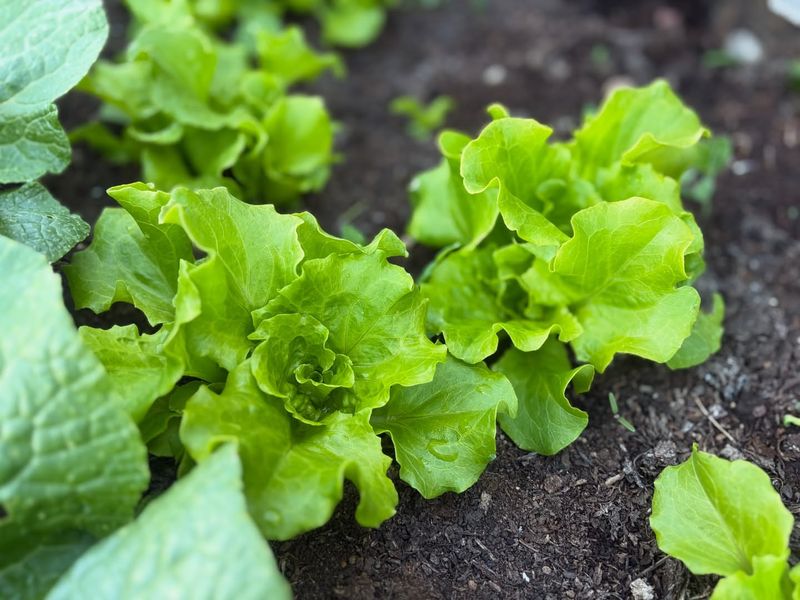
Your lettuce doesn’t just survive Georgia winters—it thrives during those mild stretches. Cool-season vegetables actually prefer temperatures between 40 and 65 degrees, which describes many winter days across the state.
Growth continues steadily rather than stopping completely like it would in harsher climates.
Kale becomes sweeter after light frosts but keeps producing new leaves when temperatures climb back up. Your harvest window extends for months instead of weeks.
The same applies to collards, which Georgians know taste best after cold weather touches them but mild days keep them growing.
Spinach planted in fall reaches full size during winter warm spells rather than waiting for spring. You get multiple cuttings from the same plants because growth never completely halts.
This continuous production means fresh greens on your table throughout the coldest months.
Broccoli and cauliflower form heads during Georgia’s mild winter periods. They need cool weather to develop properly but can’t handle prolonged hard freezes.
Your climate provides exactly the right balance, allowing these crops to mature when northern gardens sit under snow.
Root crops like turnips and radishes keep expanding underground when soil temperatures stay moderate. You can succession plant every few weeks during winter, something impossible in colder regions.
Your garden produces food year-round instead of sitting empty for months at a time.
Mild winter days also reduce stress on cool-season crops, so leaves stay tender instead of turning tough or bitter.
Plants grow at a steady pace, which leads to better texture, balanced flavor, and more reliable harvests through late winter in Georgia.
3. Winter Weeds Are Easier To Control Before Spring
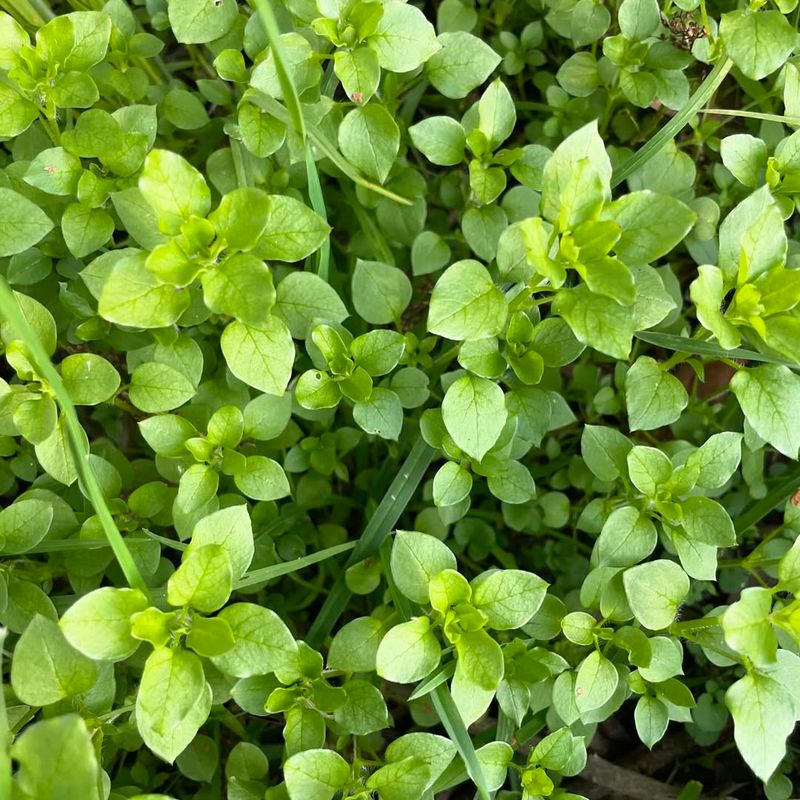
Henbit and chickweed germinate during Georgia’s mild winter days but stay small and manageable. Pulling them now takes minimal effort compared to battling established spring weeds.
The soil stays soft enough during warm spells that roots come out completely with a gentle tug.
Your spring workload decreases dramatically when you handle winter weeds early. These plants would otherwise set seed in early spring, creating thousands of future problems.
Removing them now breaks the reproduction cycle before it starts.
Winter weeds compete less aggressively than their spring counterparts. They grow slowly in cool weather, making them easy to spot and remove.
You can clear an entire bed in the time it would take to tackle one section during peak growing season.
Georgia’s freeze-thaw cycles naturally loosen weed roots from the soil. When you pull during a mild spell, the ground gives up weeds more readily.
This natural assistance makes weed control almost effortless compared to summer battles with established invaders.
Mulch applied during winter warm days prevents new weed germination as temperatures fluctuate. The covering settles properly and begins breaking down, enriching your soil while blocking light from weed seeds.
Spring arrives with clean beds ready for planting instead of weed-choked spaces requiring cleanup.
Annual bluegrass becomes visible during winter but hasn’t developed the deep root system it will have by spring. Your intervention now prevents the tough mats that form later.
Winter weed removal also exposes soil issues early, like compaction or poor drainage, while fixes are still easy to make.
By spring, you’re working with open, manageable beds instead of fighting weeds and correcting problems at the same time.
4. Pruning Wounds Heal Faster During Mild Spells
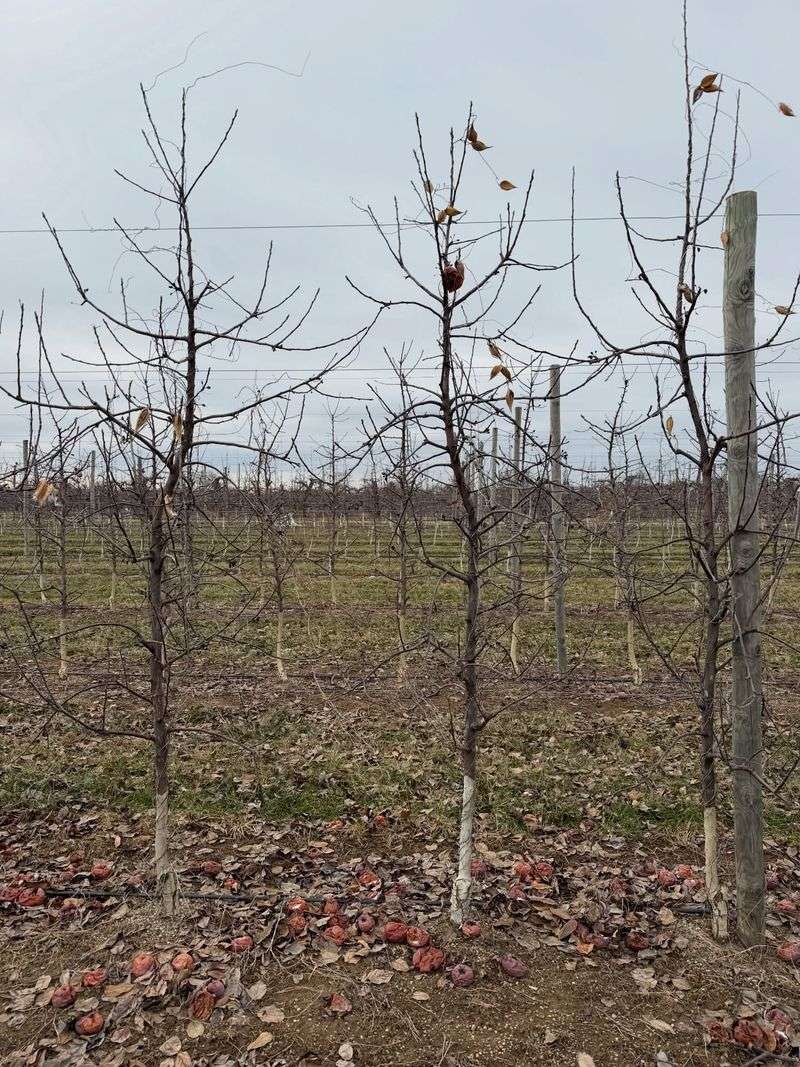
Fruit trees respond remarkably well to pruning during Georgia’s warm winter windows. Cuts made when temperatures stay moderate begin forming protective callus tissue faster than those made in extreme cold.
Your trees seal wounds before insects and diseases become active in spring.
Dormant pruning during mild weather stresses plants less than cutting during temperature extremes. The cambium layer stays active enough to respond to wounds without the tree expending energy on active growth.
This balance creates ideal healing conditions unique to moderate climates.
Roses pruned during warm January or February days in Georgia show strong spring growth from the cuts. The canes have time to adjust before new shoots emerge.
Waiting until late winter means you can see which canes survived cold snaps and which need removal.
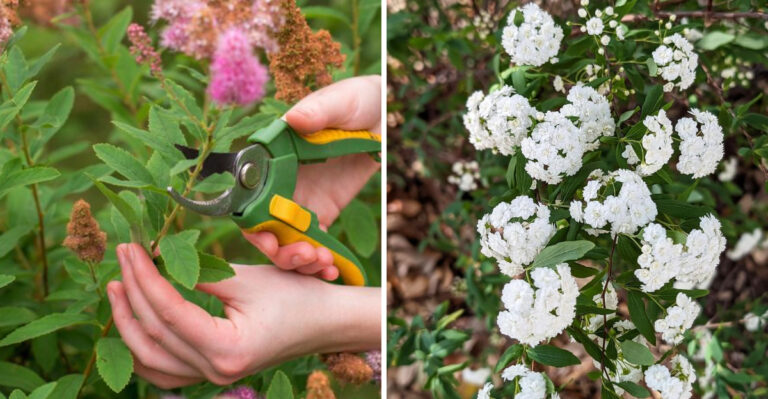
Your shrubs benefit from shape-up pruning during these mild periods. Cuts heal before spring growth pushes through, creating clean branch structure.
The plants direct energy into new growth rather than repairing damage from poorly-timed pruning.
Crepe myrtles tolerate pruning better when done during warm spells rather than the coldest days. Georgia gardeners can choose the best weather window rather than rushing to finish before spring.
This flexibility leads to better cuts and healthier trees.
Wound dressing becomes less necessary when pruning during moderate temperatures. Natural healing processes work efficiently without artificial help.
Your trees develop stronger wood and better resistance to future problems.
Pruning during these mild windows also gives you clearer visibility of structure without leaves getting in the way.
You make cleaner decisions now, which leads to healthier growth and fewer corrective cuts once spring takes off.
5. Perennials Resume Growth Without Shock
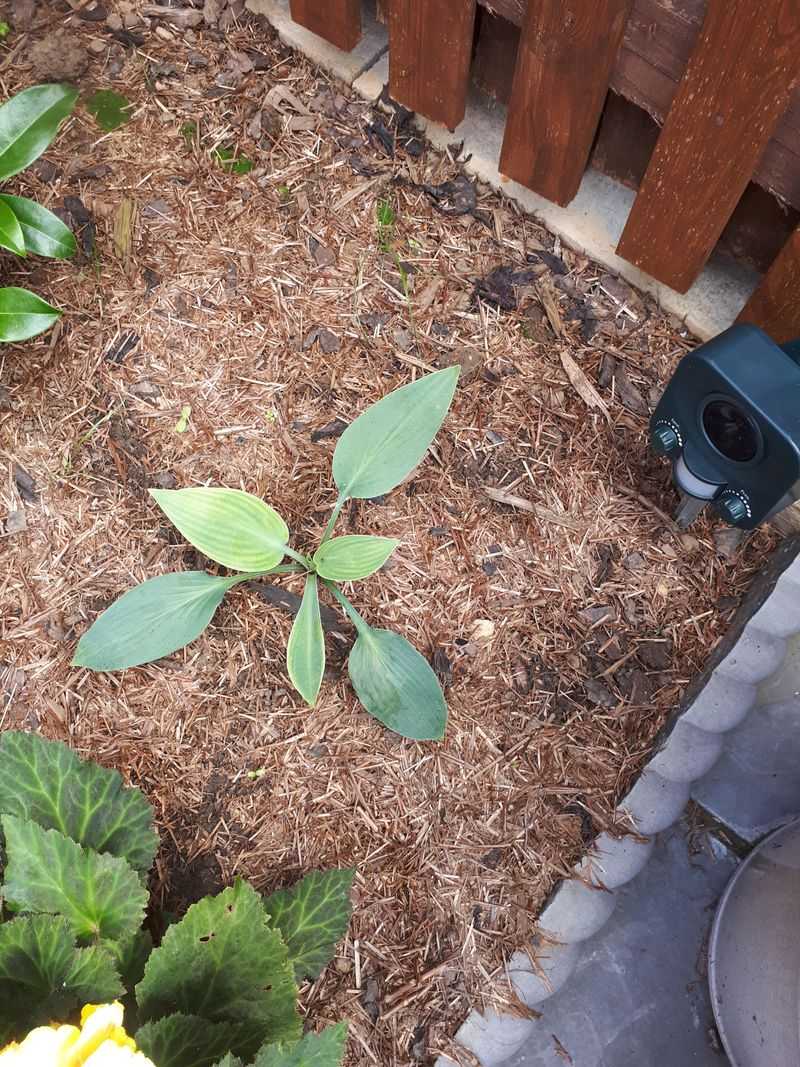
Hostas in Georgia gardens often show leaf tips poking through mulch during warm February days. This early emergence happens gradually rather than all at once, giving plants time to adjust.
Your perennials harden off naturally as temperatures fluctuate between warm days and cool nights.
Daylilies green up during mild spells then pause when cold returns. This stop-and-start pattern actually strengthens the plants rather than harming them.
They develop more robust foliage capable of handling spring weather extremes.
Salvias resume growth from the base during warm winter windows in Georgia. New shoots appear when soil temperatures rise, then hold steady during cold snaps.
By the time consistent warm weather arrives, your plants have substantial growth already established.
Ornamental grasses begin showing green at the base weeks earlier than in colder climates. You can cut back old foliage during mild days, and new growth immediately takes advantage of sunlight.
This early start means fuller plants by late spring.
Iris rhizomes sense soil warming and begin root development during winter thaws. Your spring bloom starts with this underground preparation.
Plants that get this gradual wake-up produce more flowers than those shocked into growth by sudden spring heat.
Sedum and other succulents plump up during Georgia’s mild winter days. They absorb moisture and prepare for spring without the stress of rapid growth.
Your established perennials look healthier because they ease into the growing season rather than racing through early development.
This slow restart also reduces the risk of damage from late cold snaps because growth stays compact and controlled.
By spring, these plants are already balanced and rooted, instead of scrambling to catch up all at once.
6. Garden Prep Can Happen Without Rushing Later
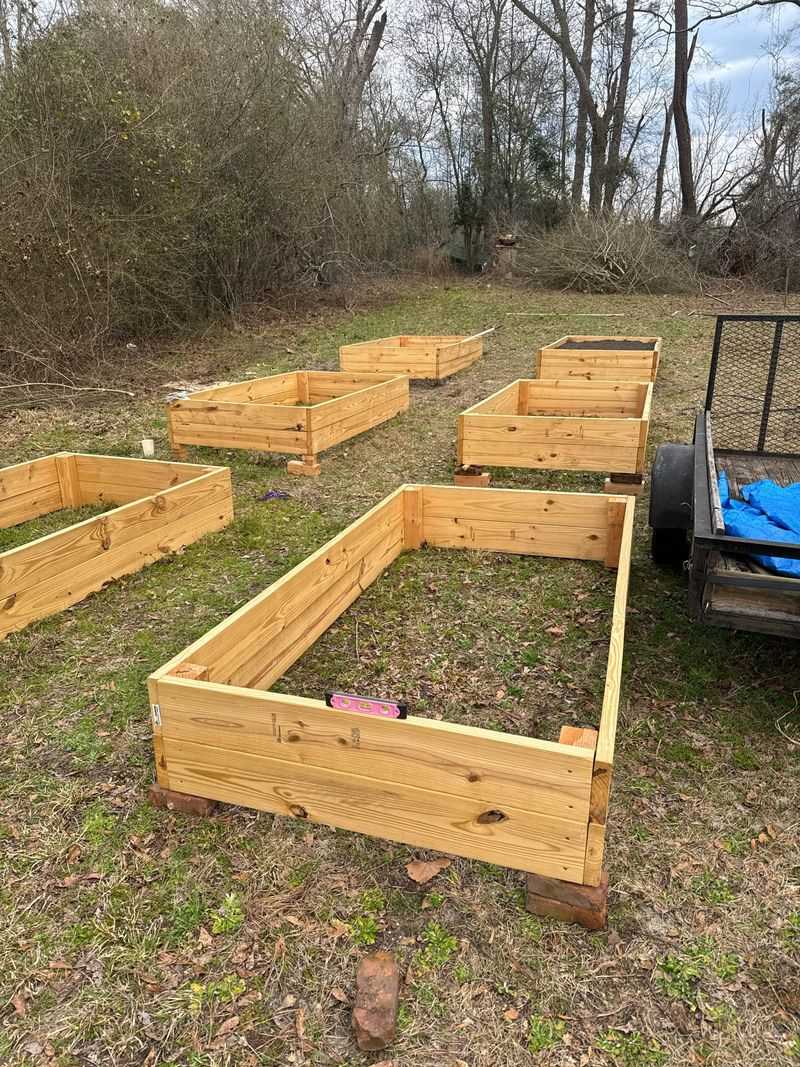
Building new raised beds during Georgia’s mild winter days means the wood settles and soil compacts naturally before planting. You work comfortably without summer heat or spring rain interruptions.
Projects get done right rather than rushed to meet planting deadlines.
Compost bins can be turned and managed during warm spells. Your finished compost has time to cure properly before you need it for spring planting.
The decomposition process continues during mild weather, giving you rich amendment ready when beds need it.
Tool maintenance happens at a leisurely pace during winter warm days. Sharpening blades, oiling handles, and organizing supplies doesn’t compete with urgent planting tasks.
You enter spring with everything ready rather than scrambling to prepare while plants wait.
Irrigation systems can be checked and repaired when you’re not worried about plants suffering from lack of water. Georgia’s mild days let you work on drip lines and sprinkler heads without frozen fingers or time pressure.
Problems get fixed before they become emergencies.
Soil testing makes sense during winter because you have time to amend based on results before planting. Your applications have weeks to integrate into the soil.
Spring arrives with balanced, ready-to-plant beds instead of last-minute scrambling to adjust pH or add nutrients.
Garden structures like trellises and stakes go in easily when you’re not working around growing plants. You position everything perfectly rather than making do with whatever fits between established crops.
Handling this prep work early spreads the workload out instead of stacking everything into a short spring window.
When planting time arrives, you’re free to focus on plants themselves rather than catching up on unfinished tasks.
7. Plants Adjust Slowly Before Spring Growth Takes Off
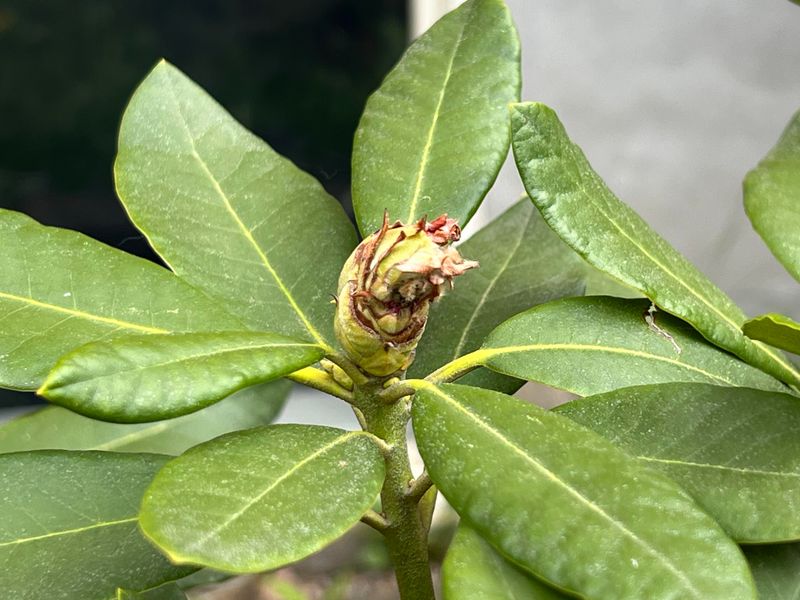
Azaleas in Georgia begin moving sap during warm winter days long before blooms appear. This internal preparation happens gradually, strengthening branches and flower buds.
When spring officially arrives, your shrubs burst into color because they’ve been gearing up for weeks.
Hydrangeas develop leaf buds during mild spells that pause during cold snaps. This rhythm creates hardy growth that withstands late frosts better than rapid spring development.
Your plants build resilience through repeated cycles of warmth and cold.
Trees adjust their internal clocks based on accumulated warm days rather than calendar dates. Georgia’s mild winter provides these warm hours gradually, preventing premature leafing that would be damaged by late freezes.
Your landscape stays healthier because plants respond to actual conditions.
Bulbs like tulips and daffodils need cold hours but also benefit from warm spells that encourage root growth. Georgia provides both, creating strong root systems that support impressive spring displays.
The flowers last longer because plants aren’t stressed by rapid forcing.
Evergreens maintain some photosynthesis during warm winter days. Your hollies, magnolias, and camellias stay healthier because they never completely shut down.
They enter spring already functioning rather than having to restart all systems from scratch.
Vines like clematis begin showing green along stems during February warm spells. Growth happens in stages rather than one explosive push.
By the time serious spring heat arrives, your vines have established framework ready to support abundant flowering and foliage.
This gradual buildup spreads energy use over time, so plants aren’t forced into sudden, exhausting growth.
As a result, your Georgia garden enters spring already prepared instead of reacting at the last minute.