How Minnesota Gardeners Keep Their Houseplants Healthy Through Harsh Winters
Minnesota winters are no joke – when temperatures plunge well below freezing and snow piles up for months, keeping houseplants alive becomes a real challenge.
Indoor heating dries out the air, shorter days mean less sunlight, and cold drafts can sneak in through windows and doors.
But Minnesota gardeners have learned some clever tricks over the years to help their green friends survive until spring arrives.
From creative lighting solutions to smart watering schedules, these local plant lovers know exactly what it takes to keep leaves green and roots healthy even when it’s freezing outside.
Maybe you’re new to houseplants or have been growing them for years, but these proven strategies will help your indoor garden thrive all winter long.
1. Add Grow Lights To Combat Short Winter Days
Sunlight becomes scarce during Minnesota winters when days shrink to just eight or nine hours.
Your houseplants naturally crave more light than those short winter days provide, especially tropical varieties that come from sunny climates.
Without enough light, plants get leggy, lose their vibrant color, and stop growing altogether.
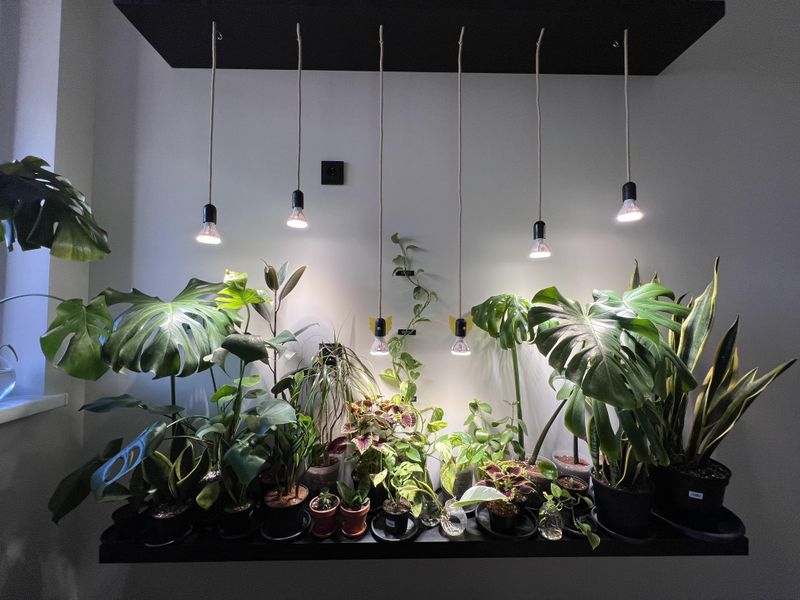
Grow lights offer an excellent solution to this problem.
You can find affordable LED grow lights at garden centers or online that mimic natural sunlight.
Position them about 6 to 12 inches above your plants and run them for 12 to 14 hours daily.
Many gardeners use timers so they don’t have to remember to switch lights on and off.
Full-spectrum bulbs work best because they provide both blue and red light wavelengths that plants need for photosynthesis.
Even a simple desk lamp with a grow bulb can make a huge difference for smaller plants.
Watch your plants closely during the first week or two.
If leaves start looking pale or stretched out, move the light closer.
Brighter, healthier foliage should appear within a few weeks once your plants adjust to their new lighting schedule.
2. Boost Humidity Levels To Counter Dry Indoor Air
Cranking up the furnace keeps Minnesota homes toasty warm, but it also sucks moisture right out of the air.
Most houseplants prefer humidity levels between 40 and 60 percent, yet heated homes often drop below 20 percent during winter months.
Dry air causes brown leaf tips, crispy edges, and makes plants more vulnerable to pests like spider mites.
Several easy methods can raise humidity around your plants.
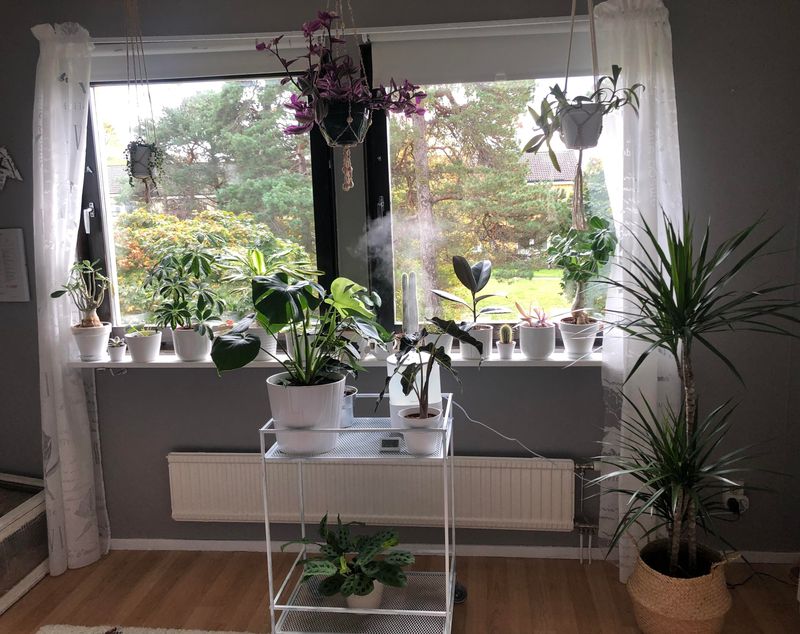
Grouping plants together creates a mini microclimate where they share moisture through transpiration.
Placing pebble trays filled with water under pots adds humidity as the water evaporates, though make sure pot bottoms don’t sit directly in water.
Room humidifiers provide the most effective solution, especially for larger plant collections.
Cool mist humidifiers work perfectly and are safer than warm mist versions around plants.
Run yours near your plant area for several hours each day.
Another trick involves misting plants with a spray bottle each morning, though this provides only temporary relief.
Some gardeners even move moisture-loving plants like ferns into bathrooms where shower steam naturally increases humidity levels throughout the day.
3. Adjust Watering Schedules For Dormant Growth Periods
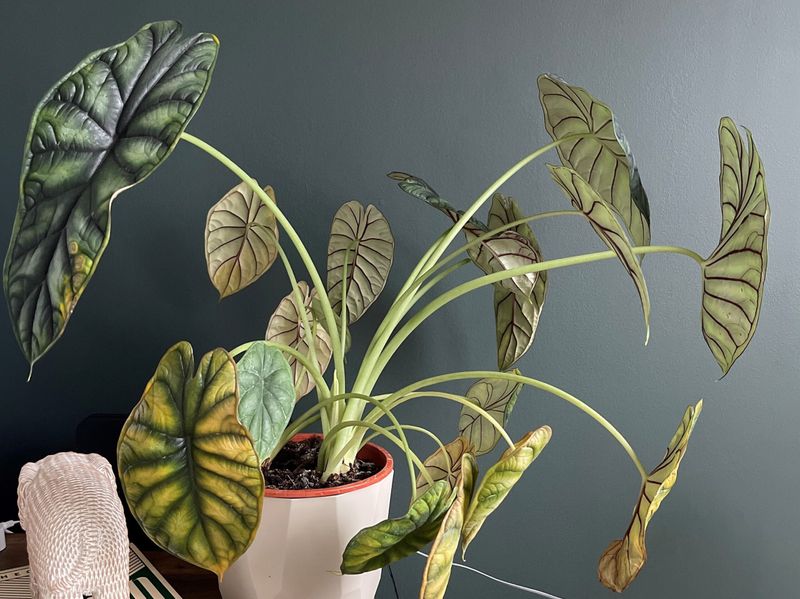
Here’s something that surprises new plant owners: houseplants need less water during winter, not more.
Cold weather and reduced light cause most plants to enter a semi-dormant state where growth slows way down.
Their roots absorb water much more slowly, which means soil stays wet longer than during active growing seasons.
Overwatering becomes the biggest killer of houseplants in winter.
Root rot develops quickly when roots sit in soggy soil, turning them brown and mushy.
Check soil moisture before watering by sticking your finger about two inches deep.
If it feels damp, wait a few more days.
Most Minnesota gardeners cut back watering frequency by about half during winter months.
A plant that needed water weekly in summer might only need it every two weeks when it’s cold outside.
Some succulents and cacti need even less, sometimes going three to four weeks between waterings.
Always use room-temperature water since cold water can shock roots.
Empty drainage trays promptly so plants don’t sit in standing water.
Pay attention to each plant’s individual needs since some stay more active than others during winter.
4. Protect Plants From Cold Drafts And Temperature Swings
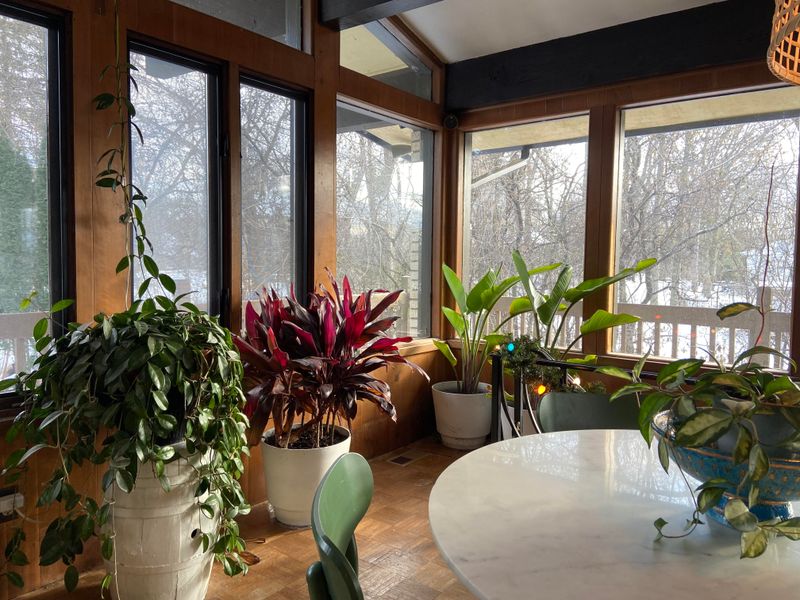
Temperature consistency matters tremendously for houseplant health during Minnesota’s brutal winters.
While your home might feel comfortable, plants sitting near windows, exterior doors, or heating vents experience wild temperature fluctuations that stress them out.
Cold drafts from poorly sealed windows can drop temperatures by 10 to 20 degrees in those spots, shocking tropical plants that prefer stable warmth.
Move plants away from windows at night when temperatures plummet, or add insulating window treatments like thermal curtains.
Even a few inches of distance from glass makes a significant difference.
Check for drafts by holding your hand near windows and doors on windy days.
Heating vents present the opposite problem by blasting hot, dry air directly onto plants.
This causes rapid moisture loss and can literally cook leaves.
Redirect vent airflow away from plants or move them to different locations.
Avoid placing plants near frequently used exterior doors where cold air rushes in each time someone enters.
Most houseplants thrive between 65 and 75 degrees Fahrenheit.
Use a thermometer to monitor temperatures in different areas of your home, then position plants in the most stable spots you can find.
5. Reduce Fertilizing During Winter Months
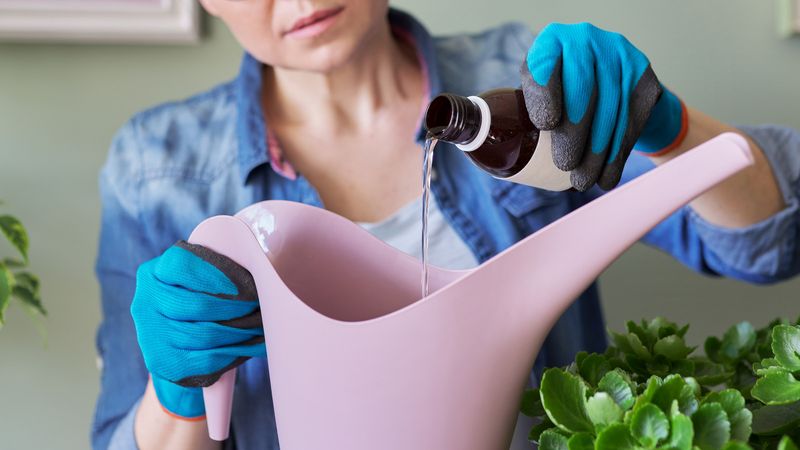
Fertilizer confusion trips up many plant owners when winter arrives.
Since plants enter their resting phase with minimal growth, they require far fewer nutrients than during spring and summer.
Continuing regular fertilizing schedules can actually harm plants by causing fertilizer salt buildup in soil, which burns roots and damages foliage.
Most Minnesota gardeners stop fertilizing completely from November through February.
Plants simply can’t use those extra nutrients when they’re barely growing.
Think of it like feeding a hibernating bear – there’s no point because they’re not active enough to use that energy.
Some exceptions exist for plants that continue blooming or actively growing under grow lights.
African violets, orchids, and certain herbs might benefit from very diluted fertilizer once monthly.
Use quarter-strength solutions if you fertilize at all during winter.
Resume regular feeding gradually when you notice new growth emerging in late February or March.
Watch for signs of over-fertilization like white crusty deposits on soil surface or pot rims, yellowing leaves despite proper care, or brown leaf tips.
Flushing soil with plain water occasionally helps remove accumulated salts if you suspect buildup has occurred over time.
6. Clean Leaves Regularly To Maximize Light Absorption
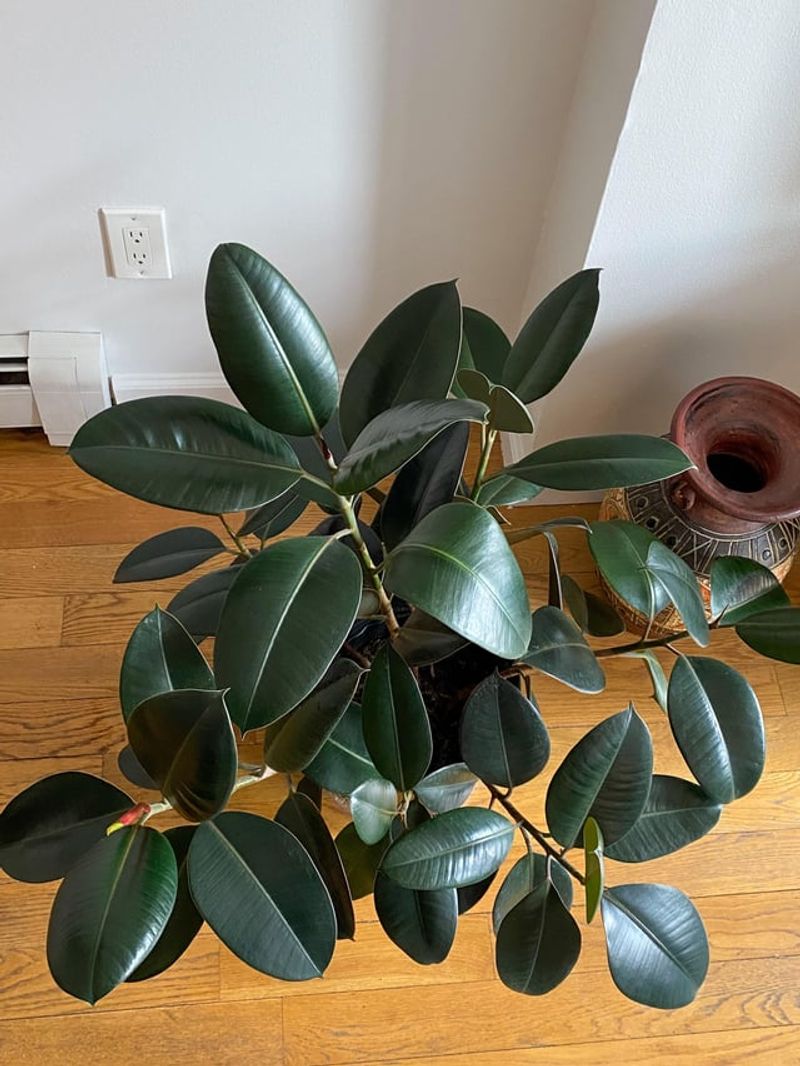
Dust accumulates quickly on houseplant leaves during winter when windows stay closed and furnaces circulate air constantly.
That layer of dust might seem harmless, but it actually blocks sunlight from reaching leaf surfaces where photosynthesis happens.
With already limited winter light, every bit of sun exposure counts for keeping plants healthy and strong.
Cleaning leaves once monthly takes just minutes but makes a noticeable difference.
For plants with large, smooth leaves like rubber trees or monsteras, gently wipe each leaf with a damp cloth.
Support the leaf from underneath while cleaning the top surface to avoid breaking stems.
Plants with smaller or fuzzy leaves need different approaches.
A soft paintbrush works wonderfully for African violets and other delicate plants.
Some gardeners give sturdy plants a gentle shower in the sink or bathtub using lukewarm water, letting them drain thoroughly before returning them to their spots.
Clean leaves look shinier and more vibrant while functioning more efficiently.
This simple maintenance task also lets you inspect plants closely for pest problems like spider mites or mealybugs, which multiply faster in dry winter conditions.
7. Rotate Plants For Even Growth And Light Exposure
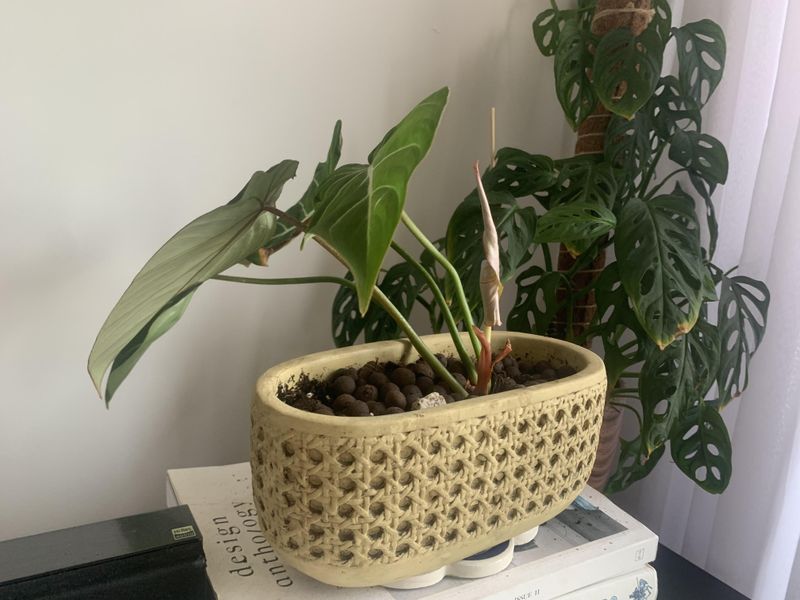
Ever notice how houseplants lean dramatically toward windows, growing lopsided over time?
This happens because plants naturally grow toward their light source, a behavior called phototropism.
During Minnesota winters when sunlight comes from low angles and limited directions, this leaning becomes even more pronounced as plants desperately reach for whatever light they can find.
Rotating plants regularly encourages balanced, symmetrical growth on all sides.
Turn each plant a quarter turn every week or two so different sides face the light source.
This simple habit prevents plants from developing that awkward, one-sided appearance while strengthening stems evenly.
Mark pot rims with a small piece of tape or marker to track which direction you’ve rotated.
Plants near south-facing windows need rotation more frequently than those under grow lights since natural light comes from one direction.
Hanging plants benefit from rotation too, though they’re trickier to reach.
Some gardeners rotate during their regular watering routine so they don’t forget.
You’ll notice fuller, more attractive plants within a few weeks.
This practice works year-round but becomes especially important during winter when light conditions are already challenging for indoor plants.