How Minnesota Gardeners Protect Raised Beds From Groundhogs

Groundhogs have a knack for showing up right when Minnesota garden beds start looking their best.
One day the raised beds are full and thriving, the next they look like an all-you-can-eat buffet gone wrong.
These burrowing bandits move fast, dig deep, and show little respect for carefully planned garden spaces.
Raised beds may seem like a safe bet, but groundhogs see them as easy targets.
Loose soil, tender plants, and warm shelter make a tempting setup.
In Minnesota, long growing seasons and quiet yards give groundhogs plenty of chances to settle in and stick around.
Once they do, damage can pile up faster than expected.
Some gardeners try quick fixes that barely slow them down.
Others wait too long, hoping the problem solves itself.
Both approaches can leave beds stripped bare and roots exposed.
Groundhogs play the long game, and half measures rarely work.
Minnesota gardeners have learned that protecting raised beds takes a mix of planning, persistence, and smart strategy.
Knowing how to block access, reduce temptation, and stay one step ahead can keep hard-earned harvests safe.
With the right approach, raised beds can remain productive spaces instead of open invitations for hungry visitors.
1. Install Hardware Cloth Beneath Raised Beds
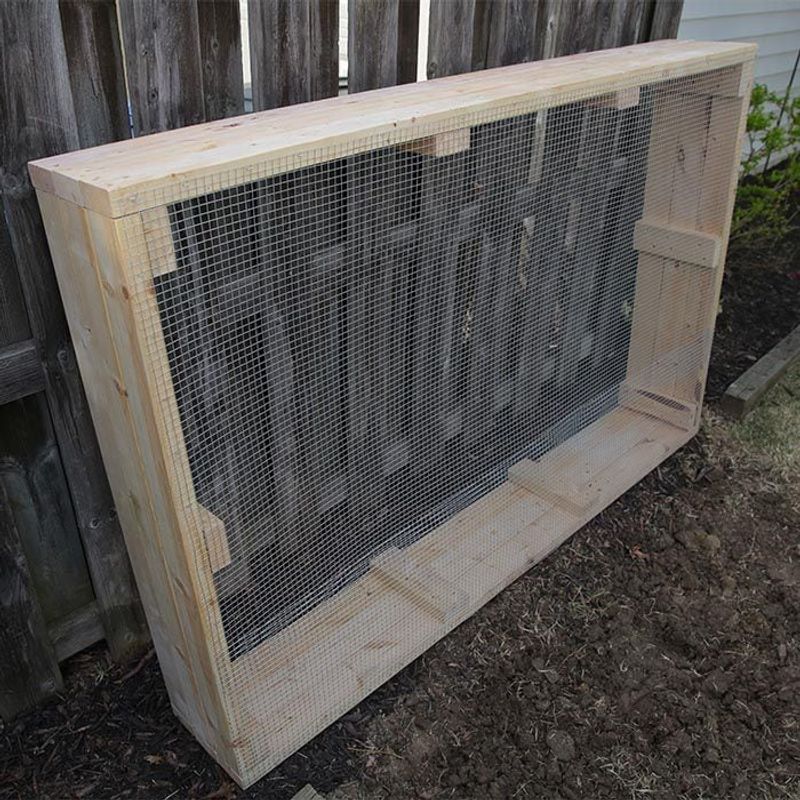
Building a solid foundation is the first line of defense against determined groundhogs in Minnesota gardens.
Hardware cloth, which is a sturdy wire mesh, creates an underground barrier that stops these animals from tunneling up into your raised beds.
Many gardeners across the state swear by this method because it addresses the problem at its source.
When constructing new raised beds or retrofitting existing ones, lay hardware cloth with half-inch or quarter-inch mesh across the entire bottom surface.
Extend the mesh at least six inches up the inside walls of the bed for extra protection.
Secure everything with staples or screws to prevent any gaps where crafty groundhogs might squeeze through.
The beauty of this approach is that it’s permanent and maintenance-free once installed.
Your plants’ roots can still grow through the mesh openings while groundhogs remain locked out.
Minnesota soil conditions work well with this method since the mesh won’t rust quickly in most garden settings.
Before purchasing materials, measure your raised beds carefully to avoid waste.
Hardware cloth comes in various widths, so choose a size that covers your bed with minimal cutting.
The investment pays off season after season as your vegetables grow undisturbed.
This technique works especially well in suburban Minnesota areas where groundhog populations are dense.
Gardeners in Bloomington, Eden Prairie, and similar communities report excellent results.
The underground barrier gives peace of mind knowing that your carrots, lettuce, and other root vegetables are completely protected from below-ground invasions.
2. Construct Tall Fencing Around Garden Perimeter
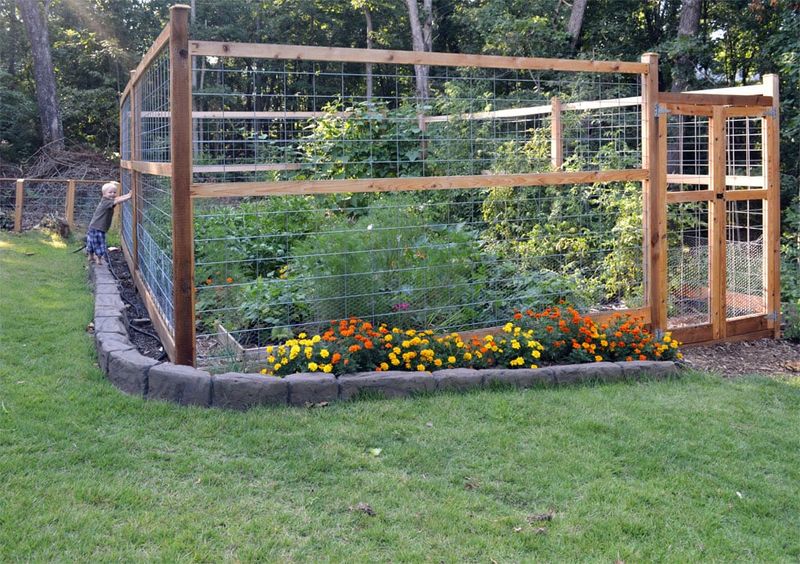
Fencing remains one of the most reliable solutions for Minnesota gardeners battling groundhog problems.
A properly designed fence creates a physical wall that these animals simply cannot cross.
The key lies in understanding groundhog behavior and building accordingly.
Your fence should stand at least three to four feet above ground level.
Groundhogs are surprisingly good climbers, so height matters more than many people realize.
Bury the bottom portion twelve to eighteen inches deep, then bend the underground section outward at a ninety-degree angle to discourage digging.
Chicken wire or welded wire fencing works perfectly for this application.
Choose a mesh size no larger than two inches to prevent young groundhogs from squeezing through.
Secure posts firmly into the ground every six to eight feet for stability against Minnesota winds and determined animals.
Adding an electric wire near the top provides extra deterrence if groundhogs persist.
Some Minneapolis and St. Paul gardeners run a single hot wire four inches above the fence top.
This combination approach stops even the most athletic climbers without causing permanent harm.
Remember to include a gate for easy access to your raised beds.
Make sure the gate closes securely and sits flush with the ground.
Gaps underneath gates are common entry points that clever groundhogs will discover quickly.
Fencing works year after year with minimal maintenance.
Check periodically for damage from weather or animals attempting to breach your defenses.
Minnesota’s freeze-thaw cycles can shift fence posts, so spring inspections help ensure continued protection throughout the growing season.
3. Apply Natural Repellents With Strong Scents

Groundhogs rely heavily on their sense of smell to navigate and find food sources.
Exploiting this sensitivity gives Minnesota gardeners a powerful tool that doesn’t require construction or permanent installations.
Natural repellents create an invisible barrier that makes your raised beds smell unappealing to hungry visitors.
Cayenne pepper stands out as a favorite among organic gardeners throughout the state.
Sprinkle it generously around the perimeter of raised beds and directly on the soil surface.
Rain washes it away, so reapplication after storms is necessary for continued effectiveness.
Garlic-based sprays offer another excellent option that’s easy to make at home.
Blend several garlic cloves with water, strain the mixture, and spray it on plants and bed edges.
The pungent odor overwhelms groundhogs’ sensitive noses while remaining harmless to vegetables and flowers.
Commercial products containing predator urine work well in Minnesota gardens too.
Fox or coyote urine creates the impression that dangerous predators are nearby.
Groundhogs instinctively avoid areas where they smell potential threats, making this a psychologically effective deterrent.
Consistency matters more than any single product when using scent-based repellents.
Rotate between different types to prevent groundhogs from becoming accustomed to one particular smell.
Apply repellents weekly during peak growing season and after every significant rainfall.
Many Duluth and Rochester gardeners combine repellents with other protection methods for maximum results.
While scents alone might not stop extremely hungry groundhogs, they significantly reduce the attractiveness of your raised beds.
The low cost and ease of application make this approach accessible to gardeners at any experience level.
4. Create Physical Barriers With Floating Row Covers
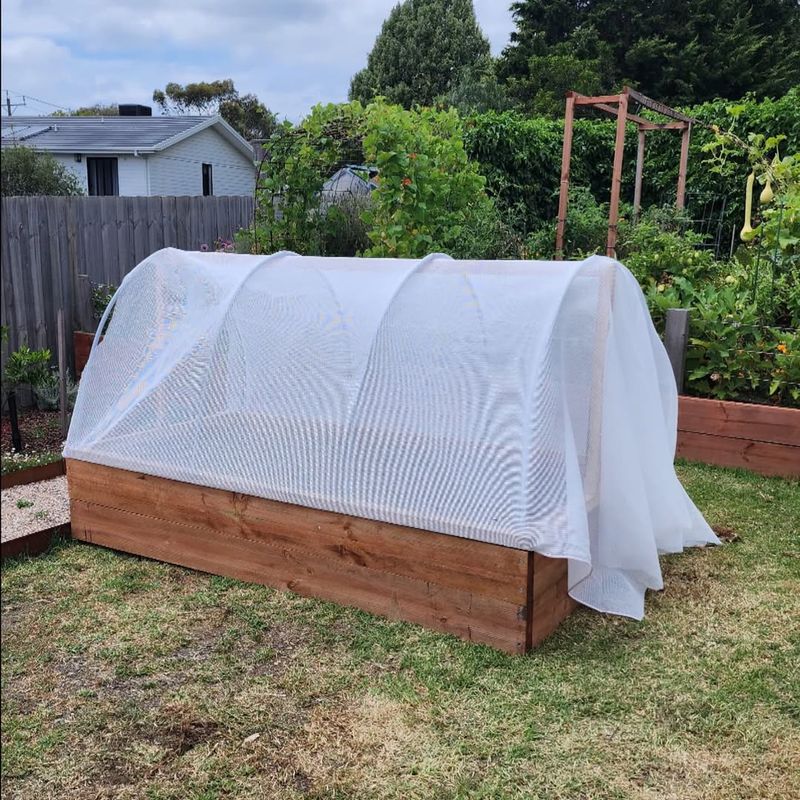
Lightweight fabric covers provide immediate protection that’s easy to install and remove as needed.
Floating row covers were originally designed to extend growing seasons and protect plants from frost, but Minnesota gardeners discovered they also keep groundhogs away from tender seedlings and mature plants.
These breathable fabrics allow sunlight, air, and water to reach your plants while creating a physical barrier.
Groundhogs find the covers frustrating because they can’t get a good grip or bite through the material.
Drape the fabric directly over your raised beds and secure all edges with rocks, boards, or special clips designed for this purpose.
For best results, choose medium-weight row covers that balance durability with light transmission.
Heavier fabrics last longer but reduce sunlight, while ultra-light versions tear easily.
Most garden centers across Minnesota stock several options suitable for groundhog protection.
Row covers work especially well for protecting newly planted seedlings during their most vulnerable weeks.
Young lettuce, beans, and peas are groundhog favorites that benefit greatly from this temporary shield.
As plants mature and grow stronger, you can remove the covers or transition to other protection methods.
One challenge is managing covers during hot Minnesota summer days.
Plants underneath can overheat if temperatures climb too high.
Monitor conditions carefully and remove covers during heat waves, then replace them in the evening when groundhogs are most active.
Gardeners in colder regions like Bemidji and Brainerd appreciate the dual purpose of row covers.
The same material that keeps groundhogs out in June protects against early fall frosts in September, extending the harvest season significantly.
5. Encourage Natural Predators In Your Yard

Working with nature rather than against it creates a balanced ecosystem where groundhogs think twice before raiding your garden.
Minnesota’s native predators naturally control groundhog populations when given the opportunity.
Smart gardeners create environments that attract these helpful hunters.
Hawks and owls are groundhogs’ primary natural enemies in the state.
Installing perches, nesting boxes, or tall poles near your garden invites these birds to hunt in your yard.
A red-tailed hawk patrolling overhead makes groundhogs nervous and less likely to venture into open areas around raised beds.
Foxes also prey on groundhogs when available.
Leaving brush piles or unmowed areas at your property’s edges provides habitat for foxes without interfering with your garden space.
The mere presence of fox scent marks keeps groundhogs away from nearby raised beds.
Domestic dogs offer another form of predator pressure, though they require supervision.
A dog that regularly patrols the yard establishes territory that groundhogs learn to avoid.
Even the lingering scent of a dog can deter groundhogs from approaching your vegetables.
Creating predator-friendly habitat takes time but provides long-term benefits beyond groundhog control.
Birds of prey also manage rodent populations, while foxes hunt rabbits and voles.
This holistic approach reduces reliance on artificial deterrents.
Minnesota gardeners in rural areas like Willmar and Marshall find this method particularly effective.
The combination of agricultural lands and residential gardens creates ideal hunting grounds for predators.
Urban and suburban gardeners can still attract owls and hawks by reducing pesticide use and maintaining diverse plantings that support the entire food chain.
6. Plant Groundhog-Resistant Varieties Strategically
Not all plants appeal equally to groundhogs, and savvy Minnesota gardeners use this knowledge to their advantage.
Selecting vegetables and flowers that these animals find unpalatable reduces damage even when other defenses fail.
Strategic planting creates natural barriers that protect more vulnerable crops.
Herbs with strong scents top the list of groundhog-resistant plants.
Lavender, rosemary, sage, and mint all release oils that groundhogs dislike intensely.
Plant these around the perimeter of raised beds to create a fragrant defensive line.
The bonus is having fresh herbs for your kitchen throughout the summer.
Alliums including onions, garlic, and chives also repel groundhogs effectively.
Their sharp, pungent flavors make them unappealing as food sources.
Interplanting alliums among your vegetables provides protection while maximizing growing space in raised beds.
Groundhogs typically avoid plants with fuzzy or prickly leaves.
Squash and cucumber vines, while not completely immune, are lower on their preference list compared to smooth-leaved greens.
Tomato plants contain compounds that taste bitter to groundhogs, offering some natural resistance.
Conversely, groundhogs love beans, peas, lettuce, and most brassicas.
If you grow these favorites, position them in the center of raised beds surrounded by less appealing plants.
This layered approach means groundhogs encounter deterrent plants first before reaching the good stuff.
Minnesota’s climate supports excellent herb growth, making this strategy practical statewide.
Gardeners in Mankato and Winona report success combining resistant plantings with other methods.
While plant selection alone won’t eliminate groundhog problems, it significantly reduces the attractiveness of your raised beds and complements physical barriers beautifully.
7. Use Motion-Activated Sprinklers For Surprise Defense
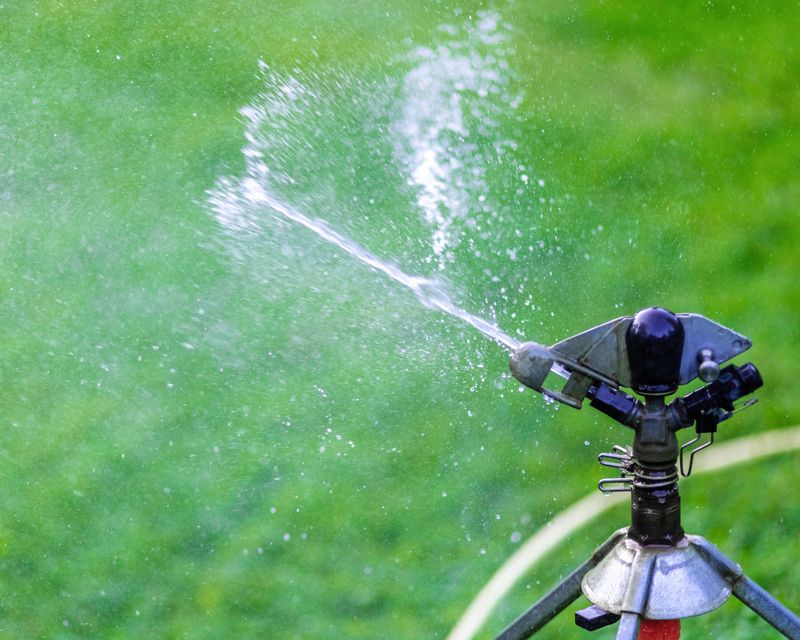
Technology offers Minnesota gardeners an innovative solution that startles groundhogs without causing harm.
Motion-activated sprinklers detect movement and respond with a sudden burst of water.
The surprise factor teaches groundhogs to associate your raised beds with unpleasant experiences they’ll want to avoid.
These devices work day and night, providing round-the-clock protection when groundhogs are most active.
Infrared sensors detect body heat and motion, triggering a three-to-five-second spray.
The combination of unexpected movement, sound, and water creates a memorable deterrent effect.
Installation is straightforward and requires only a garden hose connection and fresh batteries.
Position sprinklers to cover approaches to your raised beds rather than the beds themselves.
This prevents your plants from getting unnecessarily soaked while still protecting the area effectively.
Sensitivity adjustments let you fine-tune the detection range and spray pattern.
Start with medium sensitivity and adjust based on results.
Too sensitive triggers false alarms from birds or blowing leaves, while too low allows groundhogs to approach undetected.
Water consumption remains minimal since sprinklers only activate when triggered.
During a typical Minnesota summer day, you might use just a few gallons even with multiple activations.
This efficiency makes motion sprinklers practical even during dry periods when water conservation matters.
Gardeners throughout the Twin Cities area praise these devices for their effectiveness and low maintenance requirements.
The initial investment costs more than simple fencing, but the hands-off operation appeals to busy people.
Combining motion sprinklers with other methods creates a comprehensive defense system that addresses groundhog problems from multiple angles simultaneously.