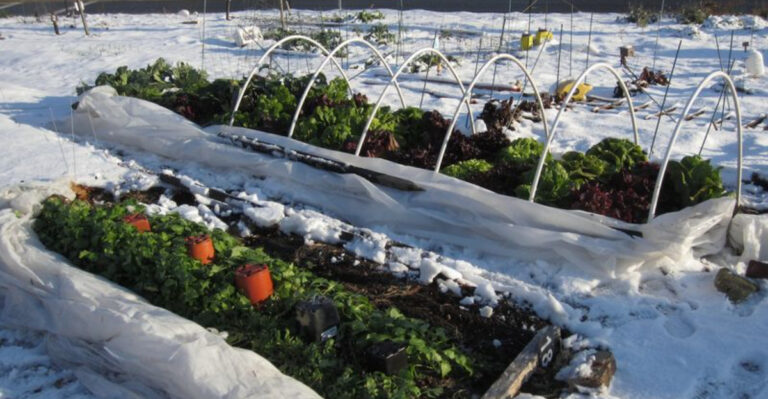
How Minnesota Homes Grow Fresh Green Onions Indoors Year-Round
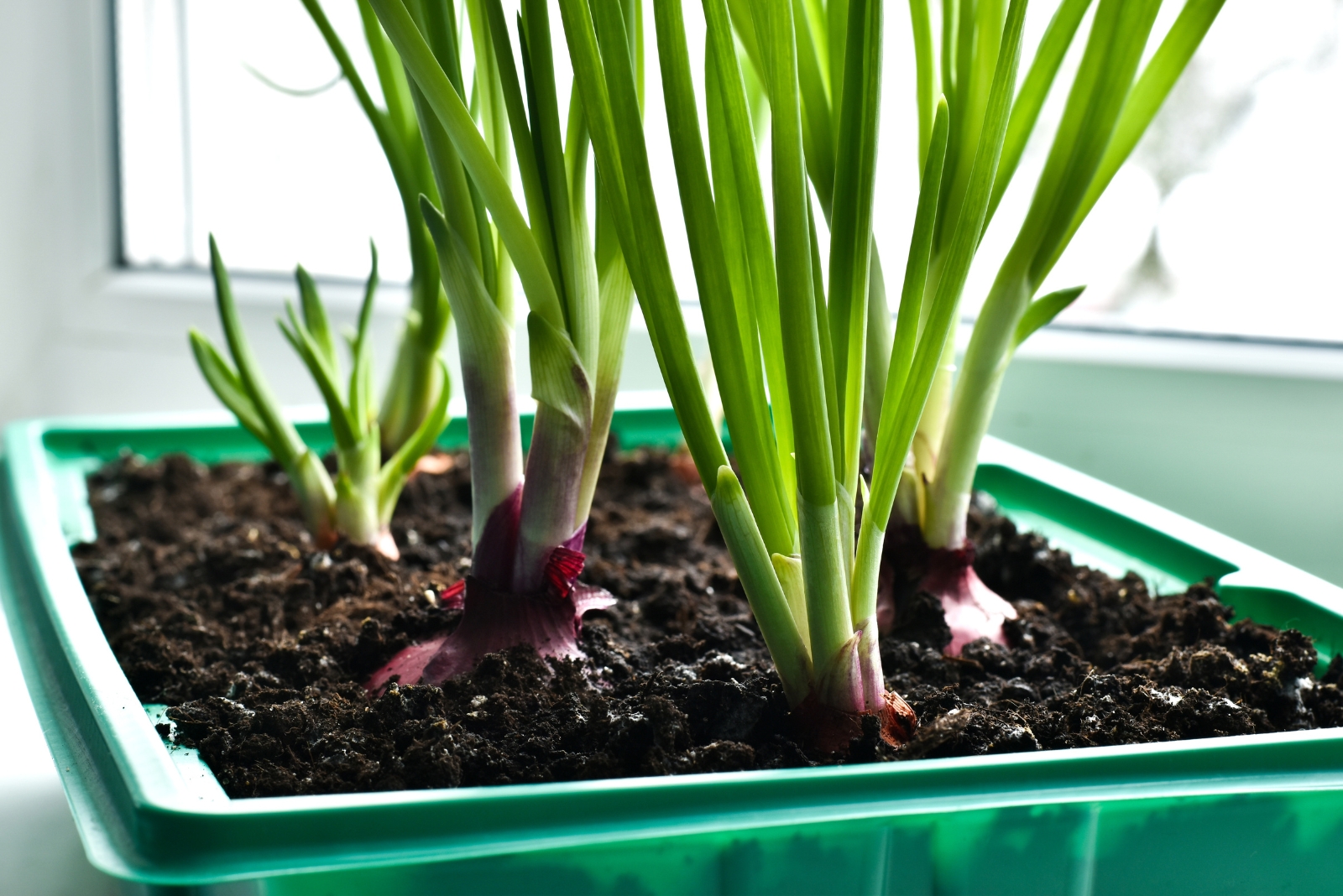
Growing fresh green onions indoors has become a simple habit in many Minnesota homes that want steady flavor without relying on outdoor seasons.
These hardy greens adapt well to indoor conditions, making them ideal for kitchens that receive decent light and regular warmth.
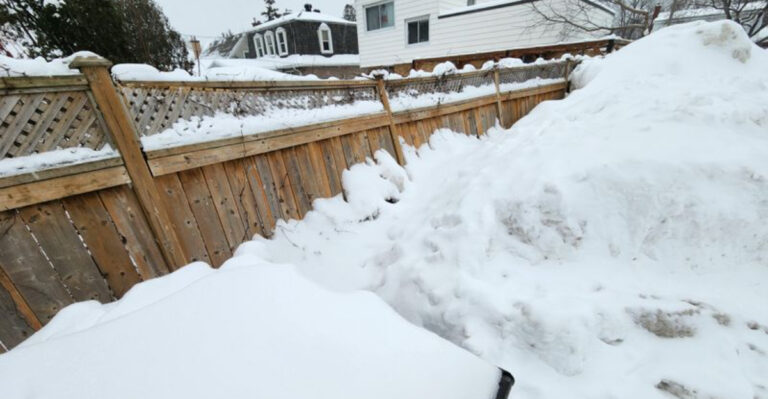
With a few smart techniques, green onions keep producing again and again, even while snow piles up outside.
Once the process is set up, year-round harvests feel surprisingly effortless.
1. Water Glass Method on Sunny Windowsills
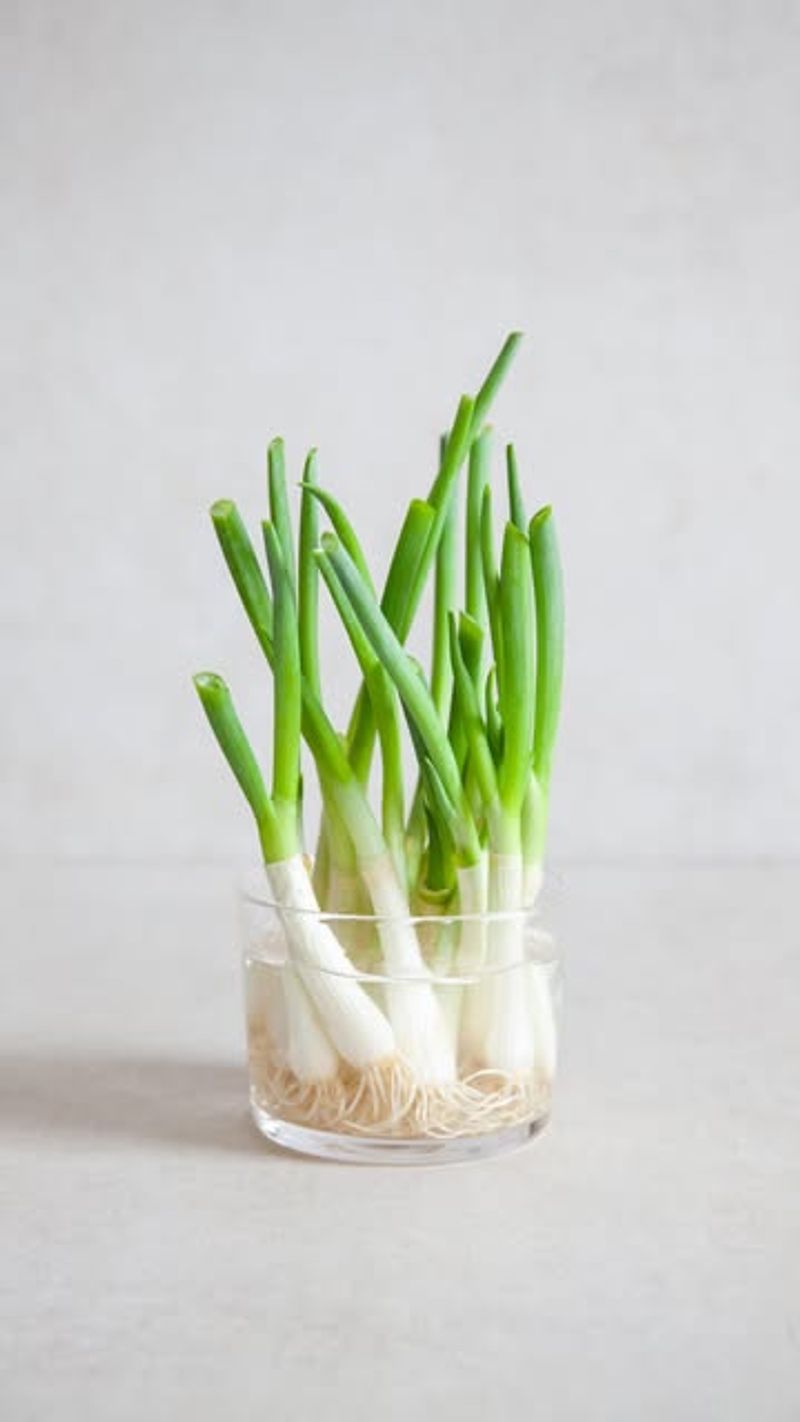
Placing green onion roots in water creates an incredibly simple growing system that Minnesota families love for its foolproof results and minimal effort required.
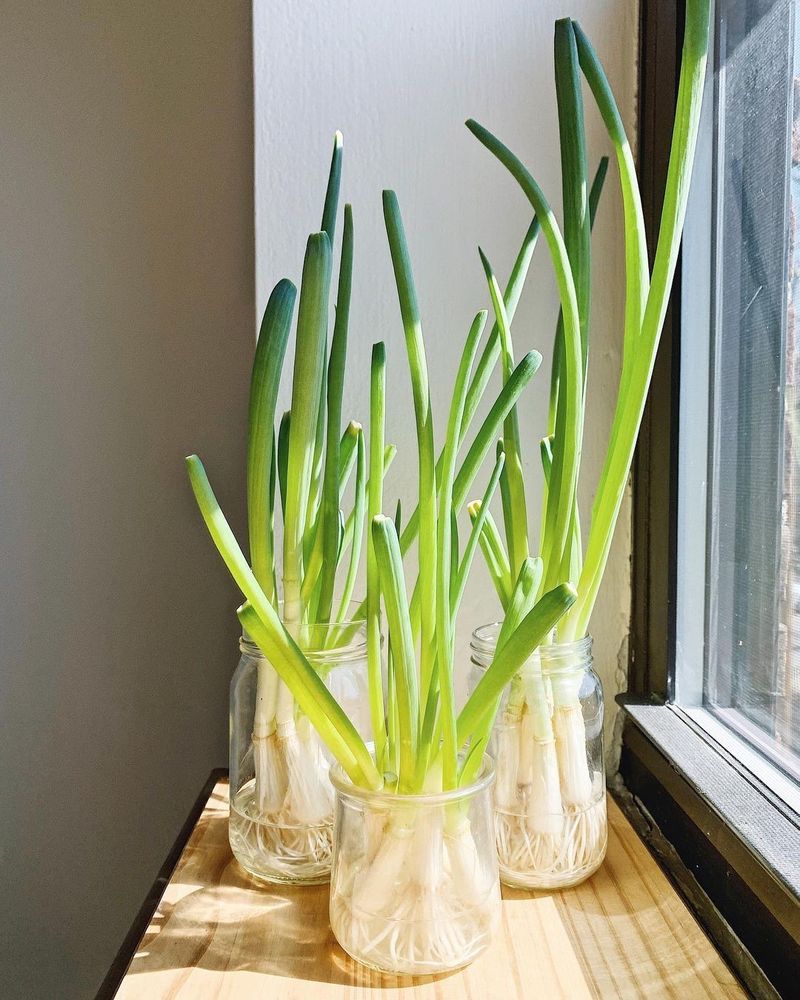
Simply save the white root ends from store-bought green onions, then place them in a glass with about an inch of fresh water.
Set your glass on a sunny windowsill where natural light streams in for several hours each day throughout the cold Minnesota winter season.
Change the water every two to three days to keep it fresh and prevent any unpleasant odors from developing in your kitchen space.
New green shoots will emerge within just a few days, growing taller and stronger as they reach toward the bright sunlight filtering through.
This method works beautifully in Minnesota apartments where outdoor gardening space simply does not exist for residents who rent their homes.
Harvest the green tops with scissors when they reach six to eight inches tall, leaving the roots to continue producing more flavorful shoots.
Many Minnesota families keep multiple glasses going at once, ensuring a constant supply of fresh green onions for cooking throughout every season.
2. Shallow Container Soil Gardens

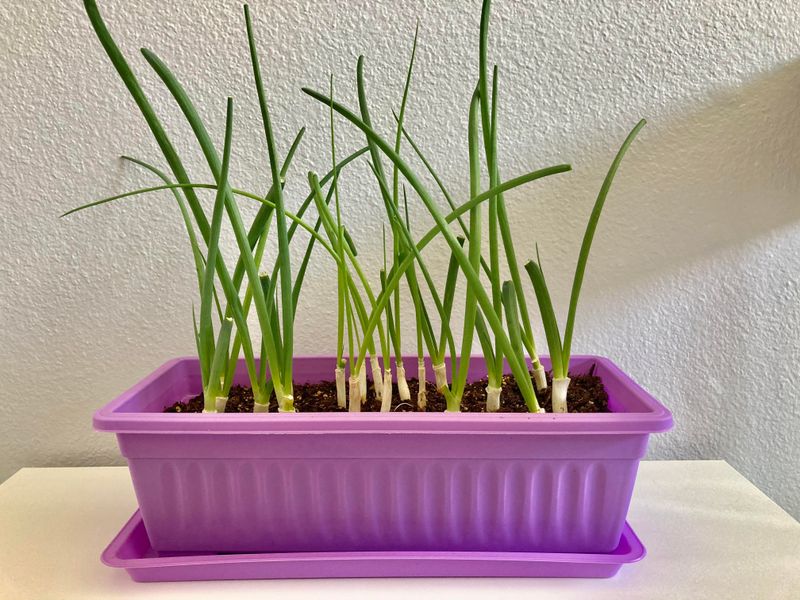
Shallow containers filled with quality potting soil provide green onions with a stable growing environment that produces stronger, more flavorful plants than water.
Choose containers that are at least three inches deep with drainage holes at the bottom to prevent water from pooling and causing problems.
Fill your container with lightweight potting mix that drains well, avoiding heavy garden soil that compacts easily and restricts root growth in containers.
Plant green onion bulbs about one inch deep and two inches apart, giving each plant enough room to develop without crowding neighbors.
Minnesota homes often have dry indoor air during winter, so check the soil moisture regularly and water when the top feels dry.
Position your container near a window that receives bright indirect light for most of the day without scorching the delicate green leaves.
Soil-grown green onions develop deeper flavors and stronger root systems compared to those grown exclusively in plain water throughout their growing period.
This method allows Minnesota gardeners to grow larger quantities of green onions in a single container, maximizing limited indoor growing space efficiently.
3. Recycled Plastic Bottle Planters
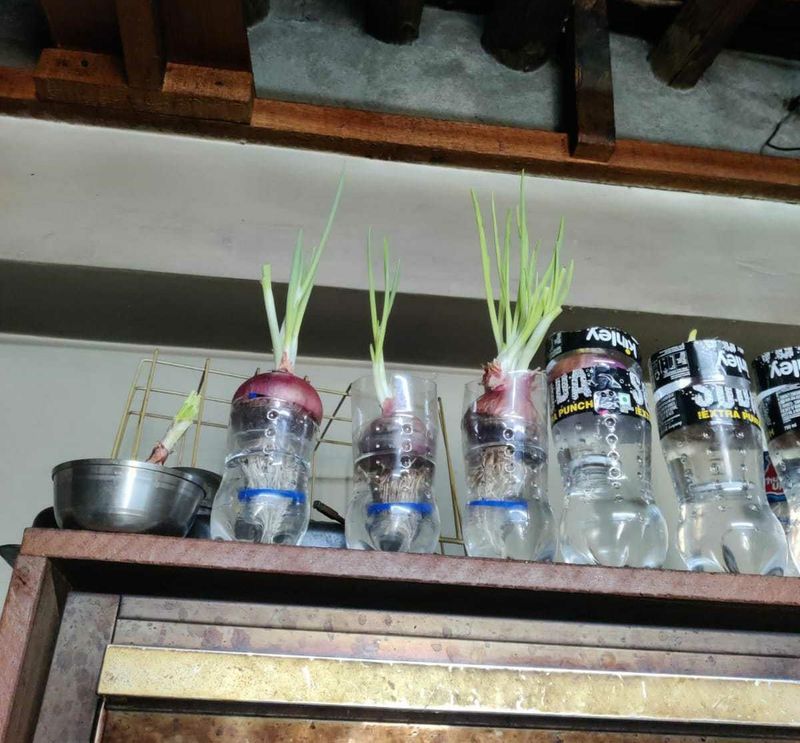
Transforming empty plastic bottles into planters offers Minnesota families an eco-friendly way to grow green onions while reducing household waste going to landfills.
Cut a two-liter soda bottle in half horizontally, then fill the bottom portion with potting soil mixed with a bit of compost.
Poke several small drainage holes in the bottom using a heated nail or sharp knife to allow excess water to escape freely.
Plant your green onion bulbs in the soil, spacing them appropriately so each plant has room to spread its roots downward.
Minnesota winters can be long and dreary, but watching green onions sprout in recycled bottles brings a cheerful touch of life indoors.
These lightweight planters can be moved easily around your home to follow the sun as it shifts position throughout the day and seasons.
Kids especially enjoy this project because they can decorate the bottles with markers or paint, making gardening fun and creative for everyone.
Using recycled materials costs virtually nothing while teaching Minnesota children valuable lessons about sustainability and growing their own food at home.
4. Hydroponic Growing Systems
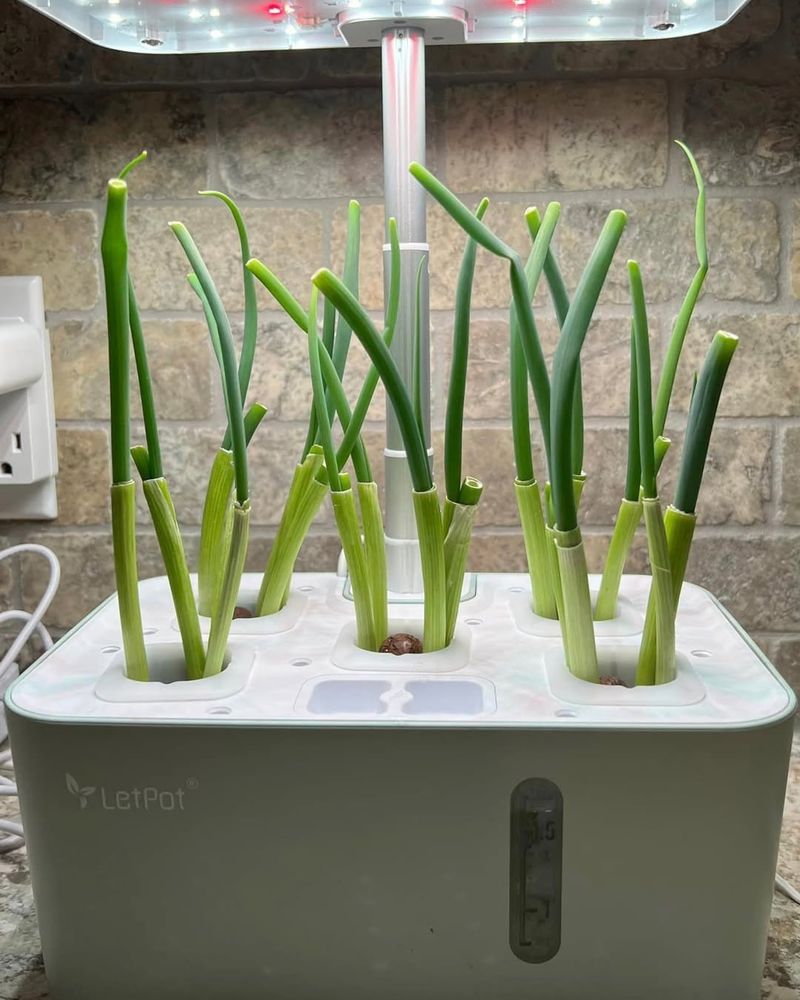
Hydroponic systems deliver nutrients directly to green onion roots through water, producing faster growth and bigger harvests than traditional soil-based methods allow.
Minnesota gardeners can purchase small countertop hydroponic units designed specifically for herbs and vegetables, making indoor growing incredibly convenient and productive.
These systems use special nutrient solutions that provide everything green onions need to thrive without requiring any soil or messy cleanup afterward.
Most hydroponic setups include built-in LED grow lights that supplement natural sunlight, especially helpful during Minnesota’s short, dark winter days when sunshine fades.
Green onions grown hydroponically develop crisp textures and intense flavors that often surpass those of store-bought varieties shipped from distant farms far away.
The controlled environment prevents common pest problems that plague outdoor gardens, keeping your green onions healthy and chemical-free throughout their entire growing cycle.
While hydroponic systems require a larger initial investment than simple water glasses, they produce consistent results that justify the cost for serious gardeners.
Many Minnesota families find that hydroponic growing becomes an enjoyable hobby that provides fresh vegetables while brightening up their homes with lush greenery.
5. Mason Jar Layered Gardens
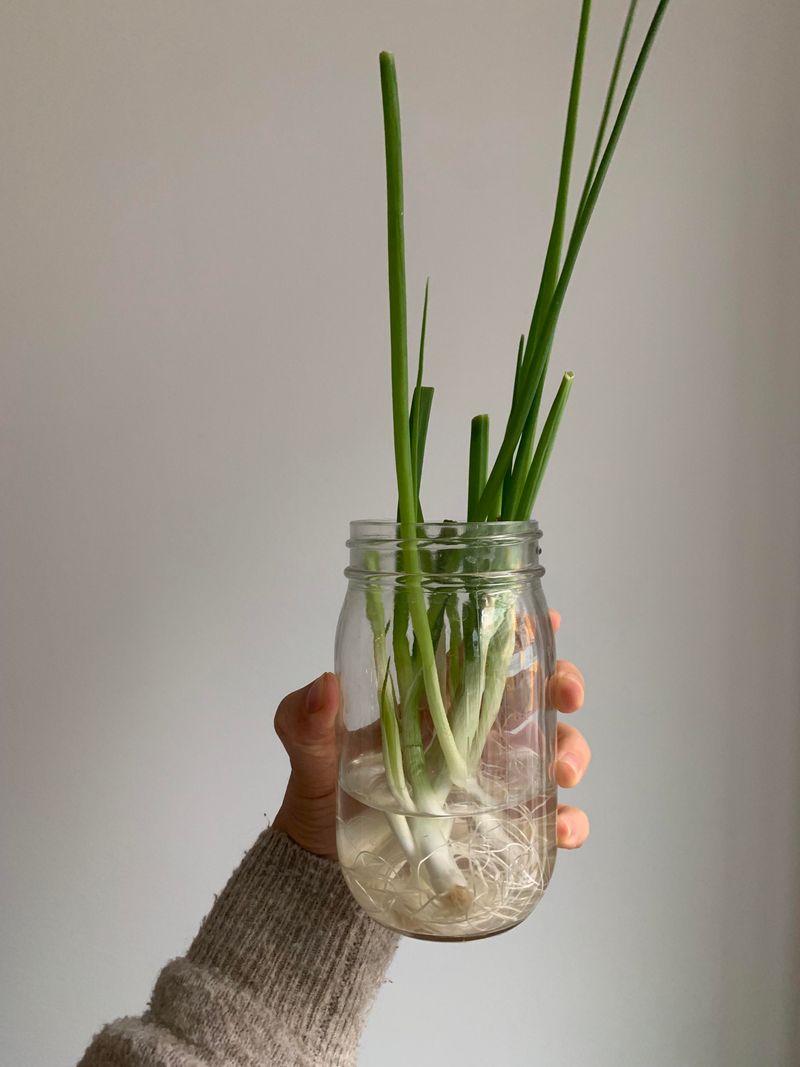
Mason jars create charming miniature gardens that add rustic decoration to Minnesota kitchens while producing fresh green onions for cooking every single day.
Start by adding a layer of small pebbles or gravel at the bottom of each jar to improve drainage and prevent roots from sitting.
Fill the jar about two-thirds full with quality potting soil, leaving enough space at the top for watering without making a mess.
Plant three to five green onion bulbs in each jar, depending on its size, ensuring they have adequate room to grow tall and healthy.
The clear glass allows you to observe root development over time, which fascinates children and helps them learn about plant biology in Minnesota schools.
Arrange multiple mason jars along a sunny windowsill to create an attractive display that serves both practical and decorative purposes in your home.
These portable gardens can be moved outdoors during pleasant Minnesota spring and summer days, then brought back inside when temperatures drop at night.
Mason jar gardens make wonderful gifts for friends and neighbors who want to try growing fresh green onions but feel intimidated by traditional gardening.
6. Vertical Wall-Mounted Pocket Gardens
Vertical pocket gardens maximize limited space in Minnesota homes by transforming bare walls into productive growing areas that yield abundant green onion harvests daily.
These fabric or felt organizers hang easily on walls and feature multiple pockets that each hold soil and several green onion plants together.
Installing a vertical garden near a bright window ensures your green onions receive adequate sunlight while keeping valuable counter and floor space completely free.
Fill each pocket with lightweight potting mix that drains well, avoiding heavy soils that might cause the entire organizer to sag under excess weight.
Plant green onion bulbs in each pocket, creating a living wall of fresh herbs that looks beautiful while providing ingredients for Minnesota family meals.
Vertical gardens work exceptionally well in small Minnesota apartments where horizontal growing space is extremely limited but wall space remains abundant and unused.
Water carefully from the top, allowing moisture to trickle down through the pockets and reach all plants without creating puddles on your floor.
This innovative growing method combines practical food production with stunning visual appeal, proving that functional gardening can also be incredibly attractive and space-efficient.
7. Self-Watering Container Systems
Self-watering containers feature built-in reservoirs that automatically supply moisture to green onion roots, reducing the daily maintenance required from busy Minnesota families significantly.
These clever systems use wicking action to draw water upward from a reservoir into the soil, keeping plants consistently hydrated without constant attention.
Fill the reservoir through a special tube or opening, then let the container do the work of watering your green onions for days.
This method proves especially helpful for Minnesota residents who travel frequently for work or vacation and cannot water plants every single day reliably.
Green onions appreciate consistent moisture levels, and self-watering containers prevent the stress caused by alternating between too wet and too dry soil conditions.
Many commercial self-watering planters include water level indicators that show exactly when you need to refill the reservoir without guessing or checking manually.
Minnesota gardeners with busy schedules find these containers invaluable for maintaining healthy green onion plants despite hectic work and family commitments throughout the week.
The initial investment in quality self-watering containers pays off through reduced maintenance time and healthier, more productive plants that thrive with minimal effort.
8. LED Grow Light Boosted Gardens
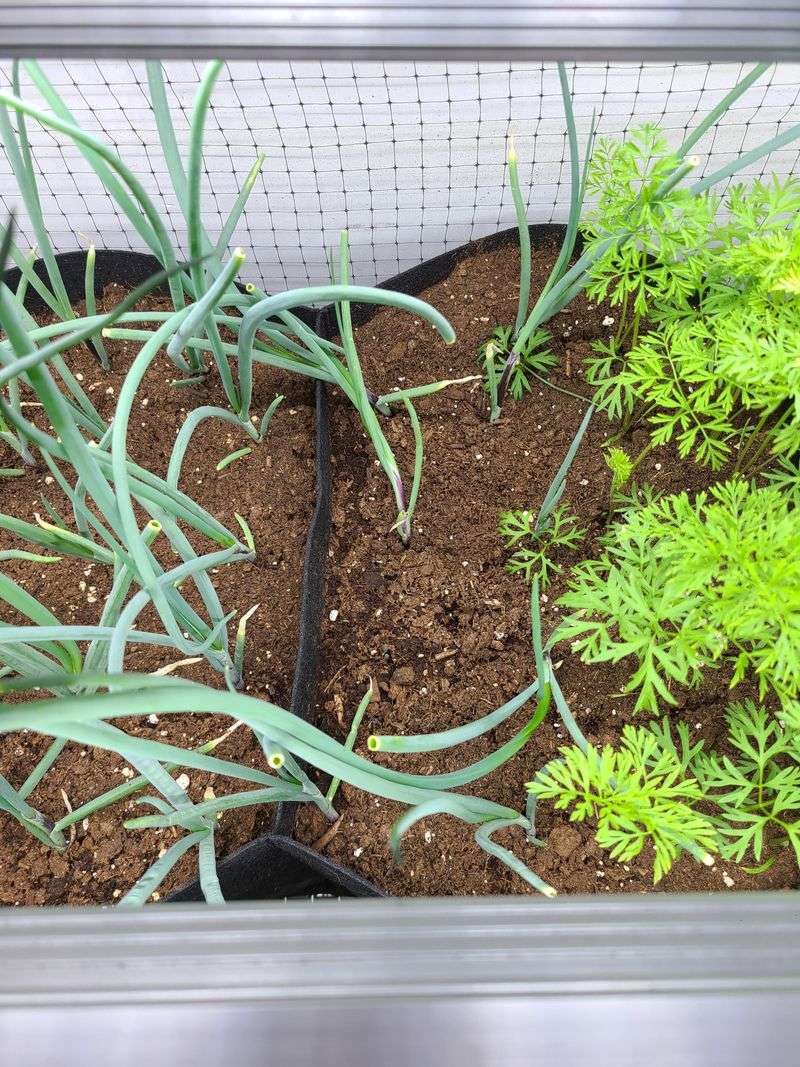
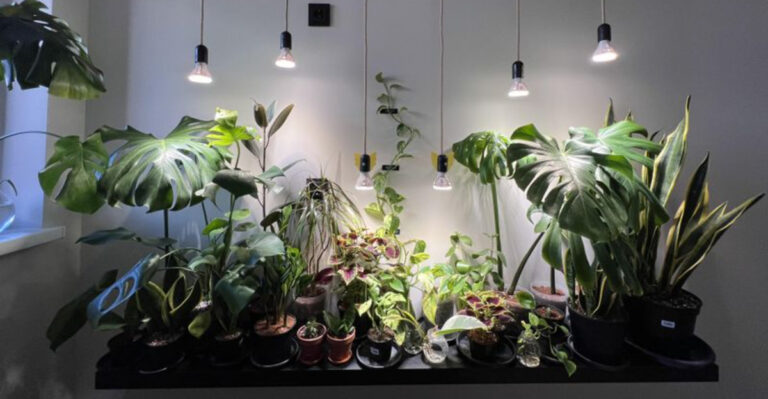
LED grow lights extend growing possibilities throughout Minnesota homes by providing artificial sunlight in spaces where natural light never reaches during long winters.
Modern LED technology produces the specific light spectrum that green onions need for photosynthesis while using minimal electricity compared to older fluorescent bulbs.
Position your grow lights about six to twelve inches above your green onion plants, adjusting the height as they grow taller each week.
Set lights on a timer to provide twelve to sixteen hours of illumination daily, mimicking natural daylight patterns that plants would experience outdoors.
Basements and interior rooms in Minnesota homes that previously seemed unsuitable for gardening become productive growing spaces with proper artificial lighting installed correctly.
Green onions grown under LED lights develop deep green colors and robust growth that rivals or even exceeds plants grown in natural sunlight alone.
Many Minnesota gardeners combine LED lights with natural window light during winter, ensuring their plants receive adequate illumination despite short, cloudy days outside.
The investment in quality grow lights transforms year-round indoor gardening from a challenging experiment into a reliable source of fresh green onions daily.
9. Kitchen Scrap Regrowth Stations

Creating a dedicated kitchen scrap regrowth station turns food waste into productive plants, providing Minnesota families with endless green onions from original grocery purchases.
Designate a specific area on your kitchen counter or windowsill where you collect and regrow green onion roots after using the green tops.
Keep several small containers filled with fresh water, rotating green onion scraps through different stages of growth for continuous harvests throughout the month.
This organized approach prevents kitchen clutter while ensuring you always have fresh green onions ready when recipes call for their mild, oniony flavor.
Minnesota families save money by regrowing green onions multiple times from a single bunch purchased at the grocery store just once or twice.
Children learn valuable lessons about plant biology and reducing food waste by watching kitchen scraps transform into thriving plants within their own homes.
Label containers with dates to track which green onions are ready for harvesting and which need more time to develop longer shoots.
A well-organized regrowth station makes indoor gardening feel less like a chore and more like an efficient system that naturally integrates into daily routines.