How Missouri Gardeners Get Irises To Bloom Bigger And Better
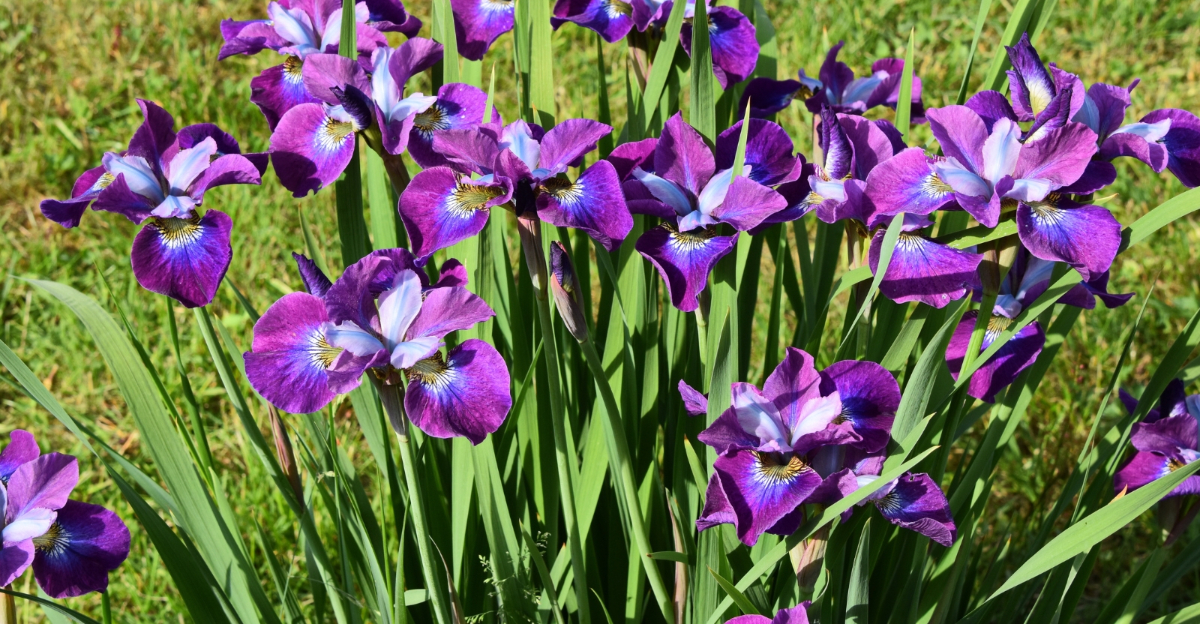
Missouri irises can look disappointing when they push out plenty of leaves but hold back on blooms, leaving gardens full of green with very little payoff.
The difference between average flowers and big, dramatic blooms often comes down to timing, spacing, and how the plant was handled long before flowering season arrives.
Irises are surprisingly particular plants, and Missouri’s shifting springs and heavy soils can quietly work against them when conditions are slightly off.
Small mistakes made during planting or cleanup can limit bloom size for an entire season, even when the plants otherwise look healthy and established. This is why some clumps grow year after year without ever reaching their full flowering potential.
Sun exposure, airflow, and how much of the rhizome stays above soil level play a much larger role than many gardeners realize.
When these details are right, irises redirect their energy into thicker stems, larger buds, and more reliable flowering.
Getting irises to bloom bigger and better isn’t about extra work, but about making the right adjustments at the right time so the plants can do what they’re naturally good at.
1. Plant Irises Where They Get Full Sun In Missouri Yards
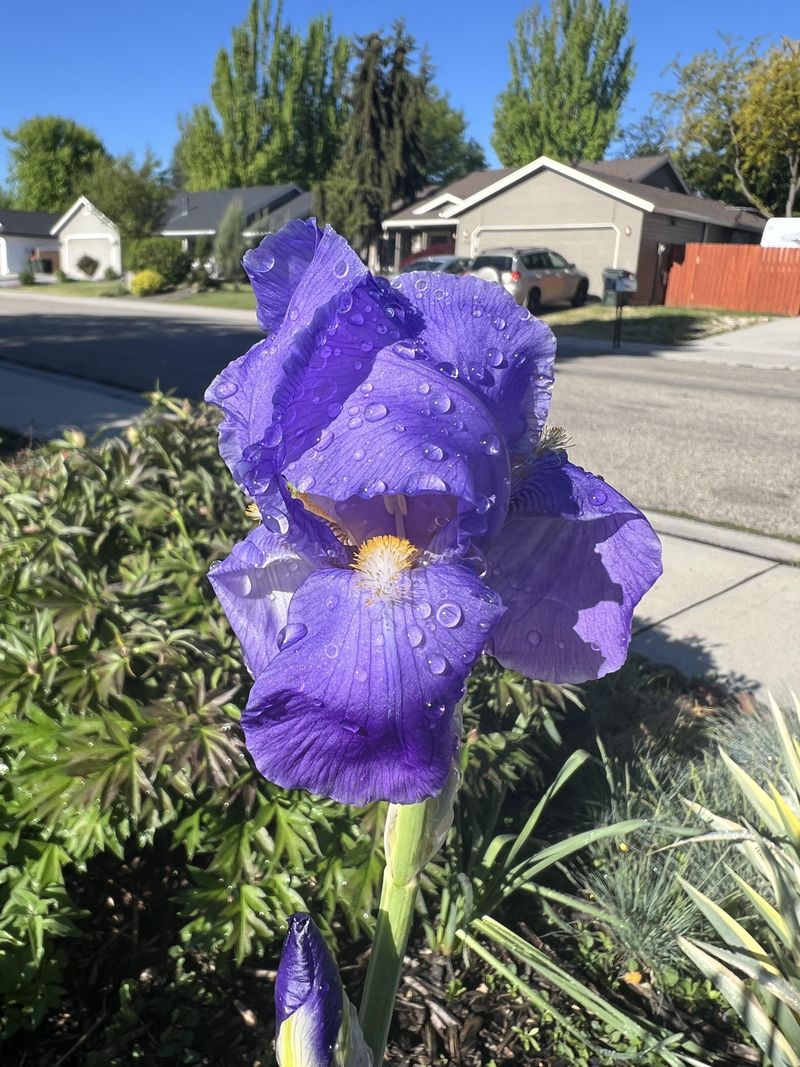
Sunlight plays a massive role in how well your irises perform each spring and summer. Irises are sun-loving plants that need at least six to eight hours of direct sunlight daily to produce their most impressive blooms.
When planted in shady spots, they tend to grow tall and floppy with fewer flowers.
Missouri gardeners know that placing irises in the sunniest part of the yard makes all the difference. South-facing beds or areas away from large trees work best.
Afternoon sun is especially important because it helps the rhizomes stay warm and dry.
Choosing the right location from the start saves you trouble later. Moving established plants can be stressful for them and delay blooming.
Scout your yard during different times of the day to see where the sun lingers longest.
Avoid planting near structures that cast long shadows. Fences, sheds, and tall shrubs can block valuable light.
Even a few hours of shade can reduce the number of flower stalks your irises produce.
Light exposure also affects disease resistance. Irises grown in full sun dry out faster after rain, which helps prevent fungal problems.
Missouri’s humid summers make this especially important for keeping plants healthy.
If your yard has limited sunny spots, prioritize your irises over shade-tolerant plants. They truly need that sunlight to thrive.
Other flowers can adapt to partial shade more easily.
Observe how your irises respond during their first season. If blooms seem sparse, consider relocating them to a brighter spot in late summer.
Adjusting their placement can lead to dramatically better results the following year.
2. Avoid Burying Rhizomes Too Deep In Heavy Missouri Soil
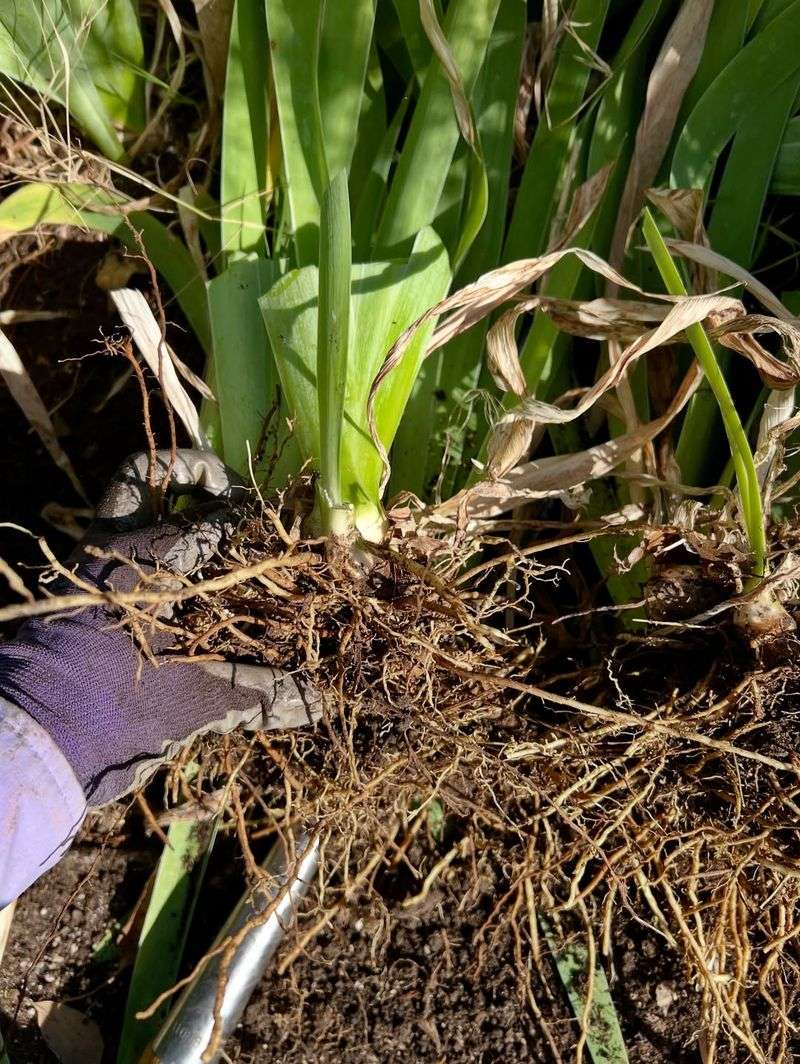
Planting depth is one of the most common mistakes that prevents irises from blooming well. Rhizomes need to sit at or just slightly below the soil surface, with their tops exposed to sunlight and air.
Burying them too deep blocks the sunlight they need to develop flower buds.
Missouri’s clay-heavy soil makes this issue even trickier. Dense soil can settle and cover rhizomes over time, especially after heavy rains.
Check your plantings periodically to make sure the rhizomes haven’t become buried.
When planting new irises, create a small mound of soil and place the rhizome on top. Spread the roots down the sides of the mound and cover them lightly.
The top portion of the rhizome should remain visible.
Heavy soil also holds moisture longer, which can cause problems if rhizomes are buried. Excess moisture around buried rhizomes encourages rot and other issues.
Proper planting depth helps air circulate around the rhizome.
If you inherited an iris bed that isn’t blooming, check the planting depth first. Gently scrape away soil to expose the rhizome tops.
You might be surprised how much difference this simple adjustment makes.
Missouri gardeners often amend their soil with compost to improve texture. This helps prevent settling and keeps rhizomes at the right level.
Lighter soil also drains better, which benefits iris health overall.
Newly planted irises may shift during their first season. Mulch and rain can gradually cover them.
A quick inspection in early spring ensures they’re still properly positioned.
Shallow planting might seem risky, but irises are surprisingly hardy. Their roots anchor them firmly even when rhizomes are exposed.
This natural positioning is exactly what they need to bloom their best.
3. Divide Crowded Irises Every Few Years For Stronger Blooms
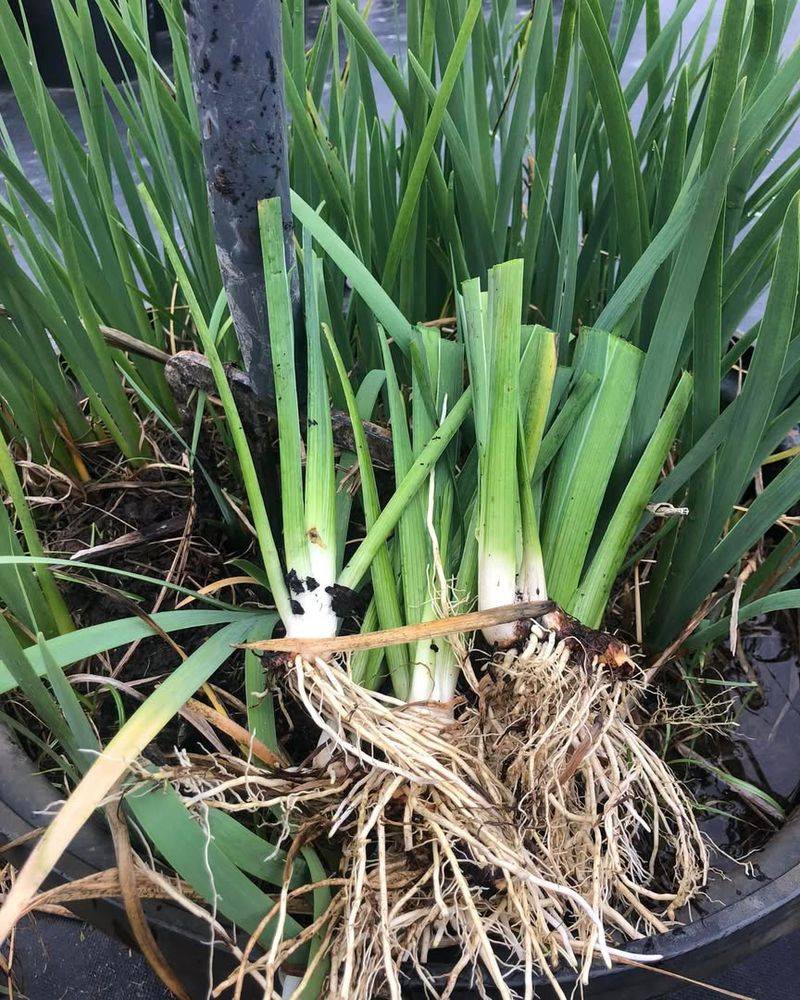
Iris clumps naturally expand over time as rhizomes multiply beneath the soil. While this growth is healthy, overcrowding eventually leads to fewer and smaller flowers.
Dividing your irises every three to four years keeps them blooming vigorously.
Crowded rhizomes compete for nutrients, water, and space. The center of old clumps often stops producing flowers entirely.
Missouri gardeners typically notice this decline after several seasons of growth.
Late summer is the ideal time to divide irises in Missouri. Wait until about six weeks after the blooms have faded.
This timing gives plants enough time to establish before winter arrives.
Start by lifting the entire clump with a garden fork. Shake off excess soil so you can see the individual rhizomes clearly.
You’ll notice that some are plump and healthy while others look old and woody.
Keep only the younger, outer rhizomes for replanting. These have the most energy stored for next season’s blooms.
Discard the old, center portions that have stopped producing flowers.
Trim the foliage back to about six inches before replanting. This reduces water loss and makes handling easier.
Clean cuts heal faster and reduce stress on the plant.
Replant divisions at the proper depth in a sunny location. Space them about 12 to 18 inches apart to allow room for future growth.
This prevents overcrowding from happening again too quickly.
Dividing also gives you more plants to fill other areas of your Missouri garden. Share extras with neighbors or create new iris beds.
It’s a great way to expand your collection without spending money.
4. Water Deeply But Let Soil Dry Between Waterings
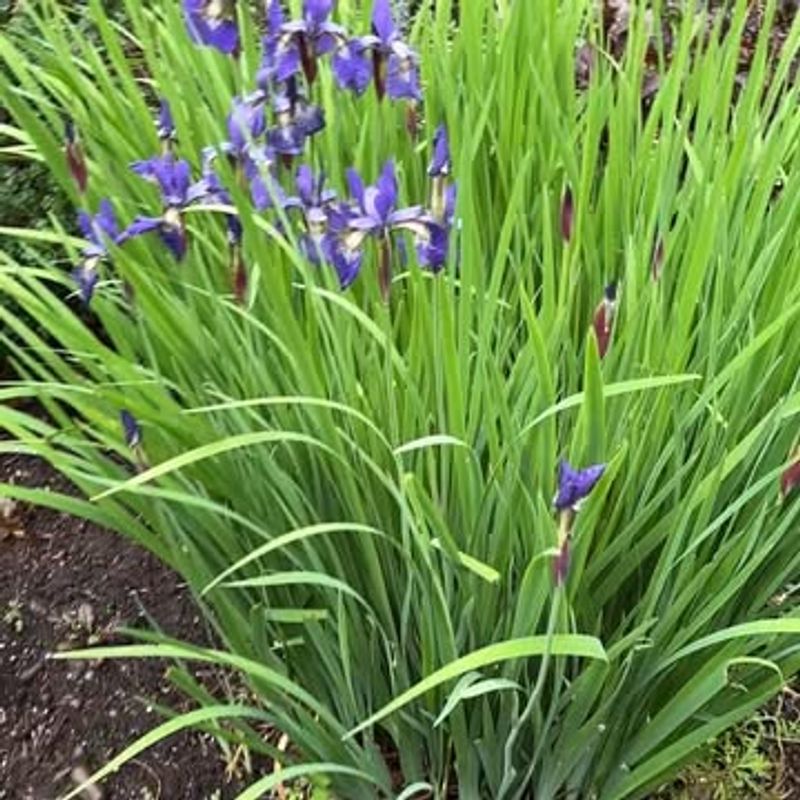
Proper watering technique makes a significant difference in iris bloom quality. Irises prefer deep, infrequent watering rather than frequent shallow sprinkles.
This encourages roots to grow deeper, making plants more drought-tolerant and resilient.
Missouri’s rainfall patterns vary throughout the growing season. Spring often brings plenty of moisture, but summer can turn dry.
Adjust your watering schedule based on natural precipitation and soil conditions.
When you do water, soak the soil thoroughly to a depth of several inches. Light surface watering does more harm than good because it encourages shallow root growth.
Deep watering builds stronger plants that can handle Missouri’s variable weather.
Allow the soil to dry out between watering sessions. Constantly wet conditions around rhizomes can cause serious problems.
Irises actually prefer slightly dry conditions once they’re established.
Check soil moisture by sticking your finger into the ground near the plants. If the top two inches feel dry, it’s time to water.
If it still feels moist, wait a few more days.
Drip irrigation or soaker hoses work wonderfully for iris beds. These methods deliver water directly to the root zone without wetting the foliage.
Dry leaves help prevent fungal diseases that thrive in humid Missouri summers.
Avoid overhead watering whenever possible. Sprinklers wet the entire plant, which can promote disease and waste water through evaporation.
Targeted watering is more efficient and healthier for your irises.
Newly planted irises need more frequent watering until their roots establish. After the first season, they become quite self-sufficient.
Missouri’s natural rainfall often provides enough moisture during spring blooming season.
5. Feed Irises Lightly Instead Of Over-Fertilizing
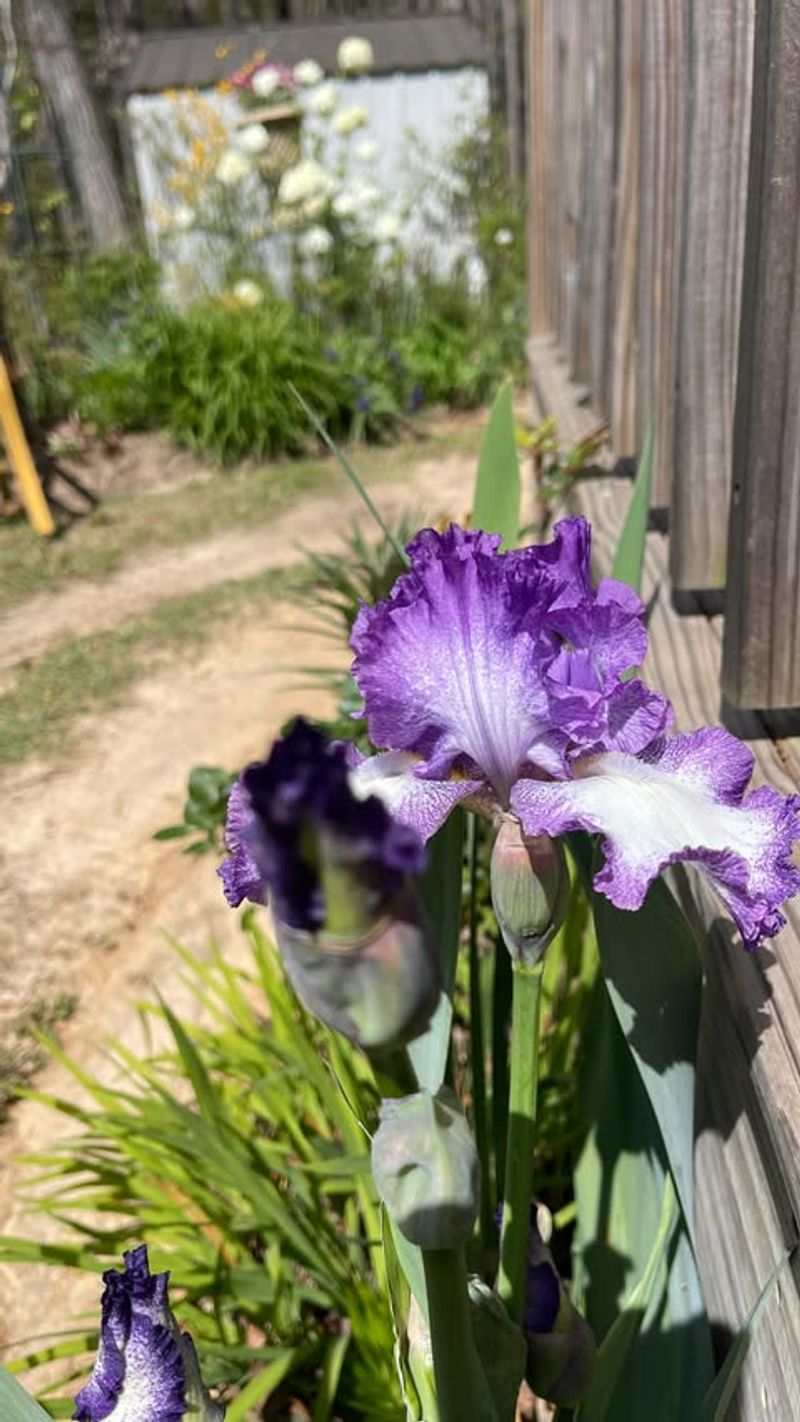
Fertilizing irises requires a lighter touch than many gardeners realize. Too much fertilizer actually reduces blooming and can harm the plants.
Irises are relatively low-feeders that perform best with modest nutrient levels.
Missouri’s soil naturally contains many of the nutrients irises need. Heavy fertilization encourages excessive foliage growth at the expense of flowers.
You’ll end up with tall, lush leaves but disappointing blooms.
Apply a balanced, low-nitrogen fertilizer in early spring as new growth emerges. A formula like 5-10-10 works well because it emphasizes phosphorus and potassium over nitrogen.
These nutrients support root development and flower production.
A second light feeding right after blooming helps rhizomes store energy for next year. This timing supports the plant’s natural cycle without overstimulating growth.
Missouri gardeners often use this two-feeding approach with great success.
Avoid fertilizing in late summer or fall. New growth stimulated by late-season feeding may not harden off before winter.
This can damage plants during Missouri’s cold snaps.
Compost makes an excellent gentle fertilizer for irises. A thin layer spread around plants in spring provides slow-release nutrients.
It also improves soil structure, which benefits overall plant health.
Watch your irises for signs of over-fertilization. Excessively tall, floppy foliage with few flowers indicates too much nitrogen.
Reduce or skip fertilizer the following year if you notice this pattern.
Some established iris beds perform beautifully with no supplemental fertilizer at all. If your plants bloom well, there’s no need to add anything.
Less is truly more when it comes to feeding irises.
6. Improve Drainage To Prevent Weak Flowering
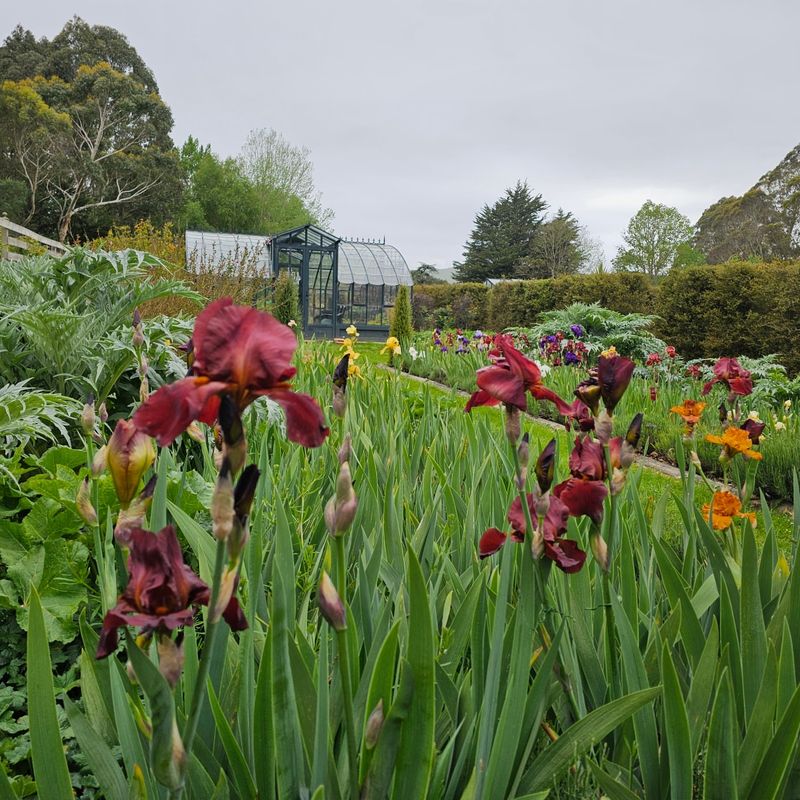
Drainage is absolutely critical for healthy, blooming irises. Poor drainage leads to waterlogged soil that suffocates roots and rots rhizomes.
When plants struggle with wet feet, they produce fewer and smaller flowers.
Missouri’s clay soil naturally drains slowly, making this a common challenge. Heavy spring rains can leave beds soggy for days.
Improving drainage before planting saves you headaches later.
Raised beds offer an excellent solution for areas with poor drainage. Building beds six to eight inches above ground level allows excess water to drain away quickly.
This keeps rhizomes from sitting in puddles after storms.
Adding coarse sand or perlite to clay soil improves its structure. Mix these amendments into the top several inches where iris roots will grow.
Better soil texture allows water to move through more freely.
Compost also helps improve drainage while adding nutrients. It loosens heavy clay and helps create air pockets in the soil.
Missouri gardeners often work several inches of compost into their iris beds.
Avoid planting irises in low spots where water naturally collects. These areas stay wet longest after rain.
Even drainage-tolerant plants struggle in constantly soggy conditions.
French drains or gravel-filled trenches can redirect water away from iris beds. These systems help in yards with serious drainage problems.
They’re especially useful on slopes where water runs toward planting areas.
Test drainage by digging a hole and filling it with water. If water remains after several hours, drainage needs improvement.
Good drainage means water should disappear within an hour or two.
Proper drainage also reduces disease pressure. Fungal problems thrive in wet conditions.
7. Remove Old Foliage After Bloom Season Ends
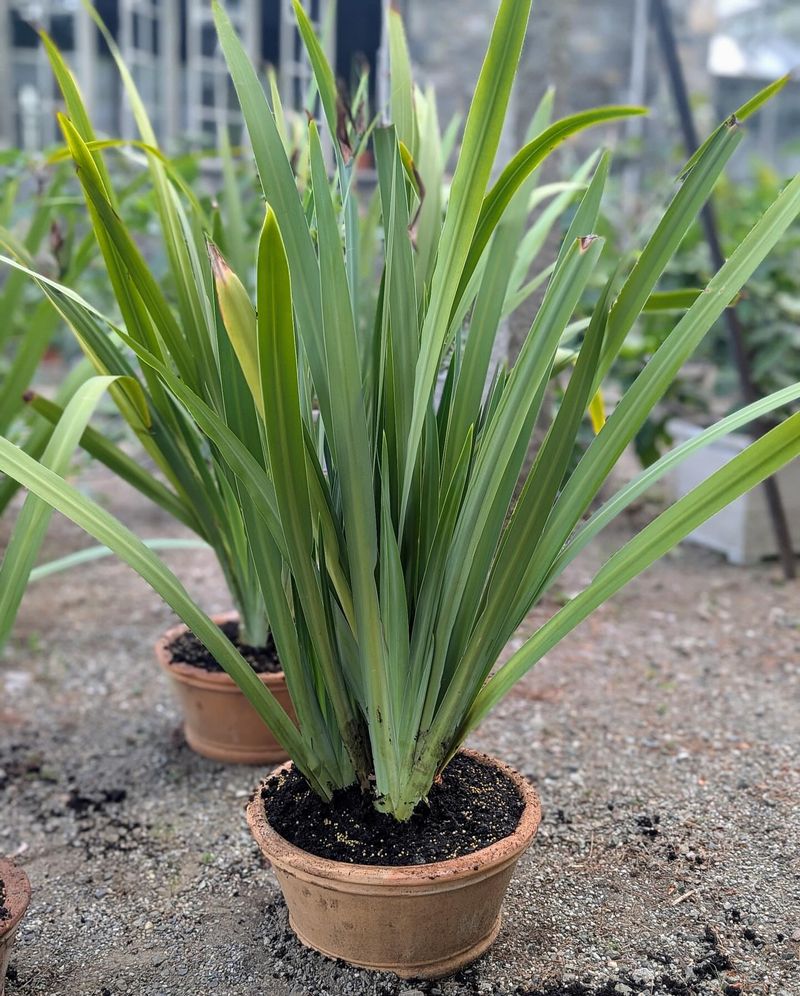
Cleaning up iris foliage at the right time keeps plants healthier and looking tidy. Old leaves can harbor pests and diseases that affect next season’s blooms.
Removing them reduces these problems significantly.
Wait until late fall to cut back iris foliage in Missouri. Leaves continue photosynthesizing through summer and early autumn, building energy in the rhizomes.
Cutting too early weakens plants and reduces next year’s flowering.
Once leaves turn brown and frost has arrived, trim them back to about six inches. Use clean, sharp pruning shears to make neat cuts.
Ragged tears can introduce disease into the plant tissue.
Remove all cut foliage from the garden bed. Don’t compost diseased or pest-damaged leaves.
Discarding them prevents problems from spreading to other plants in your Missouri garden.
Some gardeners prefer a light cleanup in late summer, removing only damaged or diseased leaves. This approach works well if your irises are healthy.
Leave green foliage intact to continue feeding the rhizomes.
Fall cleanup also gives you a chance to inspect rhizomes. Look for soft spots or signs of rot.
Catching problems early makes them easier to address before they affect blooming.
Tidy beds also make spring care easier. You won’t have to work around old, matted foliage when new growth emerges.
Missouri’s spring weather can be unpredictable, so reducing early-season chores helps.
If borers have been a problem, removing foliage becomes even more important. These pests overwinter in old leaves and stems.
Cleaning up thoroughly breaks their life cycle.
Fresh, clean beds also look more attractive through winter.
8. Keep Mulch Away From Iris Rhizomes
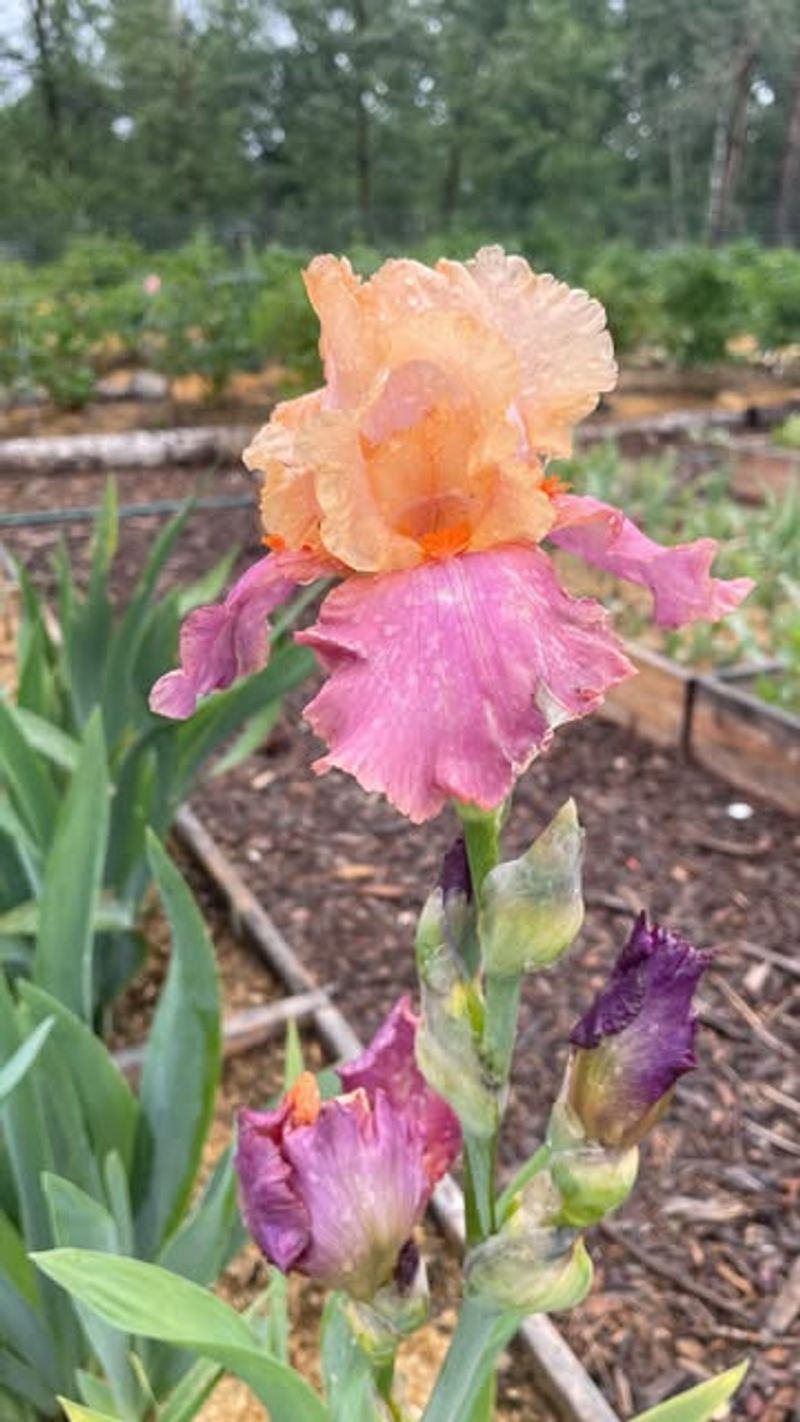
Mulching around irises requires special attention to placement. While mulch benefits many plants, it can cause serious problems when piled against iris rhizomes.
Proper mulch placement protects plants without creating issues.
Rhizomes need exposure to sunlight and air to bloom well. Mulch covering them blocks light and traps moisture.
This creates conditions that discourage flowering and encourage rot.
Apply mulch in a donut shape around each iris clump. Leave a clear circle of several inches around the rhizomes themselves.
This gives them the exposure they need while still suppressing weeds nearby.
Missouri’s hot summers make mulch tempting for moisture retention. However, irises actually prefer their rhizomes to stay relatively dry.
They’re adapted to tolerate heat without heavy mulching.
Use mulch more liberally between iris clumps rather than directly on them. A two to three inch layer in pathways and open areas reduces weeds effectively.
Just keep it pulled back from the rhizomes.
Organic mulches like shredded bark or wood chips work well in iris beds. They break down slowly and improve soil over time.
Just remember to maintain that clear space around each plant.
Check mulch levels periodically throughout the growing season. Rain and wind can shift mulch around.
A quick adjustment keeps rhizomes properly exposed.
If you notice reduced blooming, check whether mulch has accumulated around your irises. Scraping it away from rhizomes often restores flowering within a season or two.
Missouri gardeners sometimes discover this simple fix solves mysterious bloom problems.
9. Time Fall And Early Spring Care For Bigger Flowers
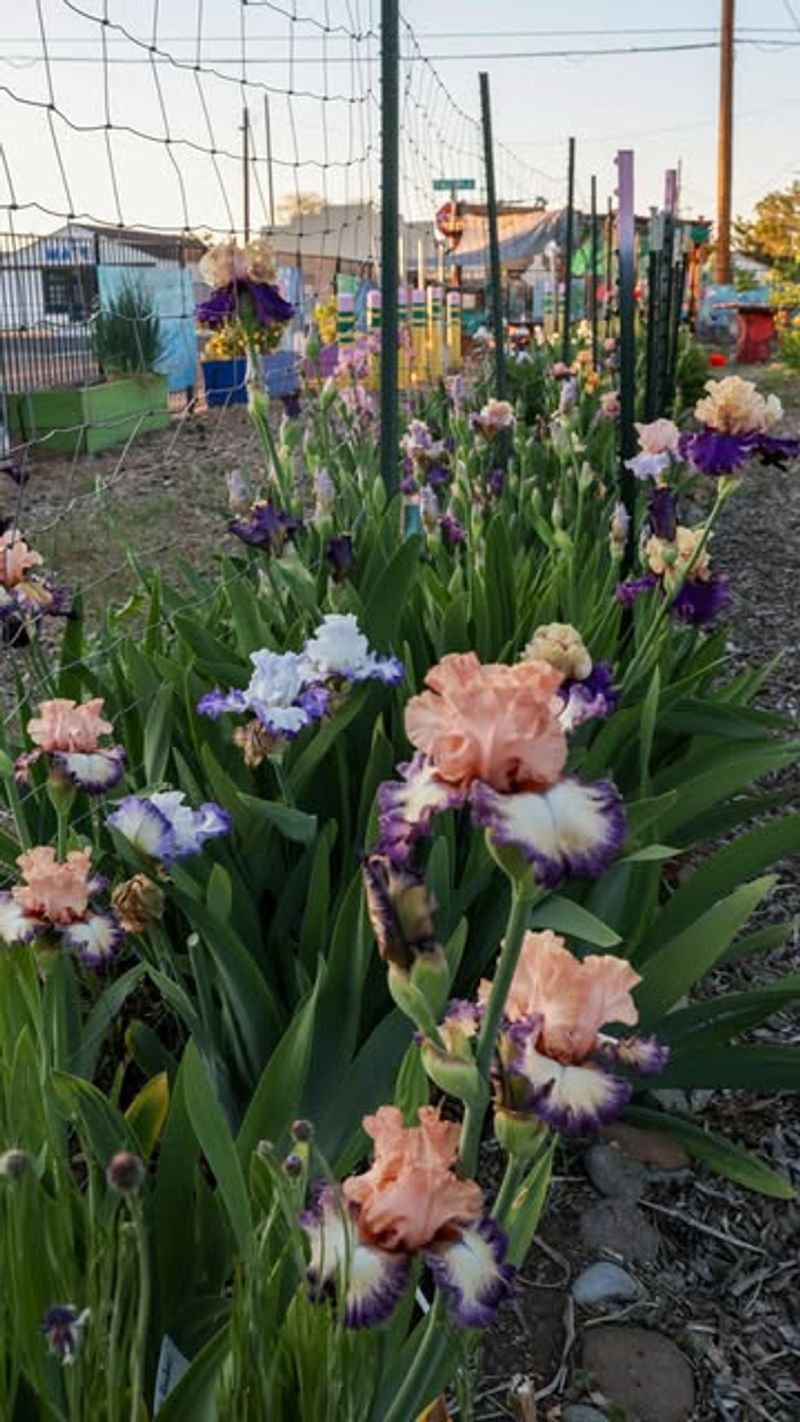
Seasonal timing dramatically affects iris bloom quality. Certain tasks performed at the right moments produce significantly better results.
Missouri’s distinct seasons provide clear windows for important iris care activities.
Early spring is perfect for applying that first light feeding. As soon as green shoots emerge, nutrients become available when plants need them most.
This supports vigorous growth and flower bud development.
Spring is also the time to clear away any remaining winter debris. Remove leaves and check for emerging pests.
Early detection allows you to address problems before they impact blooming.
After flowers fade in late spring, deadhead spent blooms promptly. This prevents seed formation, which drains energy from rhizomes.
Snip off the entire flower stalk at its base once all blooms have finished.
Late summer through early fall is Missouri’s prime time for dividing irises. Soil is still warm enough for root growth, but heat stress has passed.
Plants establish well before winter dormancy arrives.
Fall cleanup timing matters too. Wait until frost has arrived and foliage has naturally faded back.
This ensures rhizomes have absorbed maximum nutrients from the leaves.
A light fall feeding can benefit irises in some Missouri gardens. Apply a low-nitrogen fertilizer six weeks before the first expected frost.
This gives rhizomes a final boost without stimulating tender new growth.
Winter is a hands-off season for irises. Let them rest completely without disturbance.
Missouri’s cold period is essential for proper flower development.