How Moss Can Reveal Secrets About Your Oregon Soil
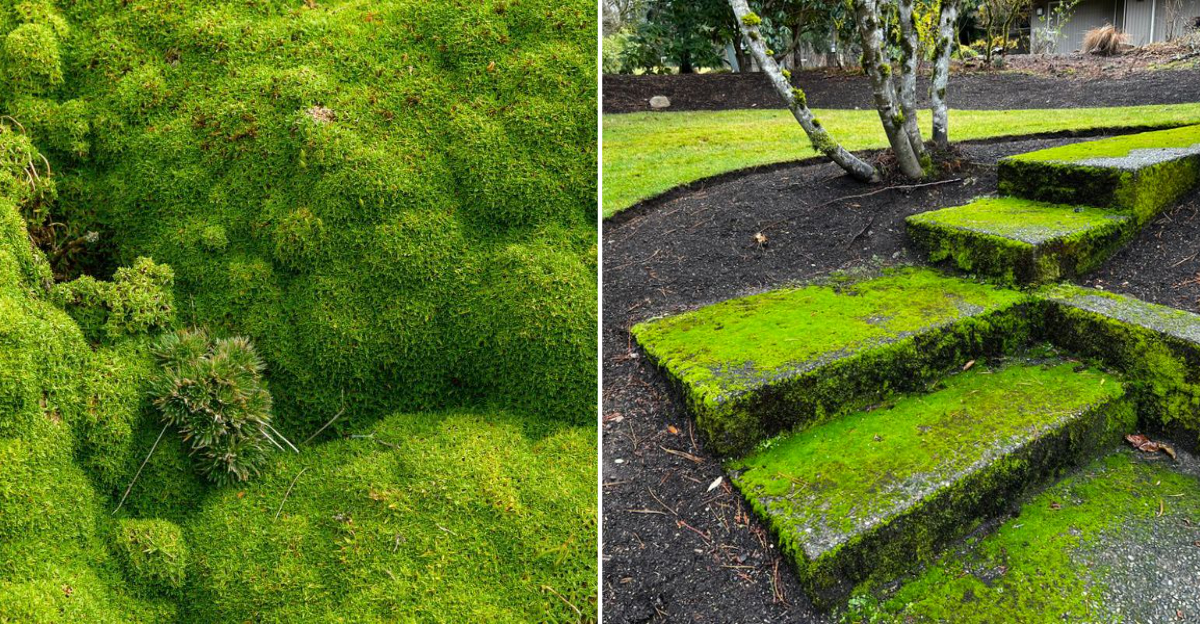
If you live in Oregon and notice patches of green, fuzzy moss creeping across your lawn or garden, you might be tempted to pull it out right away. But before you do, take a closer look.
Moss is actually one of nature’s most honest messengers, quietly telling you things about your soil that you might never notice otherwise.
Oregon’s wet climate and varied landscapes make it one of the most moss-friendly states in the country, and learning to read what moss is trying to say can save you a lot of time, money, and frustration in your garden.
Think of moss as a free soil report growing right under your feet. It shows up where specific conditions exist, and once you understand those conditions, you can make smarter choices about how to care for your yard.
If you have a small backyard in Portland, a rural property in the Willamette Valley, or a large garden near the coast, moss is giving you clues worth paying attention to.
1. Why Moss Appears In Oregon Gardens
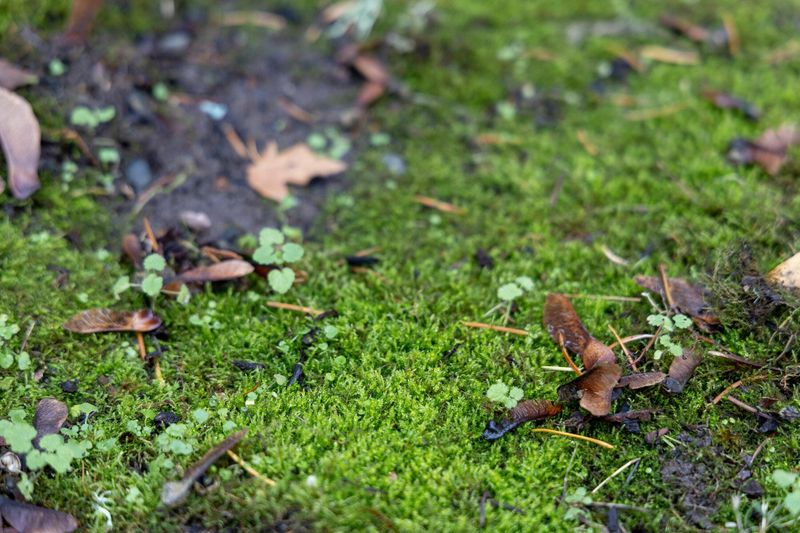
Walk through almost any Oregon neighborhood after a rainy stretch, and you will likely spot patches of thick, green moss spreading across lawns, garden beds, and even driveways. Moss is not showing up by accident.
It grows where conditions are just right for it, and in Oregon, those conditions happen to be very common.
Oregon receives heavy rainfall from fall through spring, creating the kind of damp, cool environment that moss absolutely loves. Unlike most plants, moss does not need deep roots or nutrient-rich soil to survive.
It absorbs water and nutrients directly through its tiny leaves, which means it can thrive in places where other plants struggle.
Many Oregon gardeners see moss as a problem, but it is really more of a signal. It is telling you that something about your soil or growing conditions is off-balance.
Moss is not aggressive or harmful on its own. It simply moves in when the environment suits it better than grass or other garden plants.
Understanding why moss appears is the first step toward figuring out what your soil needs. Instead of fighting moss without knowing the cause, take a moment to observe where it is growing, how thick it is, and whether it is spreading.
Those details can point you toward the real issue hiding beneath the surface of your Oregon soil.
2. Moss Often Signals Poor Drainage
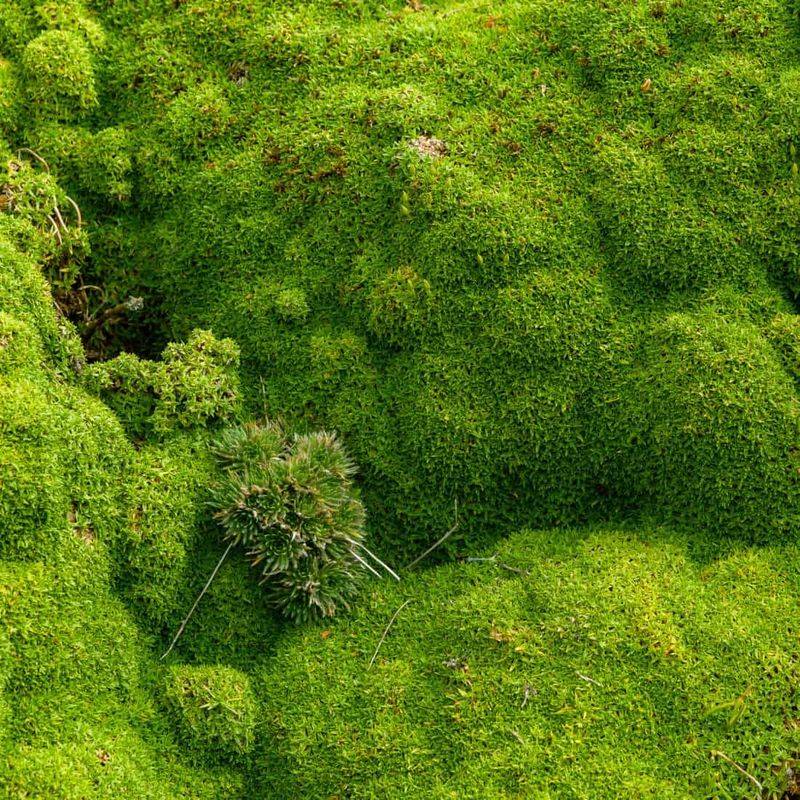
Standing water after a rainstorm is never a good sign for a garden, and moss knows it. One of the most common reasons moss takes over in Oregon yards is poor drainage.
When water cannot move through the soil quickly enough, it sits near the surface and keeps the ground constantly wet.
Moss thrives in those waterlogged spots. Grass and most garden plants, on the other hand, need soil that drains well so their roots can breathe.
When roots stay wet for too long, they weaken, making it even easier for moss to move in and take over.
In Oregon, clay-heavy soils are a big part of the drainage problem. Many parts of the Willamette Valley and western Oregon have naturally dense clay soil that holds water instead of letting it pass through.
If your lawn has low spots that stay soggy after rain, moss is likely to show up there first.
Improving drainage can make a real difference. Adding organic matter like compost helps break up clay soil and allows water to move more freely.
Installing French drains or grading the land to redirect water away from problem areas are also effective solutions. Once drainage improves, grass can grow stronger and moss will have less reason to stick around in your Oregon garden.
3. Compacted Soil Encourages Moss Growth
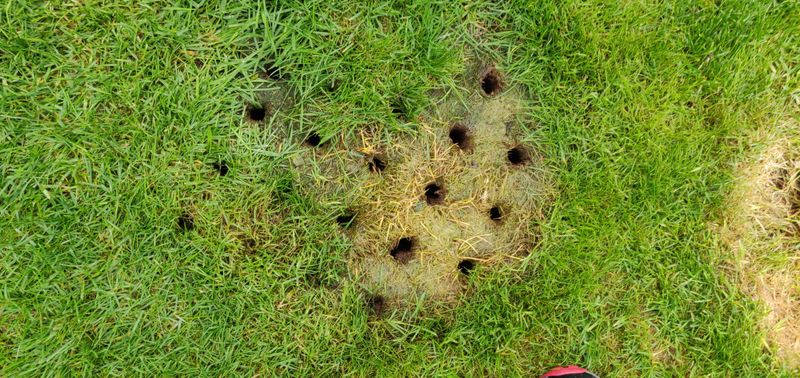
Soil that has been walked on, driven over, or just neglected for years tends to become hard and compacted. Compacted soil is one of the most common reasons moss shows up in Oregon lawns, and it is more widespread than most homeowners realize.
When soil is compacted, tiny air pockets that roots need to grow disappear. Water cannot move through easily, nutrients get locked in, and grass roots simply cannot push their way down.
Moss, however, does not rely on deep roots at all. It sits right on the surface and takes advantage of the exact conditions that stop grass from growing well.
High-traffic areas are the most vulnerable. Paths across the lawn, spots near driveways, and areas where children or pets play regularly are all prime locations for compaction to develop.
In Oregon, where fall and winter rain keeps the ground wet and soft, even light foot traffic can compact soil surprisingly fast.
Core aeration is one of the best tools for fixing compacted soil. A core aerator pulls small plugs of soil out of the ground, creating space for air, water, and roots to move freely again.
Doing this once a year in the fall can dramatically improve your lawn’s health. After aerating, spreading compost over the surface helps fill those channels and feeds the soil at the same time, giving grass the boost it needs to outcompete moss.
4. Low Sunlight And Shady Areas
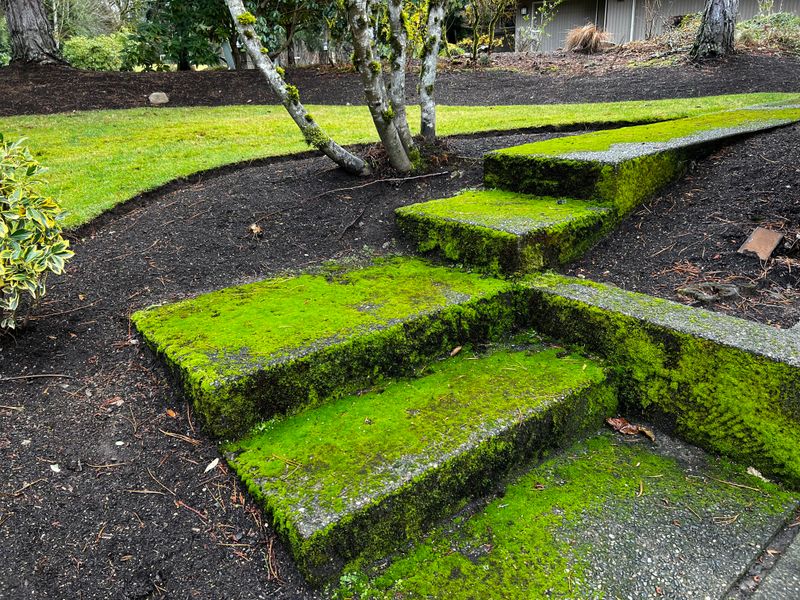
Oregon is famous for its towering Douglas firs, big-leaf maples, and other trees that create beautiful, dense canopies. But all that shade comes with a trade-off.
Shady areas are one of the most reliable places to find moss growing, and there is a simple reason for that.
Most lawn grasses need several hours of direct sunlight each day to grow thick and healthy. When trees or buildings block sunlight, grass thins out and weakens.
That creates open, bare patches where moss can easily move in. Moss does not need much light at all, so it thrives in the dim spots where grass gives up.
This is especially noticeable in Oregon neighborhoods with mature trees. A lawn that looks great in sunny spots can look completely different under a large tree canopy nearby.
The moss is not spreading randomly. It is mapping out exactly where the light is missing.
You have a few options for dealing with shady areas. Trimming lower branches on trees can let in more light without removing the tree entirely. You can also switch to a shade-tolerant grass mix designed for low-light conditions.
Another option is to stop fighting the shade and embrace it by replacing those areas with shade-loving ground covers or even a deliberate moss garden, which many Oregon homeowners have found to be a beautiful and low-maintenance choice.
5. Acidic Soil And Moss Presence
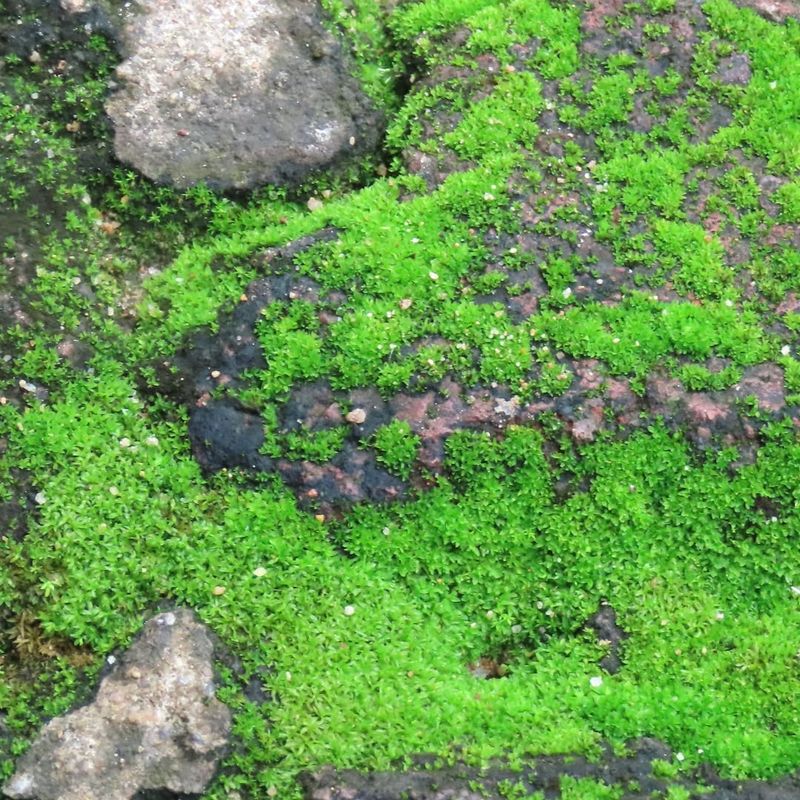
Here is something most people never think about when they see moss in their yard: the pH level of the soil might be the real culprit. Moss absolutely loves acidic soil, and Oregon has plenty of it.
The state’s heavy rainfall naturally washes away calcium and magnesium over time, leaving soil more acidic than many plants prefer.
Soil pH is measured on a scale from 0 to 14. A reading of 7 is neutral.
Anything below 7 is acidic, and anything above is alkaline. Most lawn grasses do best when pH sits between 6.0 and 7.0.
When pH drops below that range, grass struggles to absorb nutrients even when those nutrients are present in the soil. Meanwhile, moss thrives right in that lower pH zone without any trouble.
Getting a soil test is the smartest move you can make. Oregon State University Extension offers affordable soil testing services, and many local garden centers carry simple at-home test kits.
Once you know your soil’s pH, you can take action.
Applying lime is the most common way to raise soil pH in Oregon. Ground limestone neutralizes acidity and makes nutrients more available to grass.
It takes time, often several months, to see results, so patience is important. Testing your soil every two or three years helps you stay ahead of the problem and keep your lawn growing strong instead of handing the ground over to moss.
6. What Moss Says About Soil Moisture
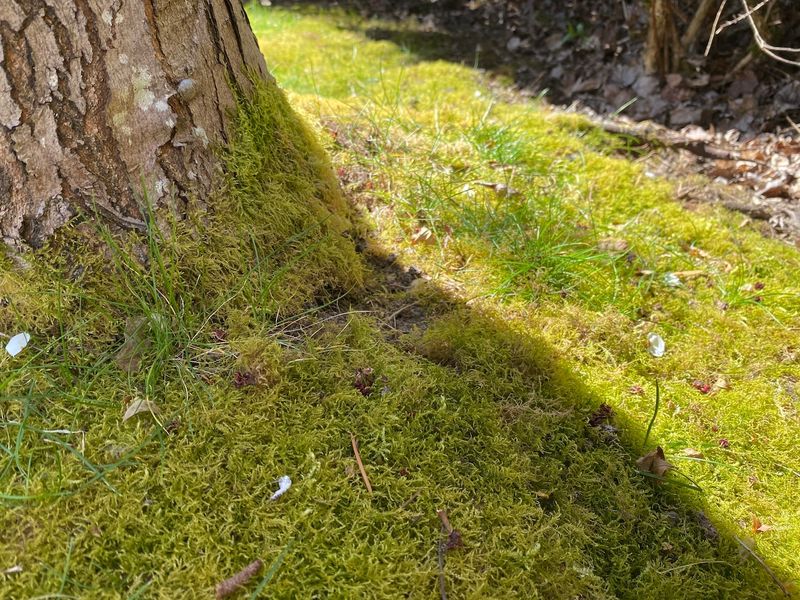
Moss and moisture go together like rain and Oregon in November. Wherever the soil stays consistently damp, moss will find a way to grow there.
But what exactly does heavy moss growth tell you about the moisture levels in your soil?
For starters, it often means the area is staying wet longer than it should. This can happen because of overwatering, slow drainage, or simply the natural moisture that builds up in low-lying spots.
Oregon’s rainy season already keeps many lawns on the wetter side, and adding irrigation on top of that can push soil moisture into the range where moss truly takes over.
Overwatering is a surprisingly common issue, even in a state where rain does most of the work. Many automatic irrigation systems run on schedules set in summer and never get adjusted as fall rains arrive.
That extra water keeps the soil soggy and creates perfect conditions for moss to spread quickly.
Checking your irrigation schedule with the seasons is a simple habit that pays off. Cutting back watering in fall and winter lets the soil dry out a bit between rain events.
For areas that stay naturally wet, planting moisture-tolerant species or improving drainage can help balance things out.
Moss growing in a specific pattern across your Oregon yard is essentially drawing you a map of where moisture is building up, and that information is genuinely useful for any gardener willing to pay attention.
7. When Moss Is Actually Helpful
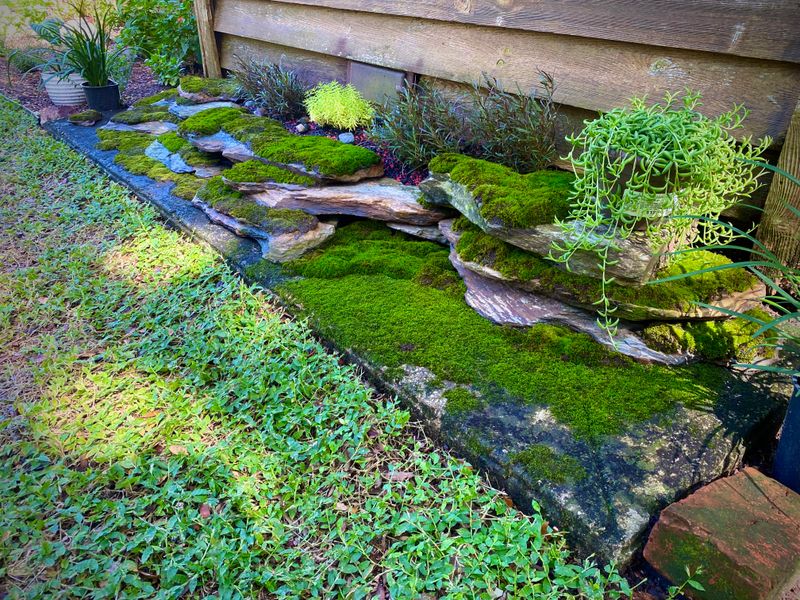
Not every patch of moss is a problem worth solving. In fact, in many Oregon landscapes, moss can be one of the most useful and attractive ground covers available.
Before grabbing the rake or reaching for a treatment, it is worth asking whether the moss in your yard might actually be doing you a favor.
Moss holds moisture in the soil, which helps reduce erosion on slopes and hillsides. Oregon has plenty of steep terrain where bare soil washes away during heavy rain.
A thick layer of moss can hold that soil in place and protect it through the wettest months of the year without any effort from you.
Moss also provides habitat for small insects, beneficial microorganisms, and even some amphibians that call Oregon home.
In shaded areas under trees where grass simply refuses to grow well, moss creates a clean, green surface that requires almost no maintenance, no mowing, no fertilizing, and very little water once established.
Some Oregon gardeners are now intentionally cultivating moss gardens, especially in Japanese-inspired or Pacific Northwest native landscape designs. Moss gives these spaces a peaceful, ancient feel that is perfectly suited to Oregon’s cool, wet climate.
If moss is growing somewhere that is difficult to maintain with traditional grass, consider working with it rather than against it. Sometimes the easiest and most beautiful solution is simply letting nature lead the way in your Oregon garden.