How Native Oregon Plants Support Beneficial Garden Insects
Oregon gardens are full of surprises when you start paying attention to the tiny residents buzzing, crawling, and fluttering through your plants.
Those little creatures aren’t just decoration, they play a starring role in keeping your garden healthy and thriving.
Native Oregon plants act like magnets for these beneficial insects, offering food, shelter, and the perfect breeding grounds.
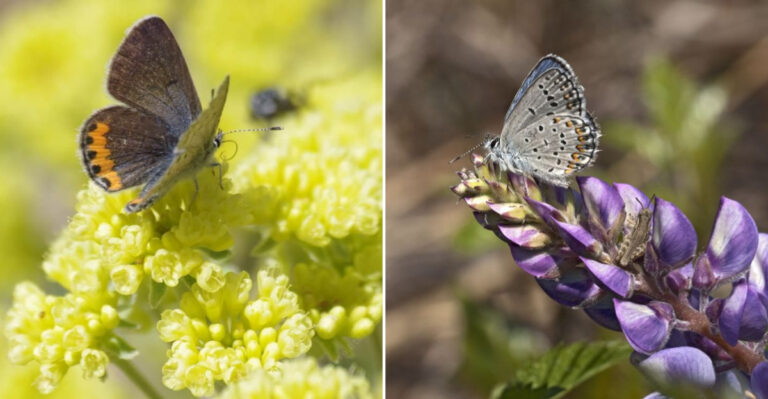
Butterflies, bees, ladybugs, and predatory wasps all find what they need among leaves, flowers, and roots that have evolved right alongside them.
By planting native species, you’re creating a backyard ecosystem that works smarter, not harder. You’ll notice fewer pests, more pollination, and even stronger growth in your veggies, shrubs, and flowers.
Gardens planted with local flora are more resilient, attract a wider variety of helpful insects, and even give you the chance to peek into a miniature world buzzing with life that’s as fascinating as it is useful.
1. Attracting Pollinators Naturally
Every Oregon garden has the potential to become a buzzing, fluttering paradise. Native plants are the secret ingredient that makes it happen.
Unlike store-bought ornamental plants, native Oregon species evolved right here, so local insects already know and love them.
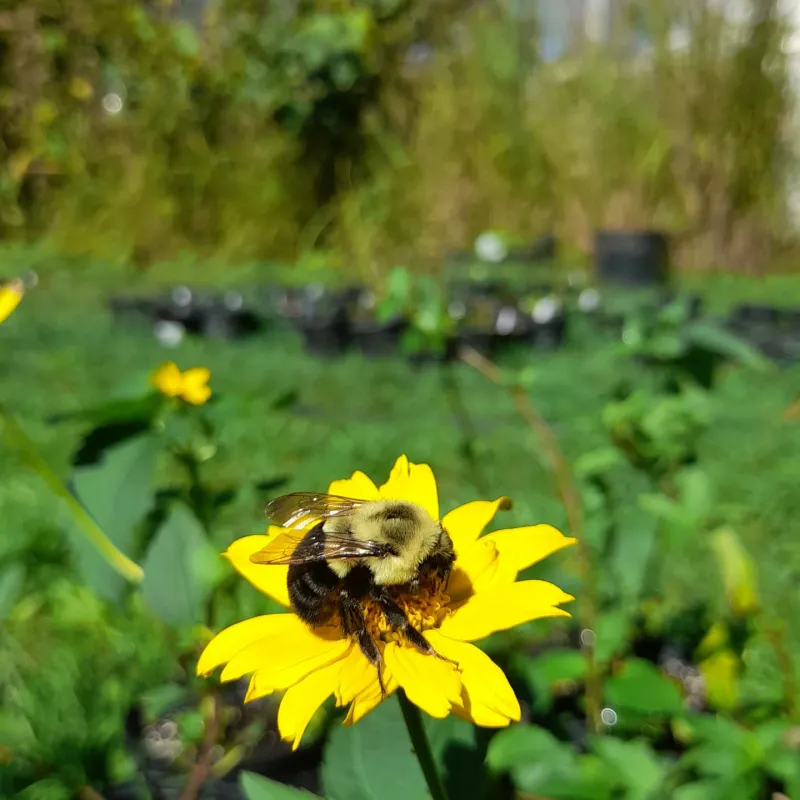
Pollinators like bumblebees, mason bees, and hoverflies are drawn to native plants because of their familiar scent, color, and pollen. When you plant natives, you are basically rolling out a welcome mat for these helpful visitors.
They show up, do their job, and your whole garden benefits.
In Oregon, plants like camas, western columbine, and blue-eyed grass are pollinator magnets. They bloom at different times throughout the season, so there is always something available for visiting insects.
That steady food supply keeps pollinator populations strong year after year.
You do not need a large yard to make a difference. Even a small patch of native plants near a sunny window or along a fence line can attract dozens of pollinator species.
Start small, stay consistent, and watch your Oregon garden come alive with beneficial insect activity every single season.
2. Flowers That Feed Bees
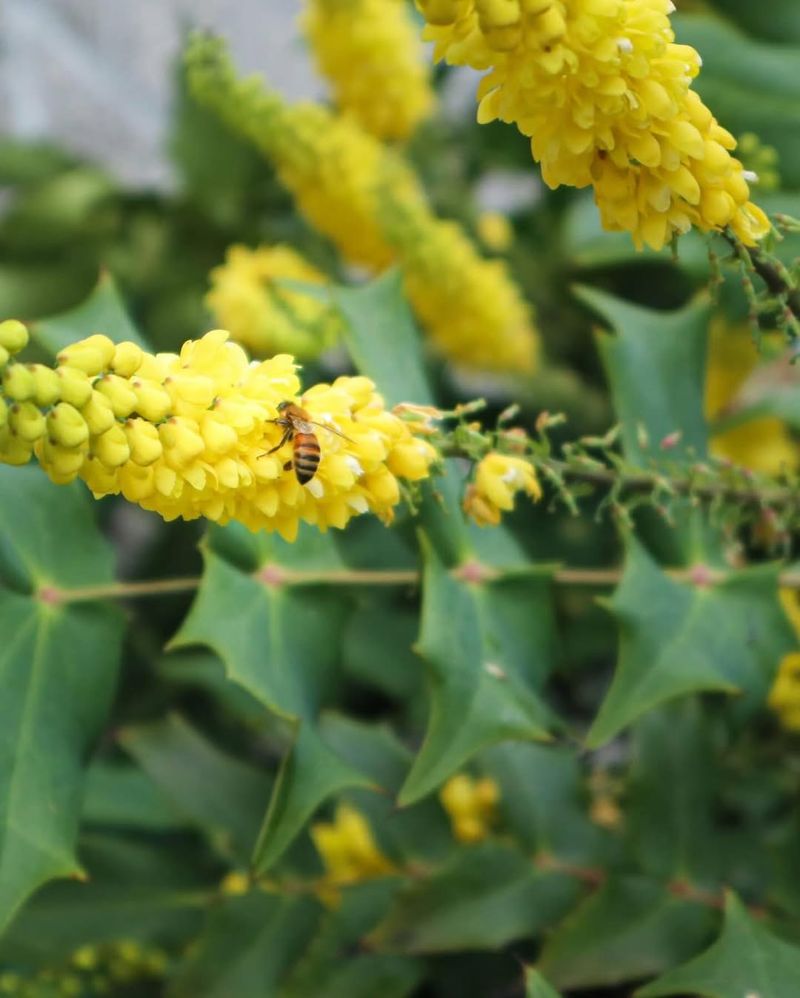
Bees are among the hardest-working insects in any Oregon garden, and the right flowers can keep them well-fed all season long. Native flowering plants offer high-quality nectar and pollen that bees have relied on for centuries.
Choosing these plants is one of the best ways to support bee populations in your local area.
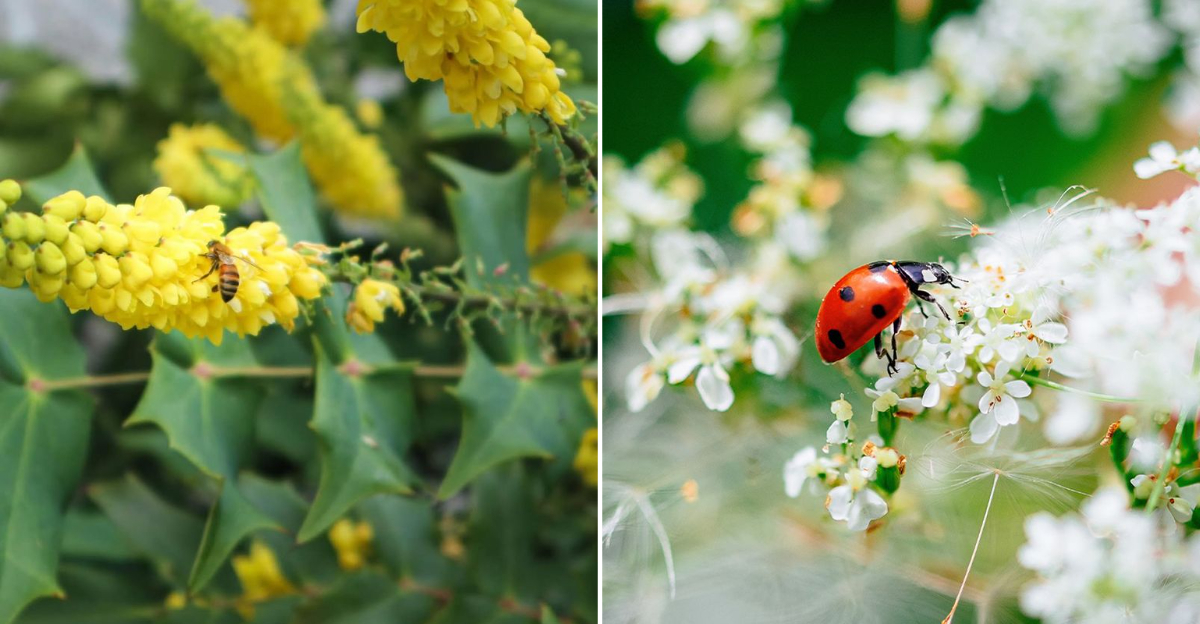
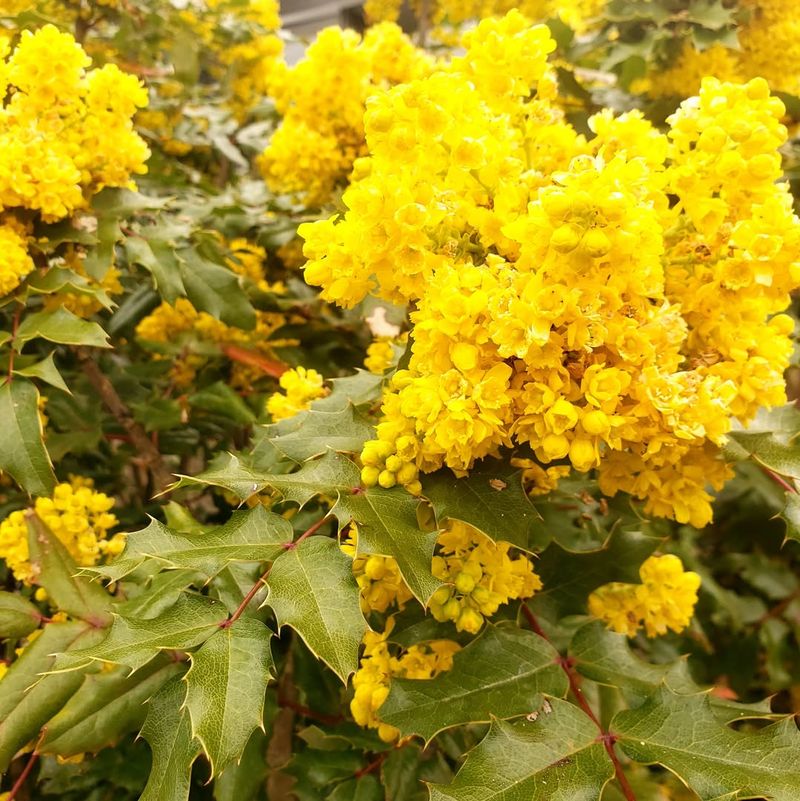
Tall Oregon Grape, also known as Mahonia aquifolium, is Oregon’s state flower and one of the earliest bloomers of the year. Its bright yellow flower clusters open in late winter, giving bees a much-needed food source before most other plants wake up.
That early boost can make a real difference for hungry bee colonies coming out of winter.
Camas is another outstanding bee plant. Its tall spikes of blue and purple flowers bloom in spring and attract bumblebees in large numbers.
Planting camas bulbs in fall means you will have a gorgeous, bee-friendly display ready to go the following spring.
Western yarrow rounds out a great bee-feeding garden with its flat-topped white flower clusters. These blooms attract not just bees but also many other beneficial insects.
Together, these three Oregon natives create a powerful, season-spanning food source that bees will return to again and again.
3. Shrubs Loved By Butterflies
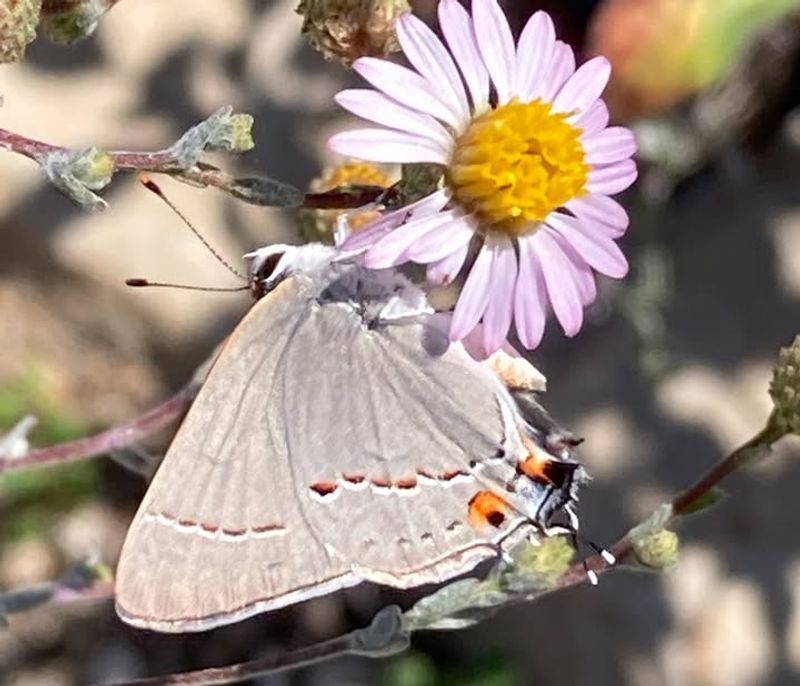
Butterflies bring color and life to any outdoor space, and Oregon has some fantastic native shrubs that they simply cannot resist. Shrubs are especially valuable because they provide food, shelter, and sometimes even egg-laying spots all in one plant.
Adding even one or two butterfly-friendly shrubs can transform a plain yard into a lively habitat.
Pacific Ninebark is a standout choice for Oregon gardeners. This native shrub produces clusters of tiny white flowers that butterflies flock to during the summer months.
Its arching branches also create shaded nooks where butterflies can rest on warm afternoons.
Showy Milkweed is another shrub-like plant that butterfly lovers should know about. It is famous for attracting monarch butterflies, which depend on milkweed for both nectar and as a place to lay their eggs.
Planting showy milkweed in your Oregon garden directly supports monarch populations, which have been declining in recent years.
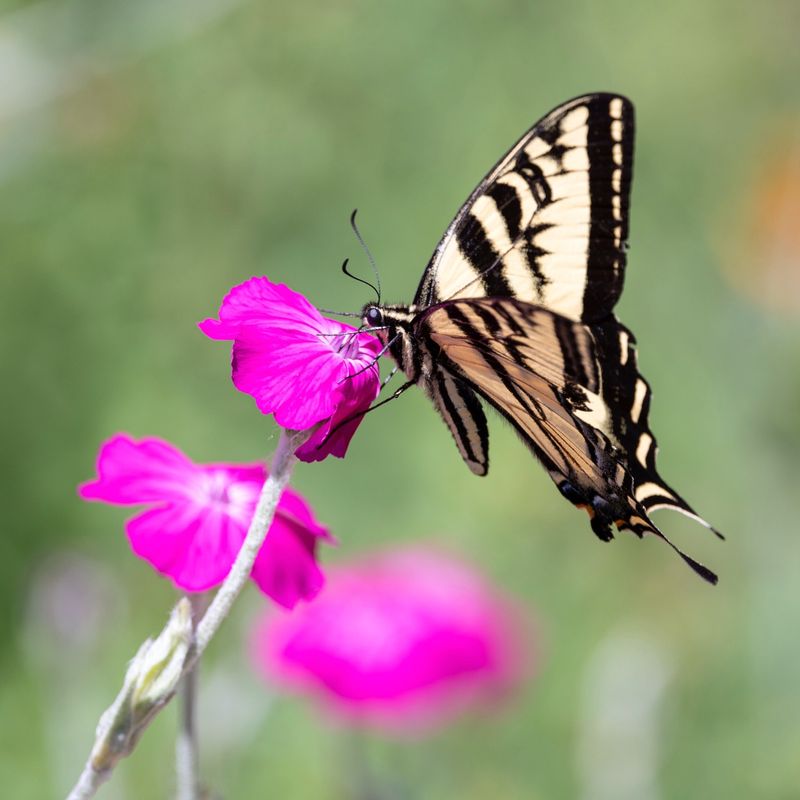
Red flowering currant is a beloved Oregon native that blooms early in spring with cascading pink and red flower clusters. Swallowtail butterflies are frequent visitors, and the plant’s berries later feed birds too.
Planting a mix of these shrubs gives butterflies resources from early spring all the way through summer.
4. Plants That Shelter Ladybugs
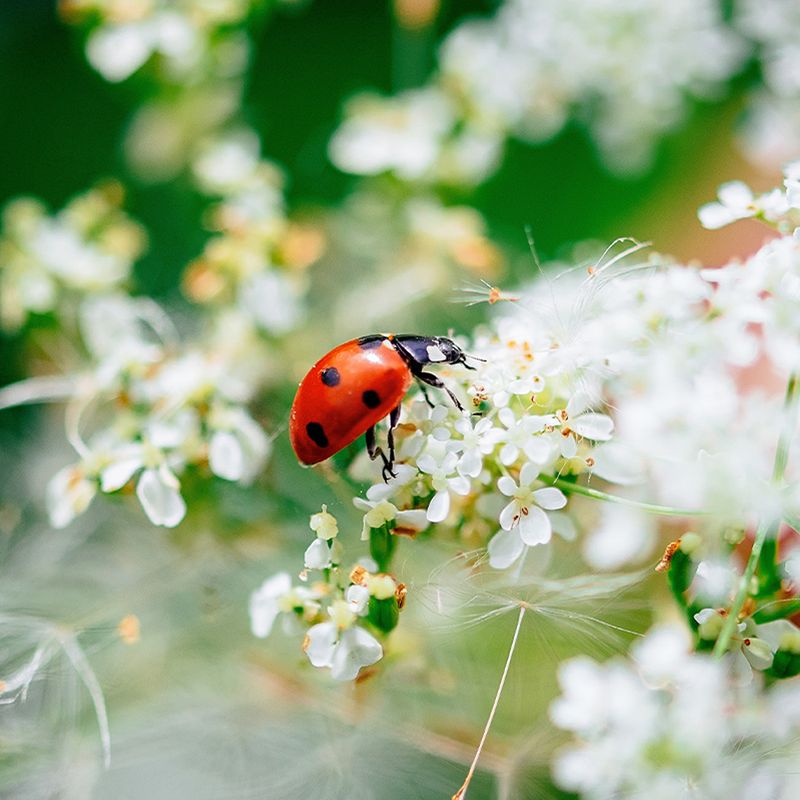
Ladybugs are garden heroes. A single ladybug can eat dozens of aphids in one day, making them one of the most effective natural pest controllers you can have in your Oregon garden.
The trick is giving them a reason to stick around, and native plants do exactly that.
Western yarrow is one of the top plants for attracting and sheltering ladybugs. Its dense, ferny foliage creates a protected micro-habitat where ladybugs can hide, hunt, and even spend the night.
The flat-topped white flower clusters also attract the small insects that ladybugs feed on, so the whole food chain comes together in one plant.
Goldenrod is another excellent Oregon native for ladybug support. Its tall, feathery plumes of yellow flowers bloom in late summer and fall, providing late-season shelter when many other plants have finished flowering.
Ladybugs gather in goldenrod patches in large numbers before the cooler weather arrives.
Leaving some leaf litter and plant stems standing through winter also helps ladybugs find safe overwintering spots in your garden. Pairing this simple habit with native plantings like yarrow and goldenrod creates a welcoming, year-round refuge.
Your Oregon garden will naturally have fewer pest problems as a result.
5. Herbs That Draw Helpful Insects
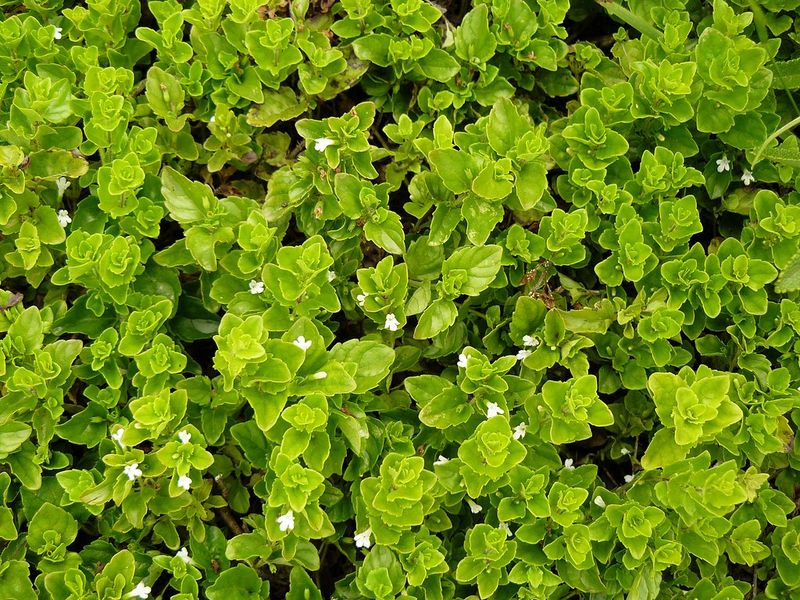
Not all garden heroes are flashy wildflowers. Some of the best plants for supporting beneficial insects in Oregon are humble herbs that double as useful kitchen ingredients.
Growing native and culinary herbs side by side is a smart, space-saving strategy that pays off in multiple ways.
Oregon sunshine, also called Eriophyllum lanatum, is a cheerful native herb with bright yellow daisy-like flowers. It attracts hoverflies, parasitic wasps, and native bees in impressive numbers.
Hoverflies and parasitic wasps are especially valuable because they help control aphids, caterpillars, and other garden pests without any effort on your part.
Wild ginger is another Oregon native worth planting under trees or in shaded garden corners. While its flowers are small and hidden close to the ground, they attract ground-dwelling insects that help break down organic matter and improve soil health.
Healthy soil means healthier plants across your whole garden.
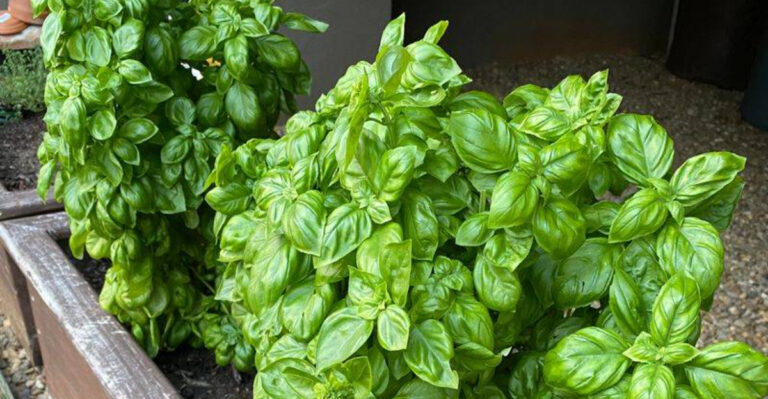
You can also mix in culinary herbs like dill and fennel, which are not strictly native but work beautifully alongside Oregon natives to attract beneficial insects.
The combination of native herbs and familiar kitchen plants creates a rich, layered habitat.
Helpful insects will find everything they need right in your own backyard throughout the growing season.
6. Native Grasses For Habitat
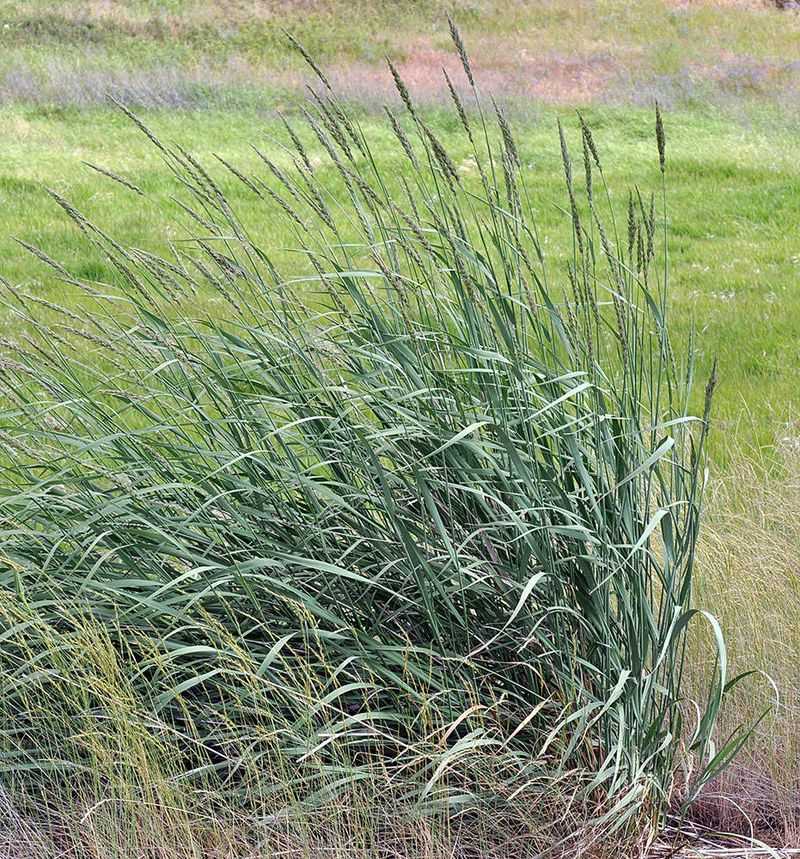
Grasses might not get as much attention as flowers, but native Oregon grasses are quietly essential for supporting a healthy insect community.
They provide nesting material, egg-laying sites, and protective cover for a surprising variety of beneficial insects.
No truly wildlife-friendly Oregon garden is complete without at least a few clumps of native grass.
Blue wild rye is one of the most versatile native grasses in Oregon. It grows in dense, arching clumps that give ground beetles, spiders, and other predatory insects plenty of places to hunt and hide.
Ground beetles are natural allies in the garden because they feed on slugs, root maggots, and other damaging pests.
Tufted hairgrass thrives in moist Oregon soils and provides excellent habitat for small insects that live close to the ground. Its fine, wispy texture creates a soft, sheltered environment that many insects prefer for overwintering.
Leaving these grasses standing through the colder months gives insects a safe place to wait out the season.
Native grasses also help reduce erosion, retain soil moisture, and add beautiful texture to your garden design. They are low-maintenance once established and look stunning when planted alongside native wildflowers.
Adding grasses to your Oregon garden is one of the easiest ways to increase habitat value without extra work.
7. Nectar Sources All Season
One of the smartest things an Oregon gardener can do is plan for blooms across every season. Beneficial insects need nectar and pollen from early spring through late fall.
When there are gaps in the bloom calendar, insects go hungry and may leave your garden for good.
Starting in late winter, Oregon grape provides the first burst of yellow flowers that early bees desperately need. As spring arrives, camas and red flowering currant take over, keeping the nectar supply flowing.
These plants overlap just enough to make sure there is never a long gap in available food.
Summer brings plants like showy milkweed, Pacific Ninebark, and native penstemons into full bloom. These mid-season powerhouses attract the widest variety of insects, from monarch butterflies to tiny native bees you might not even notice at first.
The diversity of flower shapes means different insect species can all find something suited to their needs.
As summer fades, goldenrod and asters carry the season through fall with rich yellow and purple blooms. These late-season plants are especially critical because they help insects build up energy reserves before winter.
Planning your Oregon garden around this seasonal progression is one of the most impactful things you can do for local insect populations.
8. Easy Care, Big Impact
Here is some genuinely good news for busy gardeners: native Oregon plants are some of the easiest plants you will ever grow.
Once established, they are adapted to Oregon’s rainfall patterns, soil types, and seasonal temperatures.
That means less watering, less fertilizing, and far less stress for you.
Because native plants evolved in Oregon, they do not need the extra help that non-native species often require. They handle dry summers and wet winters without complaint.
You can skip the chemical fertilizers and pesticides entirely, which is great news for the beneficial insects you are trying to support. Pesticides can seriously harm bees, ladybugs, and other helpful insects even when used carefully.
Reducing pesticide use and letting native plants do their thing creates a natural balance in your garden. Predatory insects like ladybugs and ground beetles keep pest populations in check, so you end up needing fewer interventions over time.
The garden essentially starts managing itself.
Maintenance mostly involves cutting back spent stems in late winter and adding a little compost to the soil every year or two. That is really all it takes.
Whether you are a beginner or an experienced gardener in Oregon, native plants offer incredible returns for minimal effort. Small choices in your garden can have a genuinely big impact on your local ecosystem.